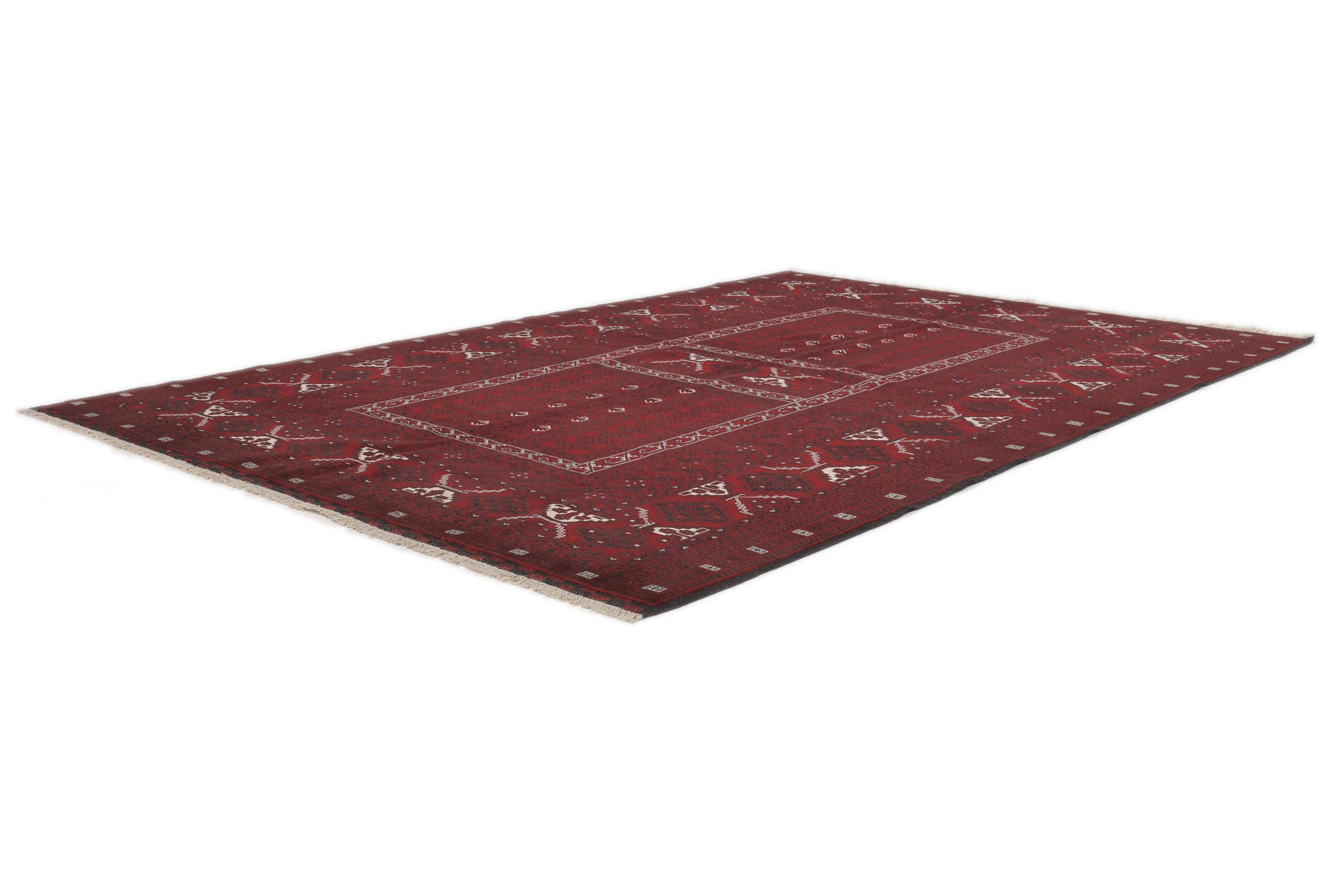
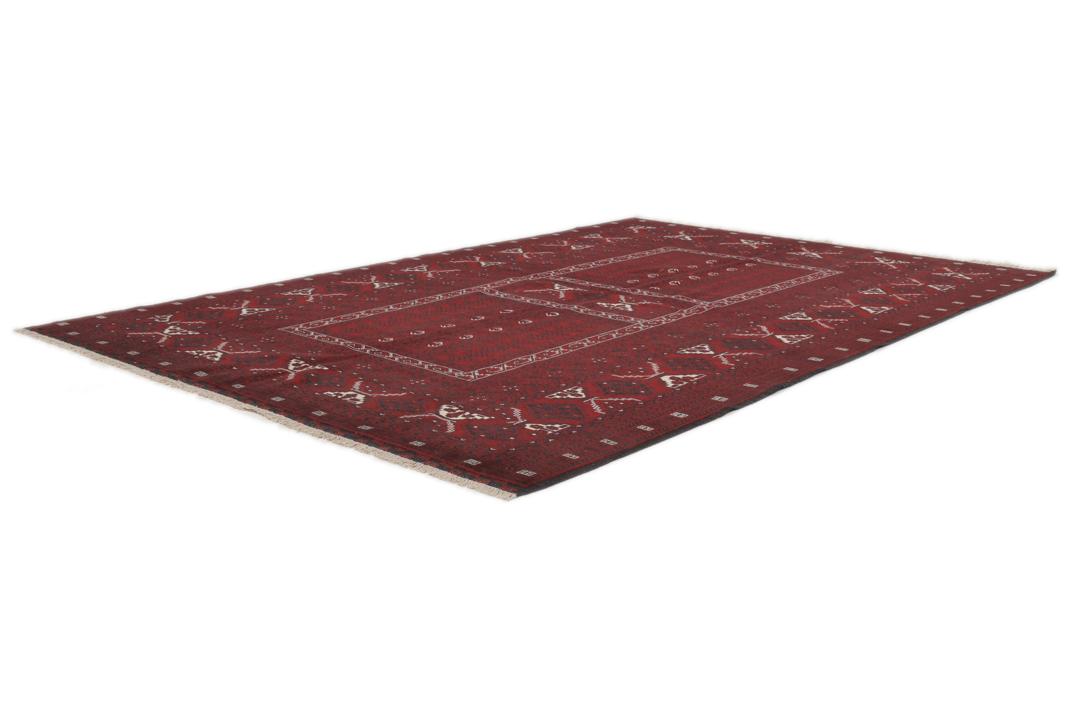
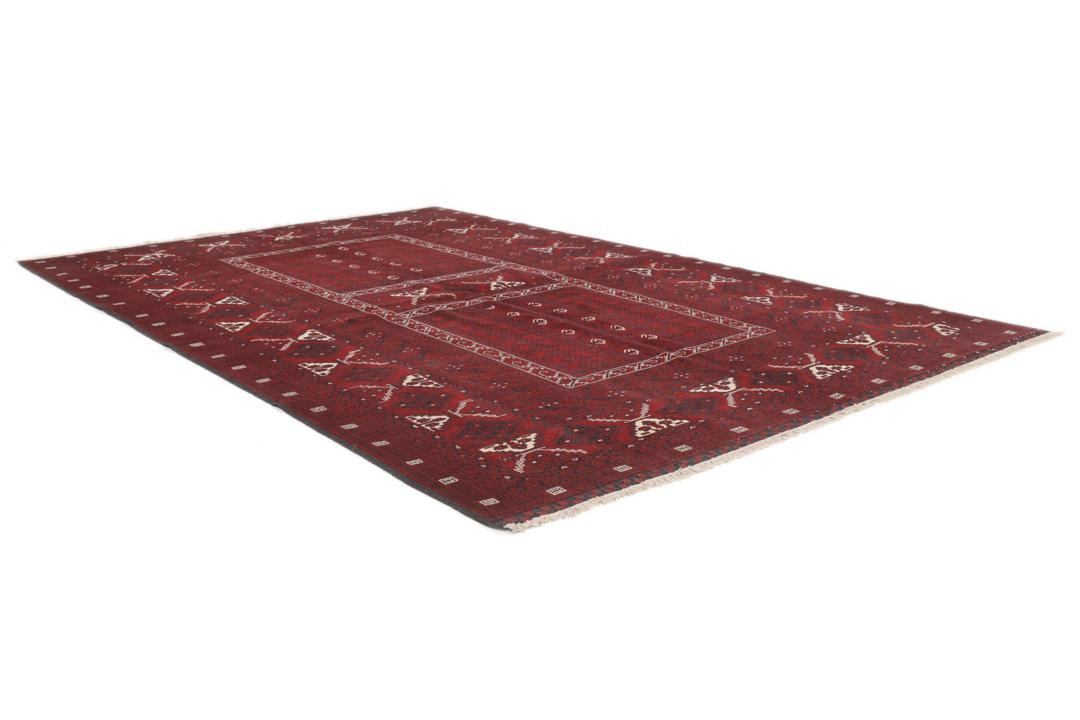
Kunduz rugs originate from the northern region of the Middle East, a land with a storied history of nomadic and village weaving. These rugs are deeply tied to the cultural identity of the region, where the art of weaving has been passed down through generations. The rugs reflect the rugged beauty of the landscape and the resilience of the communities that create them.
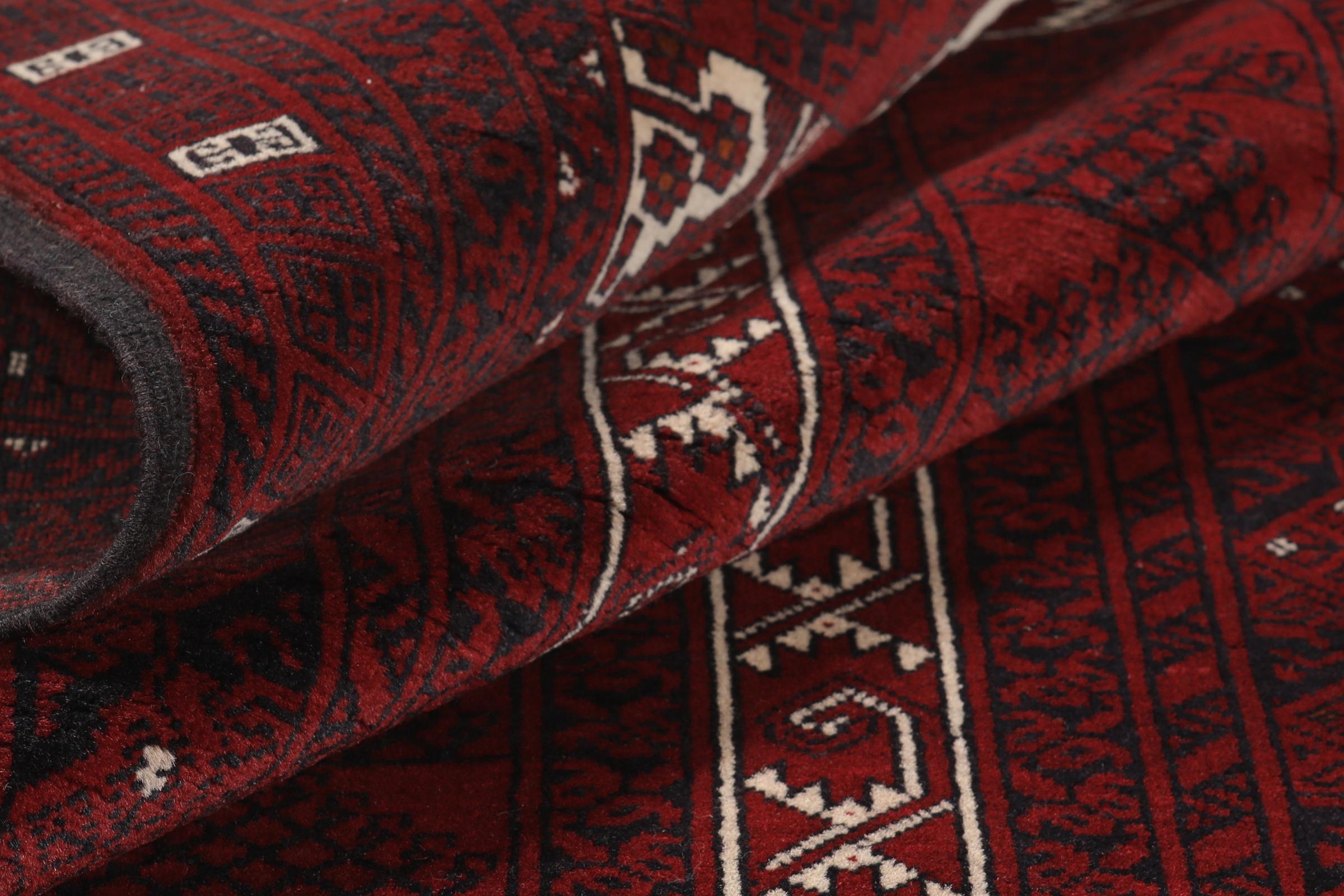
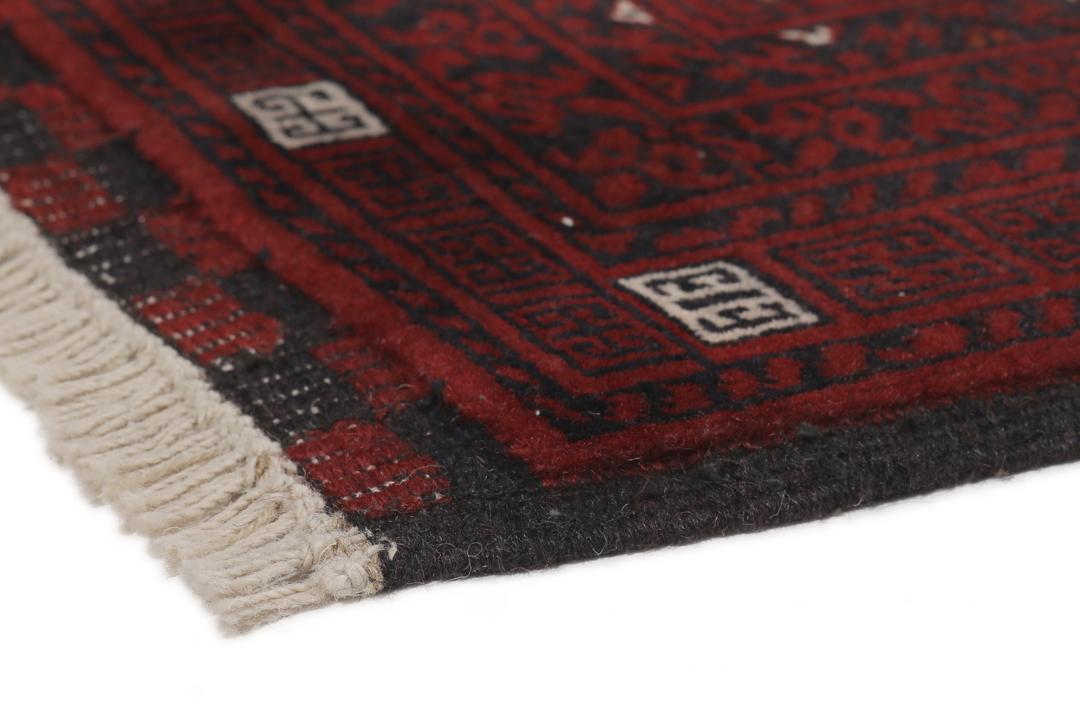
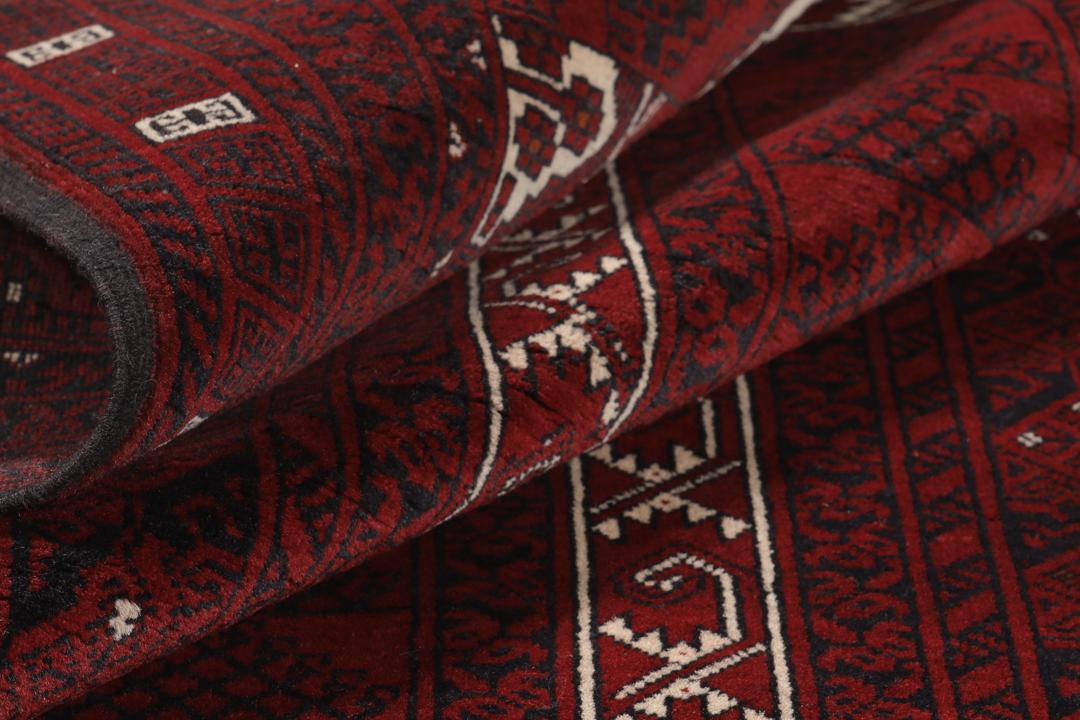
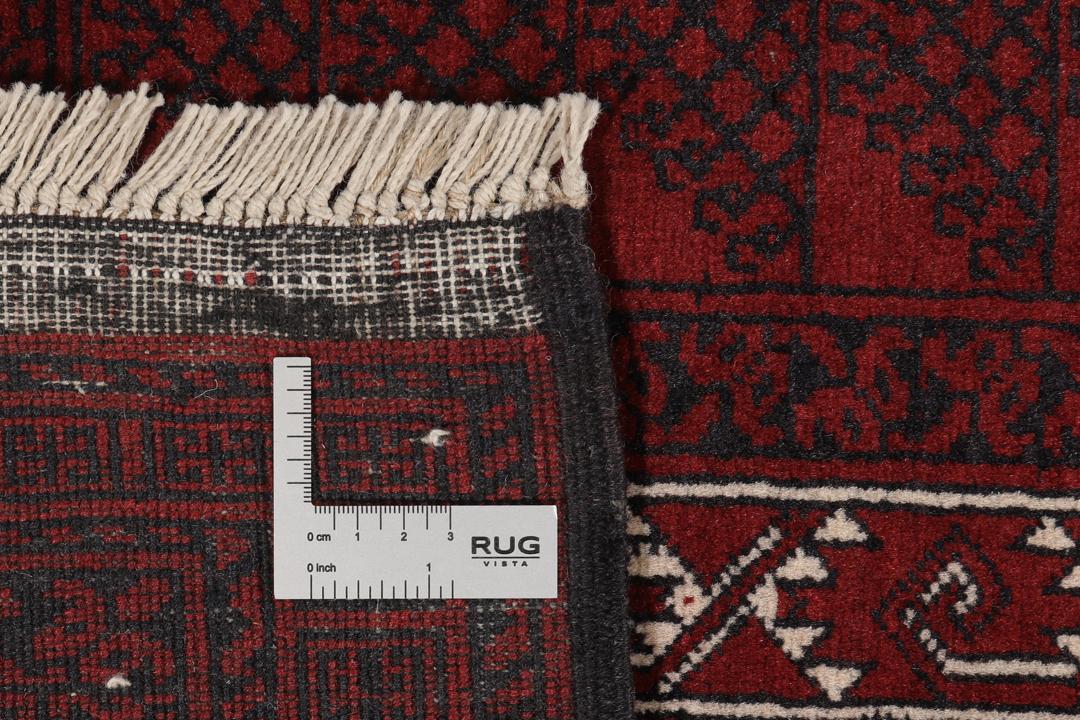
The term Kunduz refers to both the city and the broader style of rug-making found in the province. These rugs are typically hand-knotted using Wool, which provides a durable and long-lasting pile. The process involves a traditional foundation that gives the rug its signature weight and strength, allowing it to lay flat and withstand years of use while retaining its lustre.
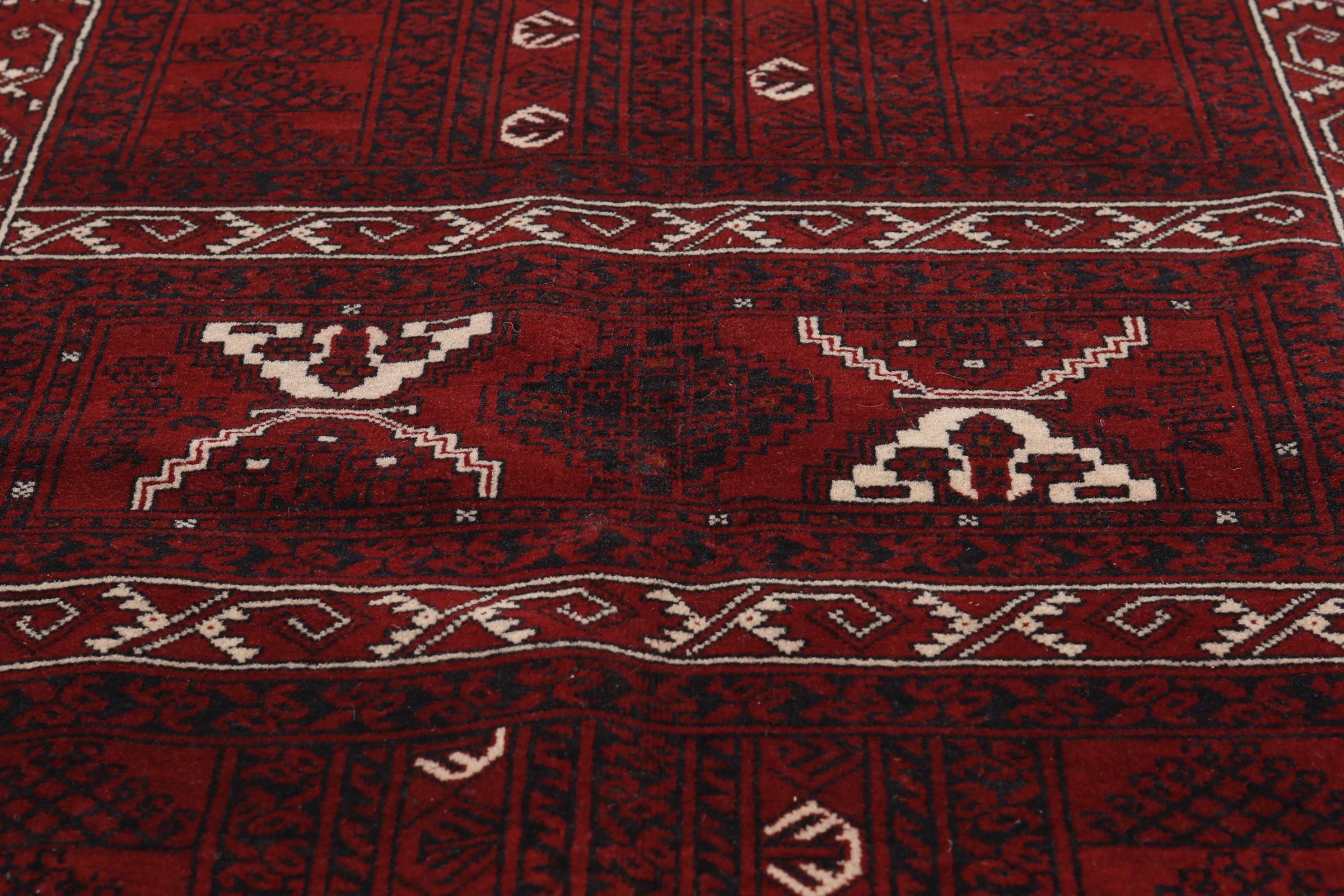
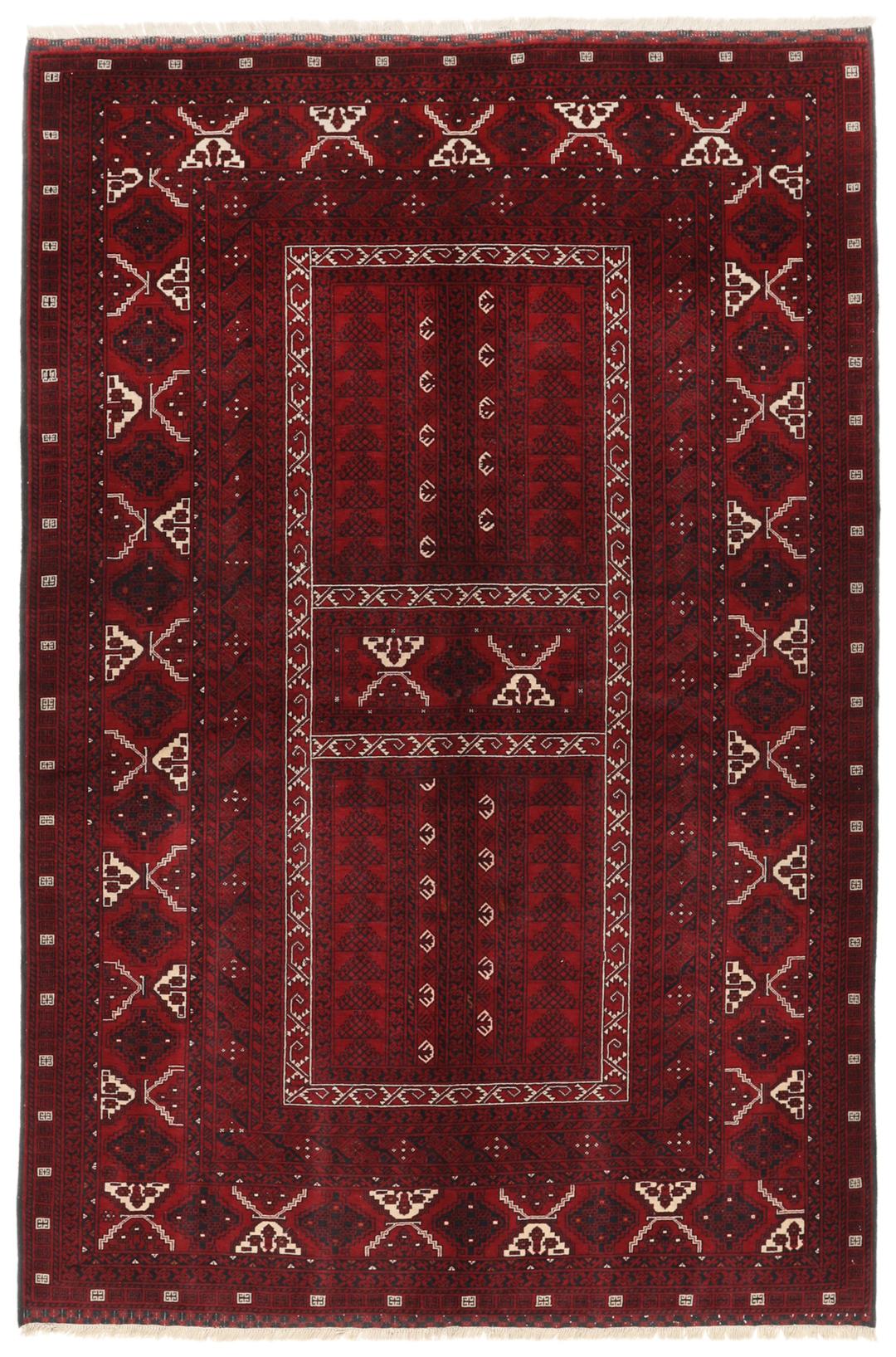
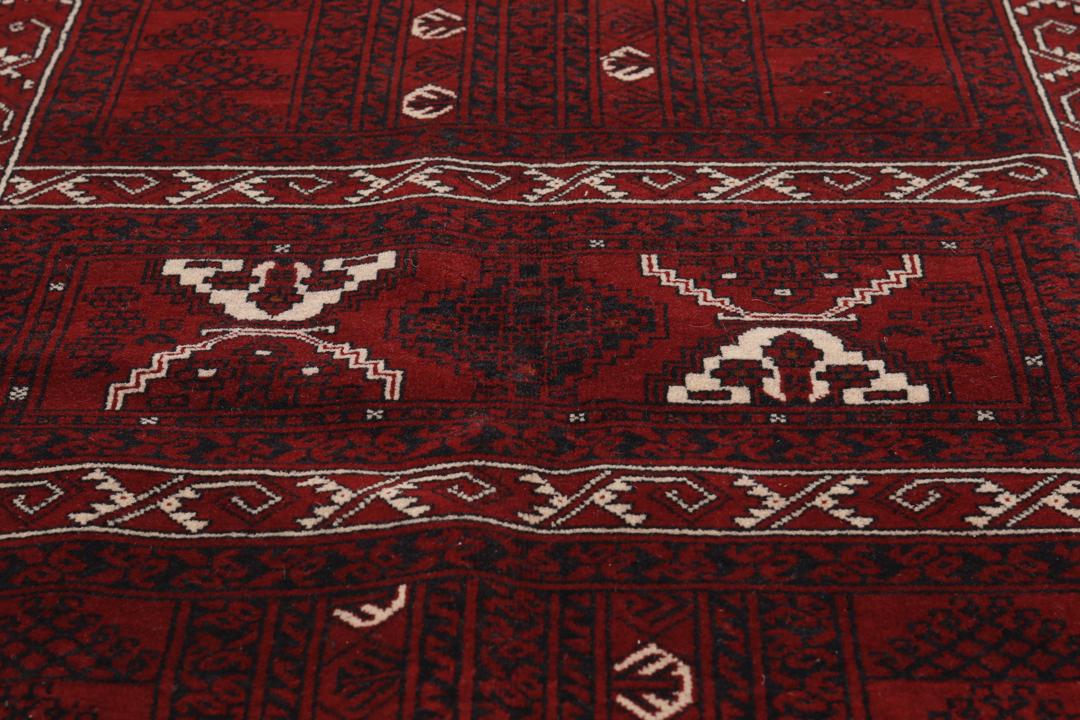
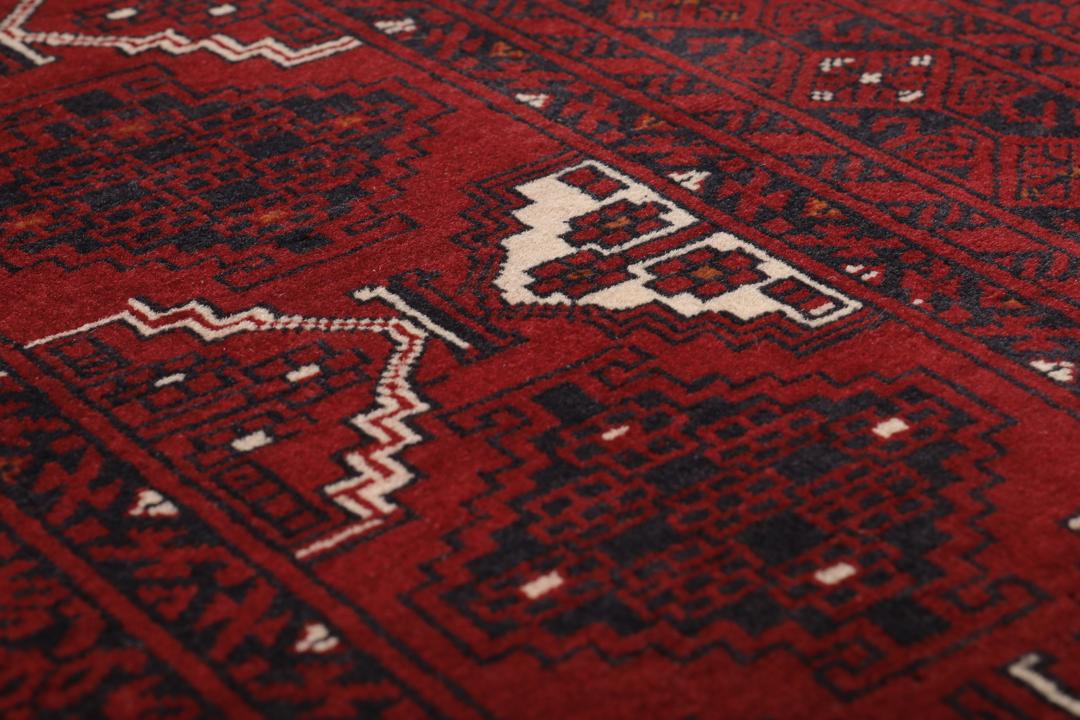
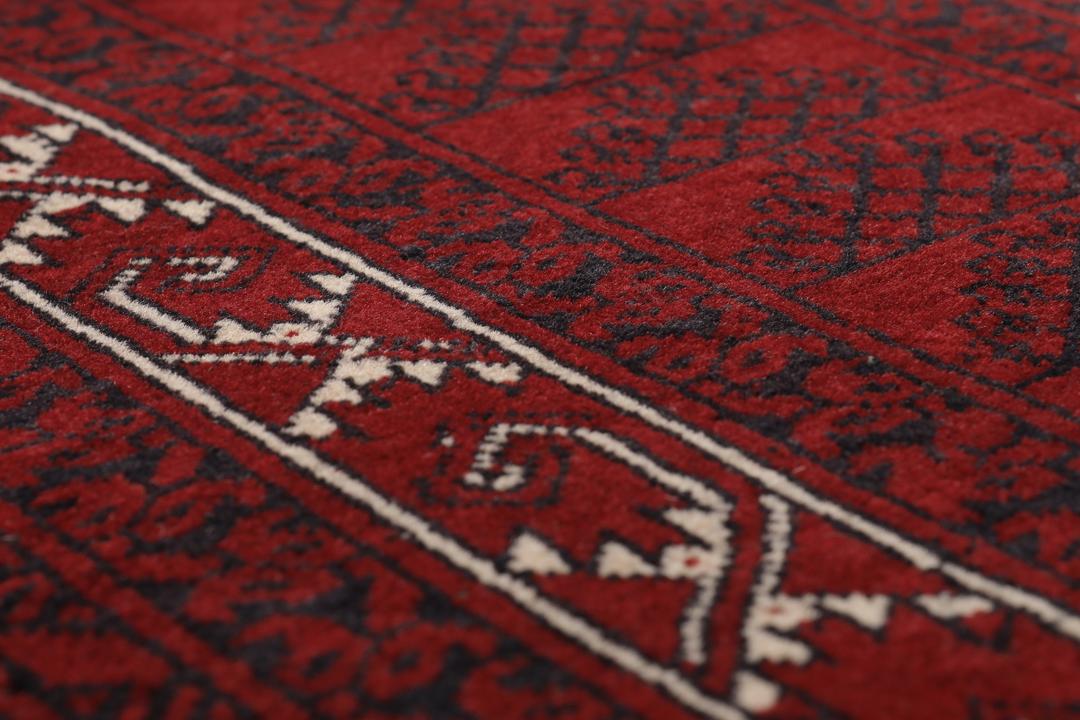
Visually, Kunduz rugs are known for their bold, geometric language. They often feature repeating motifs, such as the classic gul or tribal-inspired diamond shapes, set against a field of deep, saturated colour. The borders are typically formal and balanced, enclosing the field with intricate, repeating patterns that showcase the weaver's ability to maintain symmetry and precision without the aid of machines.
Collecting a Kunduz rug is an investment in cultural heritage and human skill. These pieces are valued for their authenticity and the way they represent a living, breathing tradition that has evolved on the Silk Road. By owning one, you are supporting a craft that prioritises patience, mastery, and the preservation of ancient design languages in a modern world.