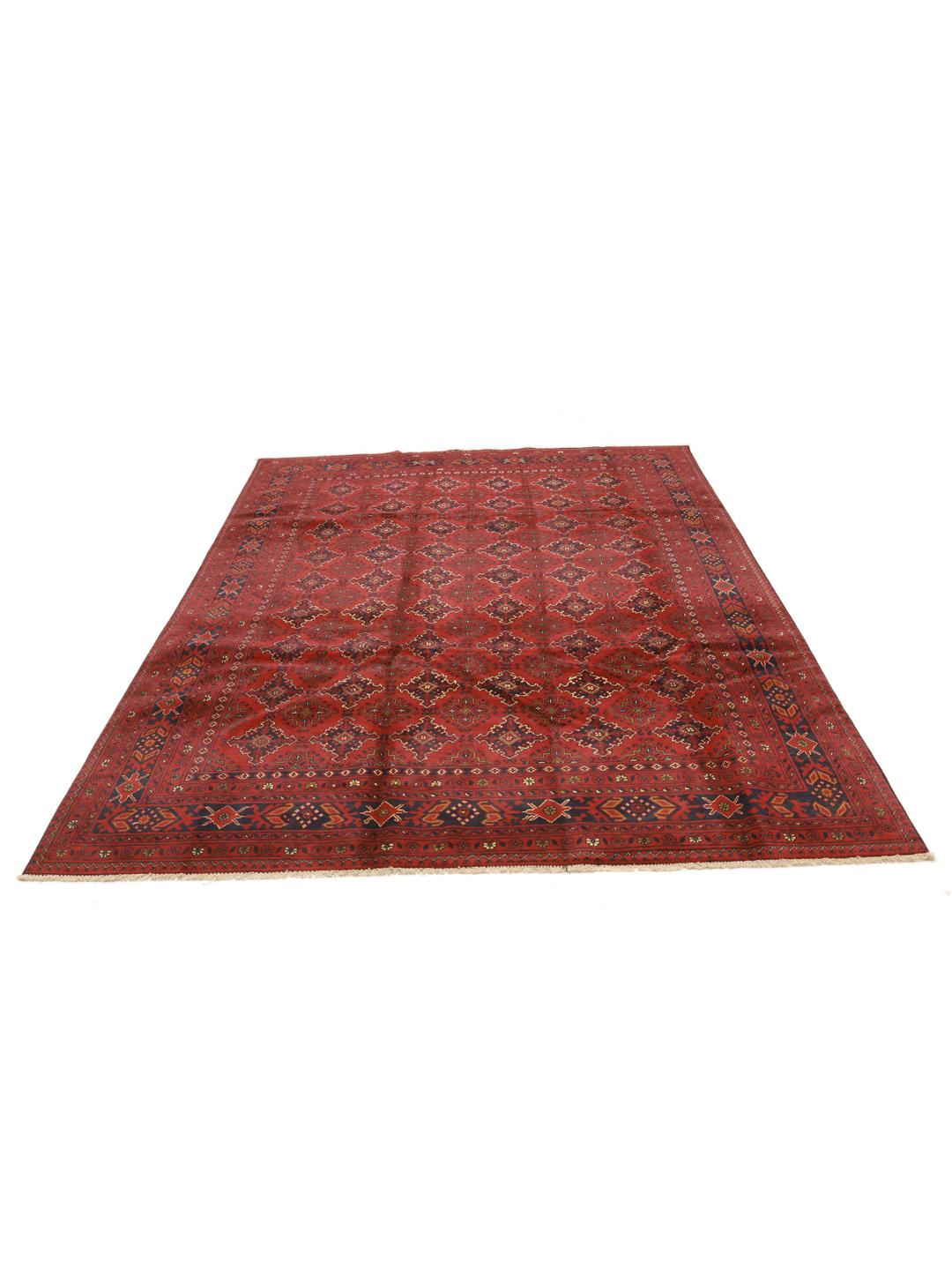
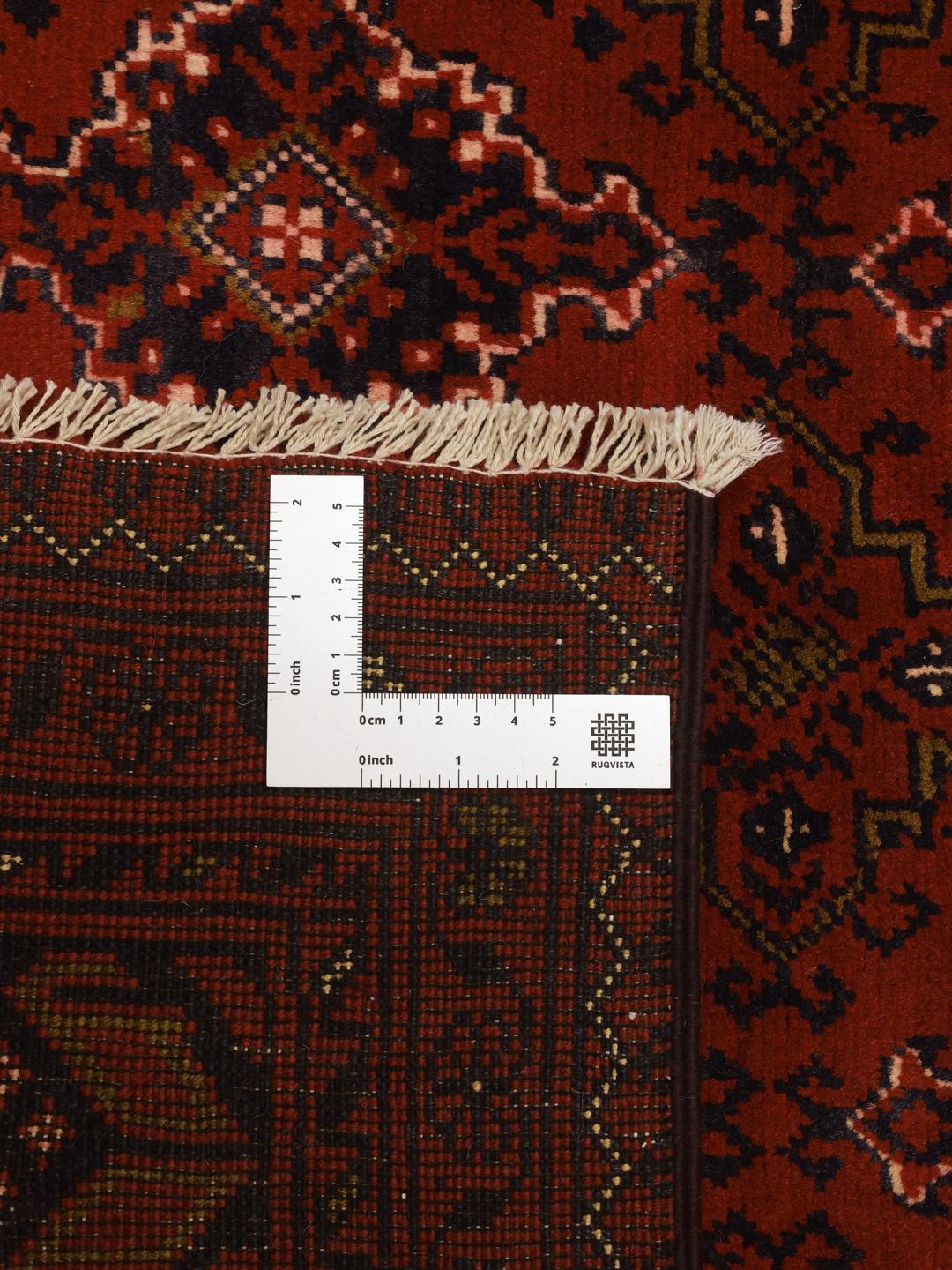
Kunduz rugs originate from the northern province of Kunduz in Afghanistan, a region with a long and storied history of nomadic and semi-nomadic weaving. Situated along ancient trade routes, this area became a melting pot of design influences, where Turkmen, Uzbek, and Tajik weavers shared techniques and patterns, shaping the distinctive regional style we see today.
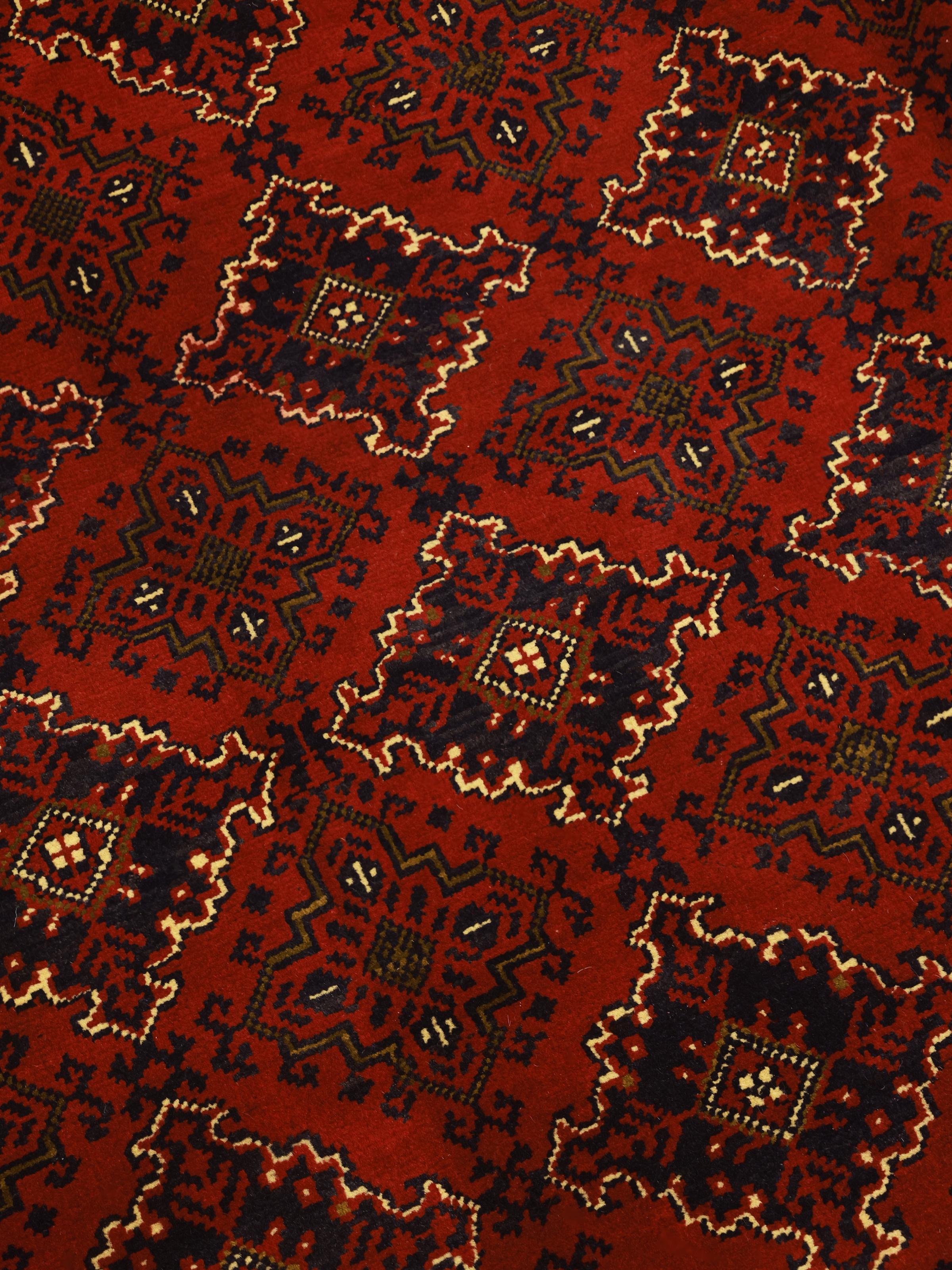
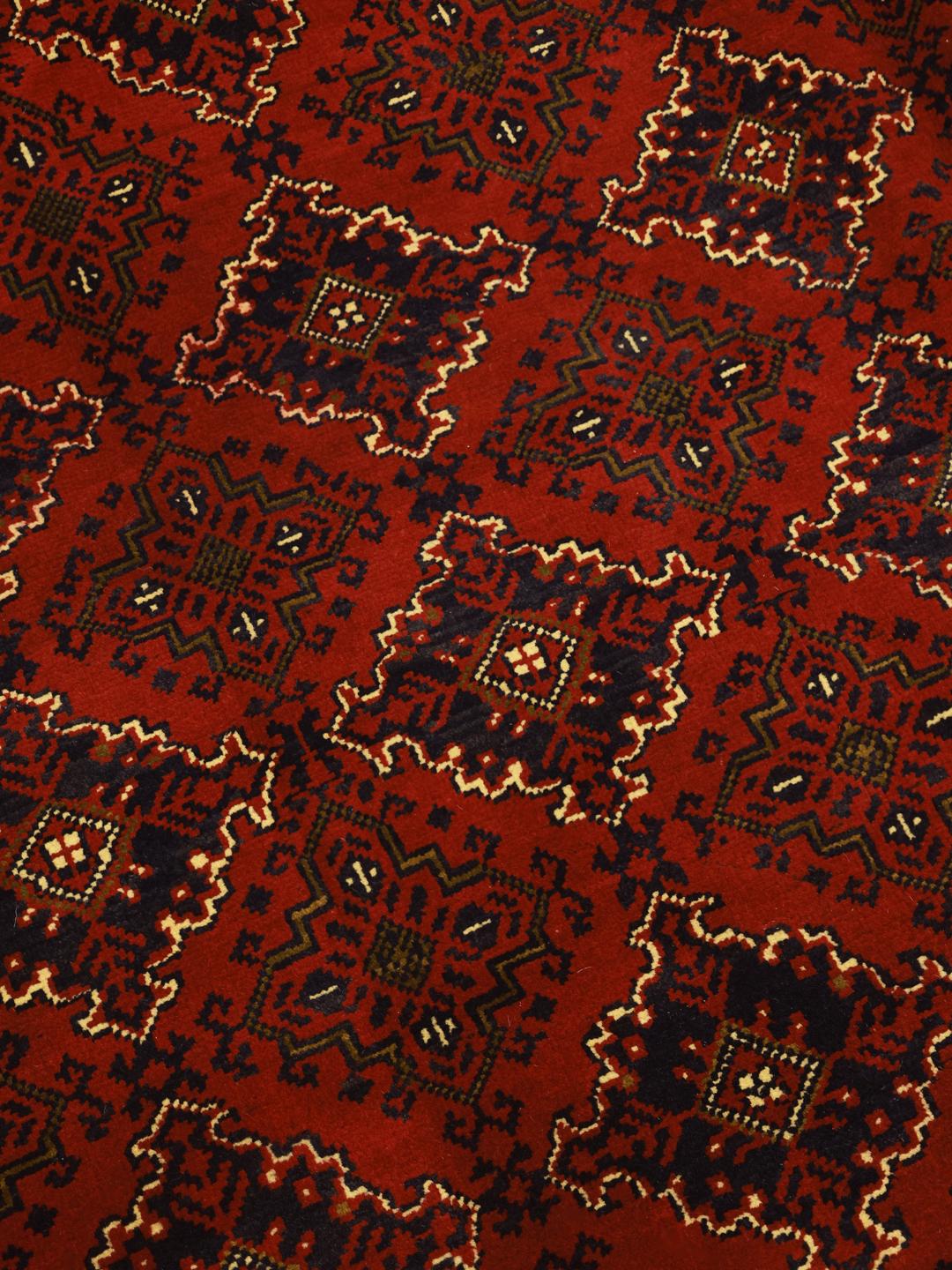
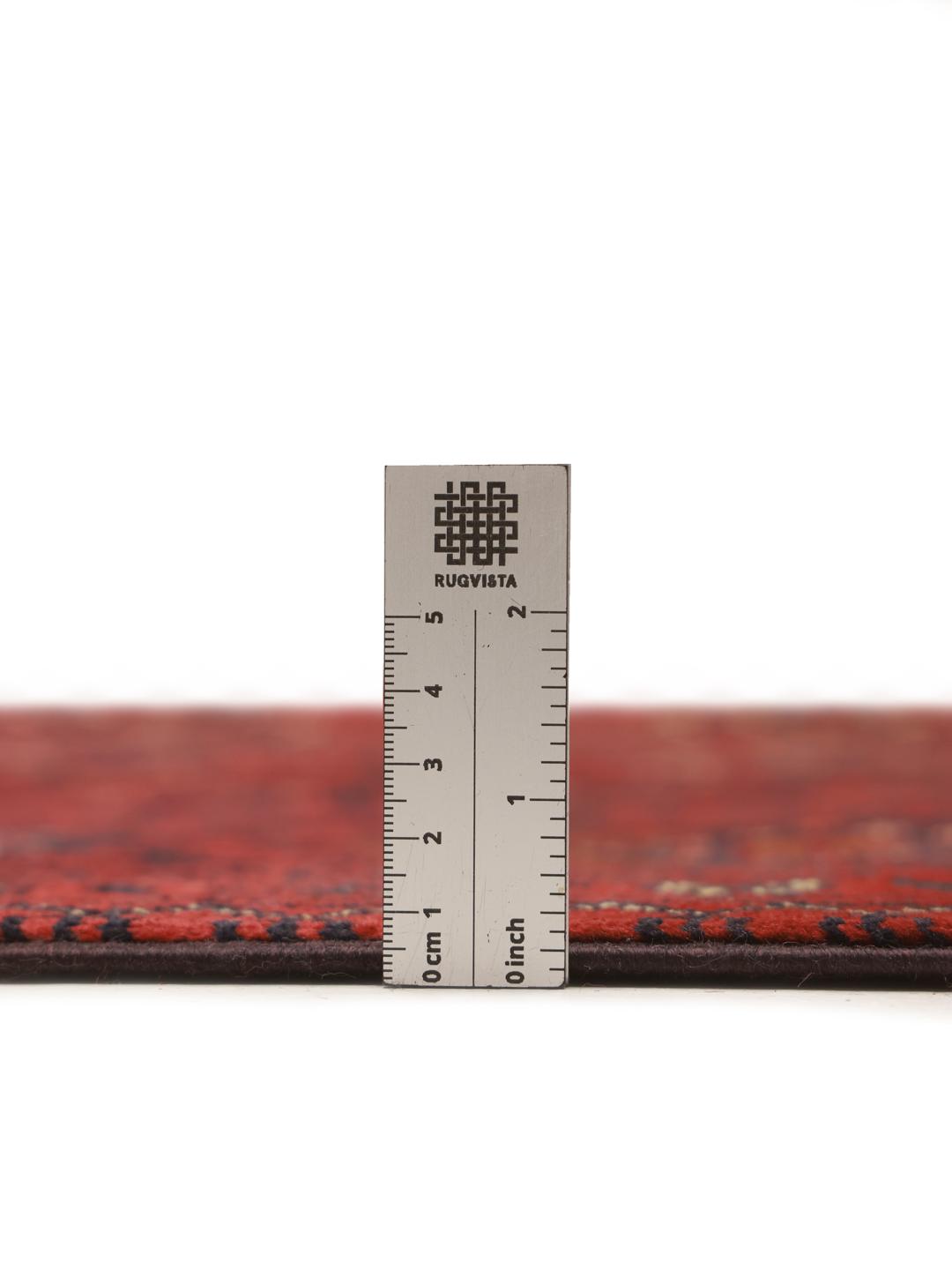
The term Kunduz refers not only to the geographic origin but also to a specific standard of weaving characterized by a dense, low-cut pile and highly detailed geometric patterns. By keeping the pile closely sheared, the intricate lines of the motifs remain exceptionally sharp and clear, ensuring the design does not become blurred over years of use.
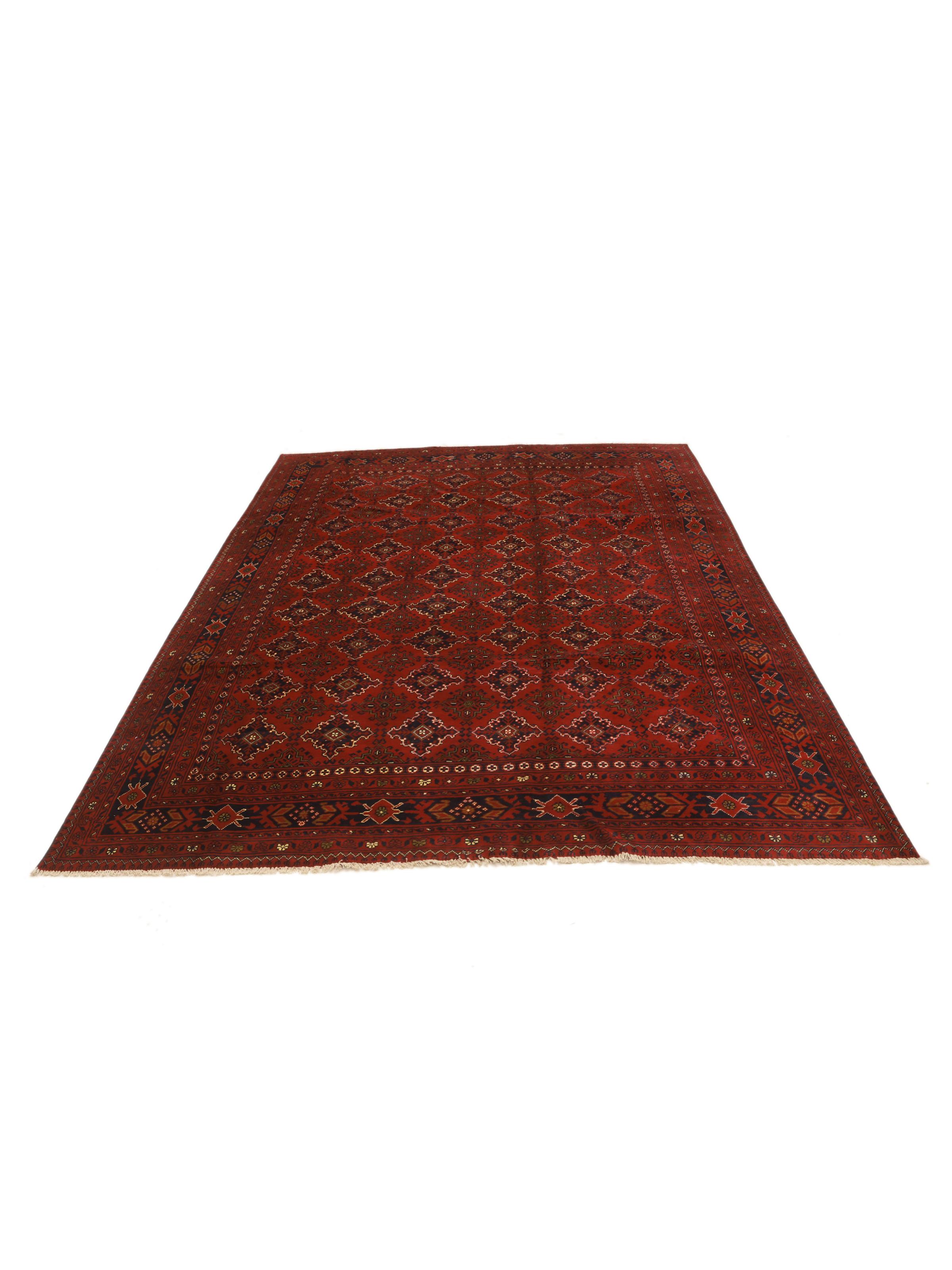
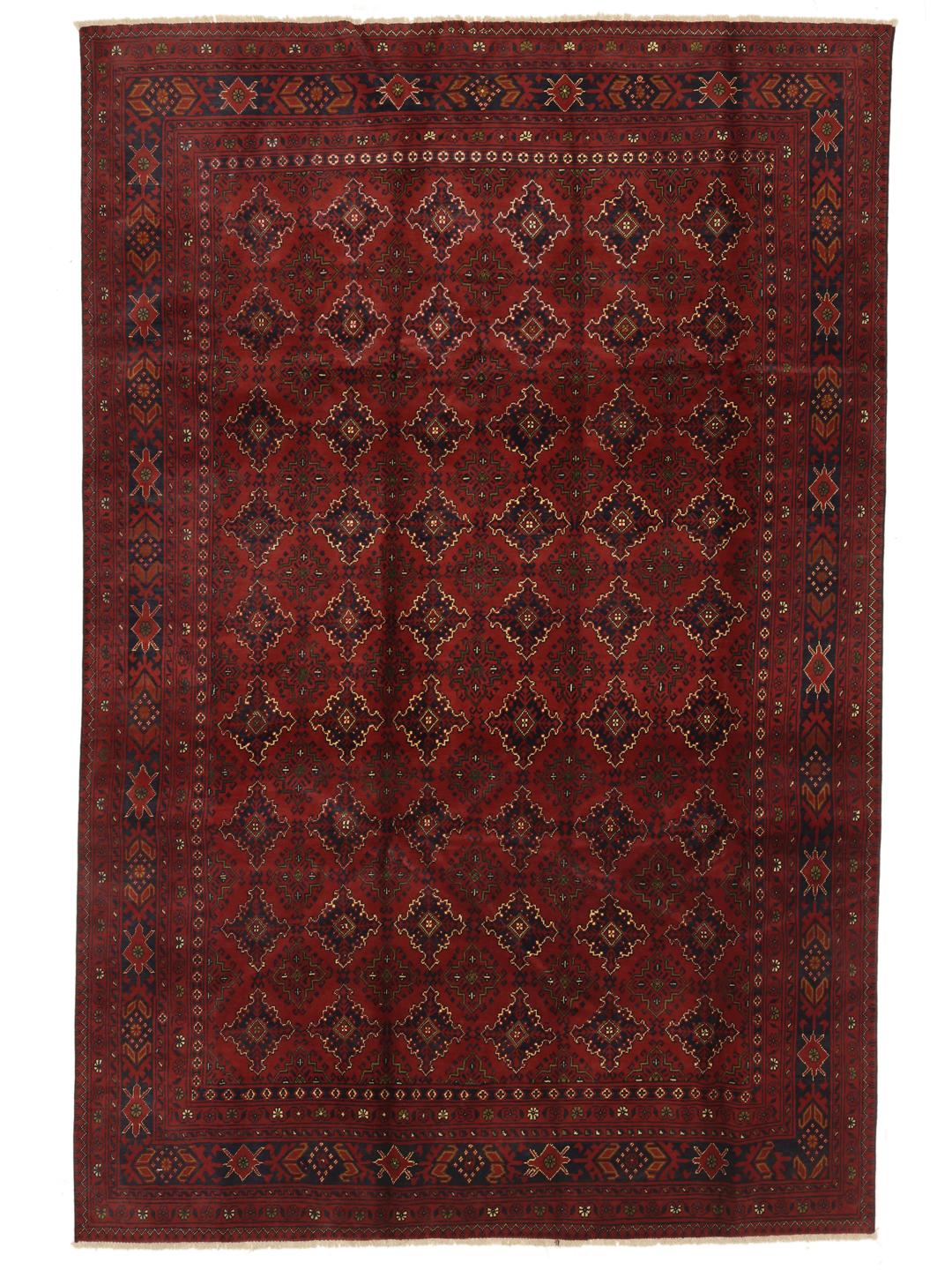
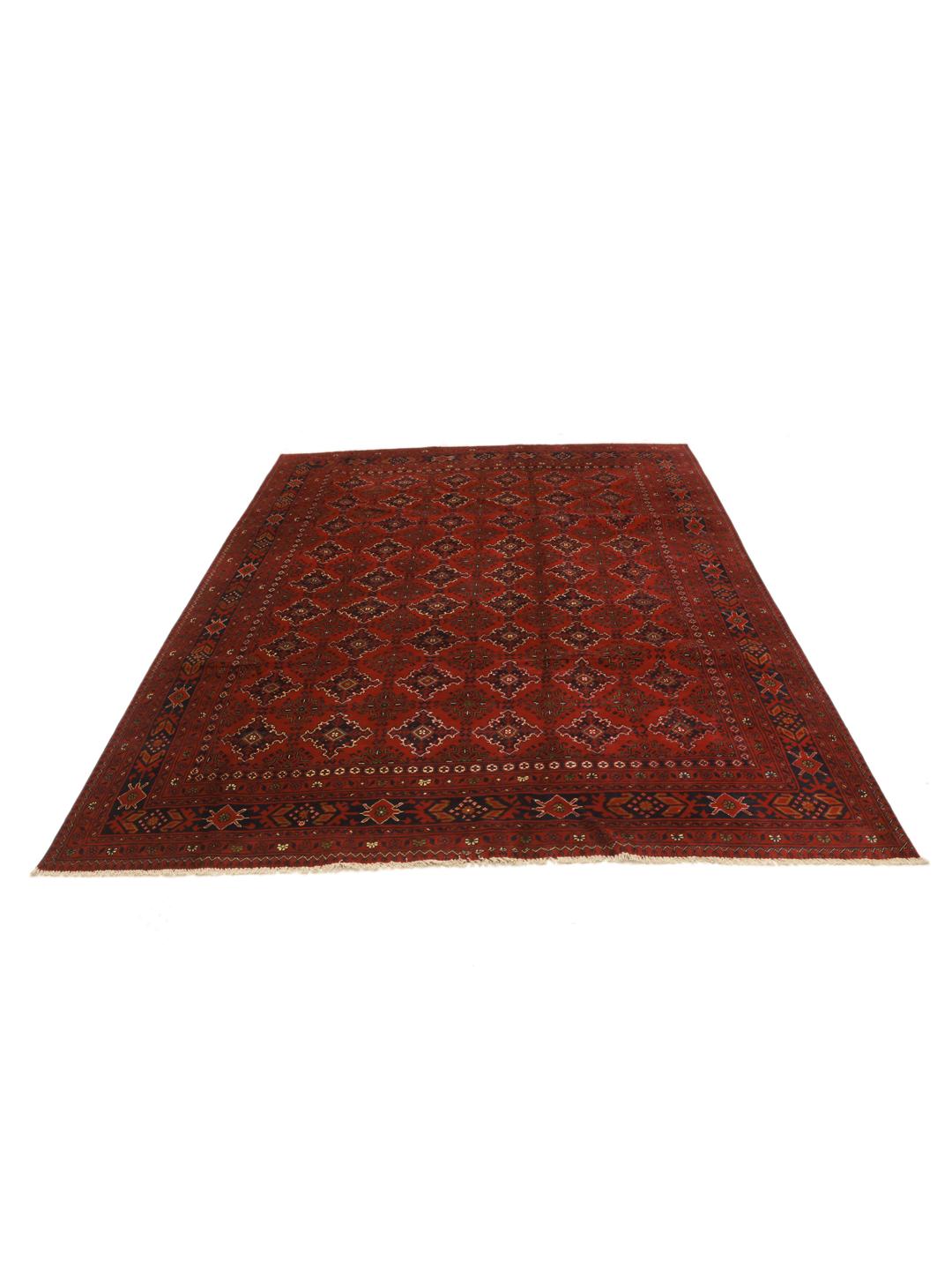
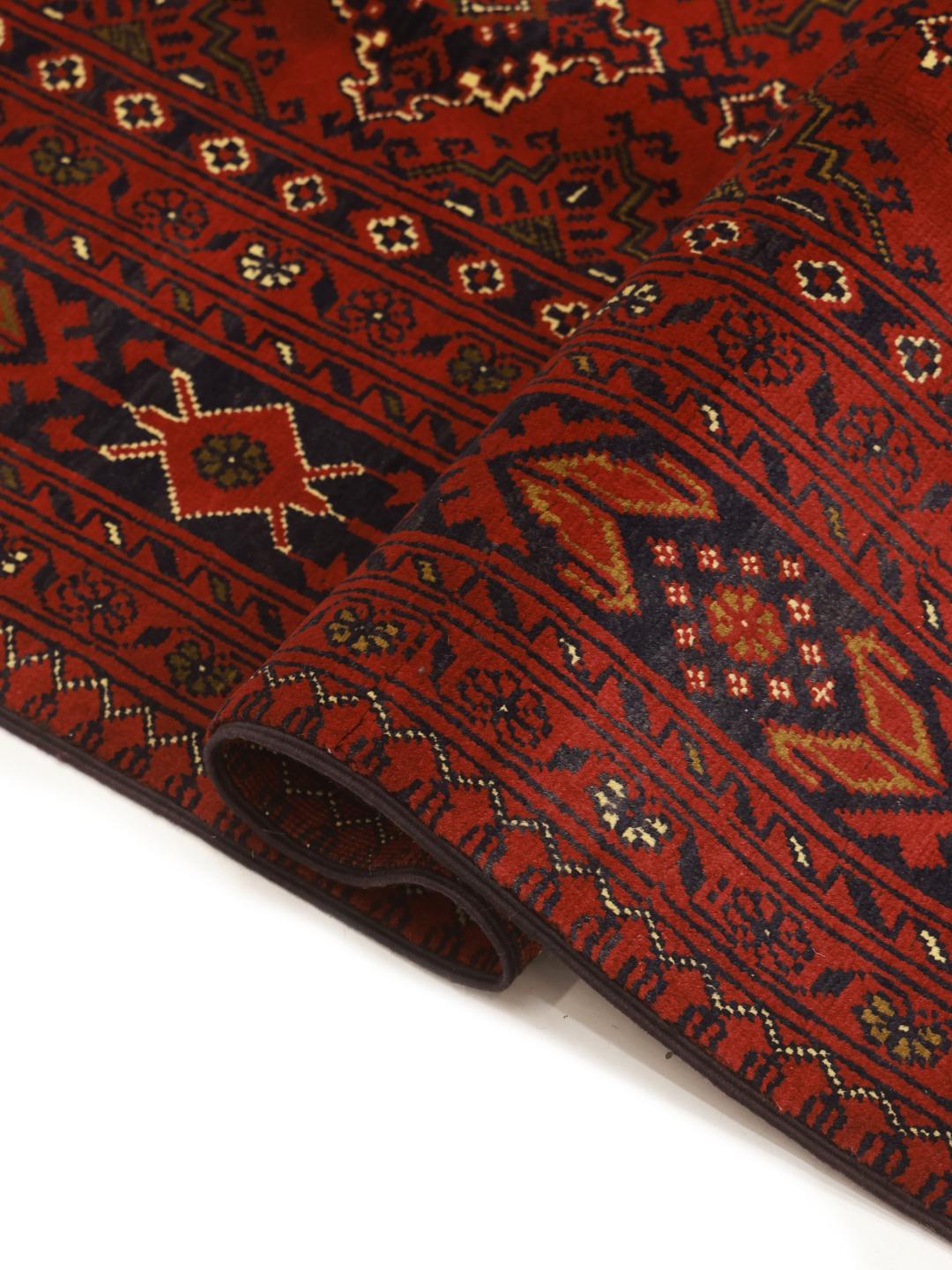
Traditional Kunduz rugs are instantly recognizable by their deep, lustrous red fields, often accented with dark blue, black, and ivory. The field is typically filled with repeating geometric medallions, known as guls, enclosed by complex, multi-layered borders that frame the central composition and give the rug its formal, balanced appearance.
Highly valued by collectors and homeowners alike, these rugs represent a living connection to the enduring spirit of Afghan craftsmanship. Owning a hand-knotted Kunduz rug means bringing a piece of this resilient cultural narrative into your home, appreciating the decades of passed-down knowledge woven into every single thread.