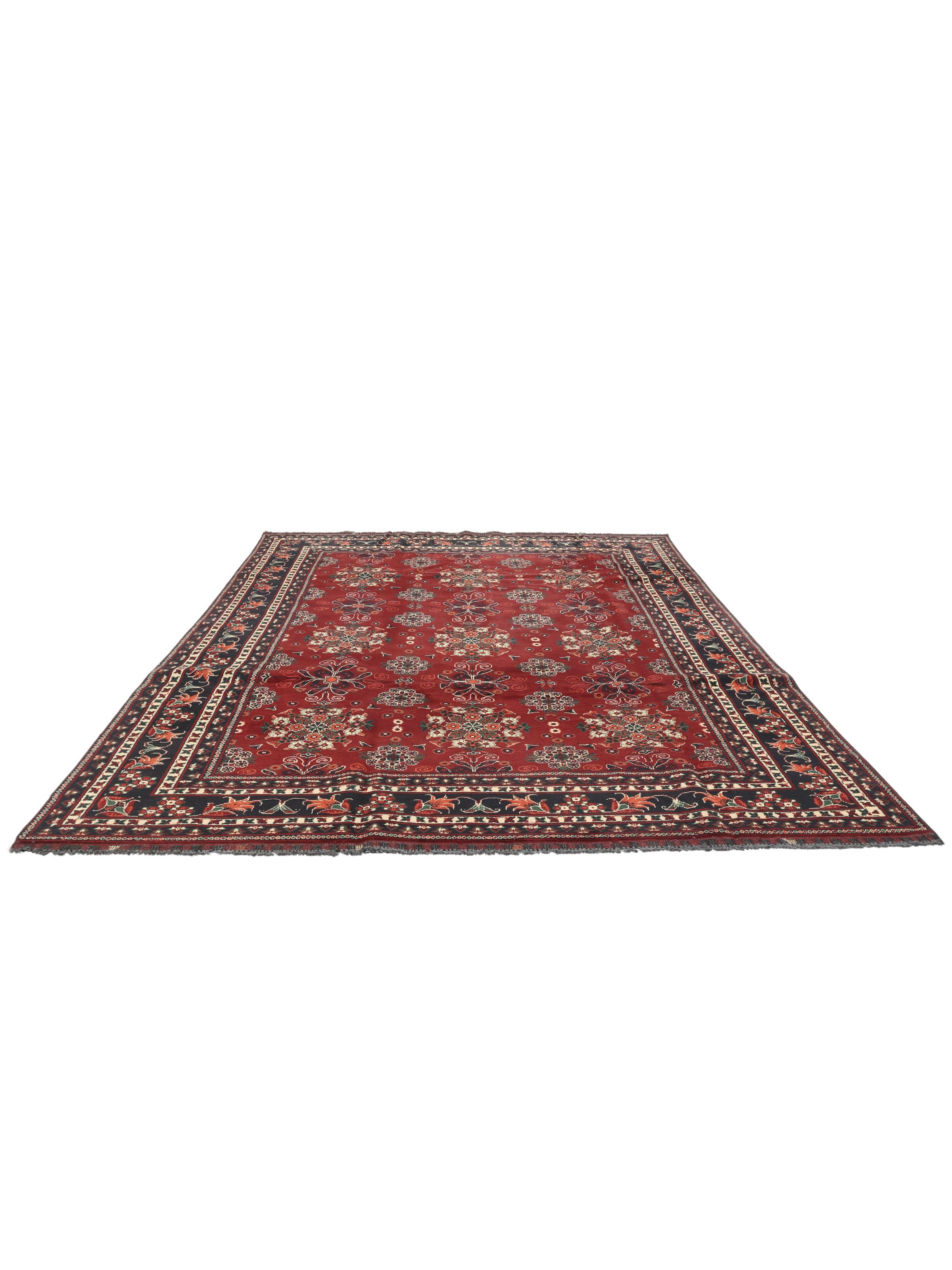
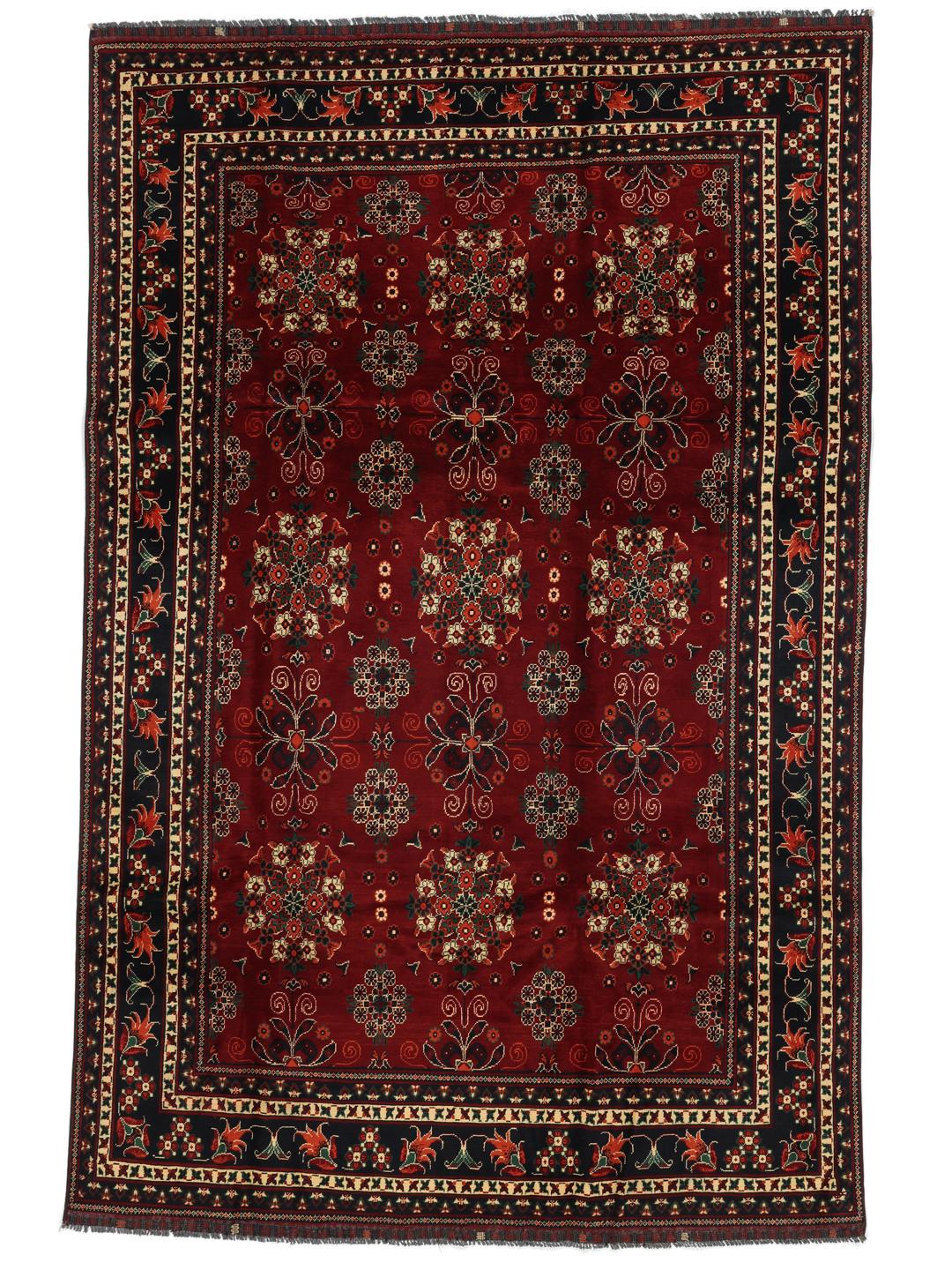
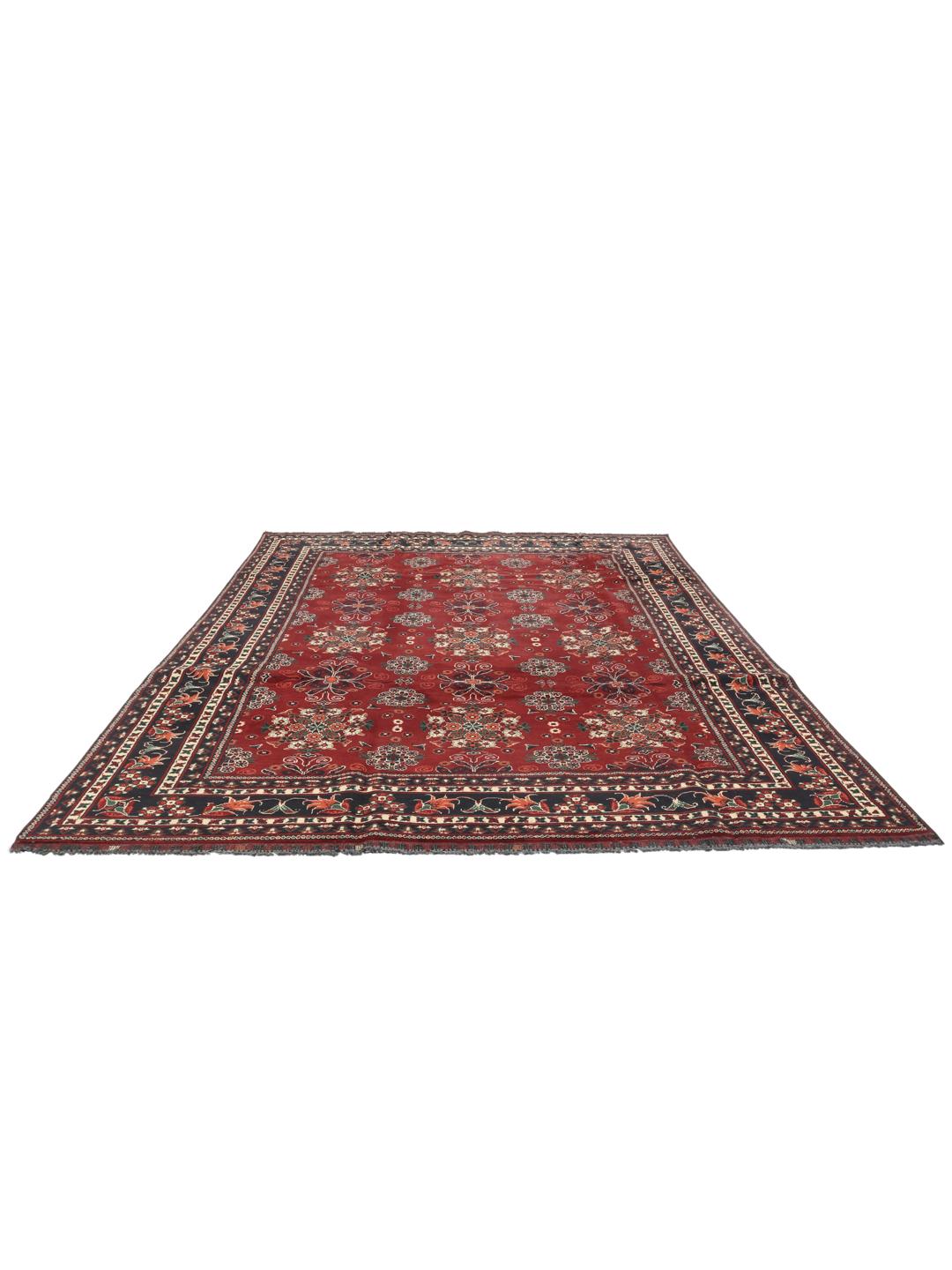
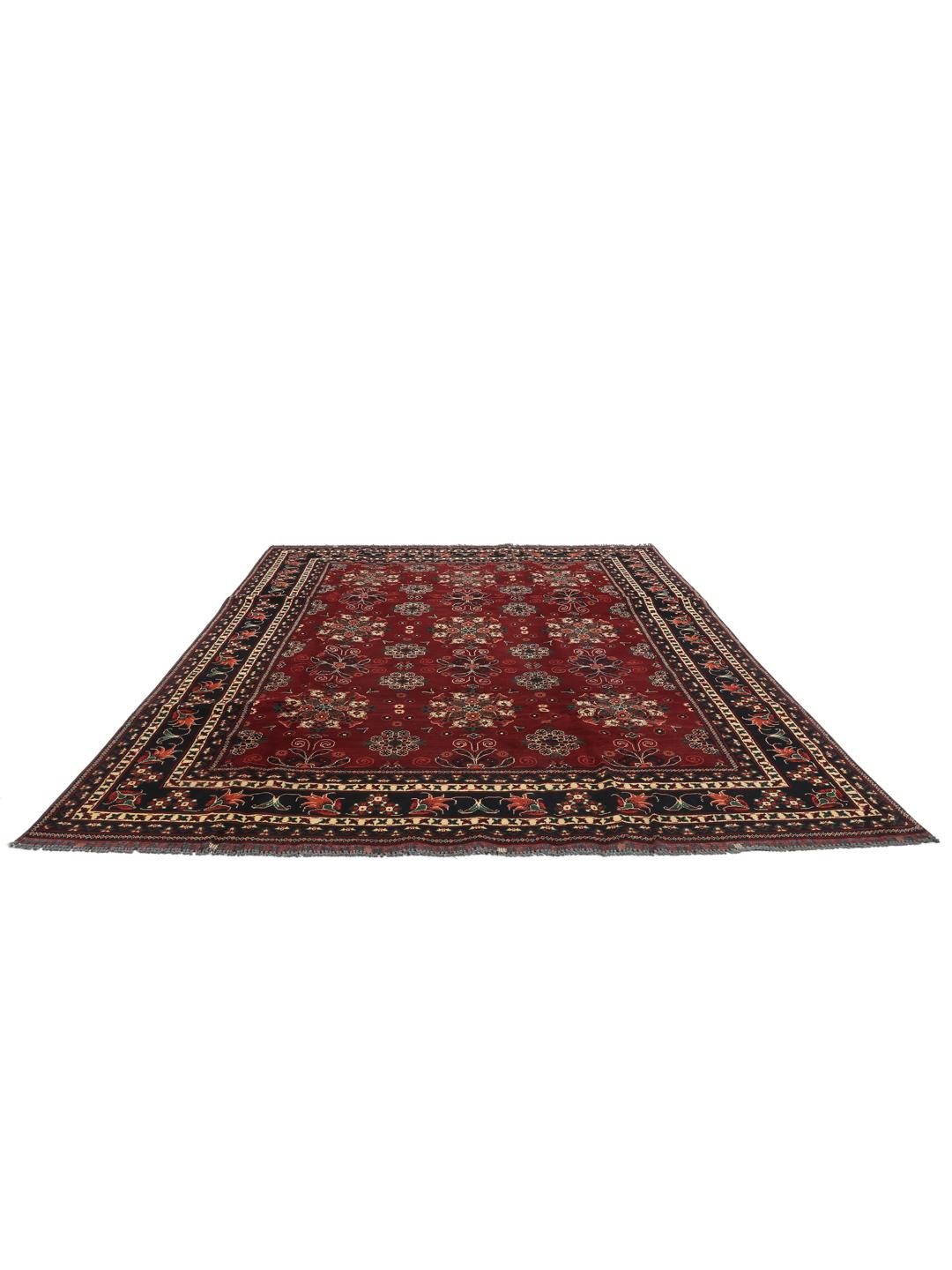
The Kunduz rug tradition originates from the northern regions of Afghanistan, a land with a deep-rooted history in nomadic and settled weaving cultures. These rugs are named after the historic city of Kunduz, which has long served as a vital hub for trade and craftsmanship along the ancient routes connecting Central Asia, the Middle East, and beyond.
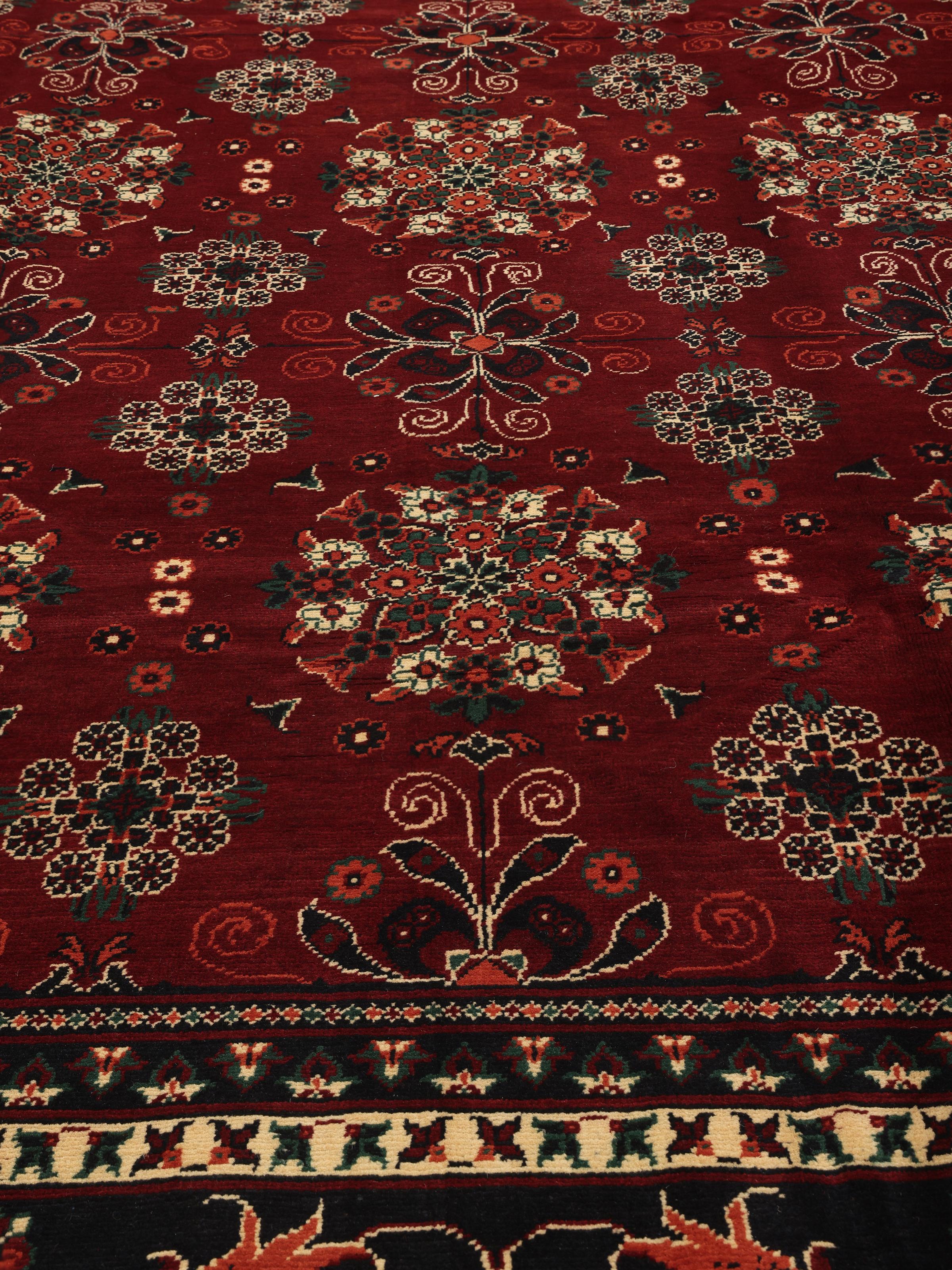
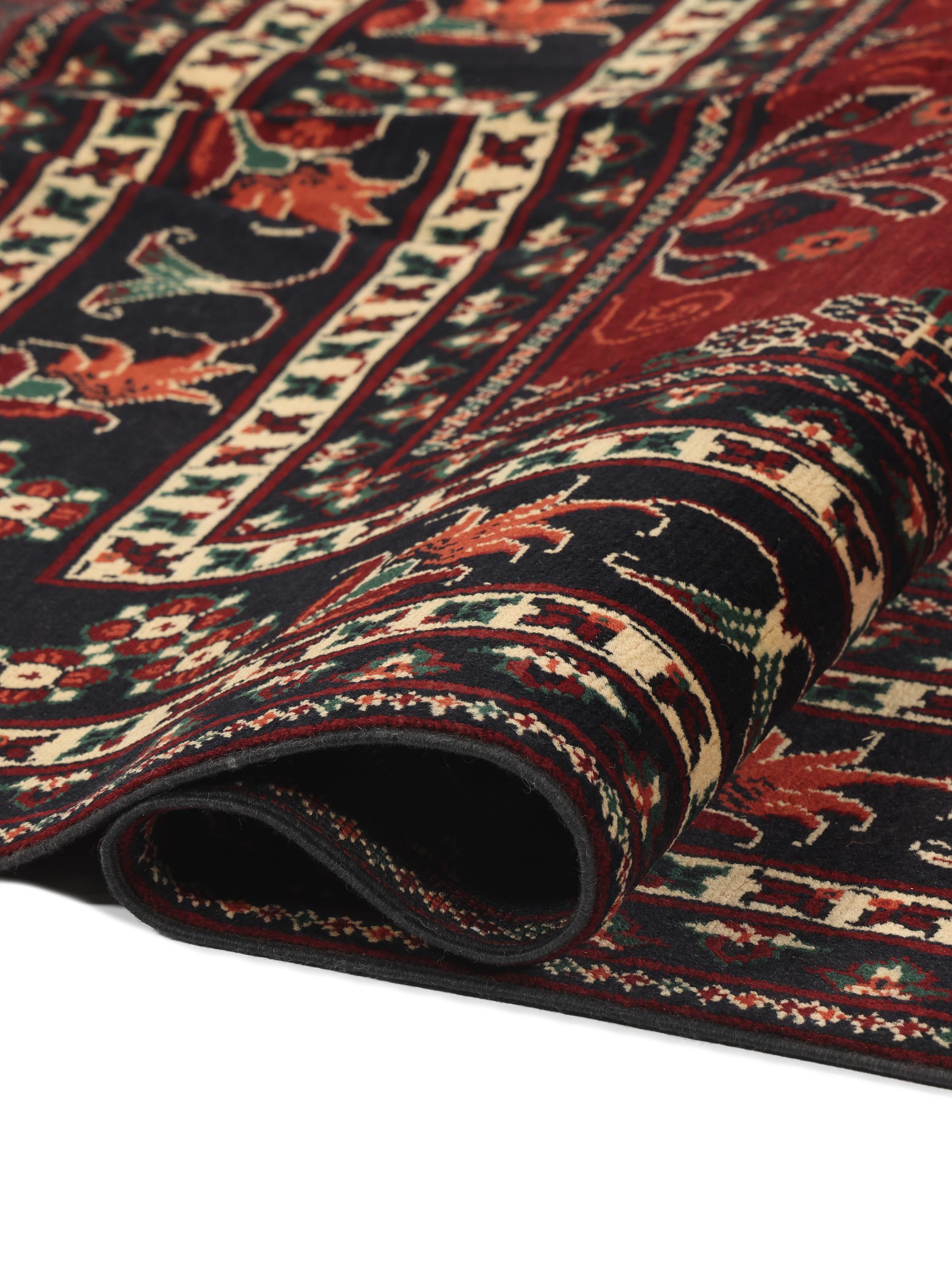
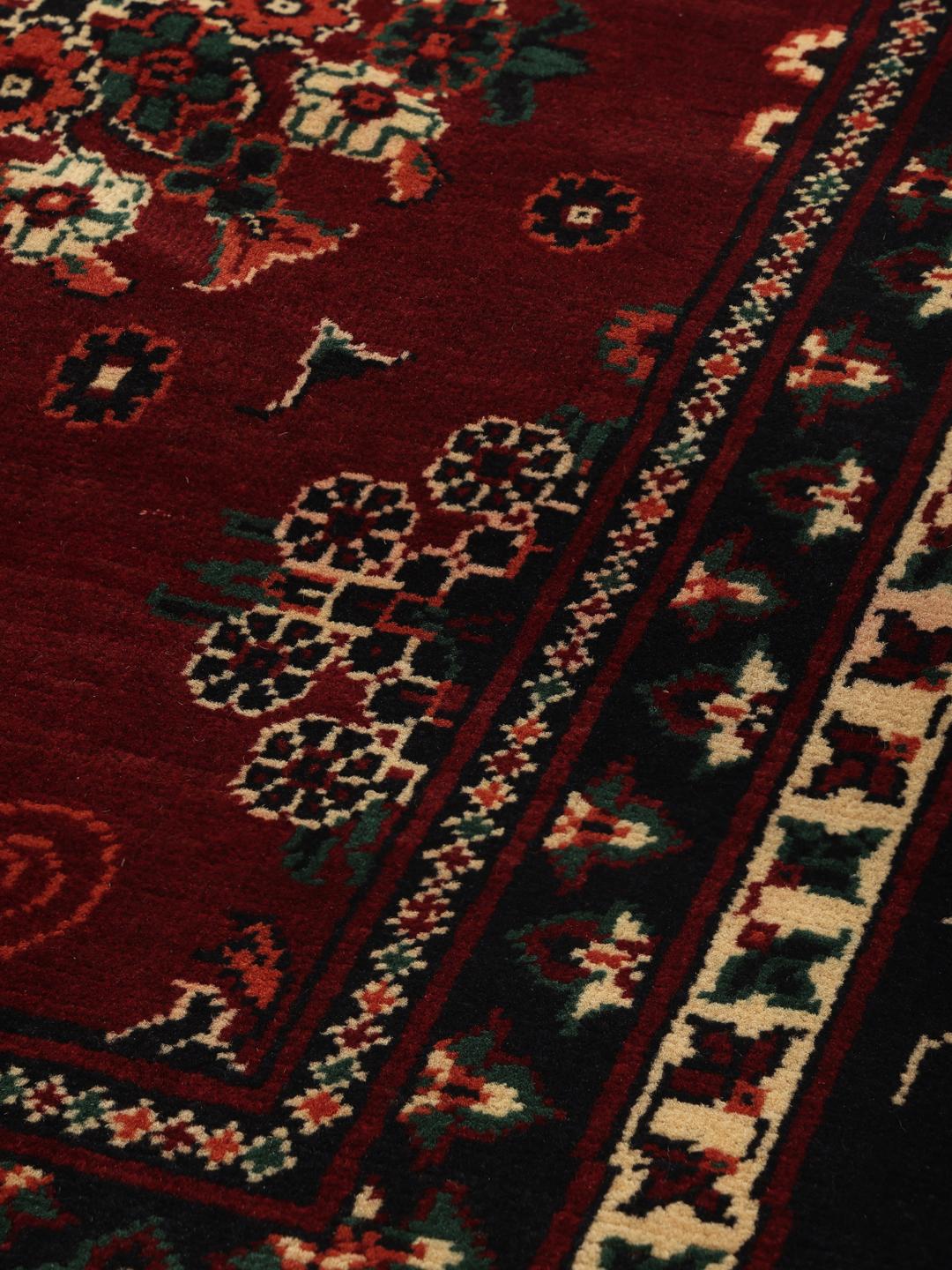
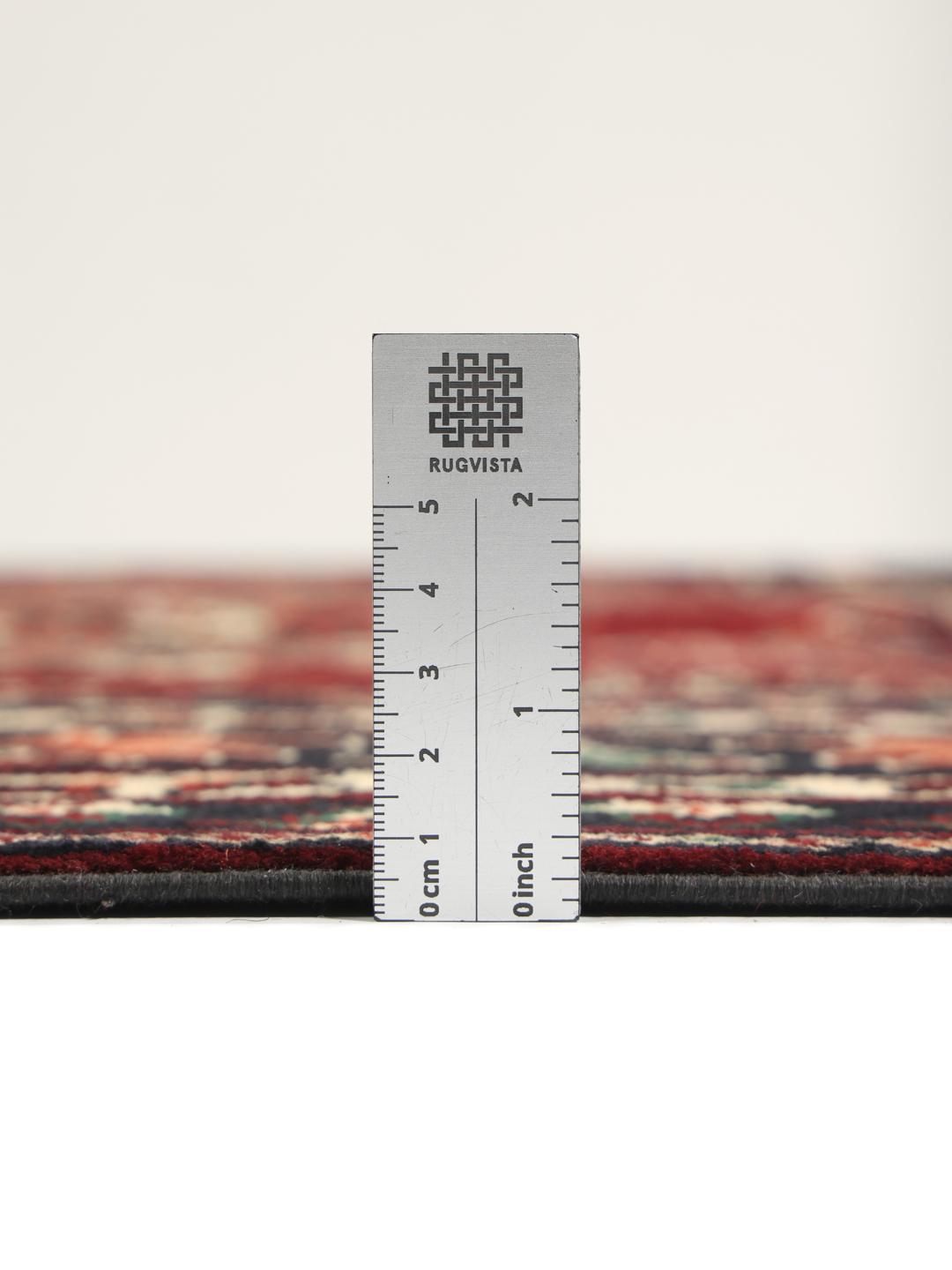
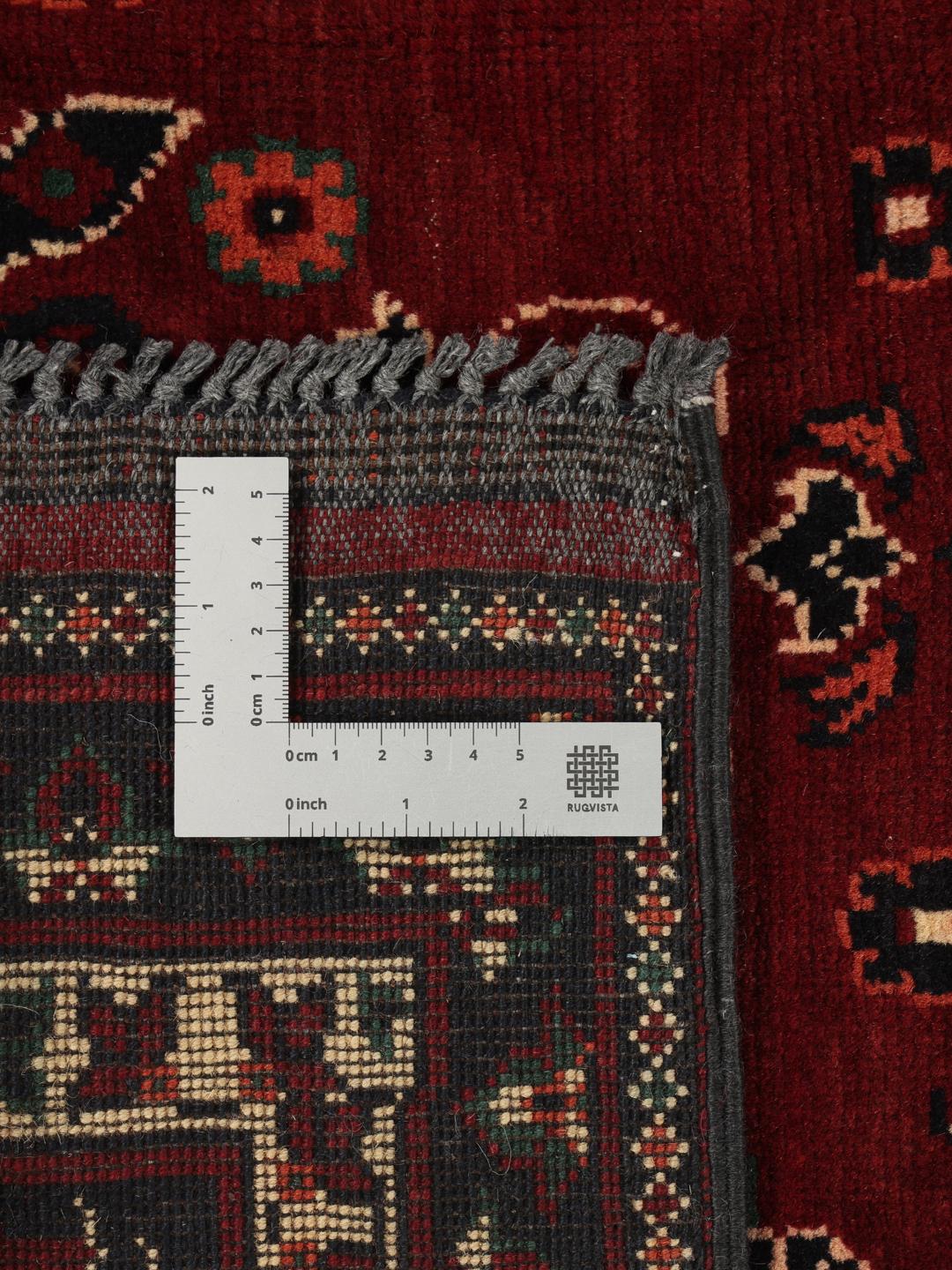
The craft of these rugs relies on traditional techniques that emphasise strength and longevity. The weavers use a durable foundation that supports a dense, resilient pile, which is essential for rugs meant to endure the rigours of both nomadic life and permanent home settings. This commitment to structural integrity is why these pieces are celebrated for their ability to remain in excellent condition for decades.
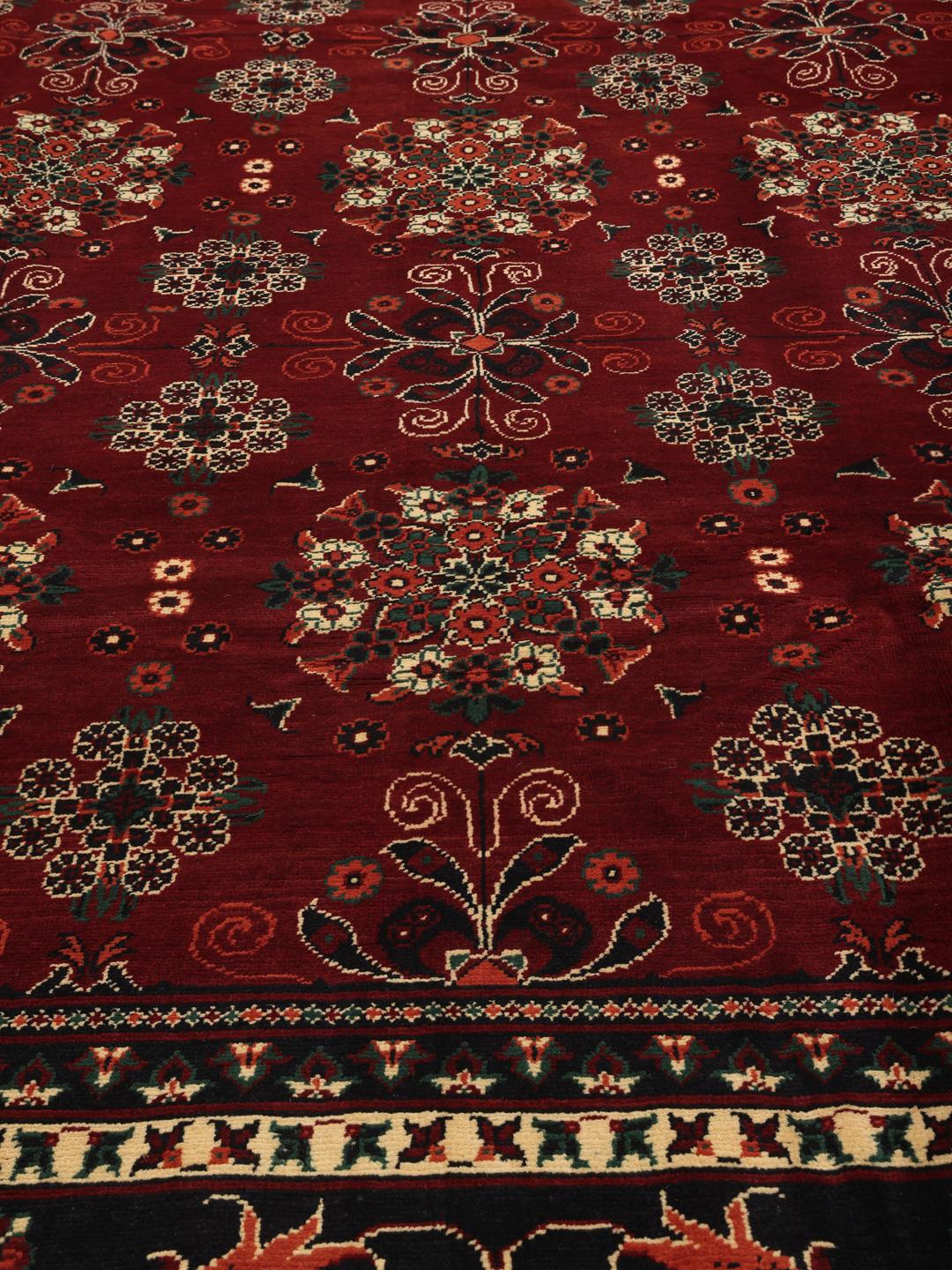
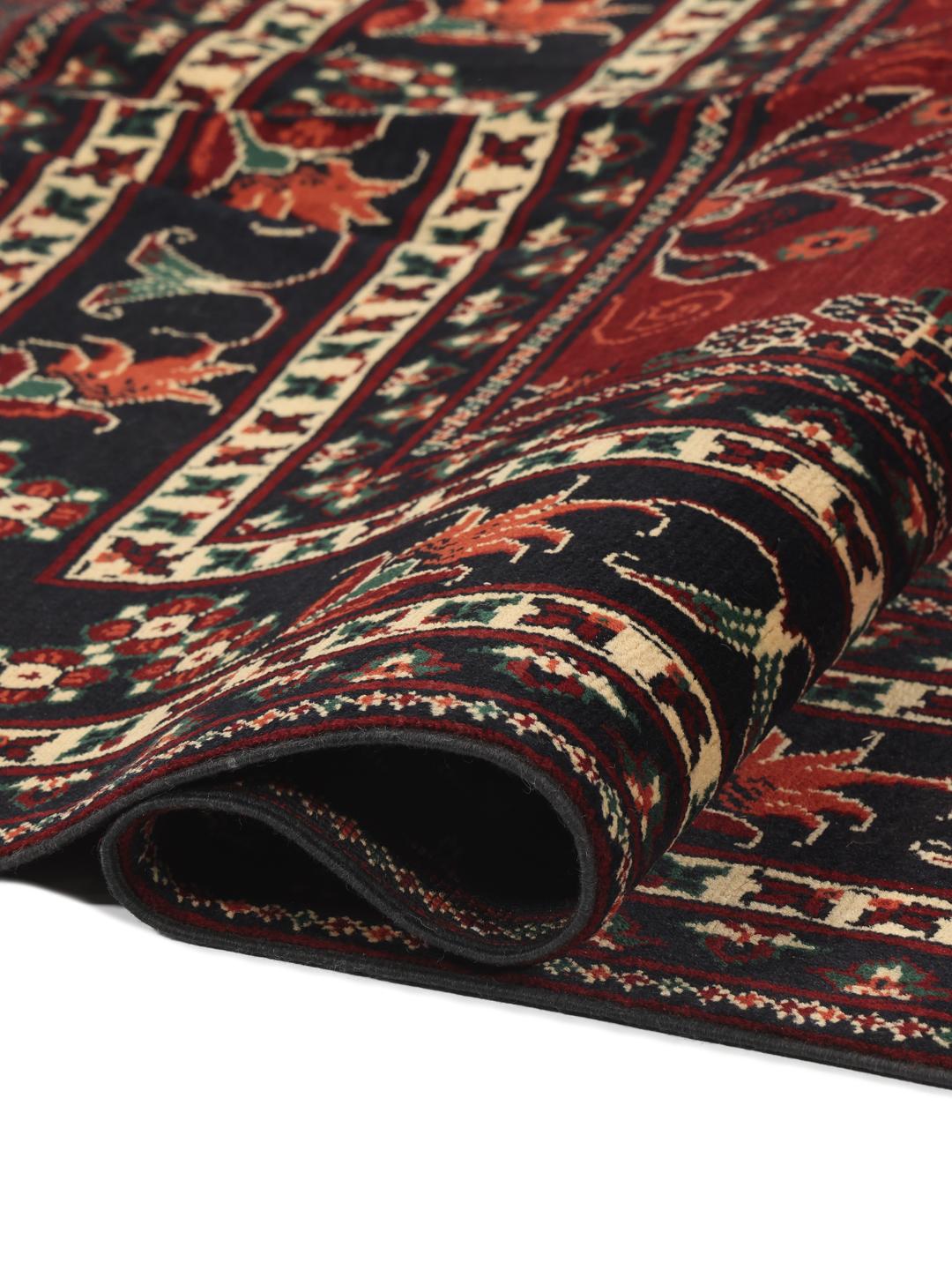
Design-wise, Kunduz rugs are known for their bold, often geometric or floral-inspired motifs that draw from a diverse cultural tapestry. The use of deep, earthy reds often contrasted with darker, rich tones is a signature of the style. The borders are frequently as detailed as the centre field, creating a balanced and formal aesthetic that feels both ancient and remarkably contemporary.
Collecting a Kunduz rug is an invitation to own a piece of living history. These rugs are highly valued for their authenticity and the human story woven into every thread. When you bring one into your home, you are not just acquiring a floor covering, but a connection to a long-standing lineage of artistry that prioritises skill, patience, and the preservation of regional design identity.