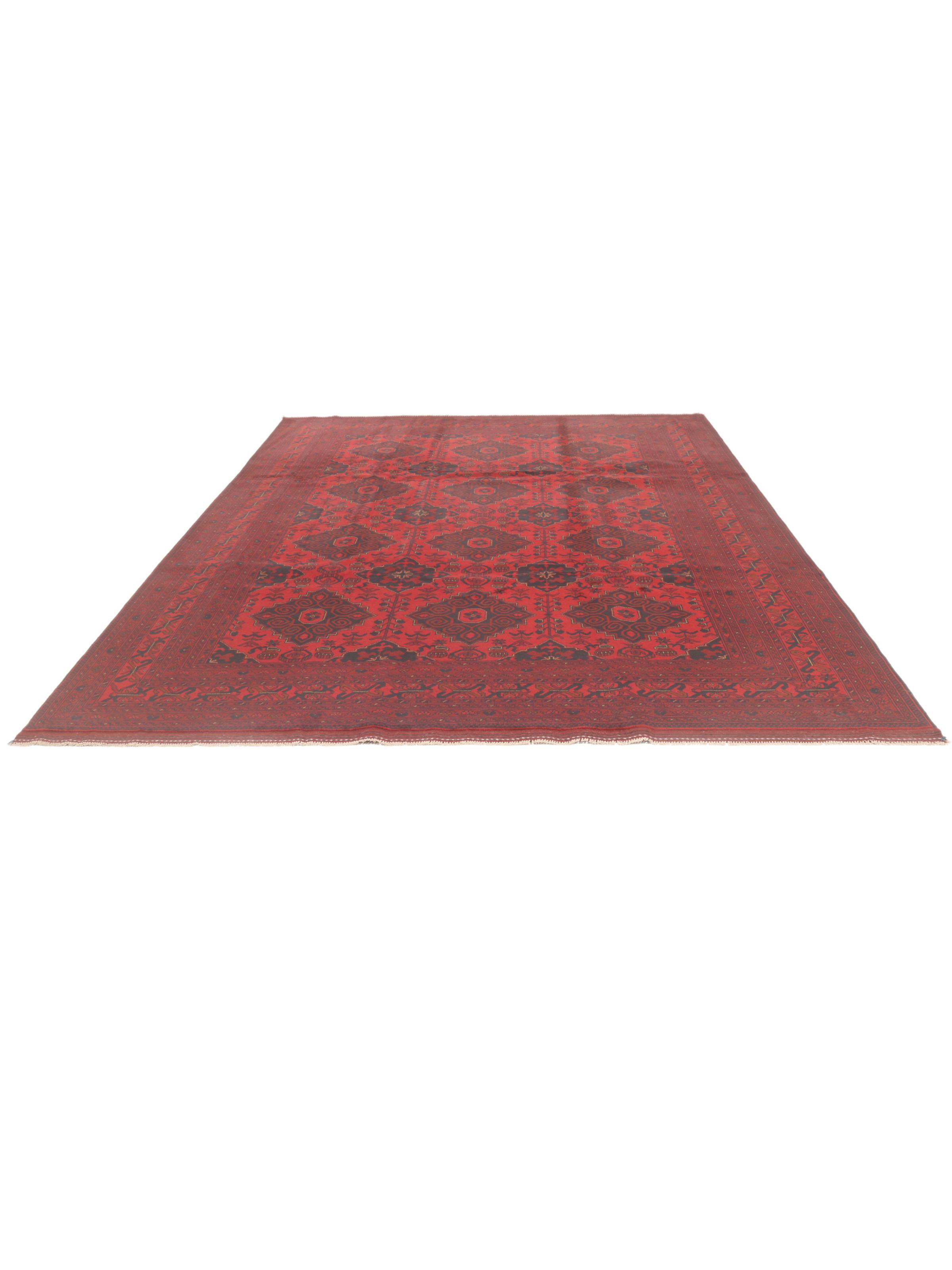
Kunduz rugs originate from the northern region of Afghanistan, a land with a long and storied history of nomadic and sedentary weaving traditions. These rugs are deeply tied to the cultural identity of the region, where the art of knotting has been passed down through generations. The evolution of the Kunduz style reflects the area's role as a vital crossroads of trade and cultural exchange along the ancient routes of Central Asia.
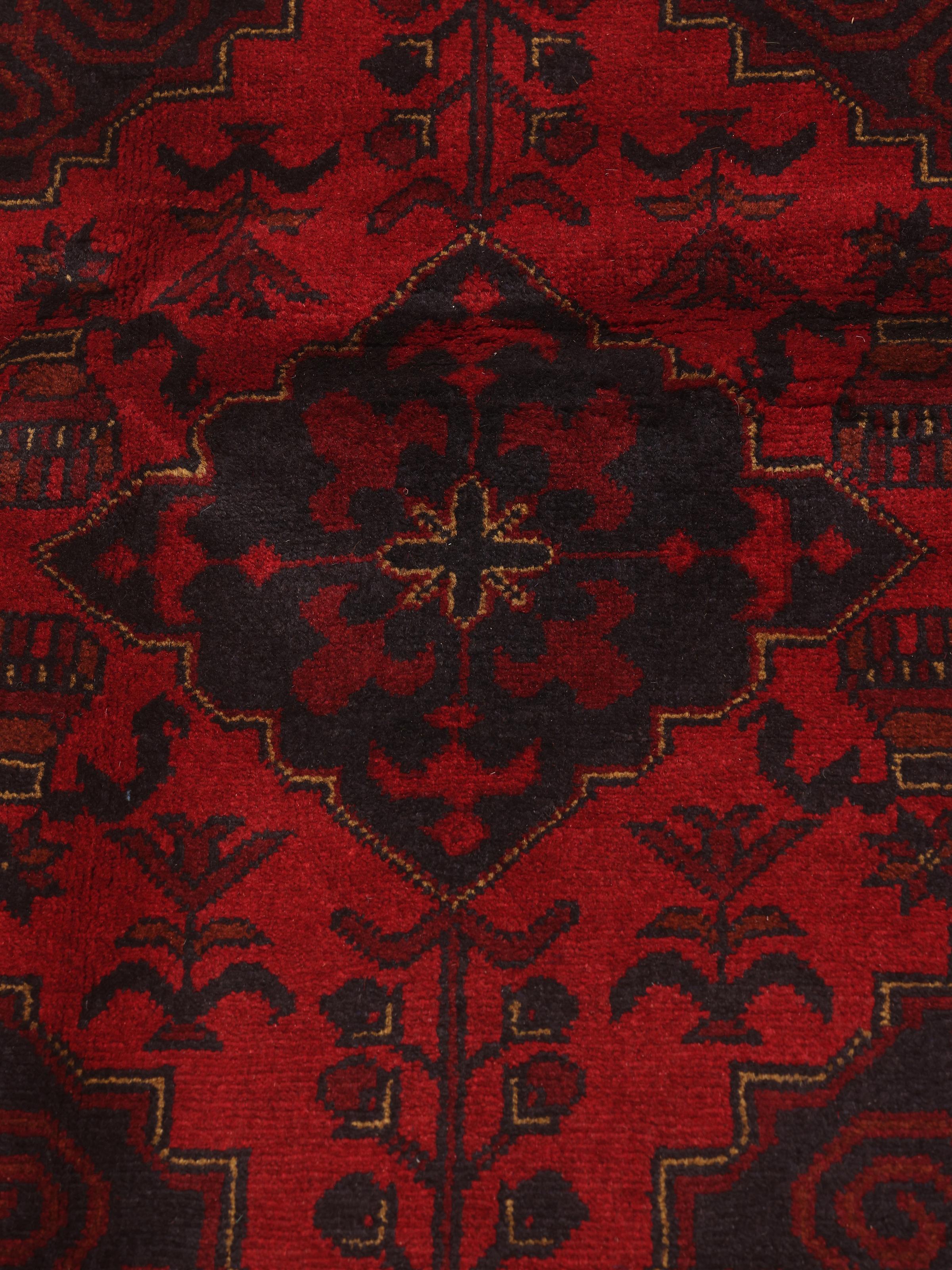
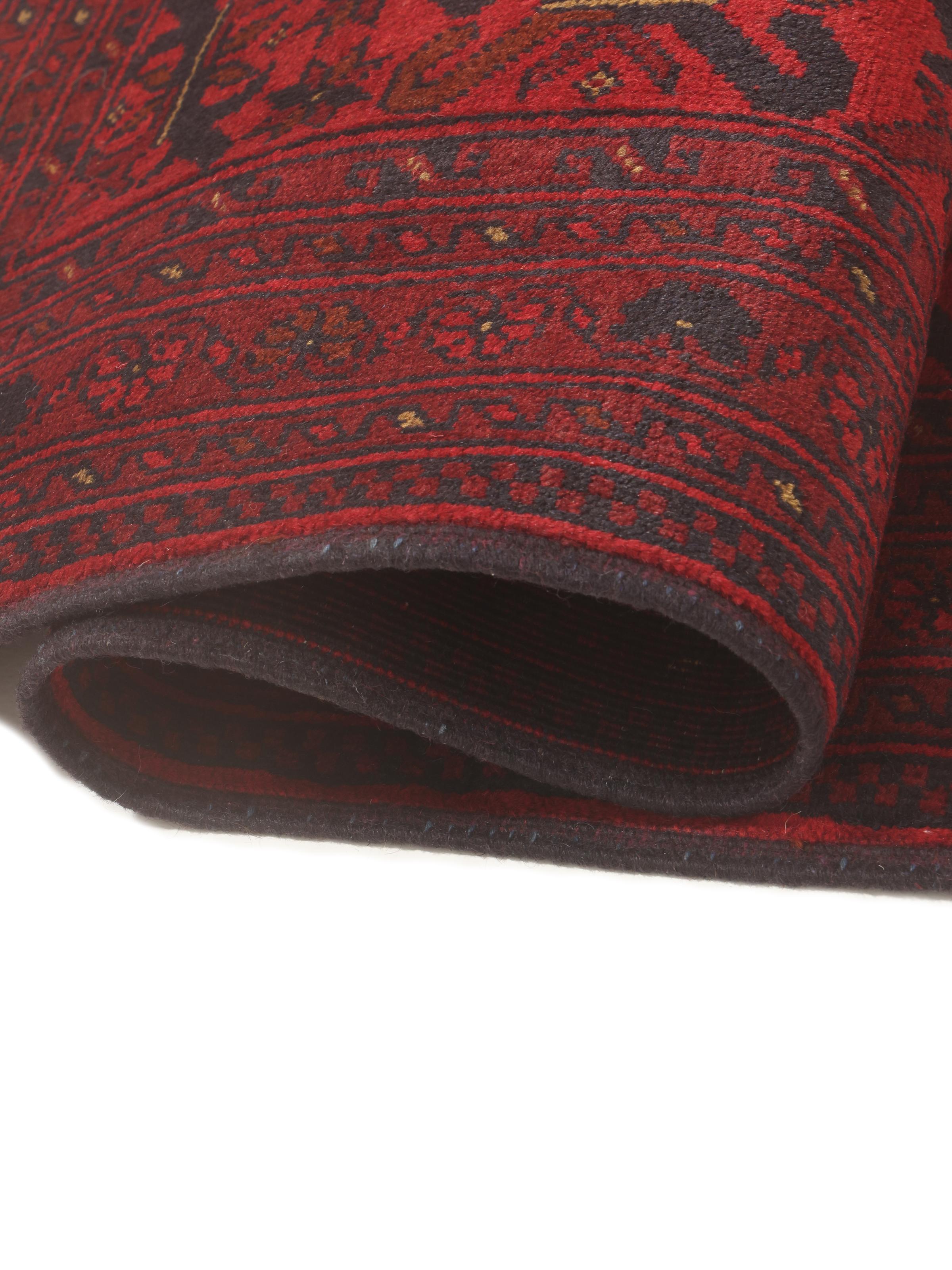
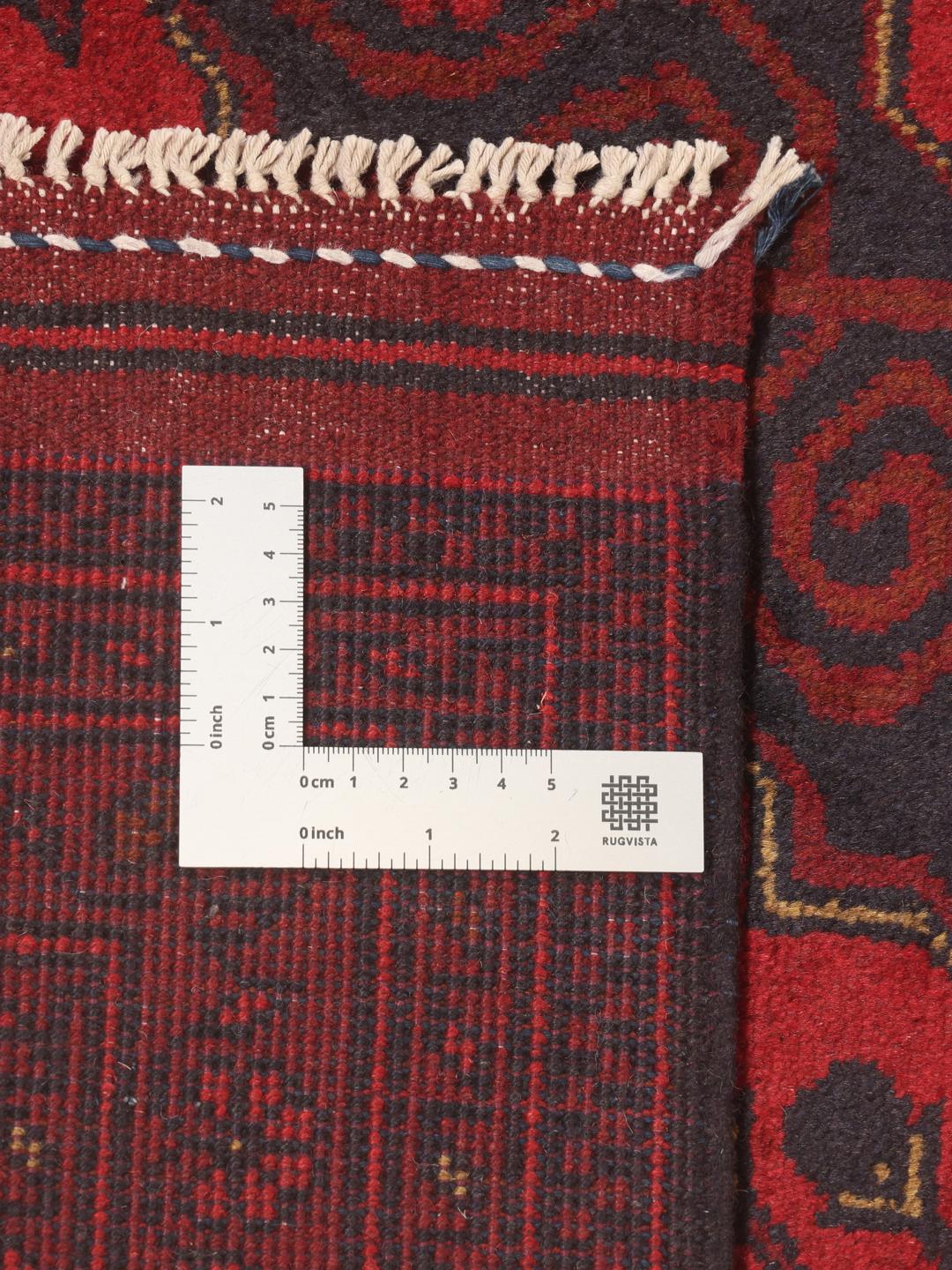
The term Kunduz refers to both the city and the specific style of rug-making associated with the area. These rugs are known for their sturdy construction and the use of high-quality wool. The hand-knotting process is the hallmark of this tradition, requiring immense patience and a deep understanding of rhythm and symmetry. This commitment to traditional methods ensures that each rug is not just a floor covering, but a durable piece of functional art.
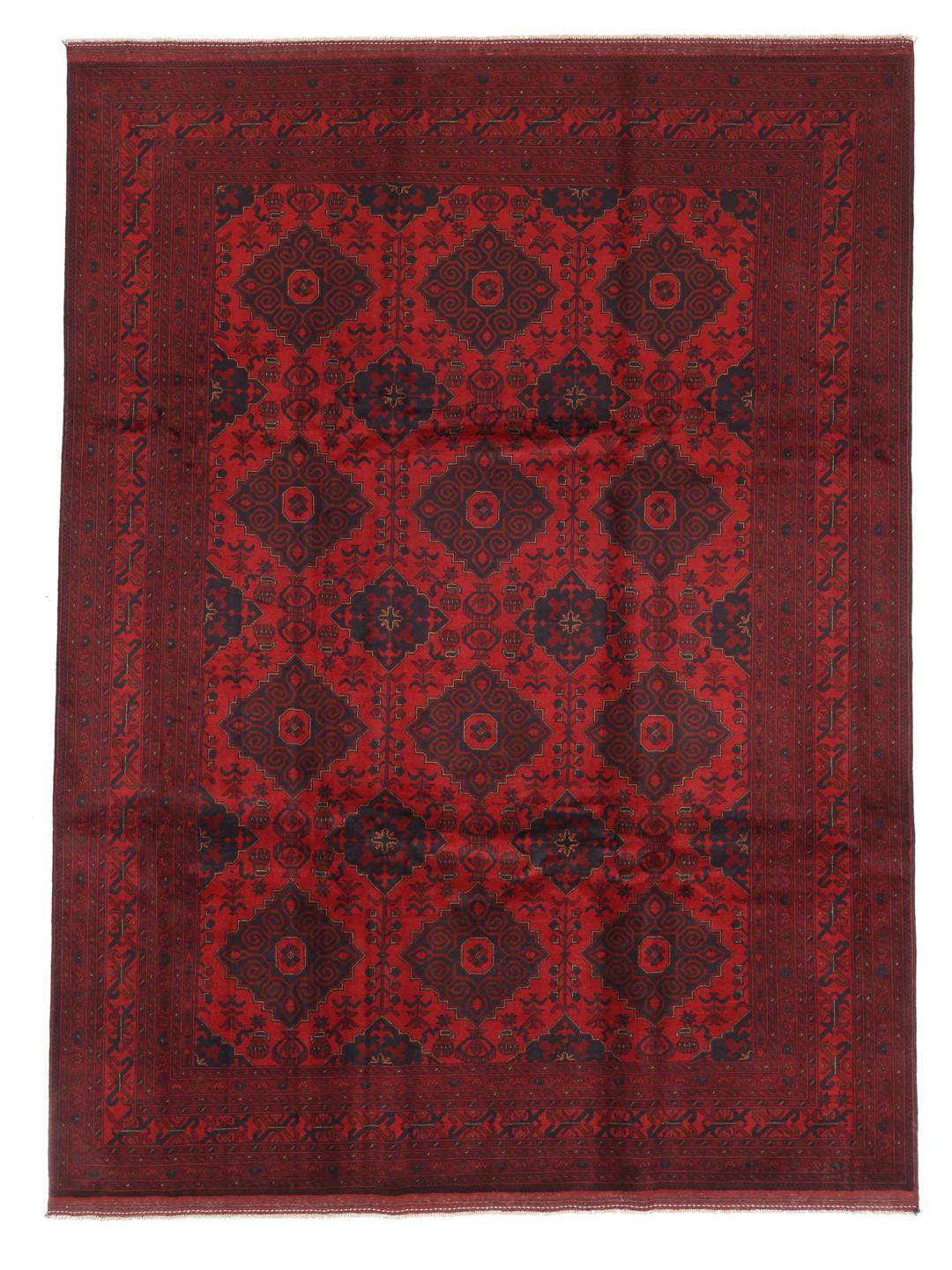
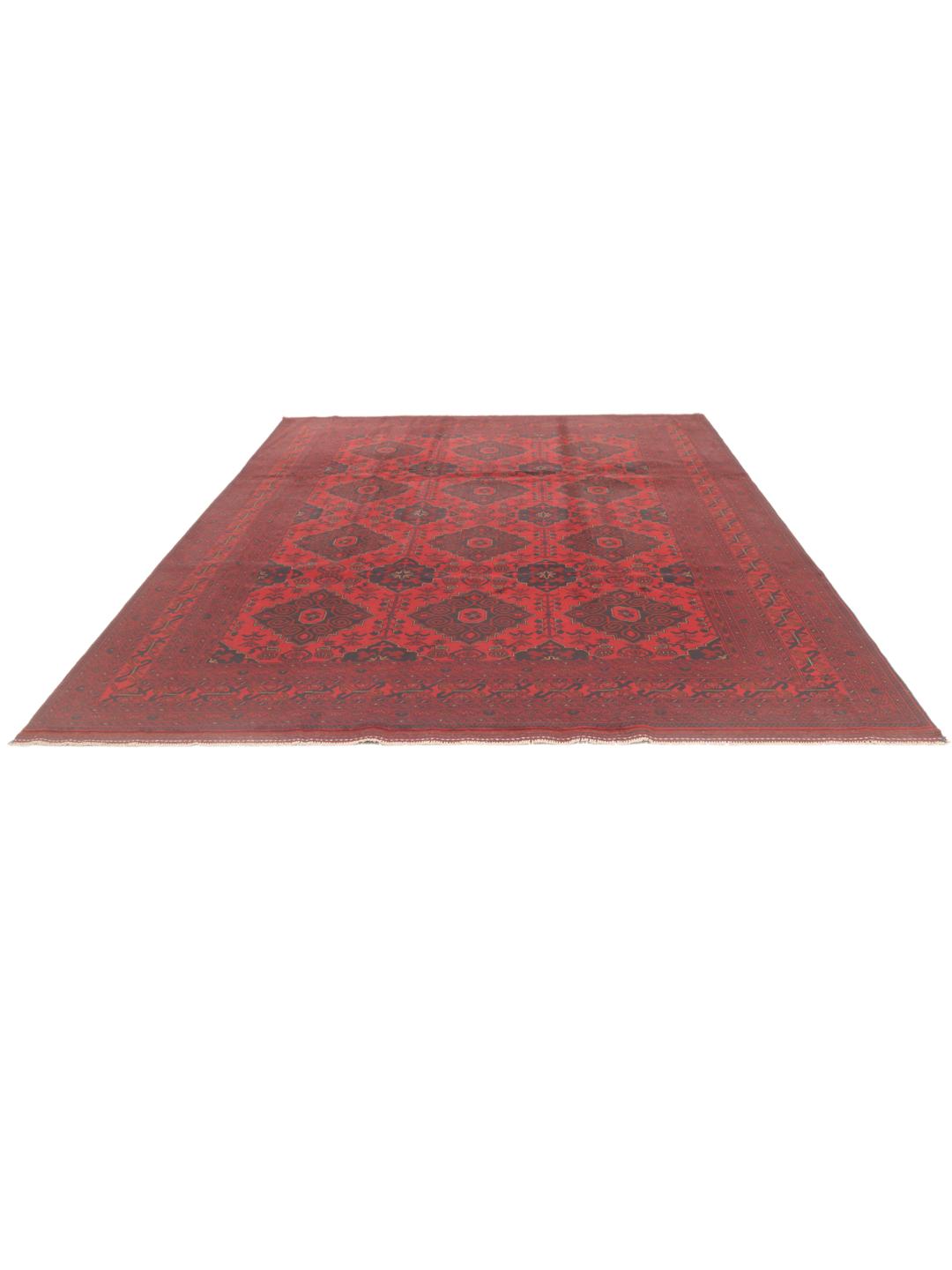
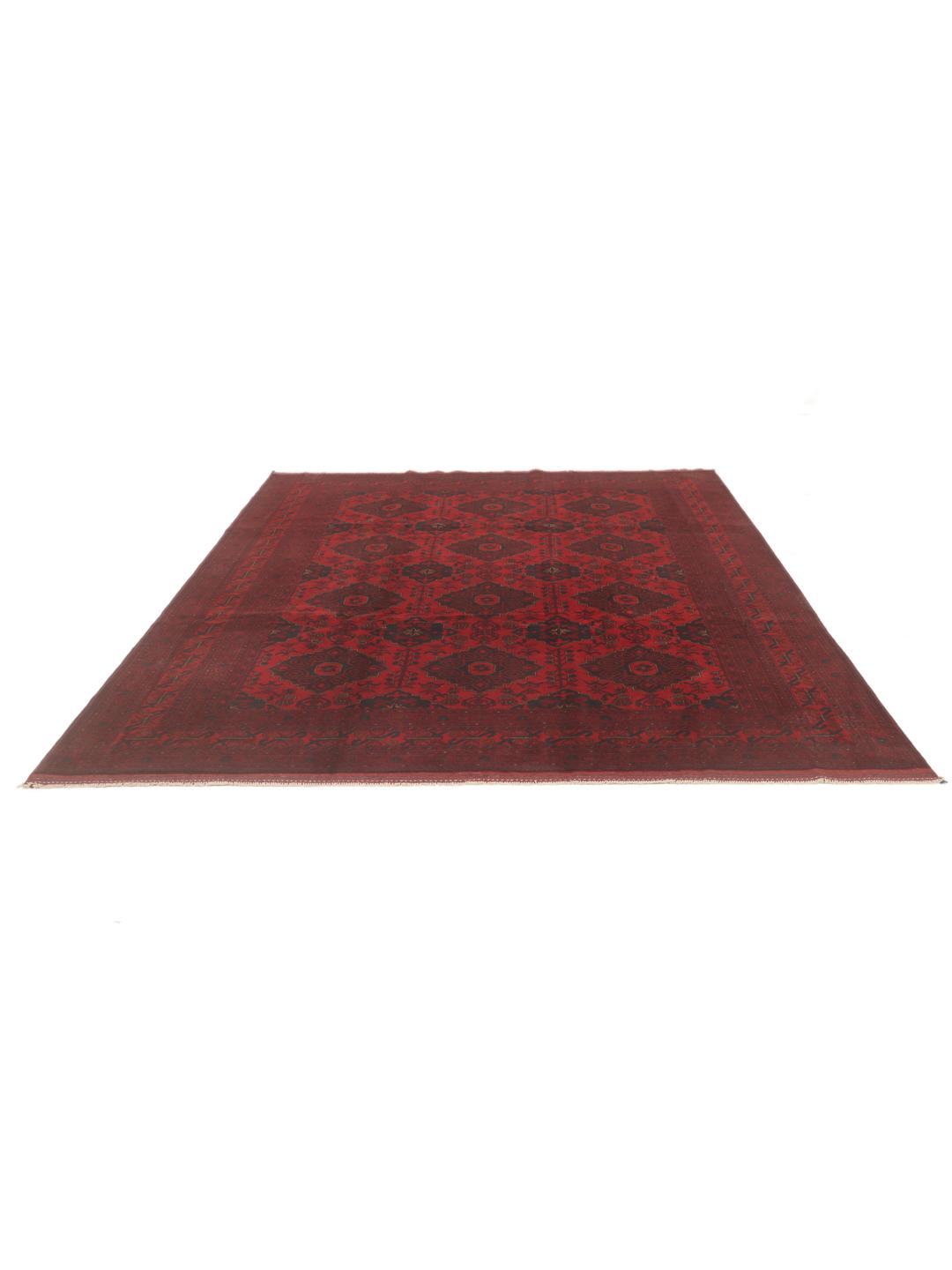
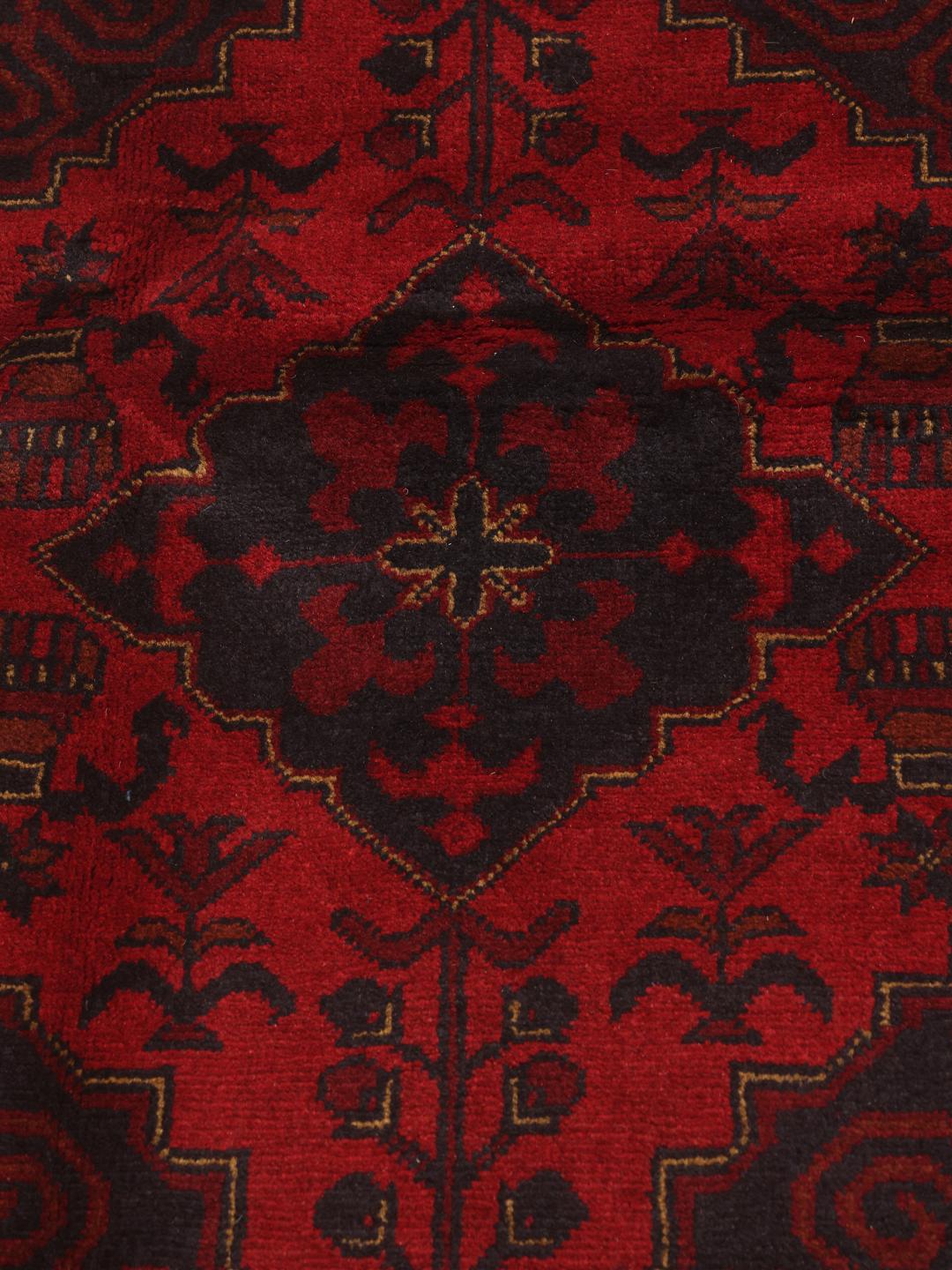
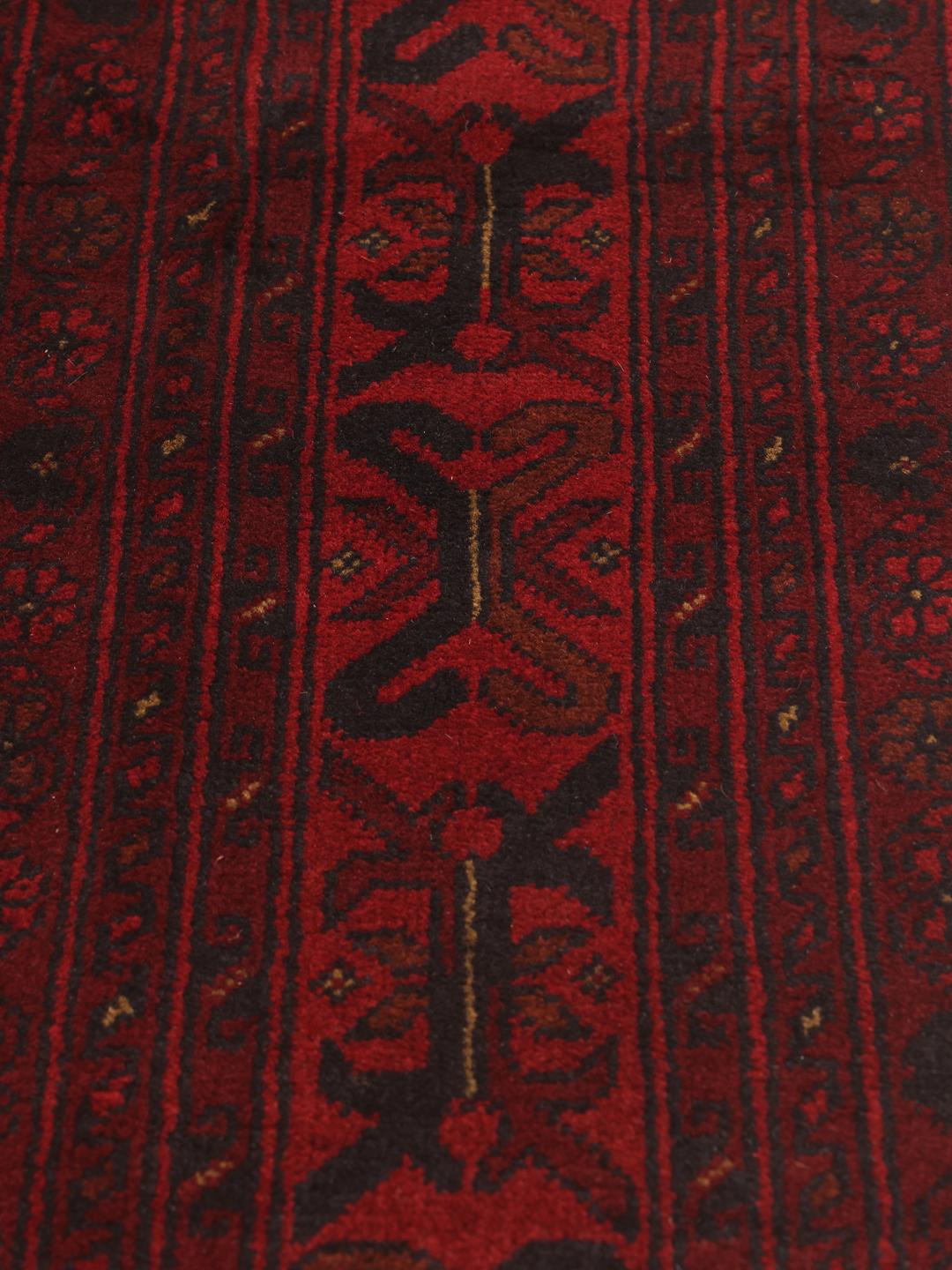
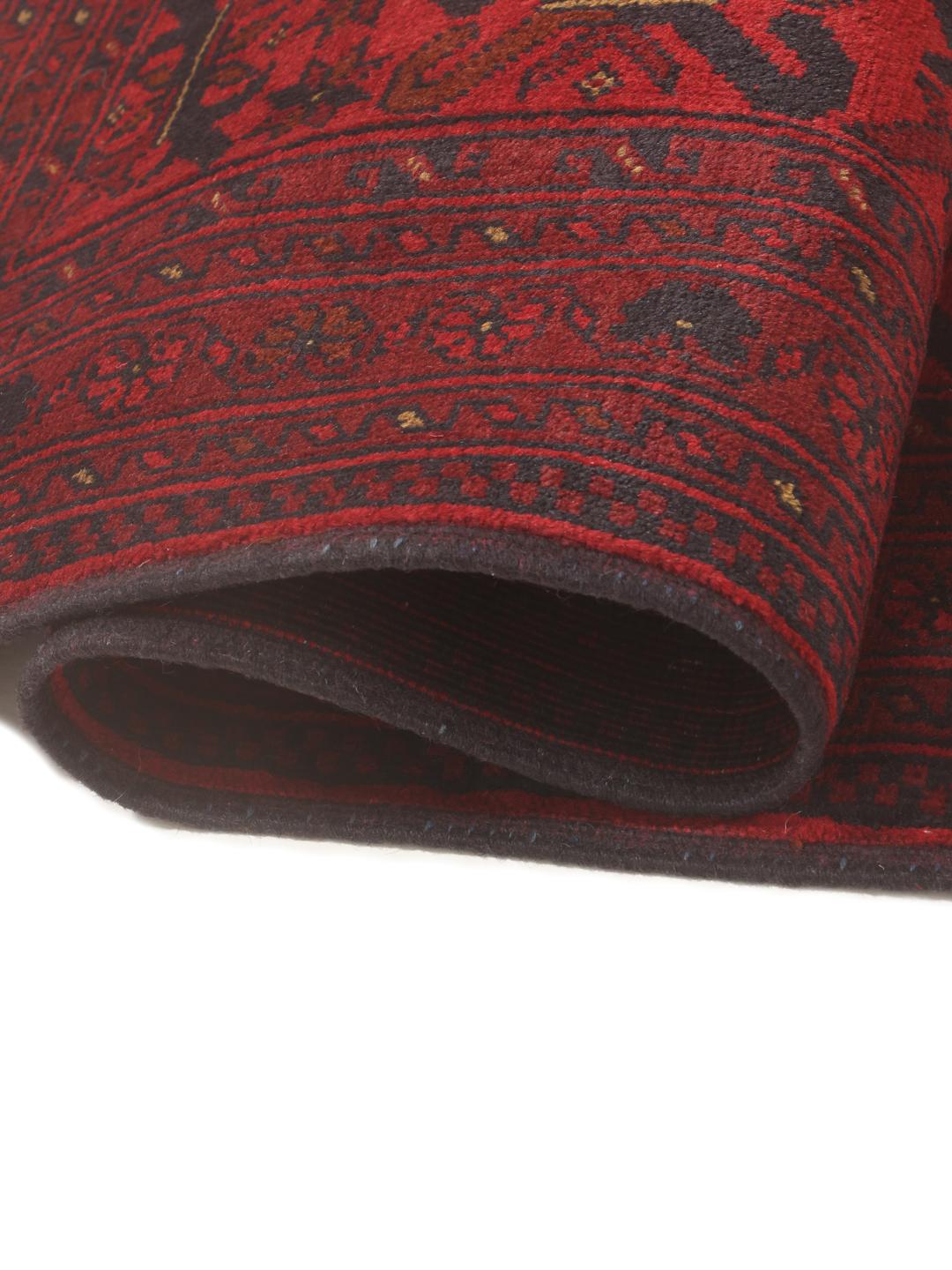
Visually, Kunduz rugs are celebrated for their bold, geometric language. The field is often occupied by repeating medallions, sometimes referred to as 'gul' motifs, which are arranged in a structured, rhythmic fashion. The colour palettes are typically dominated by deep, earthy reds, contrasted with darker shades of blue or black. This specific rug showcases these classic design elements, maintaining the traditional aesthetic that has made the region's output so recognisable.
Owning a Kunduz rug is an invitation to connect with a rich heritage of craftsmanship. Collectors and enthusiasts value these pieces not only for their striking beauty but also for the human effort and cultural history woven into every thread. By choosing a hand-knotted rug from this tradition, you are supporting a legacy of skill and preserving a craft that values quality and longevity above all else.