The Kunduz rug tradition originates from the northern regions of the Middle East, a territory with a profound history of textile craftsmanship. These rugs are deeply connected to the nomadic and semi-nomadic tribes who have traversed the rugged landscapes of Central Asia for centuries. Over time, these weaving traditions have evolved, blending ancient techniques with the unique cultural identity of the region.
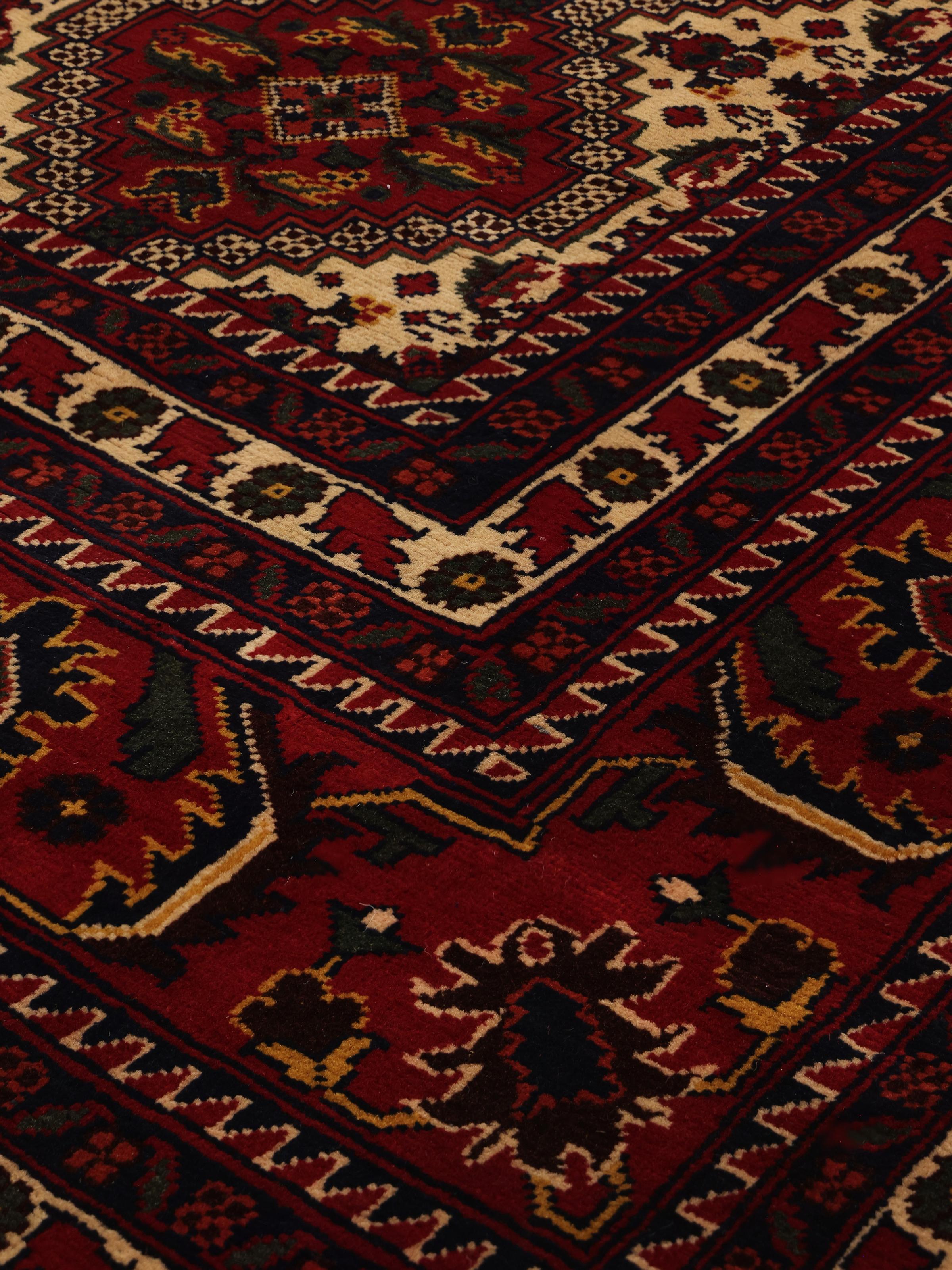
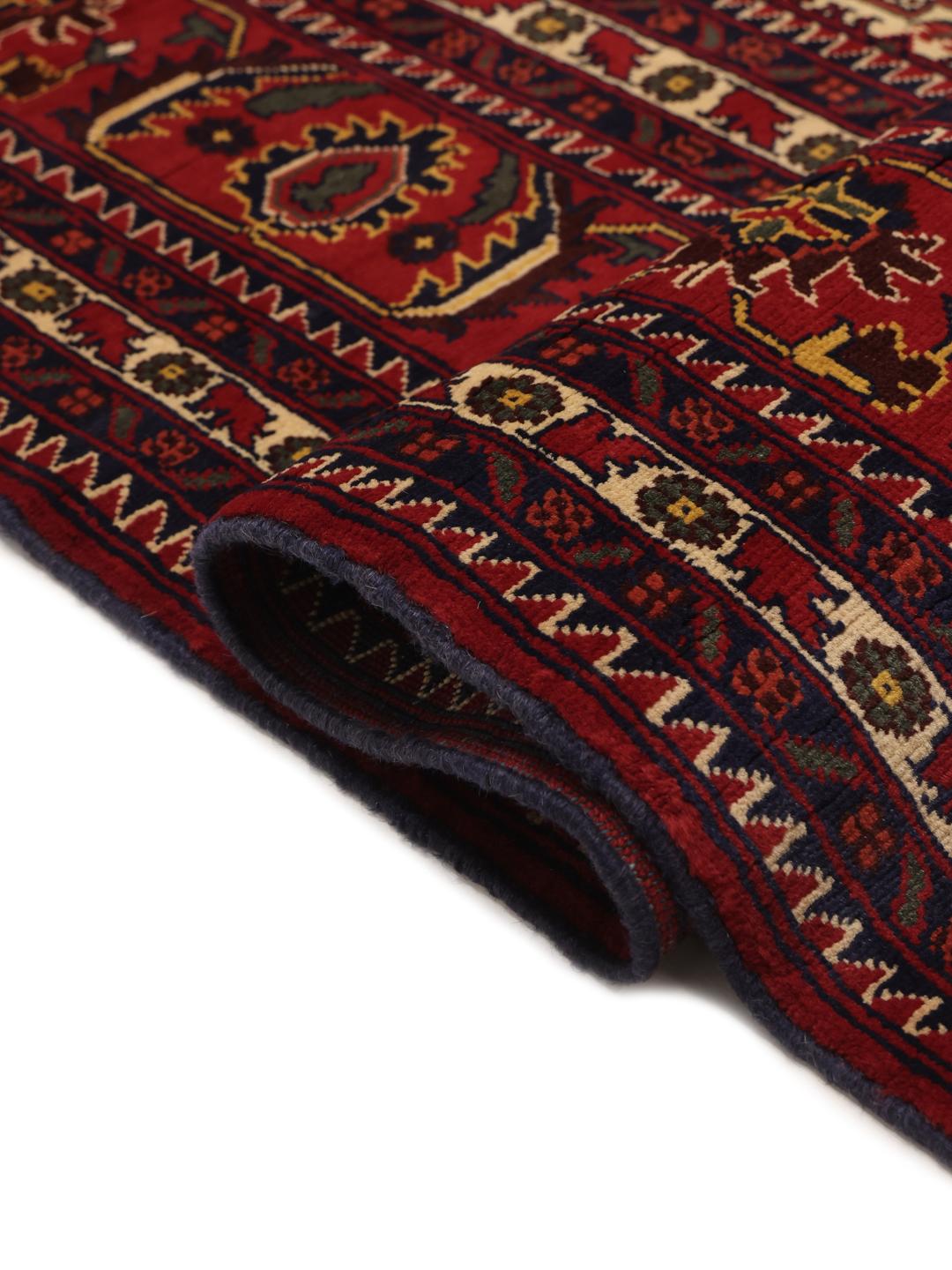
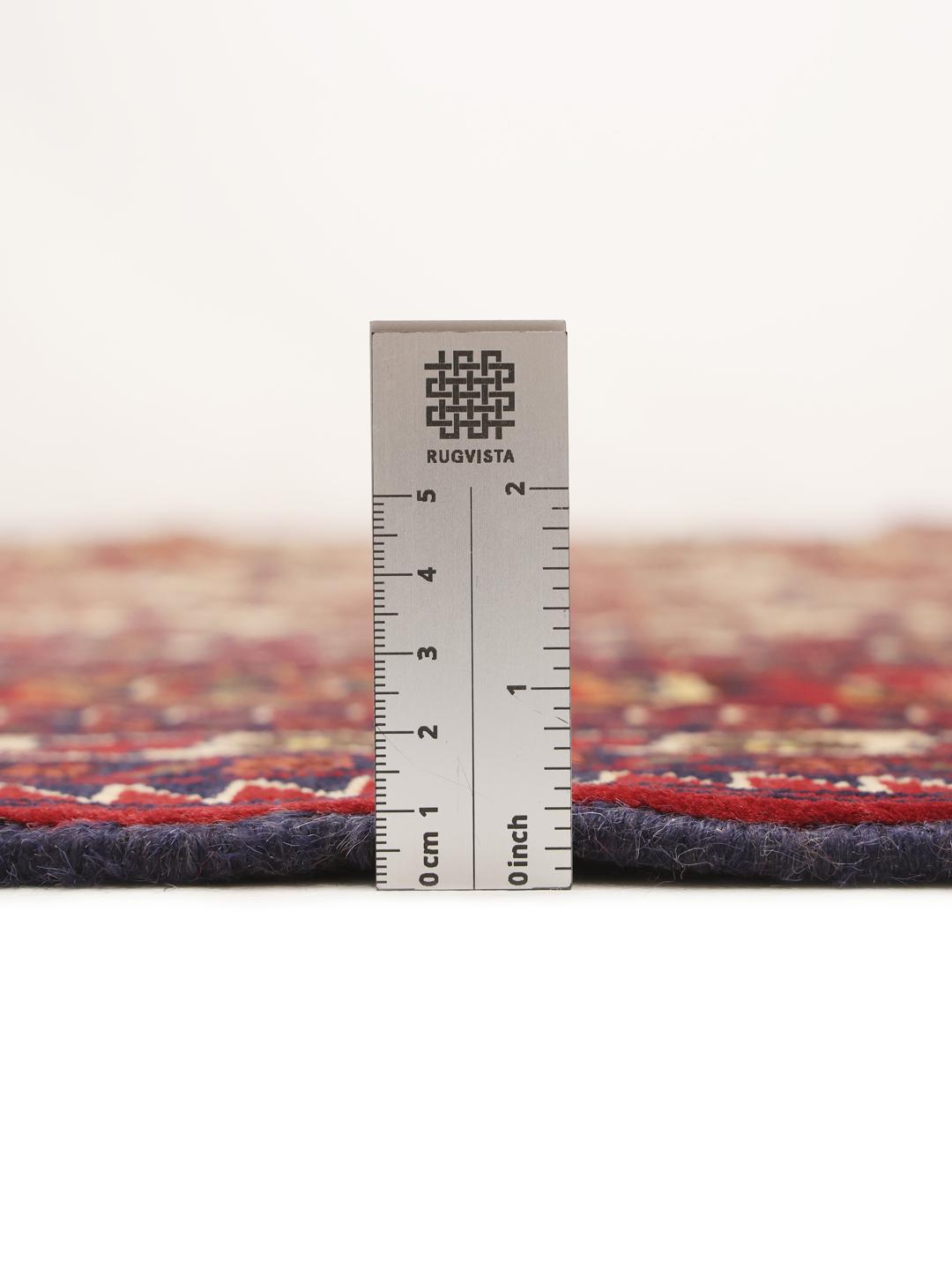
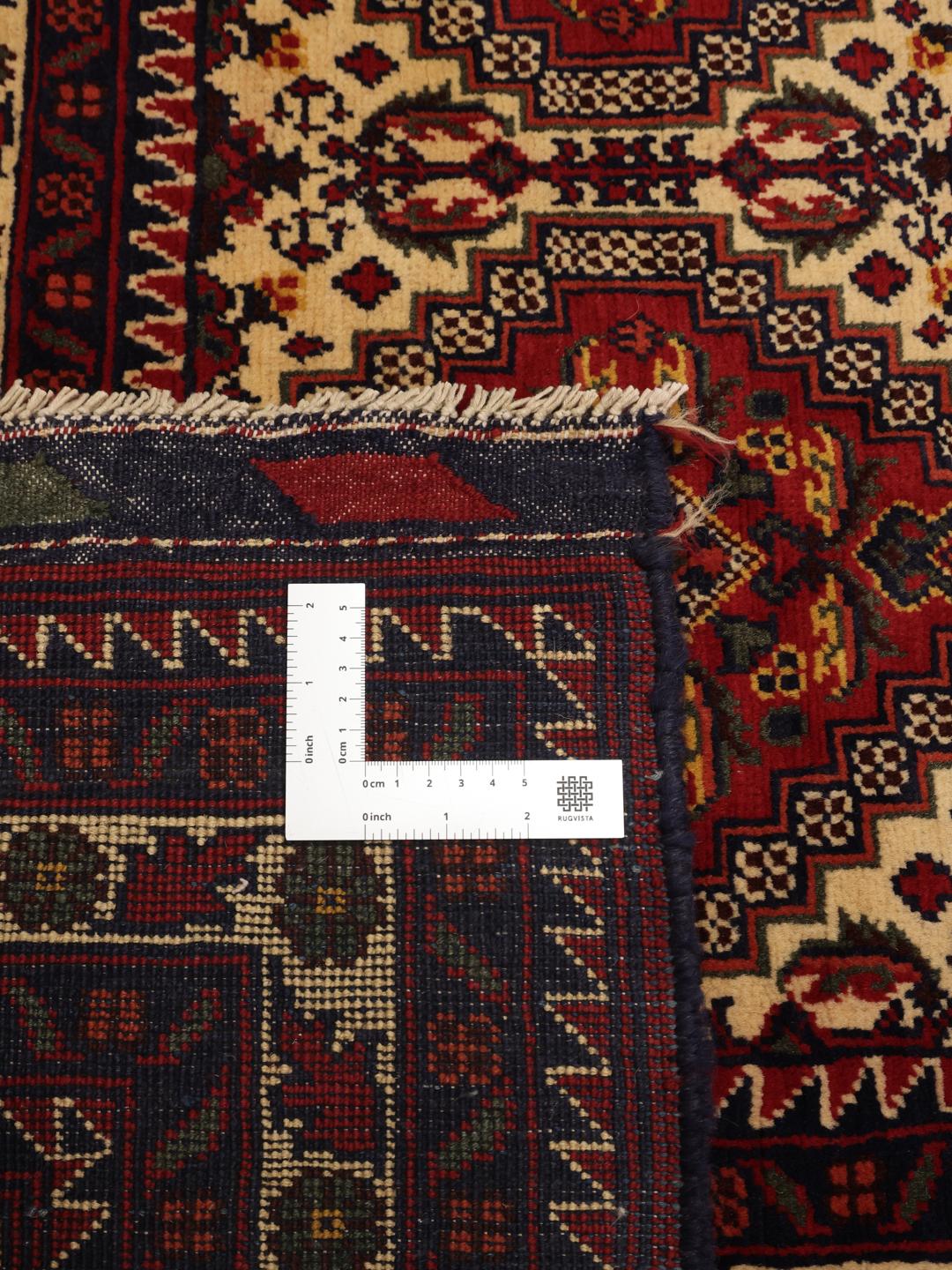
Understanding the quality of a Kunduz rug requires looking at its foundation and pile. These pieces are crafted using traditional hand-knotting techniques that prioritise density and strength. The use of high-quality wool ensures that the rug is both soft to the touch and incredibly durable, capable of withstanding the rigours of daily life while retaining its rich, saturated colours.
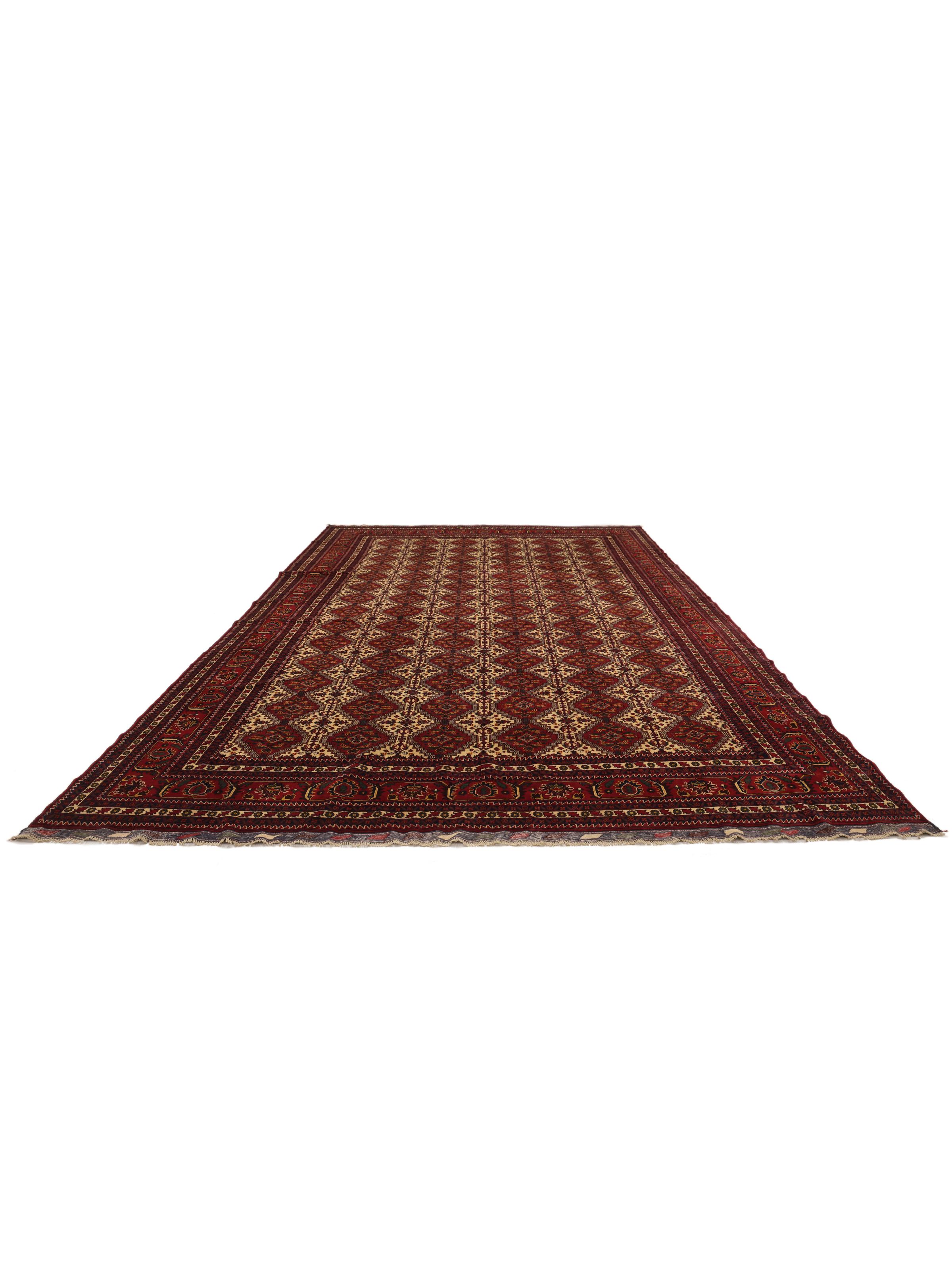
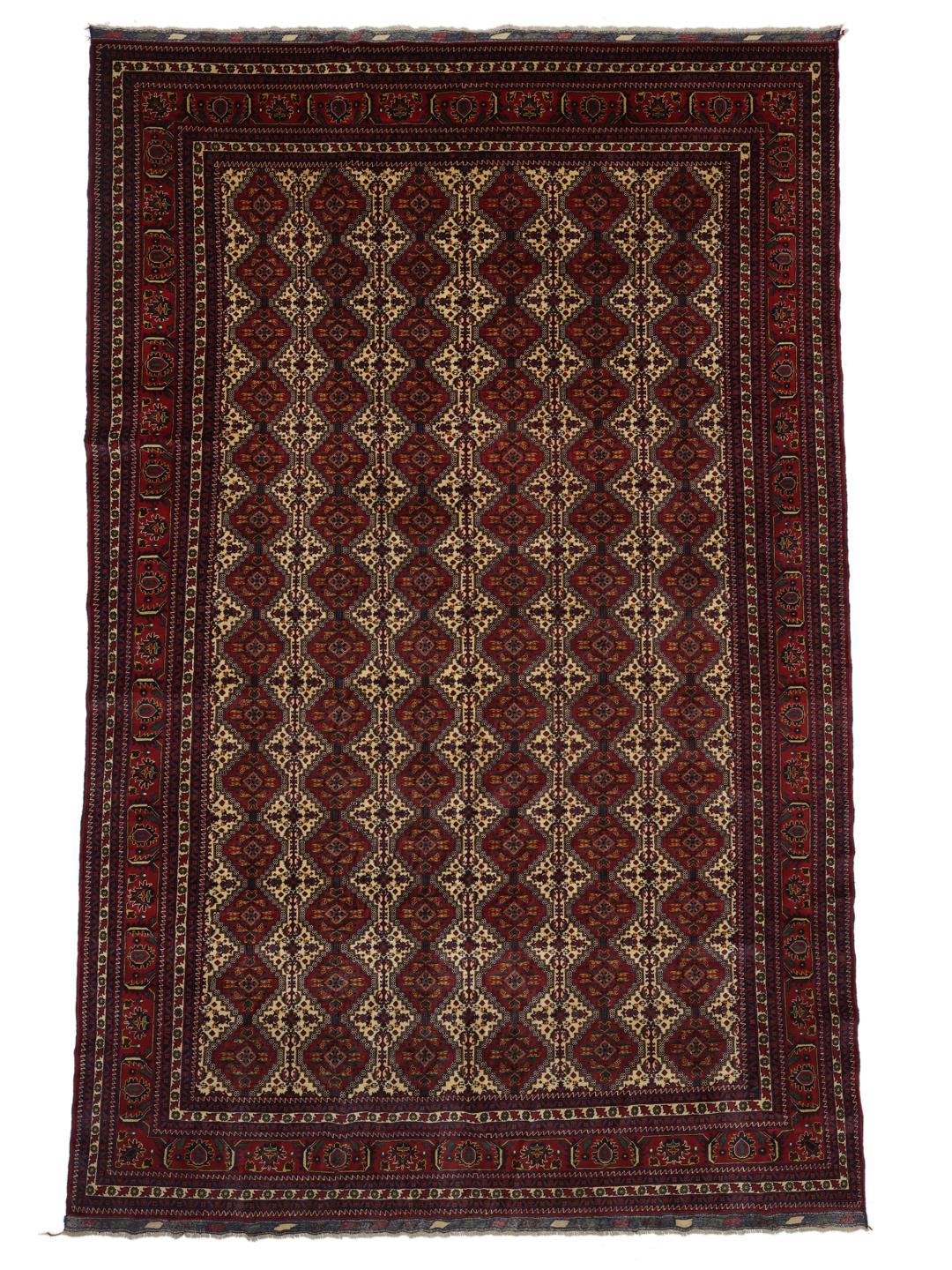
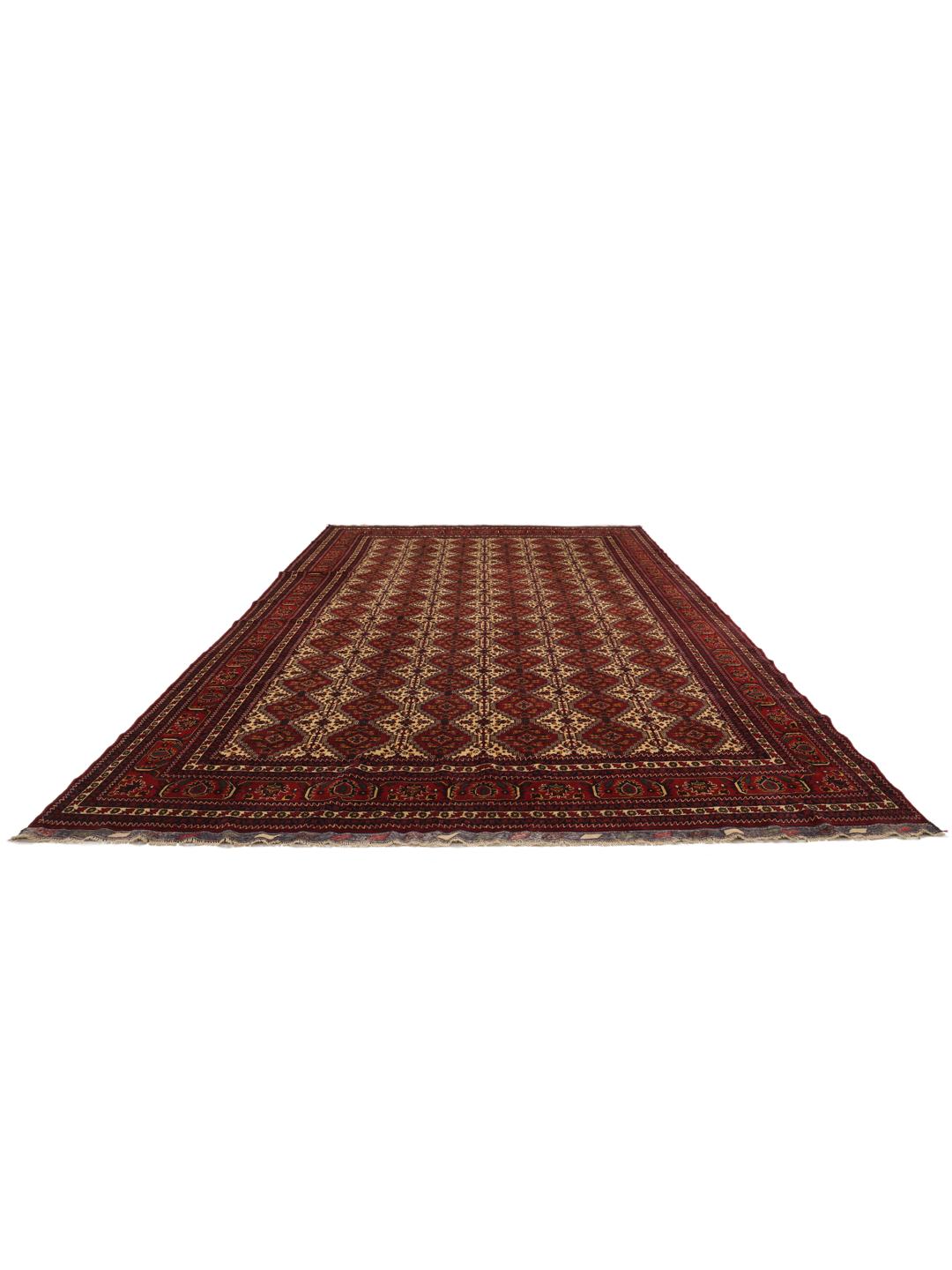
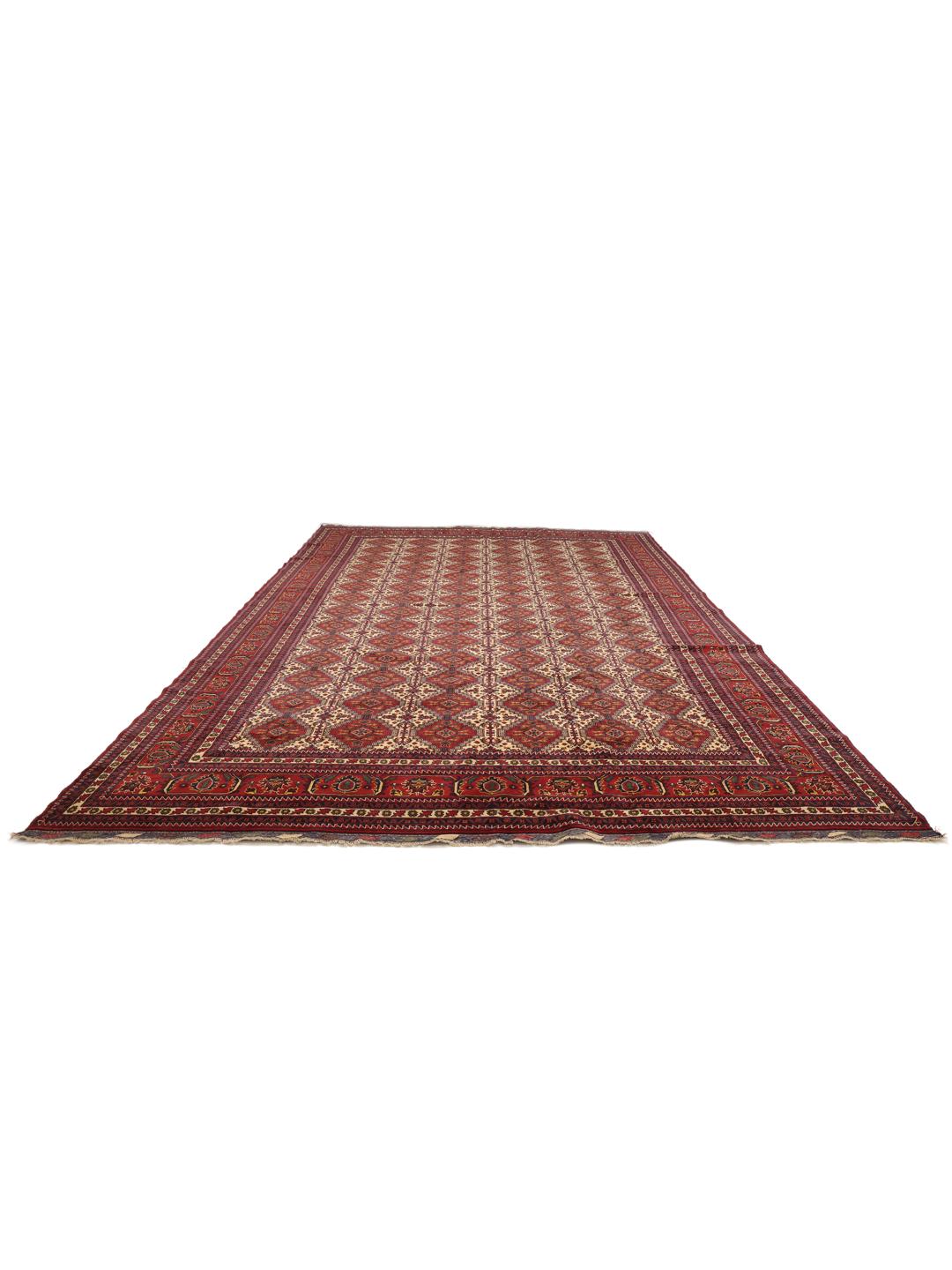
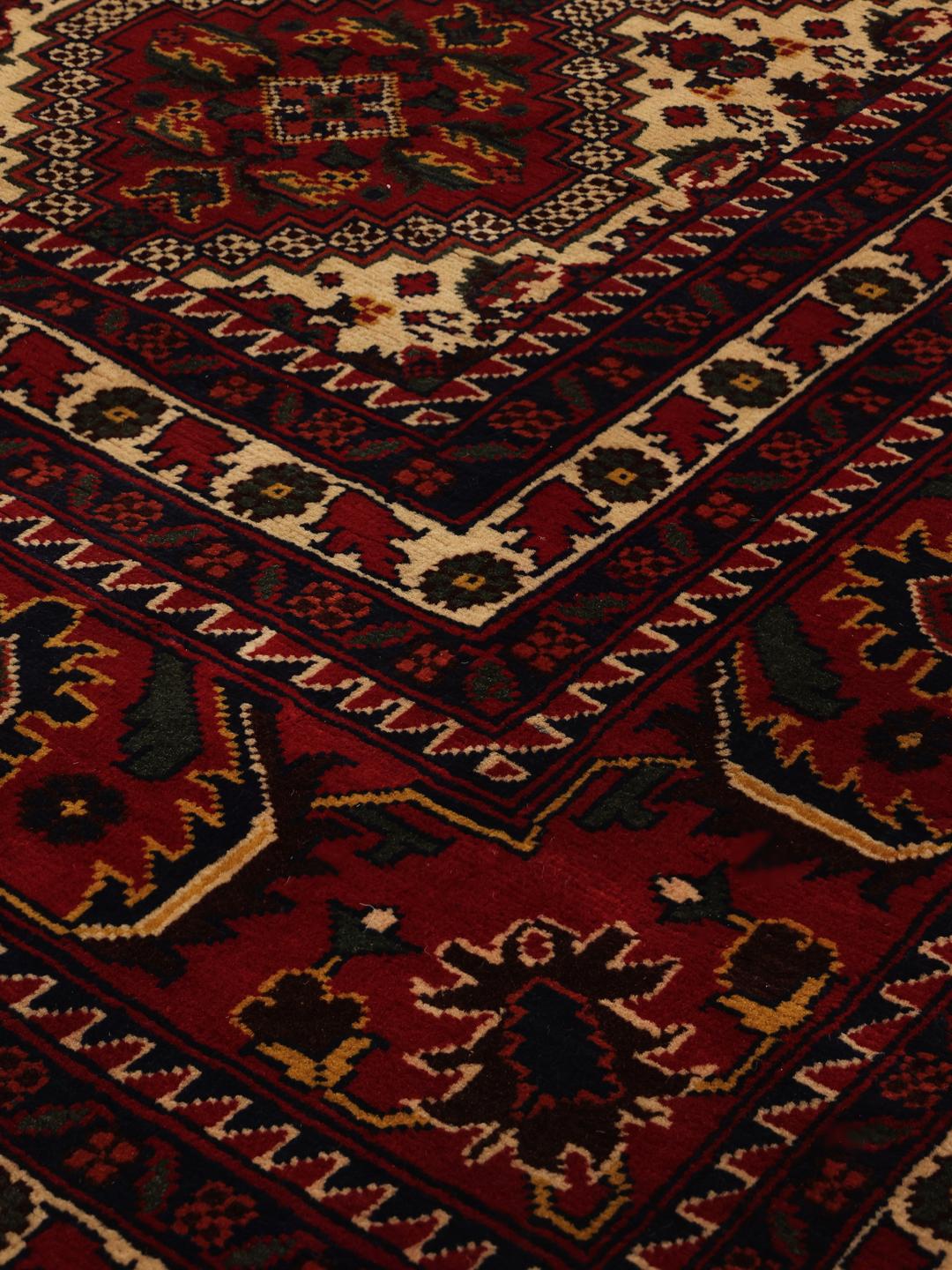
Visually, Kunduz rugs are known for their striking geometric language. You will often find repeating motifs, such as diamond shapes or medallions, arranged in an orderly, rhythmic fashion. The borders are typically framed with decorative elements that echo the complexity of the central field, often utilising deep, earthy tones that ground the overall aesthetic in a sense of history and tradition.
Owning a Kunduz rug is a way to preserve a piece of living history. These rugs are highly valued by collectors and homeowners alike for their authenticity and the sheer skill required to produce them. By bringing a Kunduz rug into your home, you are not just selecting a floor covering; you are supporting a craft tradition that has been passed down through generations, celebrating the human effort and cultural heritage woven into every strand.