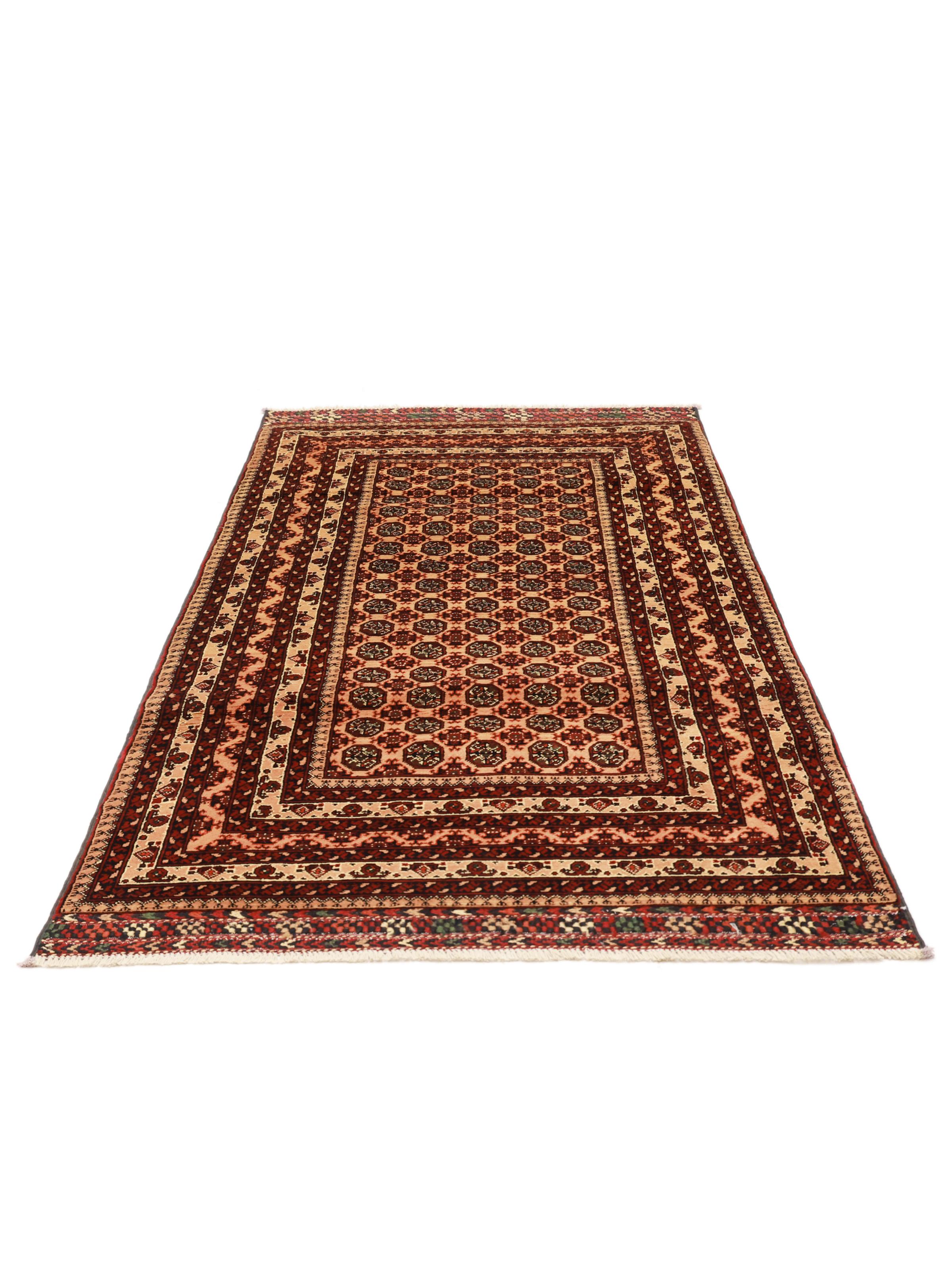
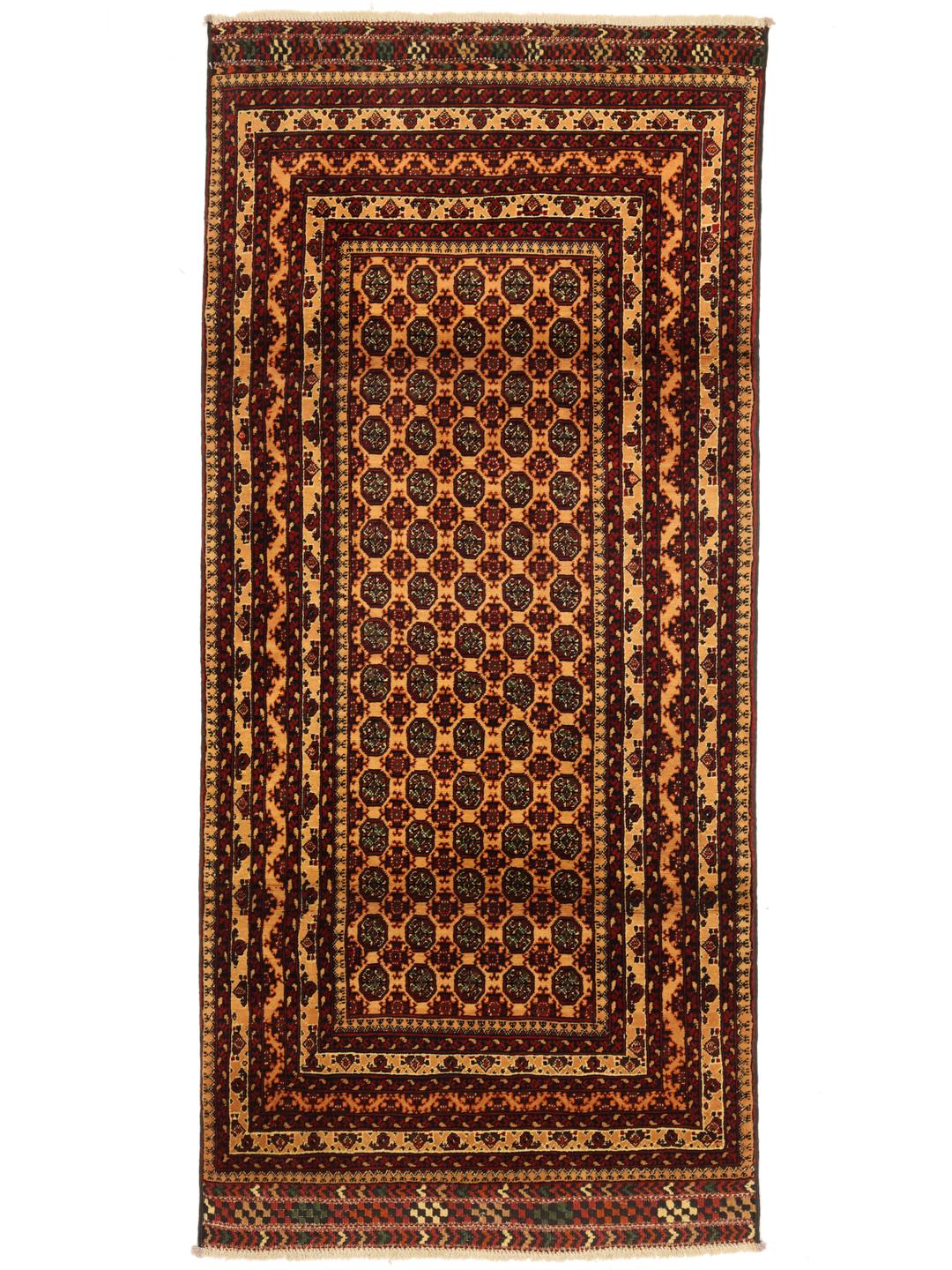
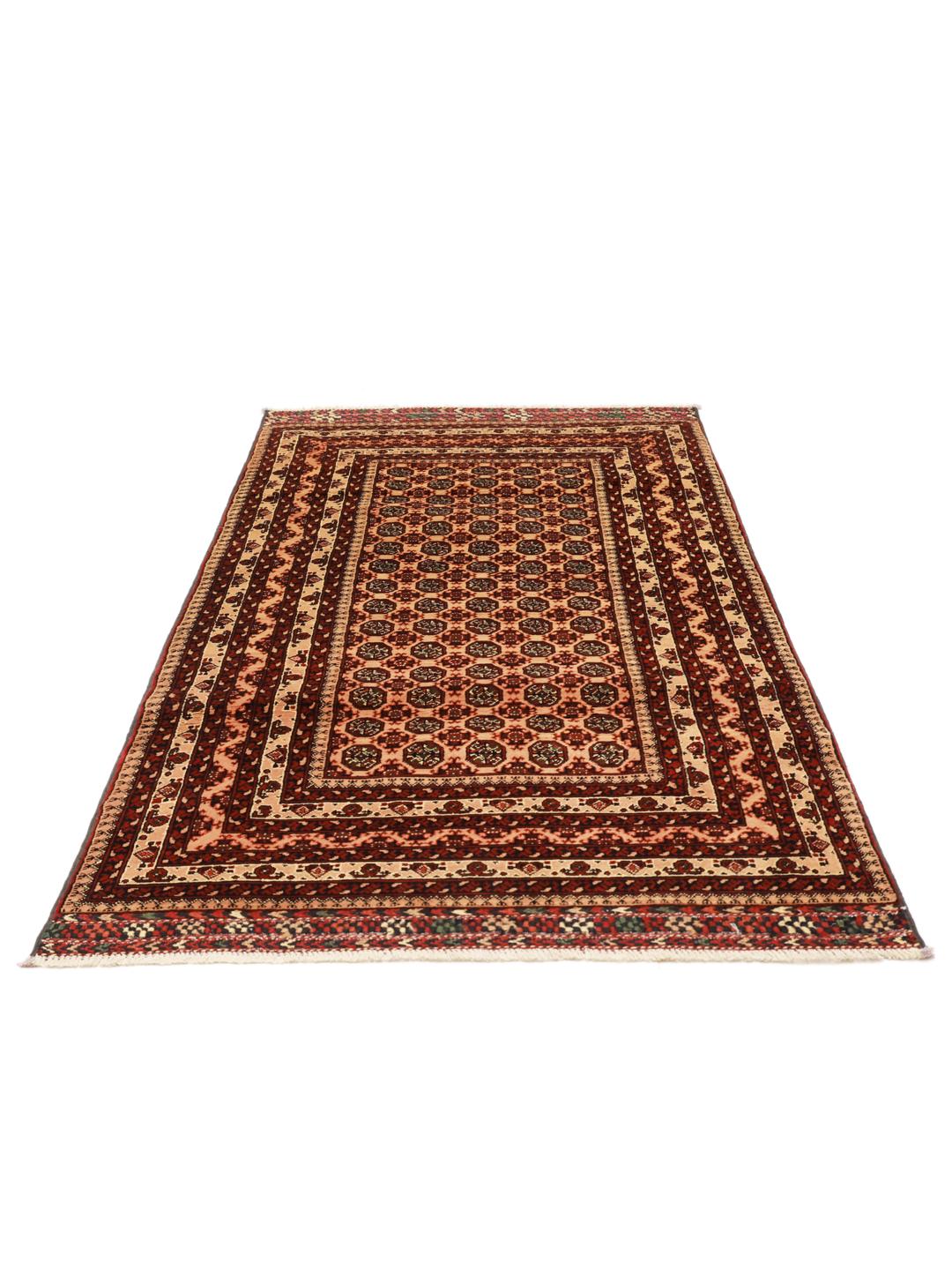
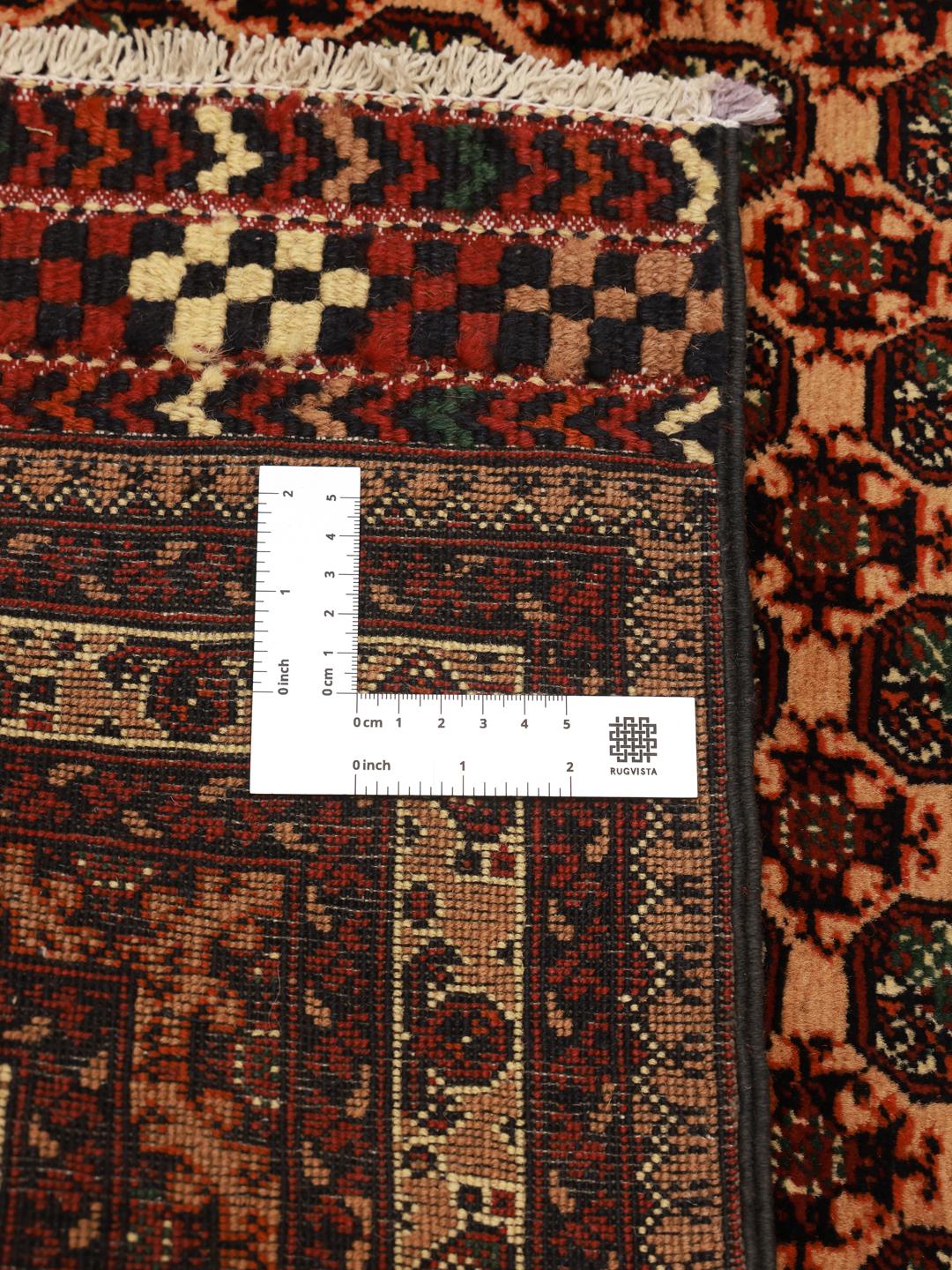
Kunduz rugs originate from the northern regions of Afghanistan, a area long celebrated for its rich weaving heritage and skilled artisan communities. Located along historic trade routes, the town of Kunduz became a key centre for collecting and trading finely knotted textiles. The weaving traditions of this region reflect centuries of cultural exchange among local tribes, blending practical daily needs with artistic expression.
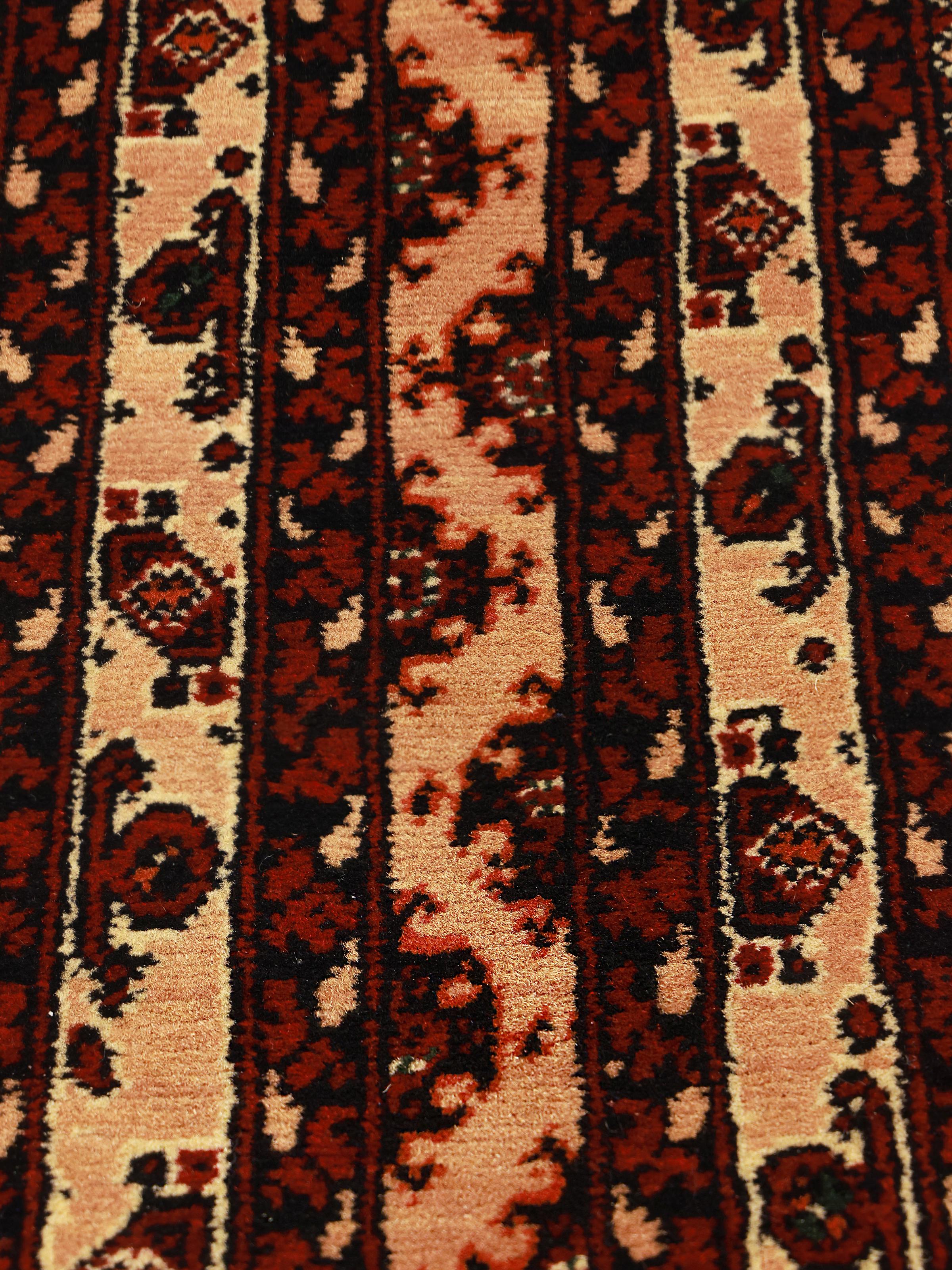
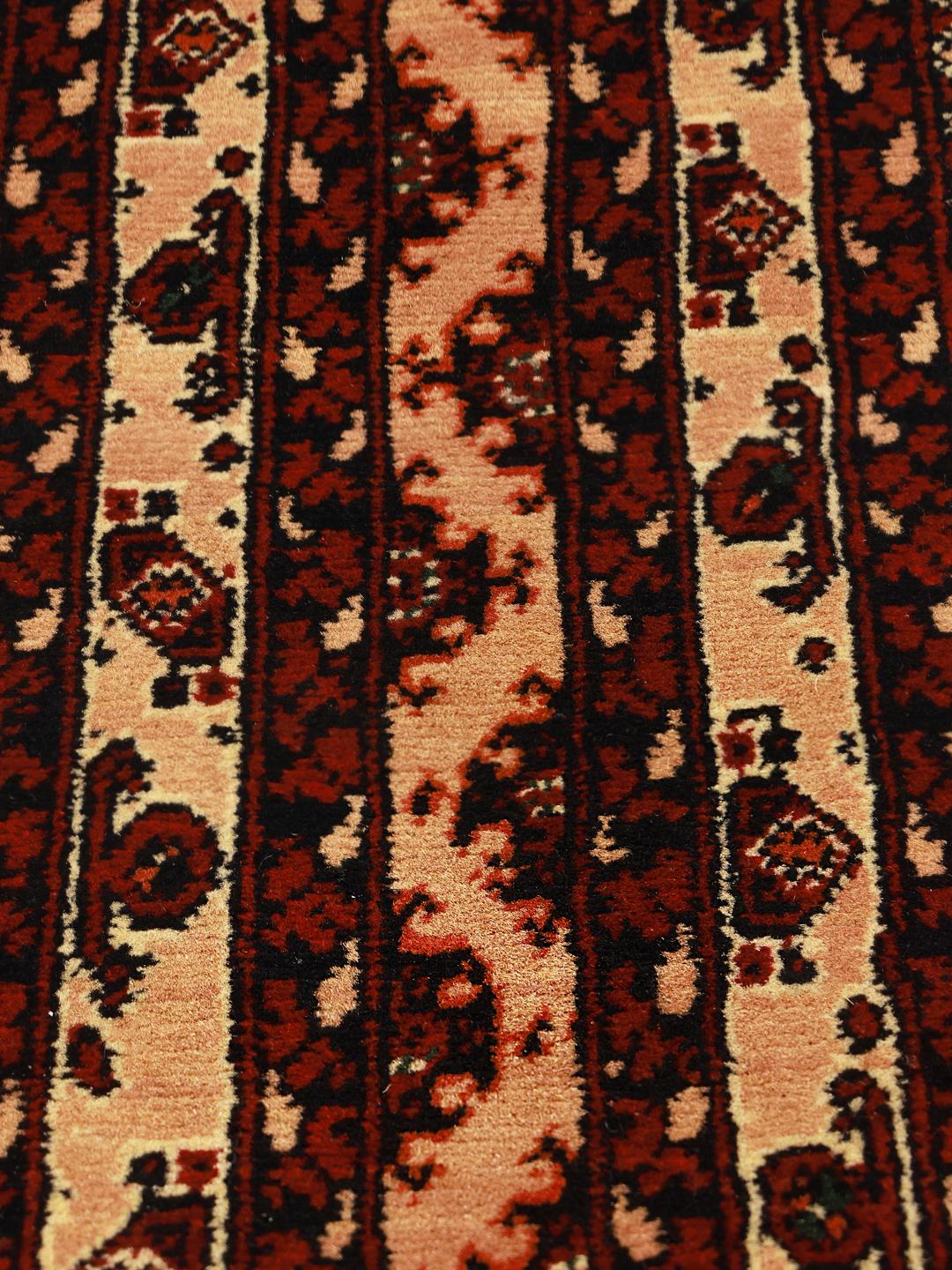
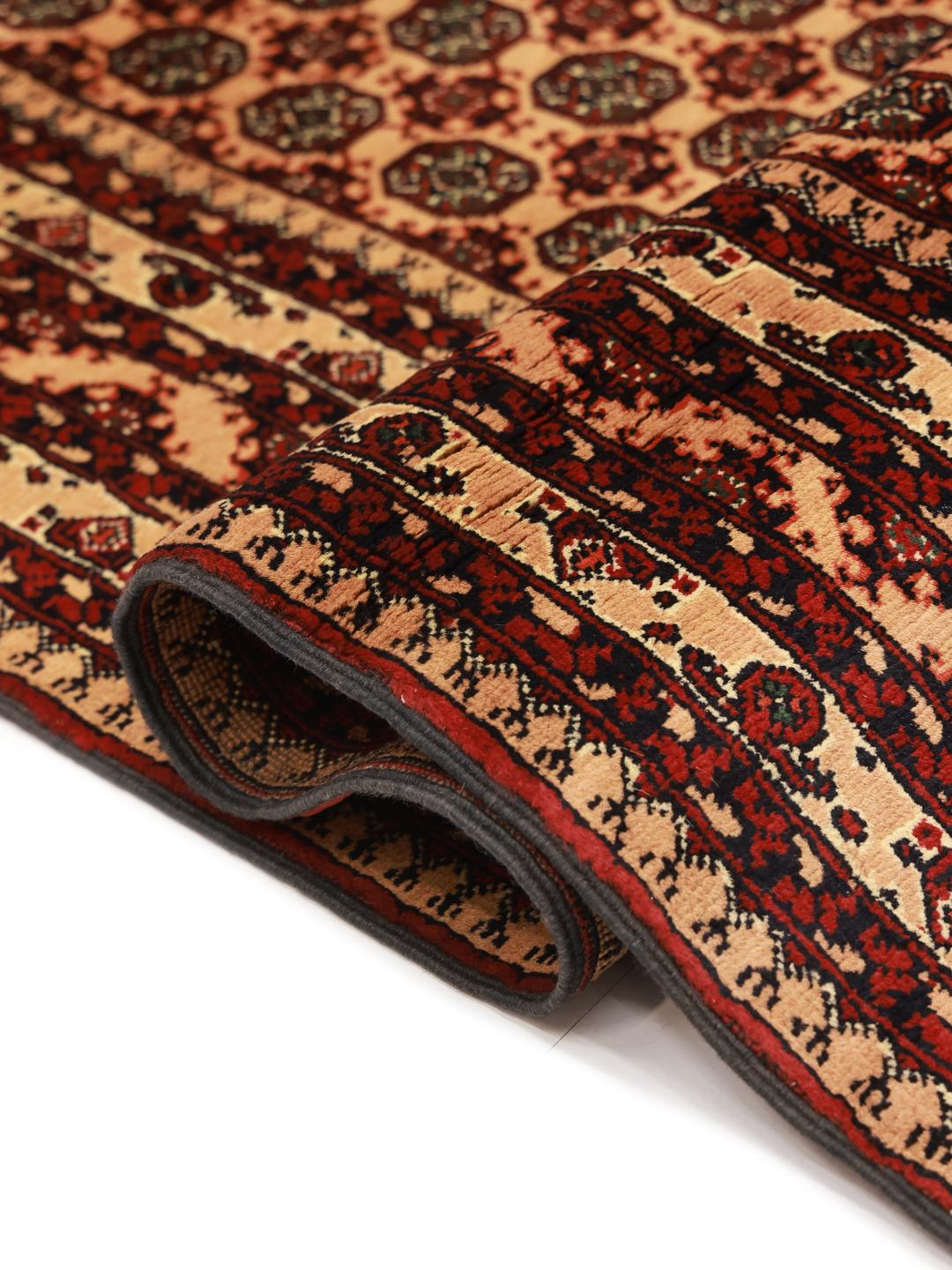
In regional carpet craft, hand-knotting on a structured loom defines the durability and clarity of the finished rug. Using wool for the pile allows the fibers to absorb deep natural dyes effectively, creating rich variations in tone across the surface. The tightly packed knots ensure that complex geometric motifs stay crisp and defined over decades of use.
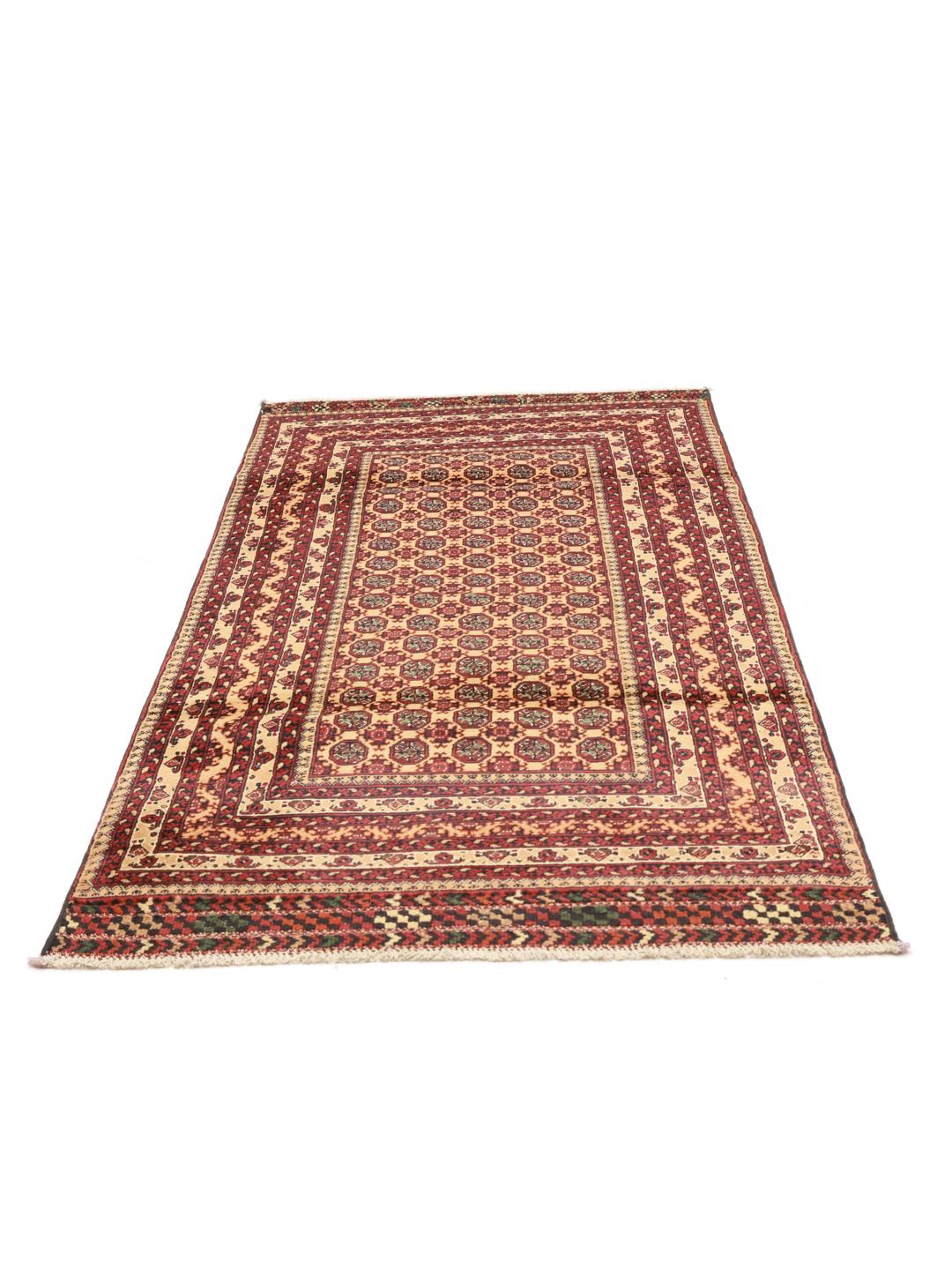
The visual signature of Kunduz rugs centers around repeating geometric gul motifs framed by detailed ornamental borders. Typically executed in deep reds, rich terracottas, and warm oranges with subtle green or brown accents, these patterns carry traditional symbolic meanings connected to family lineage, nature, and protection. The precision of the border design frames the central field, giving the rug a sense of harmony and balance.
Hand-knotted rugs from Afghanistan are widely appreciated by collectors for their authentic character, resilient natural materials, and connection to living craft traditions. Owning a Kunduz rug brings a piece of history into the home, offering a lasting functional object that retains its beauty and cultural value over time.