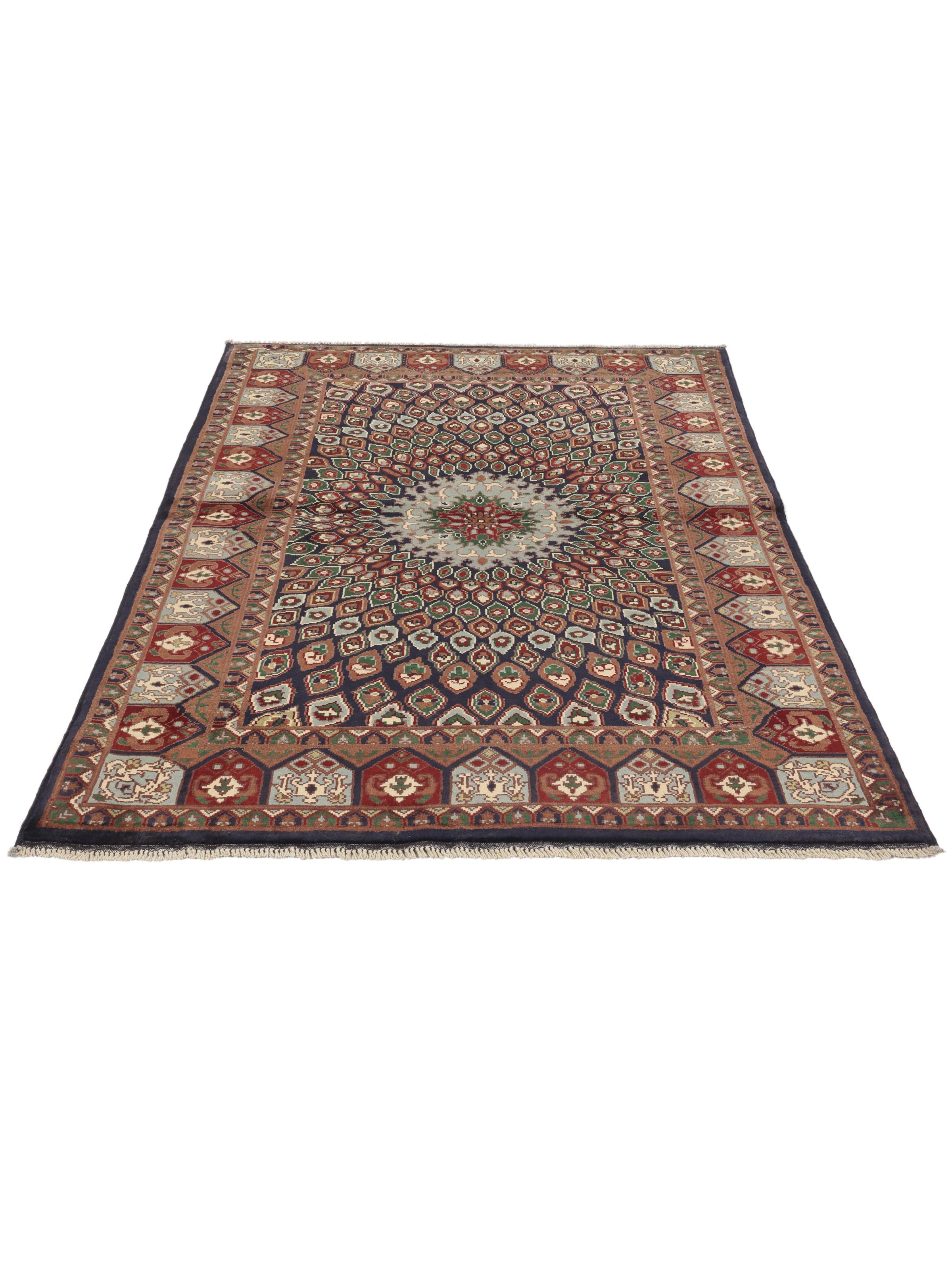
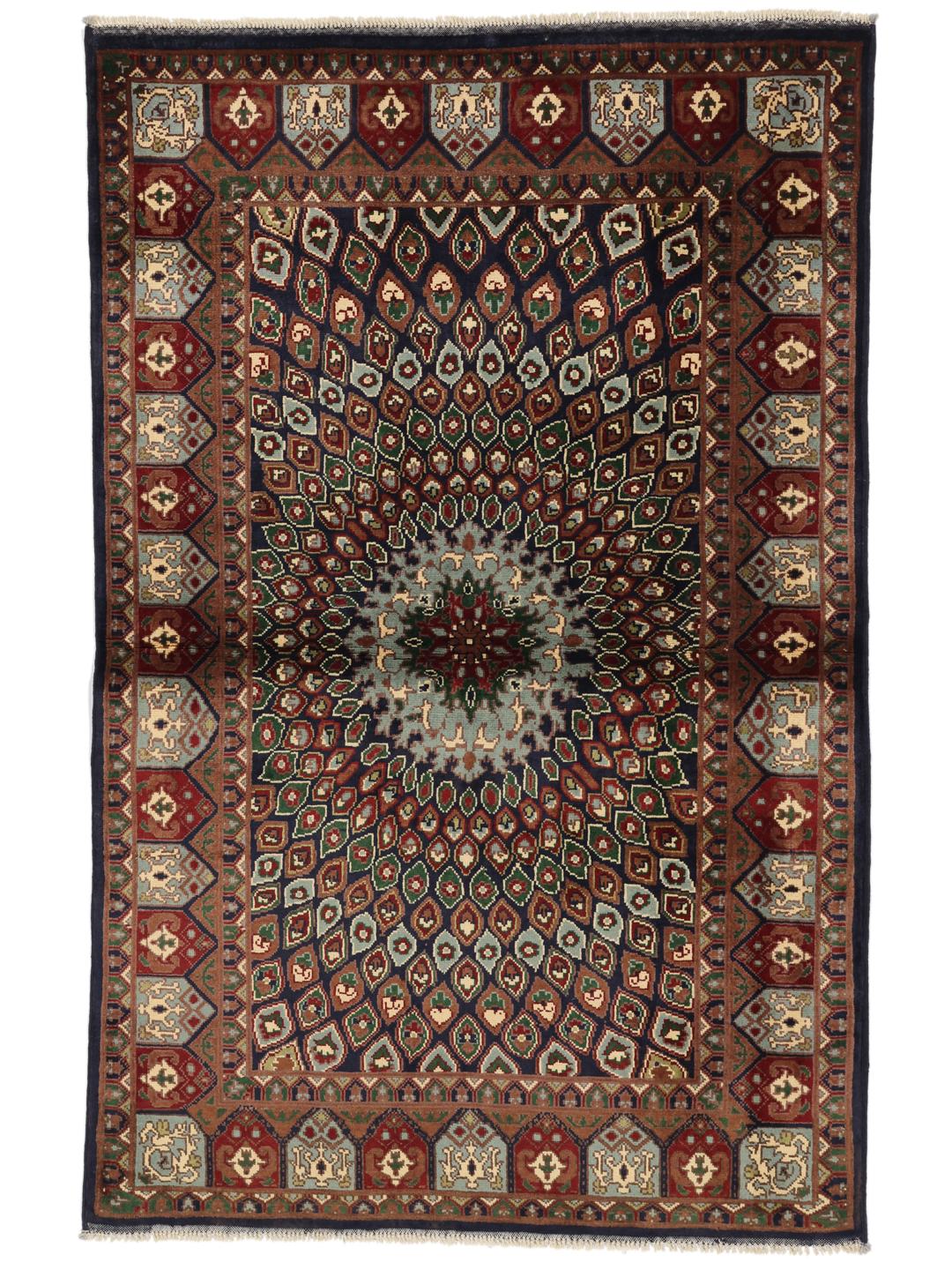
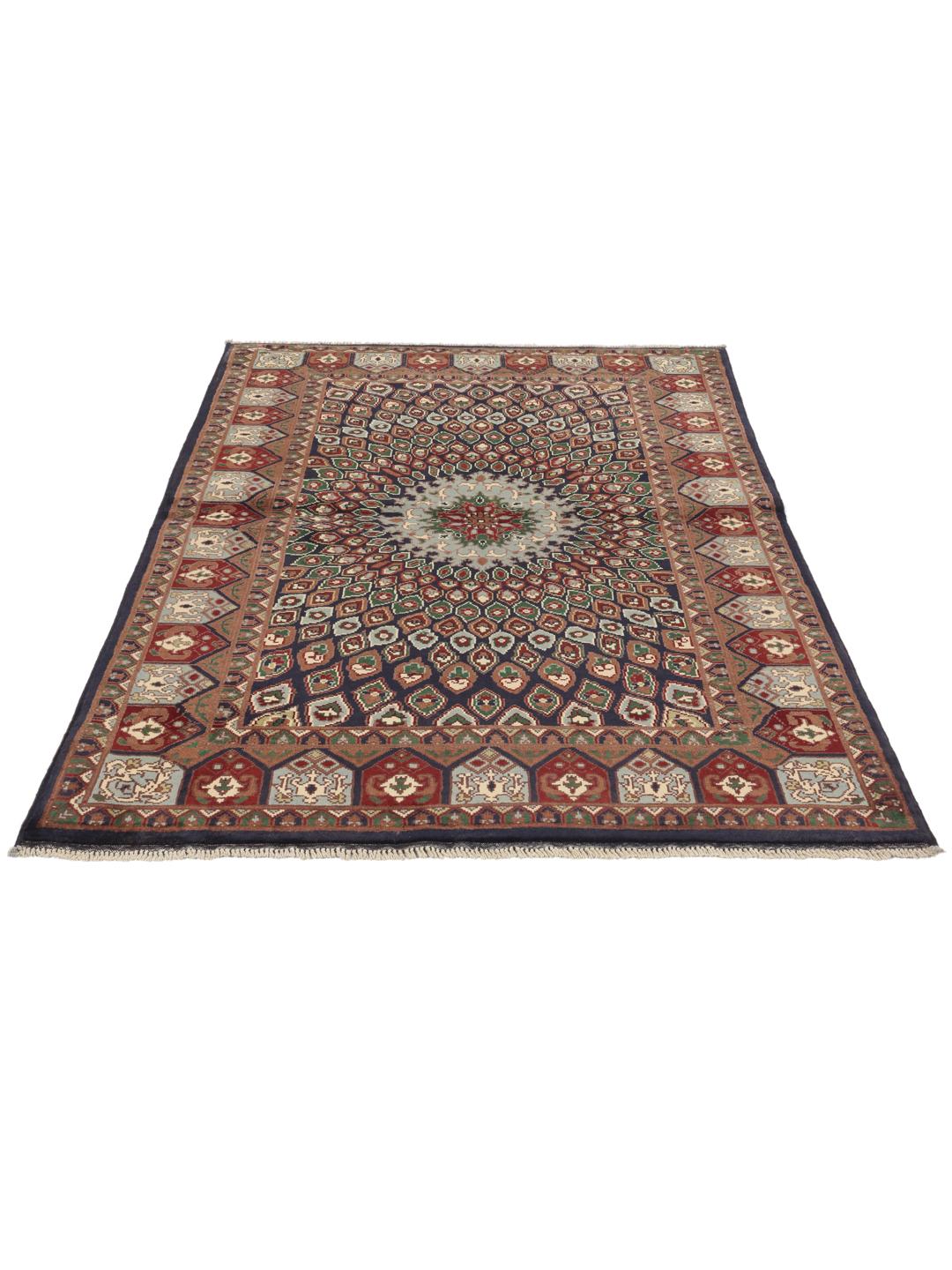
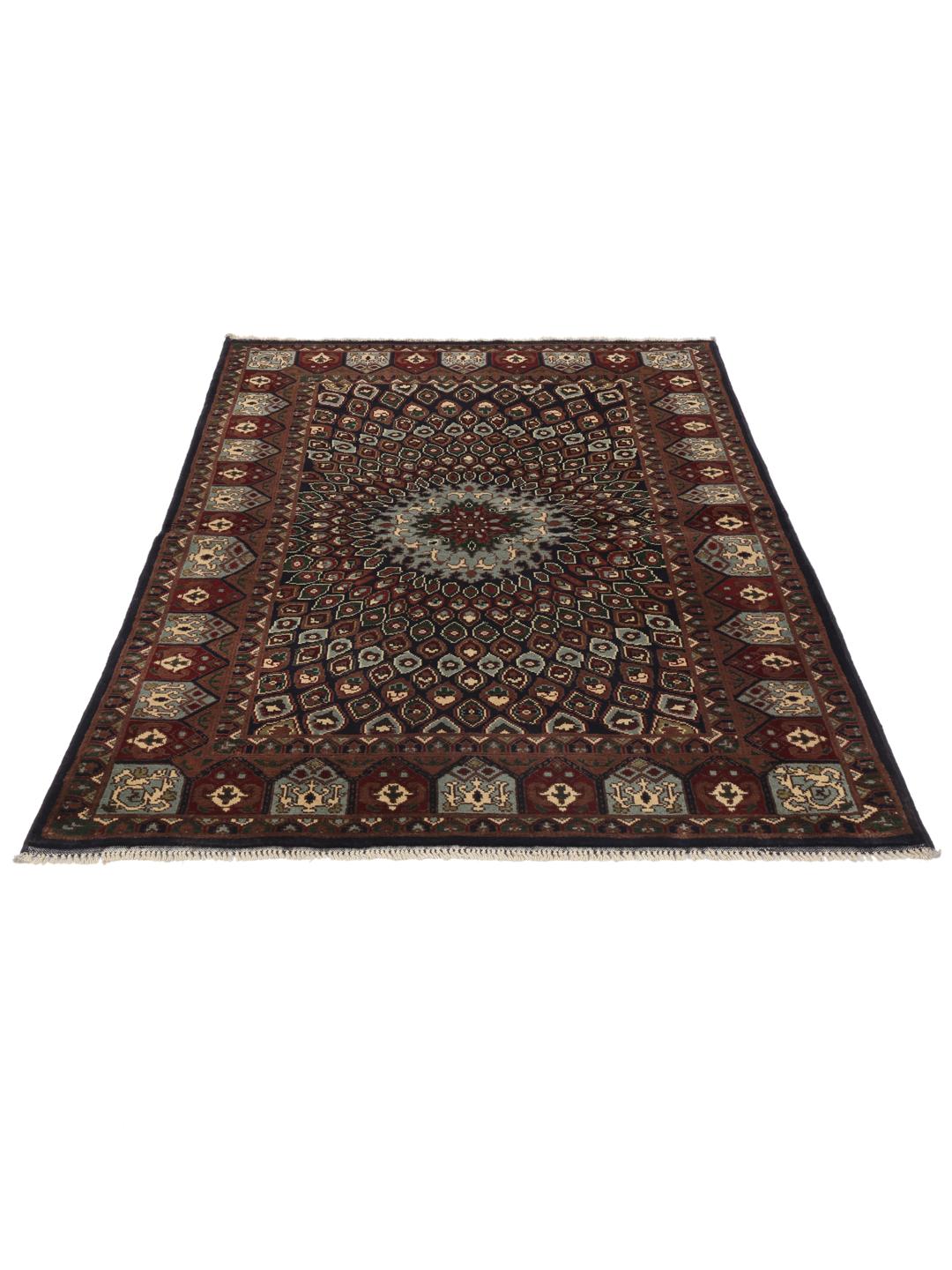
Kunduz rugs hail from the northern regions of Afghanistan, an area with a profound history of nomadic and semi-nomadic weaving. These rugs are deeply connected to the cultural identity of the region, where the craft has been passed down through generations. The evolution of these designs reflects a blend of local tribal aesthetics and the broader artistic influences found along historic trade routes.
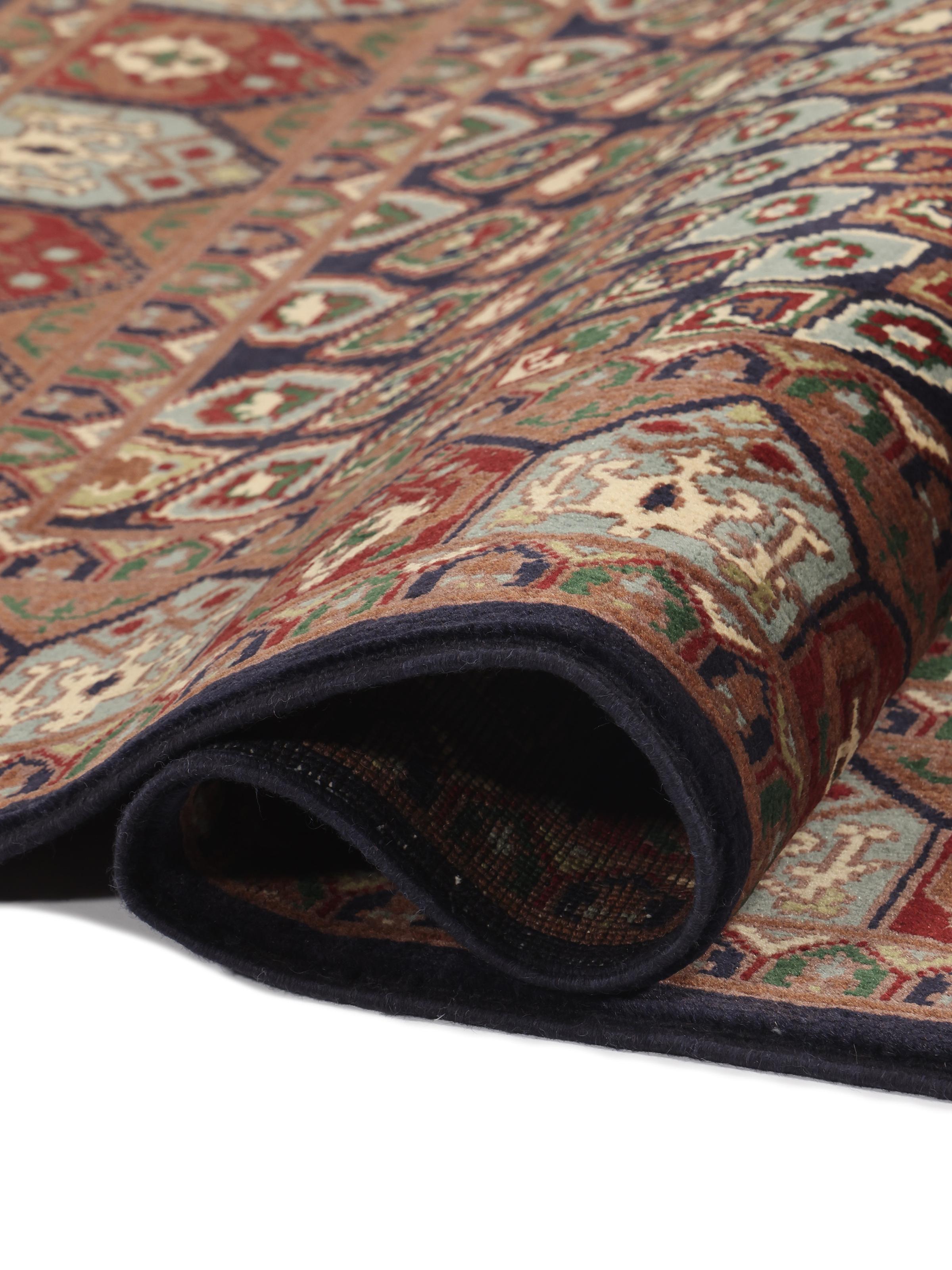
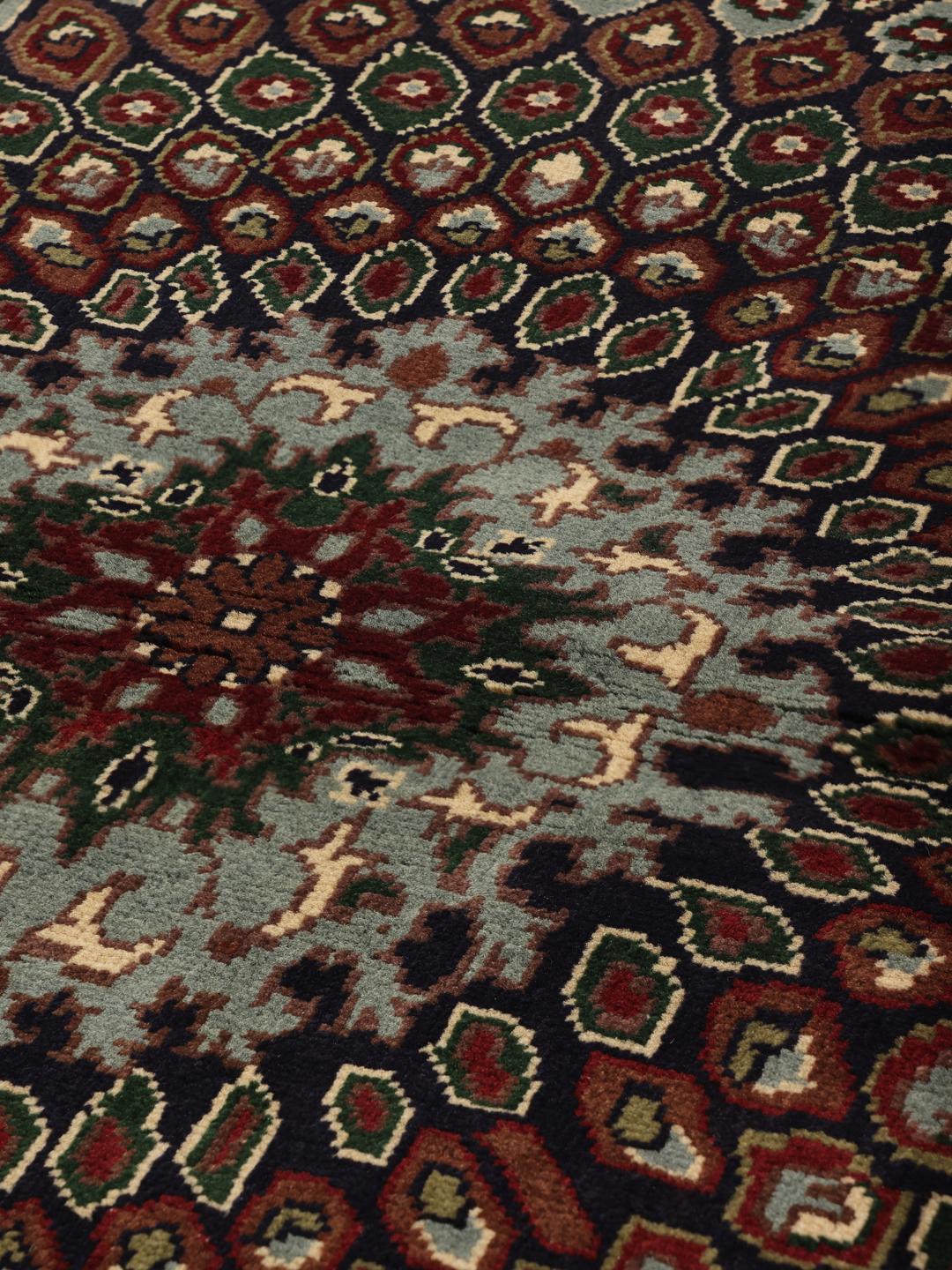
The term 'Kunduz' refers both to the city and the distinct style of weaving associated with this northern Afghan province. These rugs are known for their sturdy construction and the use of high-quality wool, often sourced from local mountain sheep. This wool is prized for its natural lanolin content, which gives the finished rug a subtle sheen and a resilient, soft texture that improves with time.
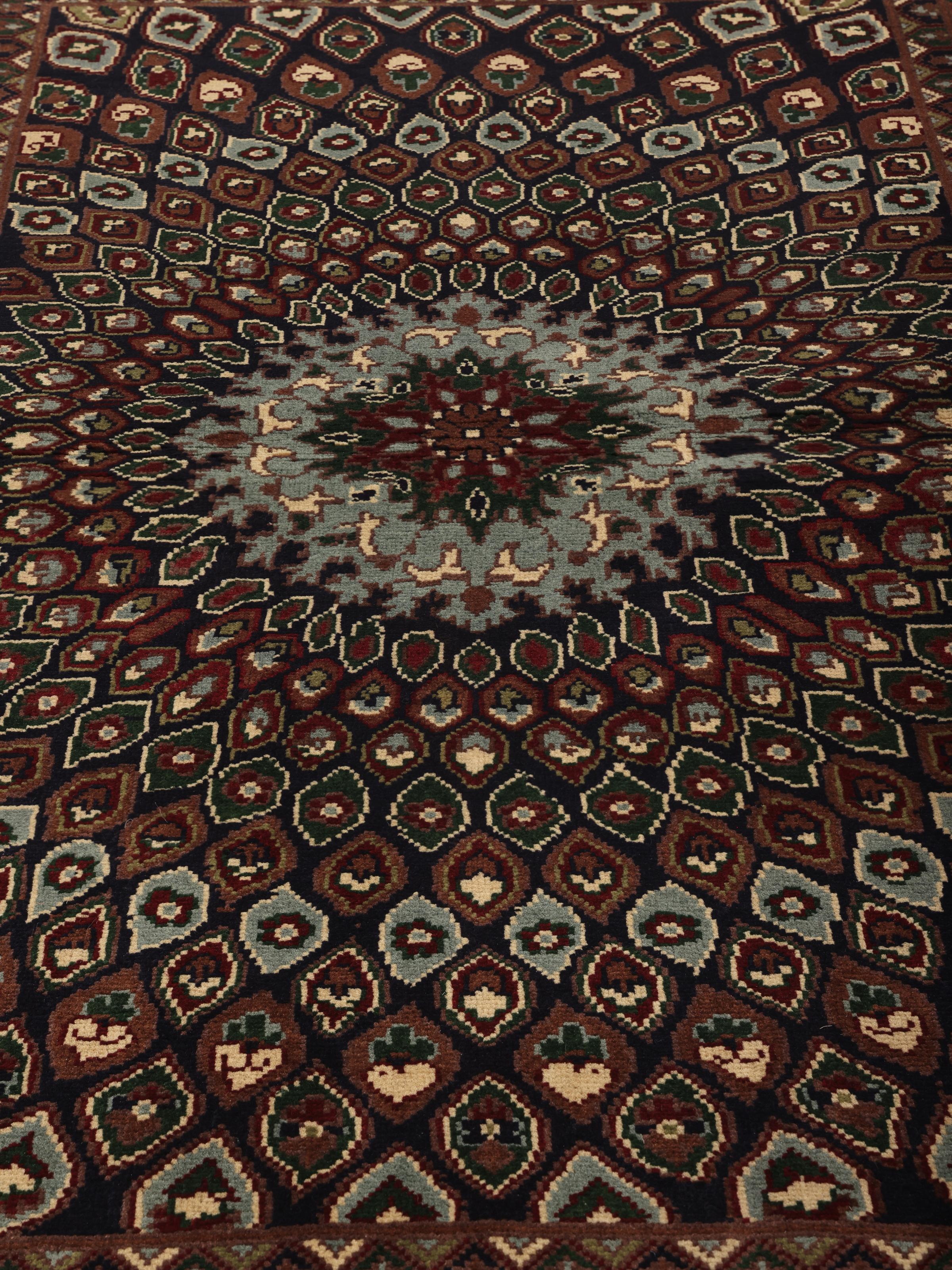
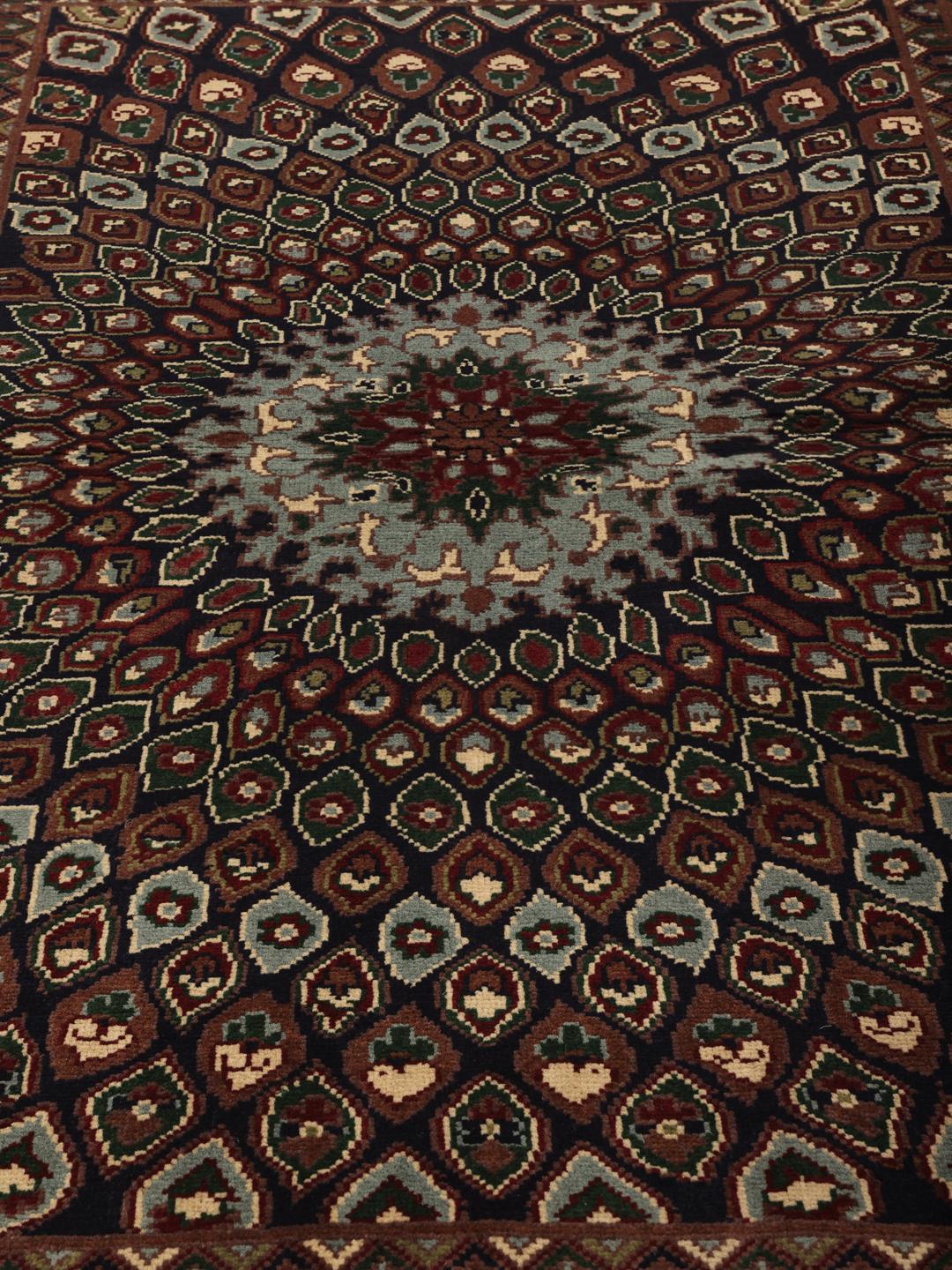
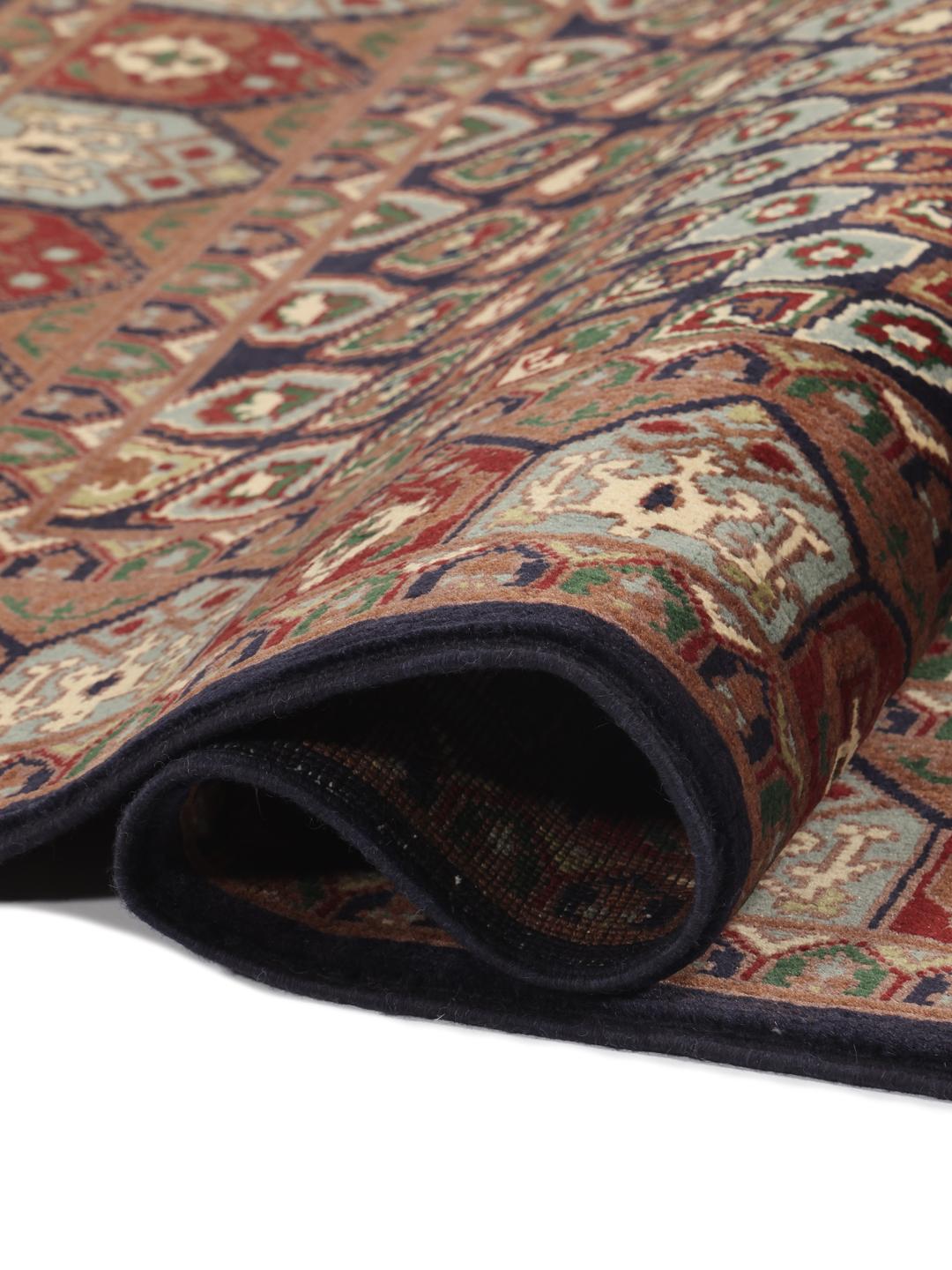
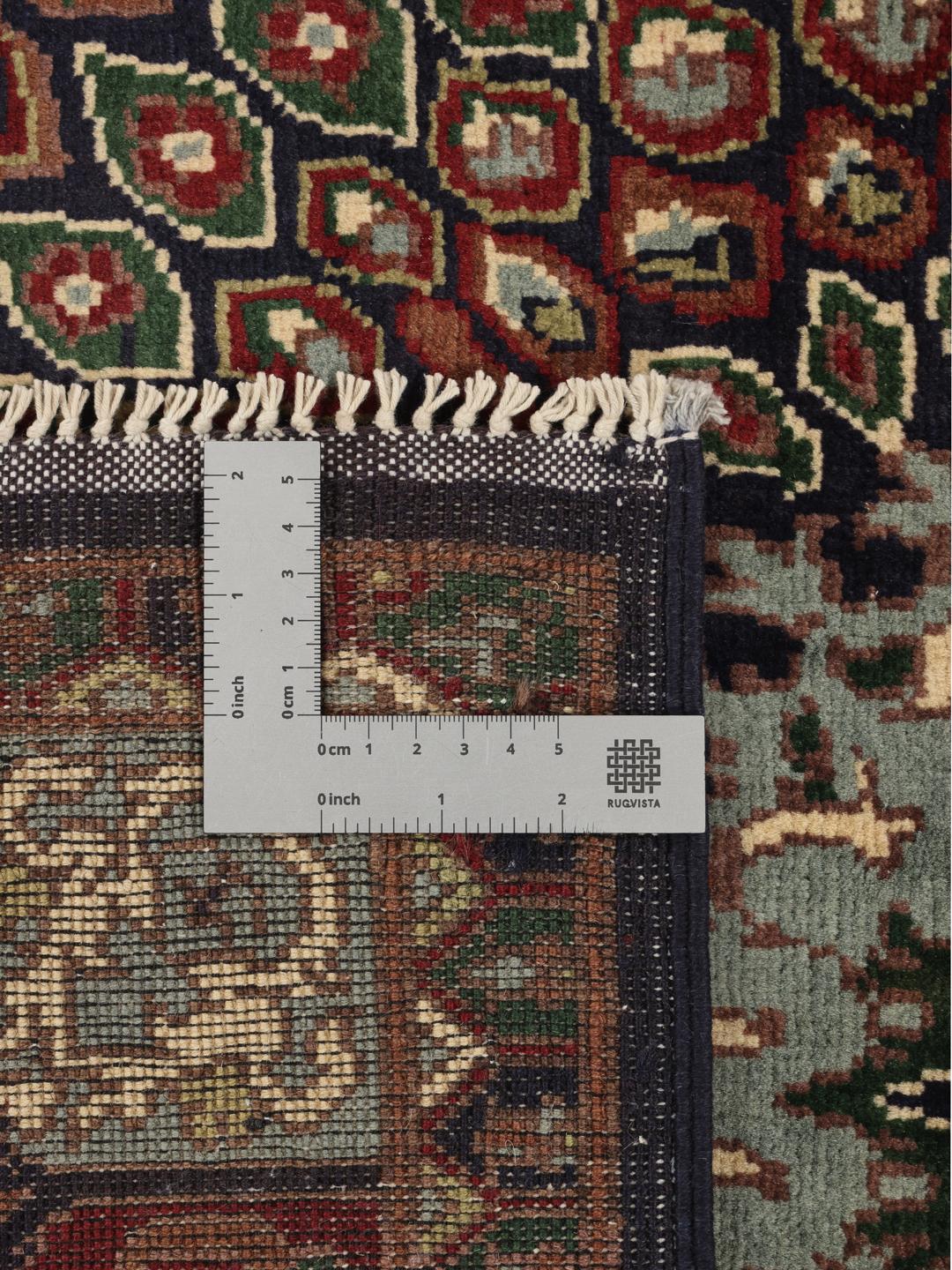
Signature design elements of the Kunduz style often include geometric motifs that are densely arranged across the field. You will frequently see repeating patterns that showcase a mastery of symmetry, often framed by elaborate, multi-layered borders. The use of traditional, vegetable-derived colour palettes—typically rich reds, deep blues, and earthy greens—creates a balanced, sophisticated look that is instantly recognisable to collectors.
Collecting a Kunduz rug is a way of preserving a vital piece of artisanal heritage. Because these rugs are produced in small workshops or at home, they carry the unique fingerprint of their creators, making them highly valued by those who appreciate the human story behind their decor. Owning one is more than just a purchase; it is an act of supporting a long-standing tradition of craft and skill.