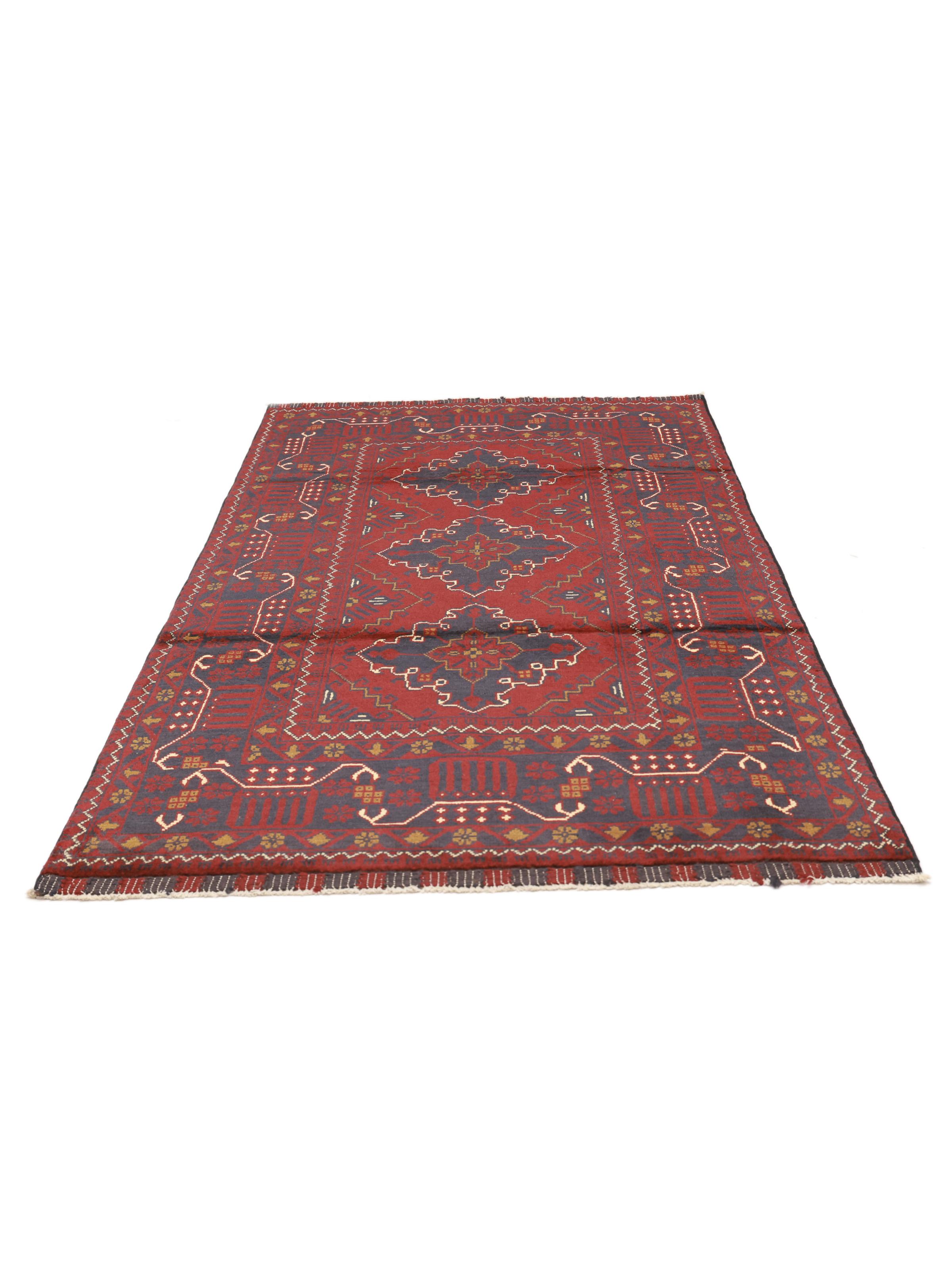
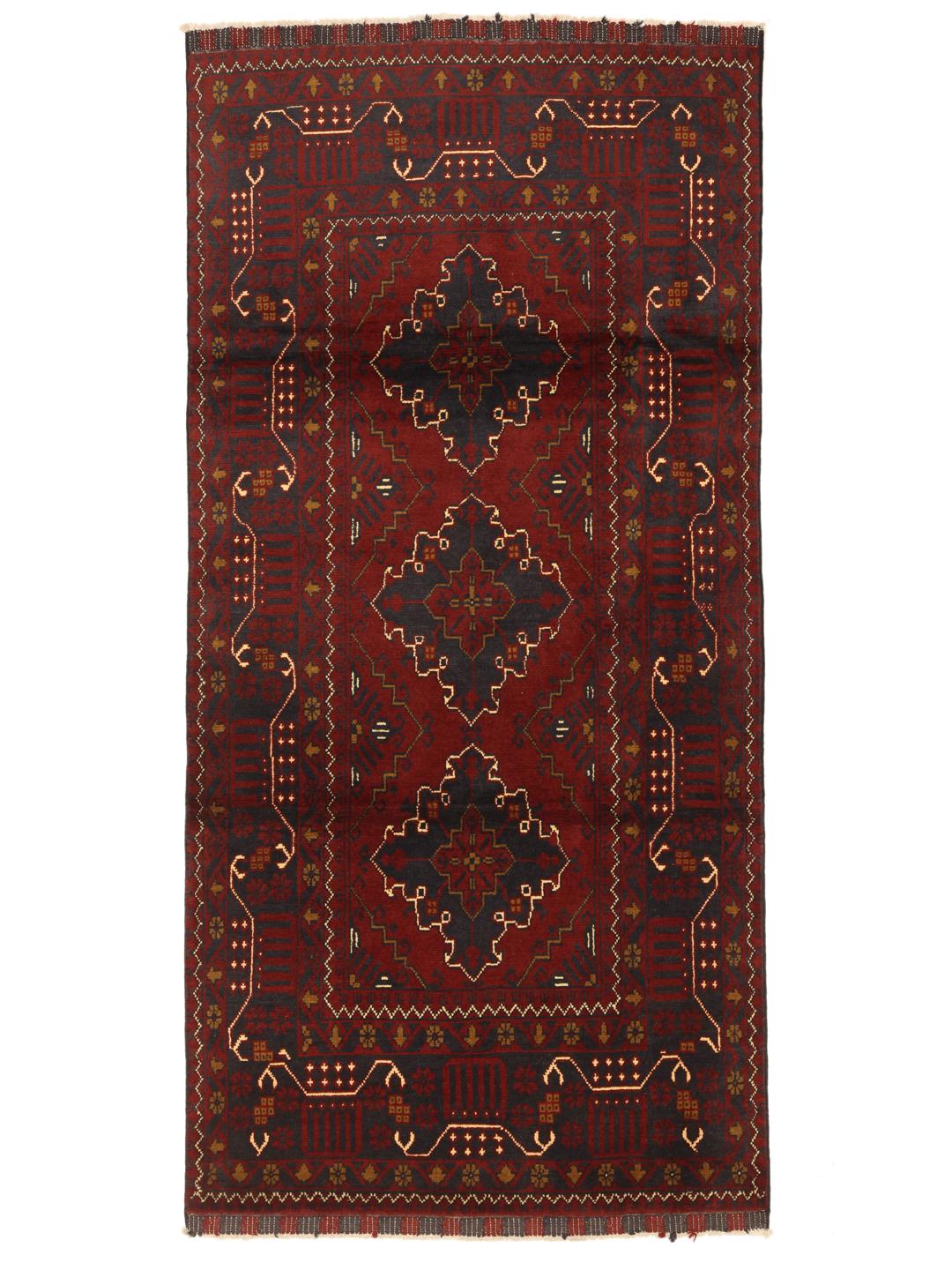
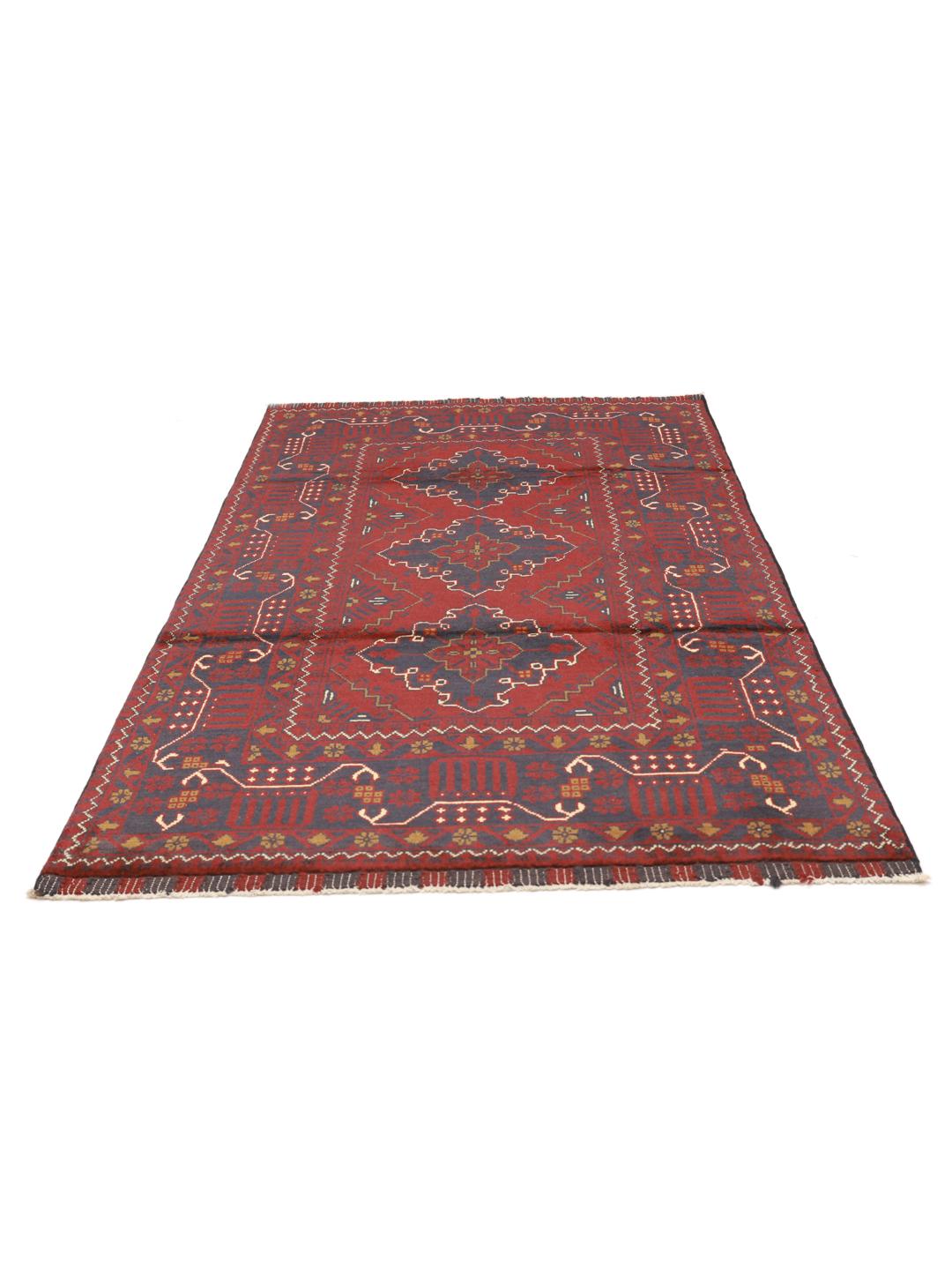
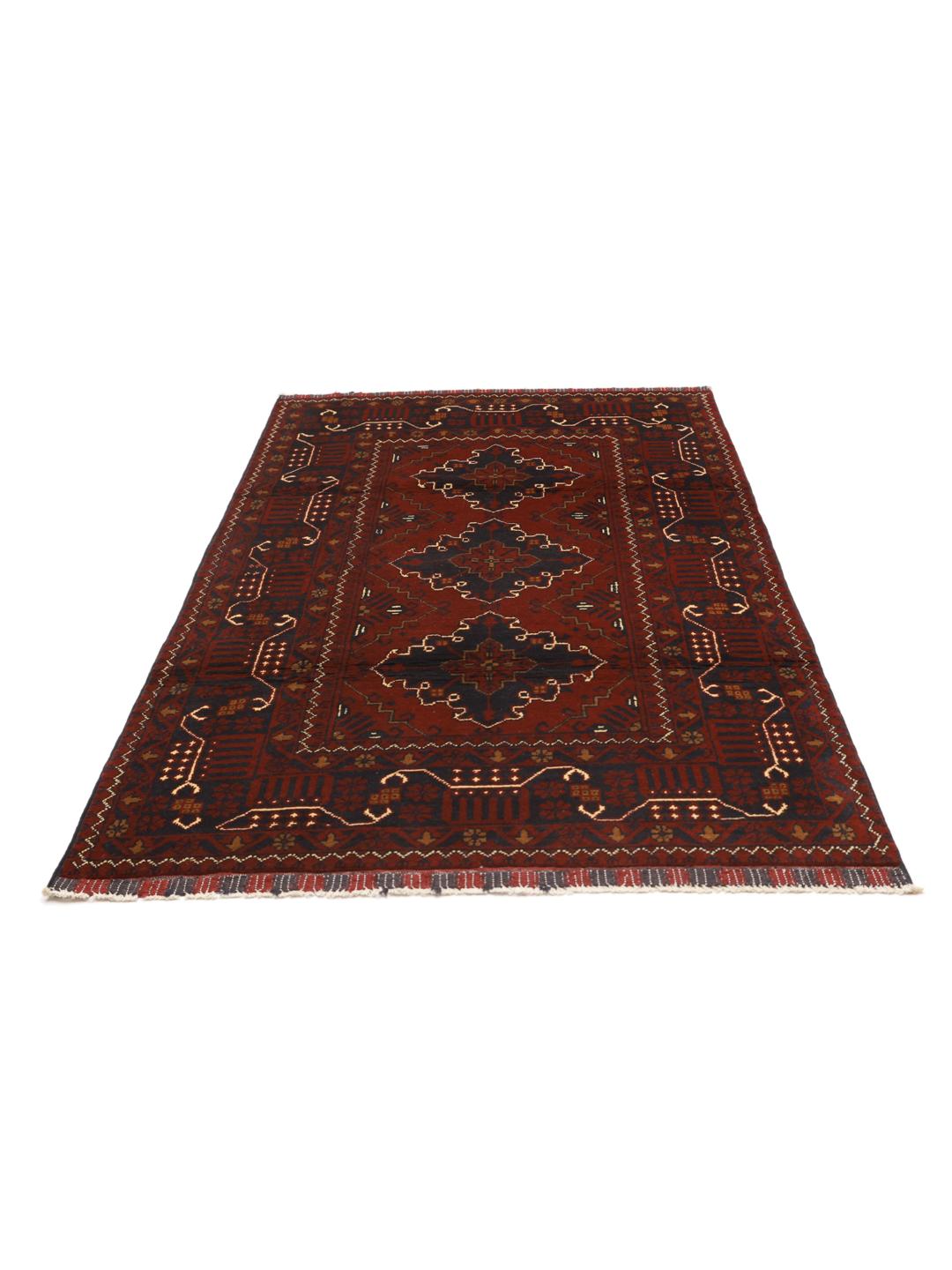
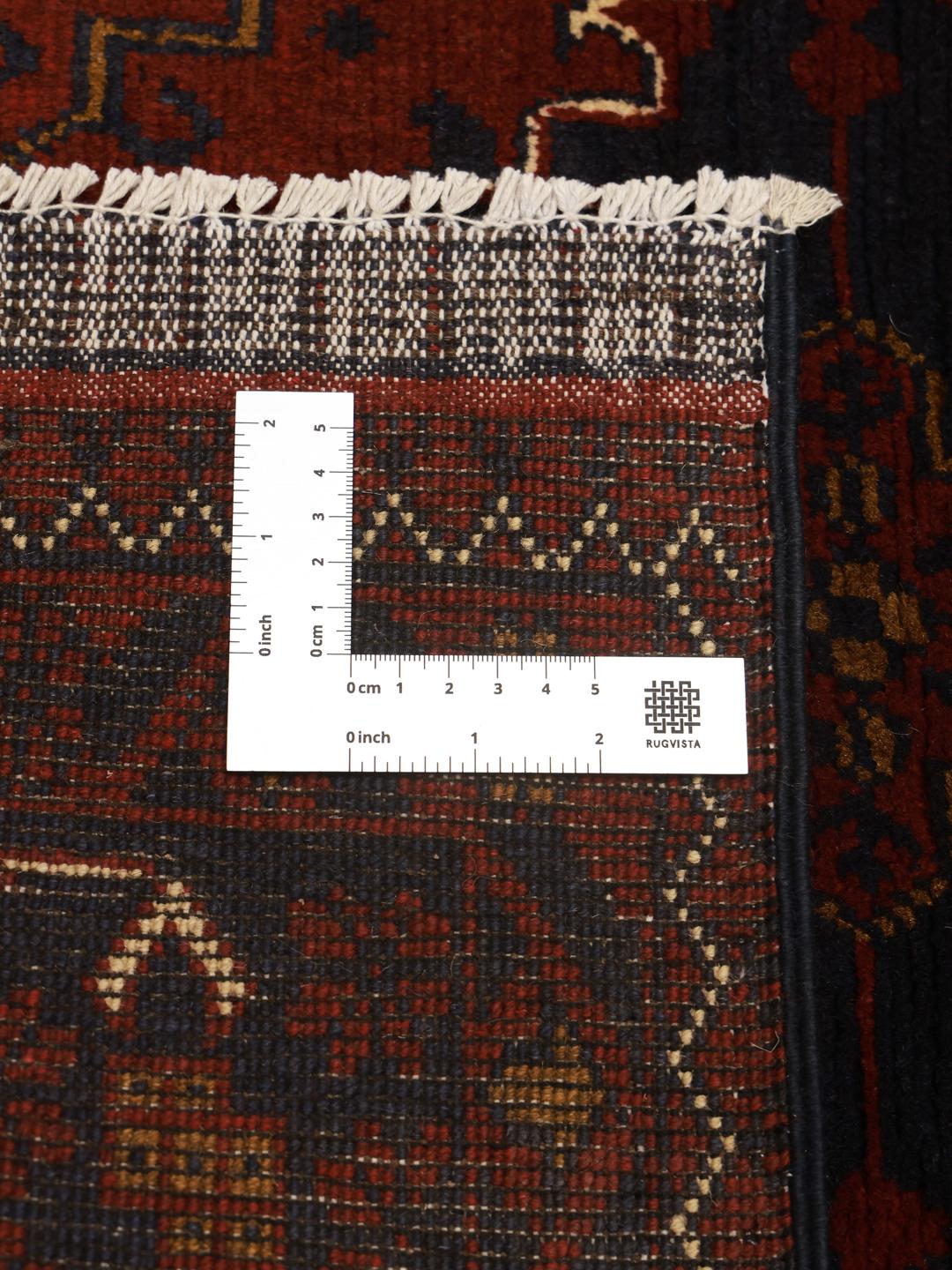
Kunduz rugs originate from the northern region of Afghanistan, a historic hub for weaving where families have passed down their skills through generations. The region is famous for producing rugs with deep, rich colour palettes and highly structured geometric layouts that reflect the cultural identity of the local weaving communities.
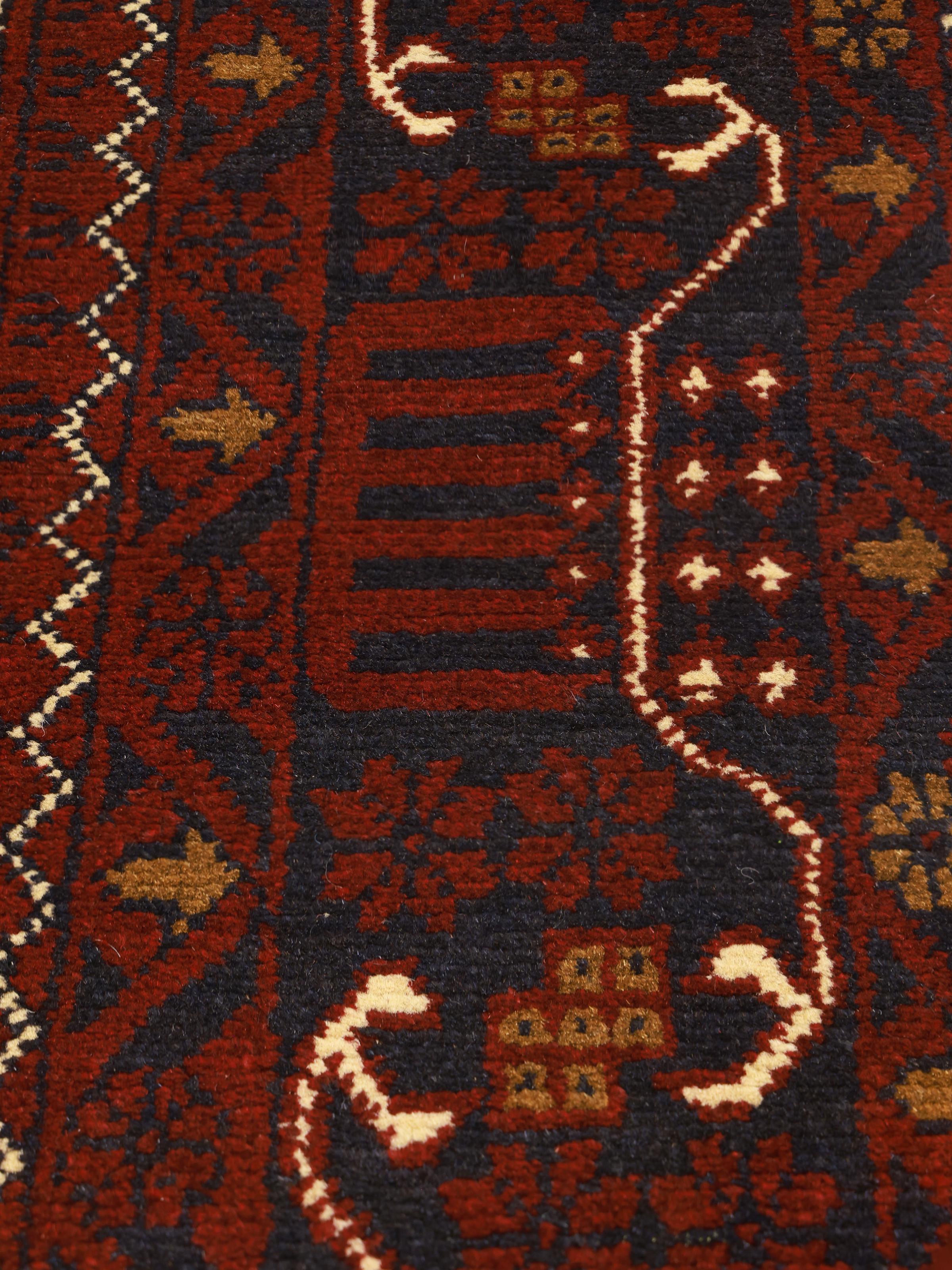
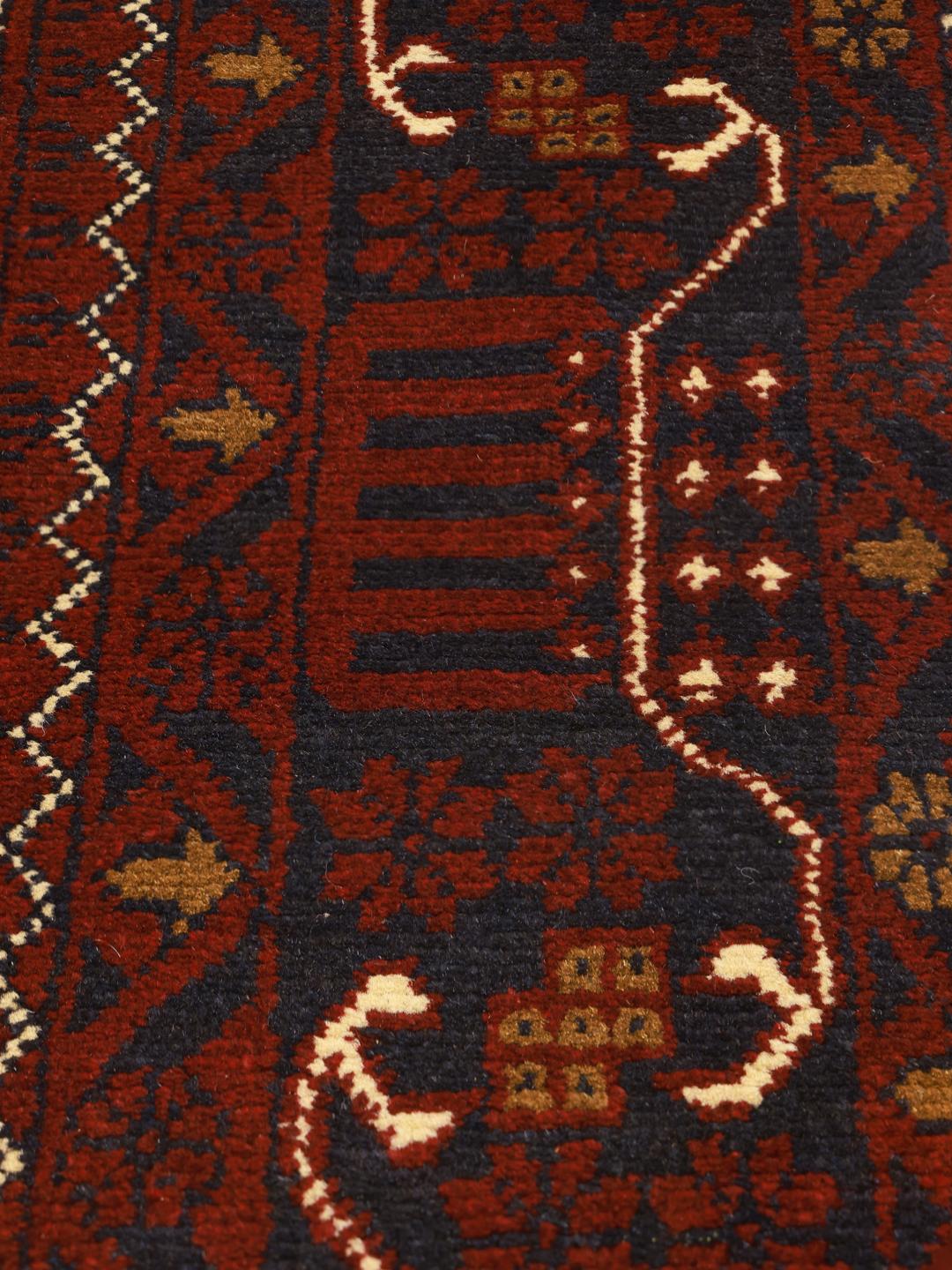
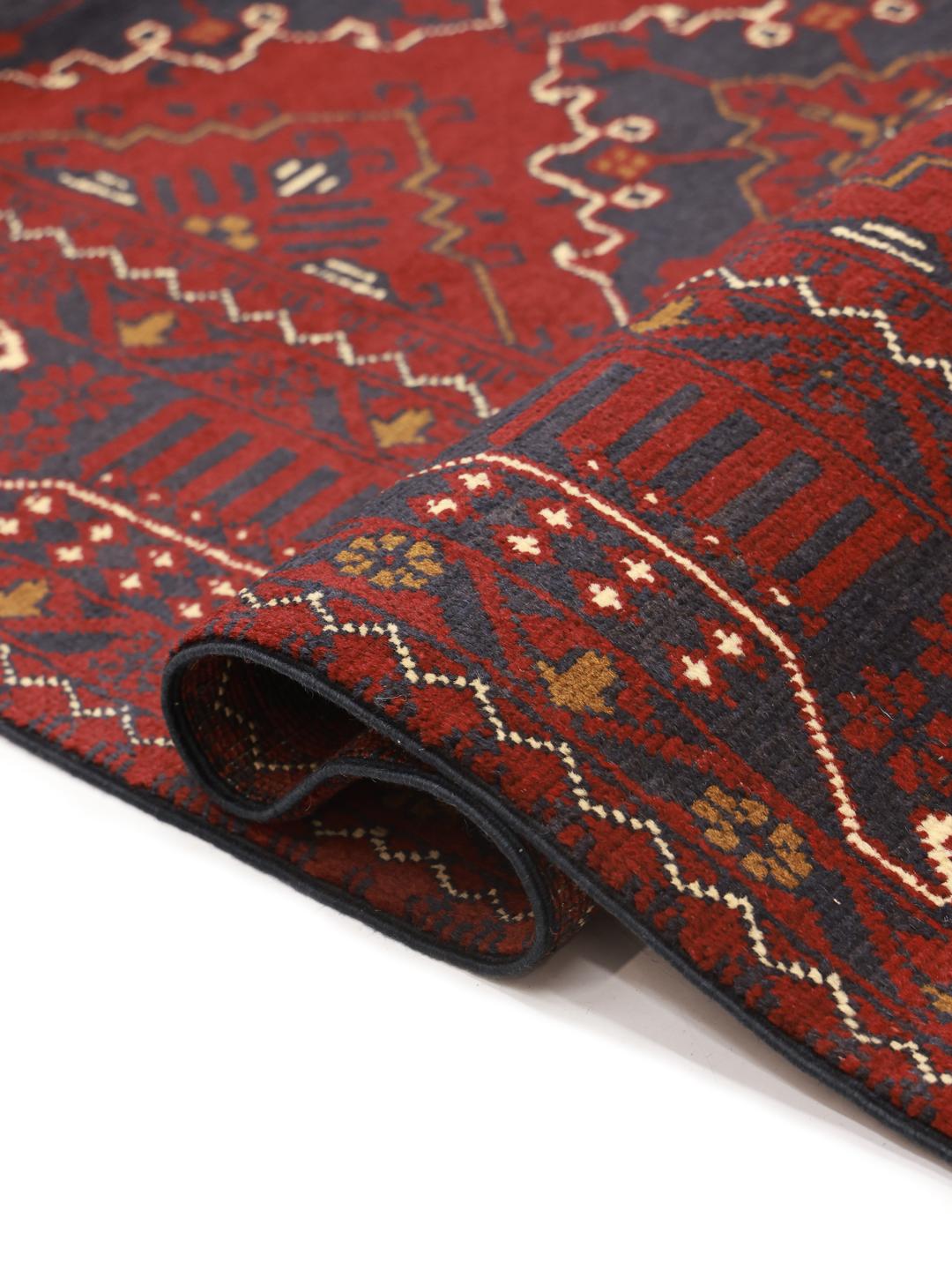
The use of wool in these rugs is central to their identity. Sourced from local sheep, the wool is known for its strength and natural lustre, which helps the deep red and blue dyes retain their richness over decades of use. The warp is made from cotton, providing a stable and flat foundation that keeps the hand-knotted pile perfectly aligned.
The visual language of Kunduz rugs is characterised by repeating medallions, often referred to as guls, and intricate border patterns. These tribal motifs are not merely decorative; they are symbolic elements that represent the weaver's environment, heritage, and daily life, making each rug a narrative piece.
Owning a Kunduz rug means bringing a piece of Central Asian history into a modern context. These rugs are highly valued by collectors and homeowners alike for their robust construction, deep colour harmony, and the quiet dignity of their traditional geometric designs.