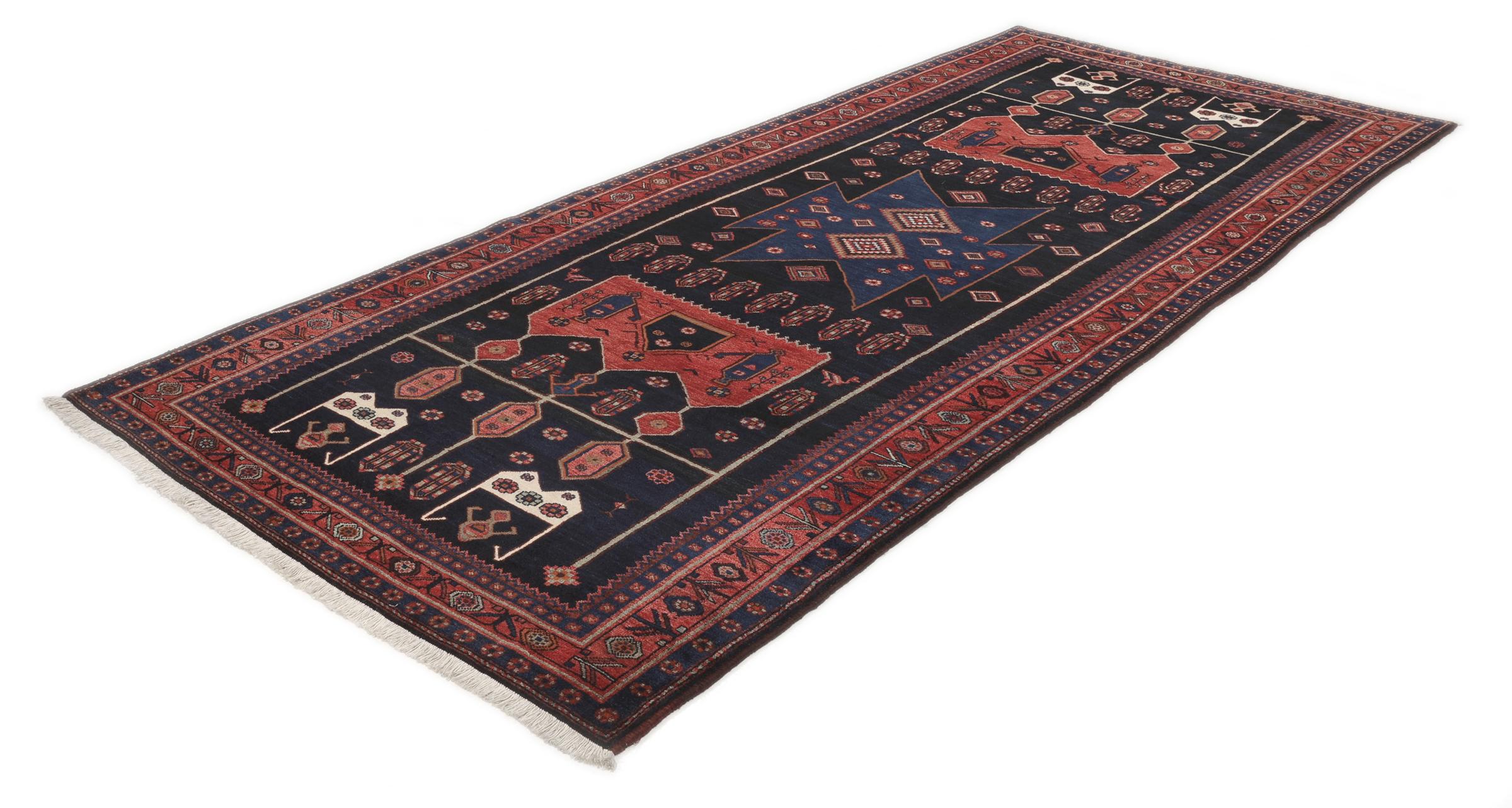
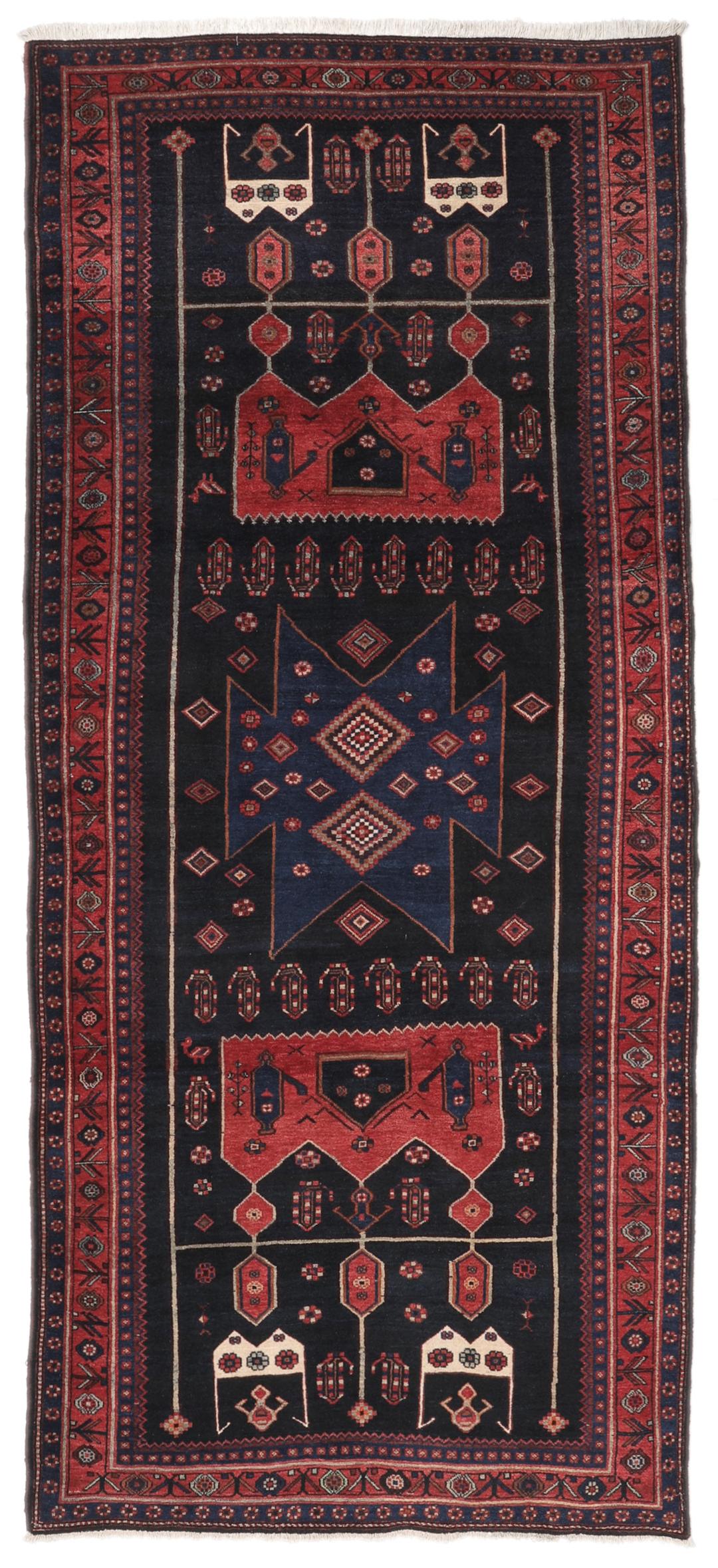
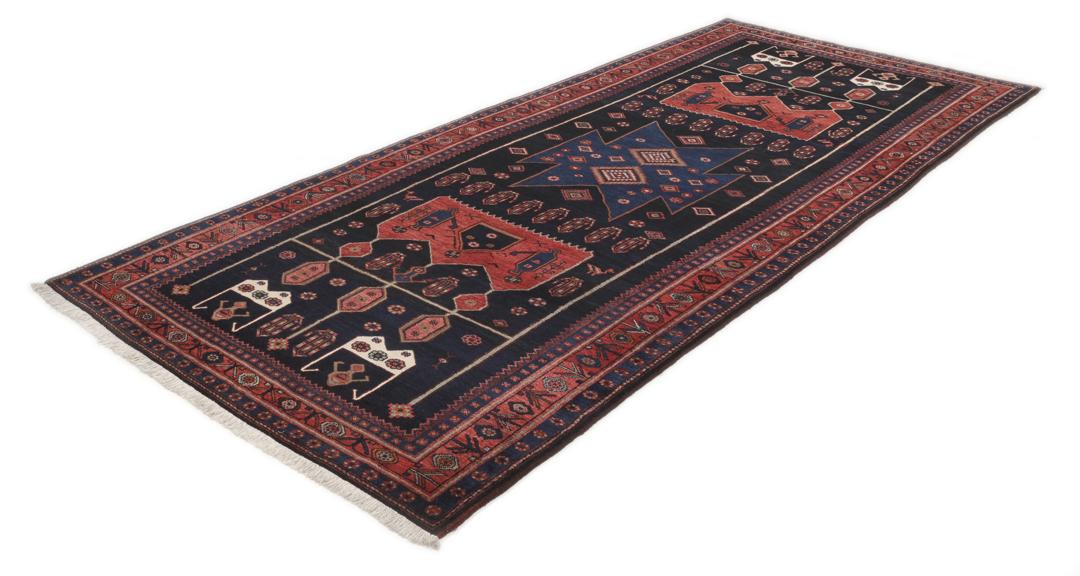
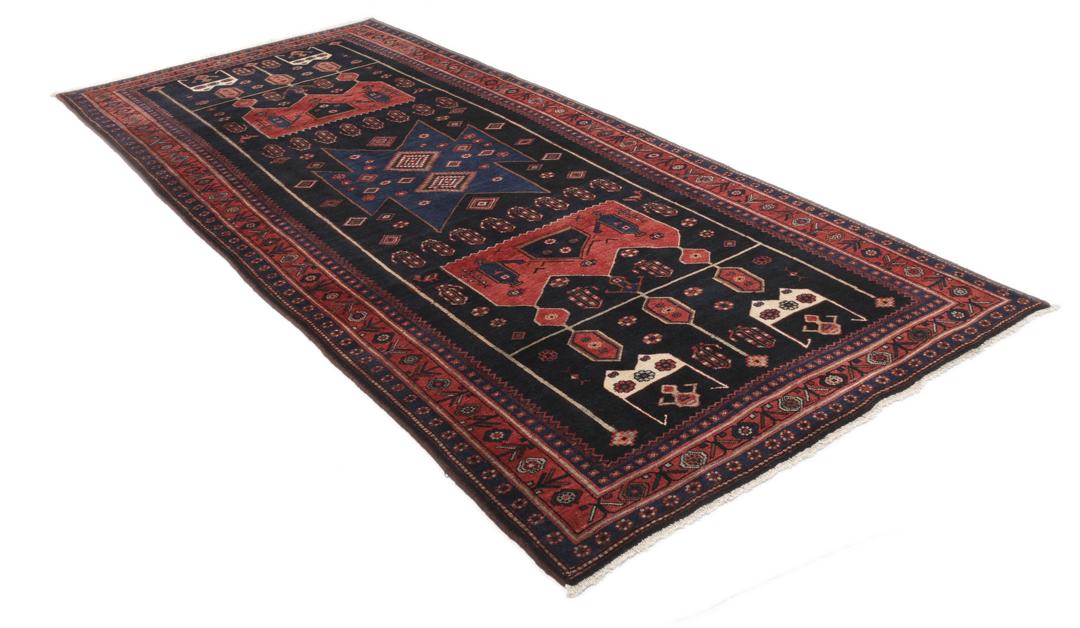
The Kurdi tradition originates from the nomadic and semi-nomadic tribes of the mountainous regions of the Middle East. For centuries, these communities have refined their weaving techniques, creating rugs that serve as both functional floor coverings and expressions of cultural identity. The rugged landscape and climate of their homeland have deeply influenced the durability and warmth of these textiles.
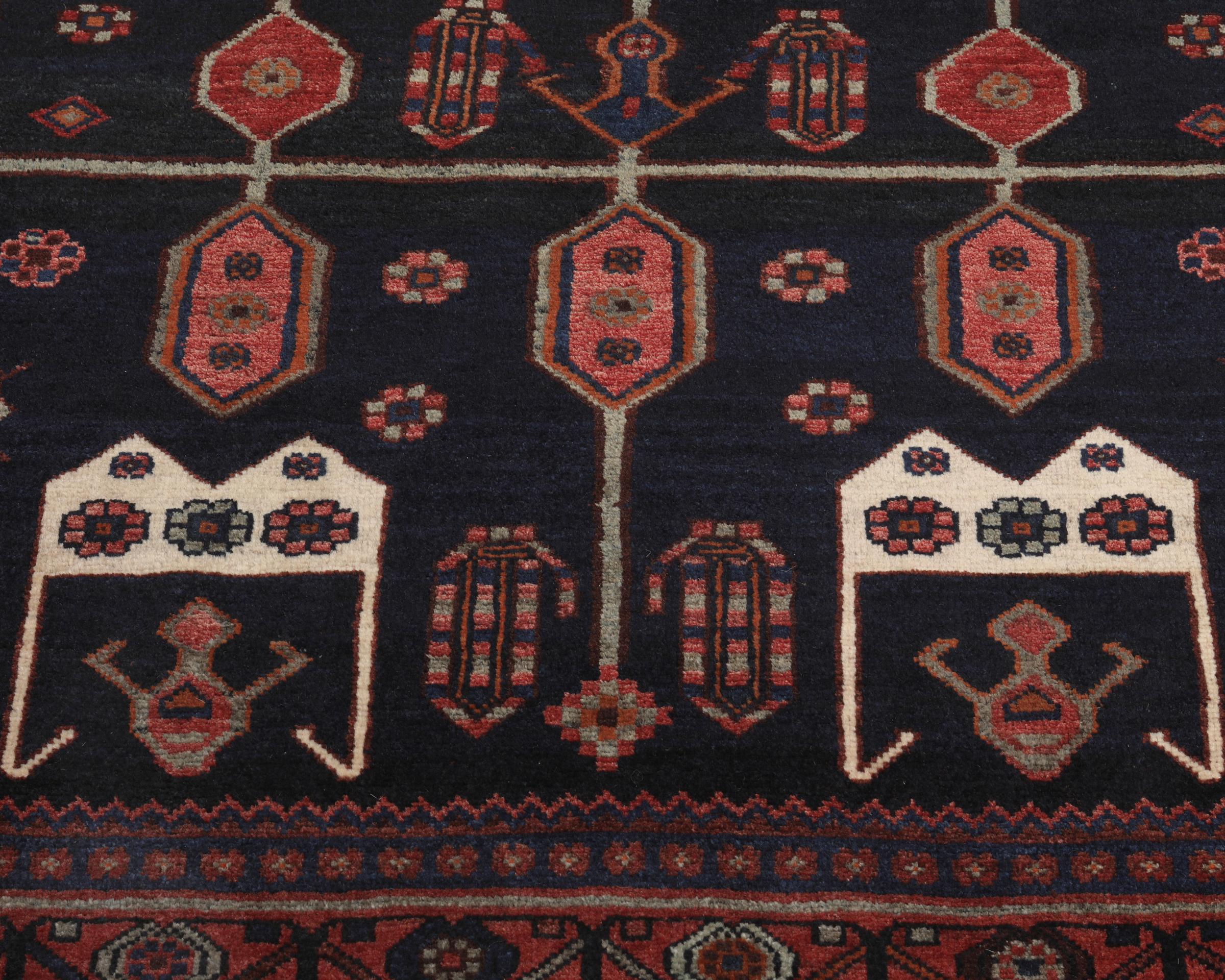
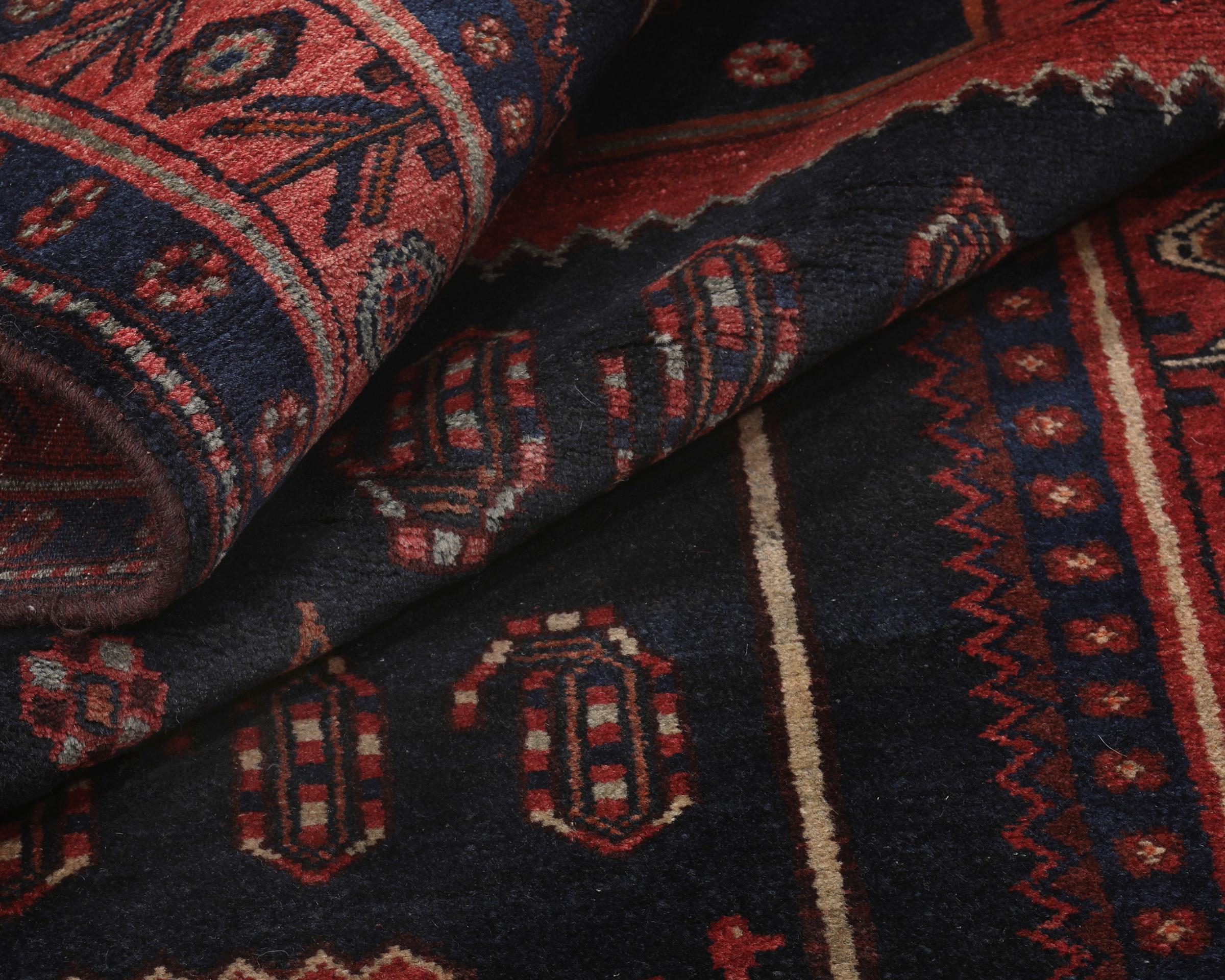
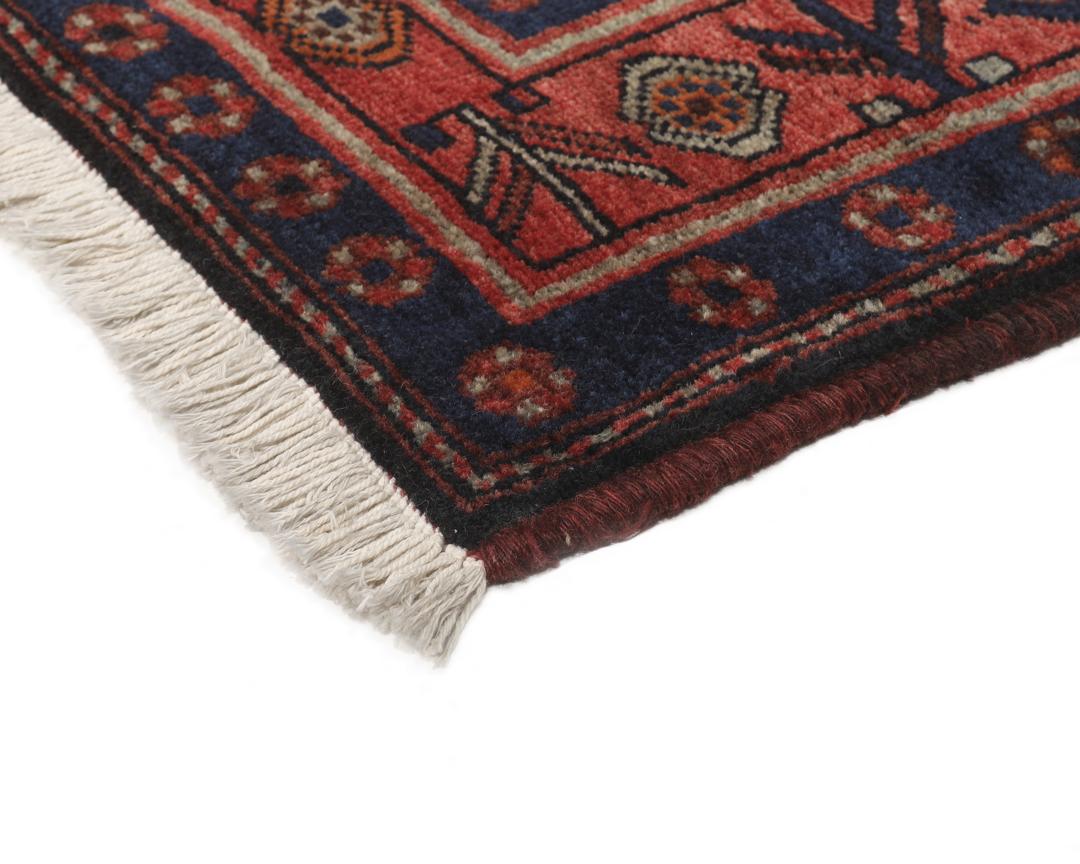
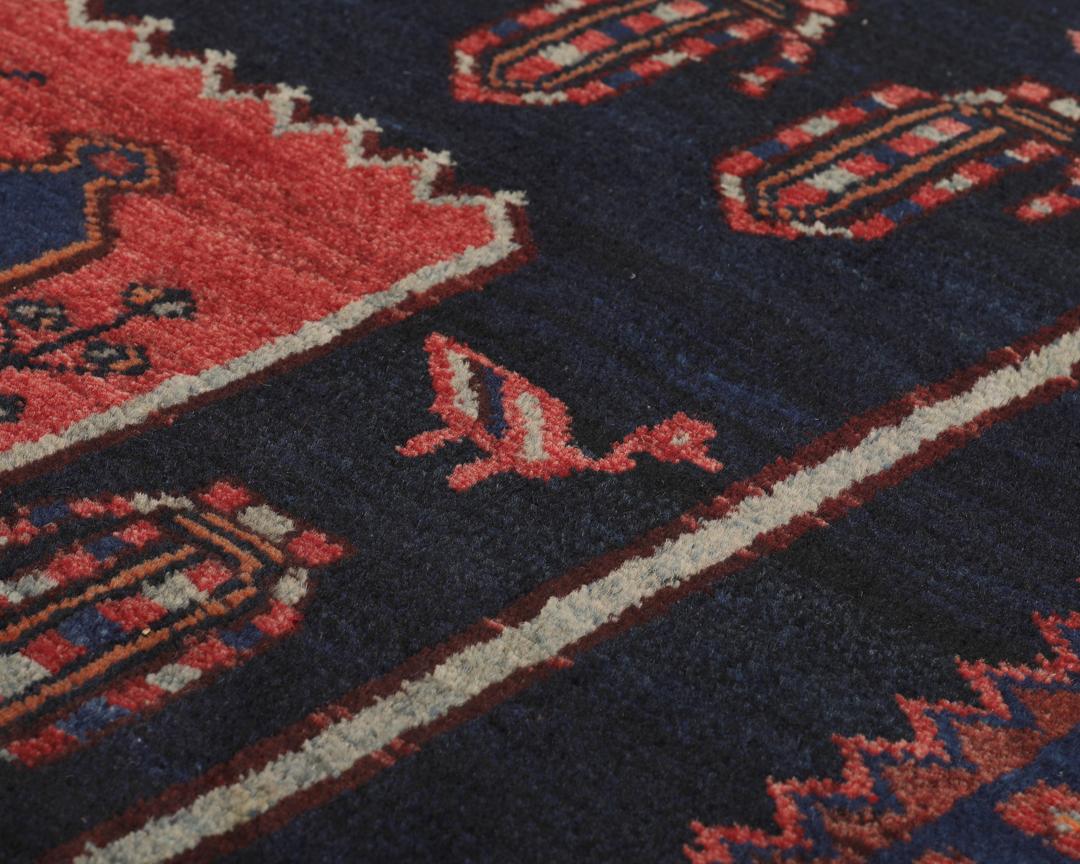
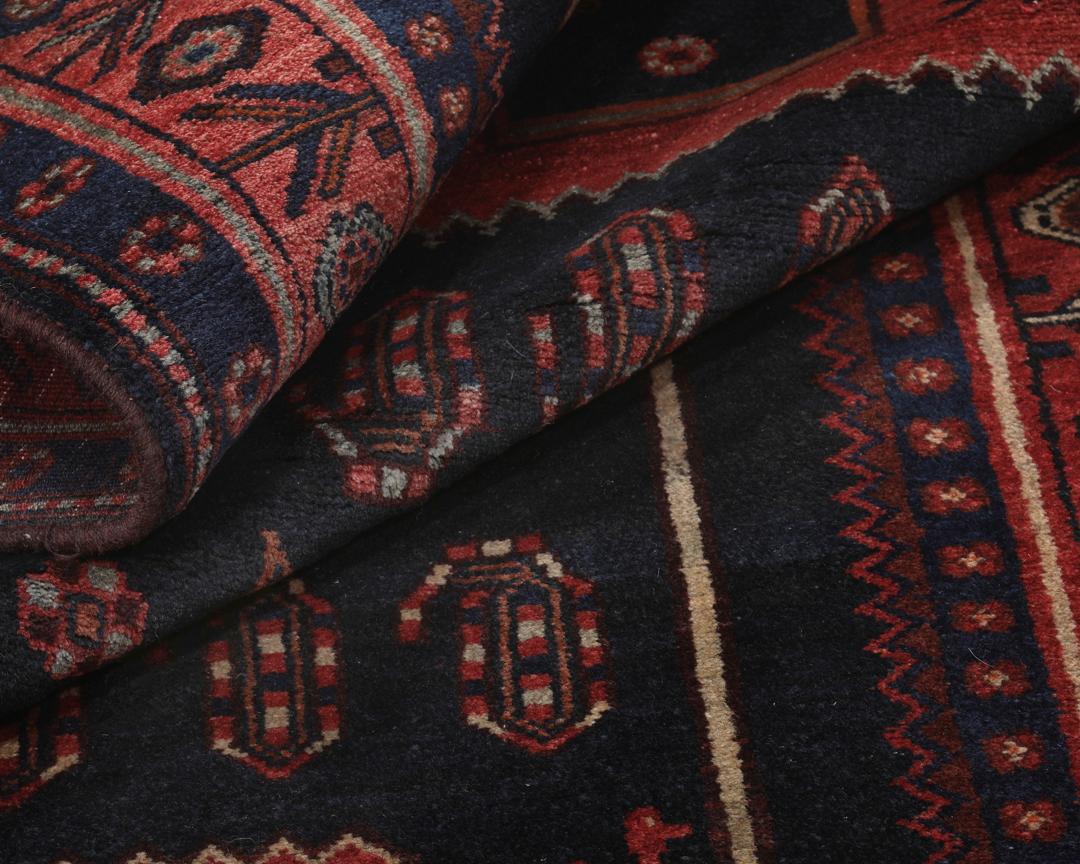
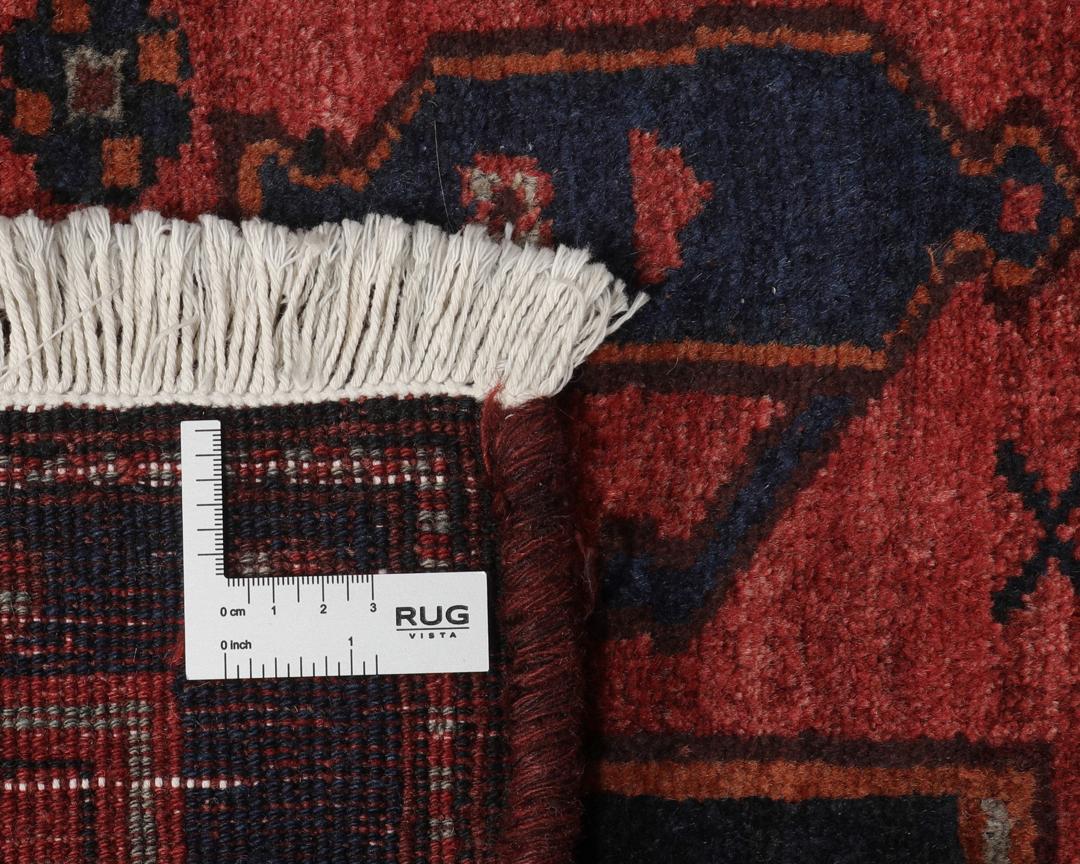
Technical excellence in this tradition is defined by the quality of the wool and the precision of the knotting. The use of hand-spun wool allows for a natural variation in colour, known as abrash, which gives these rugs a vibrant, multi-dimensional appearance. This variation is highly prized by collectors as it signals that the rug was created using authentic, traditional methods rather than mass-produced synthetic materials.
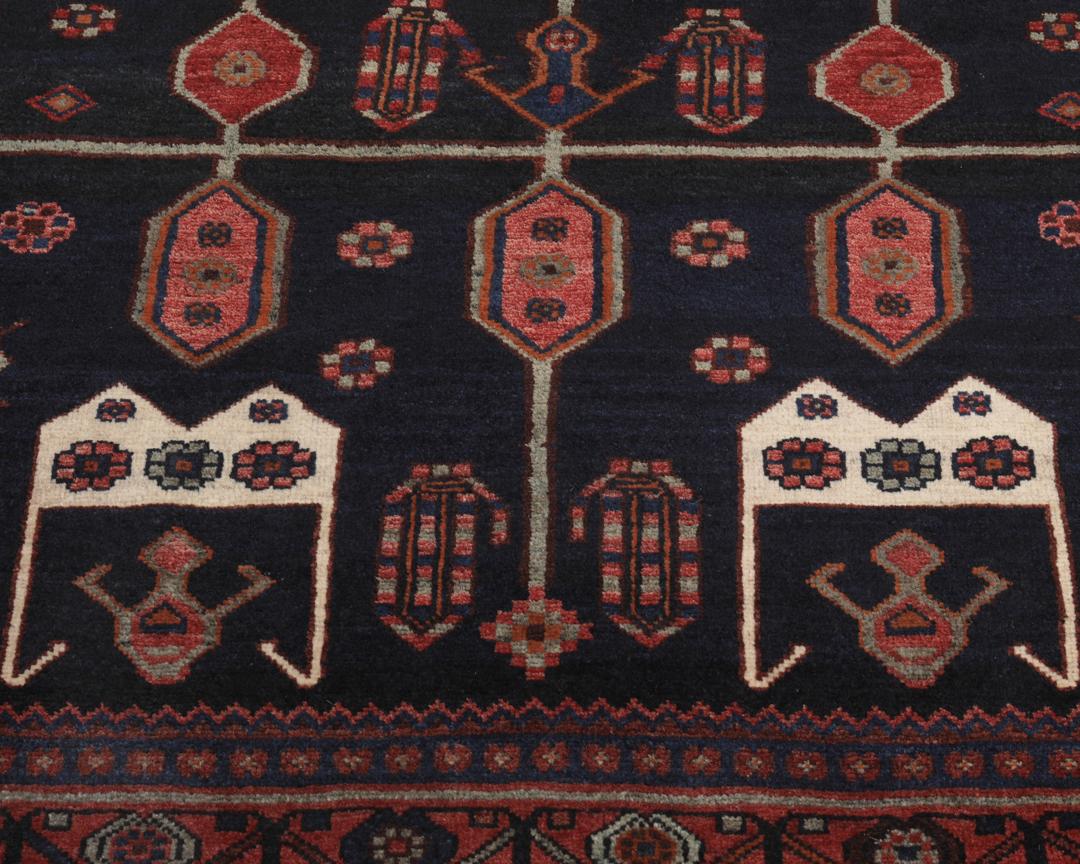
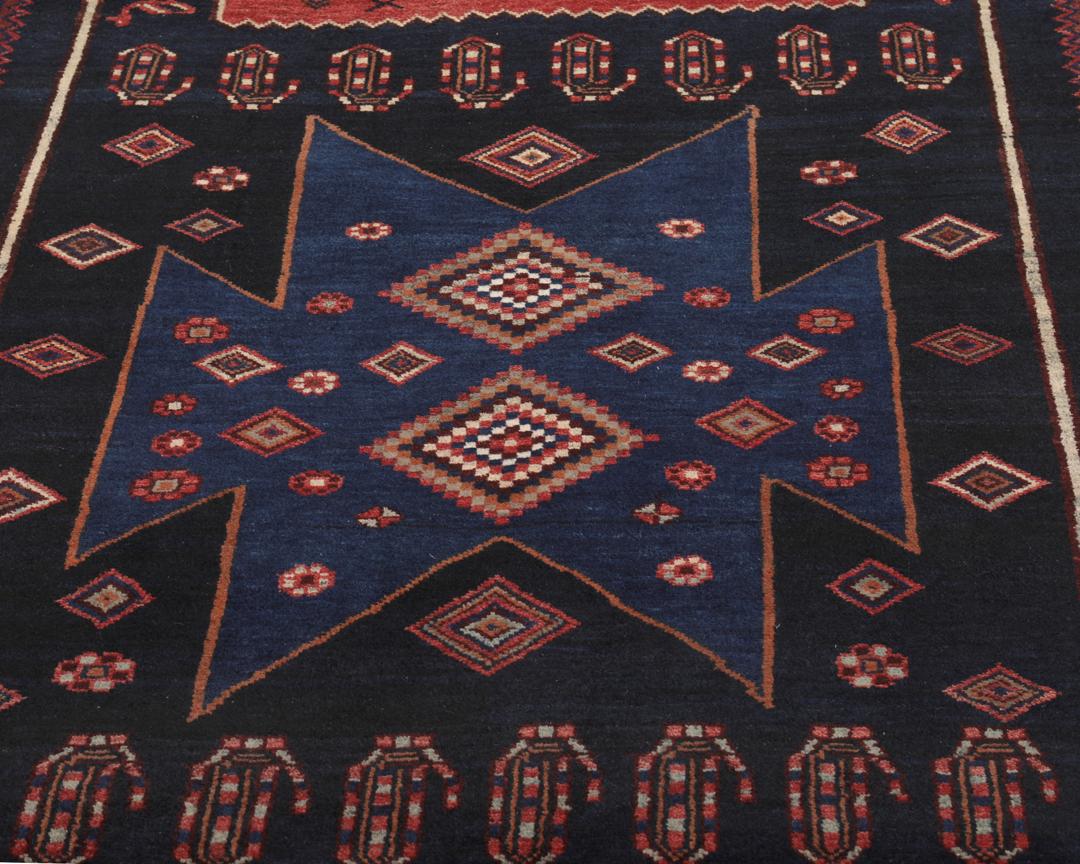
The design language of Kurdi rugs is deeply rooted in geometric abstraction. You will often see bold, stylized motifs such as medallions, diamond shapes, and intricate borders that tell stories of the weaver's environment and heritage. The specific arrangement of these symbols is a visual language, often representing protection, prosperity, or the natural world, making each piece a narrative document of its creator's life.
Collectors value these rugs for their raw, unrefined elegance and their ability to bridge the gap between ancient tradition and modern living. Owning a Kurdi rug is more than just a decor choice; it is an investment in human heritage. These pieces are celebrated for their ability to age gracefully, often becoming more beautiful with time as the wool develops a soft, coveted patina.