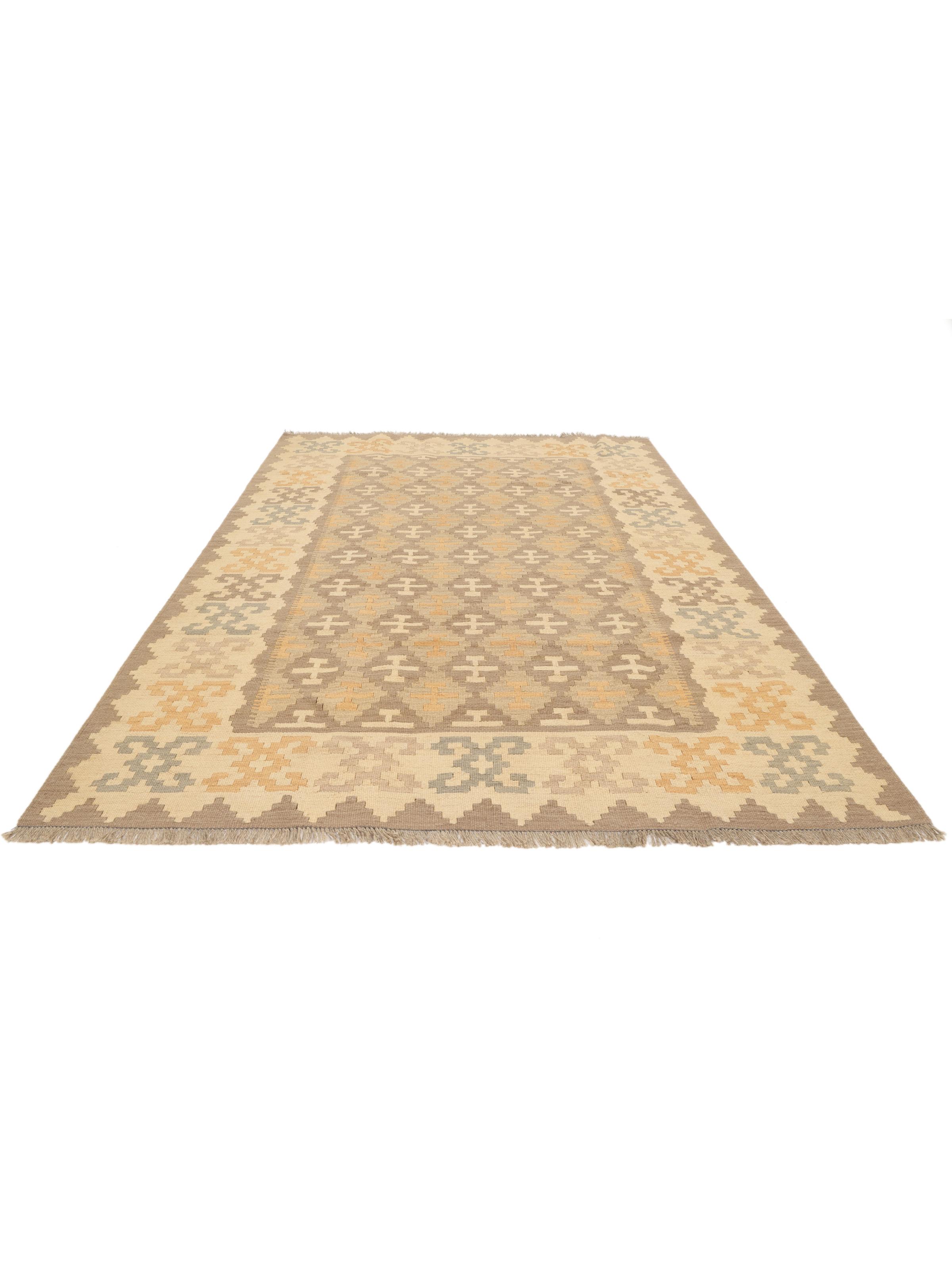
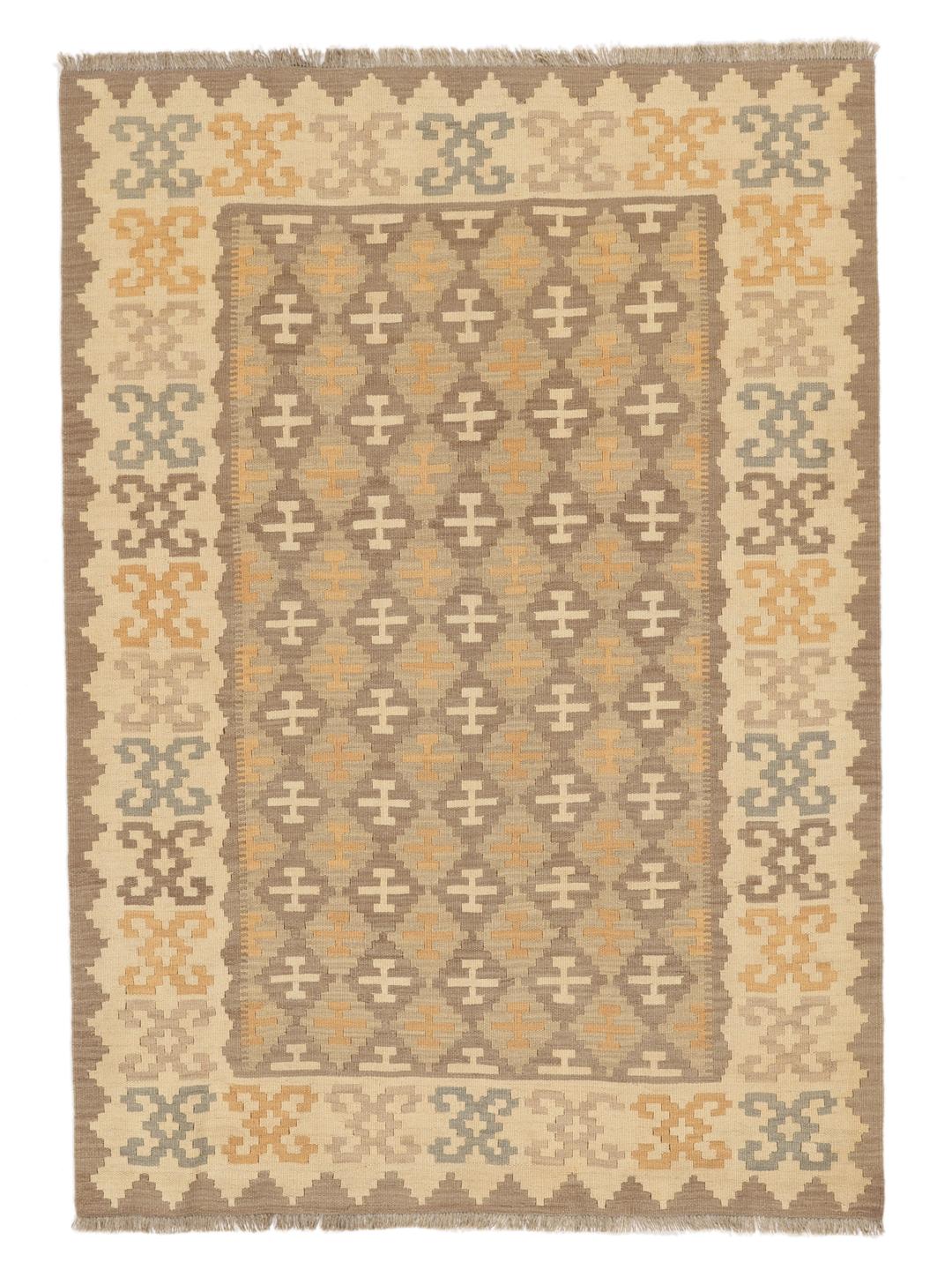
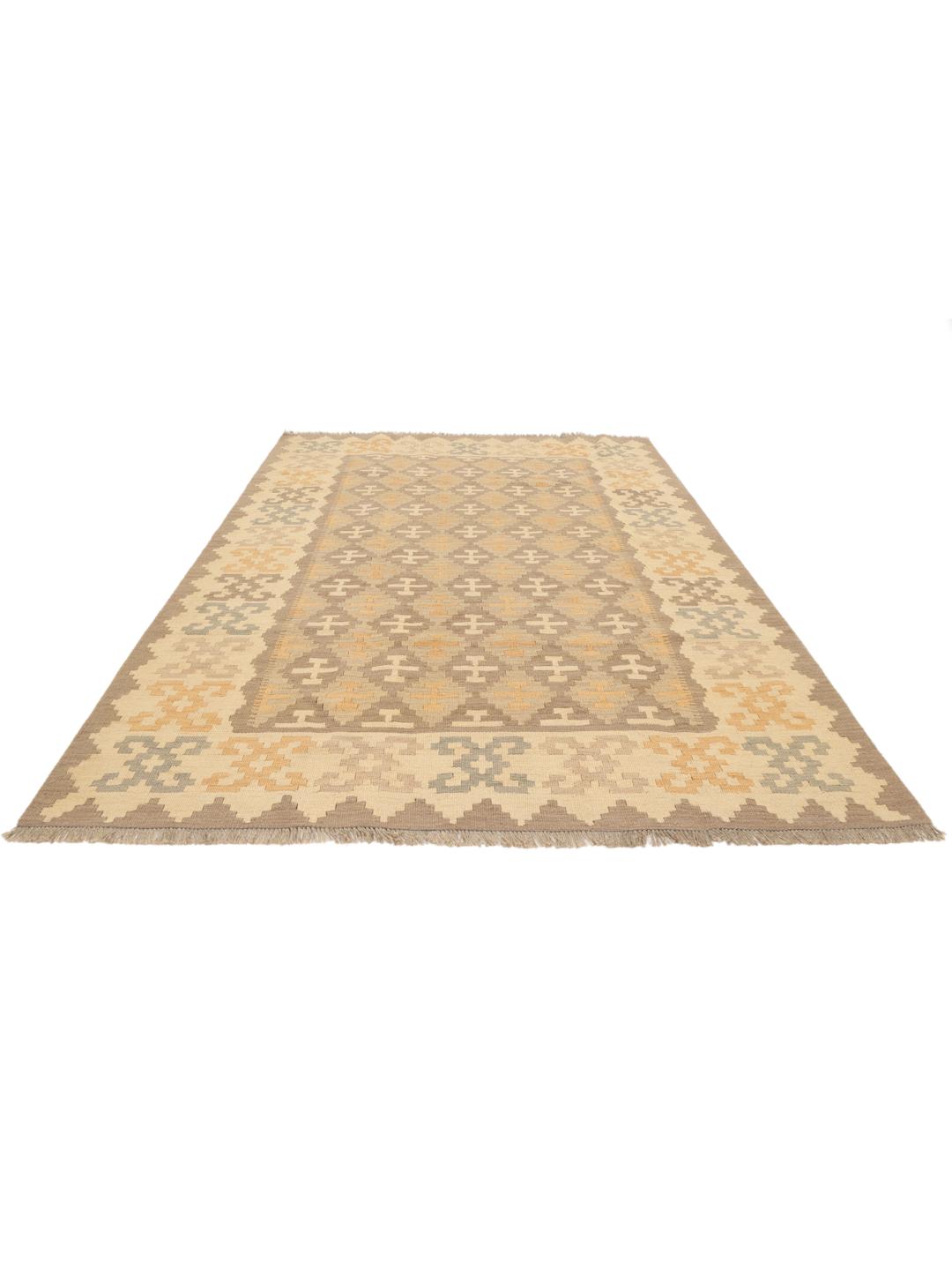
The Ghashghai people are a nomadic confederation from the Middle East, renowned for their centuries-old tradition of weaving textiles that reflect their environment and tribal identity. These kilims are not merely floor coverings but are essential components of nomadic life, designed to be durable, portable, and aesthetically expressive. The weaving techniques have been passed down through generations, maintaining a connection to a way of life that values functionality and beauty in equal measure.
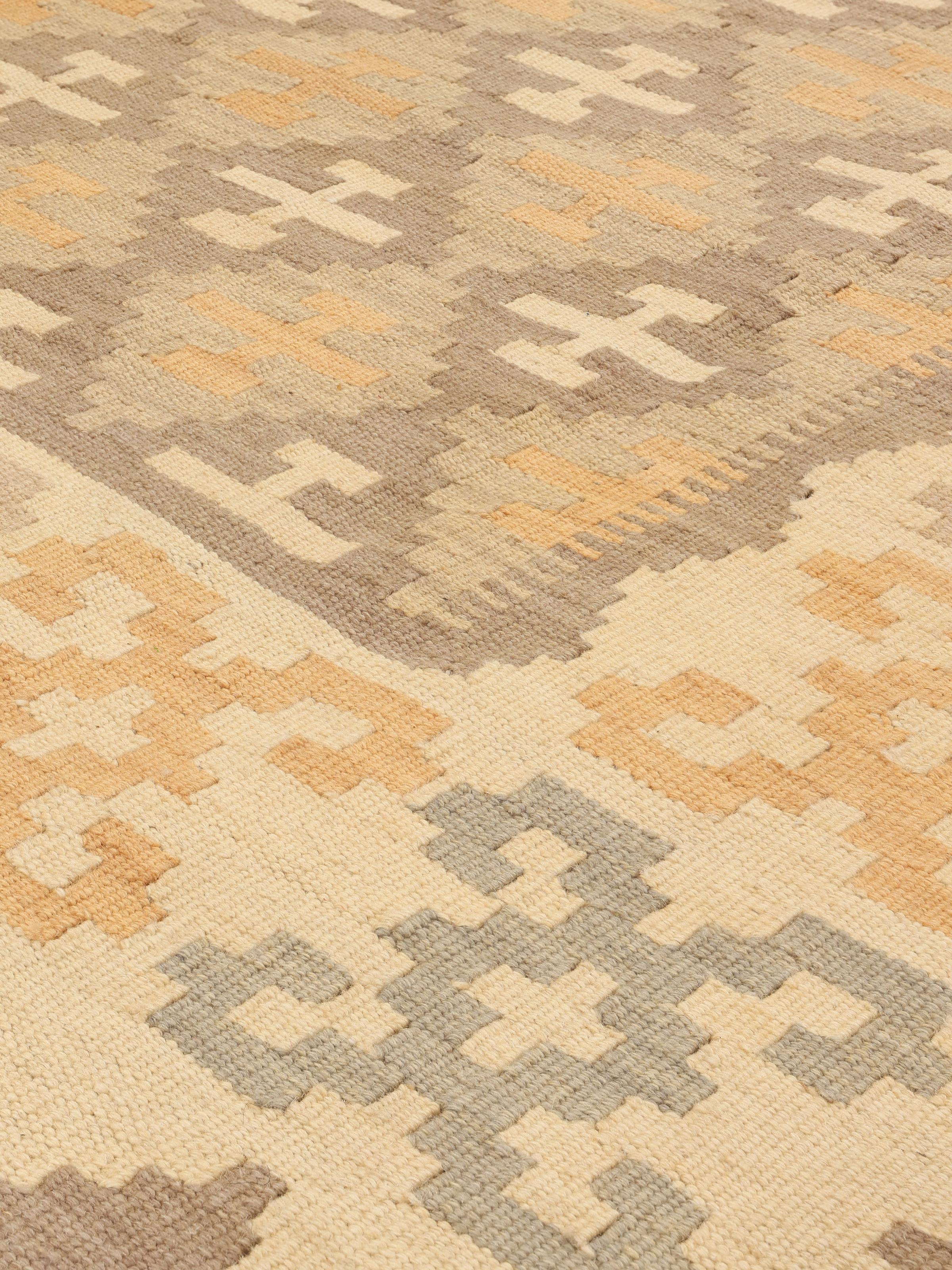
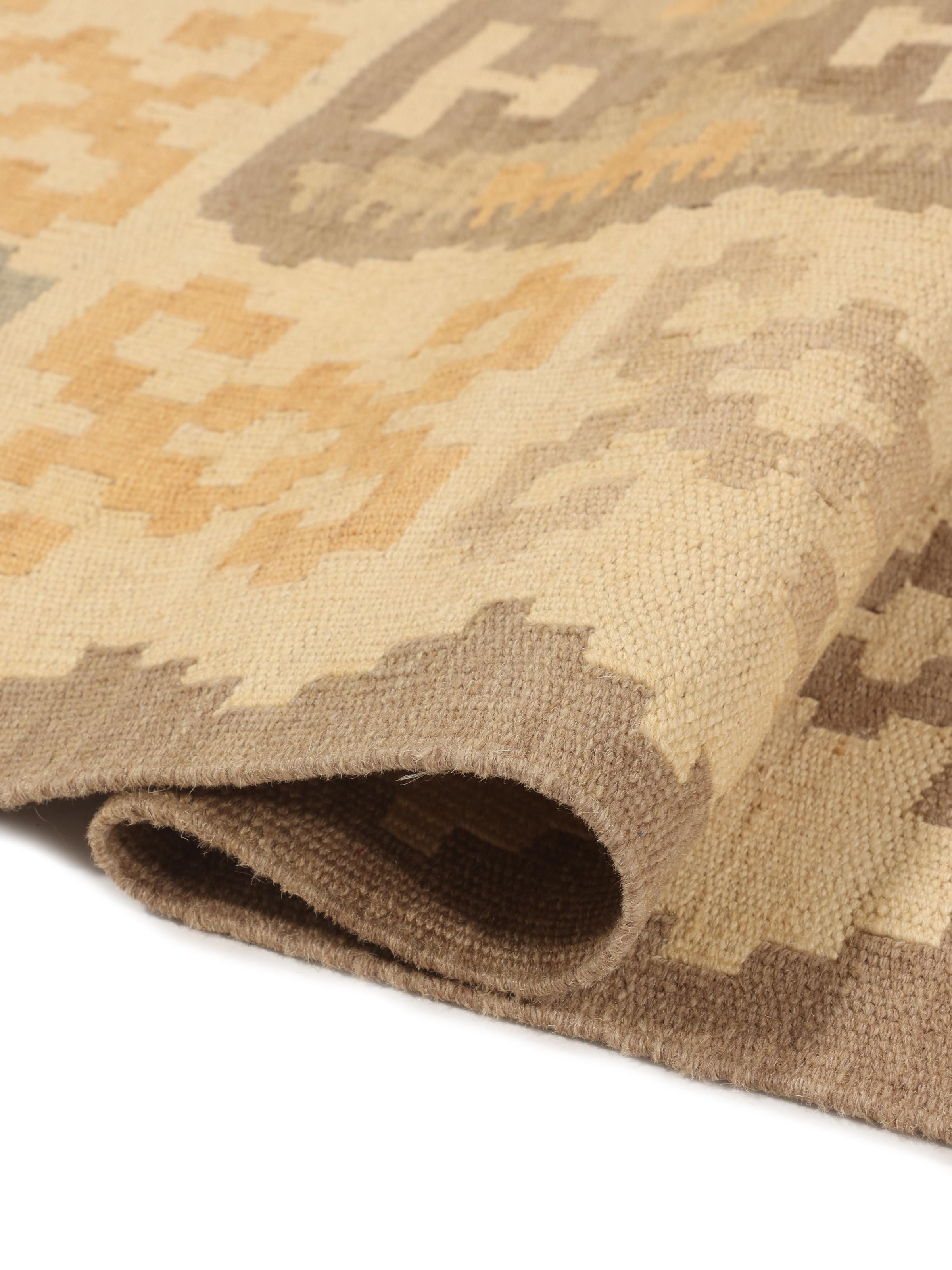
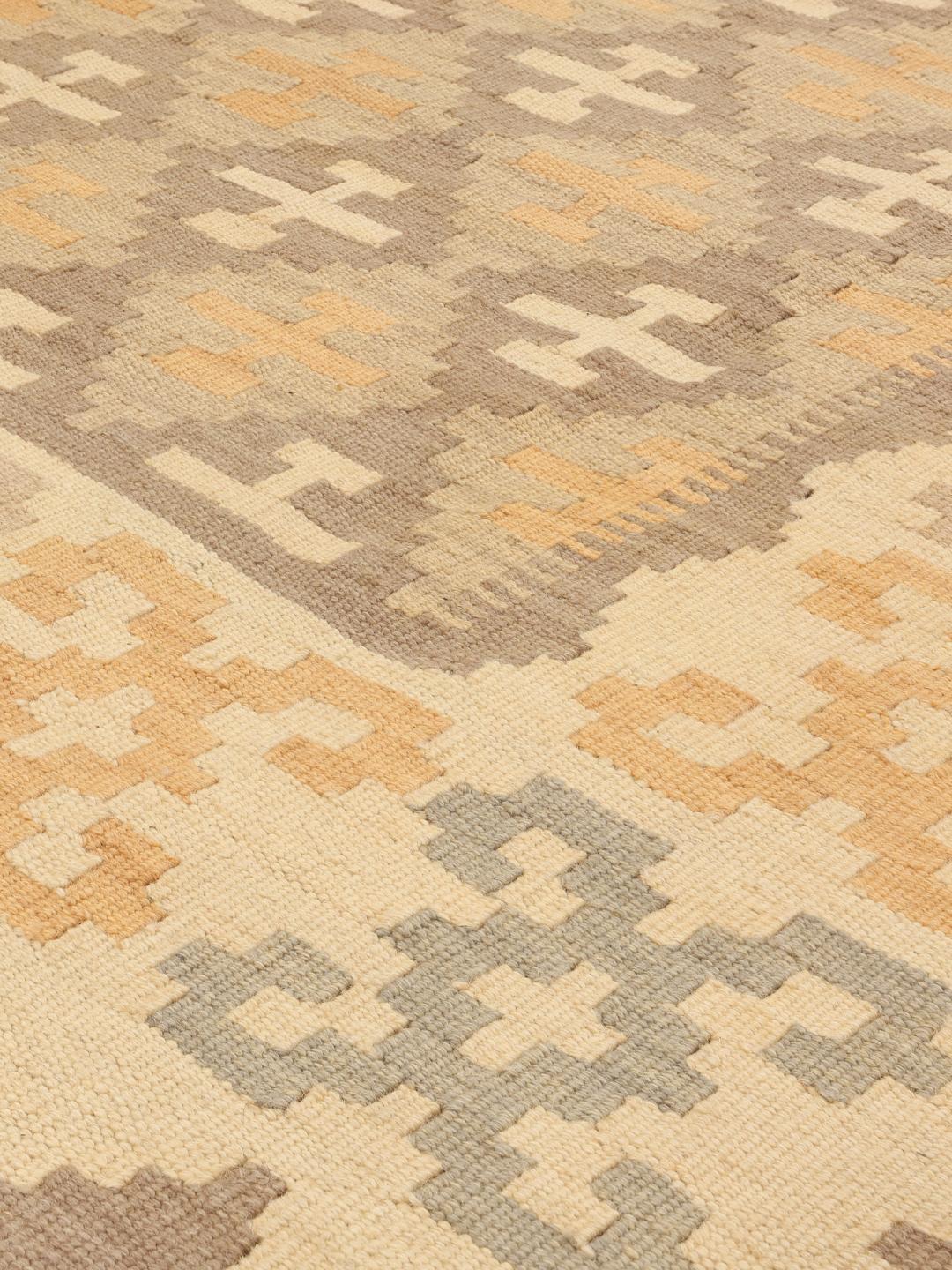
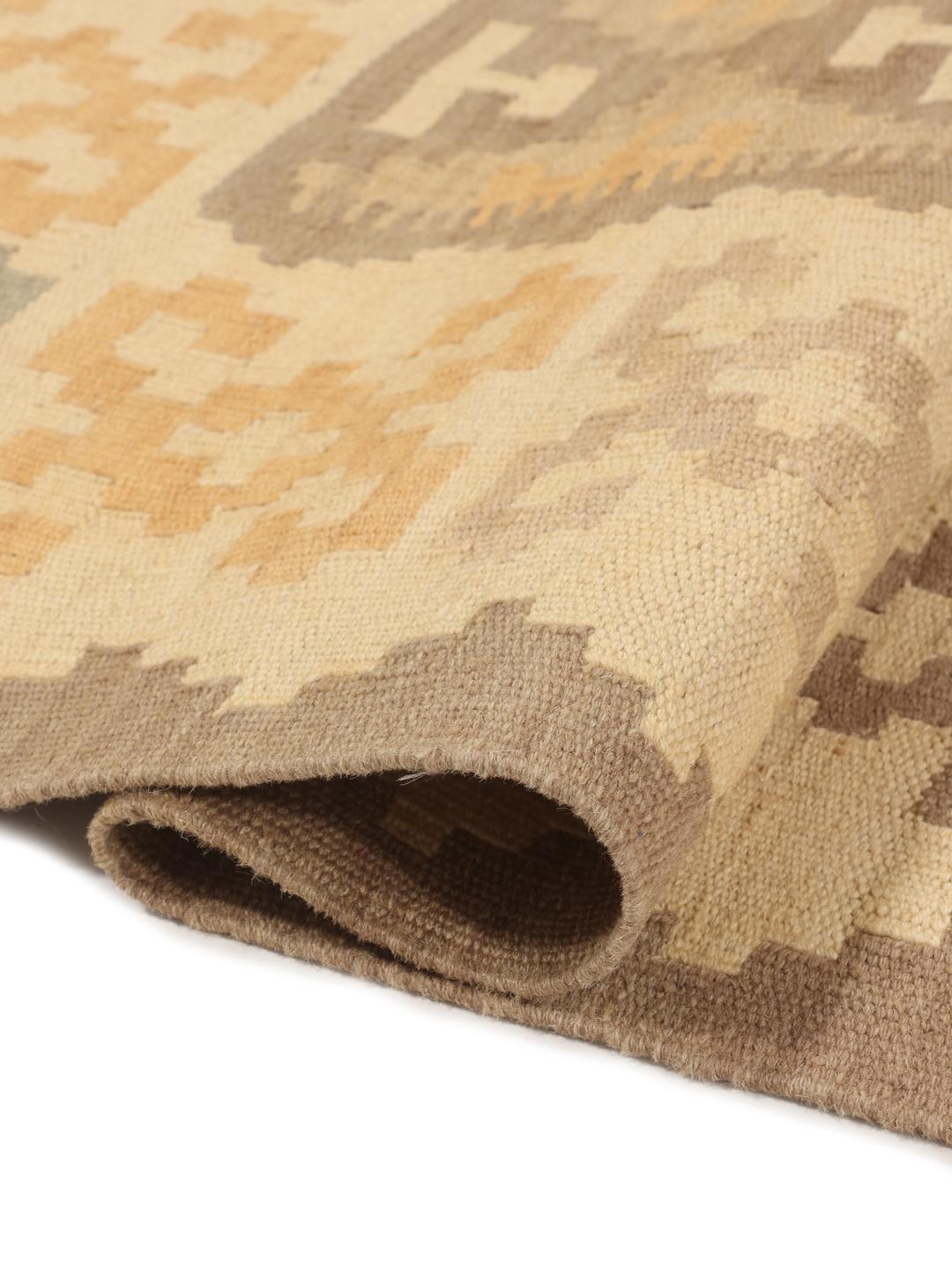
A kilim is defined by its flat-woven technique, where the design is created by interlacing the coloured weft threads through the warp. This process results in a rug without a pile, which makes it lighter and more versatile than traditional knotted carpets. The term 'kilim' refers to this specific construction method, which requires a high degree of skill to ensure that the pattern remains crisp and the edges stay straight throughout the weaving process.
The signature design elements of Ghashghai weaving are typically geometric, often featuring stylised representations of tribal symbols, animals, and local flora. The colour palettes are traditionally derived from natural dyes, leading to the warm, earthy tones seen in this piece. These motifs serve as a visual shorthand for the weaver’s heritage, with each pattern telling a story or representing a specific tribal lineage, making every rug a unique historical record.
Collecting Ghashghai kilims is highly valued because they represent a vanishing art form that bridges the gap between utility and fine art. Owning one of these rugs is an invitation to appreciate the human effort and cultural history woven into every fibre. They are sought after by those who value authenticity and wish to bring a sense of history and craft into their homes, ensuring these traditions continue to be celebrated for generations.