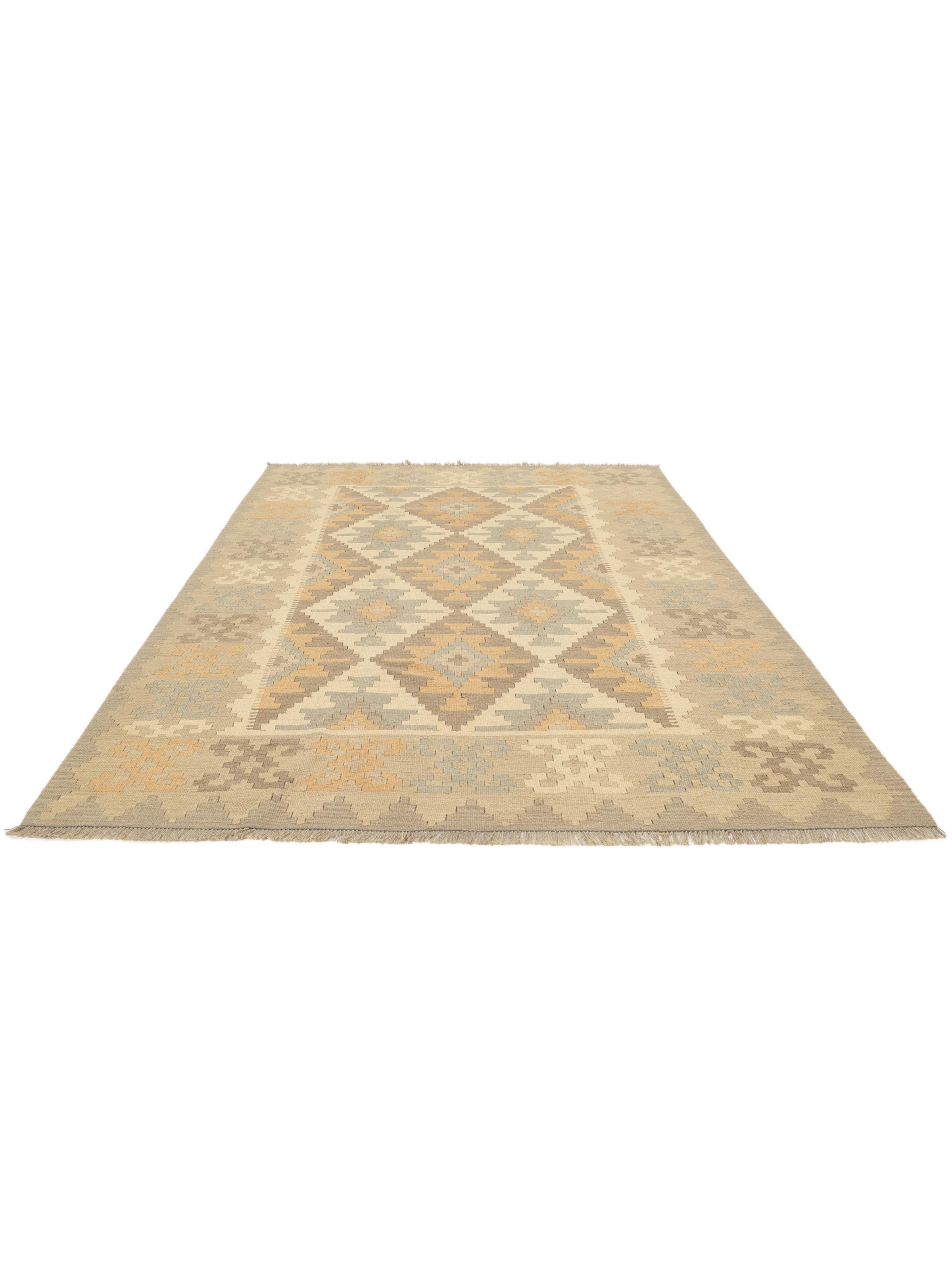
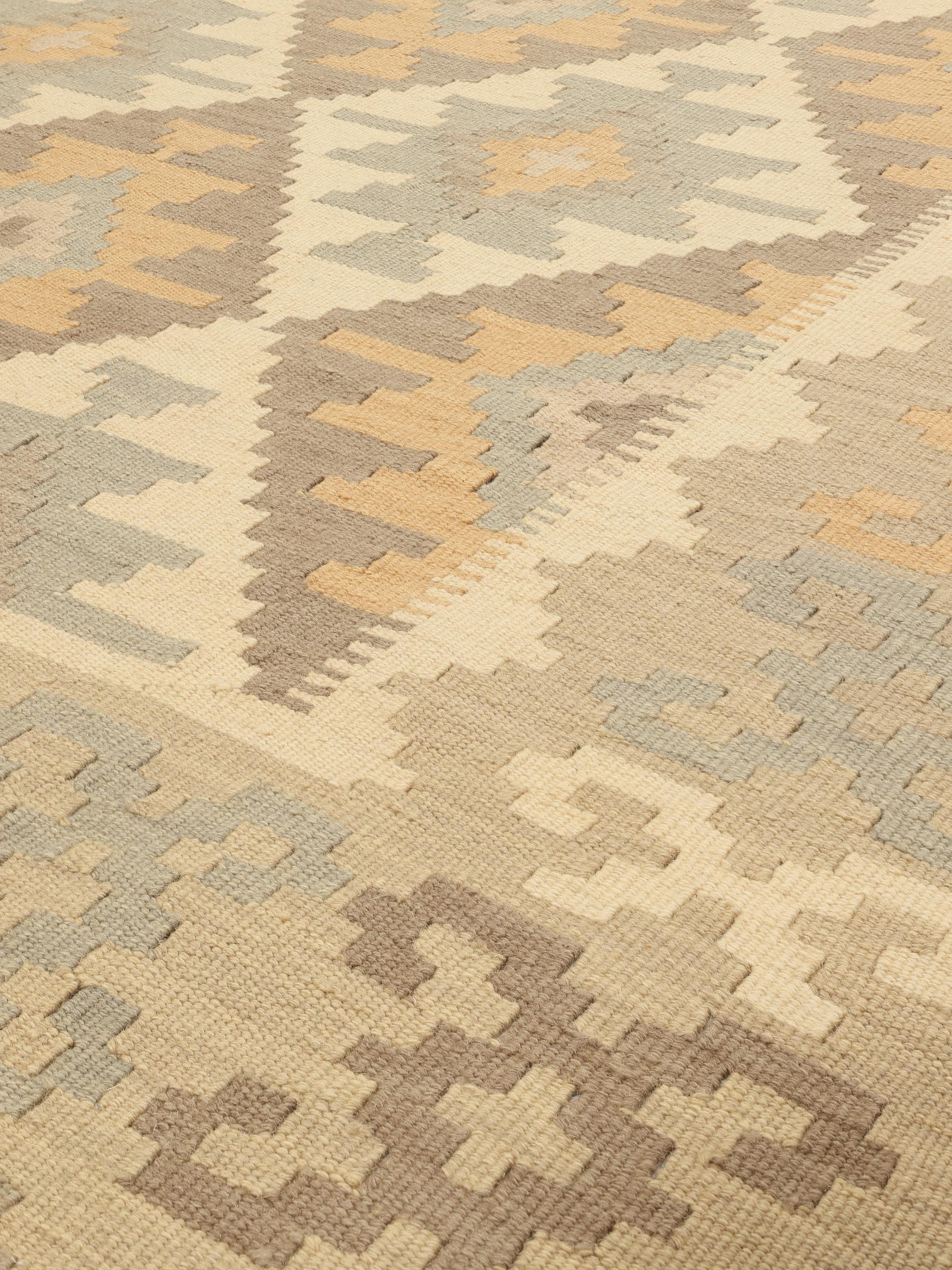
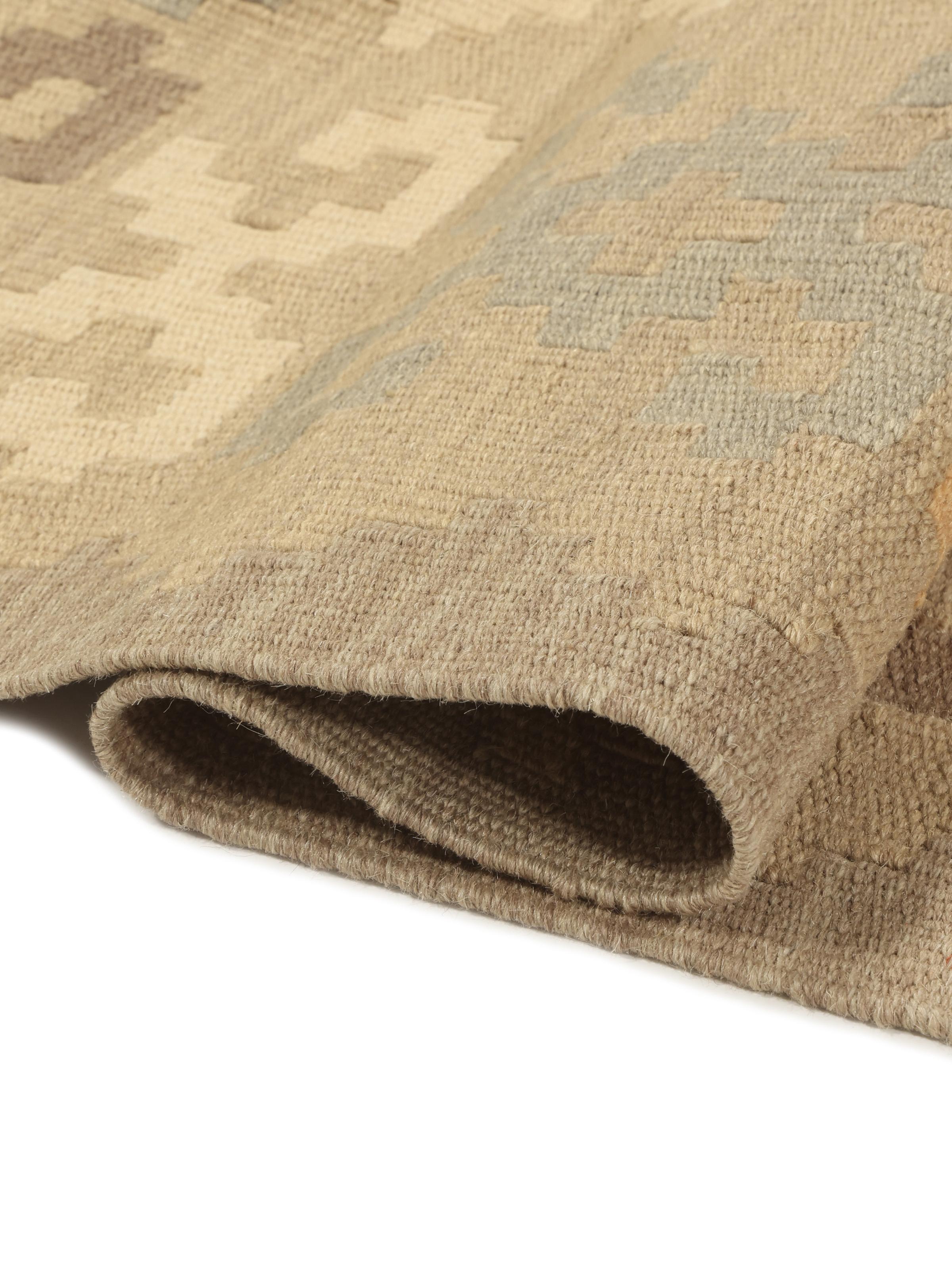
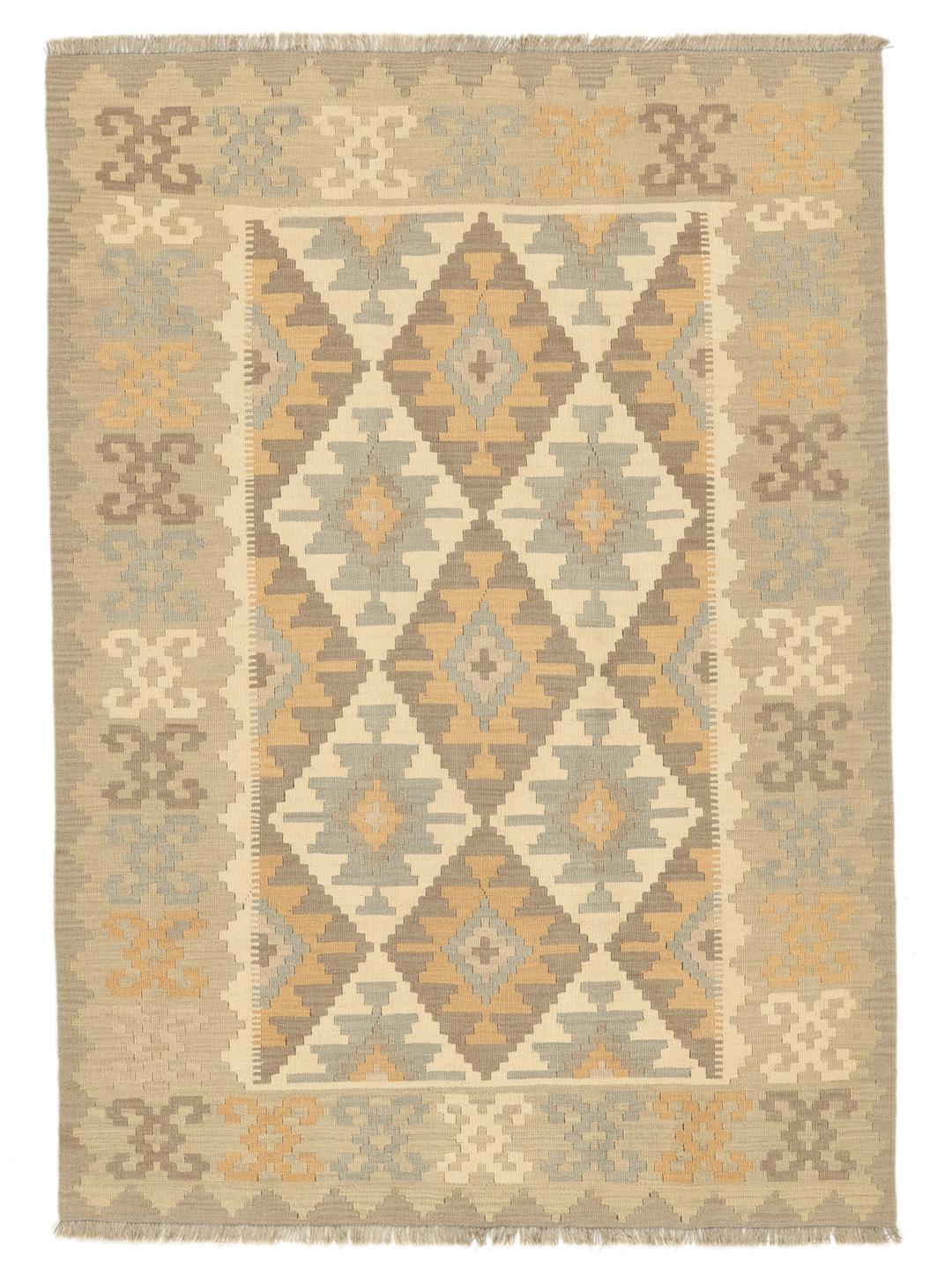
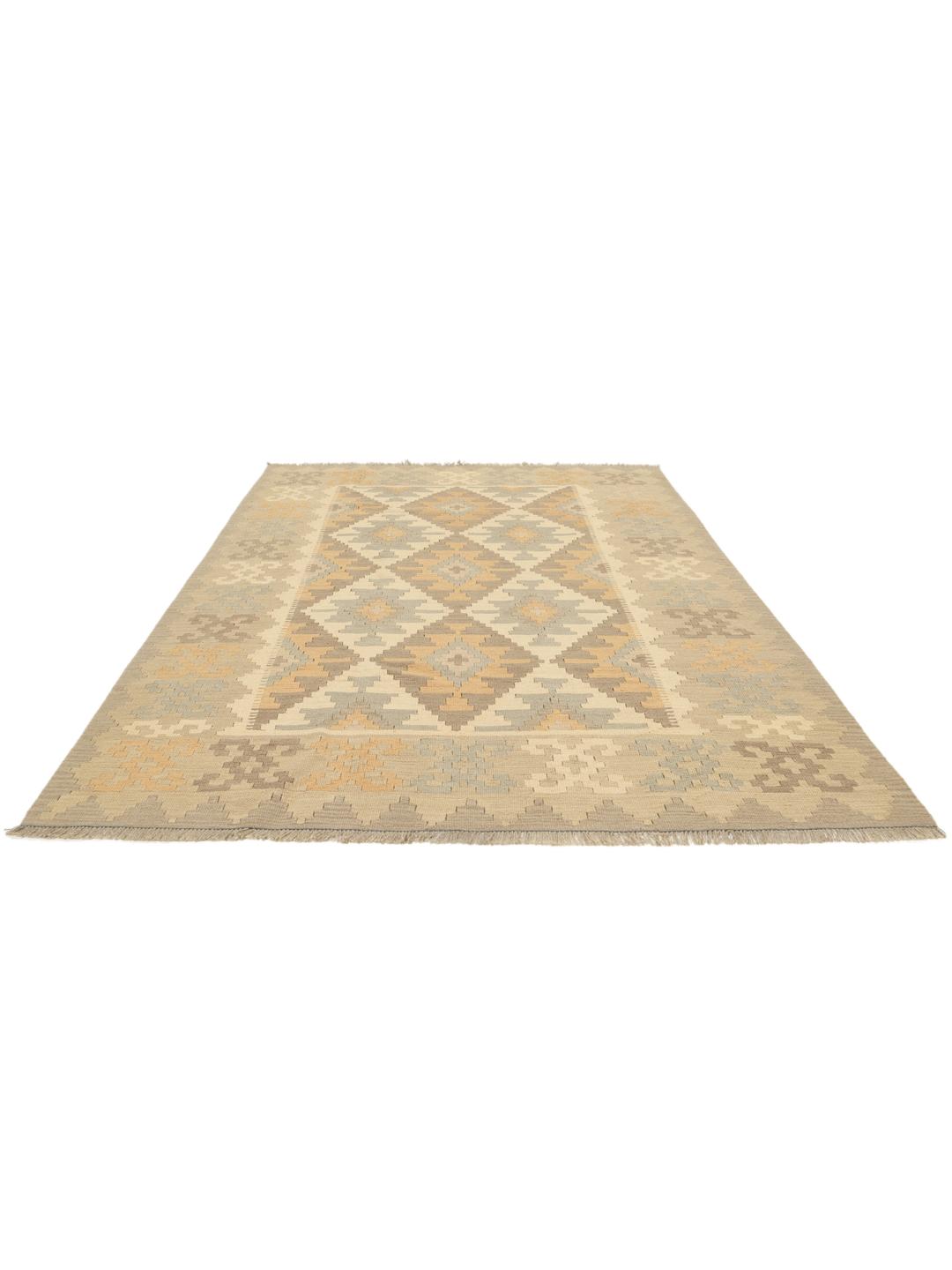
Kelim rugs have a long and storied history within the Middle East, particularly among nomadic and semi-nomadic tribes. These rugs were originally created as functional items for life on the move, serving as floor coverings, blankets, and storage bags. Their flat-weave technique, which lacks a pile, makes them remarkably versatile and portable, reflecting the resourcefulness of the cultures that developed them.
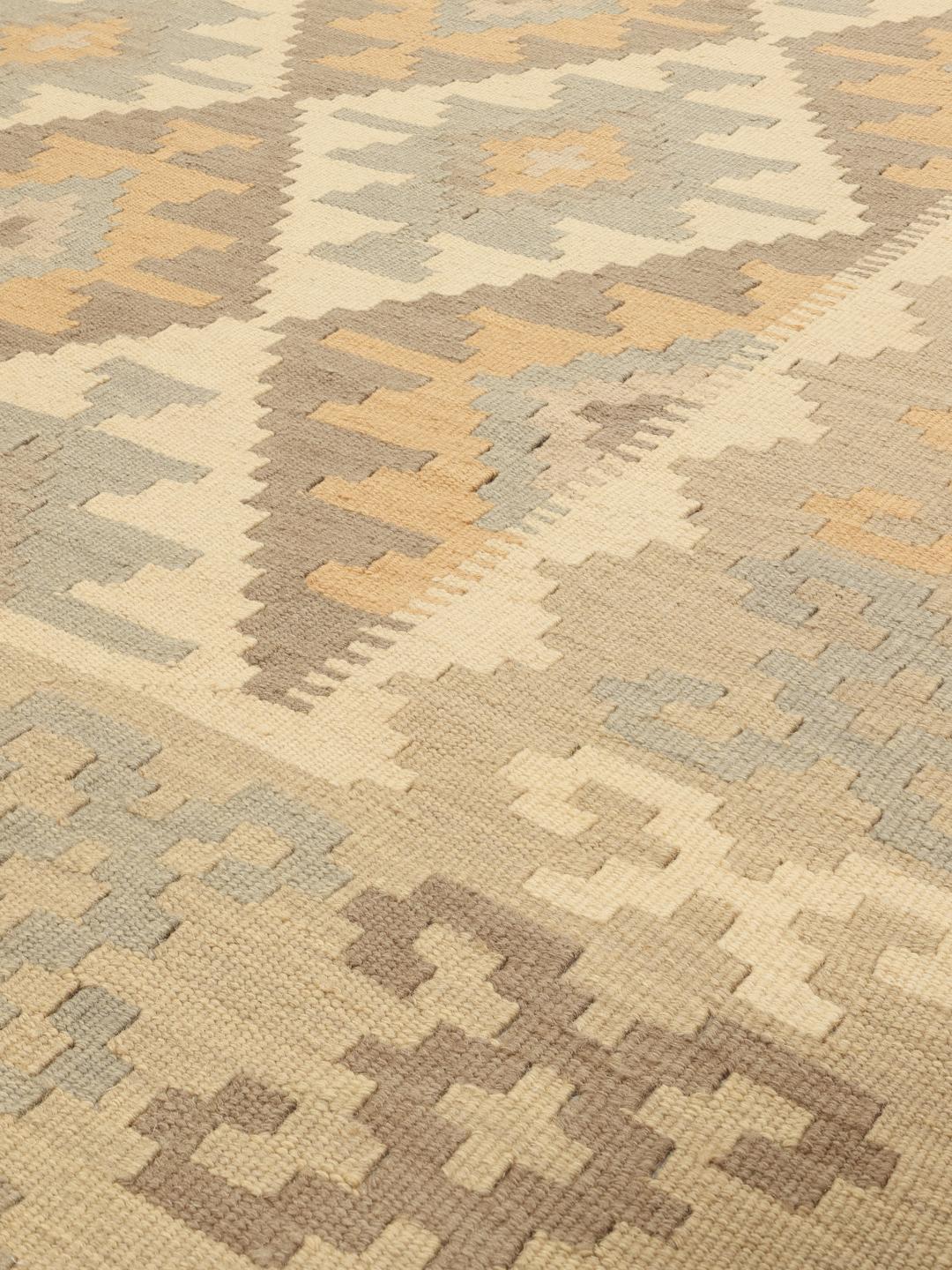
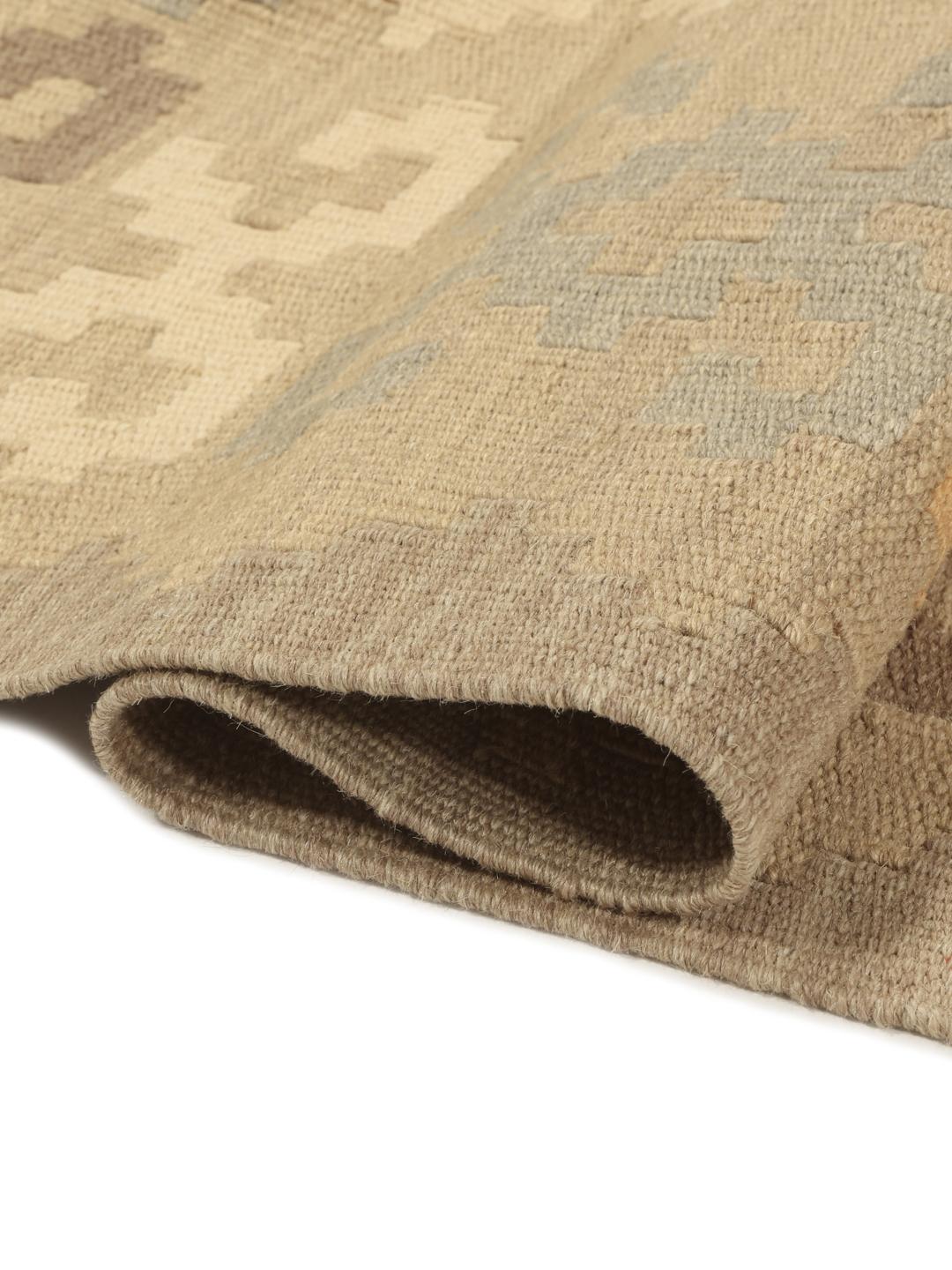
The term 'Kelim' refers to the specific slit-weave technique used in their production. This method involves the weft threads being passed back and forth between the warp threads, creating distinct colour blocks and clean geometric lines. This technique is highly prized for its ability to produce bold, sharp patterns that are visible on both sides of the rug, a hallmark of authentic, high-quality craftsmanship.
The Ghashghai tradition, from which this rug draws its inspiration, is renowned for its bold use of tribal motifs and earthy colour palettes. These designs often incorporate symbolic geometric shapes, such as diamonds and stylized floral elements, which tell stories of the natural world and the weaver's environment. The patterns are not merely decorative but are deeply rooted in the cultural vocabulary of the region.
Owning a Kelim is more than just acquiring a floor covering; it is an invitation to connect with a centuries-old tradition of artistry. These rugs are highly valued by collectors for their authenticity and the human story woven into every inch. By bringing such a piece into your home, you are preserving a legacy of skill and heritage that continues to resonate in modern living spaces.