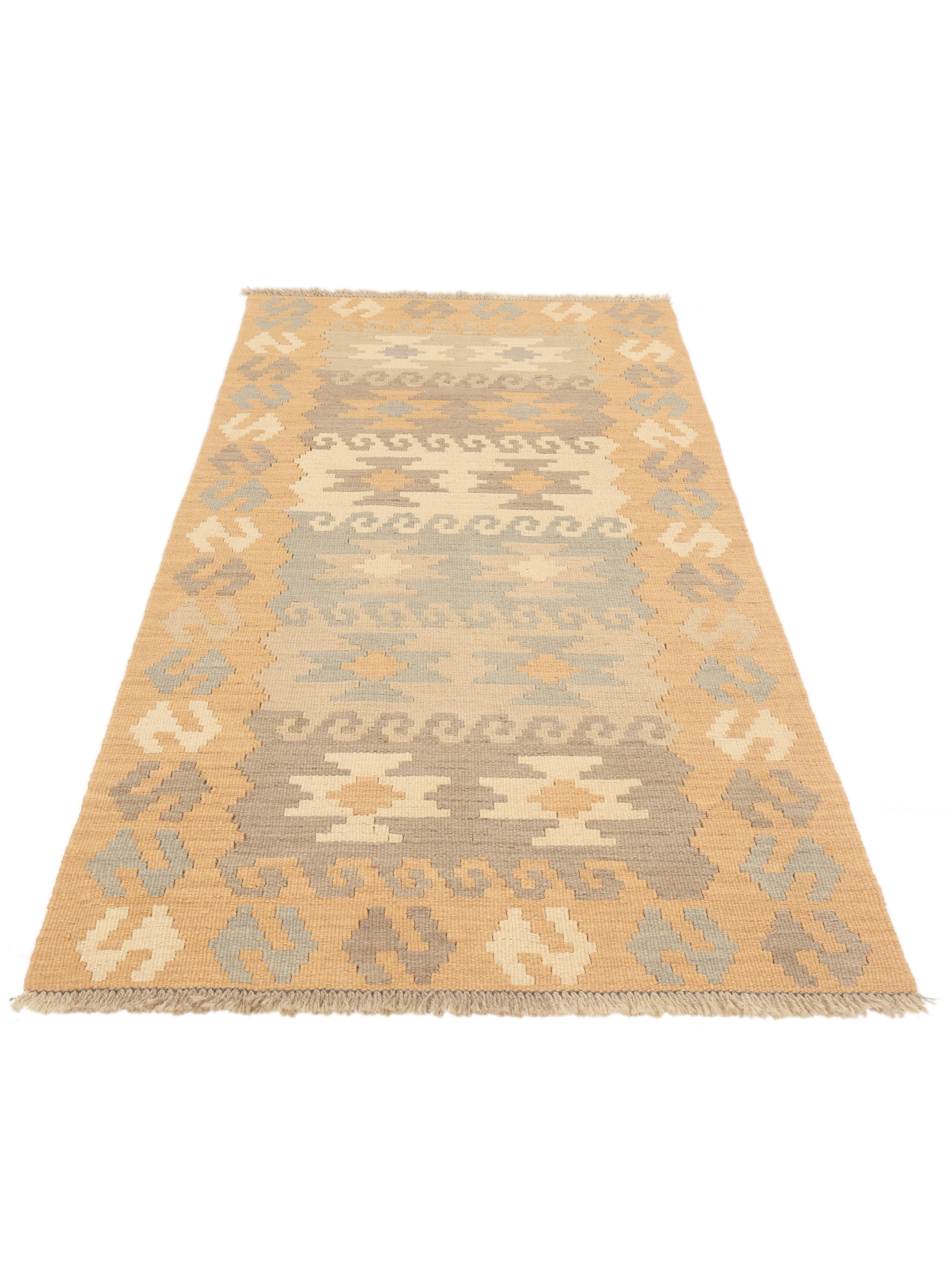
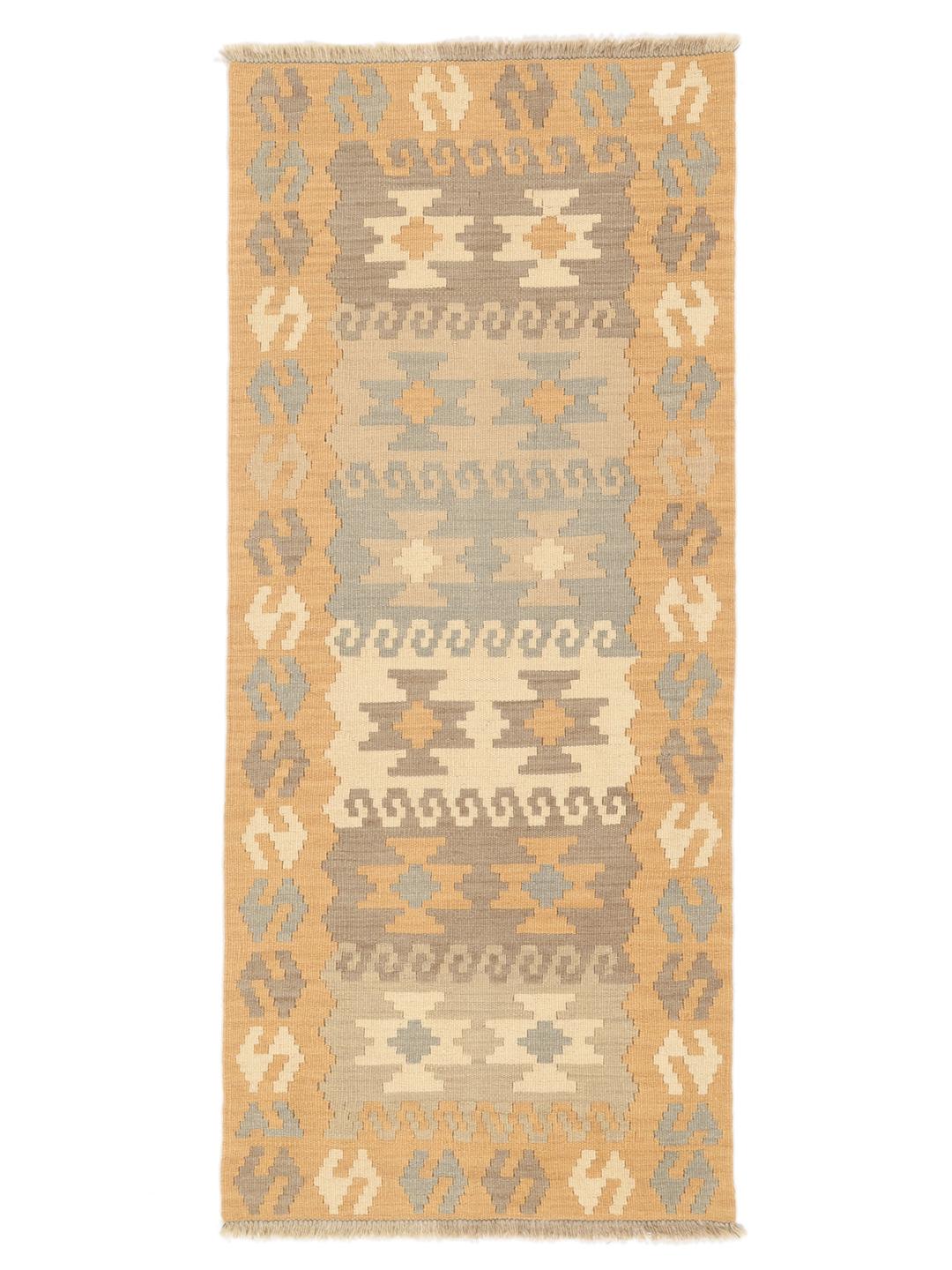
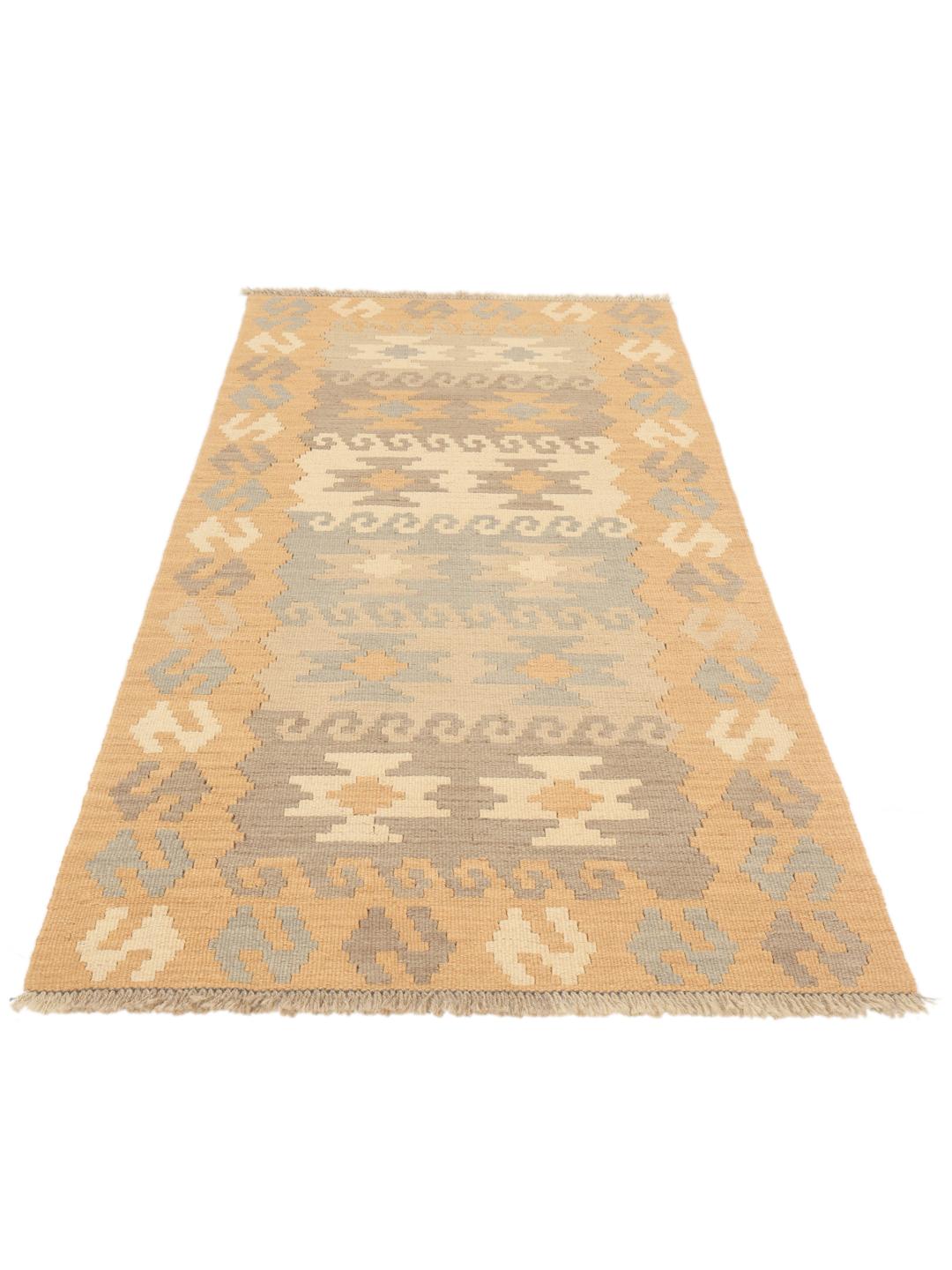
The Ghashghai people are a nomadic tribal confederation with a deep-rooted history of weaving that spans generations. Traditionally living in the southwestern regions of the Middle East, they developed a distinct style of kilim weaving that reflects their migratory lifestyle, characterised by portable, lightweight, and incredibly durable textiles.
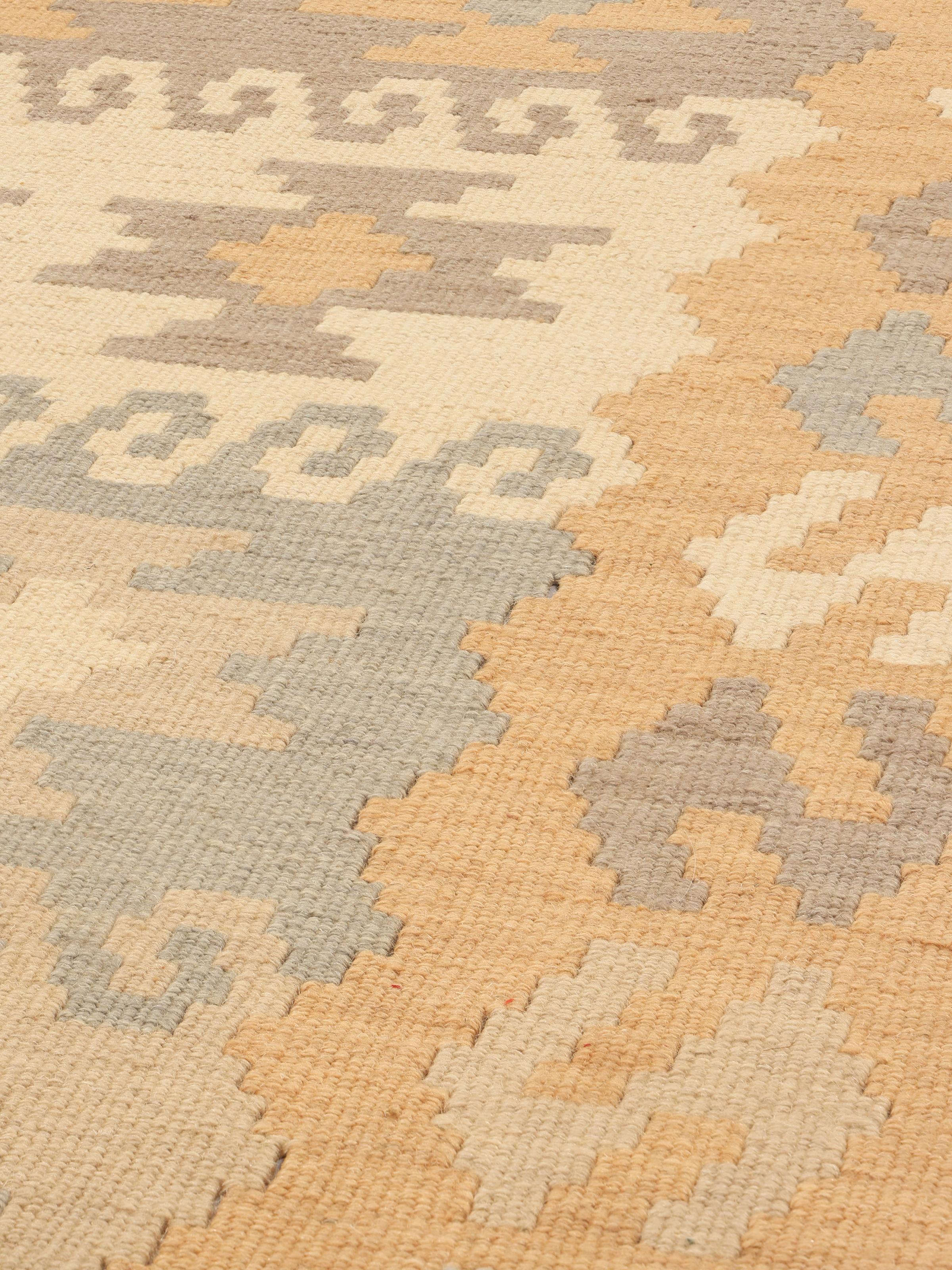
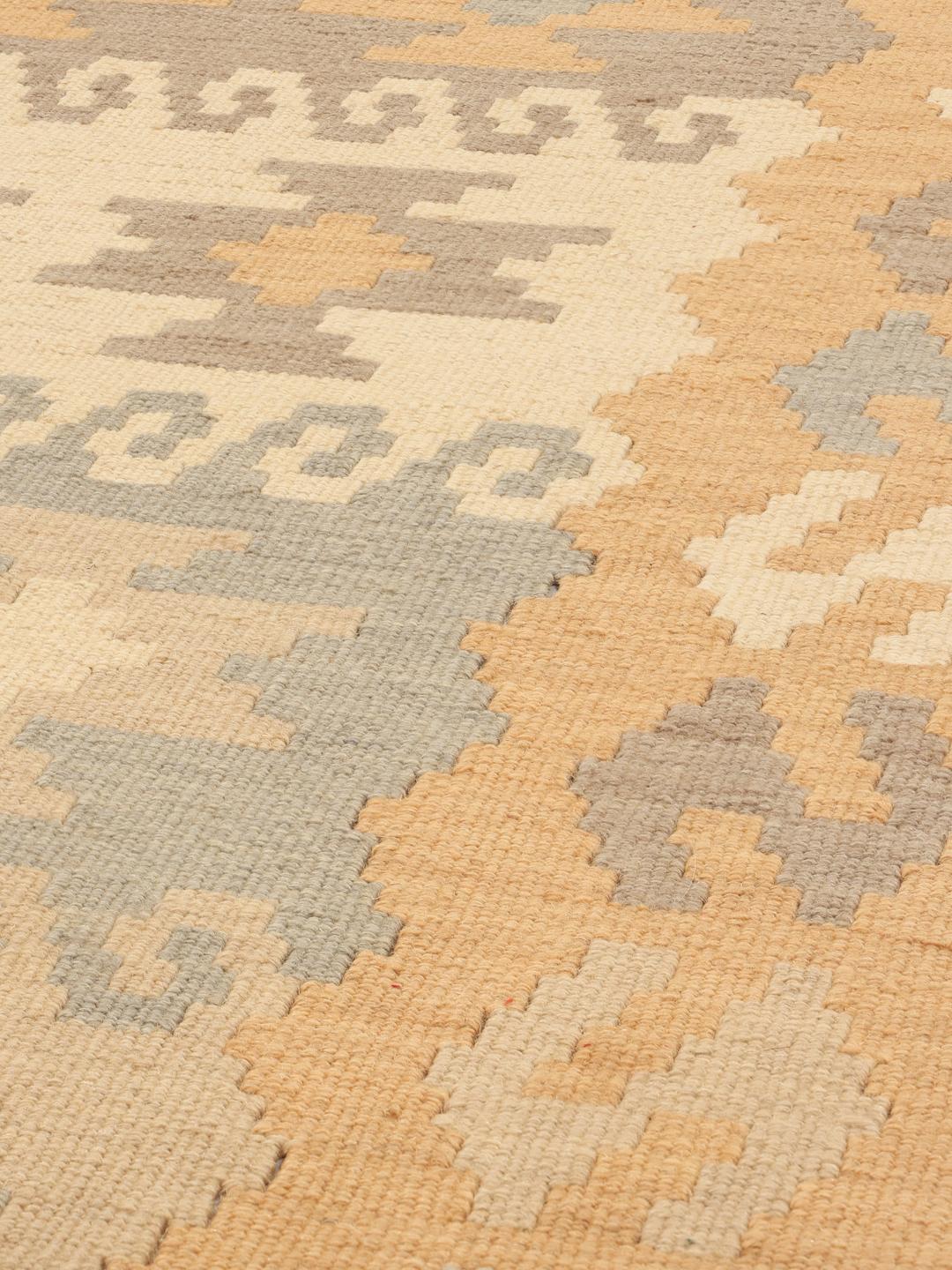
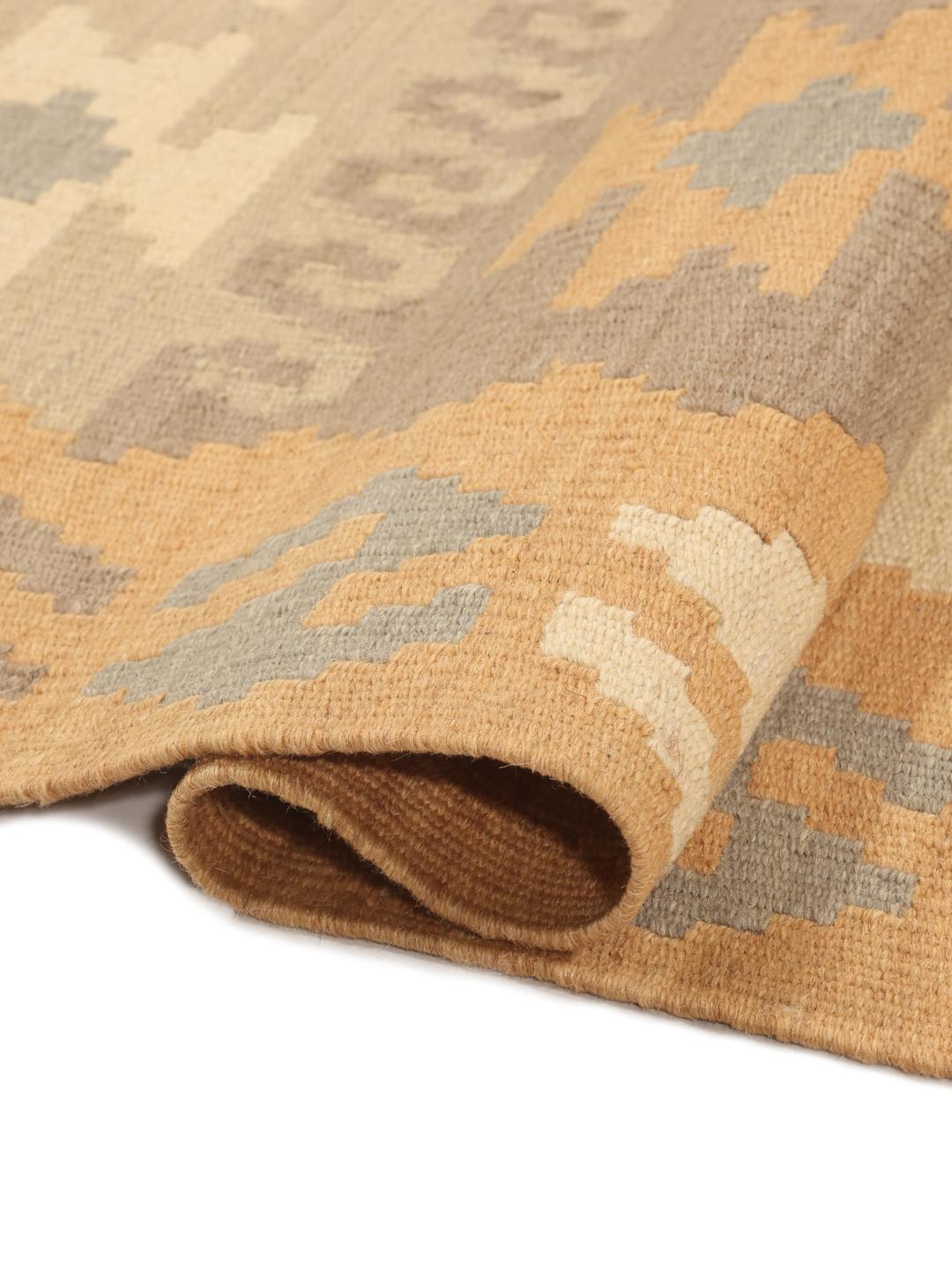
A kilim is defined by its flat-weave construction, which lacks the pile found in traditional knotted rugs. This technique requires the weaver to create the pattern by interweaving coloured weft threads through the warp, a method that demands immense spatial awareness and mathematical precision to ensure the motifs remain sharp and symmetrical across the entire length of the runner.
The visual language of Ghashghai weaving is dominated by geometric abstraction, often drawing inspiration from the natural world and the tribal identity of the weaver. You will frequently find stylised representations of animals, plants, and protective symbols, all arranged within a decorative border that frames the central field, creating a balanced and harmonious composition.
These rugs are highly valued by collectors and enthusiasts for their authentic connection to nomadic history. Owning a Ghashghai kilim is an opportunity to preserve a living craft tradition, as each piece serves as a physical record of the weaver's personal expression, cultural heritage, and the enduring skill passed down through centuries of tribal life.