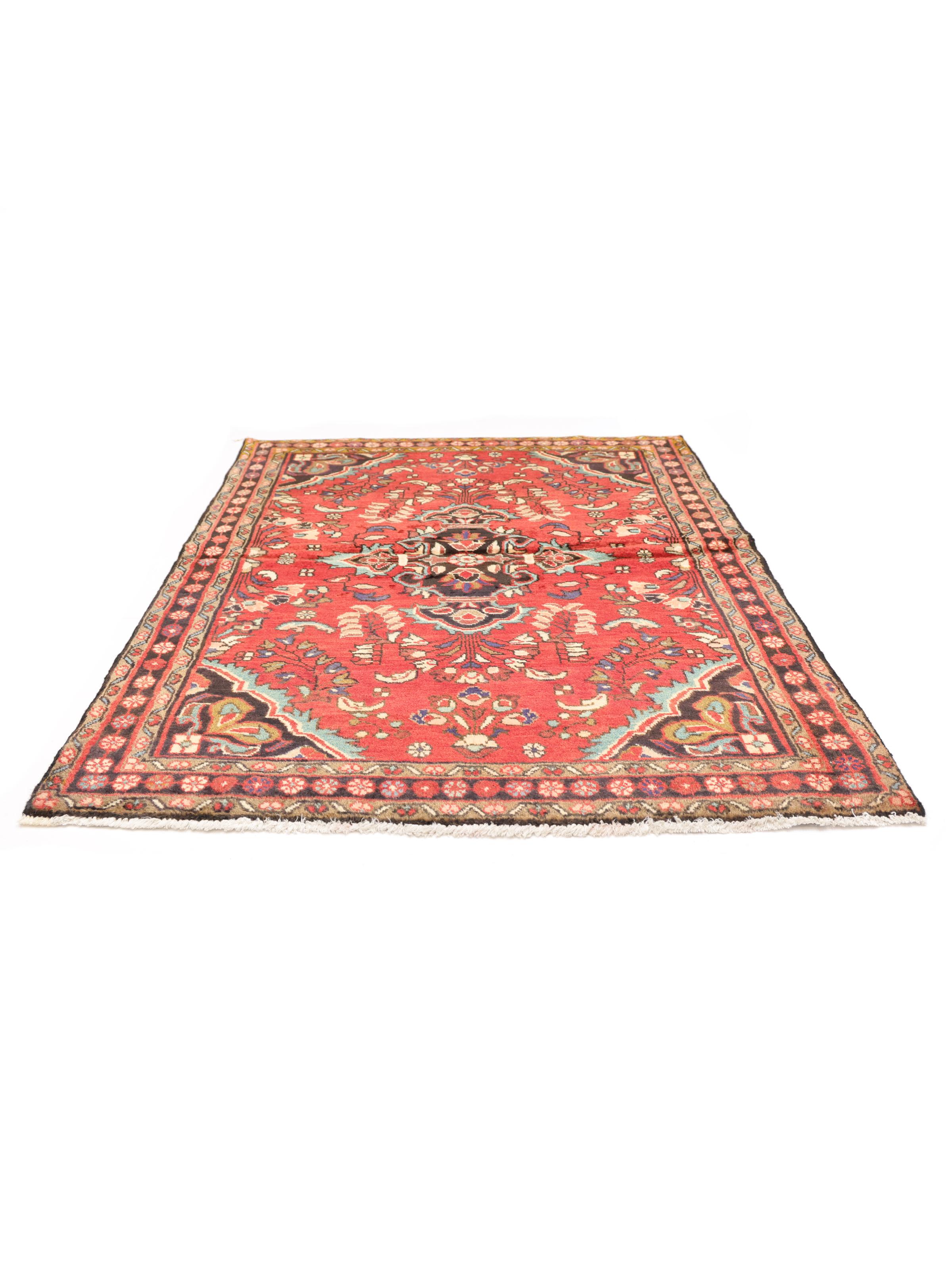
The Lillian rug tradition finds its roots in the village of Lilihan and the surrounding areas within the Middle East. These rugs are celebrated for their sturdy construction and distinct, often bold, artistic expression. Historically, these pieces were crafted by local communities to provide durable and beautiful floor coverings that could withstand the rigours of daily life, reflecting the resilience and creativity of the people who made them.
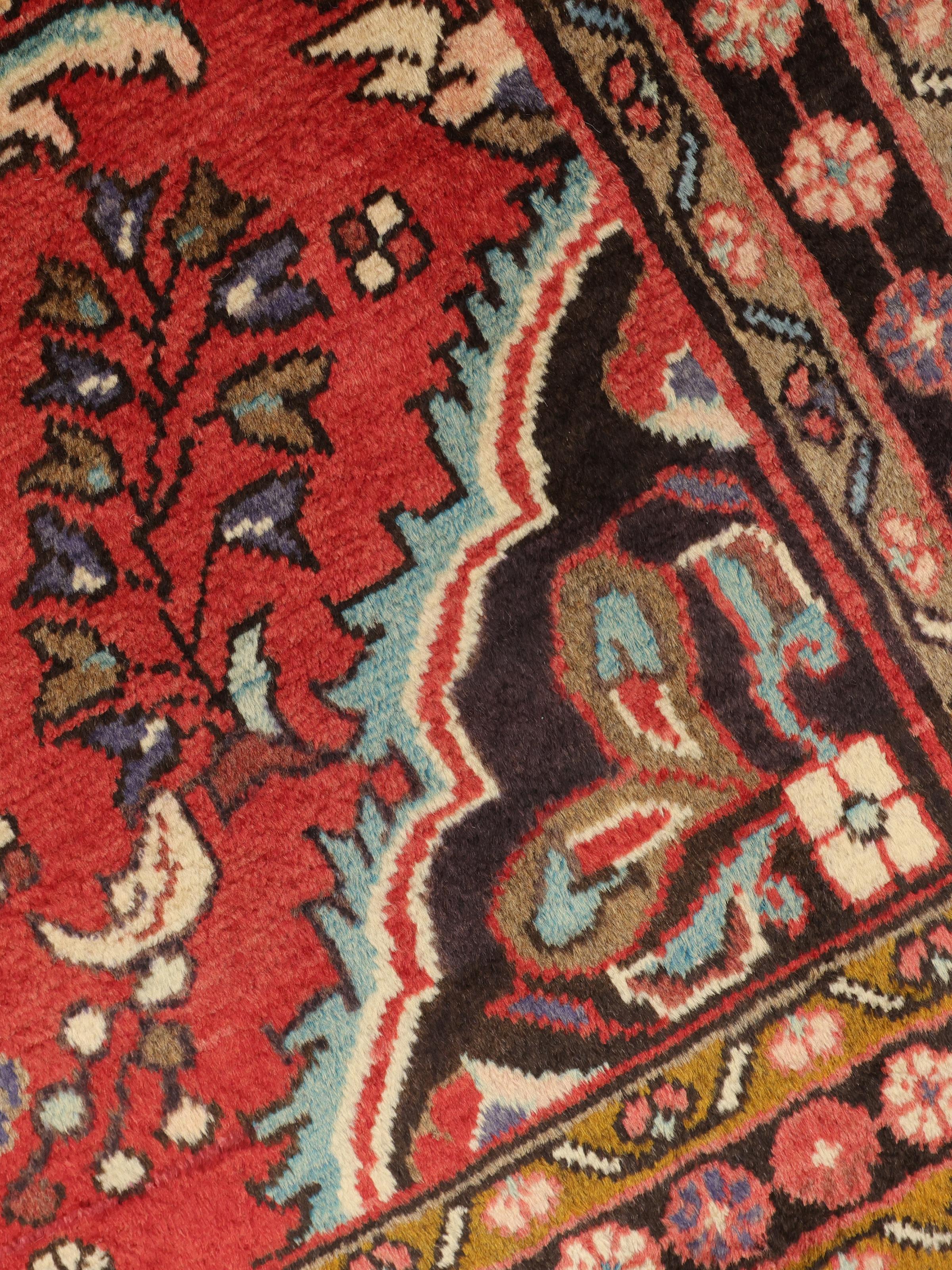
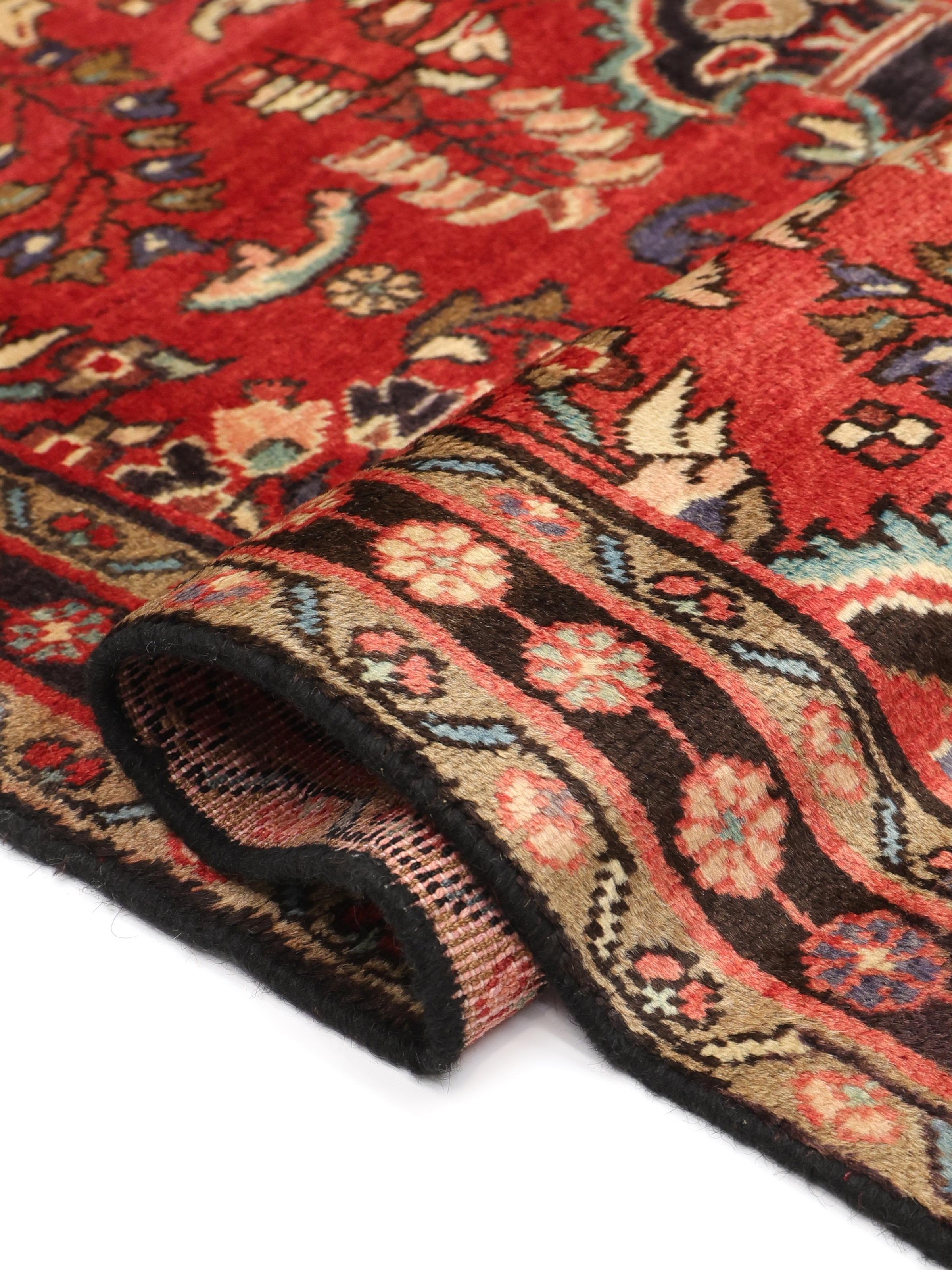
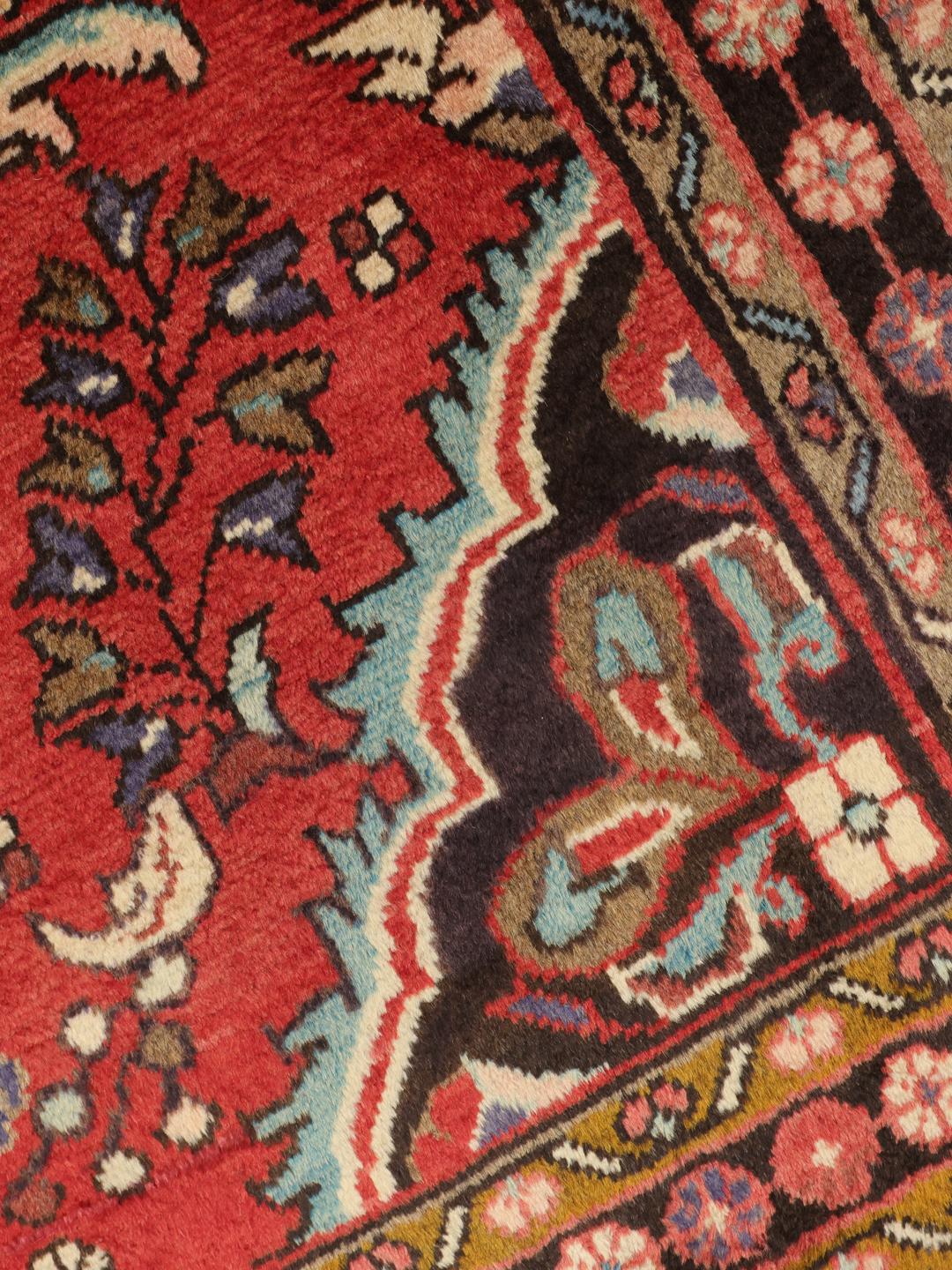
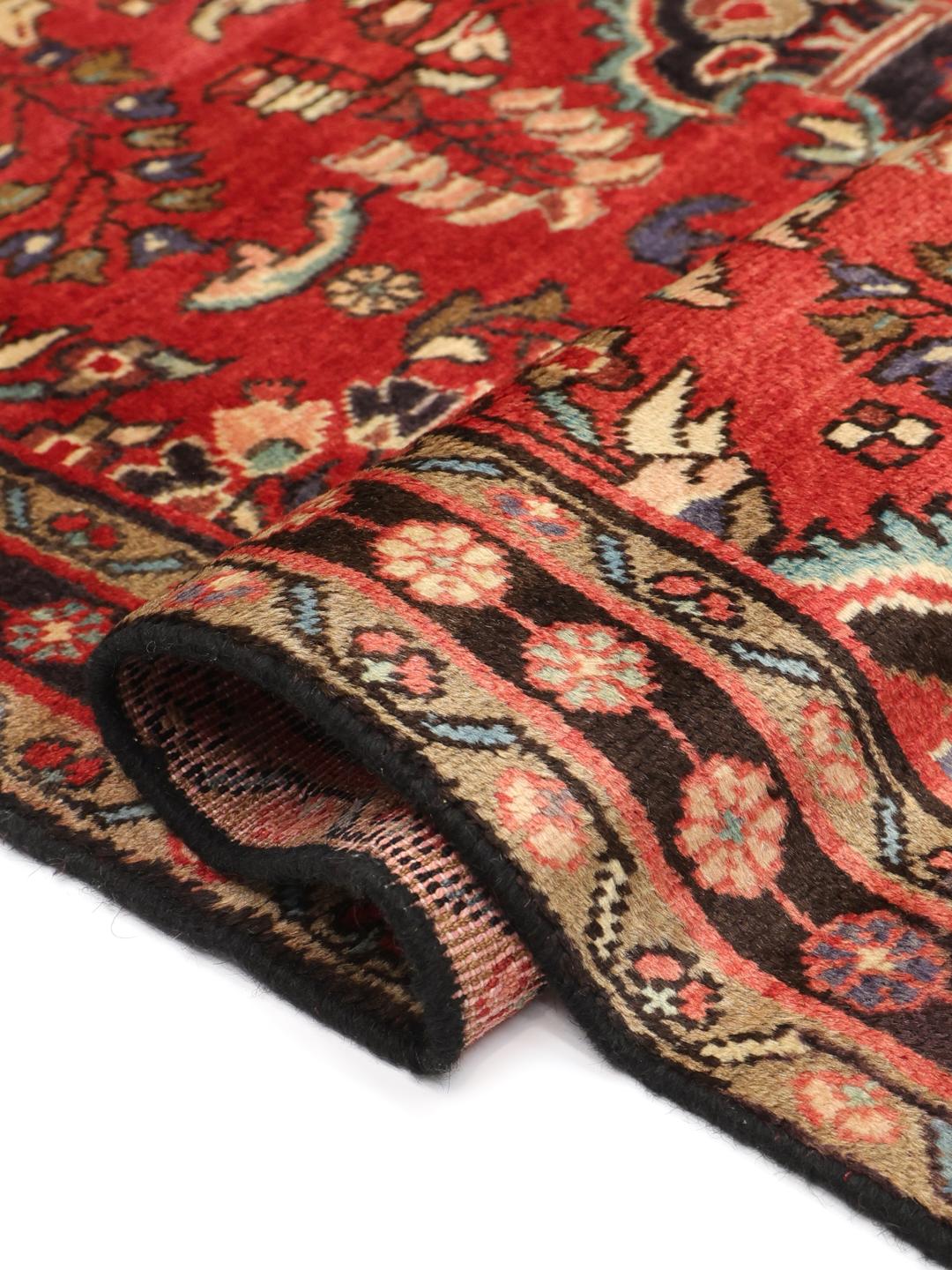
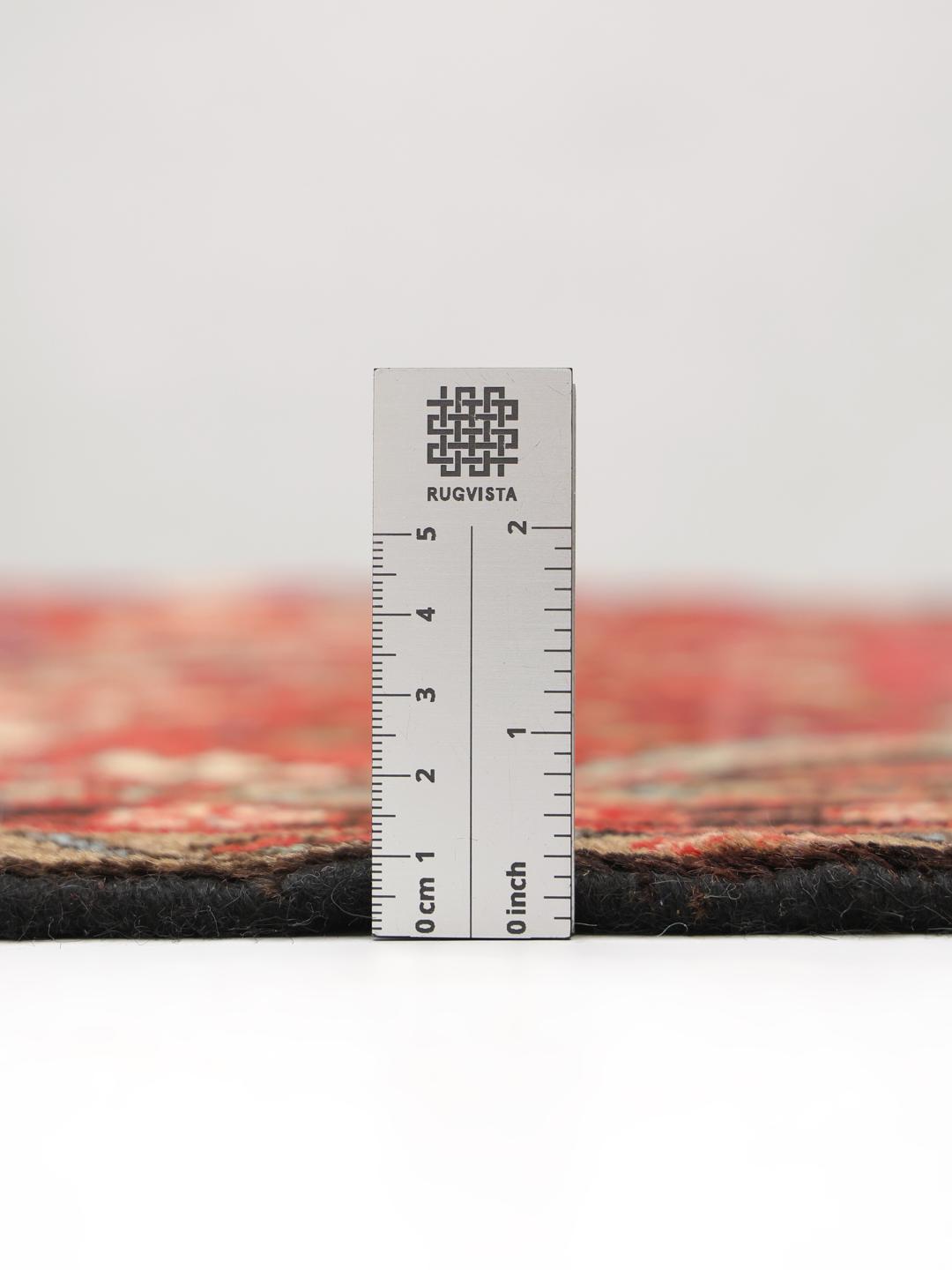
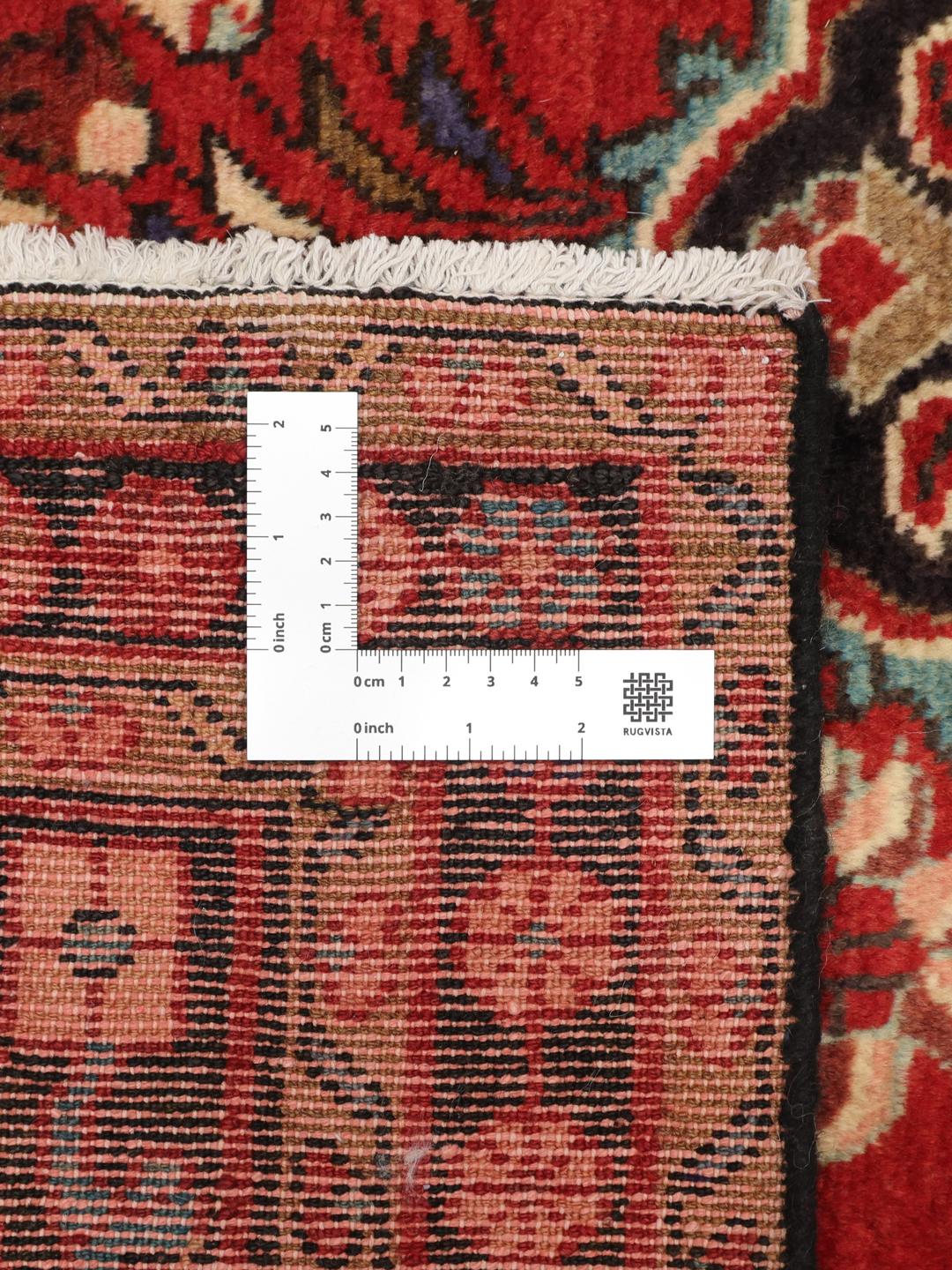
The term Lillian refers to the specific regional style that has evolved over time, characterised by its robust build and the use of traditional motifs. These rugs are known for their dense, durable construction, which is achieved through careful hand-knotting techniques passed down through generations. The stability of the foundation is a hallmark of this tradition, ensuring that the finished rug is not only visually striking but also physically enduring.
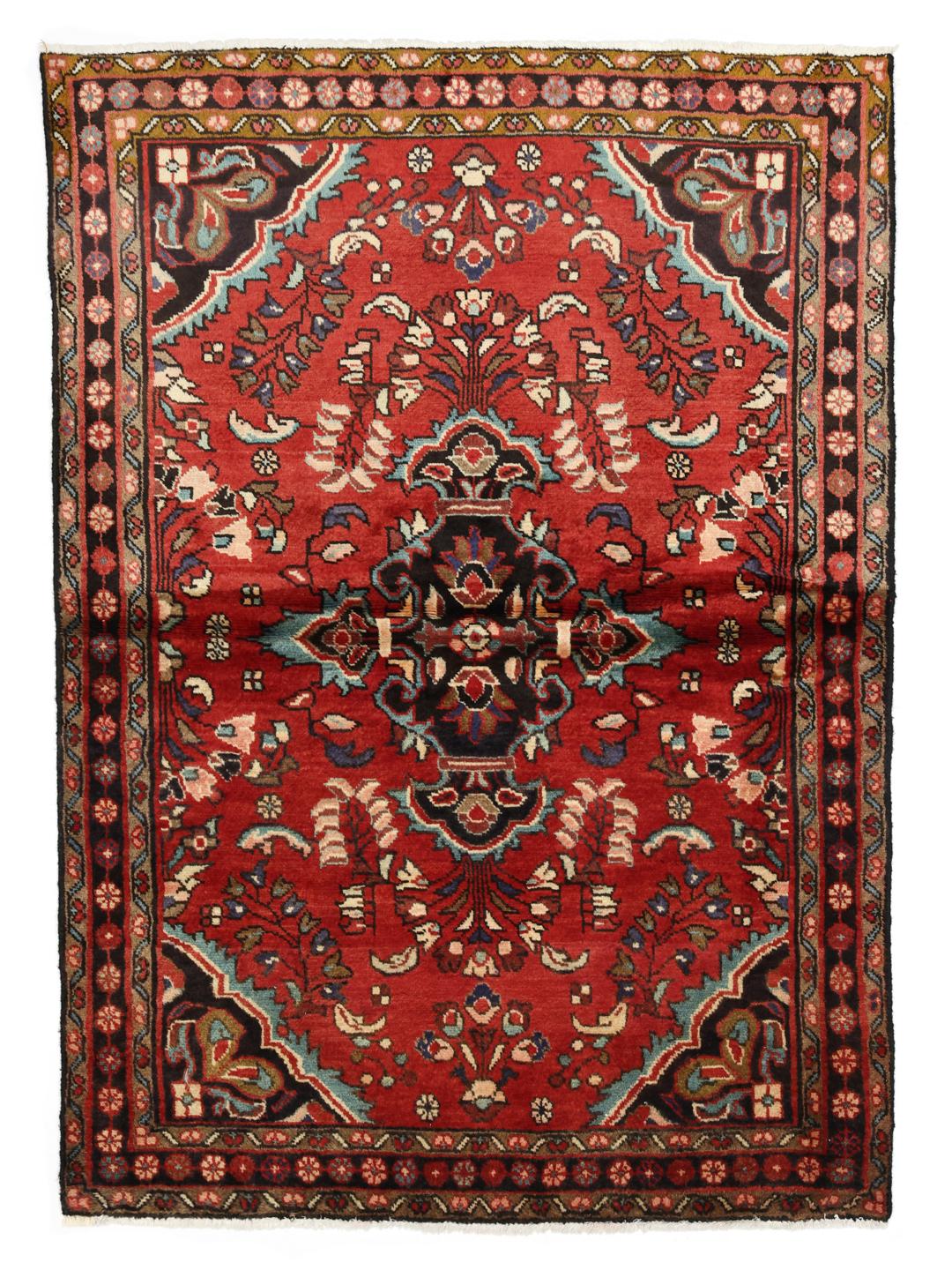
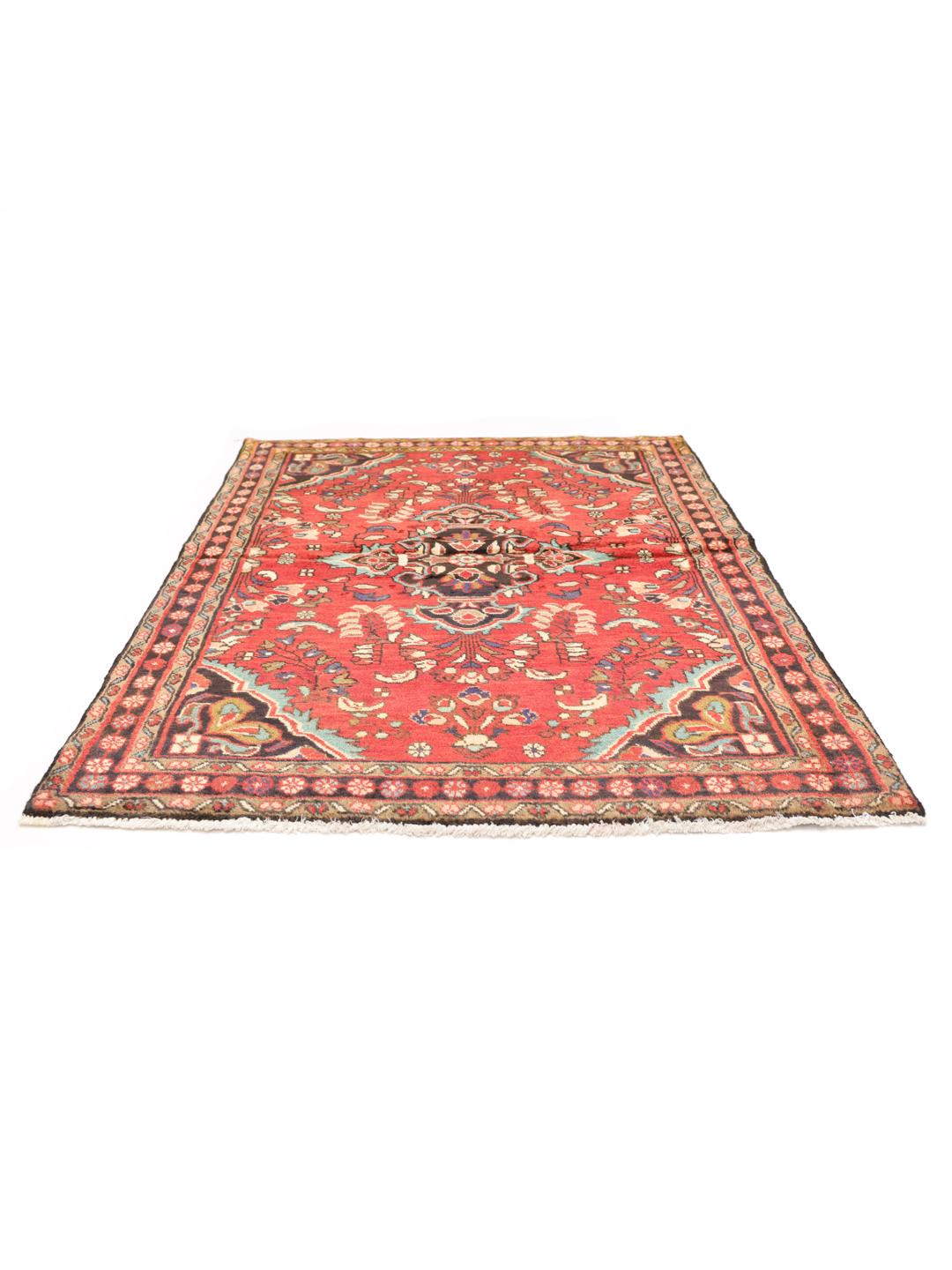
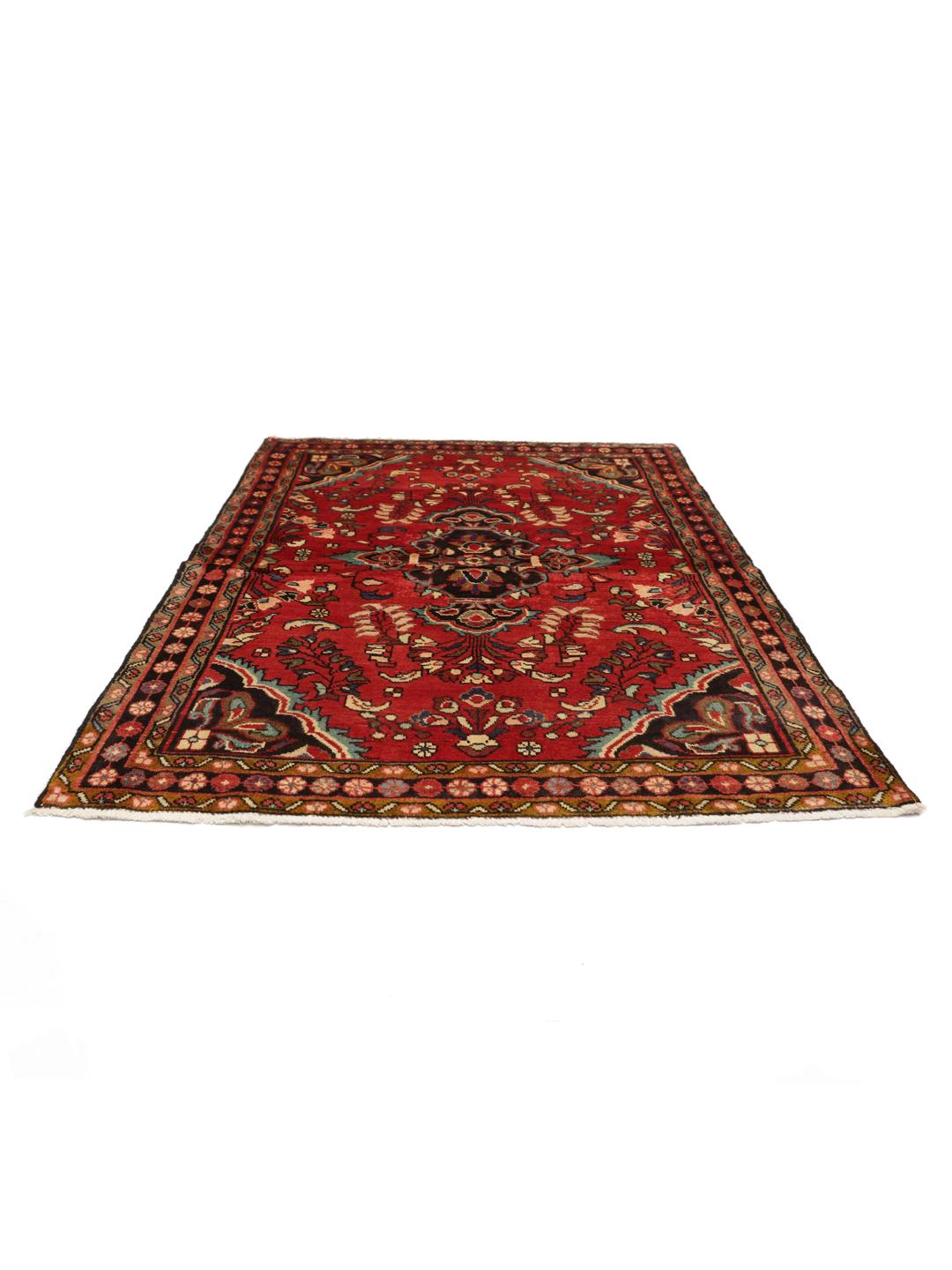
Visually, these rugs often feature a central medallion or an all-over floral pattern, set against a rich, saturated field. You will often see stylised floral elements and geometric interpretations of natural forms, framed by intricate borders that tie the composition together. The use of deep red tones is a classic signature, often balanced by dark, contrasting accents that highlight the complexity of the design.
Lillian rugs are highly valued by collectors and homeowners alike for their authenticity and the tangible connection they offer to a rich cultural past. Owning a piece from this tradition is an act of preserving a heritage of skill and artistic vision. It represents a commitment to quality and a preference for items that carry a history, providing your home with a sense of depth and enduring character that mass-produced items cannot replicate.