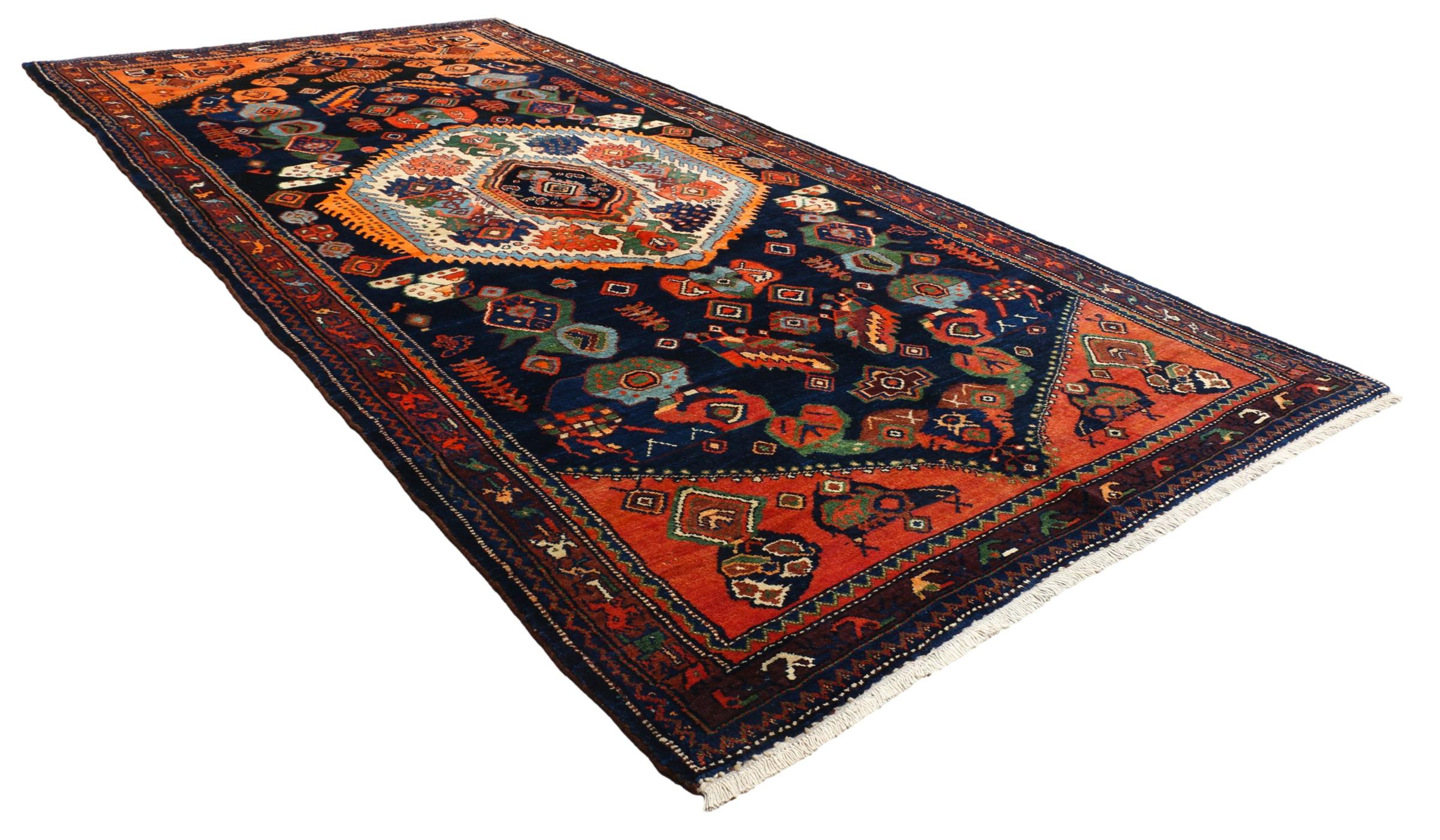
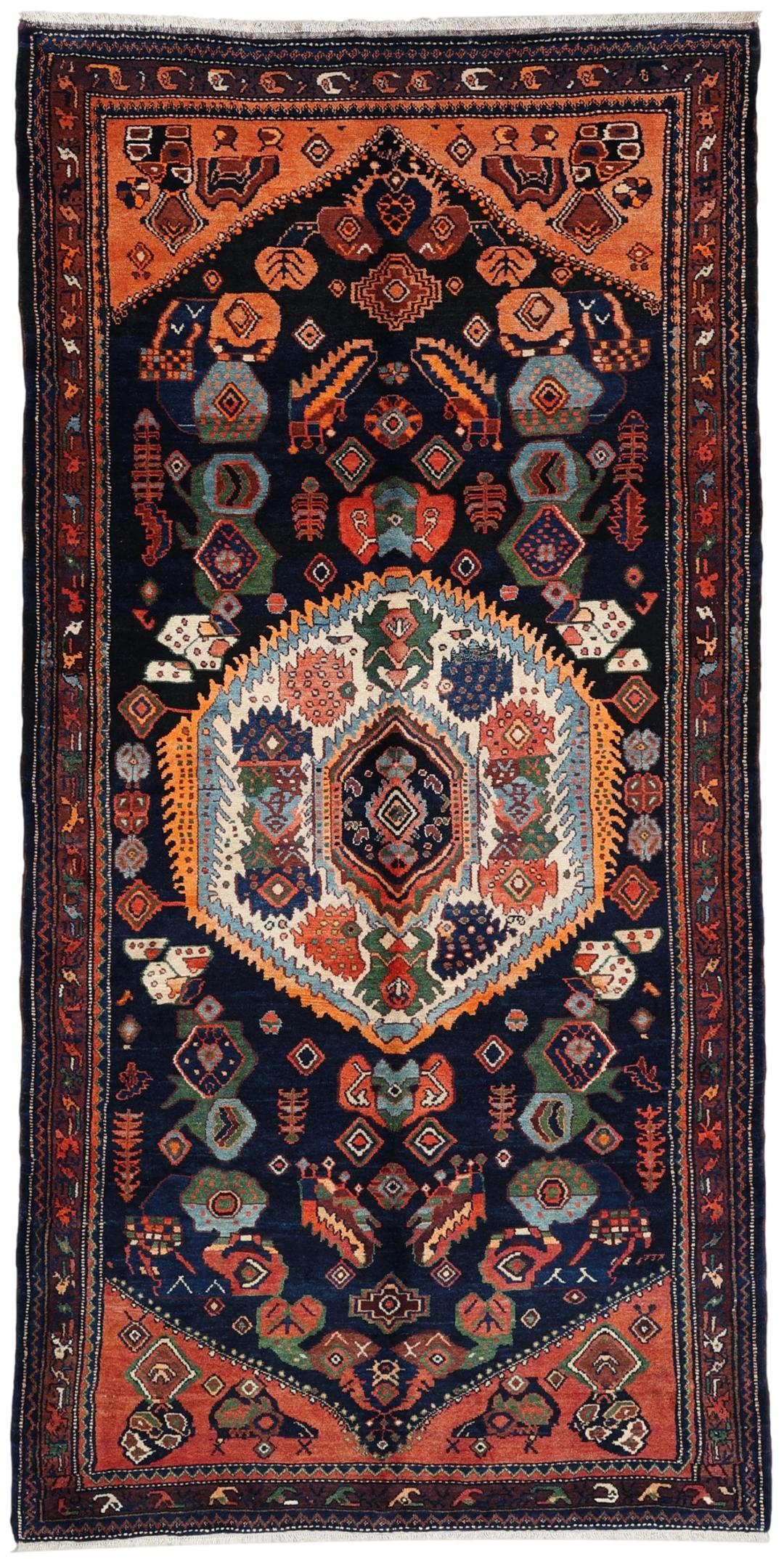
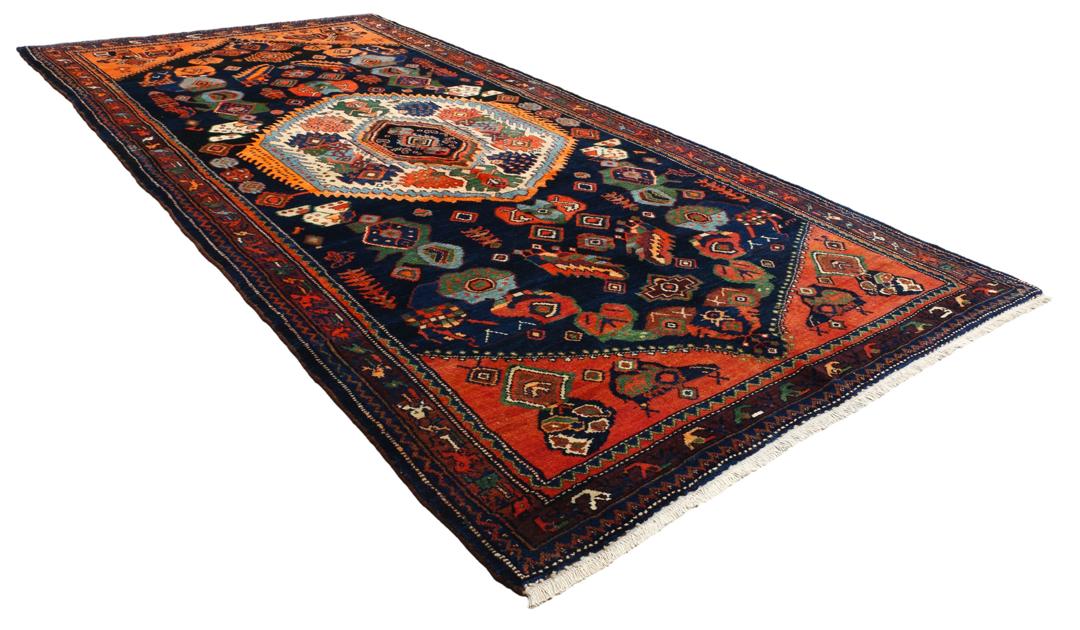
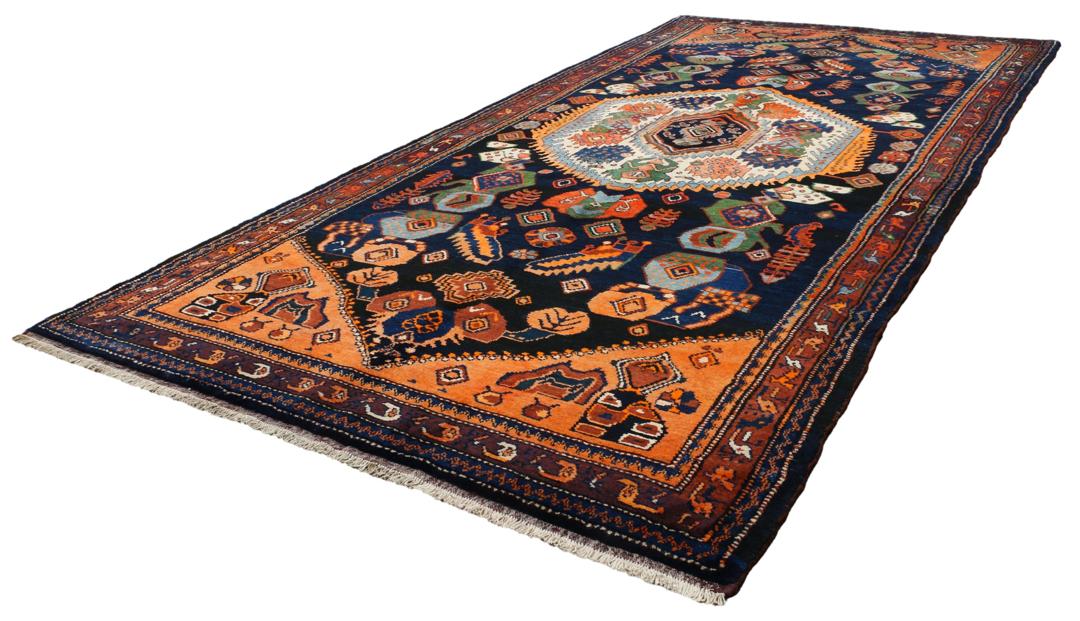
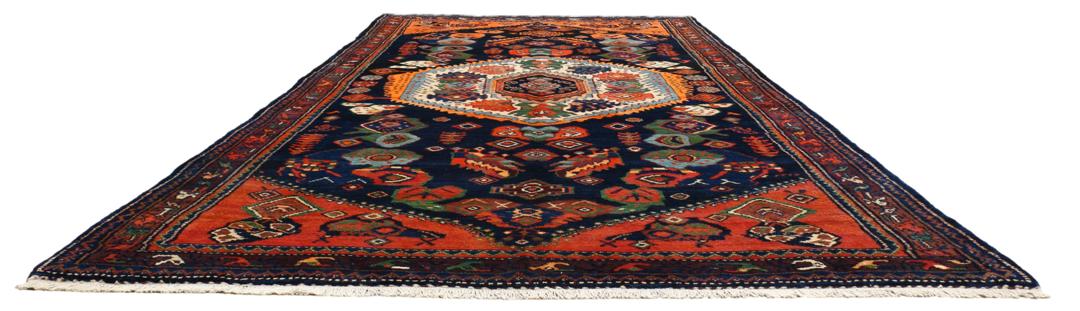
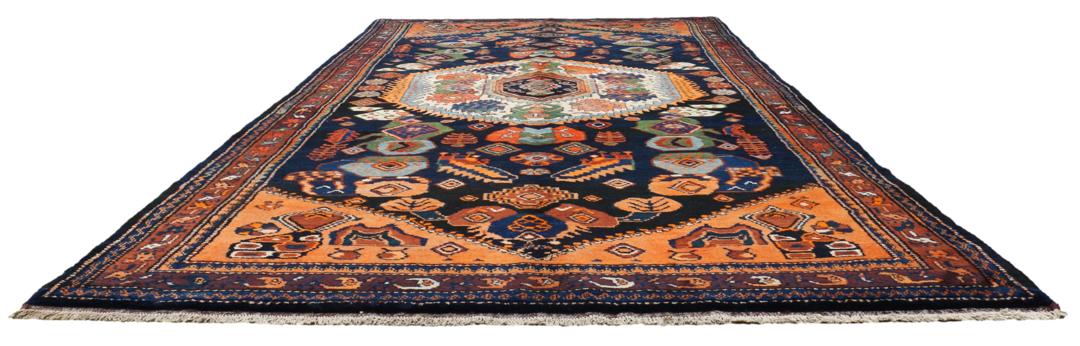
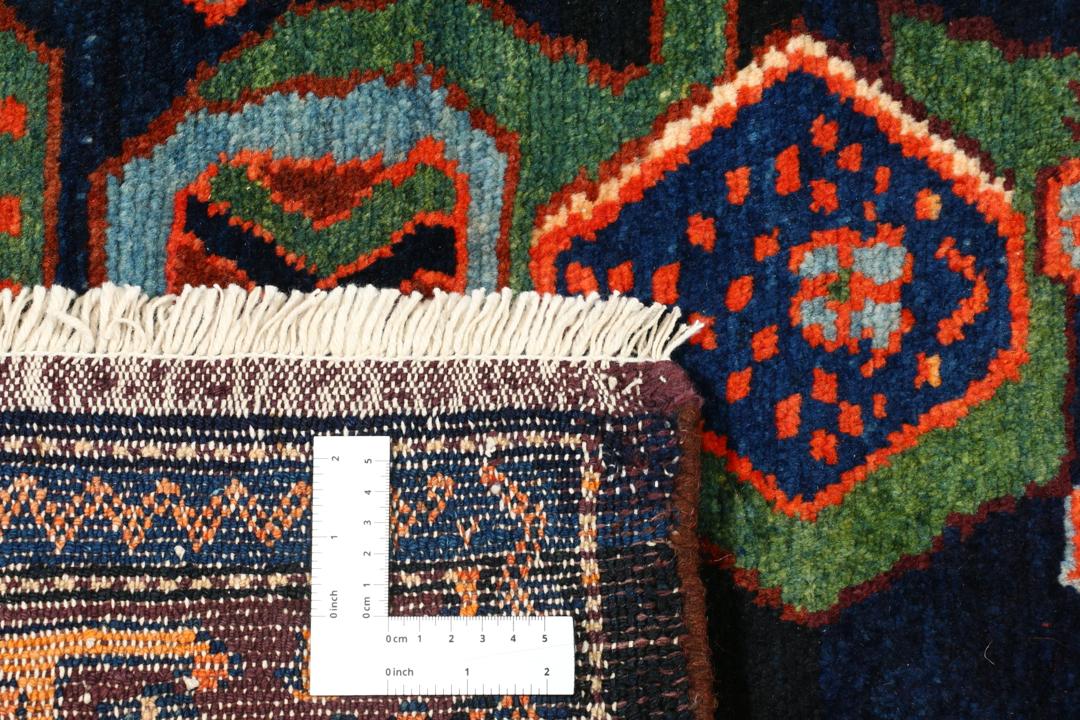
Lillian rugs originate from the Arak region of the Middle East, a historic hub of textile production. These rugs are renowned for their distinctive, often bold, and highly stylised designs that depart from the more curvilinear patterns found in other regional traditions. Historically, they served as both functional household items and expressions of the weaver's personal and cultural narrative.
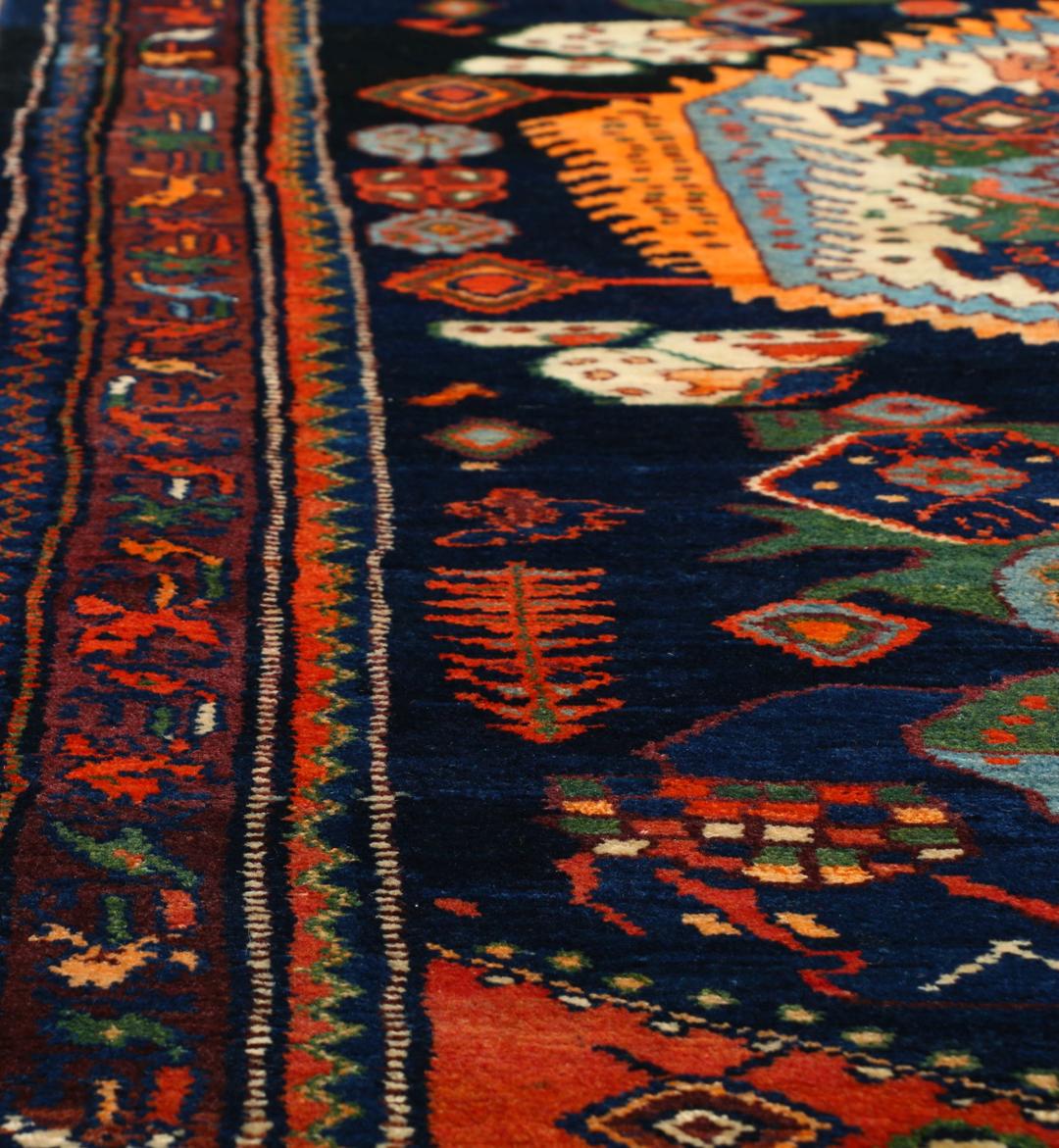
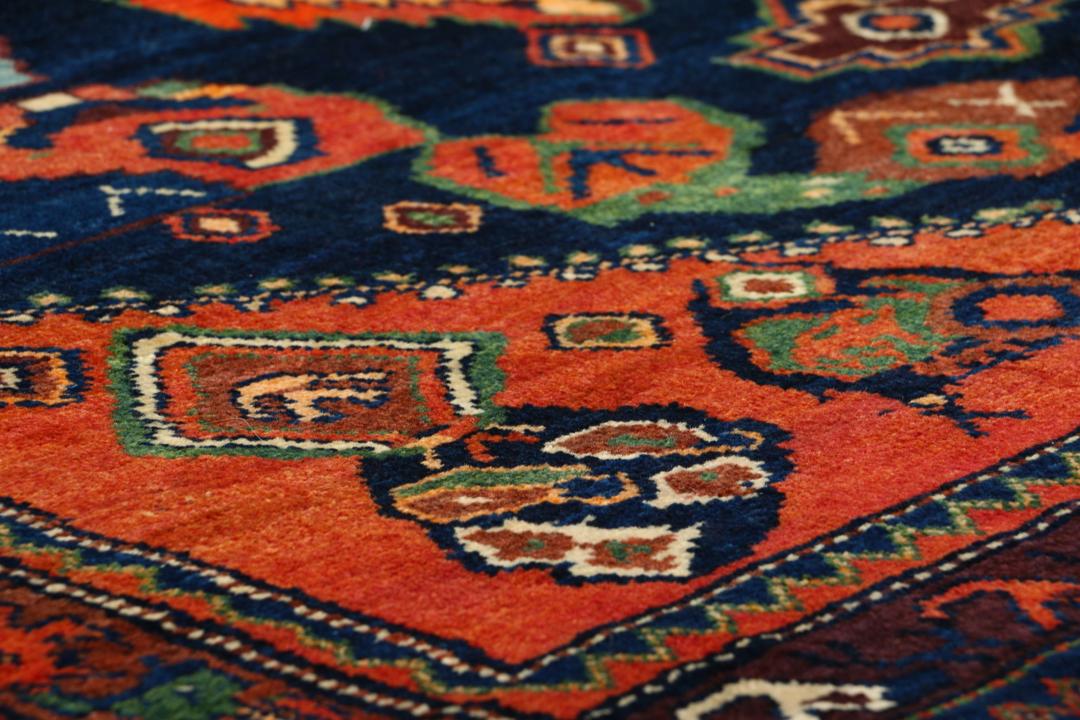
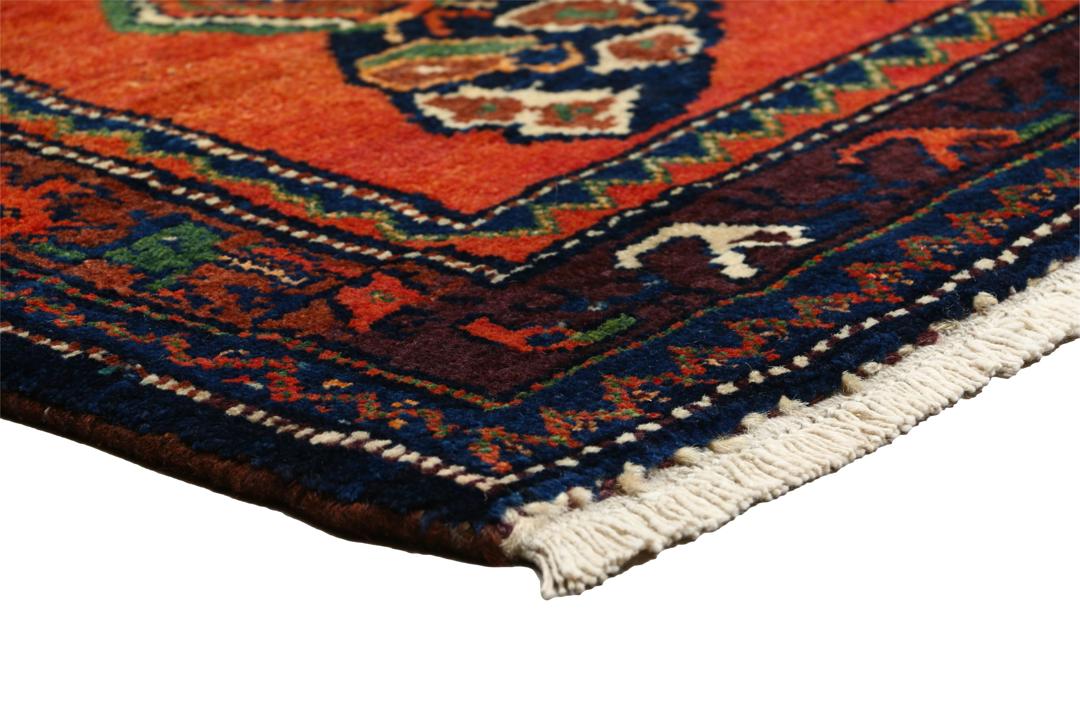
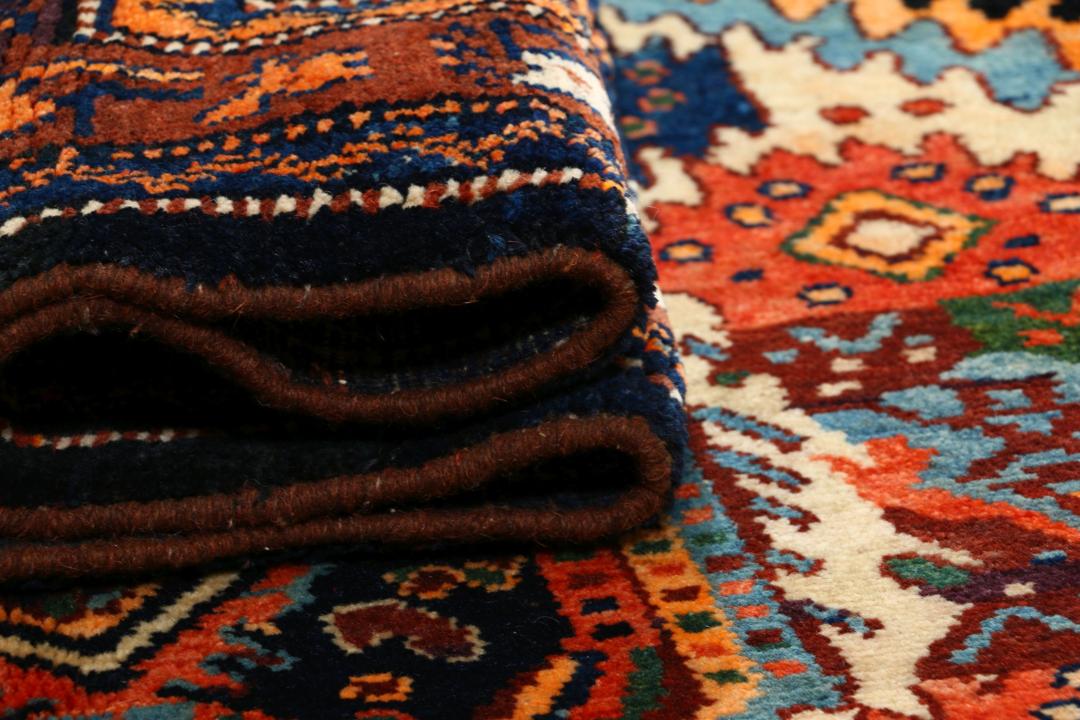
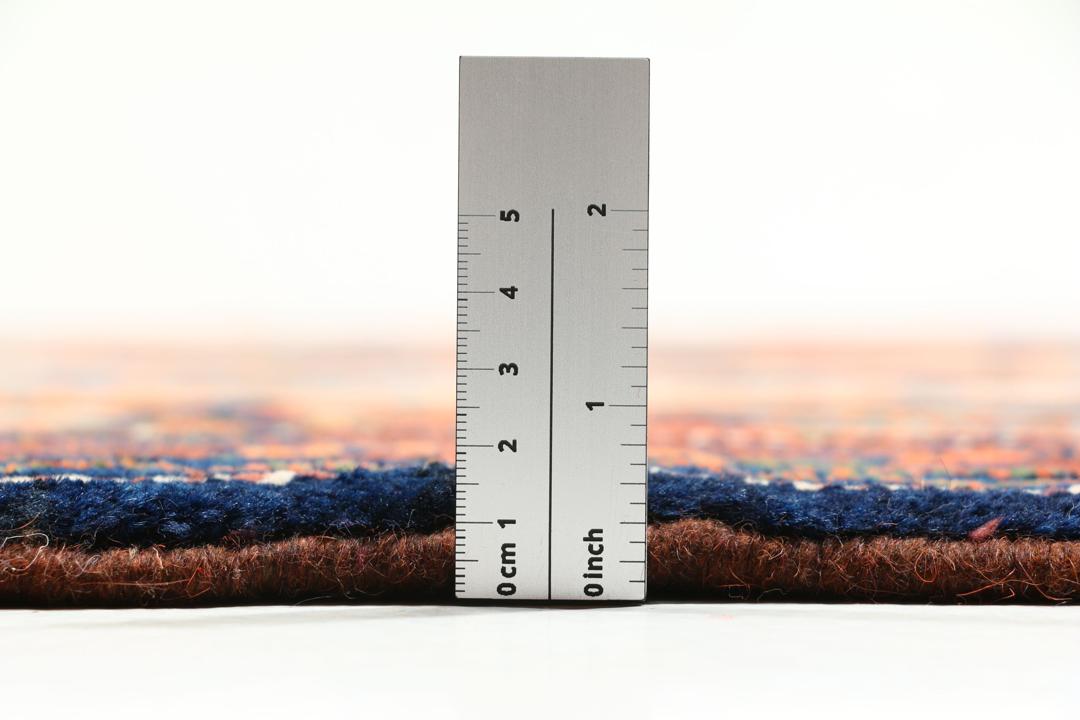
The craftsmanship behind a Lillian rug is easily identified by its sturdy structure and use of high-quality wool, which is often spun into a robust pile. This construction style is intentional, created to withstand the rigours of village life while providing a dense, protective layer against cold floors. The term 'hand-knotted' here refers to the traditional practice of securing the pile manually, which creates a more durable and lustrous surface than any machine could replicate.
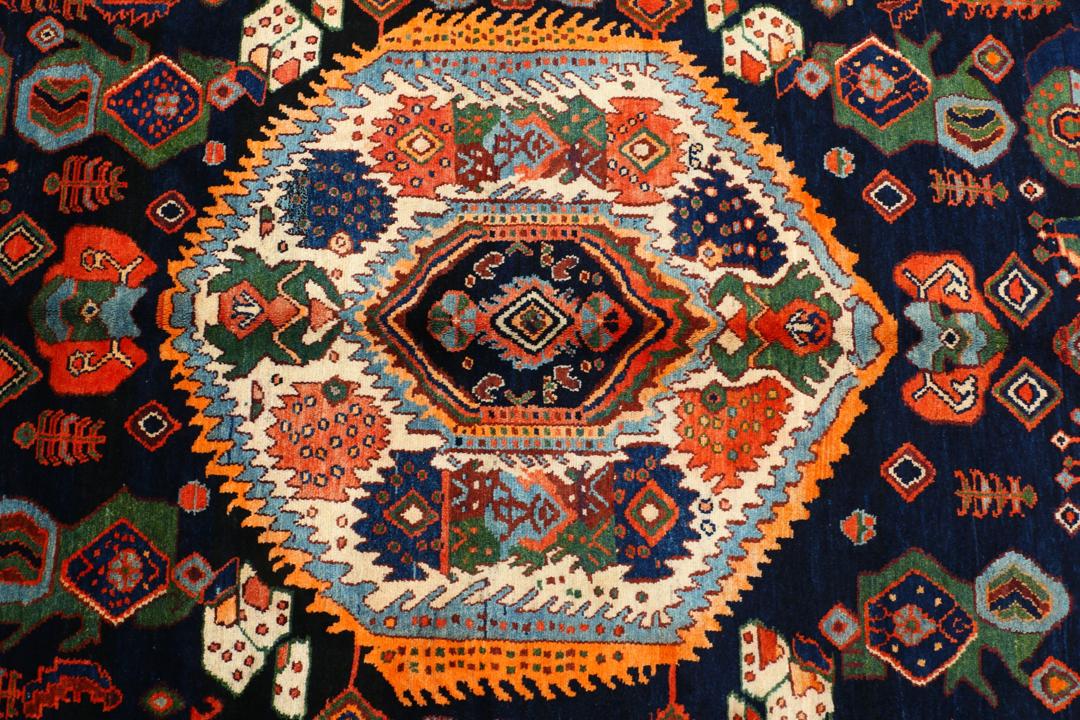
Visually, these rugs are celebrated for their dramatic use of colour and geometric iconography. You will often find large, bold medallions and intricate, angular floral motifs that draw the eye toward the centre of the field. The borders are typically well-defined, framing the central activity with repeated patterns that balance the overall composition. It is common to see deep blues, rich oranges, and earthy tones that reflect the natural dyes and aesthetic preferences of the artisans.
Lillian rugs are highly sought after by collectors who value authenticity and the preservation of ancient weaving traditions. Owning a piece from this tradition is a commitment to heritage, as it represents a centuries-old skill that has been passed down through generations. These rugs are not just decorative; they are artifacts of a culture that views the creation of textiles as a vital form of storytelling and community identity.