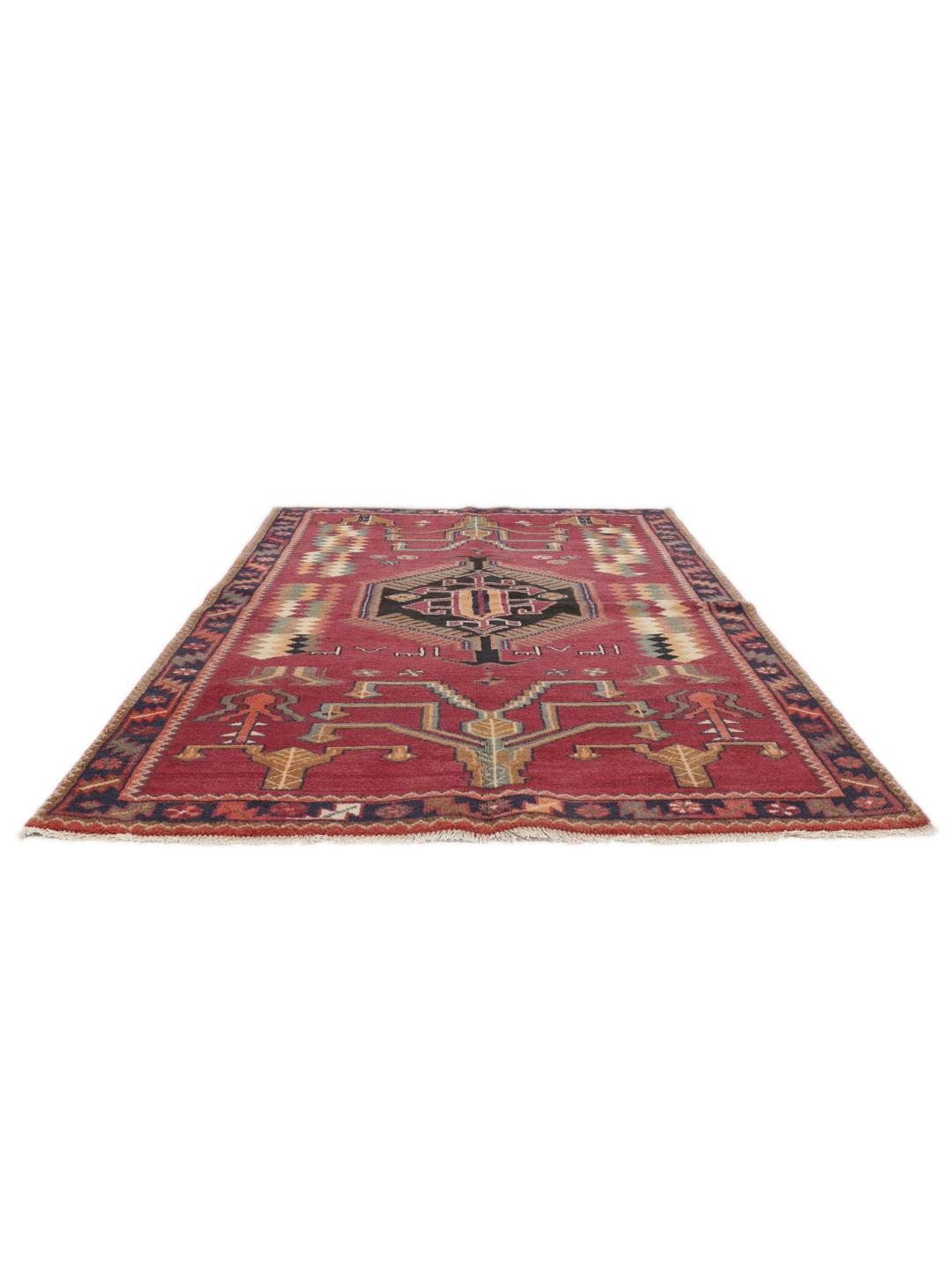
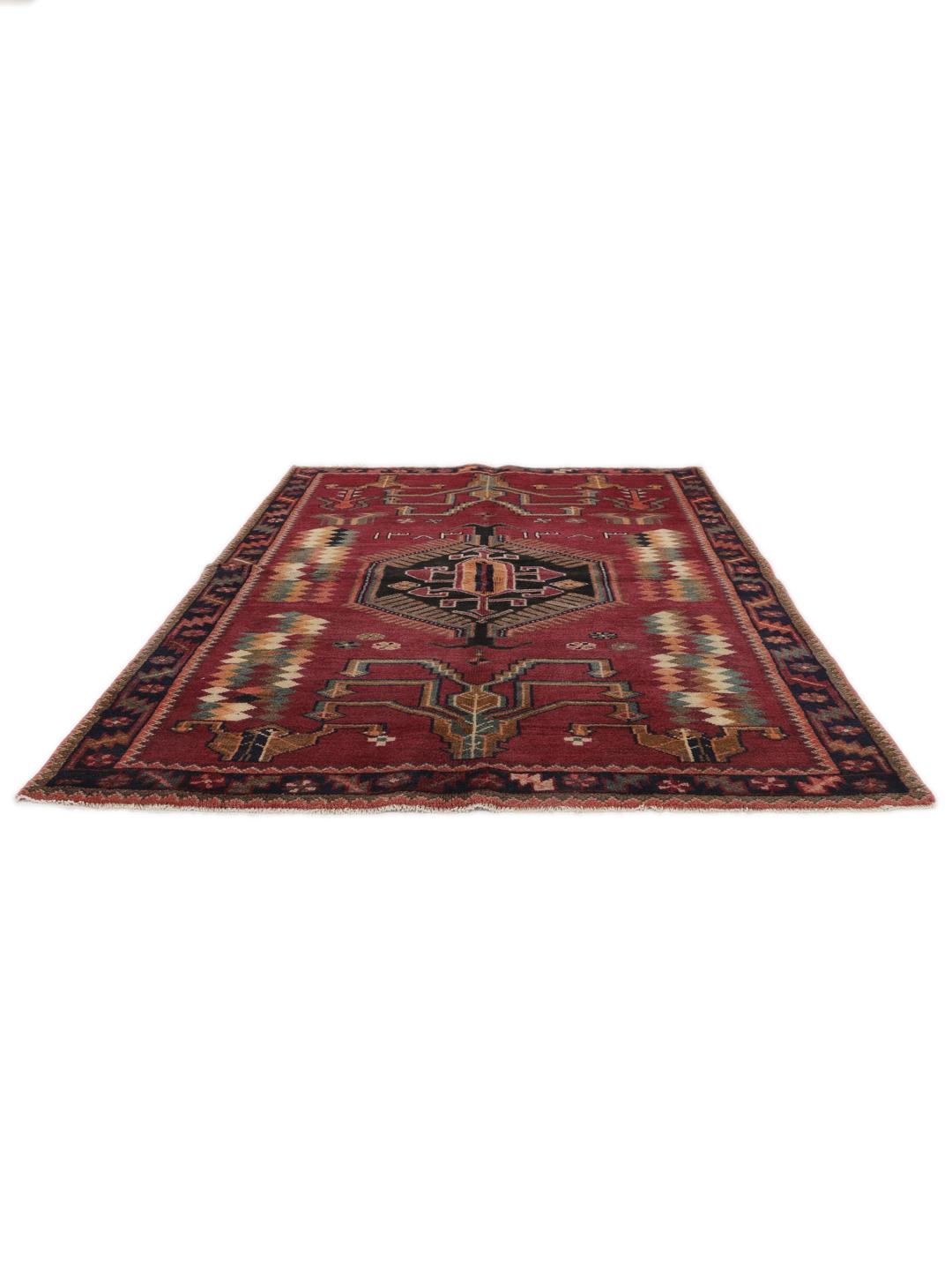
The Lori rugs originate from the mountainous regions of the Middle East, traditionally woven by the Luri people. These rugs are deeply tied to the nomadic lifestyle of the tribes, who historically moved through the rugged landscapes, carrying their looms with them. This tradition of weaving has been passed down through generations, with each generation infusing the designs with their own cultural identity and regional stories.
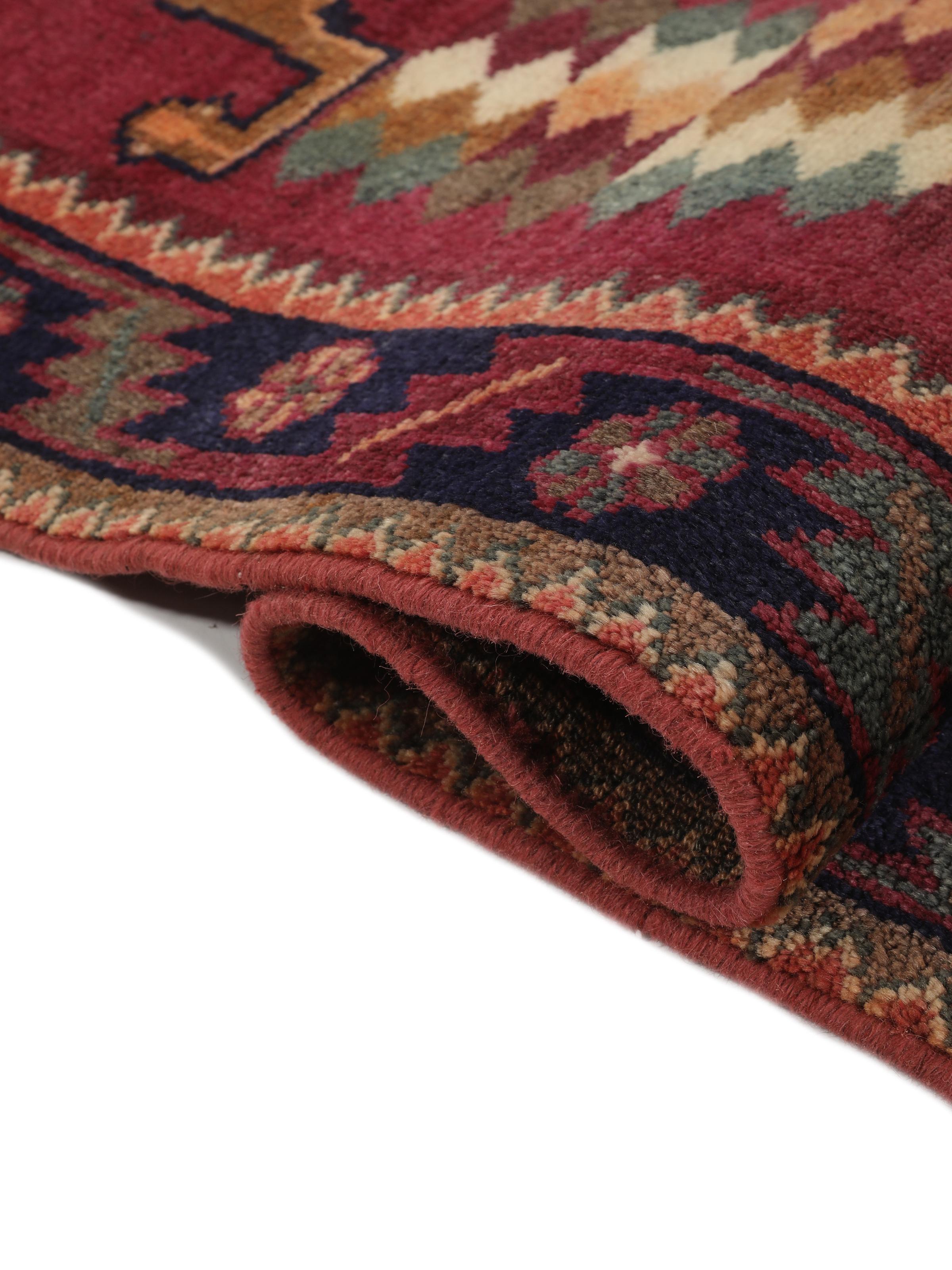
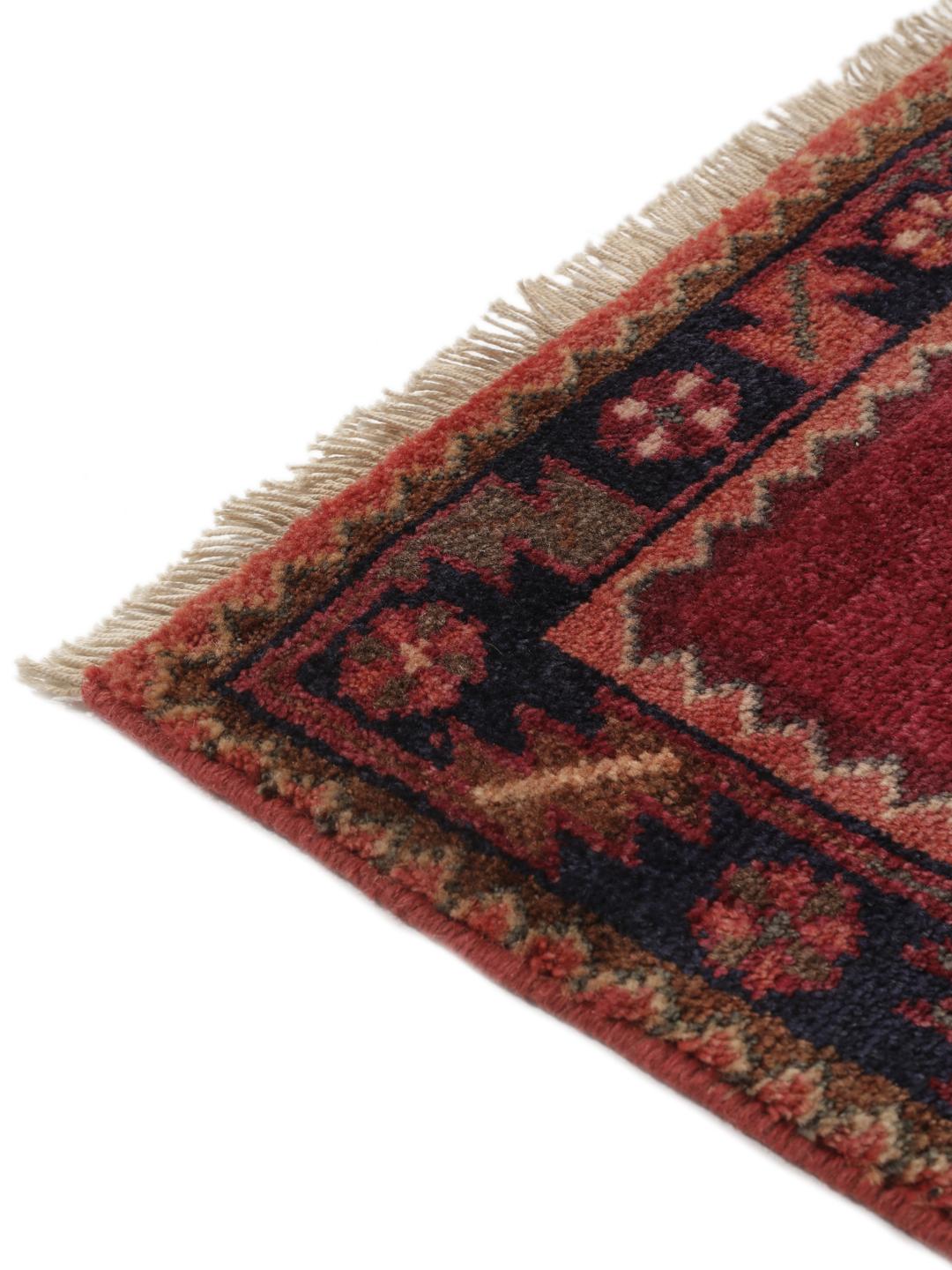
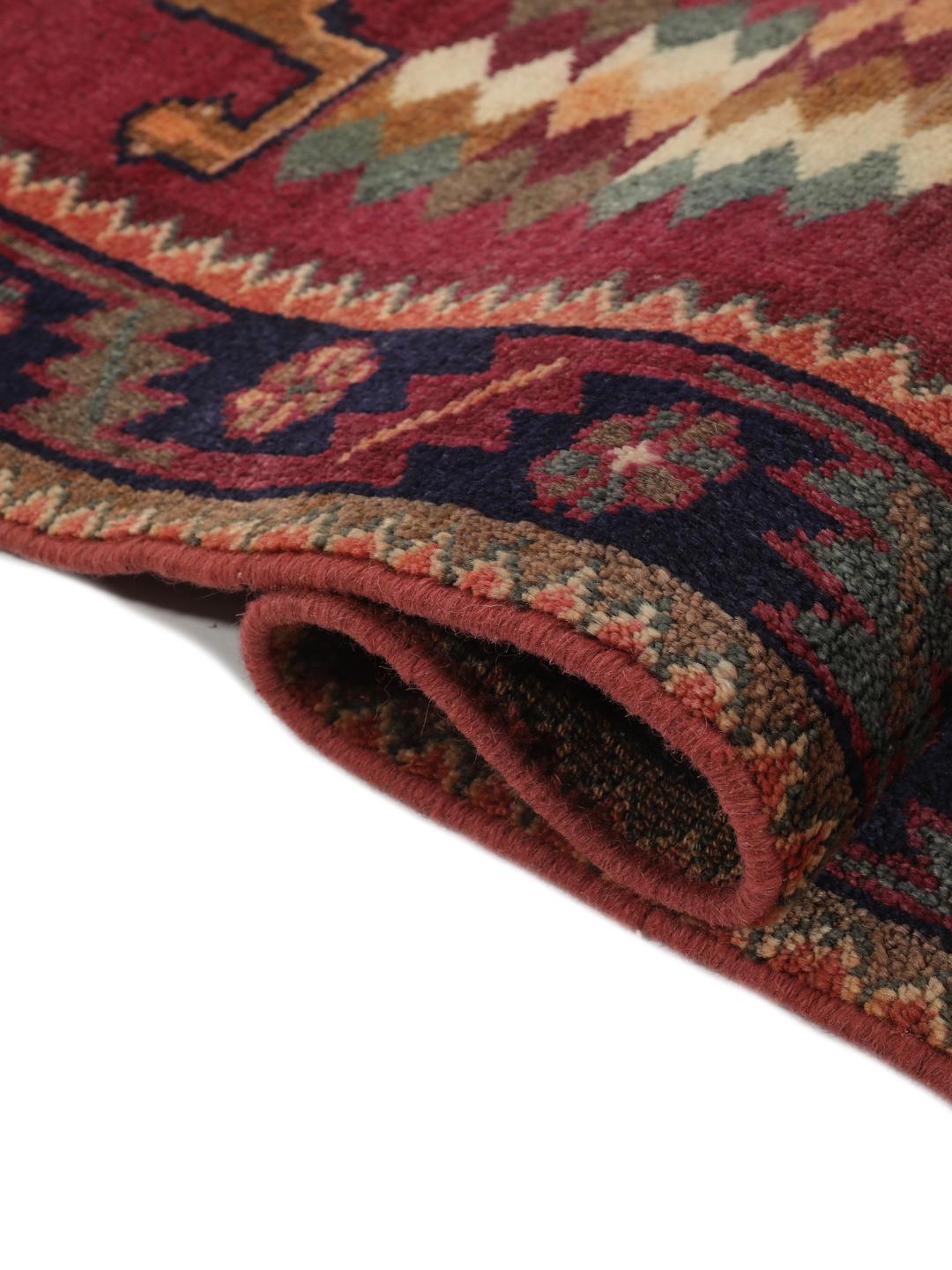
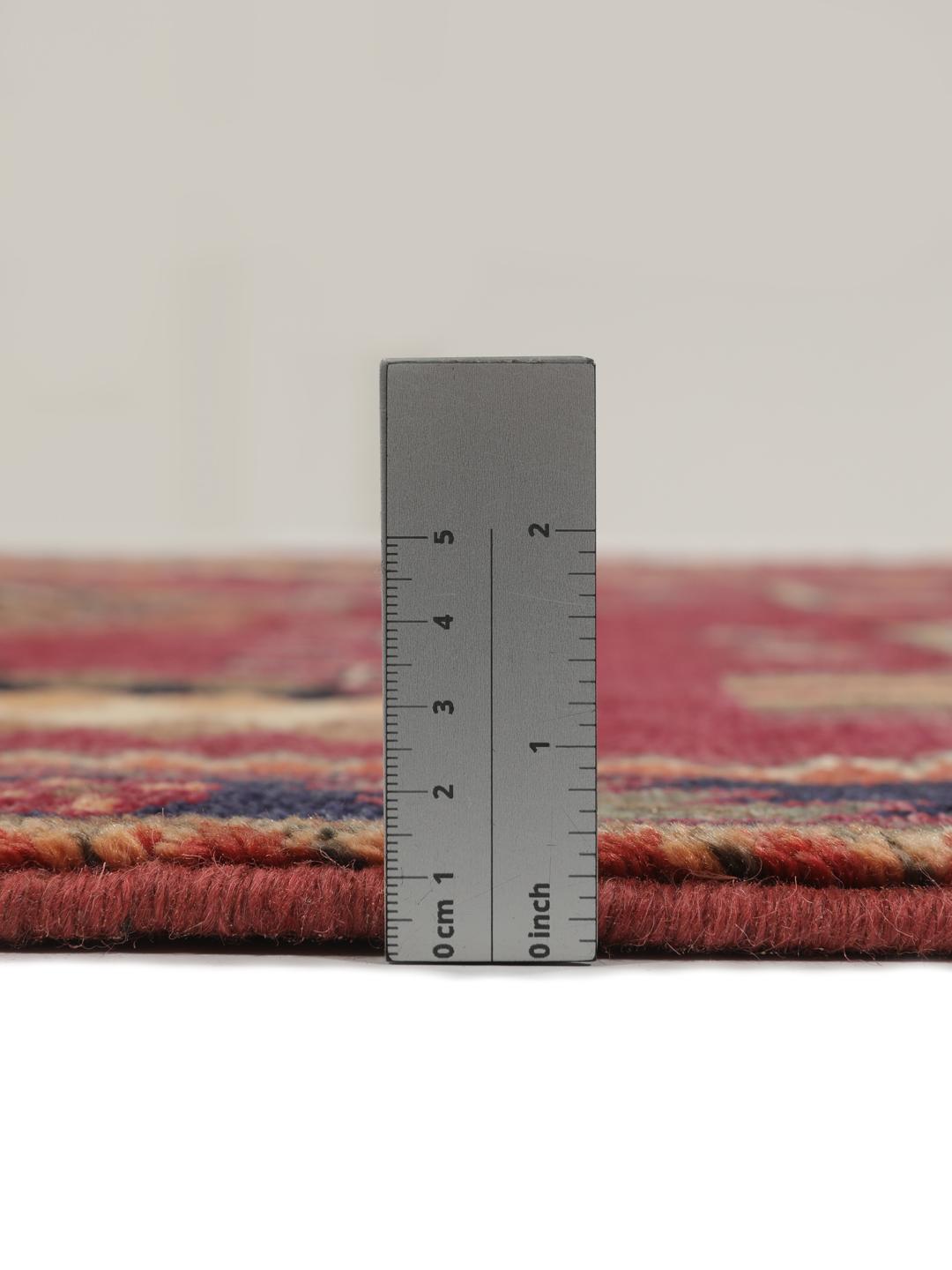
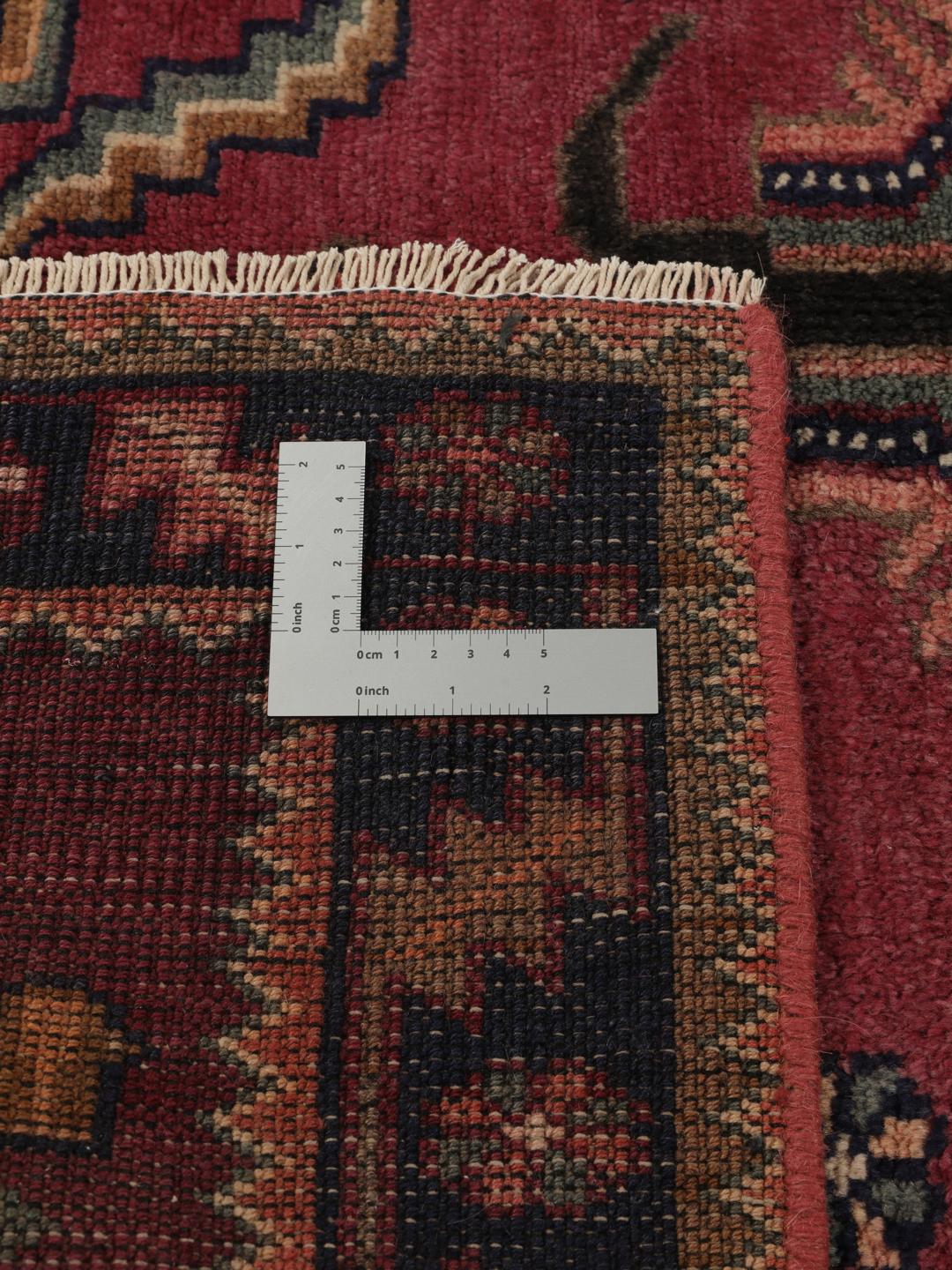
When we speak of Lori rugs, we are referring to a tradition that prioritises utility and storytelling through geometric abstraction. The technical construction of these rugs is designed for the rigours of nomadic life, utilising high-quality wool that is durable and resilient. The weaving process is a meditative act, where the tension of the wool and the accuracy of the knots determine the longevity and clarity of the final design.
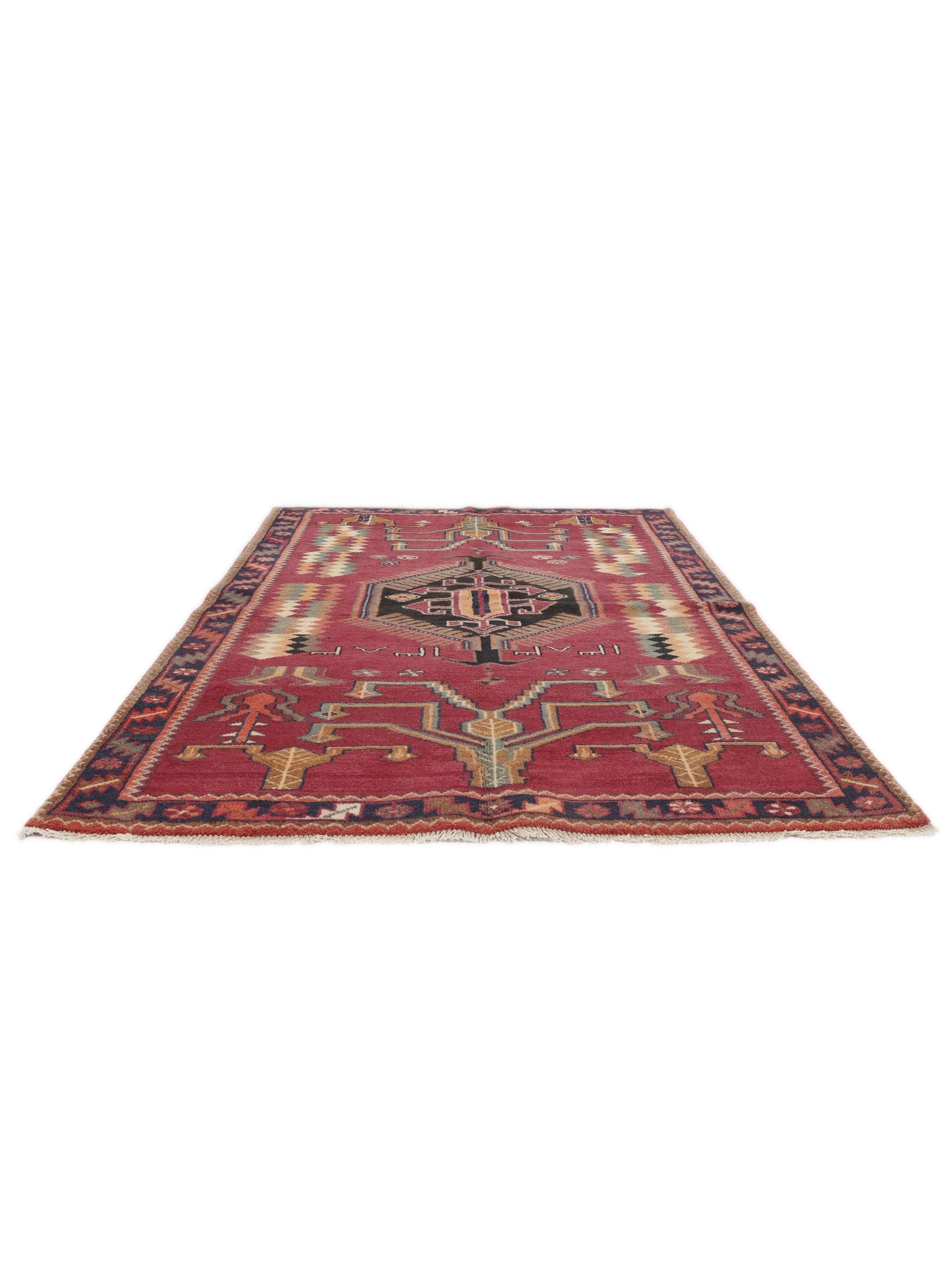
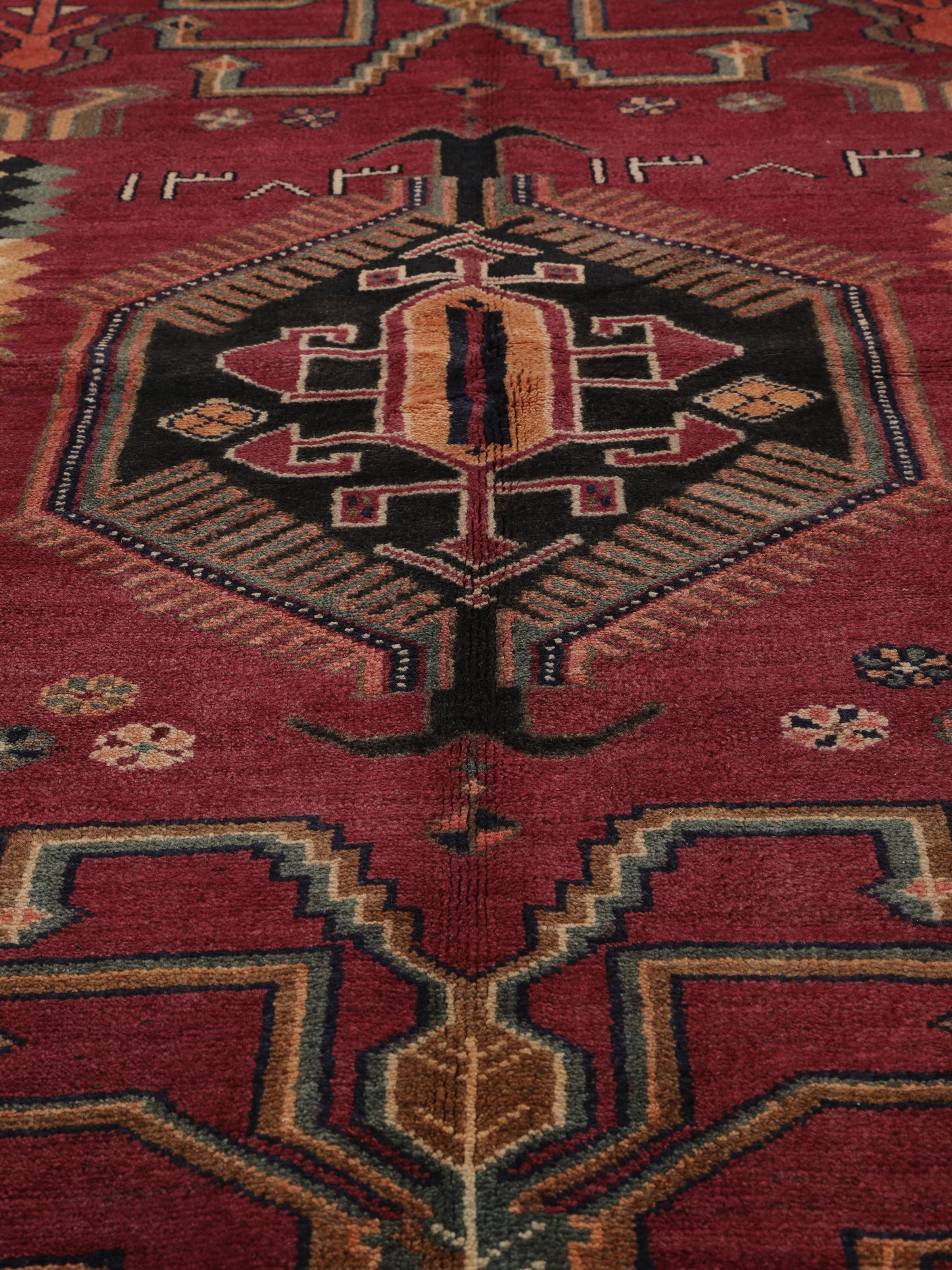
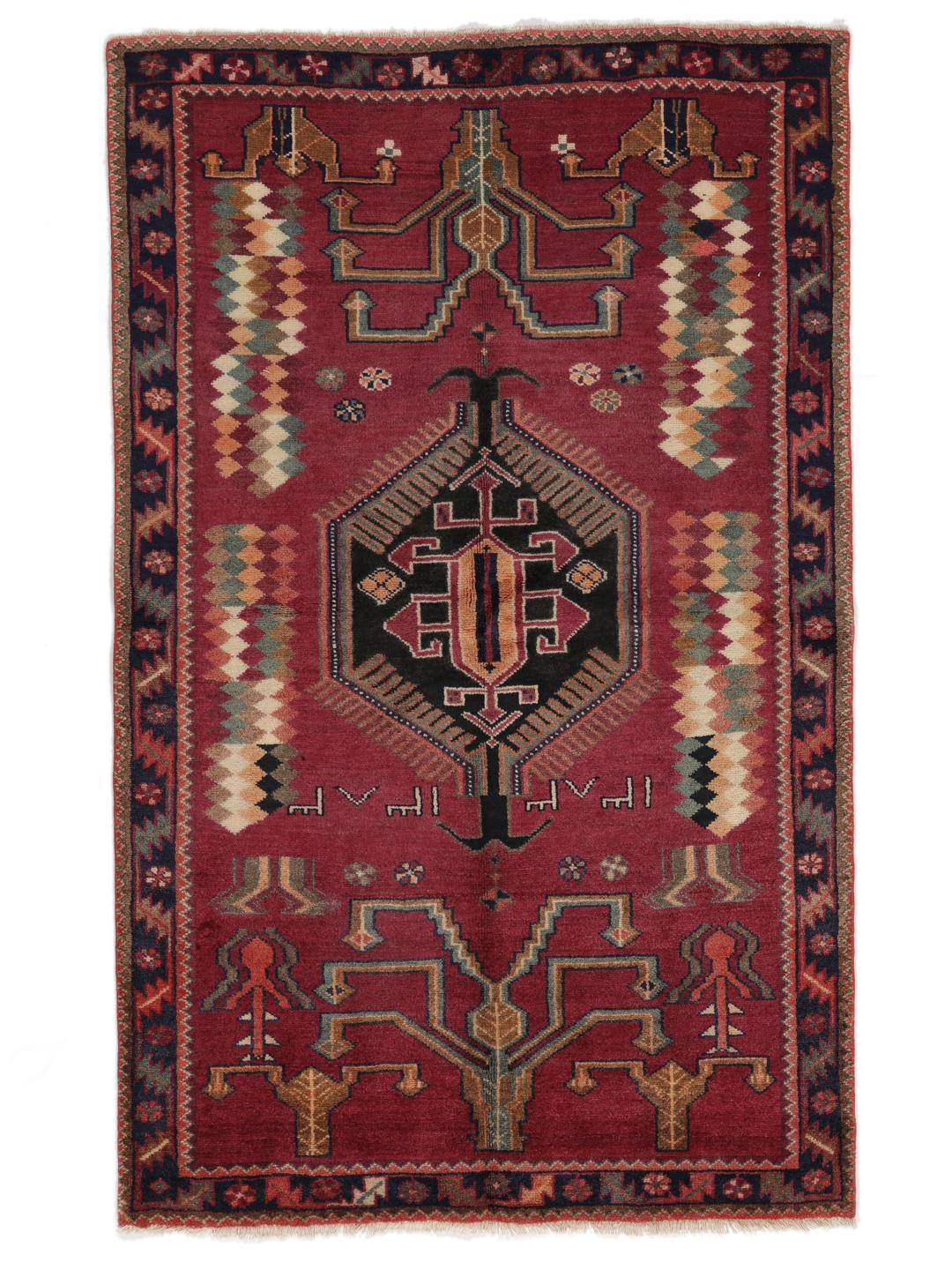
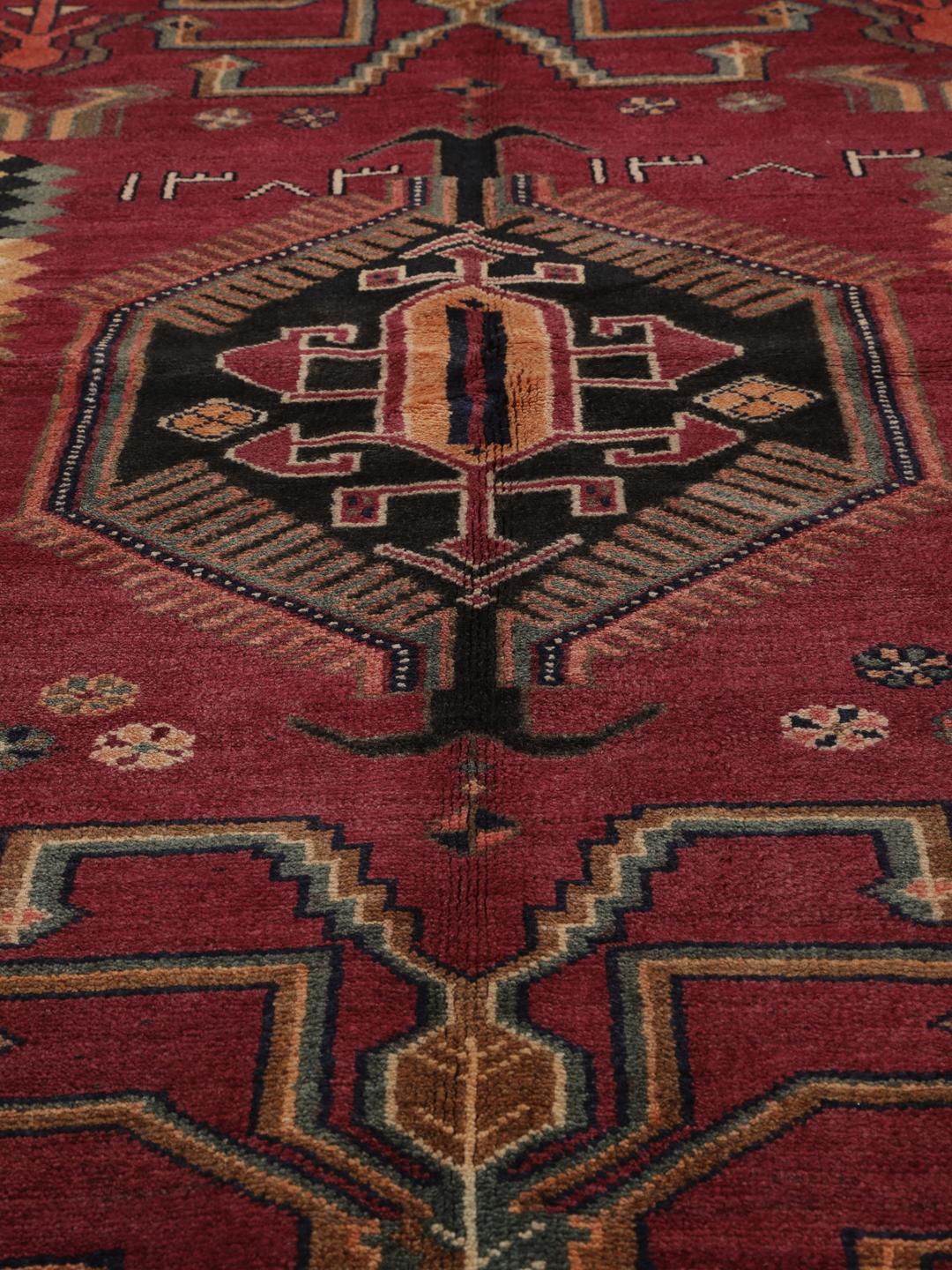
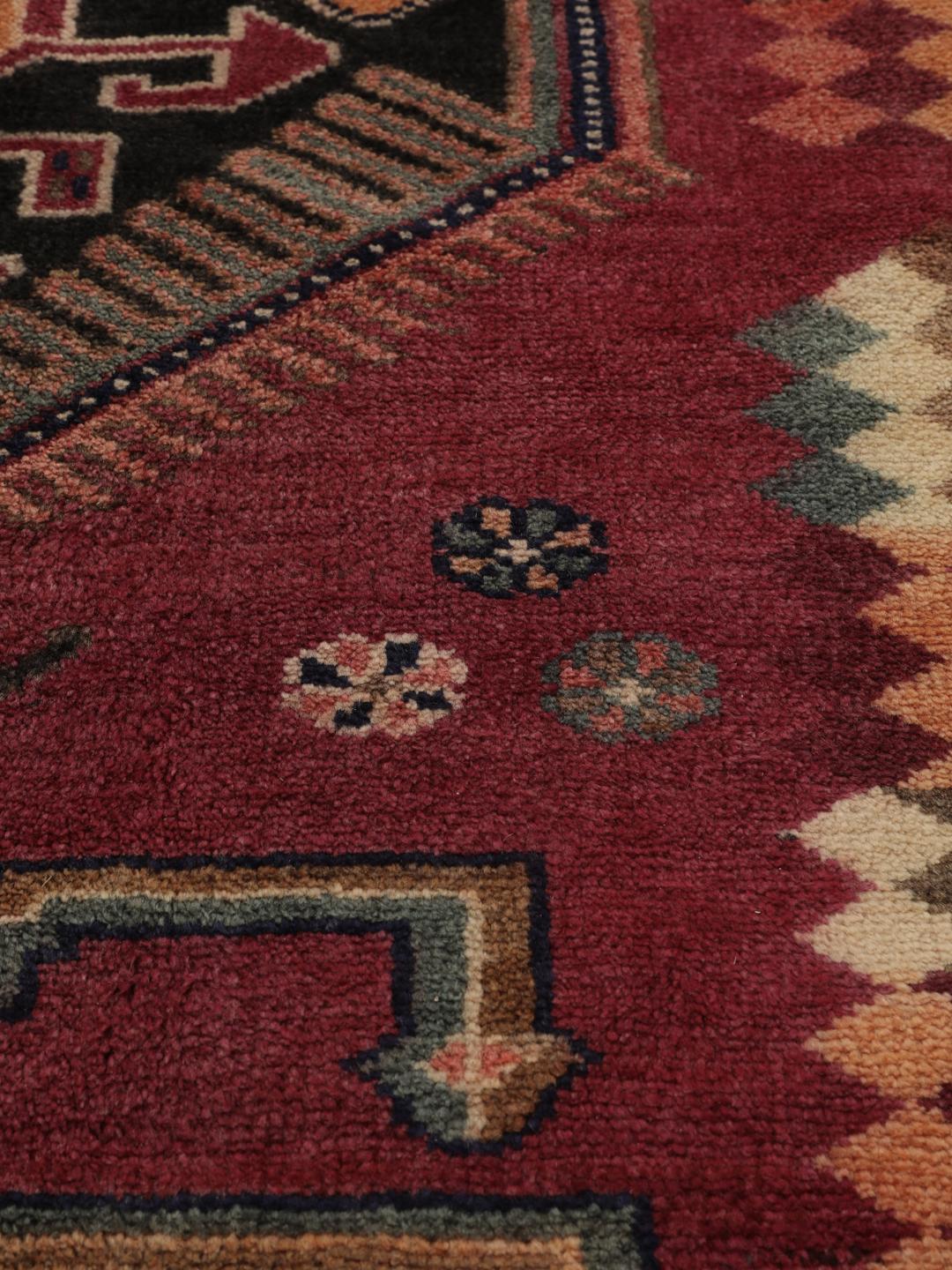
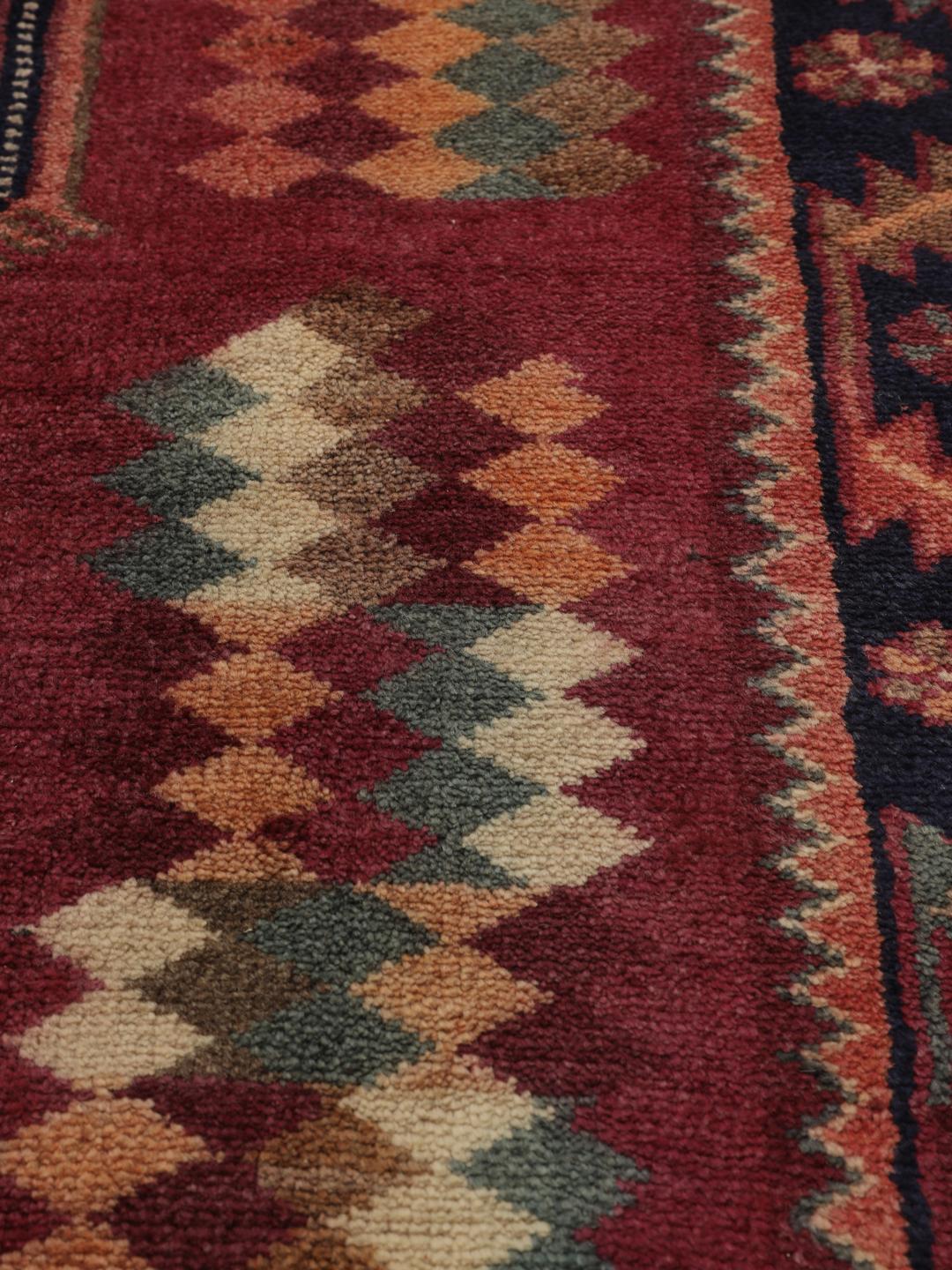
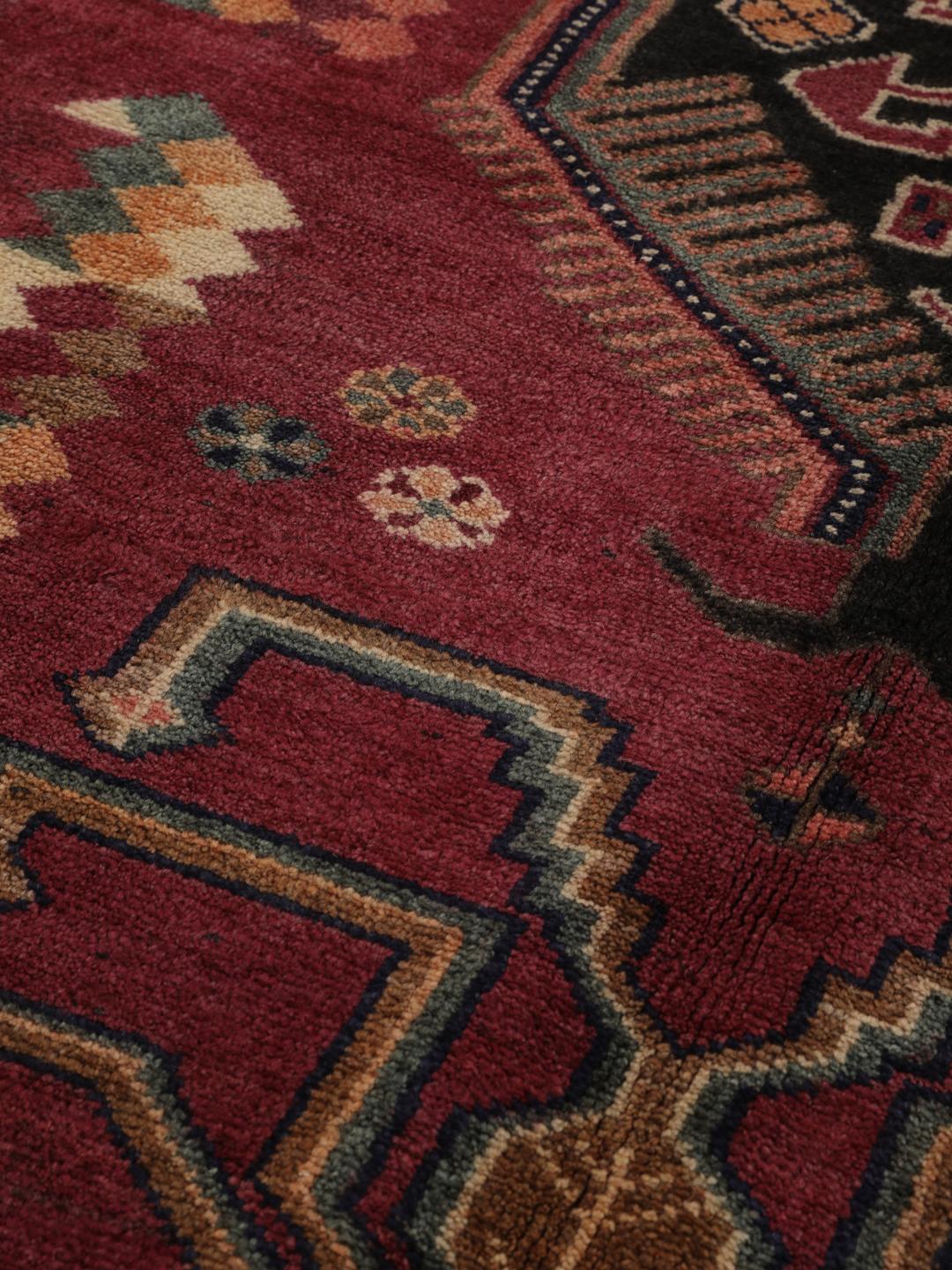
The visual language of the Lori is characterised by its bold, geometric approach. You will often find large, angular medallions, stylised animals, and repeating tribal symbols that hold specific cultural meanings for the weavers. Unlike the more formal, curvilinear designs seen in city rugs, the Lori celebrates a raw, artistic freedom that feels both primitive and sophisticated, often utilising a palette dominated by deep, earthy reds and contrasting dark tones.
Owning a Lori rug is an opportunity to connect with a rich, living history. These pieces are highly valued by collectors for their authenticity and the human effort required to create them. They are not merely floor coverings but are cultural artefacts that offer a glimpse into the lives and beliefs of the people who created them, making them a meaningful addition to any home that values depth, skill, and heritage.