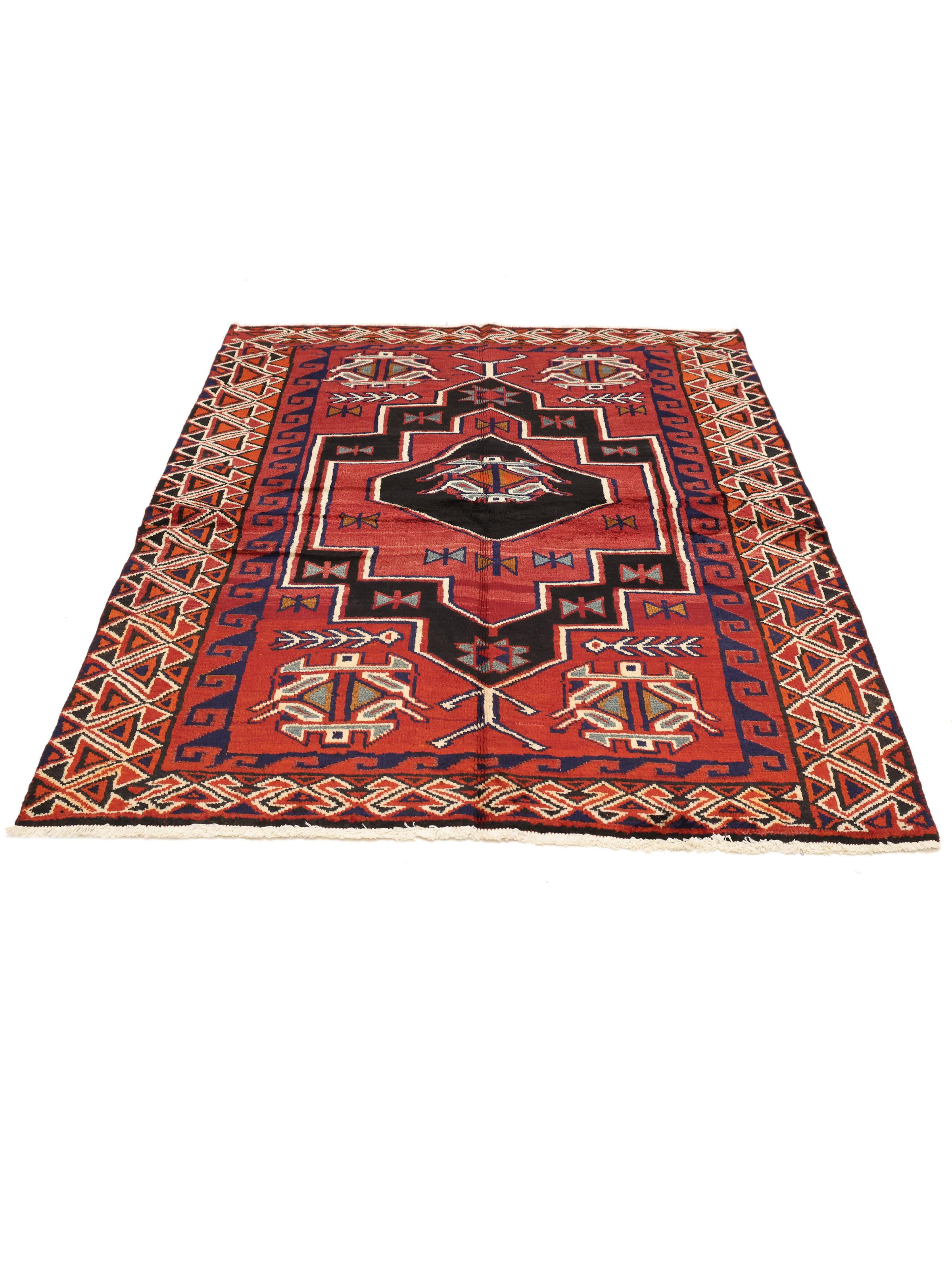
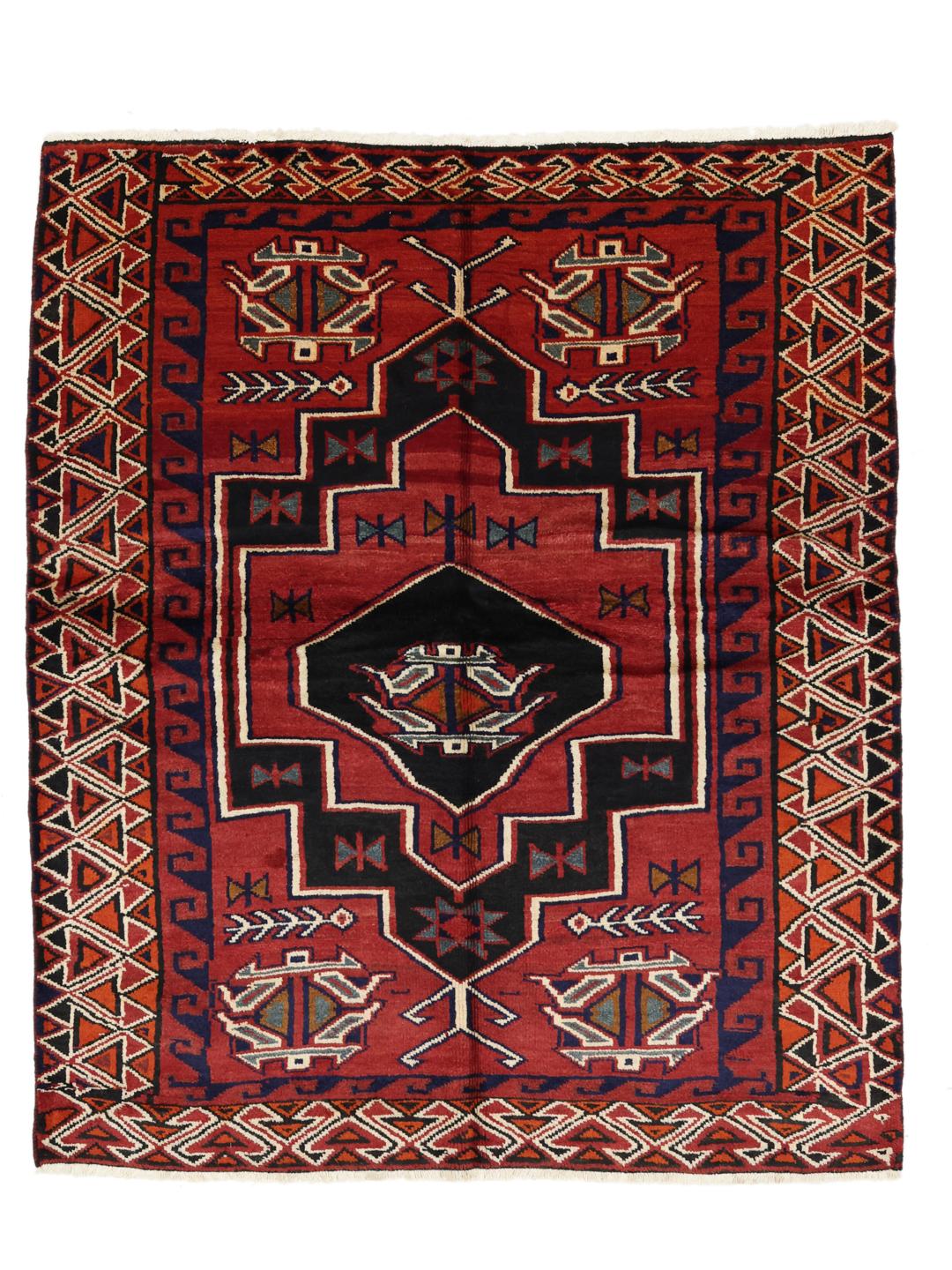
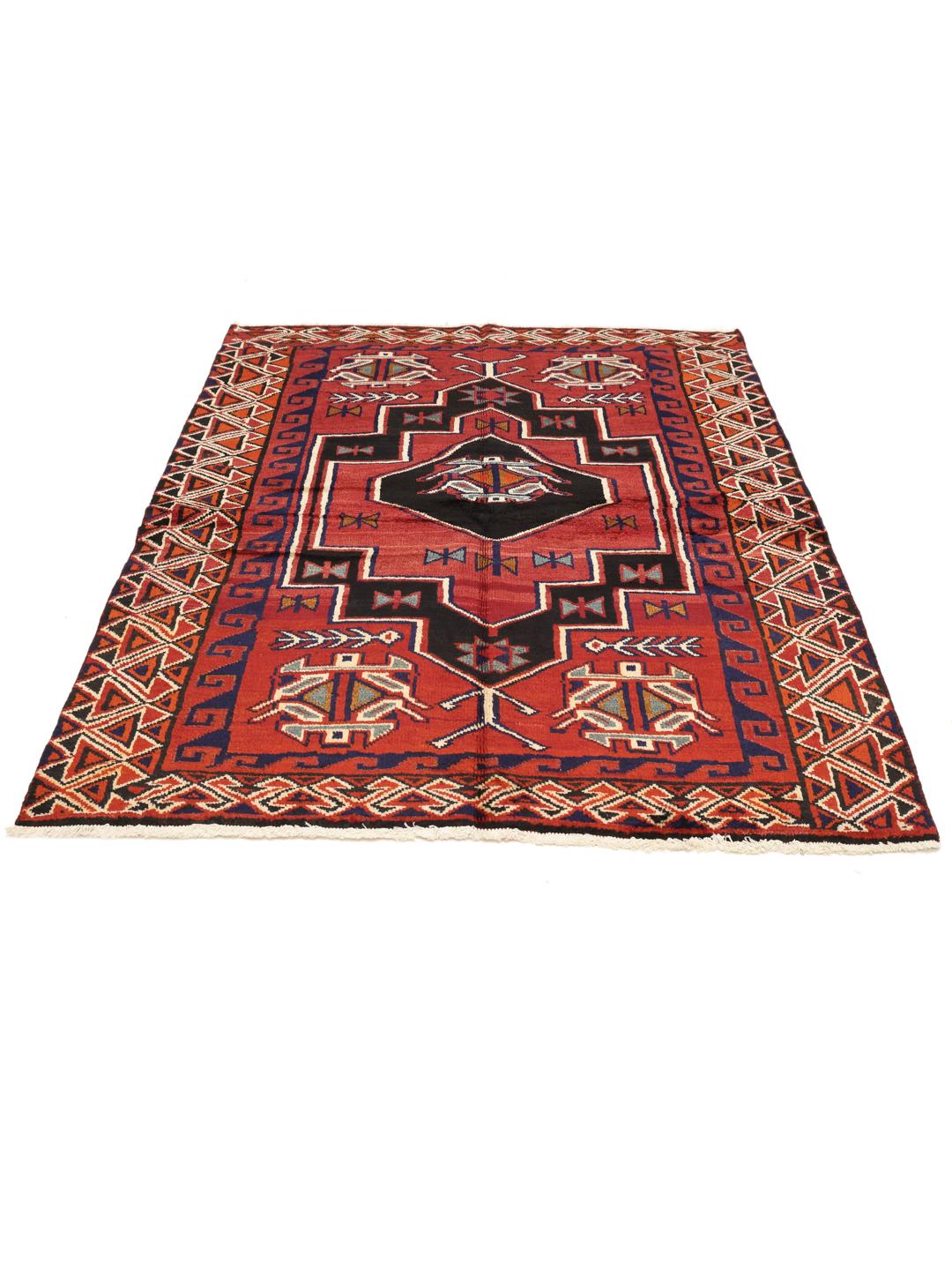
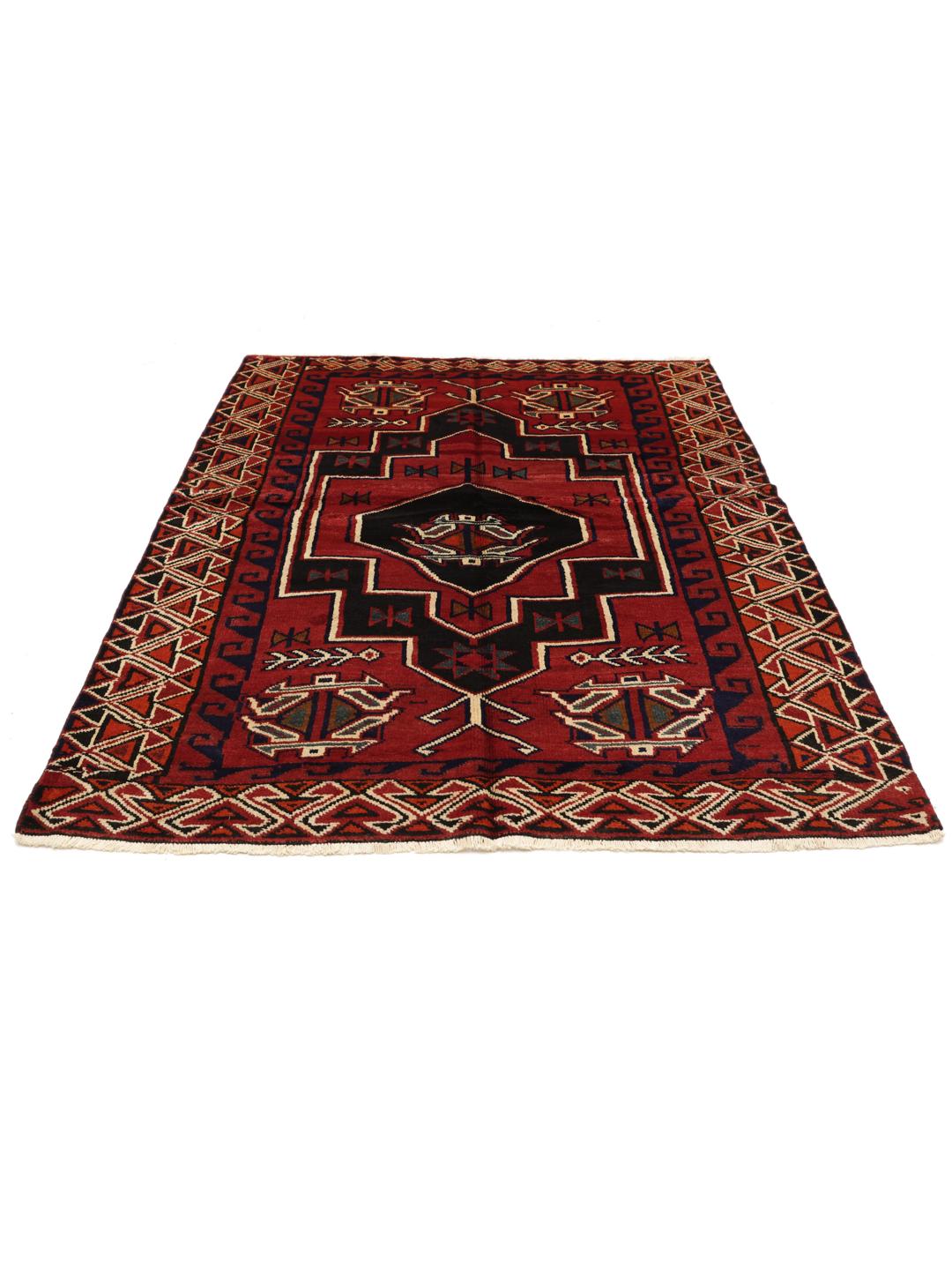
Lori rugs originate from the nomadic tribes of the Middle East, specifically the Lur people who have inhabited the mountainous regions for centuries. These rugs are deeply rooted in the cultural identity of the region, serving as both functional floor coverings and expressions of tribal heritage and personal storytelling.
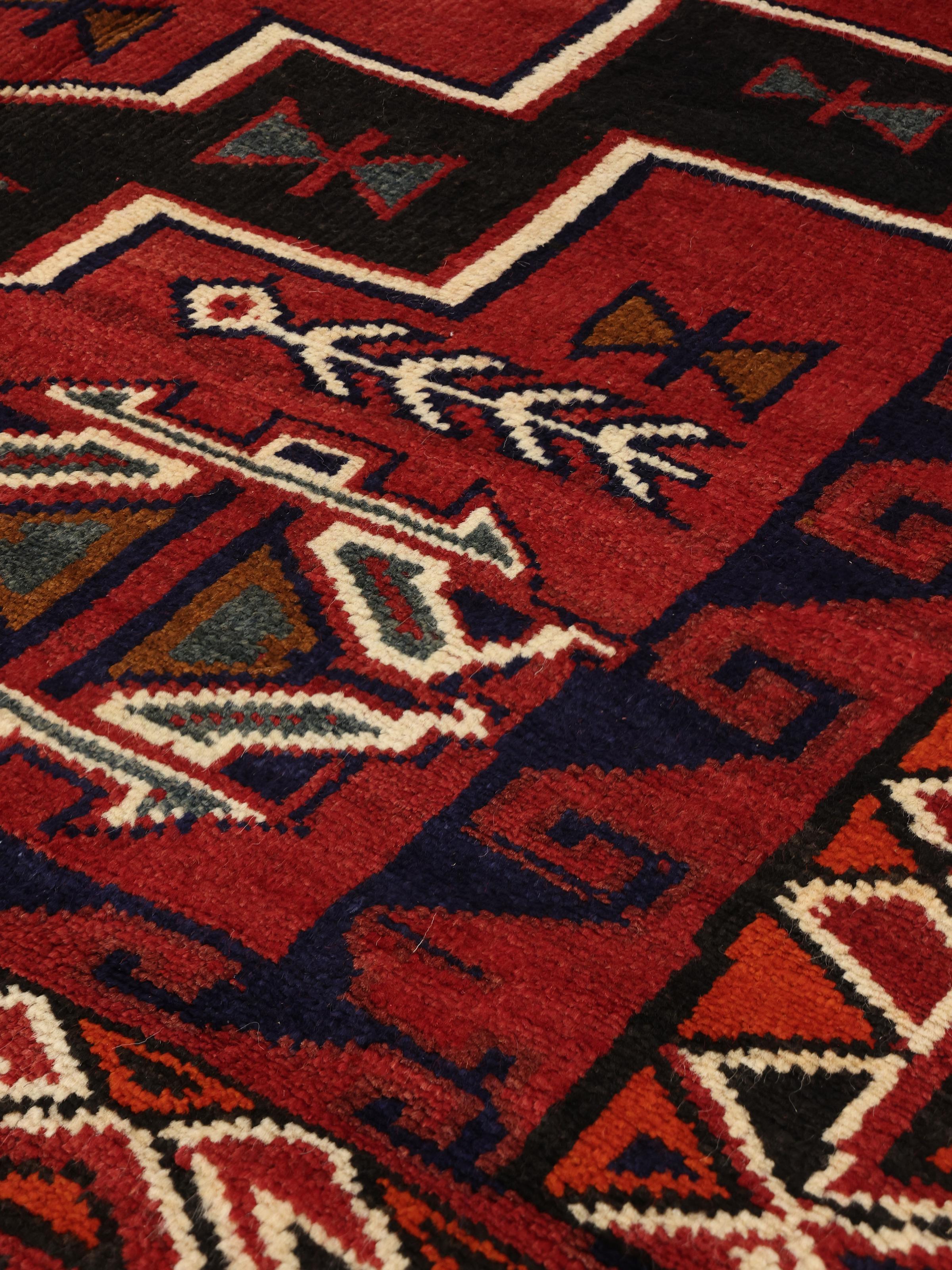
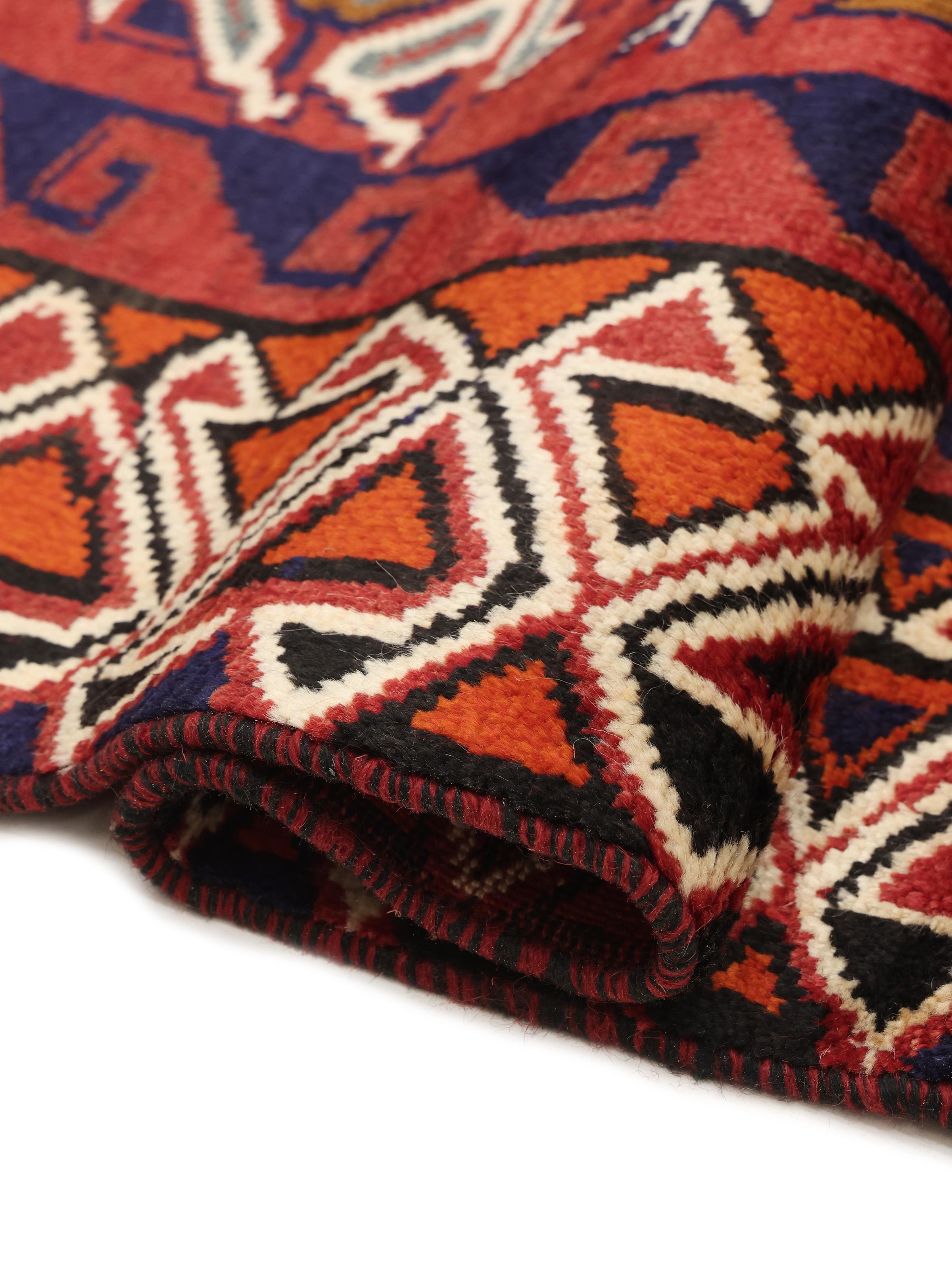
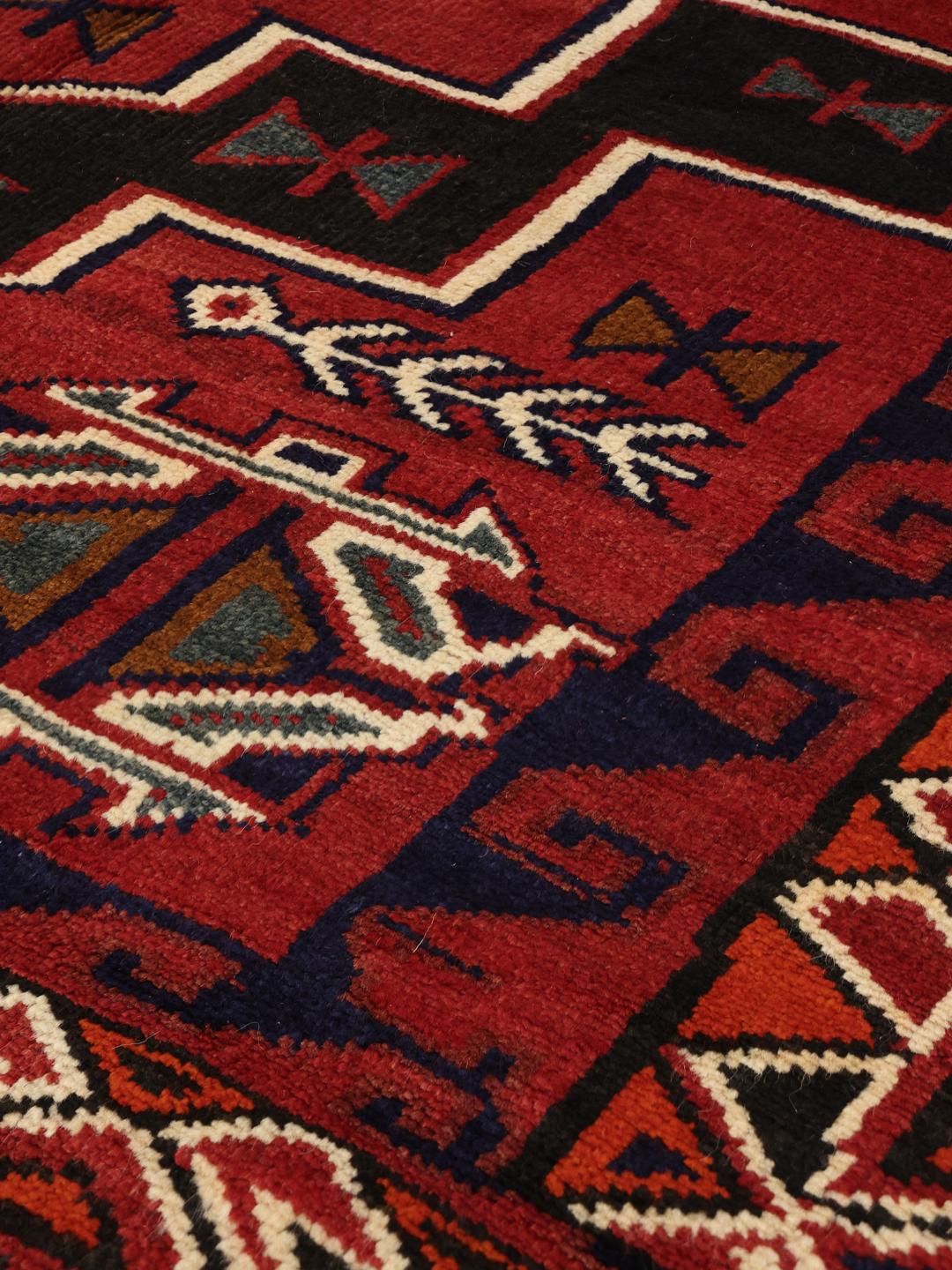
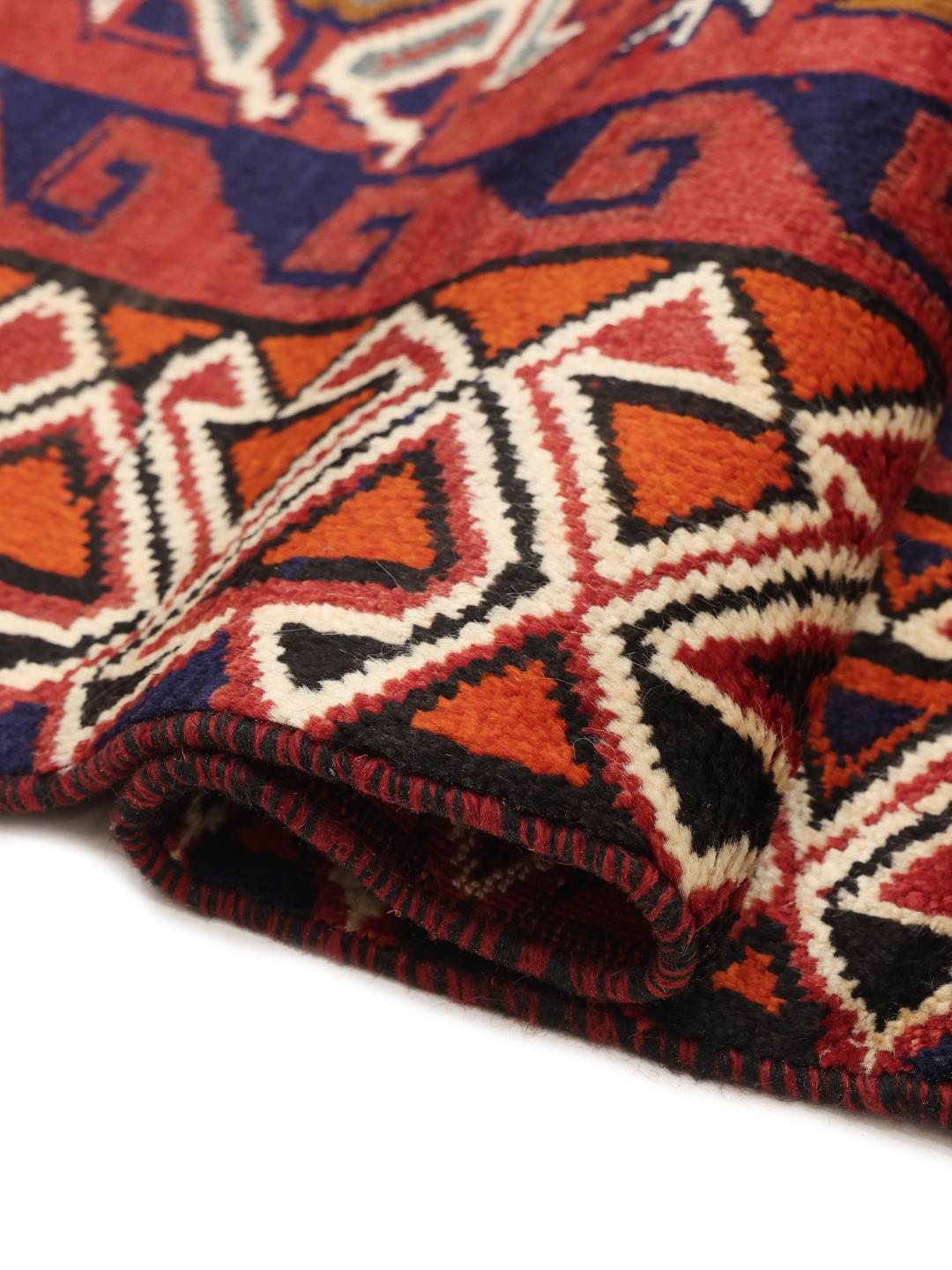
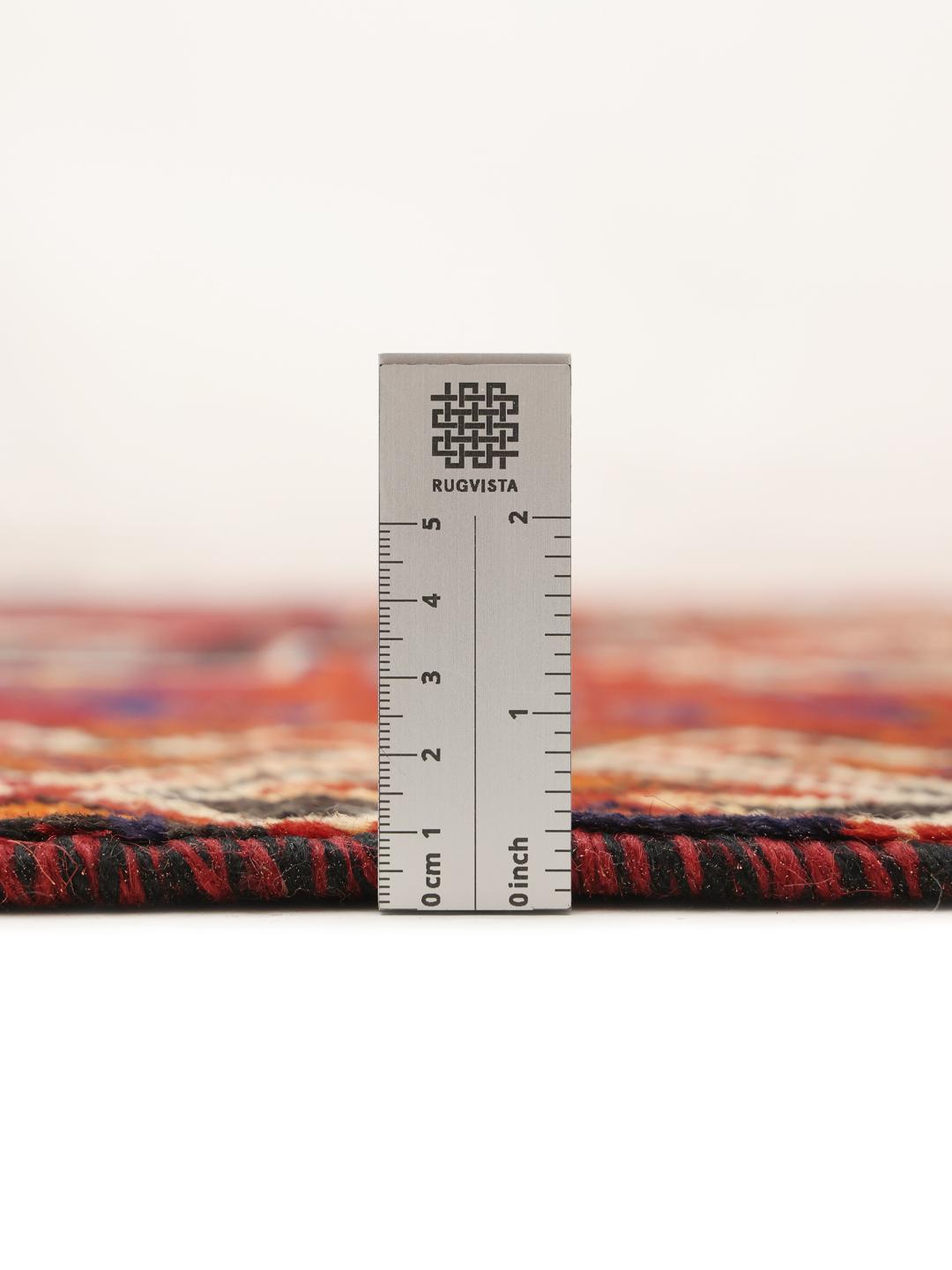
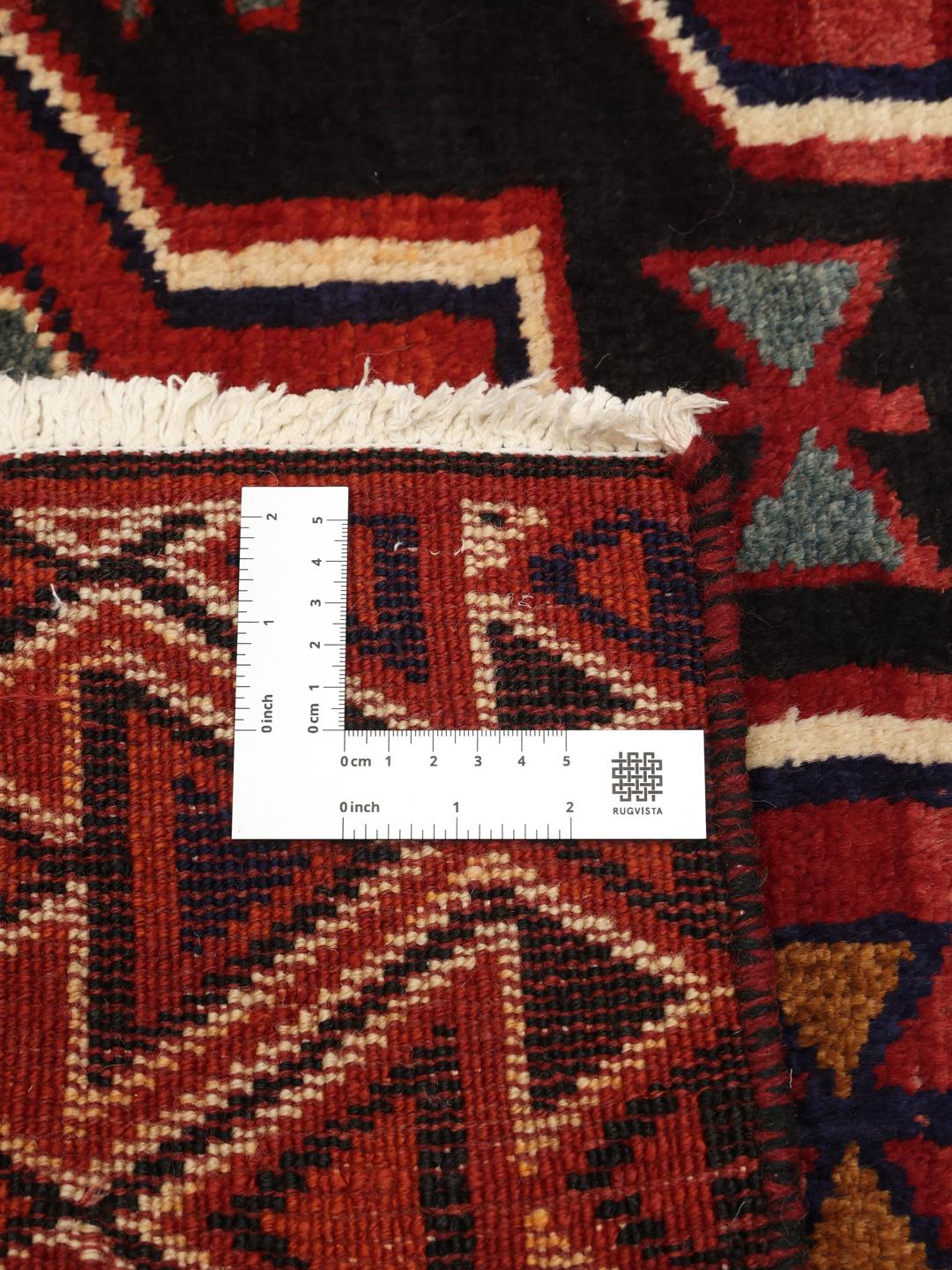
The craft of these rugs is defined by a deep respect for natural materials and traditional tools. Using wool sourced from local flocks, the weavers create a pile that is known for its durability and natural lustre. The process of hand-knotting is a legacy passed down through generations, where the specific tension and rhythm of the weave are essential to the final quality of the rug.
Visually, Lori rugs are celebrated for their bold, geometric language. You will often see large, simplified medallions and angular motifs that reflect the rugged landscape of their origin. The use of deep red, black, and indigo is traditional, often achieved through natural dyes that mellow beautifully with age, giving each rug a distinct, lived-in aesthetic.
Today, these rugs are highly sought after by collectors who value the authenticity and the human story woven into every piece. Owning a Lori rug is an opportunity to preserve a piece of nomadic history, bringing a sense of grounded, enduring craft into a modern home.