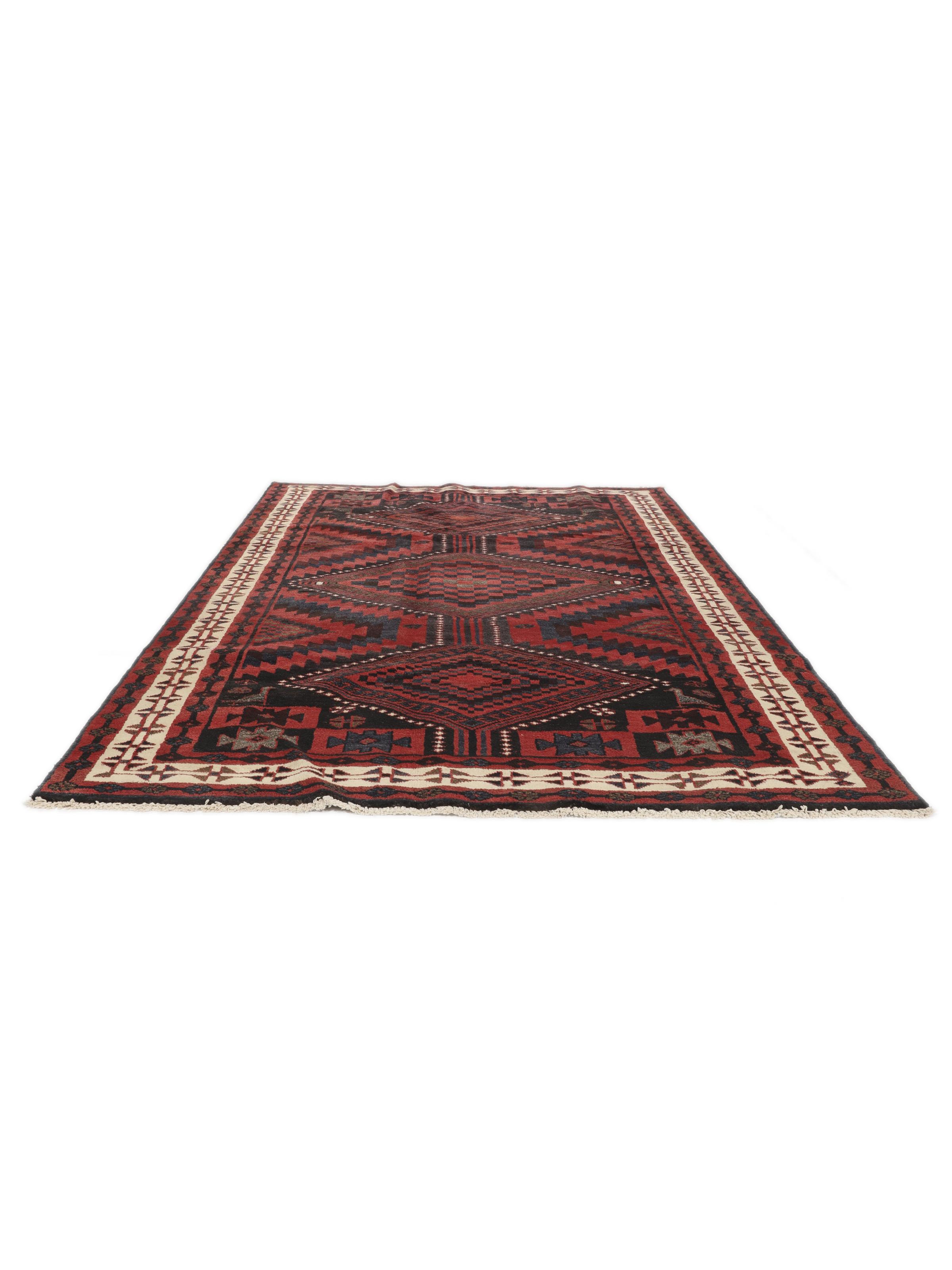
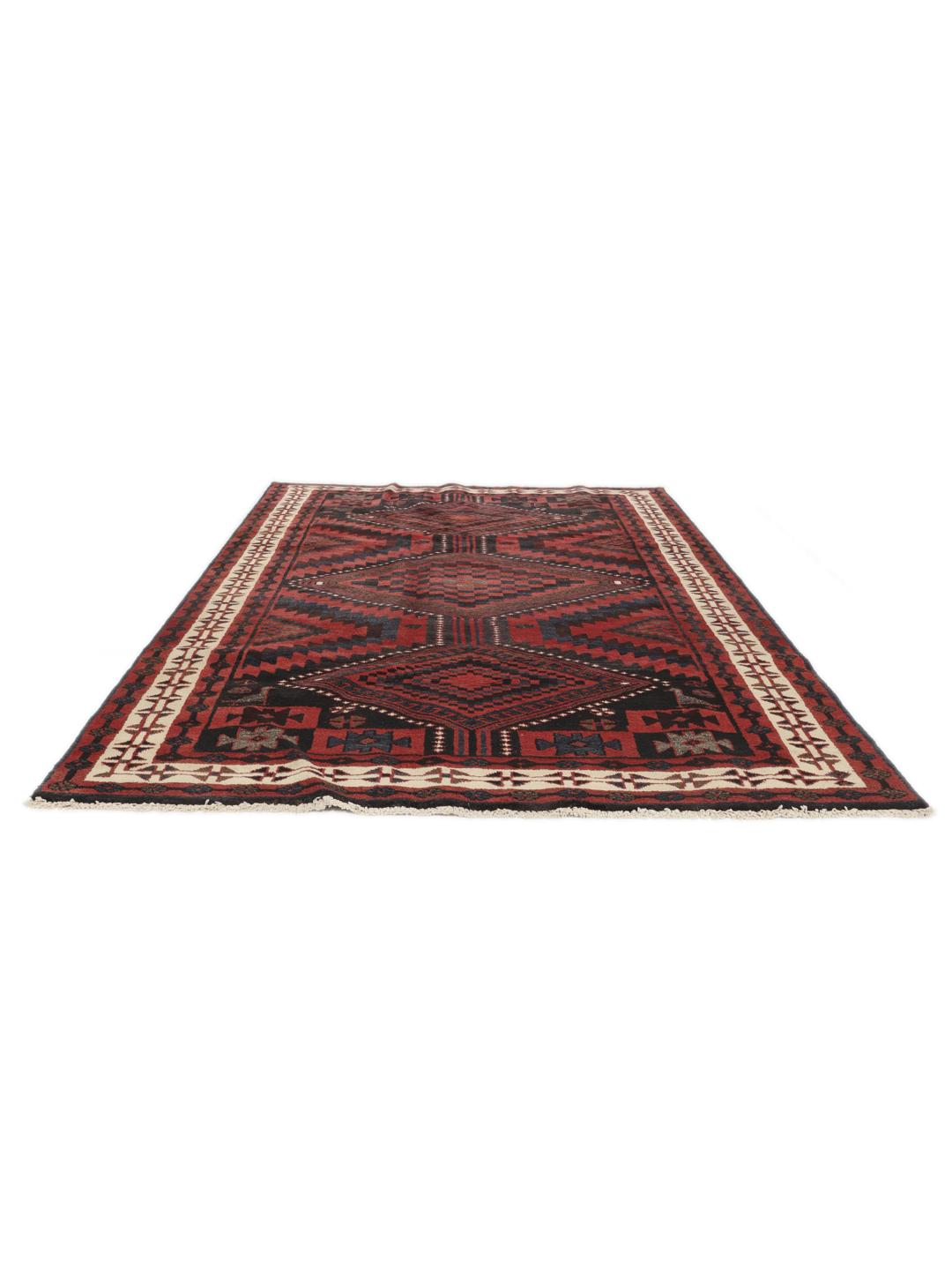
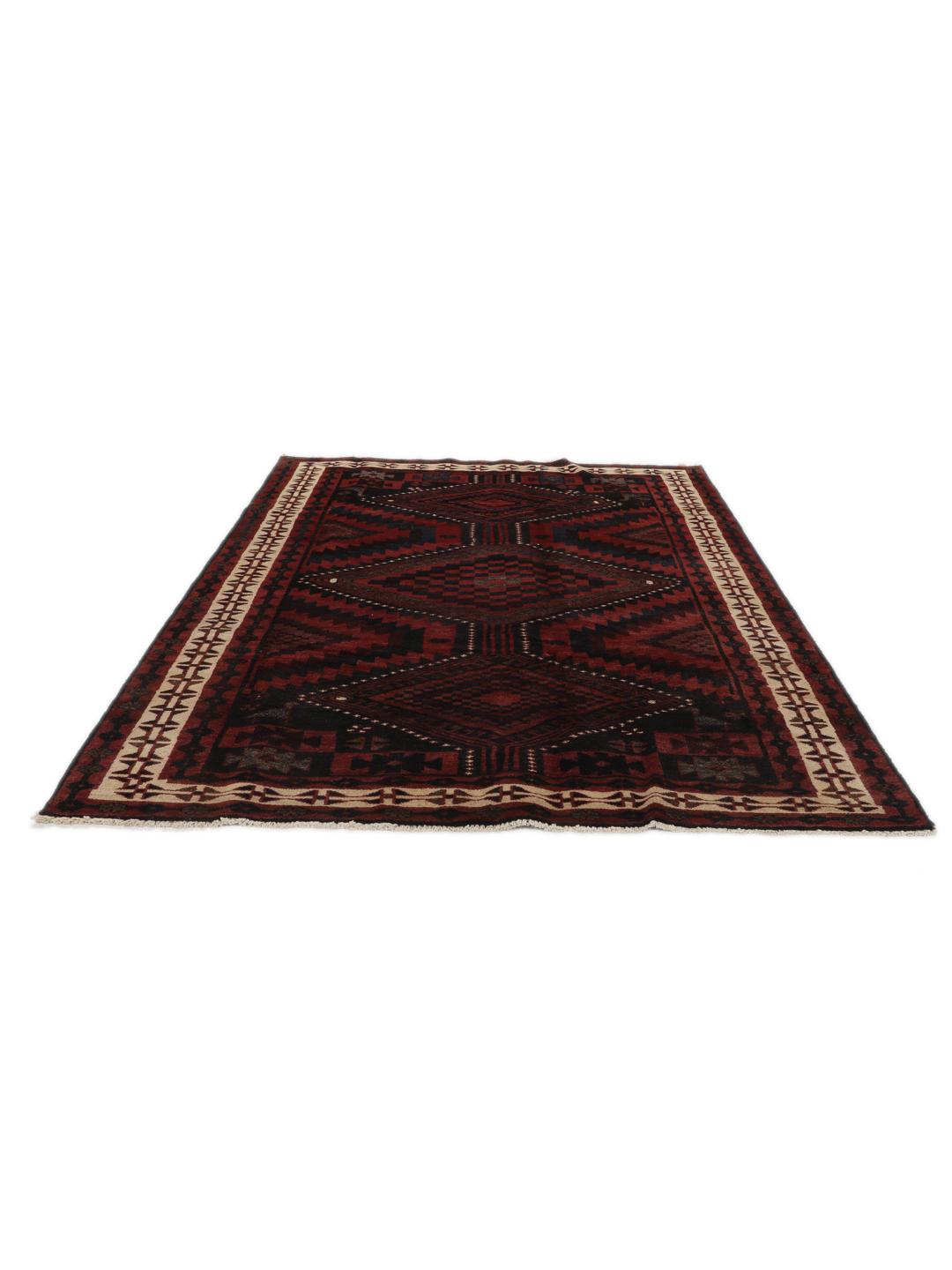
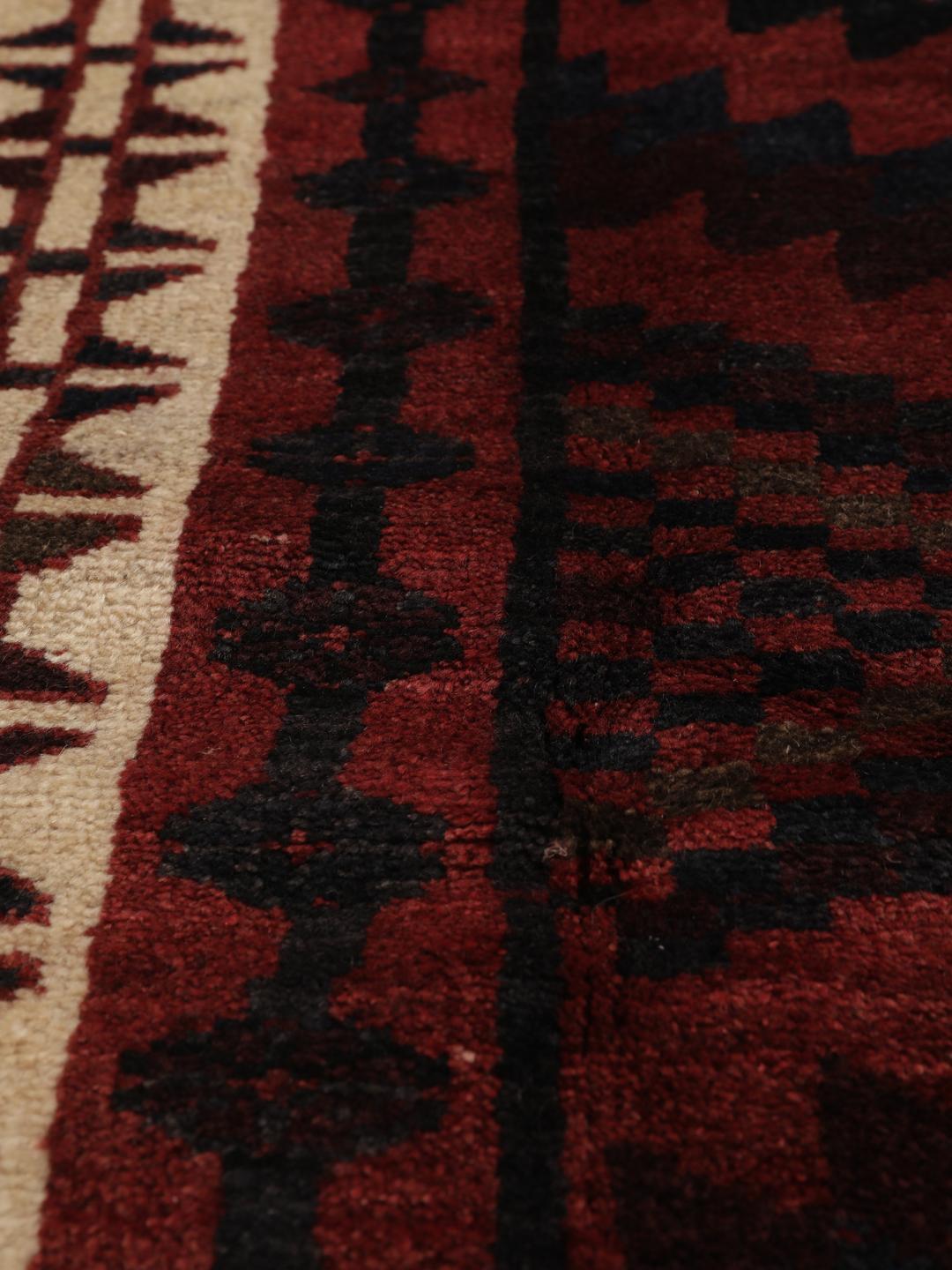
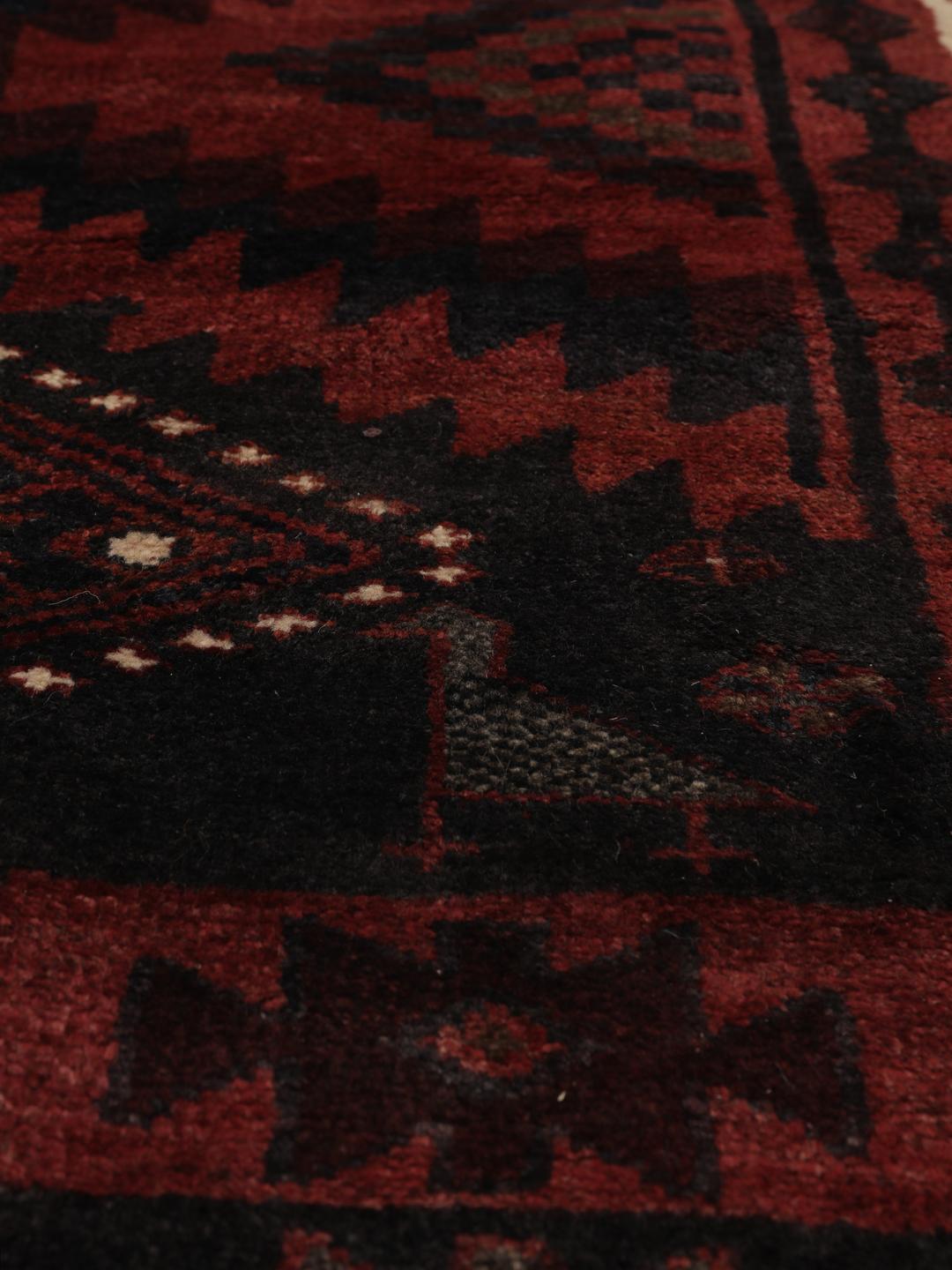
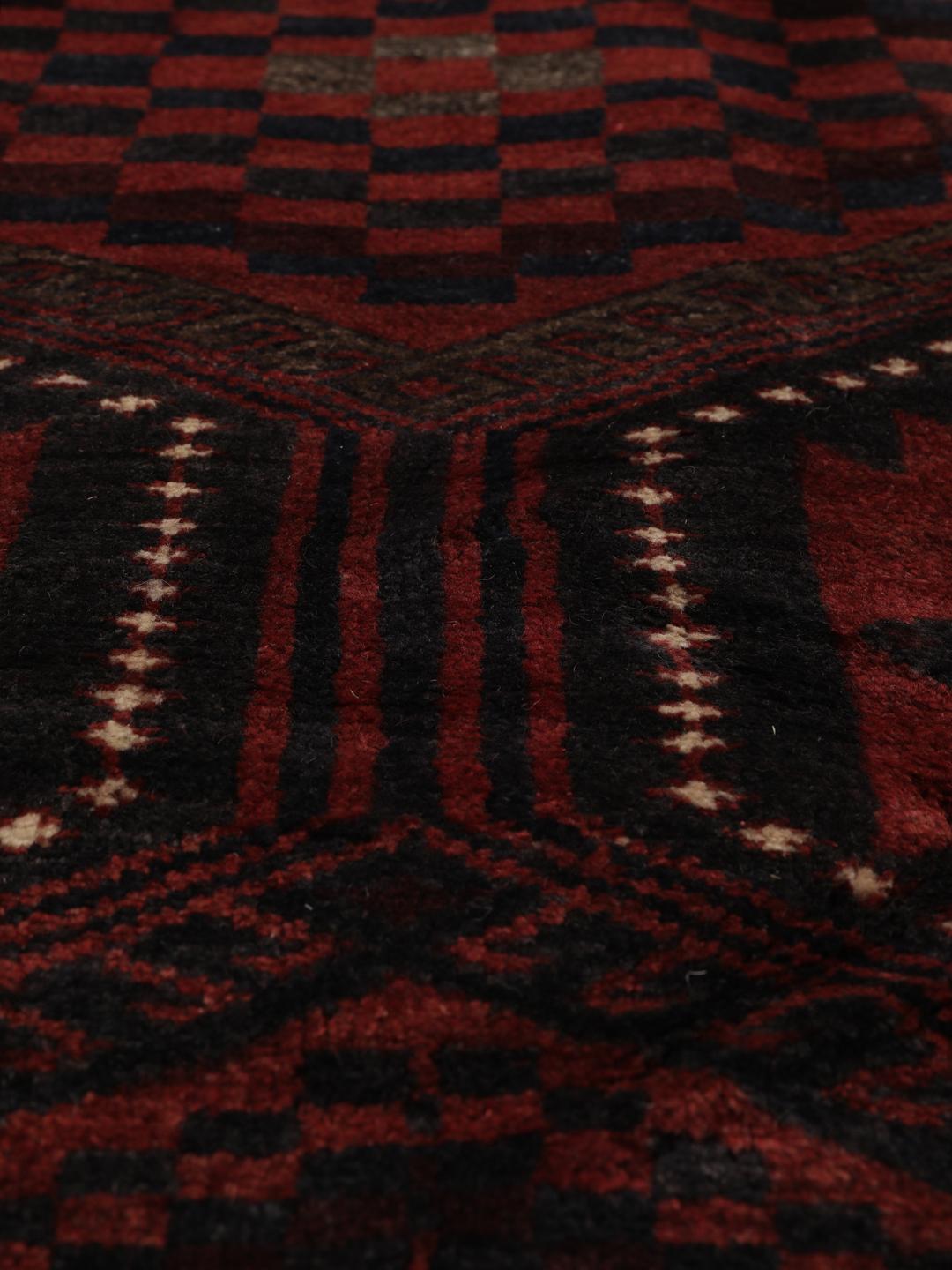
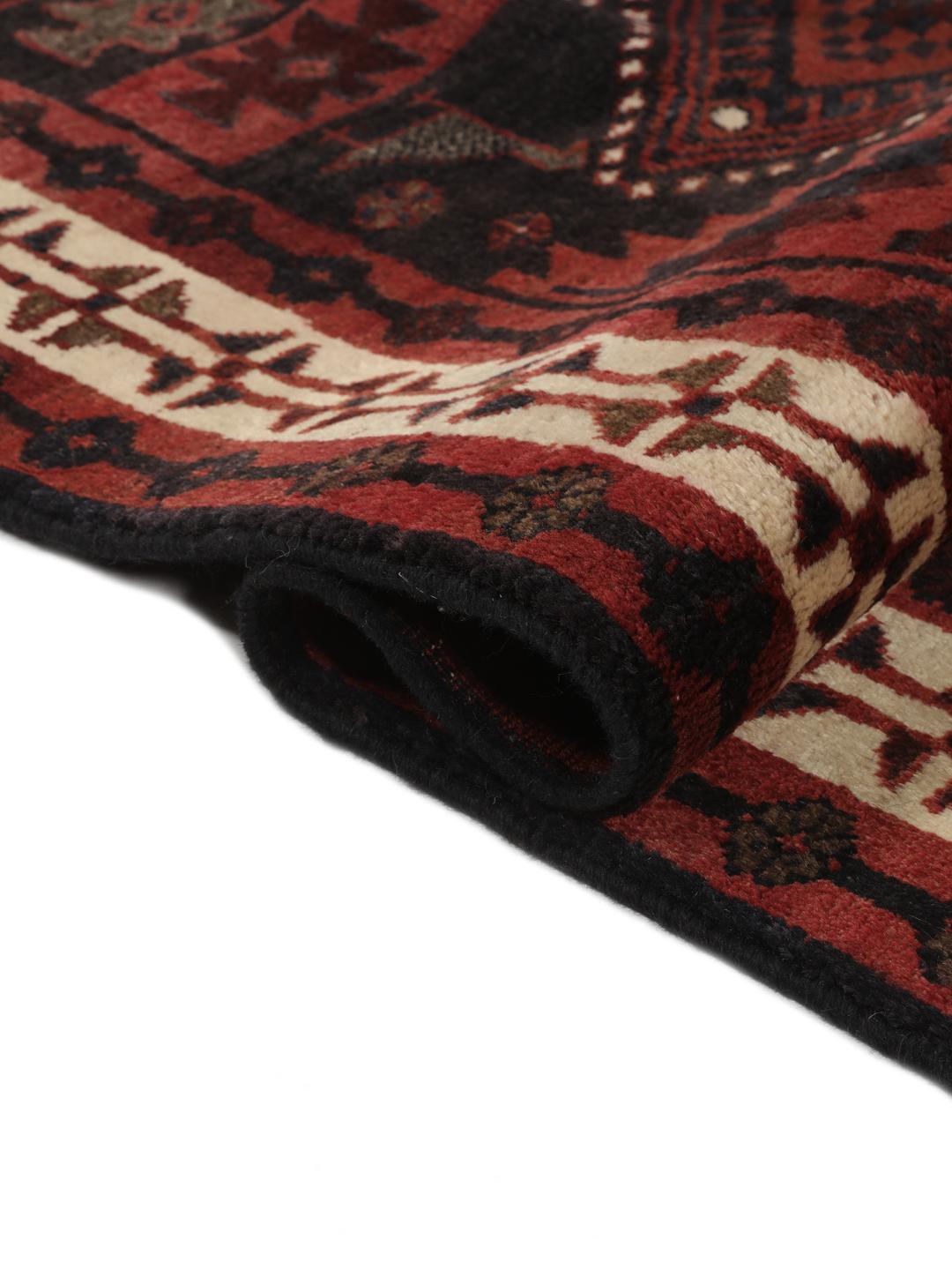
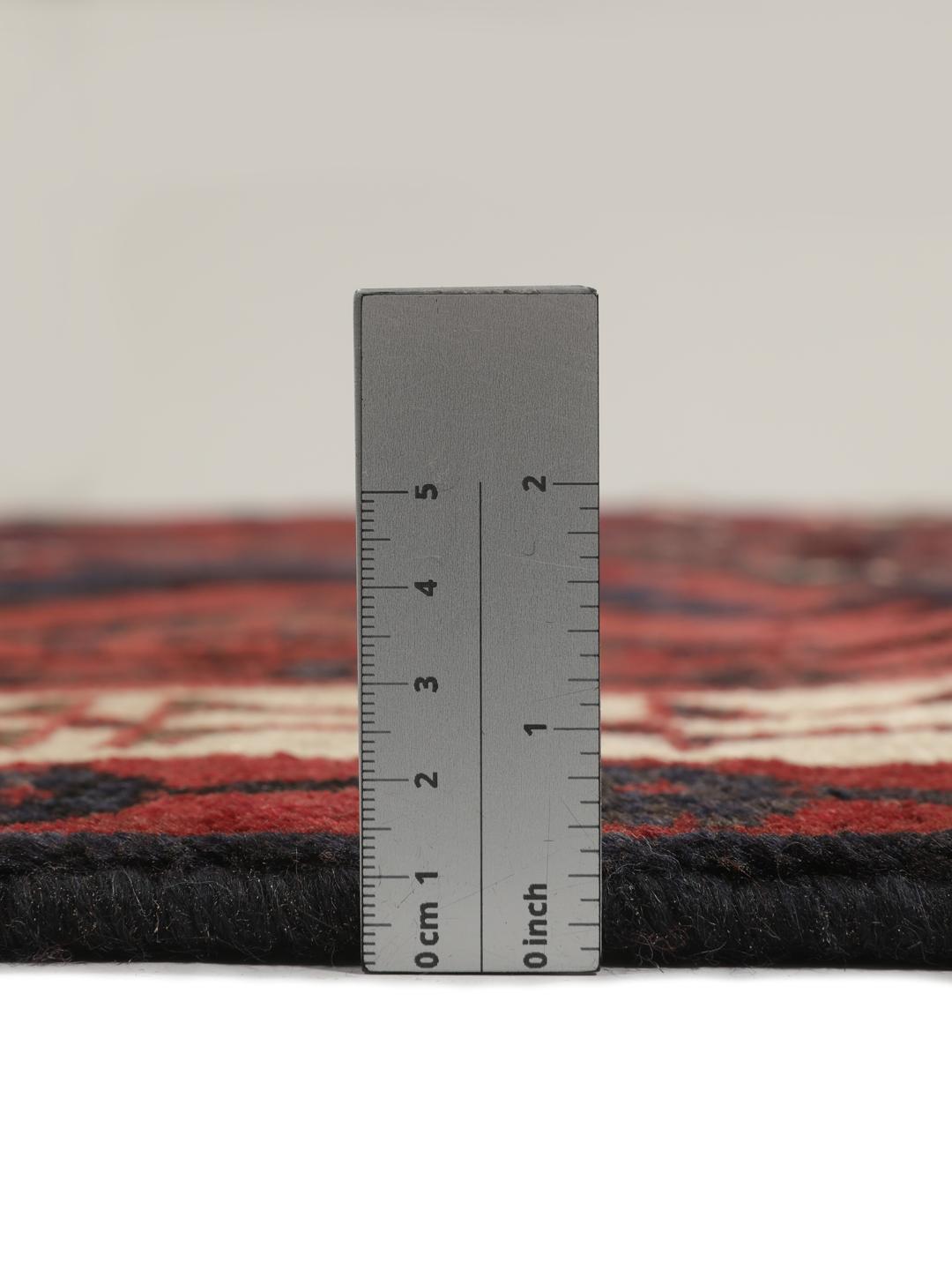
The Lori rugs originate from the mountainous regions of the Middle East, traditionally woven by the Luri people. These nomadic and semi-nomadic tribes have long been recognised for their distinct approach to textile arts, often drawing inspiration from the rugged landscapes and the cultural heritage of their ancestral lands.
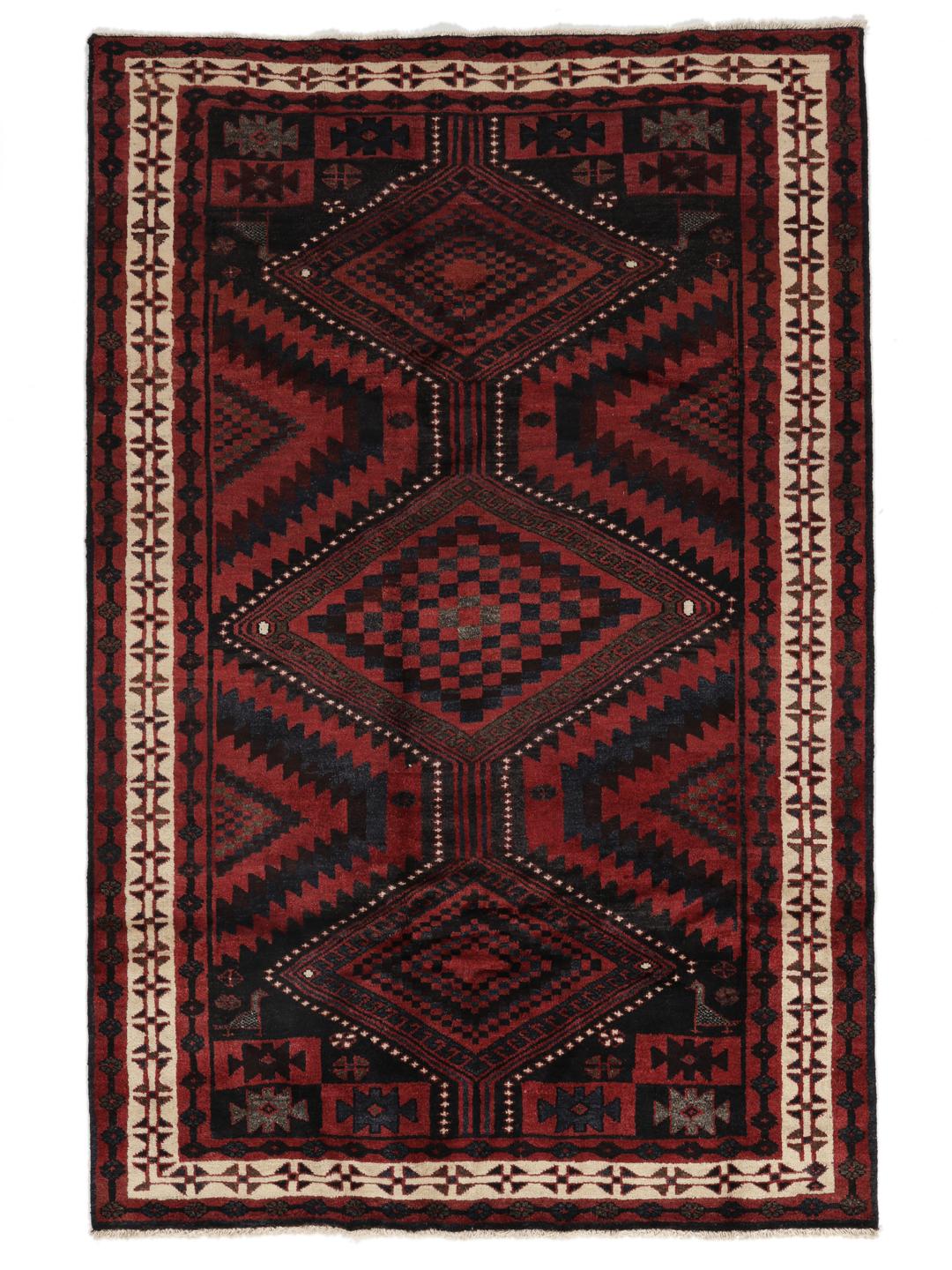
In the world of hand-knotted rugs, the term Lori refers to a specific design language that prioritises bold, abstract, and geometric forms. Unlike the highly detailed floral patterns found in urban workshop rugs, these pieces often feature large-scale medallions and simplified motifs that reflect the direct, expressive nature of tribal weaving techniques.
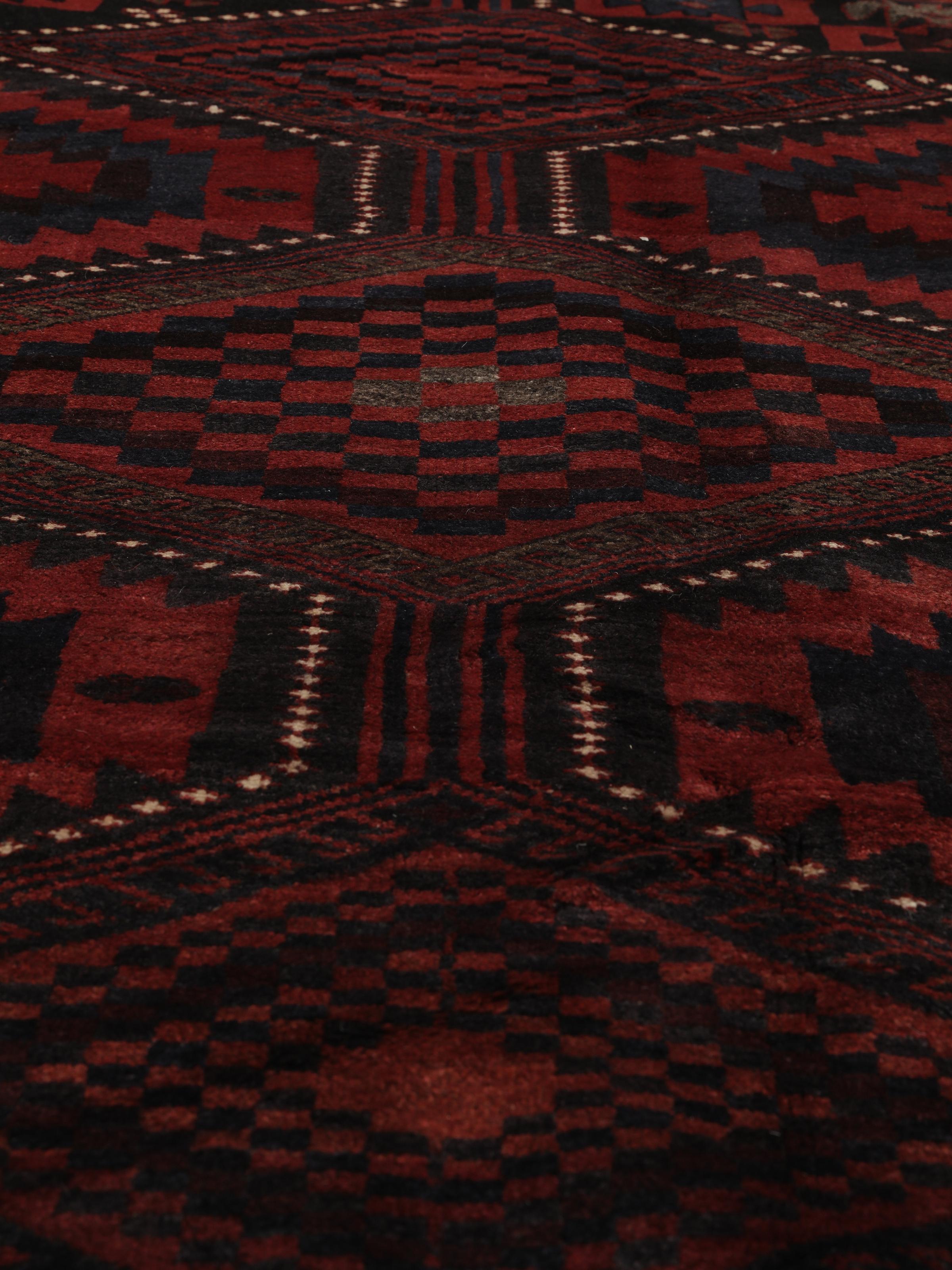
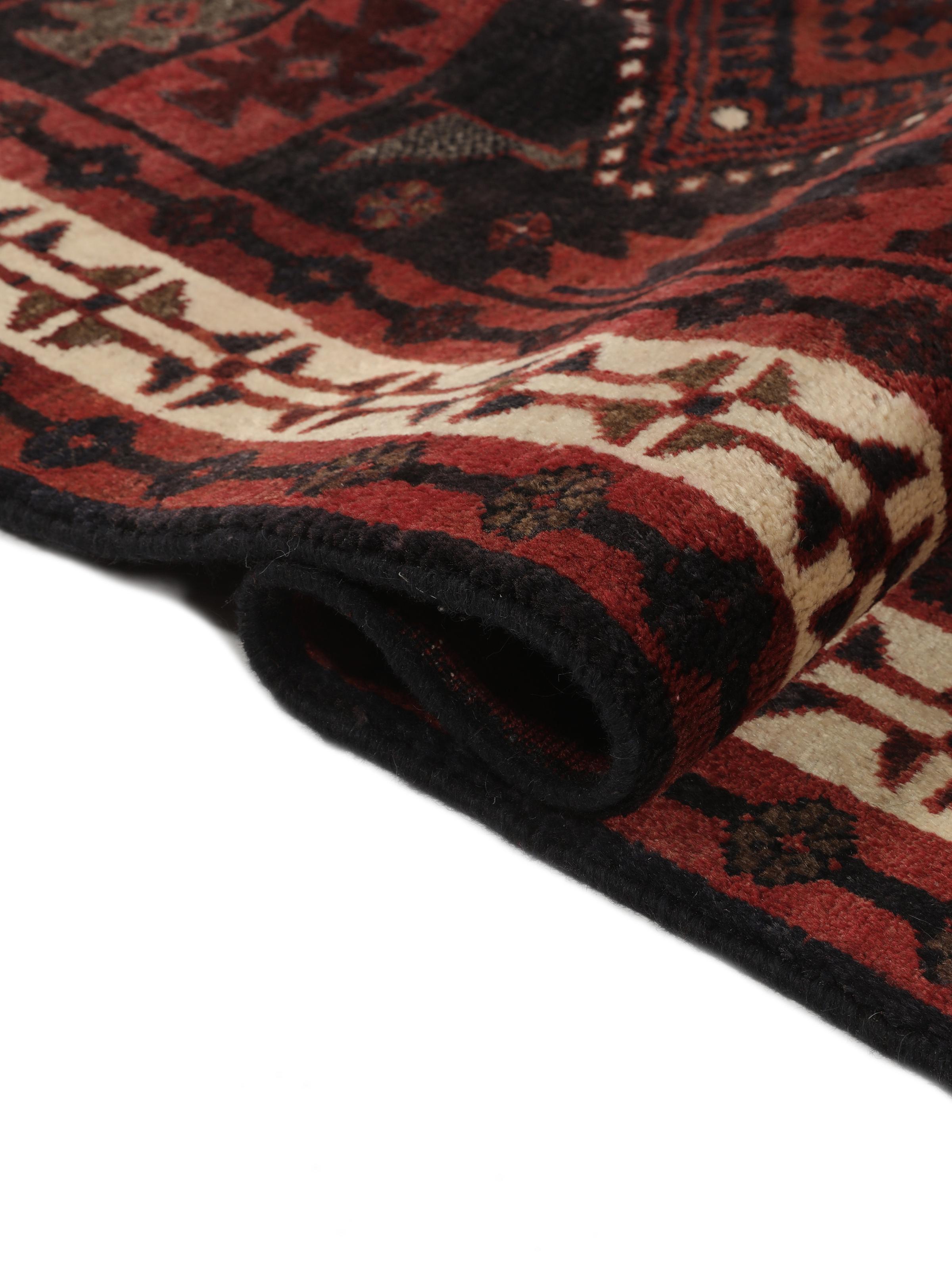
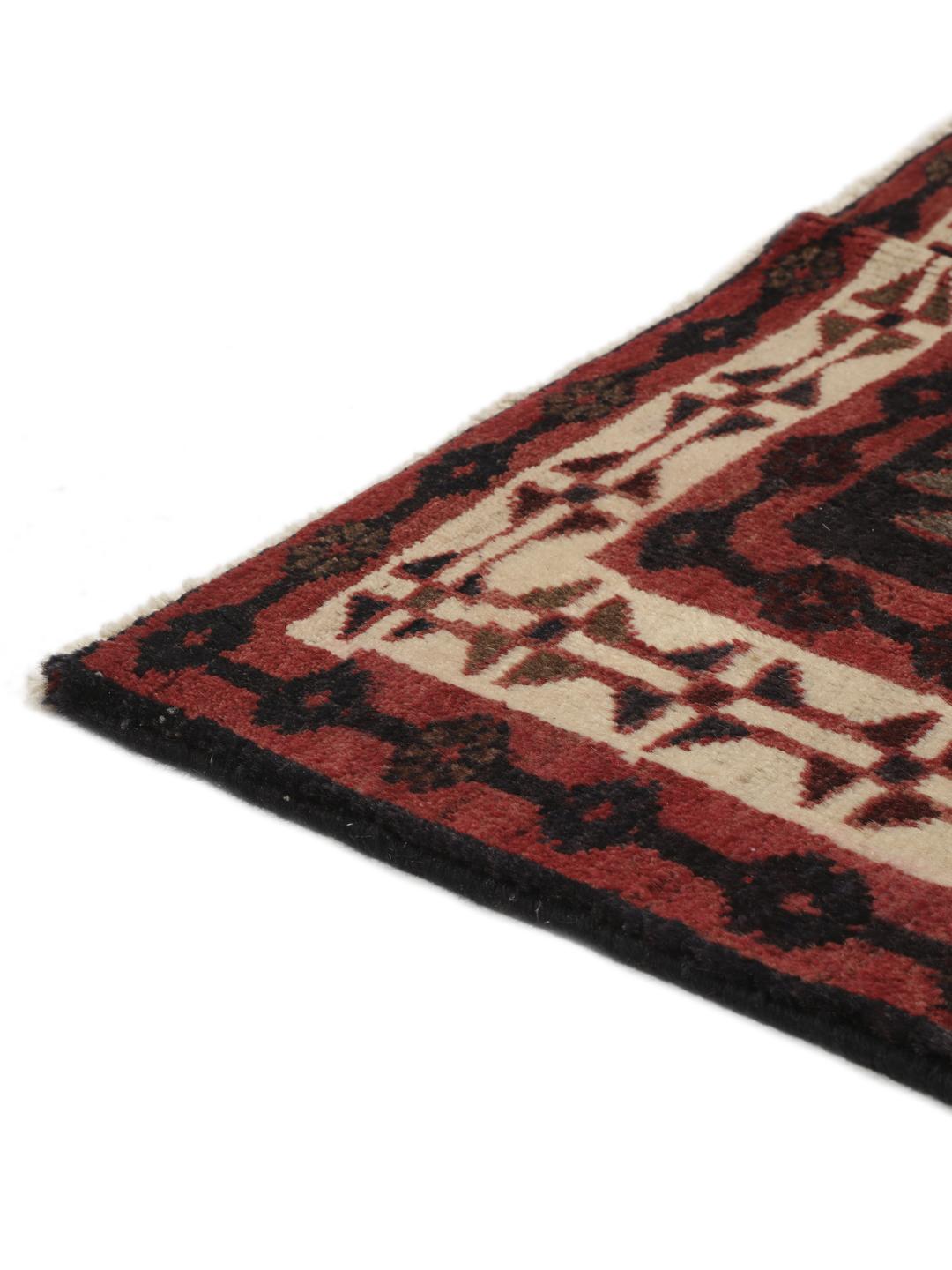
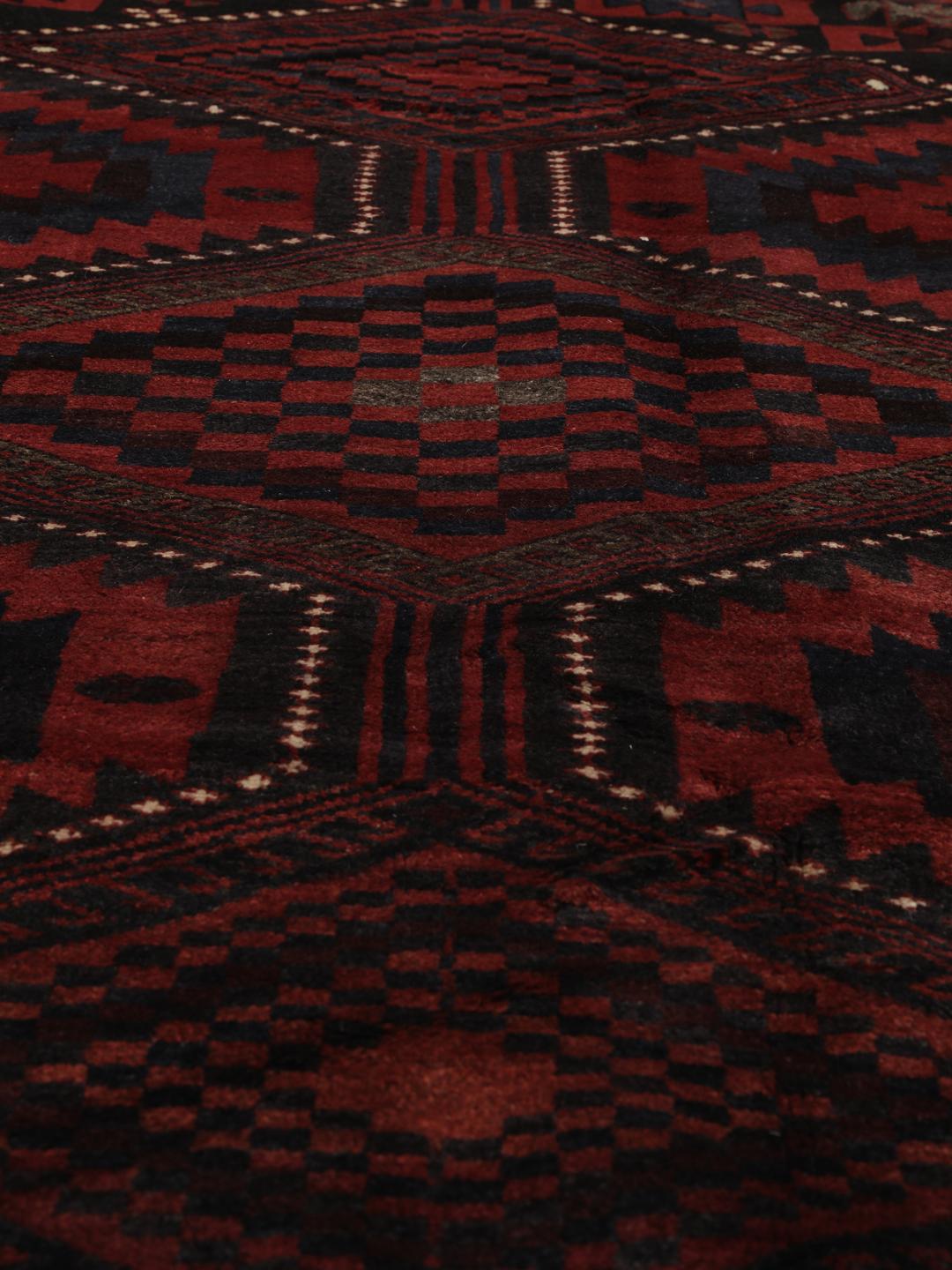
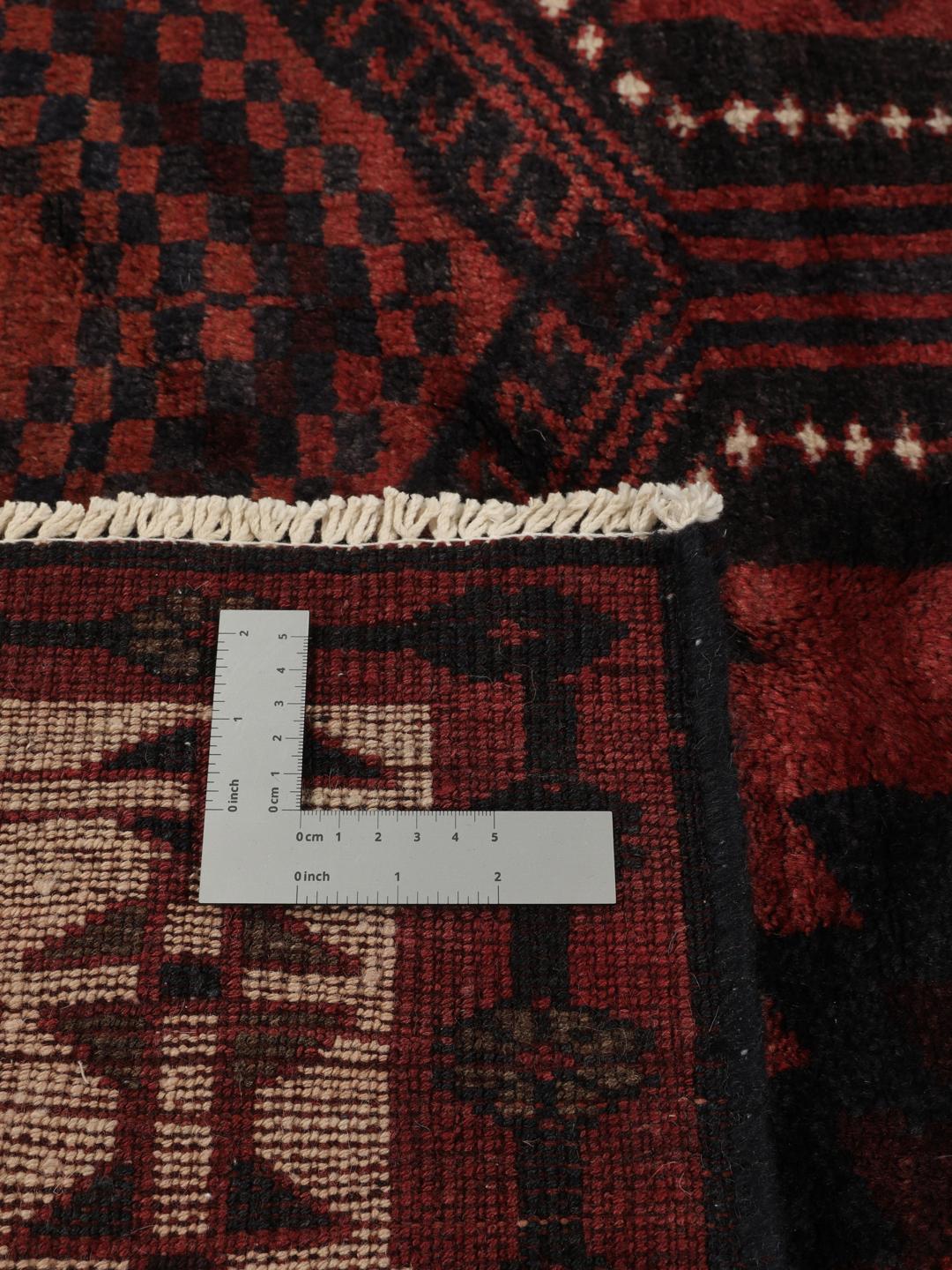
The signature design elements of a Lori rug typically include strong diamond shapes and stepped geometric figures, often arranged in a repeating or mirrored layout. The use of deep, earthy colours, particularly rich reds and blacks, is a hallmark of this tradition. These colours are often derived from natural dyes, contributing to the rug's depth and authentic character.
Collecting a Lori rug is an investment in a storied tradition. These pieces are valued for their cultural weight and the undeniable skill required to produce them without the aid of modern technology. Owning one is a way to preserve a piece of human heritage, providing a tangible connection to the ancient craft of weaving that has been passed down through generations.