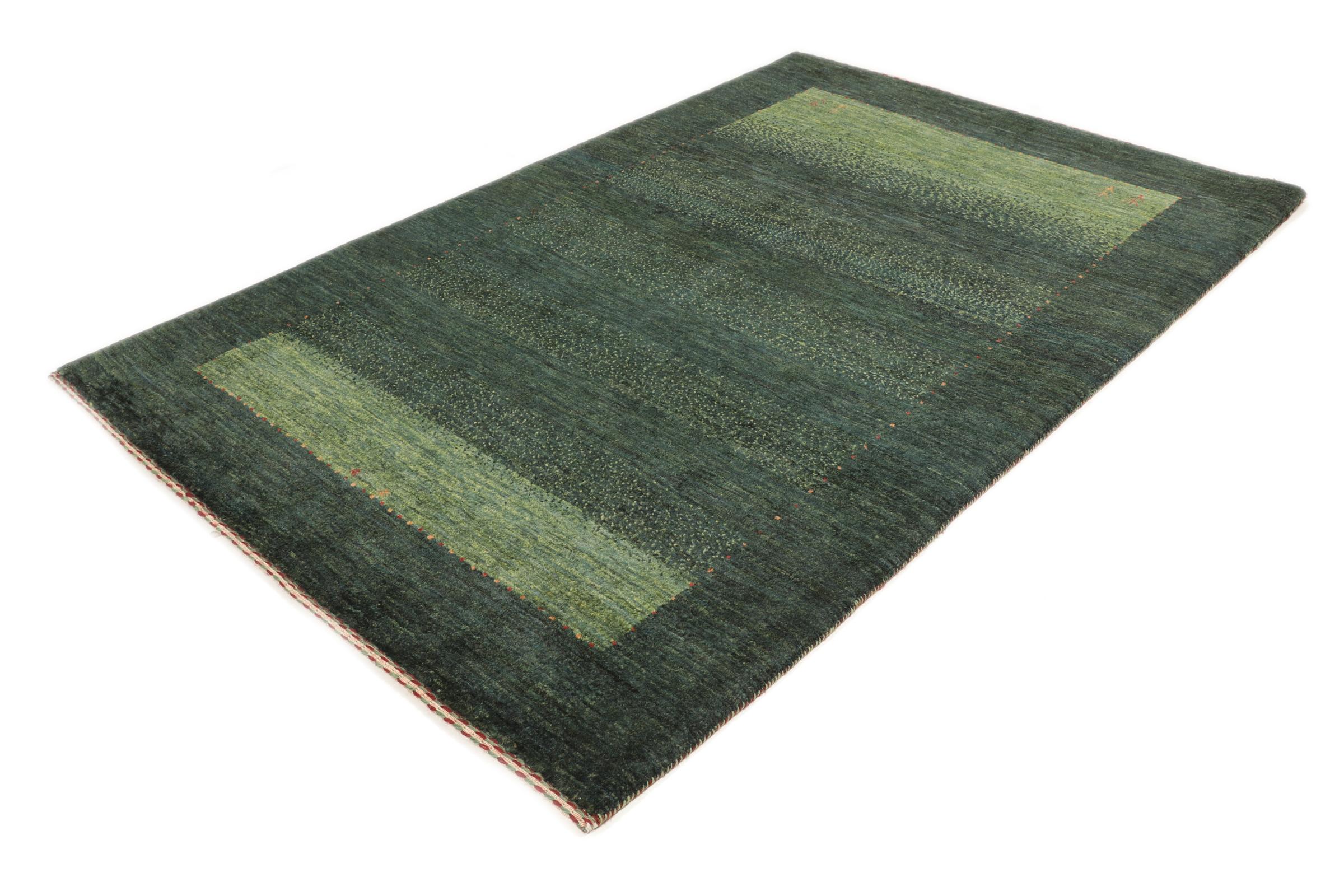
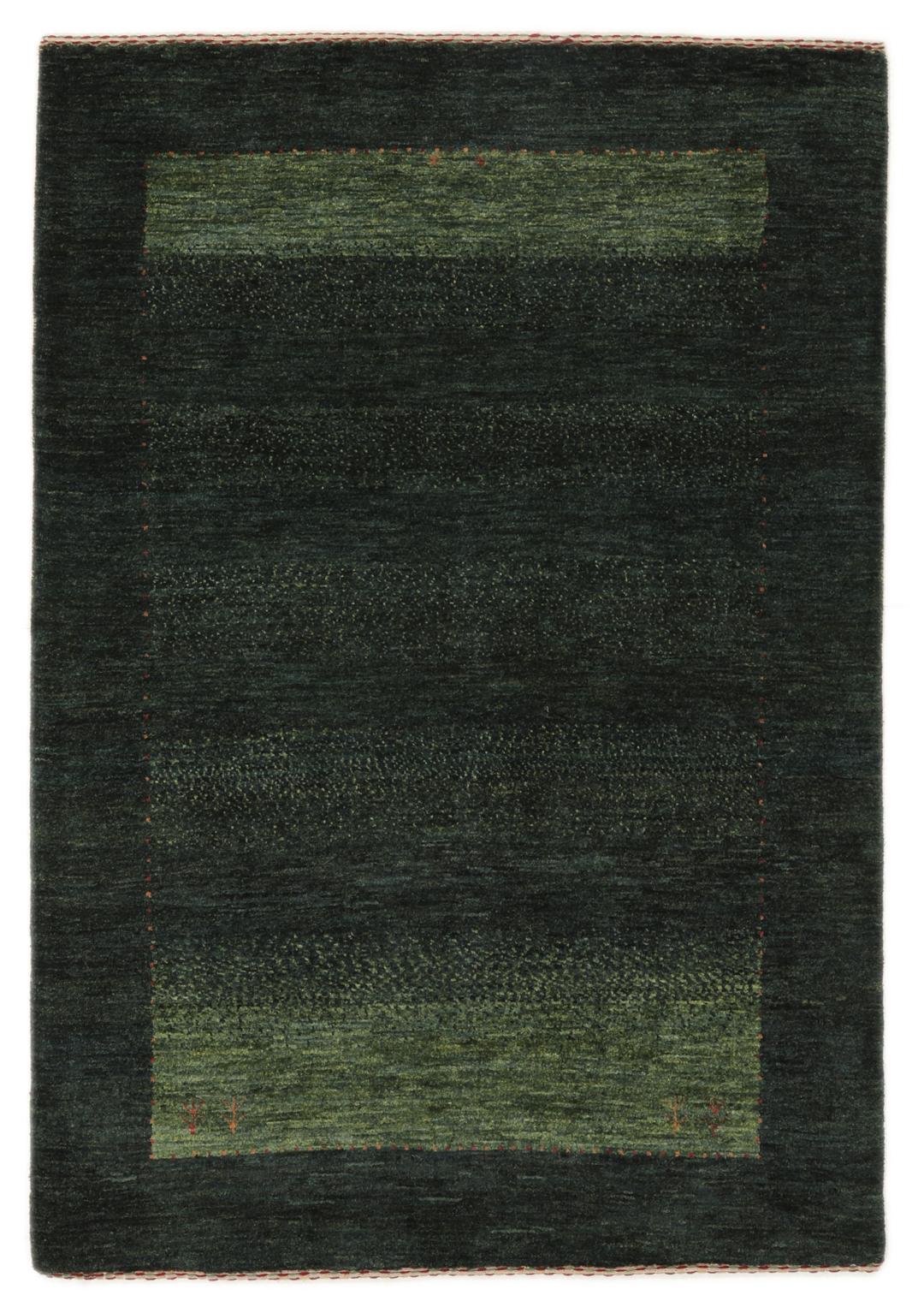
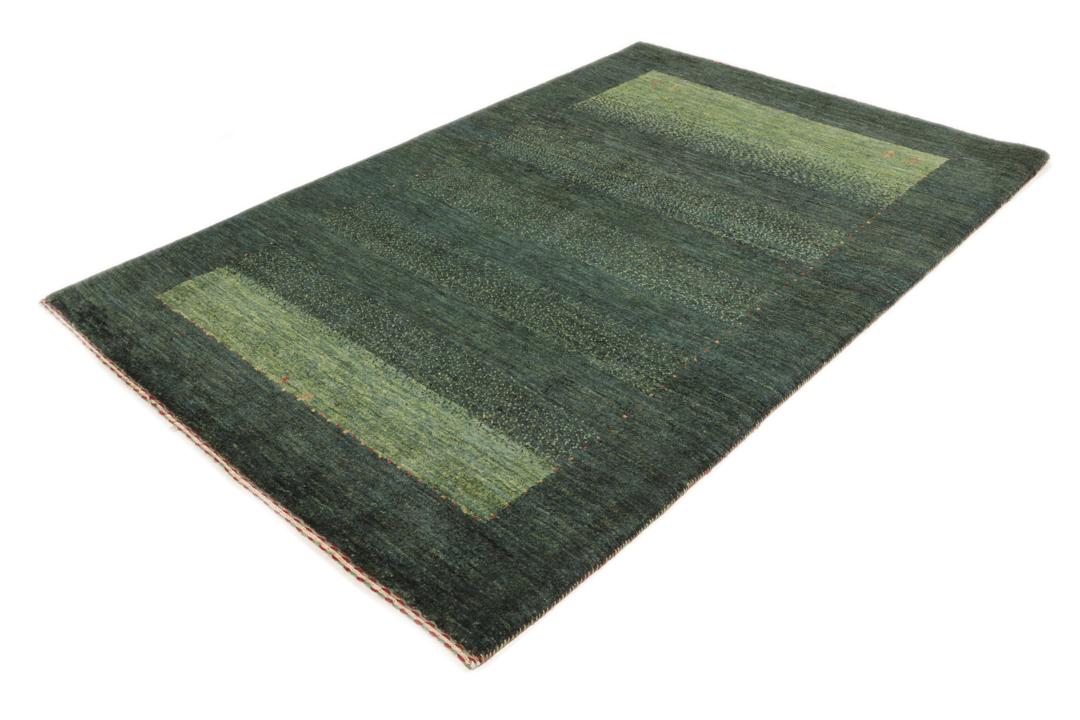
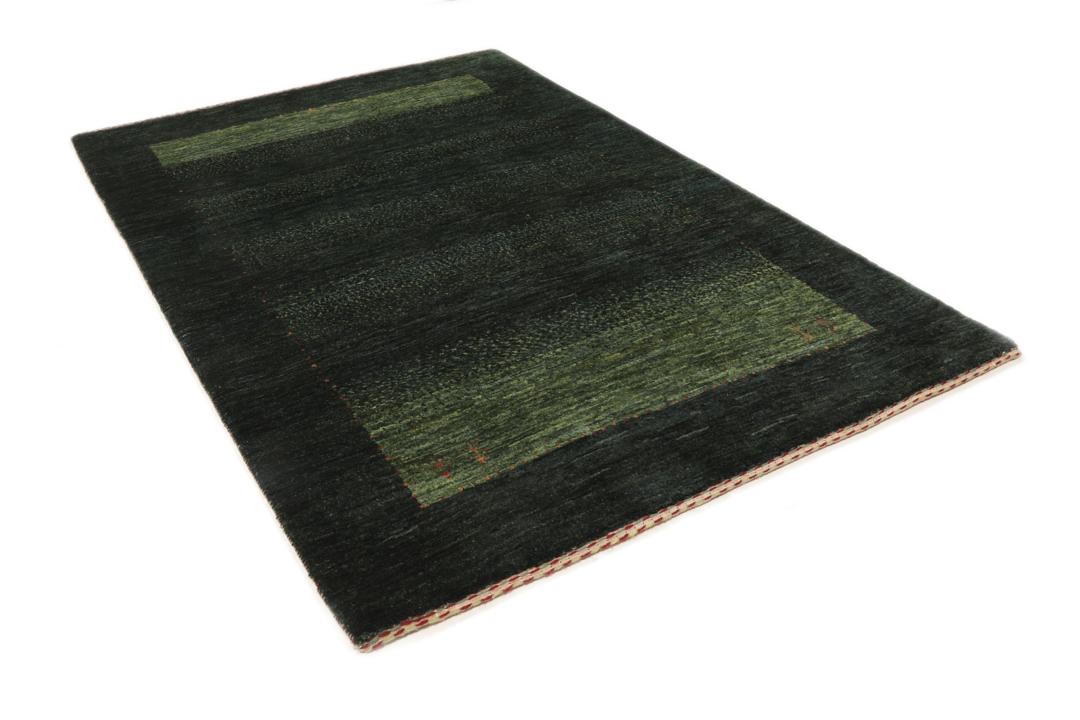
The Loribaft tradition hails from the nomadic tribes of the Middle East, specifically those who have historically moved through the rugged mountainous regions. These rugs were originally created for personal use within tents, serving as essential insulation against the cold ground, which necessitated a thick, durable, and comfortable construction.
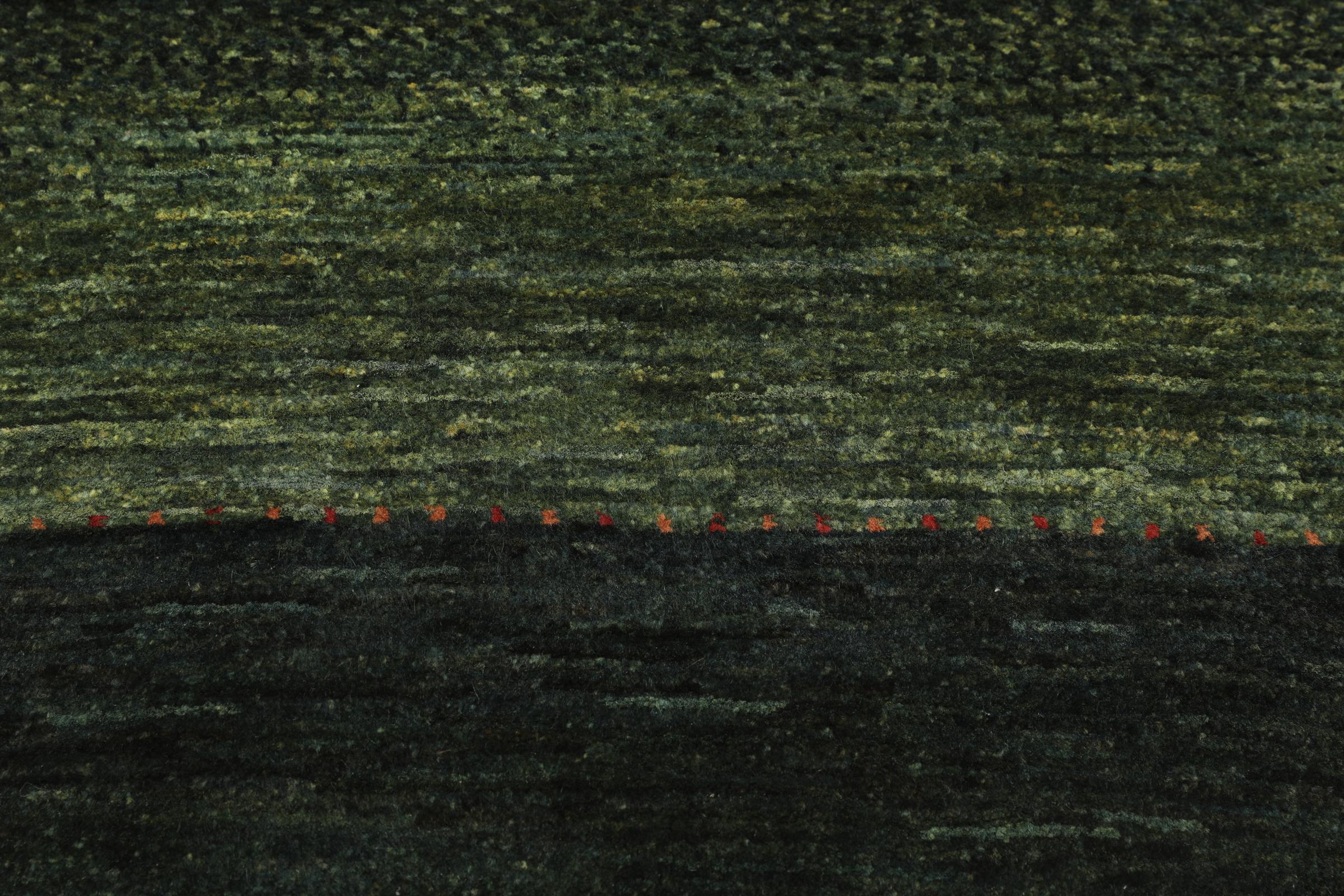
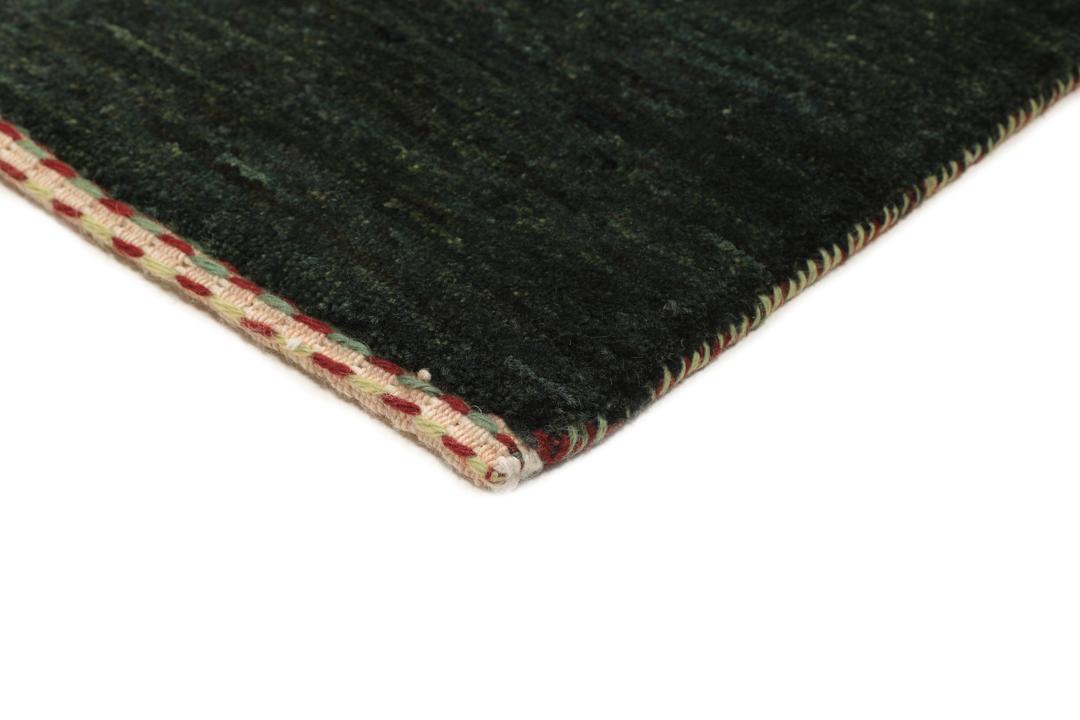
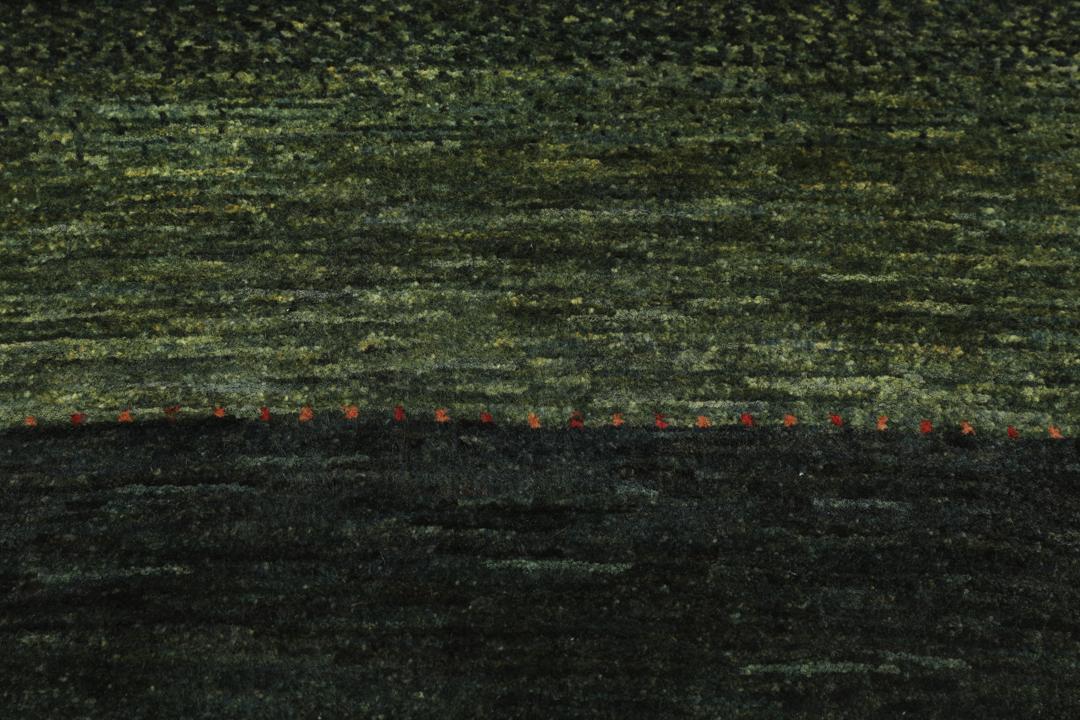
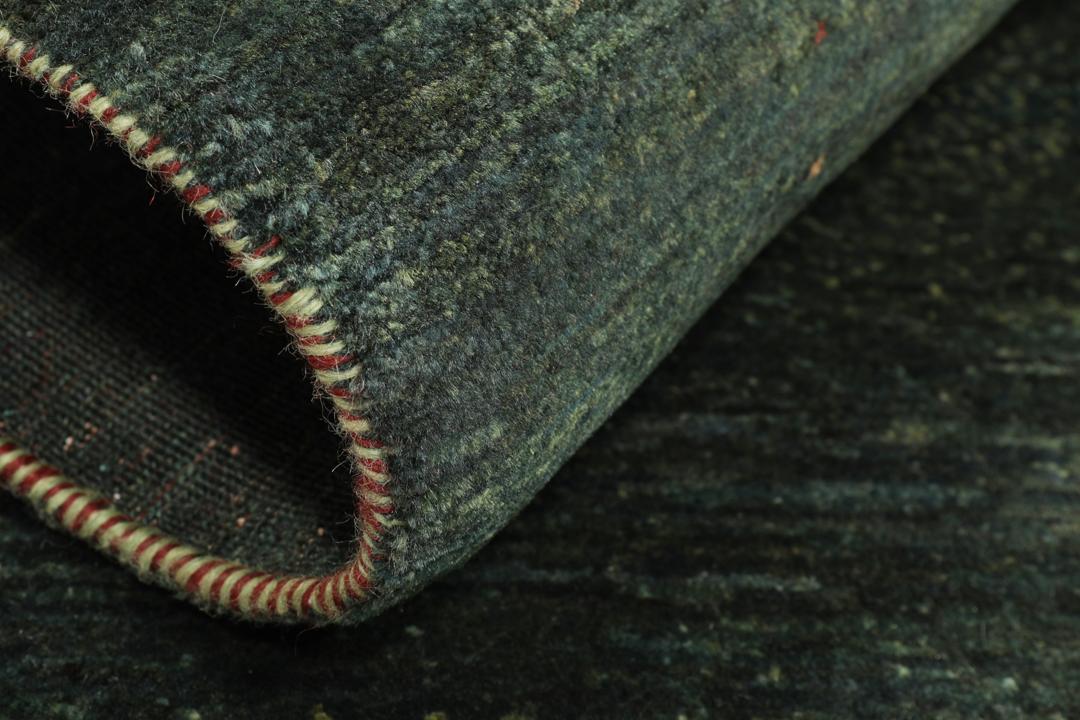
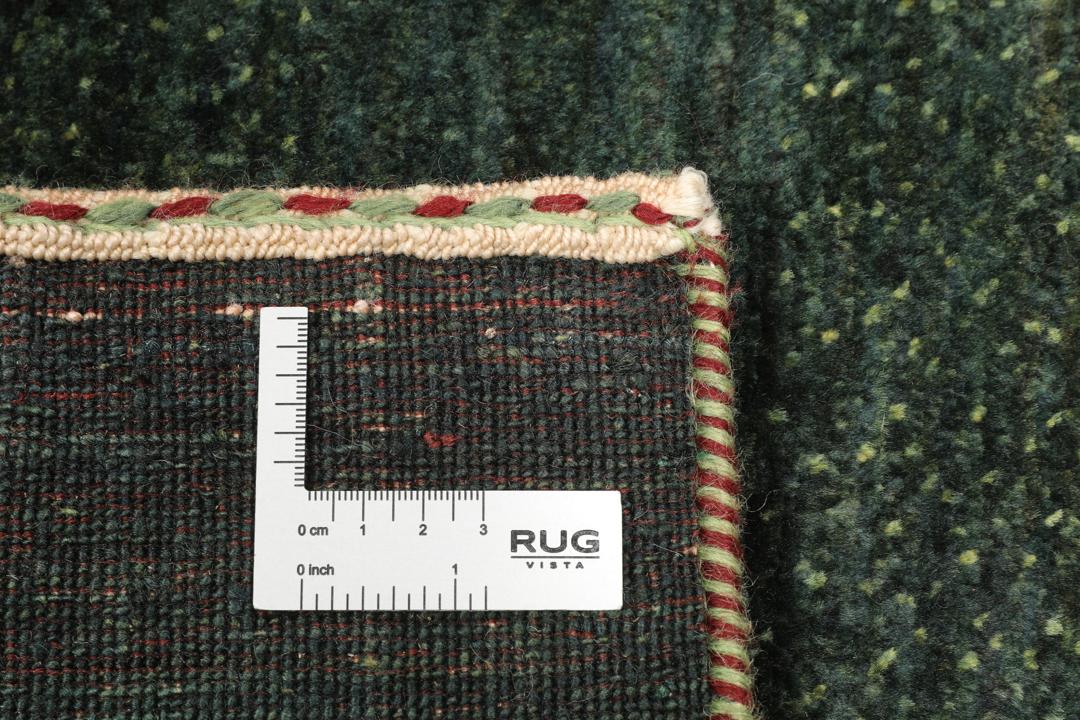
The term 'Loribaft' itself refers to a specific style of weaving that emphasises a thicker, more plush pile compared to traditional flat-woven textiles. By using a coarser knotting technique and high-quality, long-staple wool, weavers are able to create a dense surface that is incredibly soft to the touch while remaining robust enough to handle the wear of nomadic life.
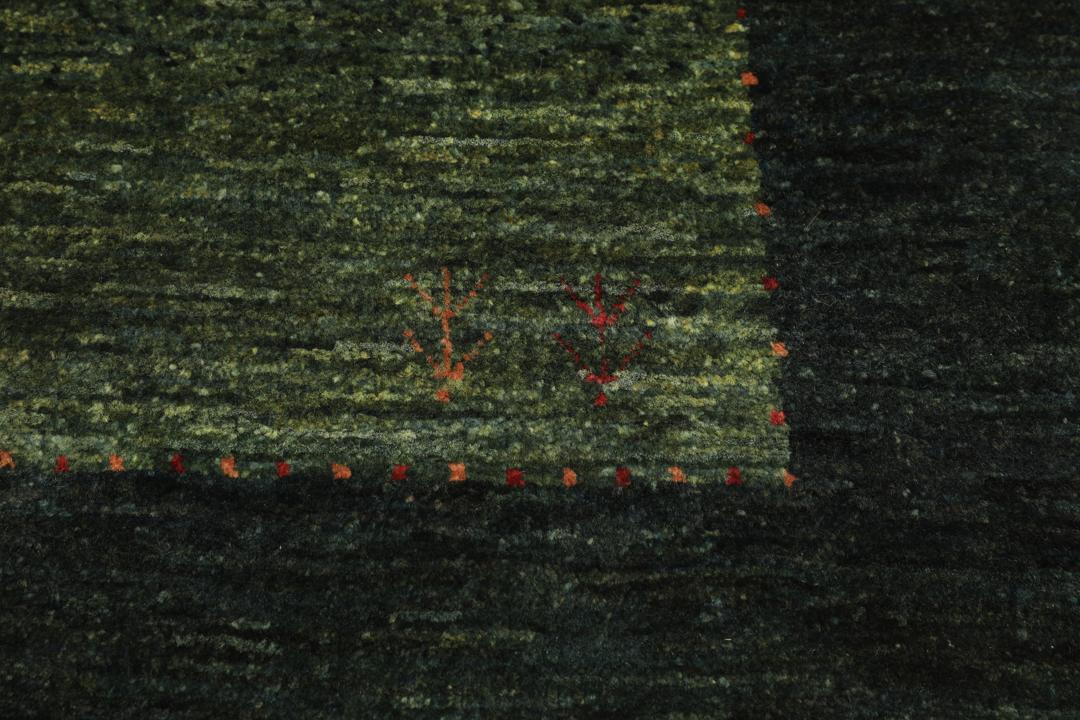
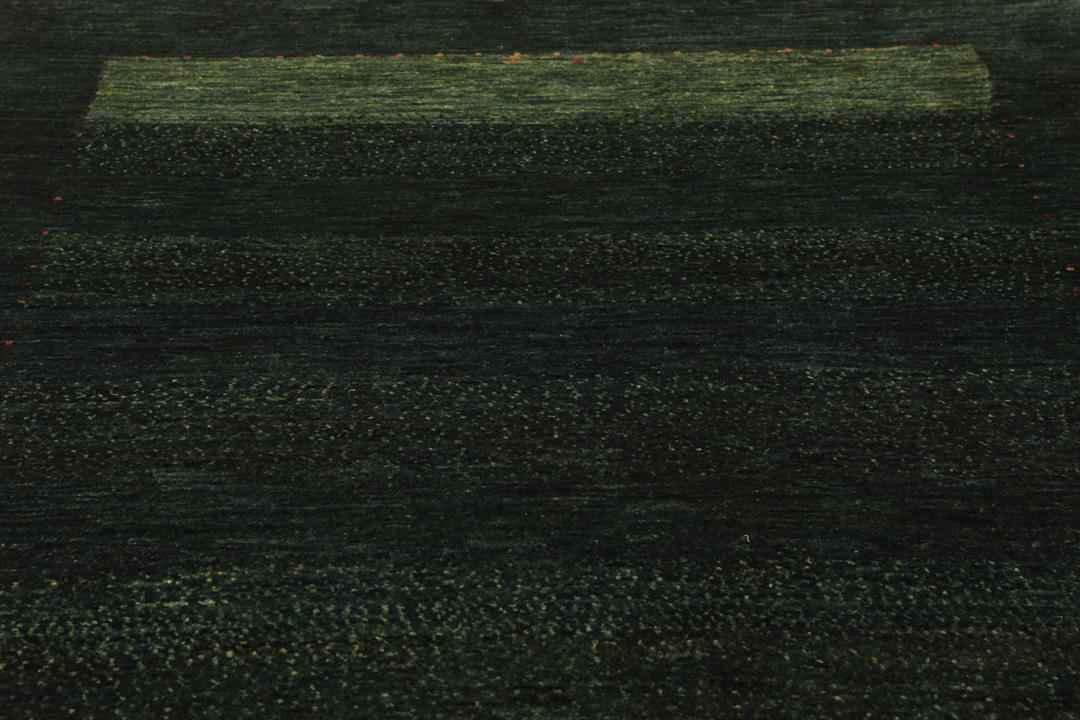
Visually, these rugs are known for their minimalist approach, often focusing on solid fields of colour or simple, organic motifs that reflect the natural world surrounding the weavers. The deep, rich colour palette is traditionally derived from local plants and minerals, giving each piece an earthy, authentic aesthetic that feels very much at home in contemporary spaces.
Today, these rugs are highly prized by collectors for their blend of historical tribal techniques and modern design appeal. Owning a Loribaft piece is a way to connect with a long heritage of craft, where every rug represents the unique perspective and skill of the person who knotted it, making it far more than just a floor covering.