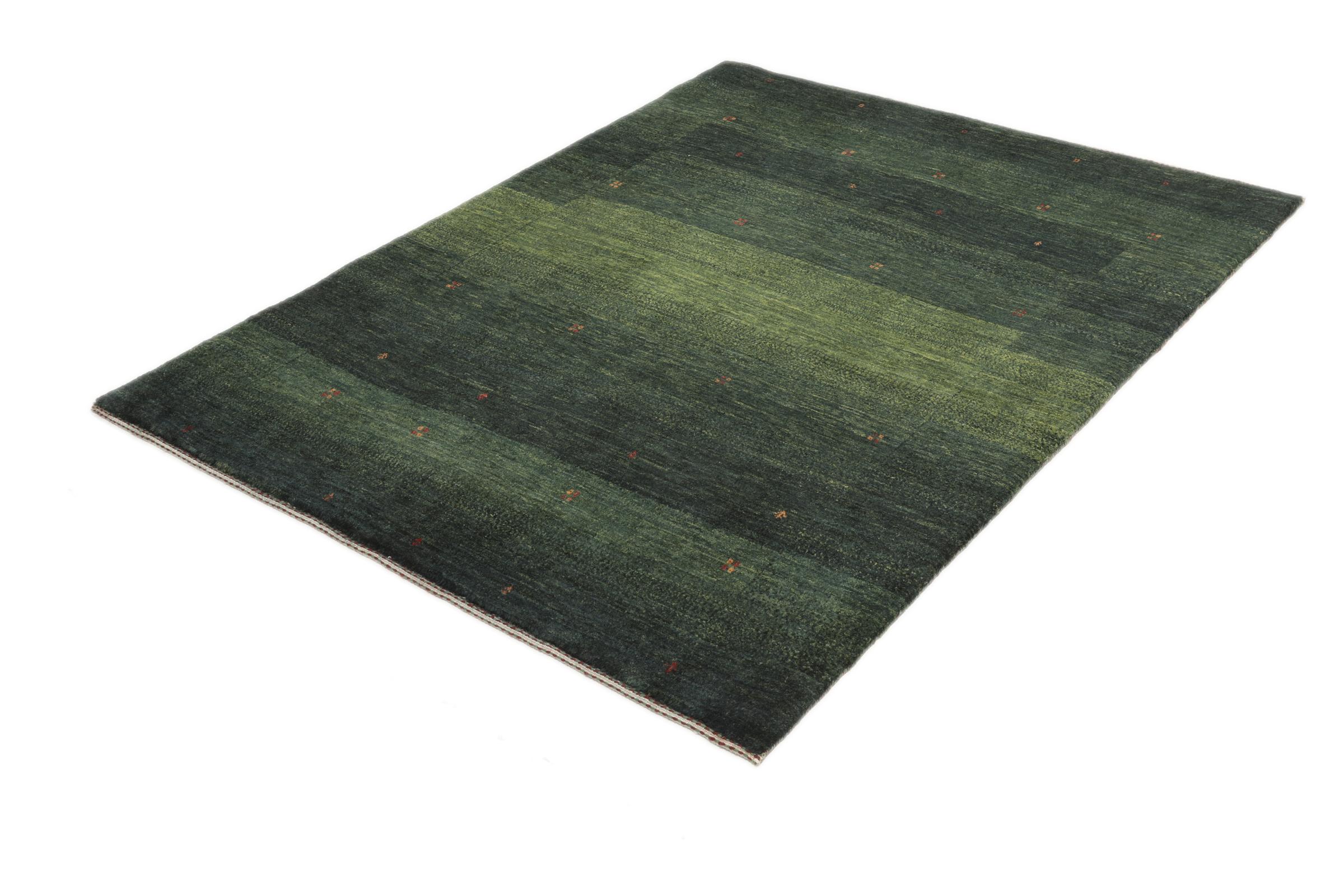
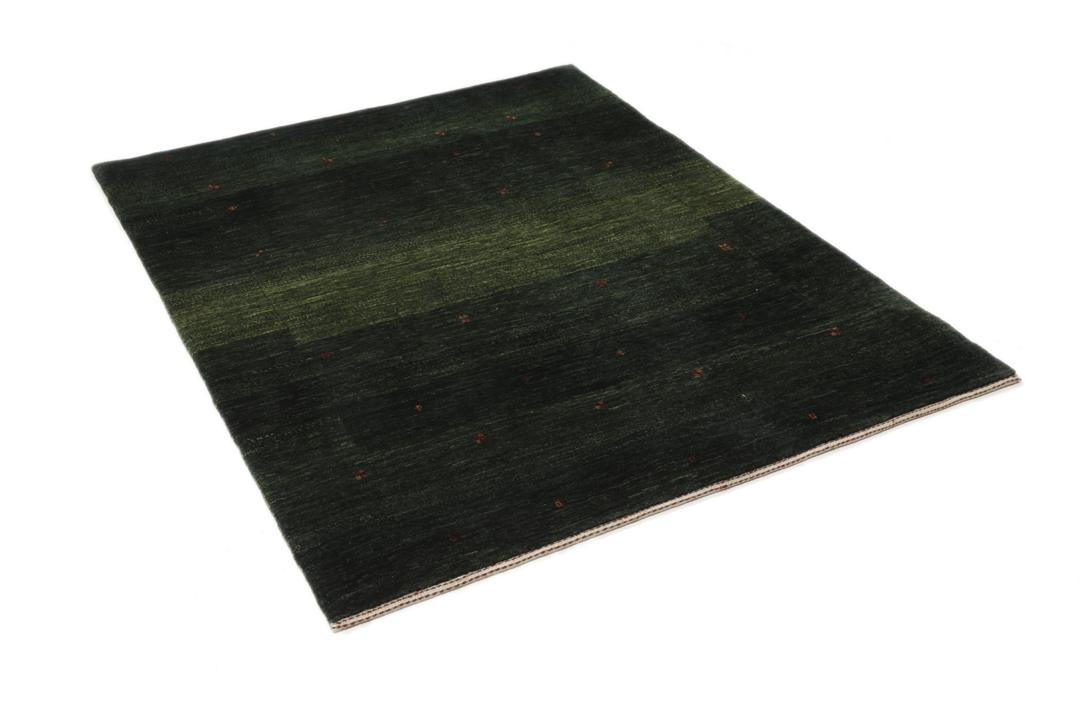
Loribaft and Kashkooli rugs are deeply rooted in the weaving traditions of the tribal groups of the Middle East. These rugs were historically created by nomadic peoples who drew inspiration from their natural surroundings, translating the landscapes, sky, and earth into the patterns and colours of their daily textiles.
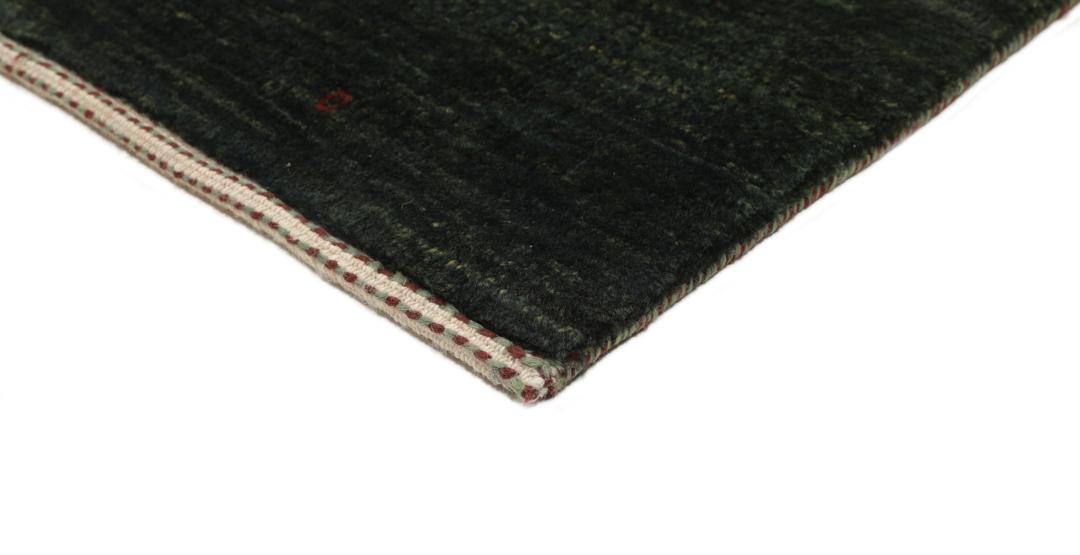
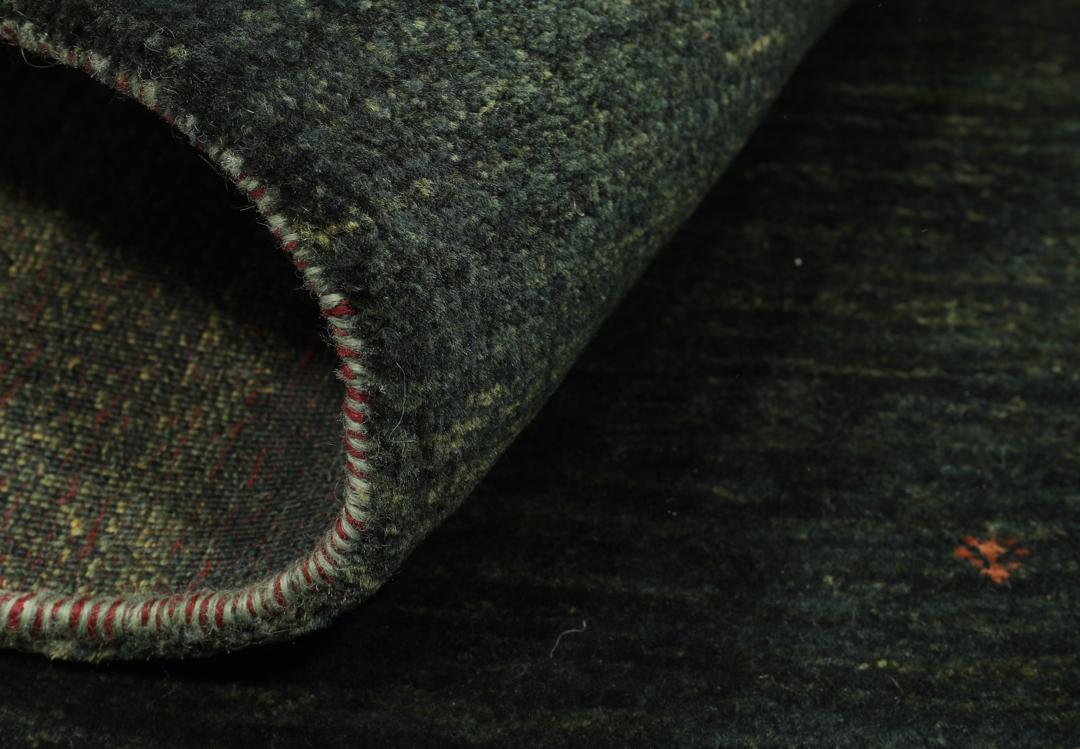
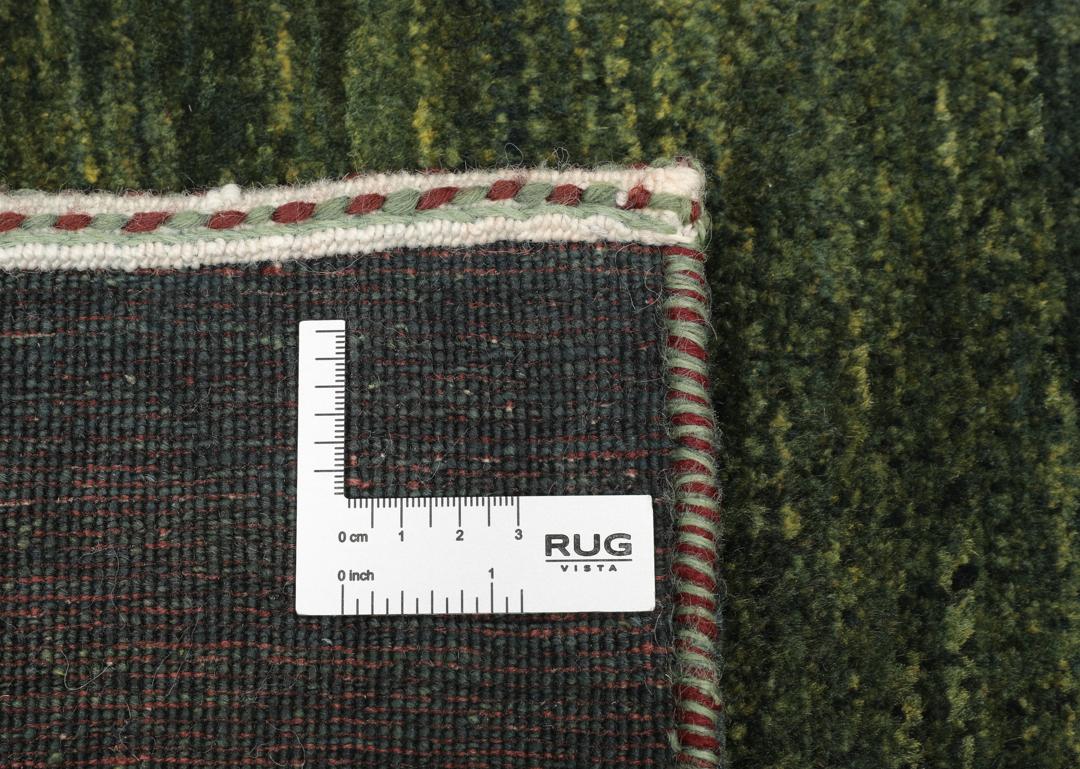
The term Loribaft refers to a style that evolved from traditional tribal weaving, characterised by a thicker, softer pile that prioritises comfort and warmth. Unlike more rigid, formal rug styles, these pieces are known for their slightly more relaxed, plush texture which has made them highly sought after for contemporary living spaces.
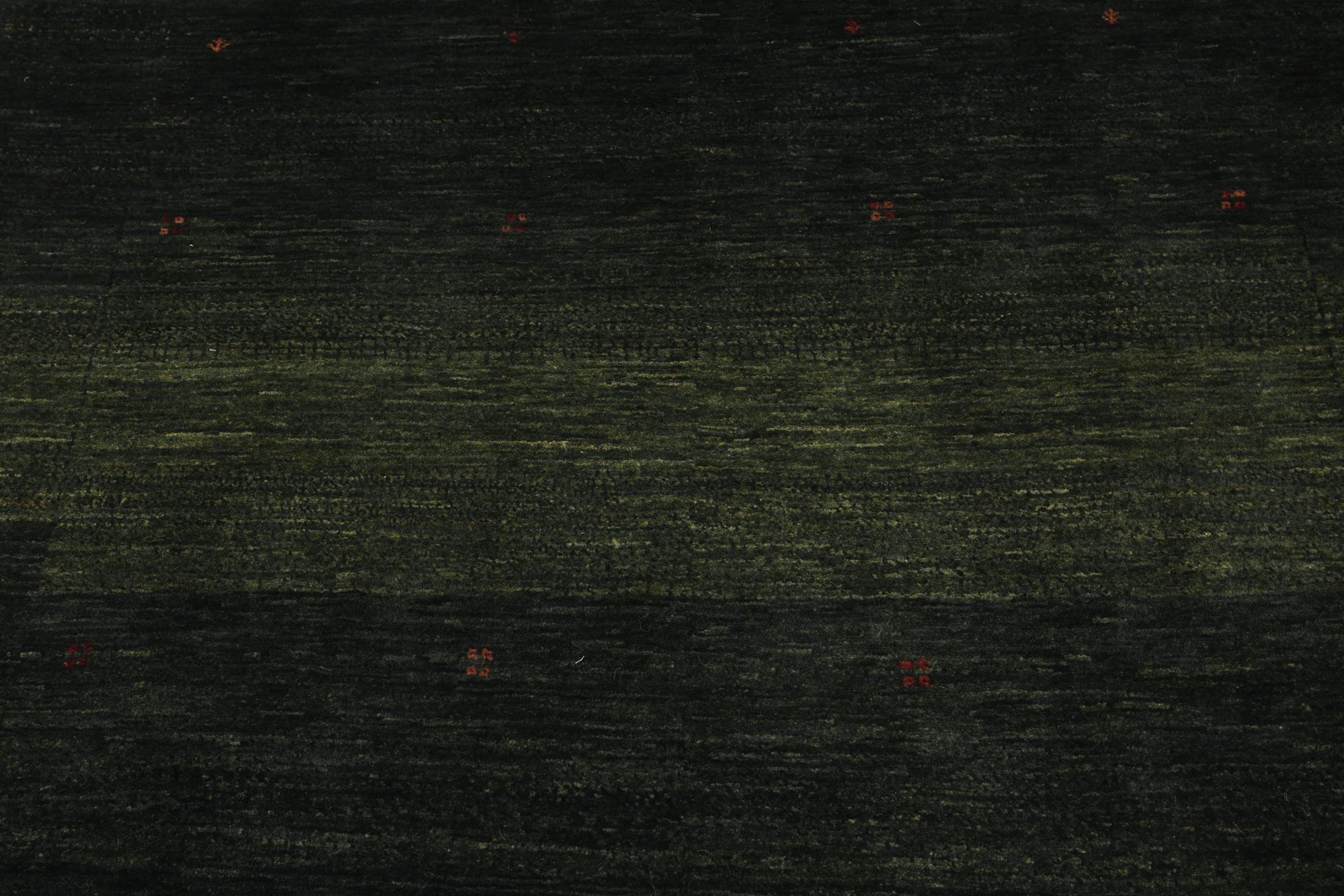
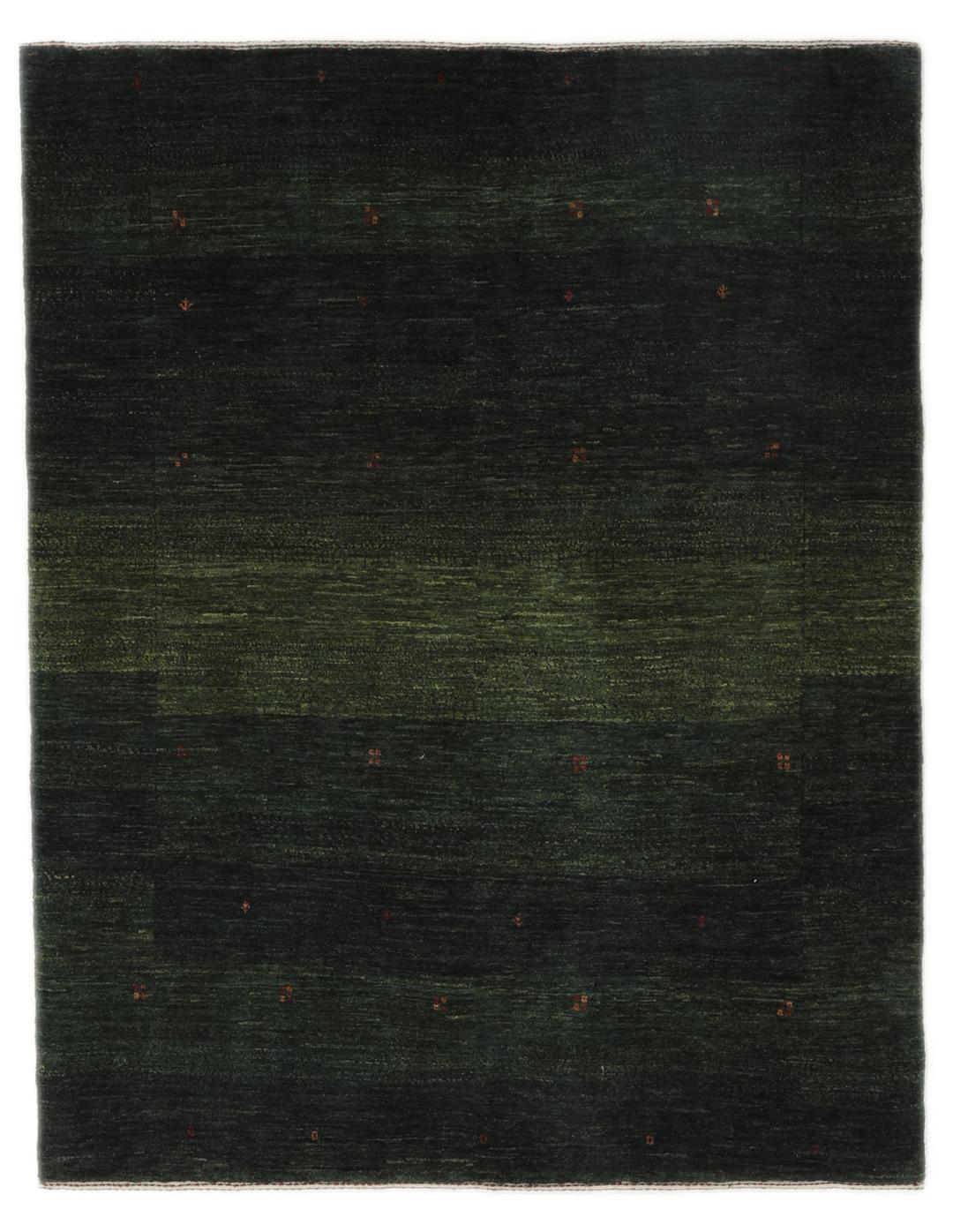
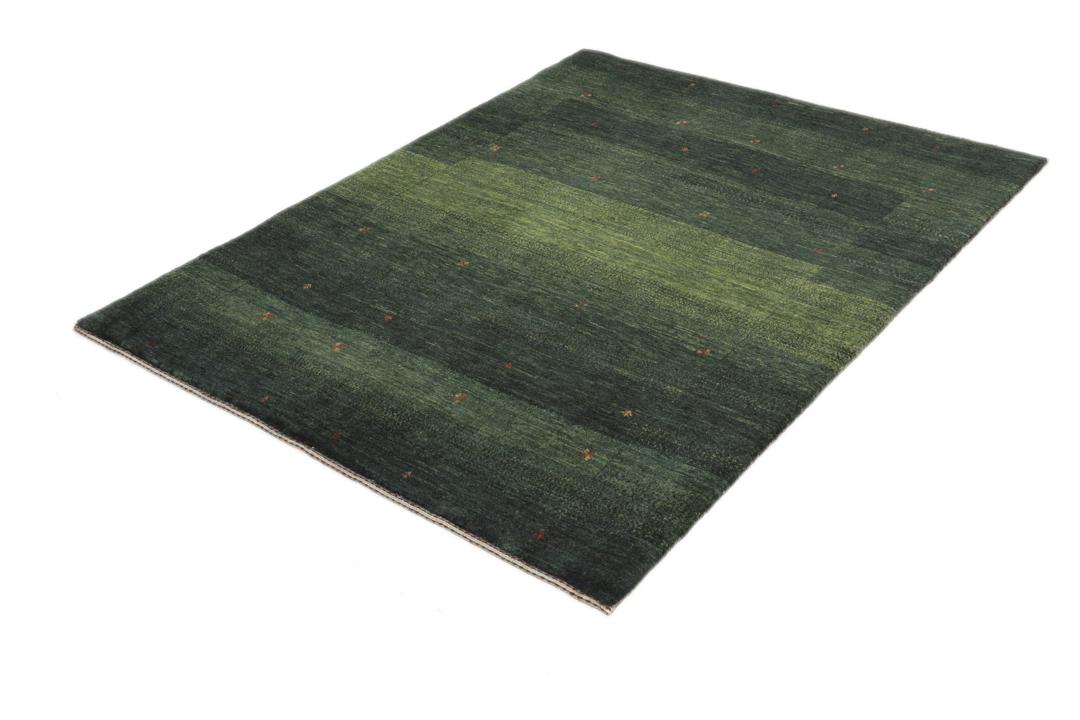
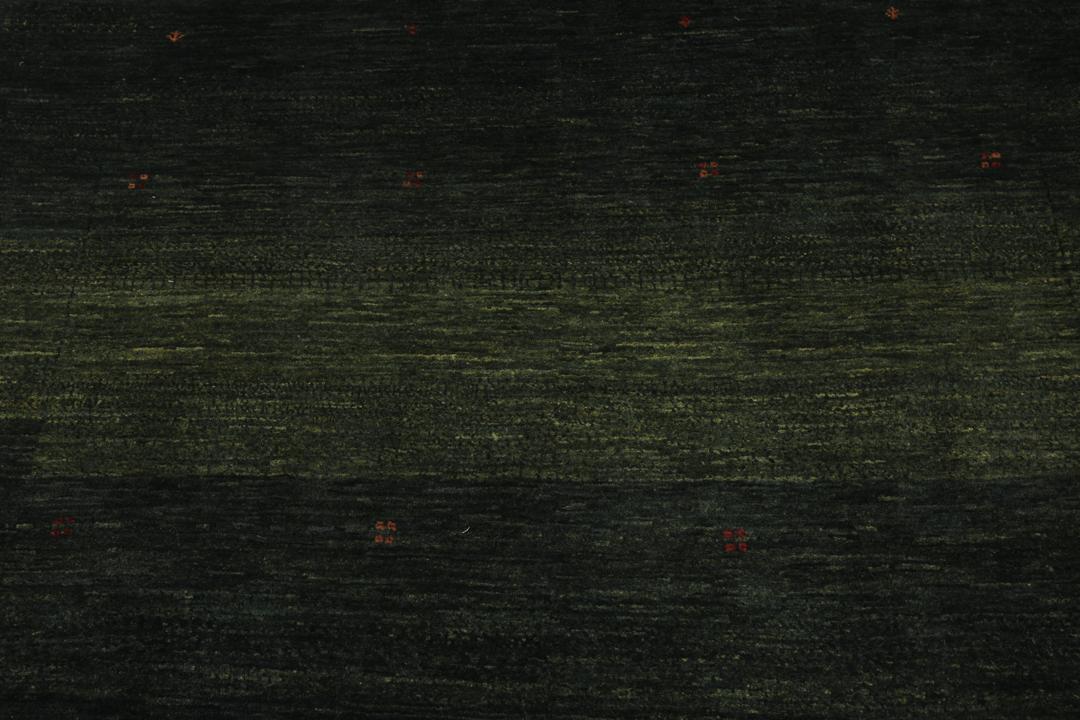
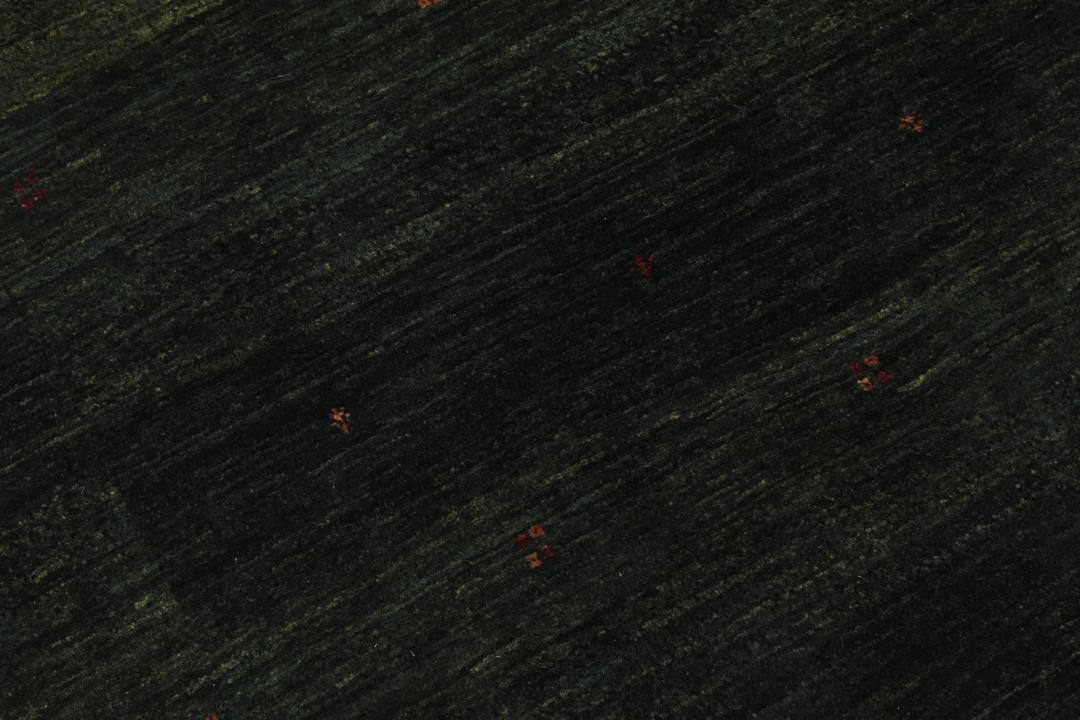
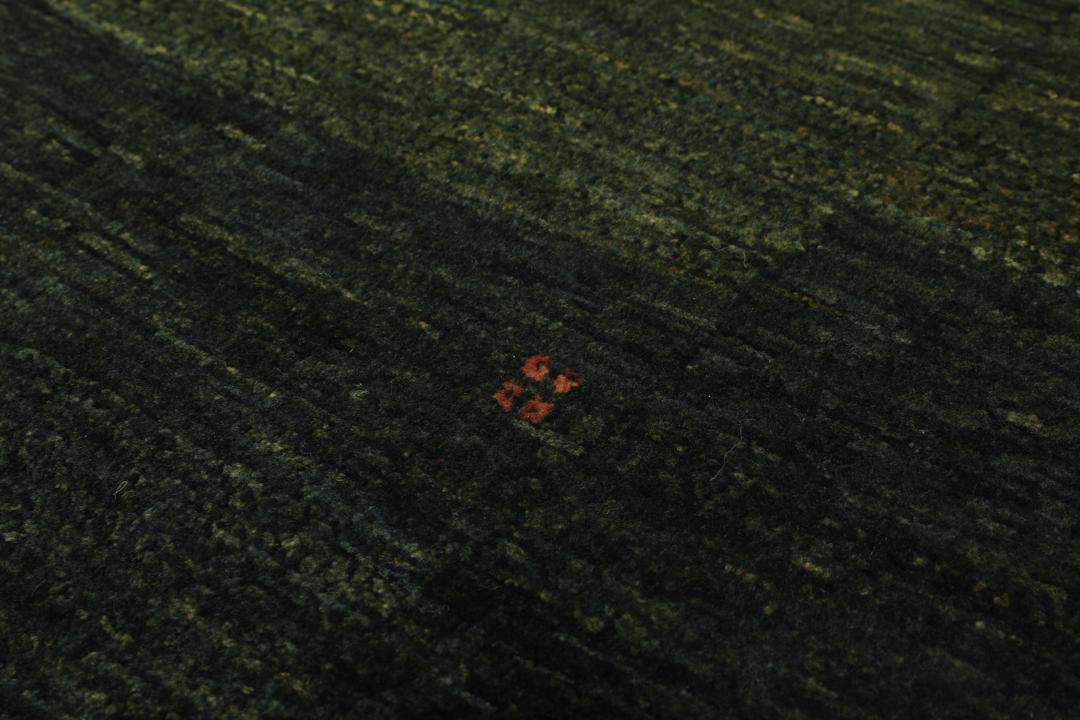
Visually, these rugs are often defined by their minimalist or abstract fields, frequently omitting the complex medallions seen in city-made rugs in favour of subtle shifts in colour or small, scattered motifs. The focus is on the beauty of the raw materials and the natural, vegetable-derived dyes that provide a depth of colour impossible to replicate with synthetic methods.
Owning a Loribaft rug is an investment in a living tradition. These pieces are collected not just for their aesthetic appeal, but for the story of the artisan's skill and the cultural heritage they represent. They serve as a bridge between ancient nomadic lifestyles and the modern home, offering a sense of grounded, enduring quality.