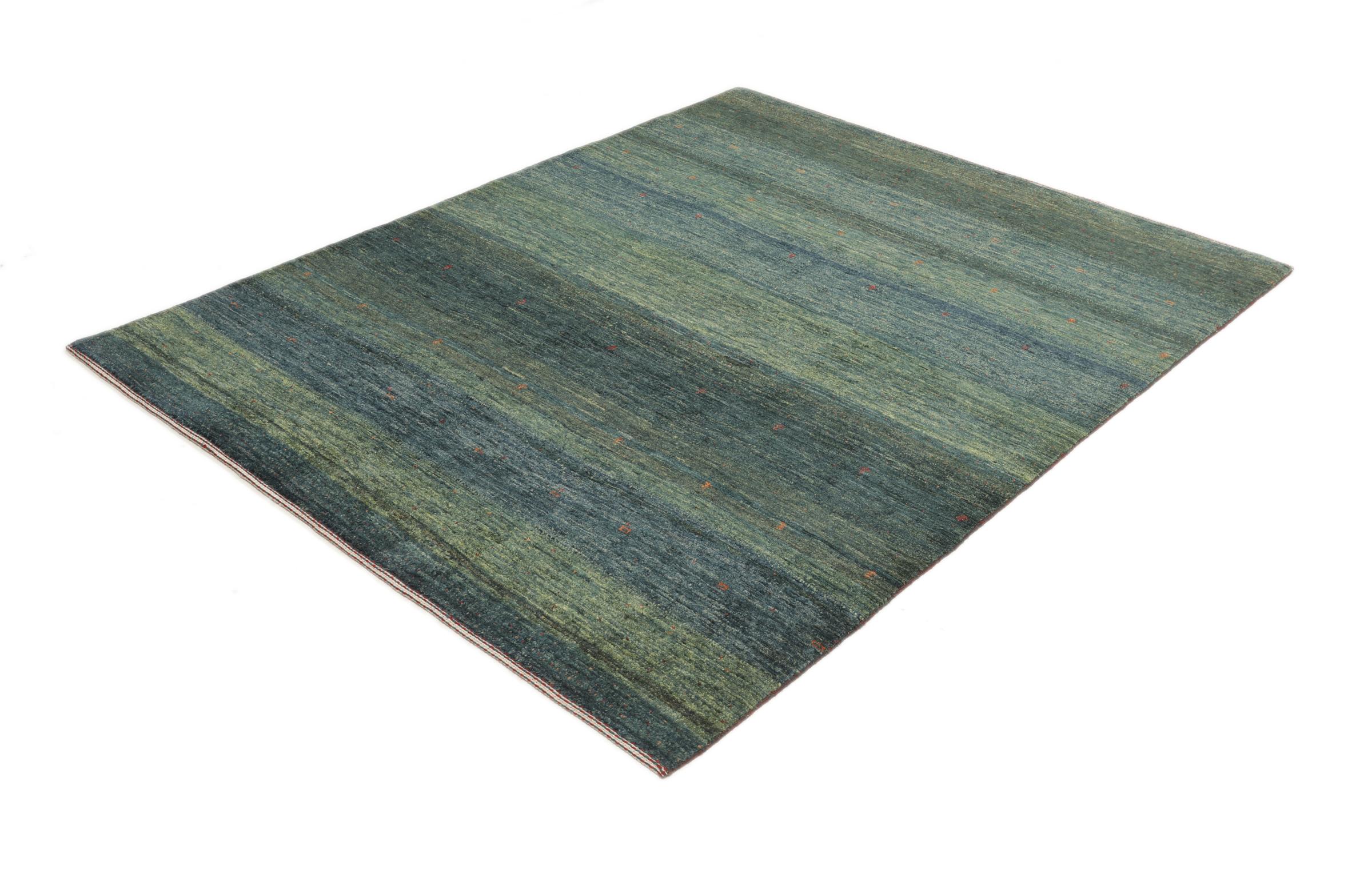
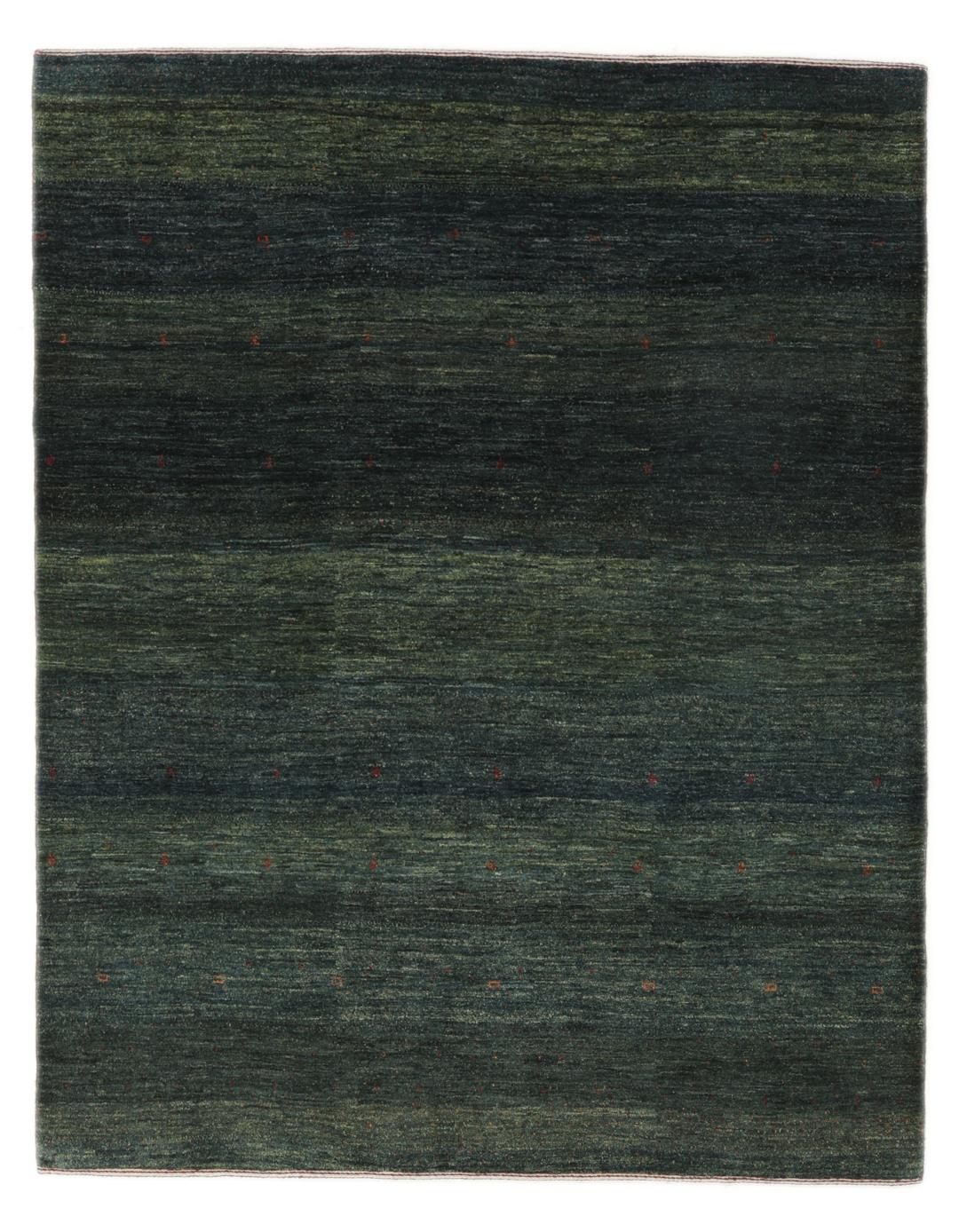
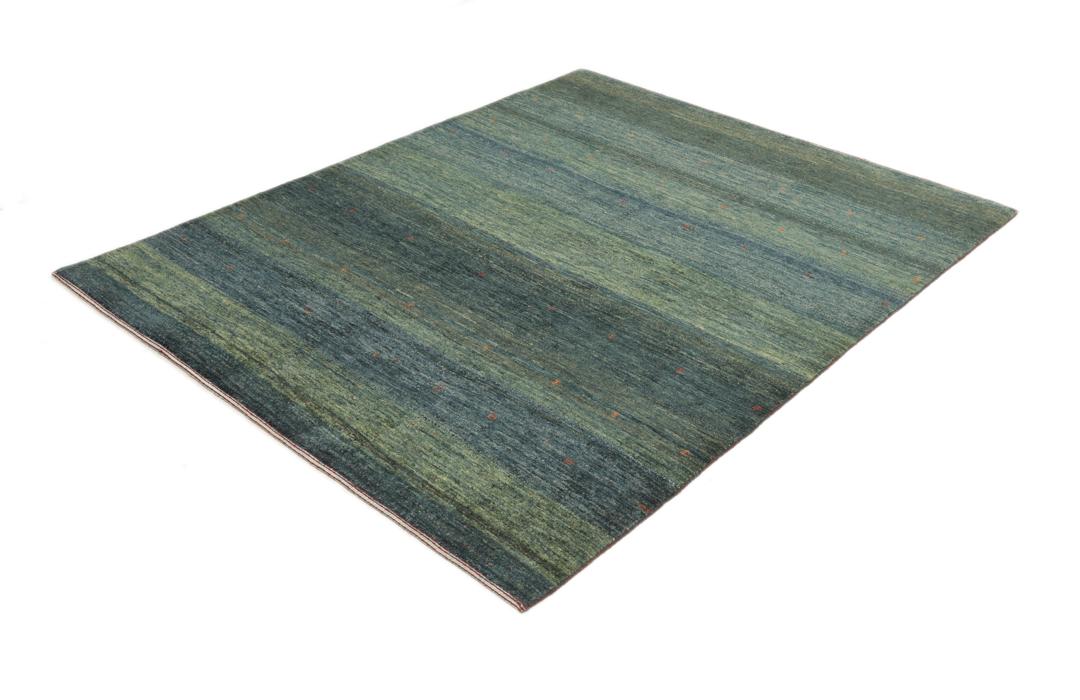
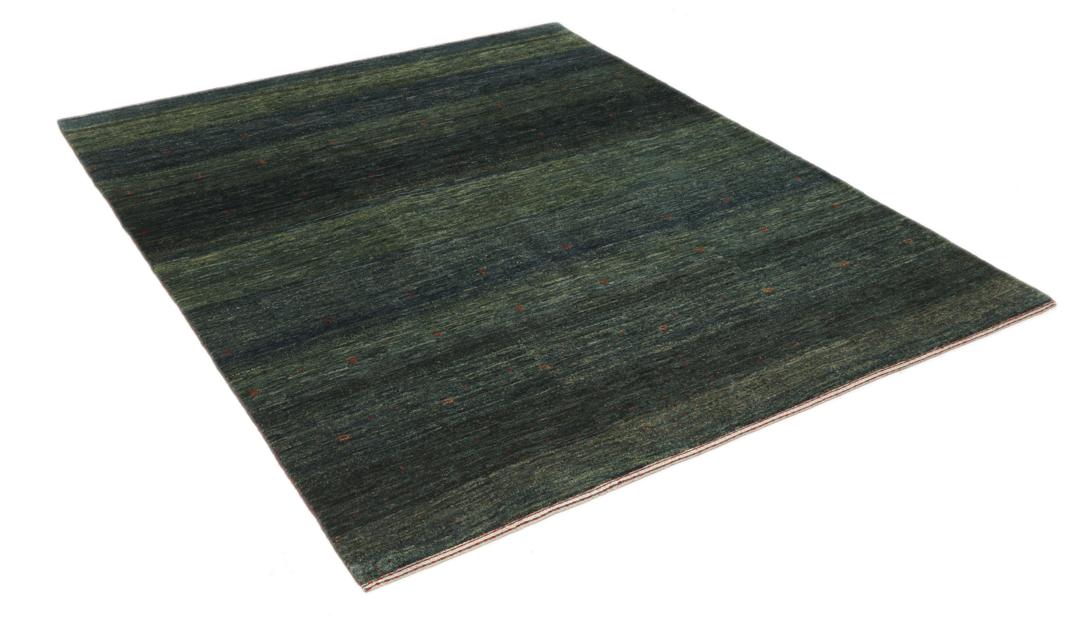
The Loribaft and Kashkooli traditions are deeply rooted in the nomadic heritage of the Middle East. These rugs are traditionally associated with tribal weavers who translate their environment and personal stories into wool, creating patterns that are often spontaneous, organic, and deeply connected to their cultural landscape.
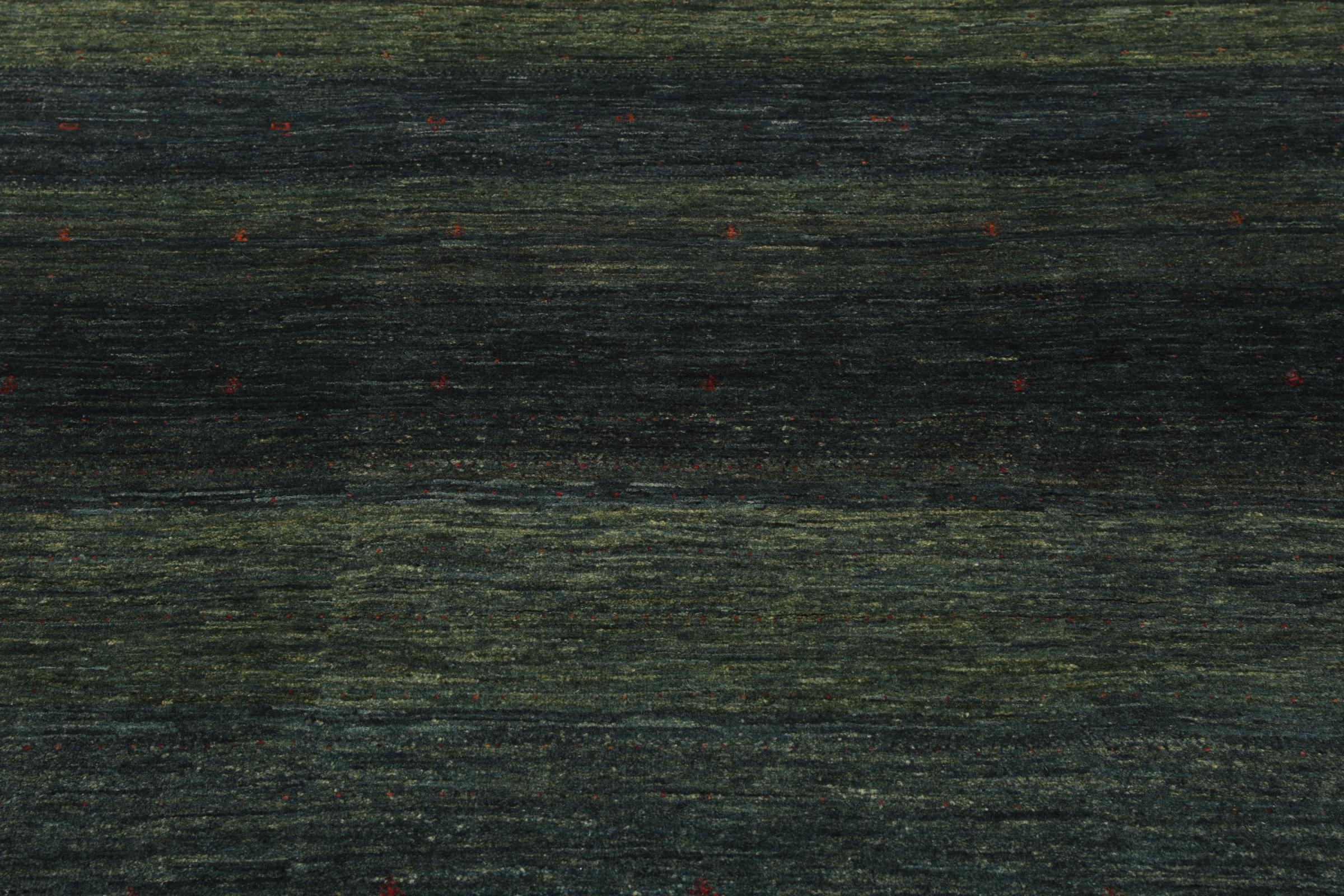
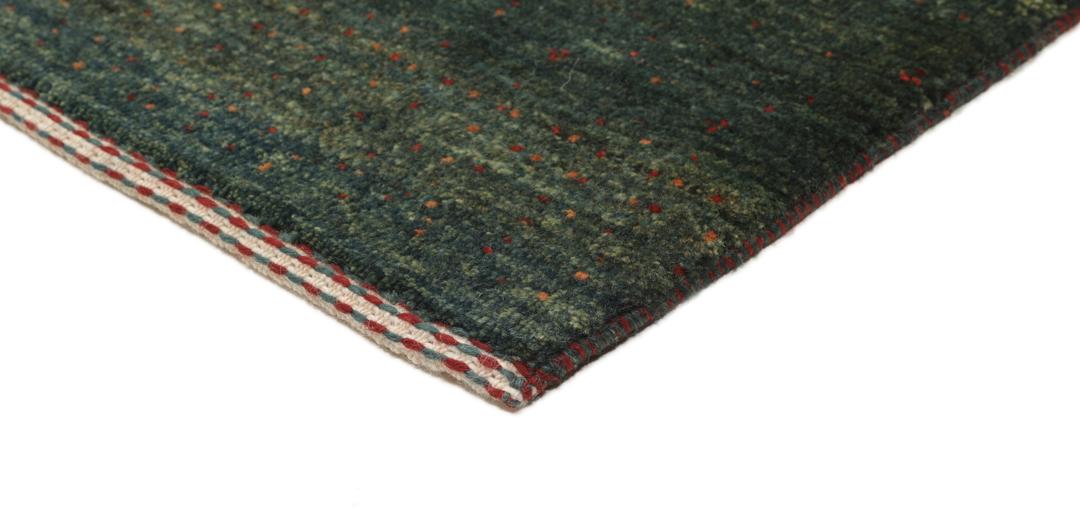
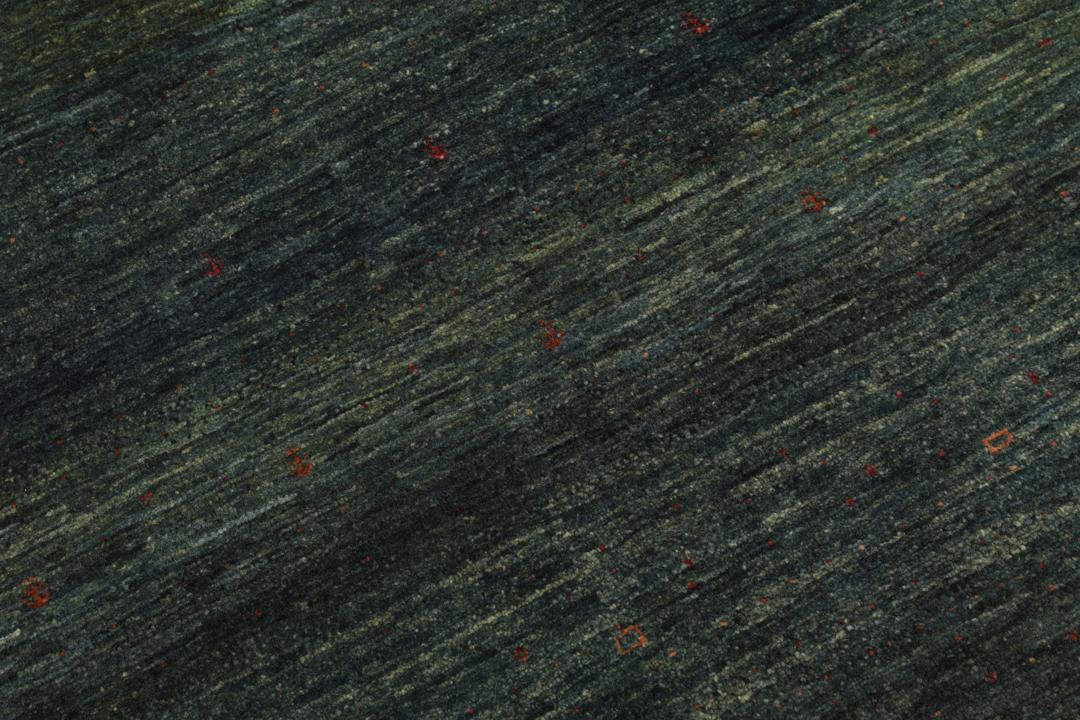
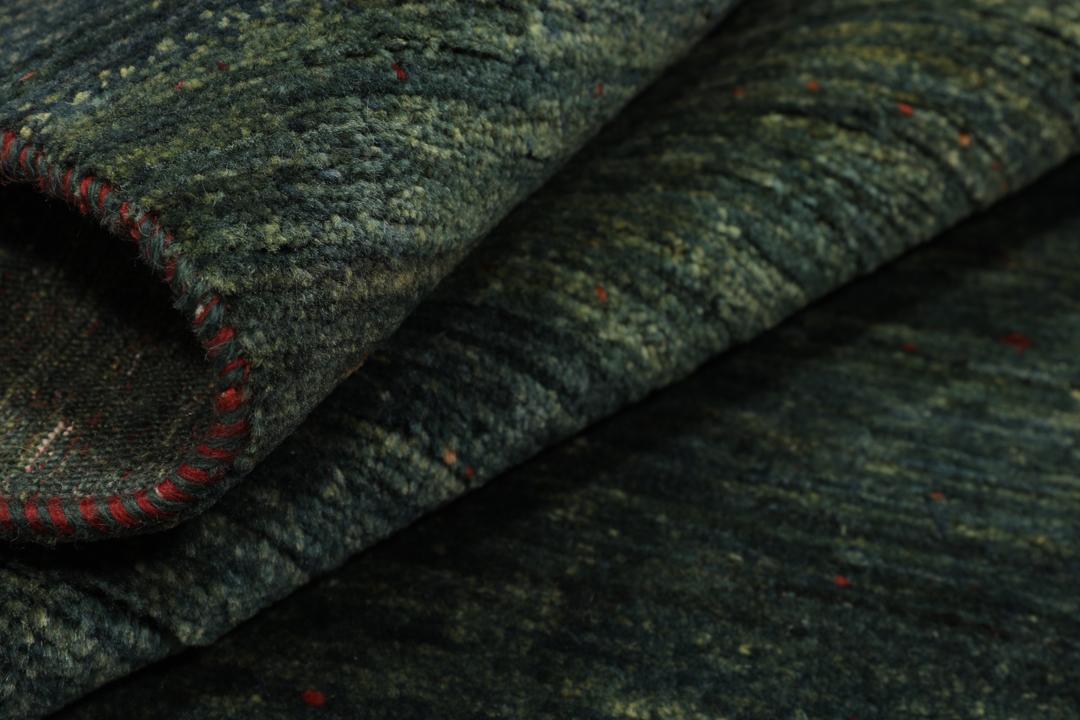
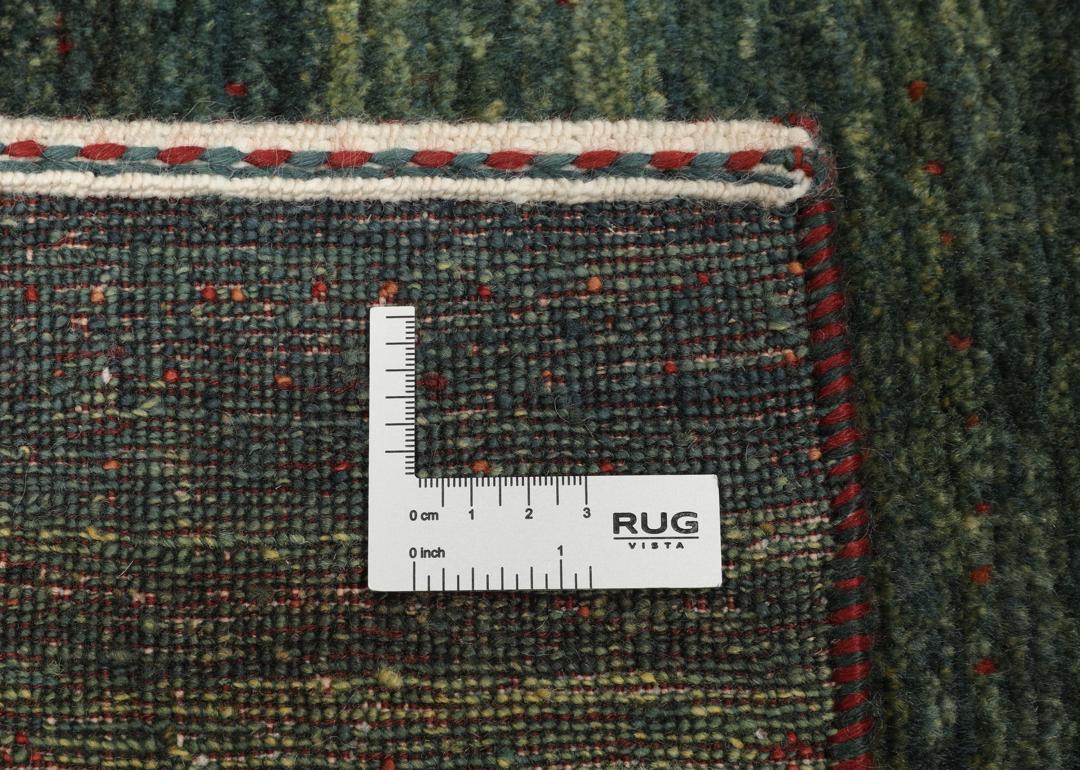
The term 'Fine' in this context refers to an elevated level of precision in the weaving process. While traditional tribal rugs are often coarser, the 'Fine' designation indicates a higher knot density and a more refined finishing process, which results in a smoother, more lustrous surface that highlights the quality of the raw materials used.
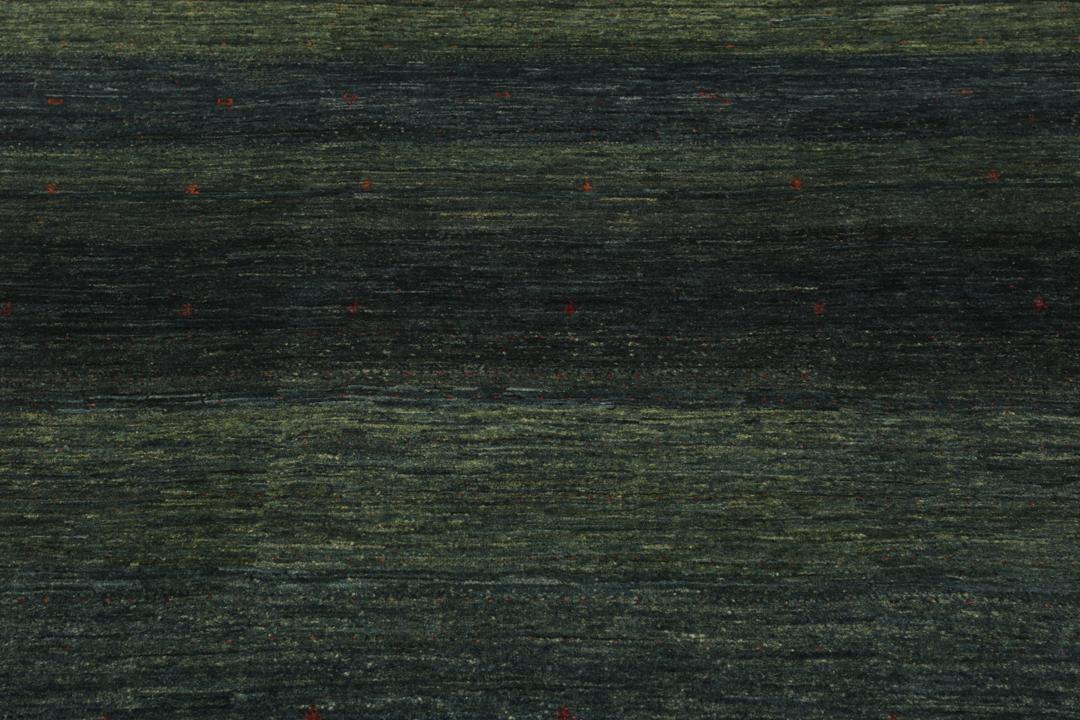
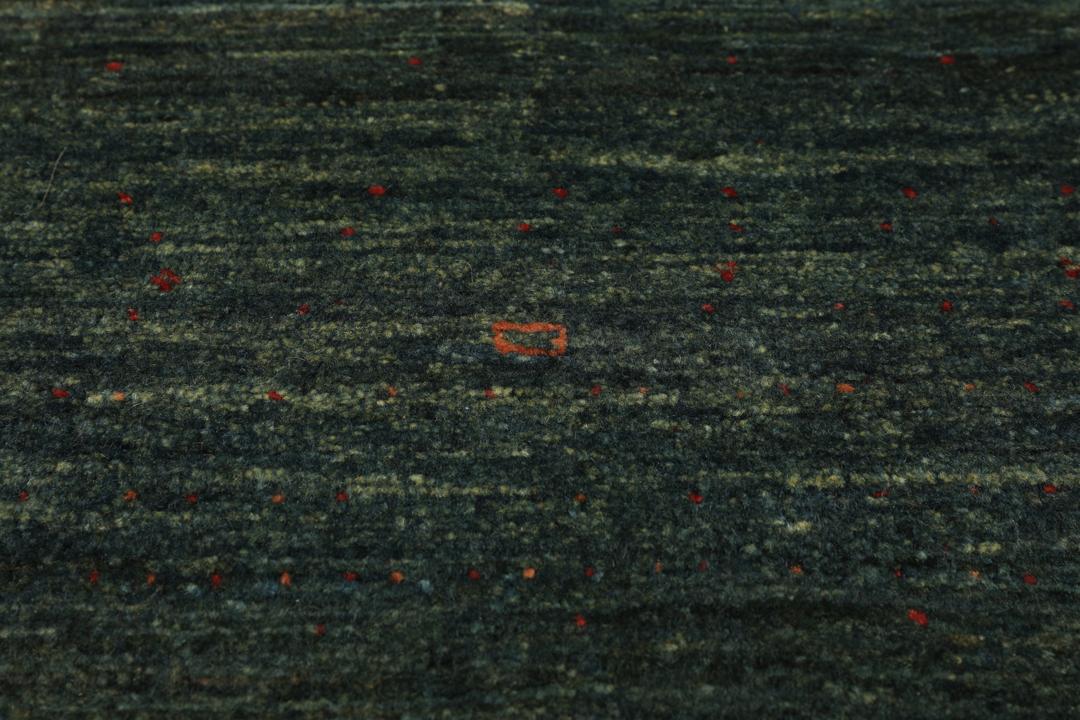
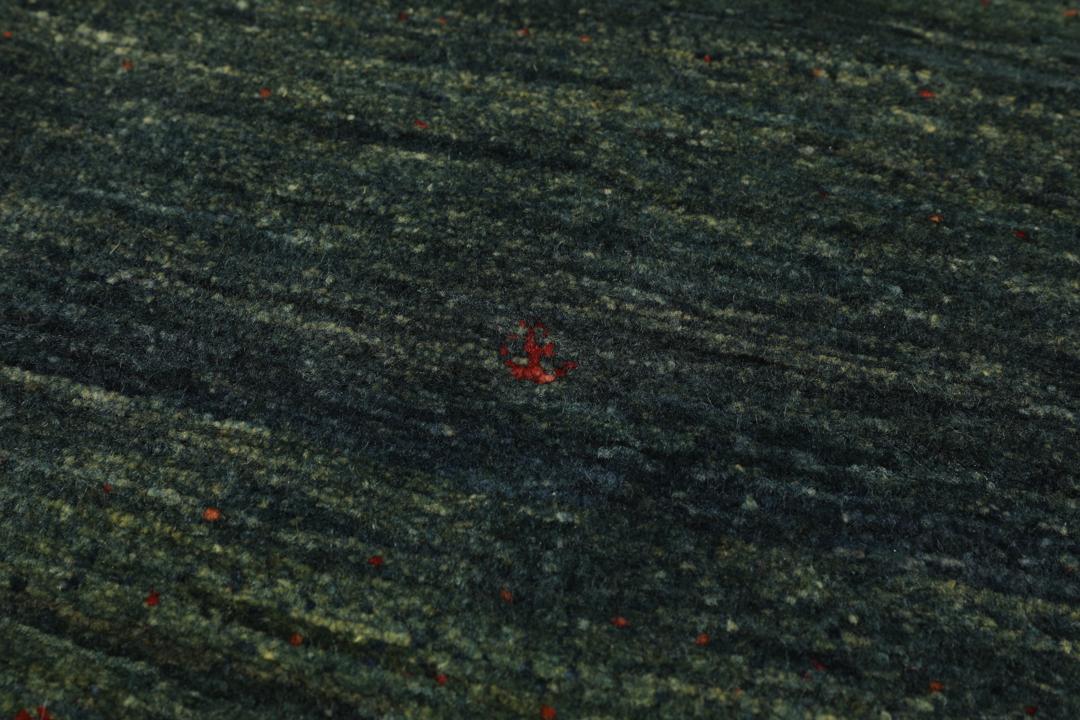
Visually, these rugs are defined by their sophisticated use of colour and open fields. Unlike more formal, medallion-heavy styles, the Loribaft style favours a more minimalist or abstract approach, often utilising rich, saturated tones that are achieved through traditional dyeing methods. The presence of small, intentional motifs scattered across the field adds a layer of depth and visual interest without overwhelming the space.
Collecting a piece from this tradition is an act of preserving a dying art form. These rugs are valued not just for their aesthetic versatility, but for the skill and heritage they represent. By bringing one into your home, you are continuing a long-standing tradition of craftsmanship and ensuring that these unique, human-made expressions of culture remain vibrant and appreciated.