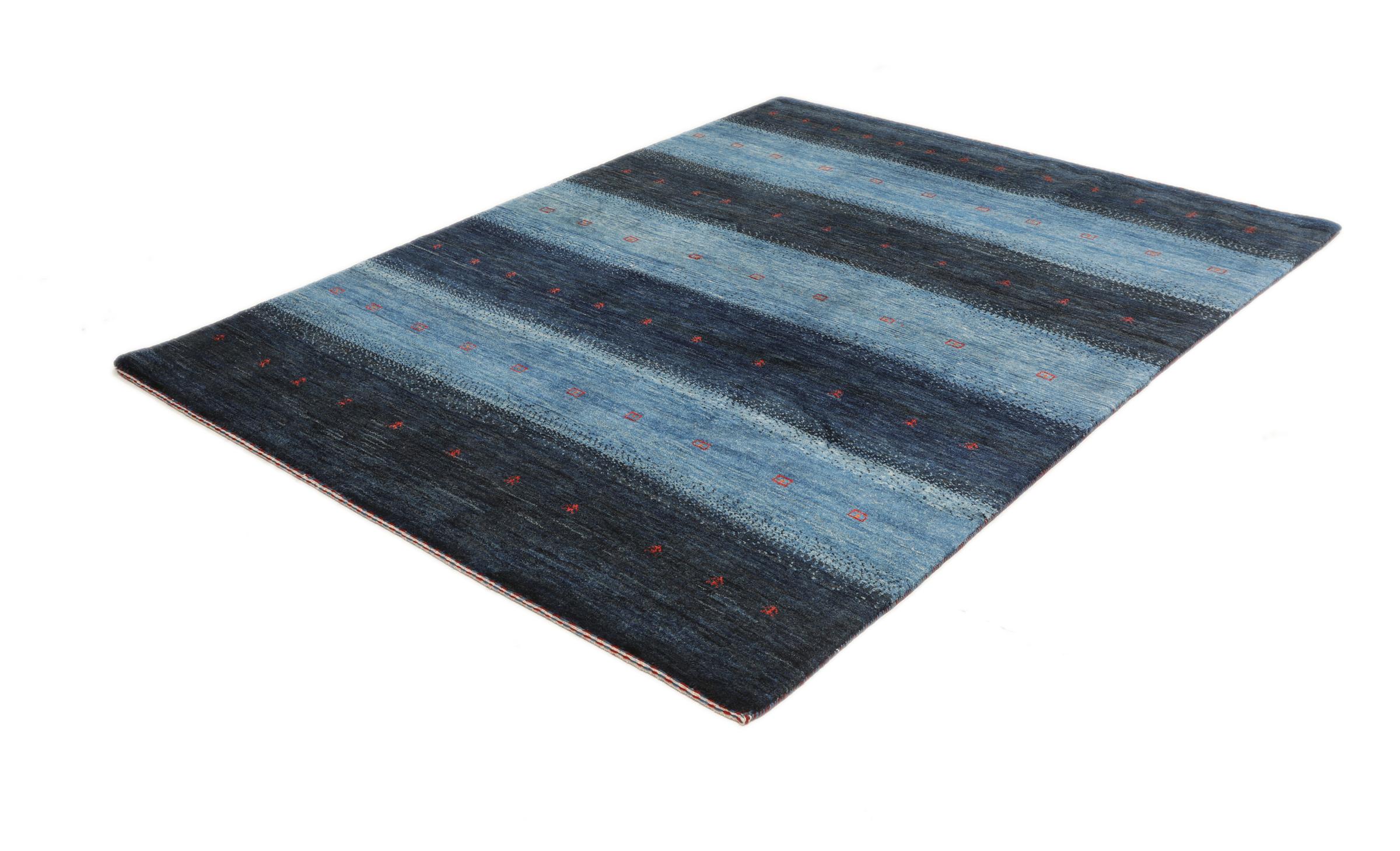
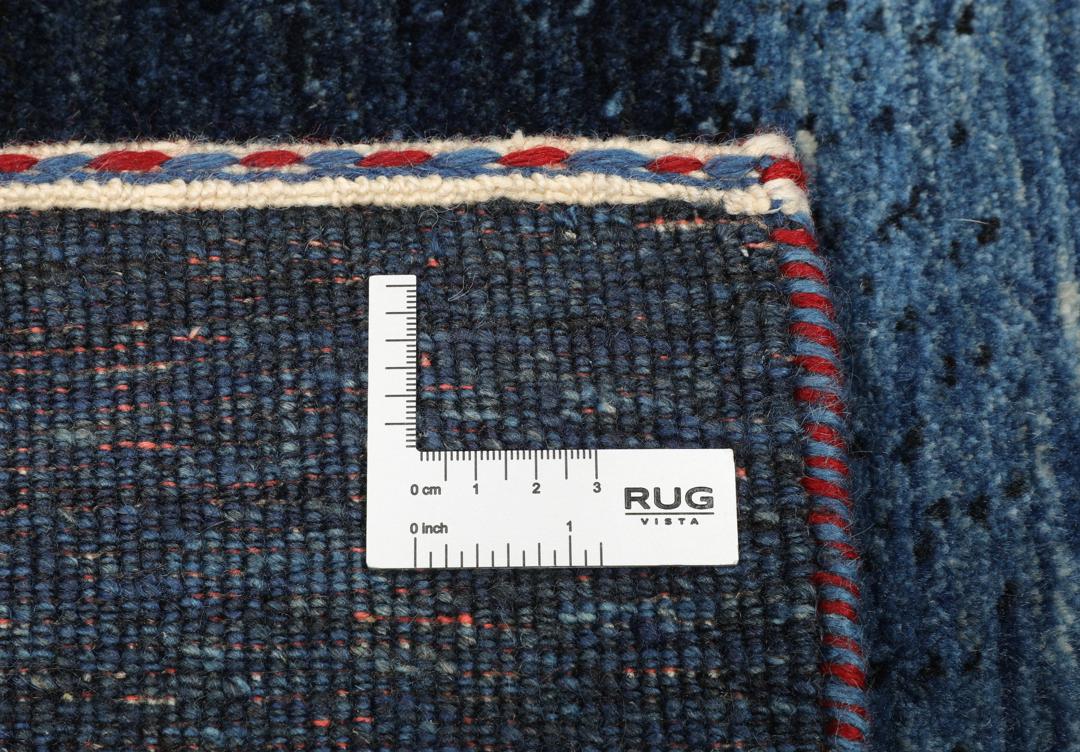
The Loribaft and Kashkooli traditions are deeply rooted in the nomadic heritage of the Middle East. These rugs were traditionally woven by tribal groups who moved with their flocks, using the wool they gathered to create functional art for their tents. Over time, these designs have evolved, but they remain synonymous with a raw, honest beauty that celebrates the connection between the weaver and their environment.
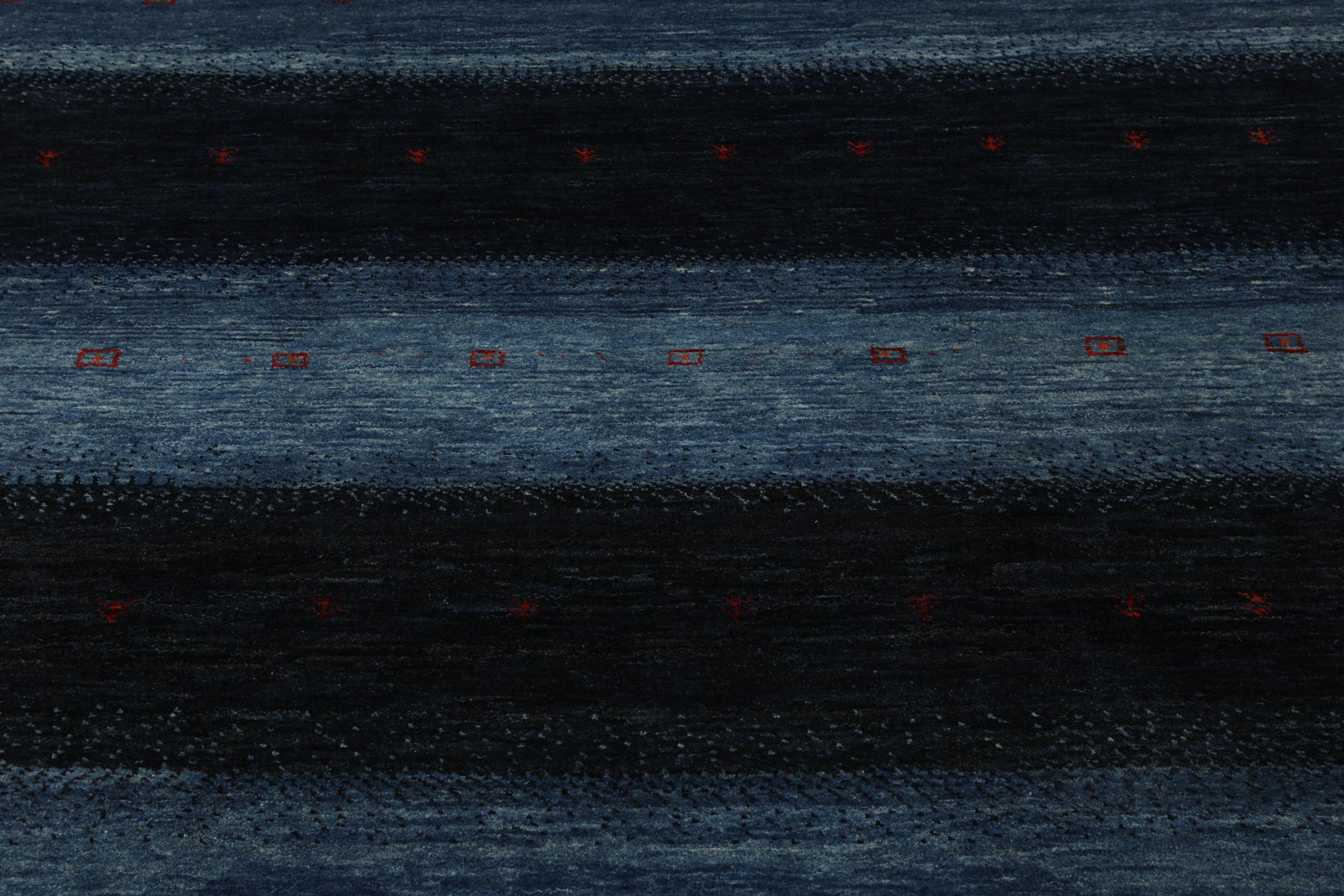
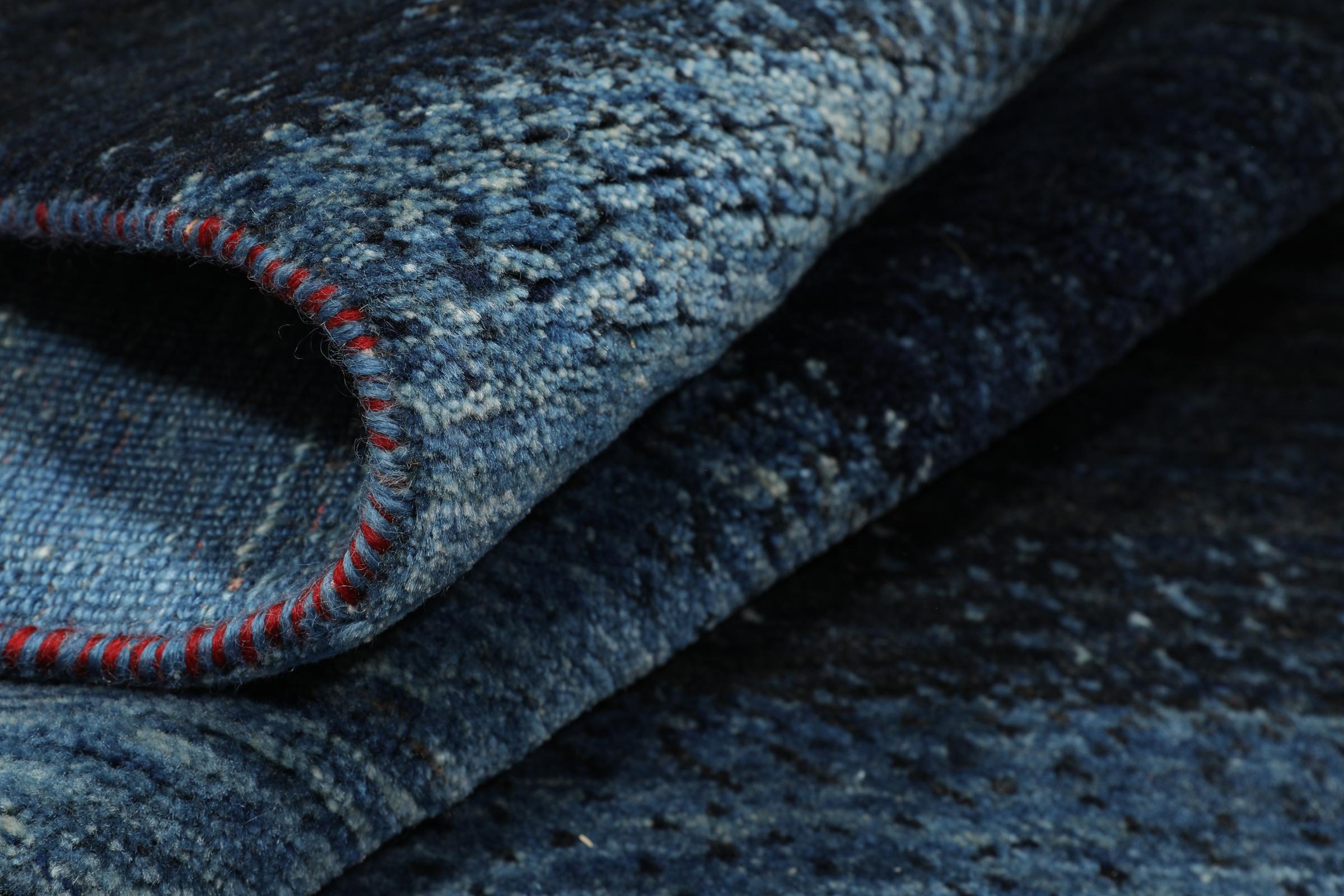
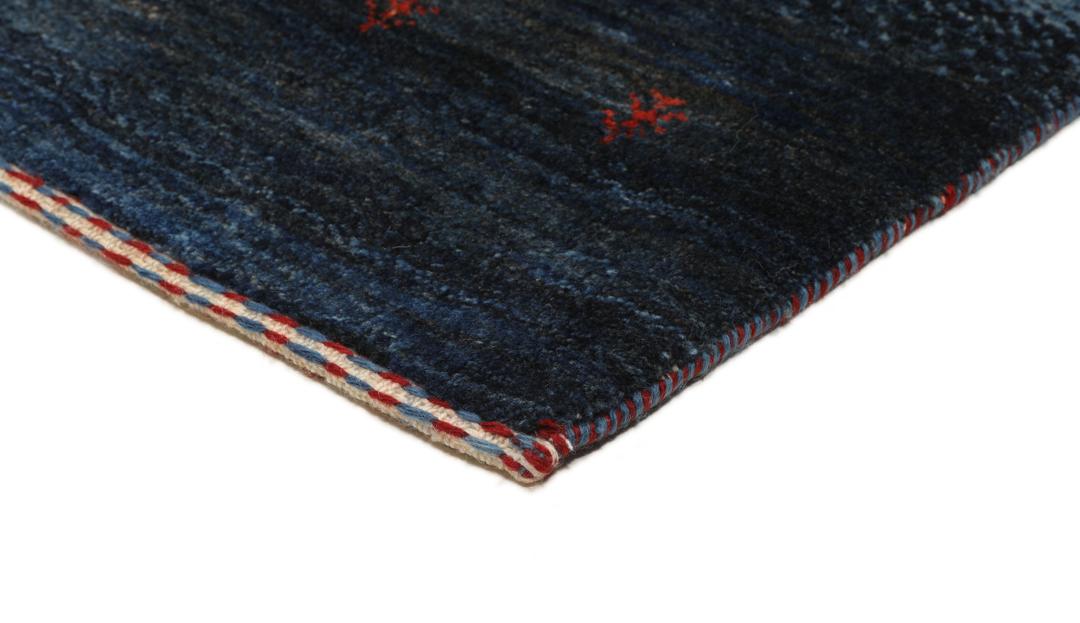
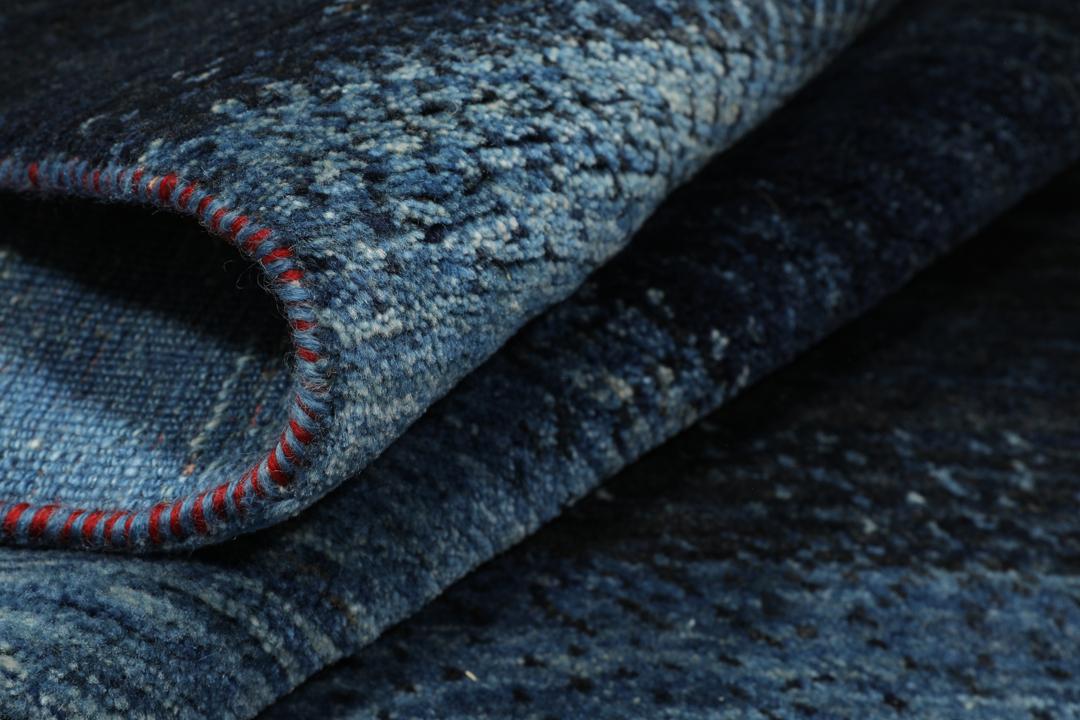
The term 'Fine' in this context refers to the elevated level of precision in the knotting process. While traditional nomadic rugs often featured looser weaves, the fine versions are crafted with a higher degree of control, allowing for more nuanced colour transitions and a smoother, more refined pile. This evolution represents a bridge between ancient tribal techniques and the demands of modern interior design.
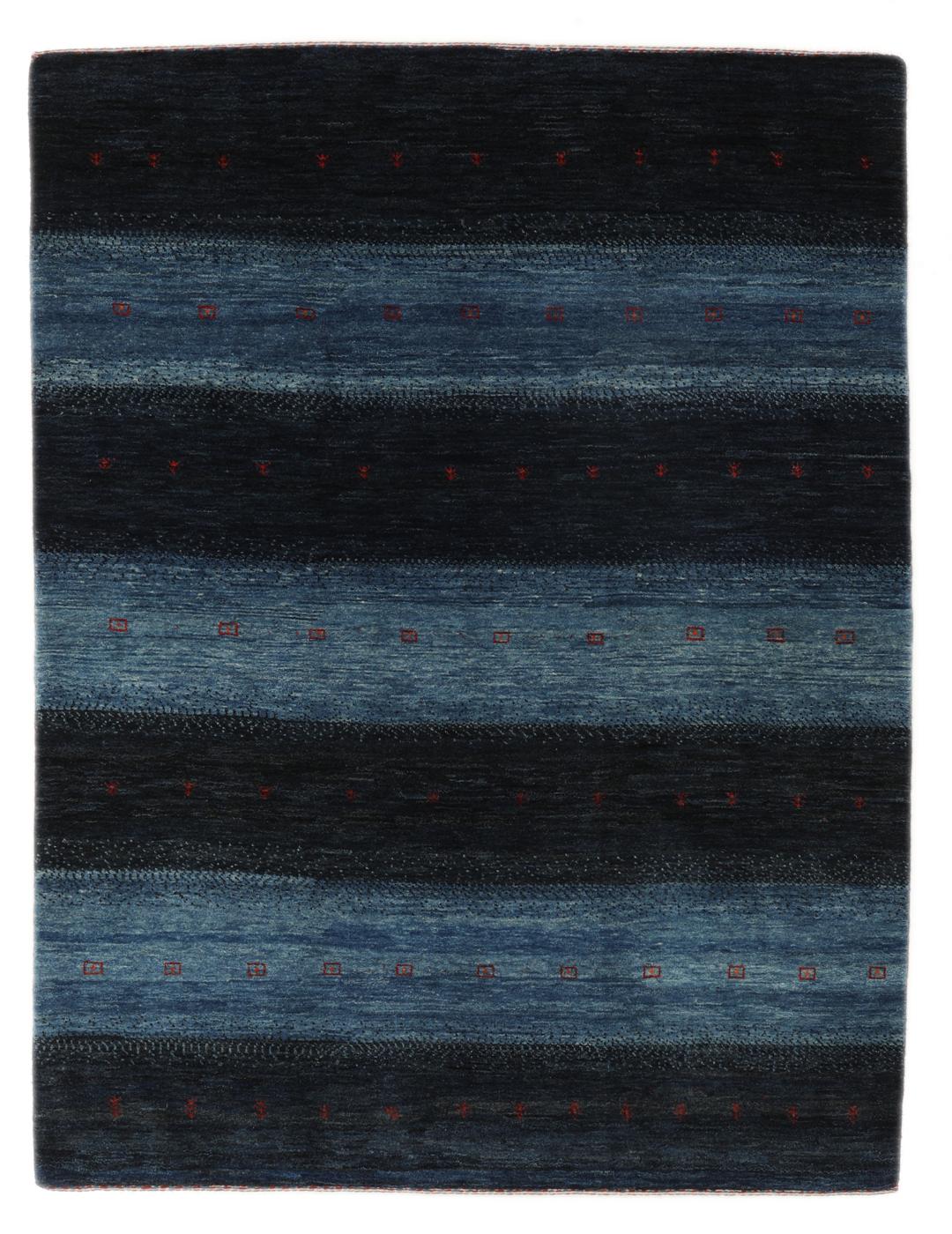
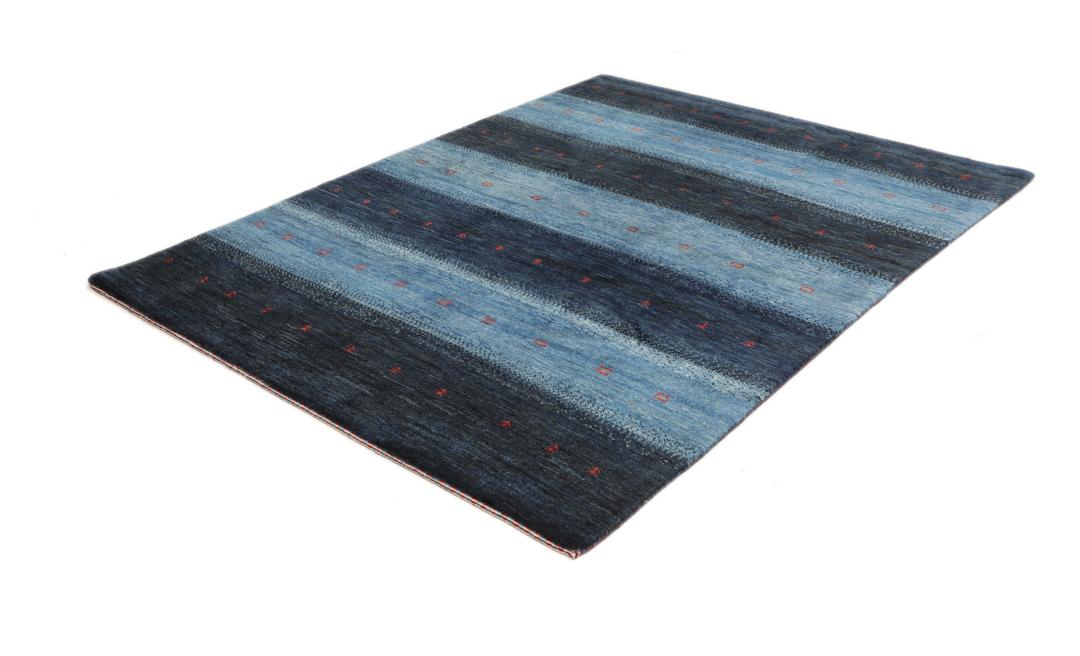
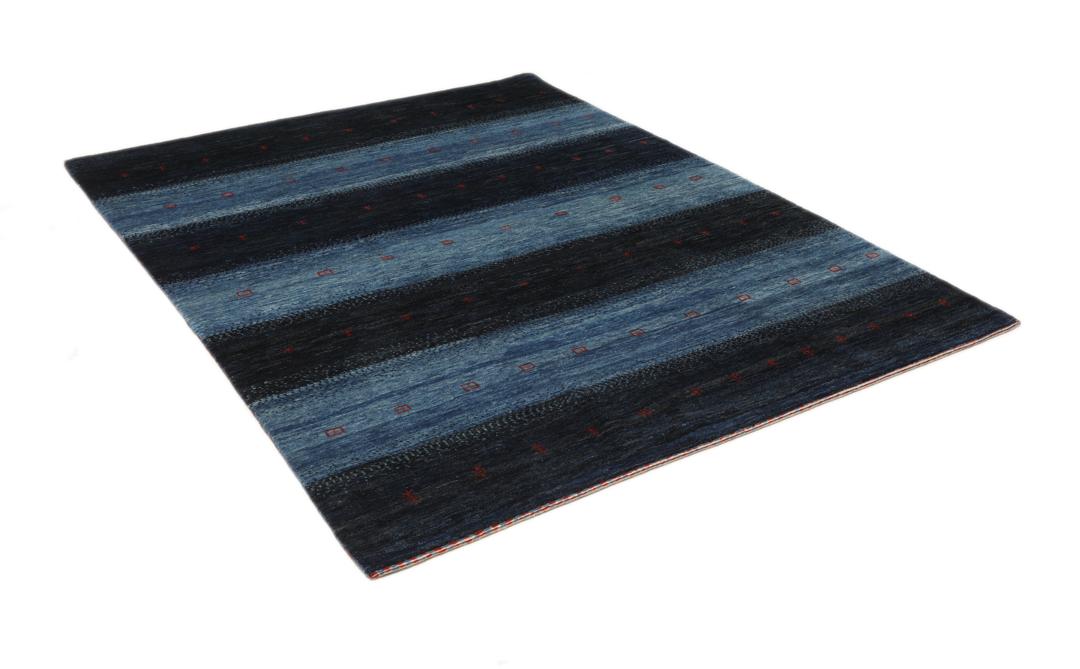
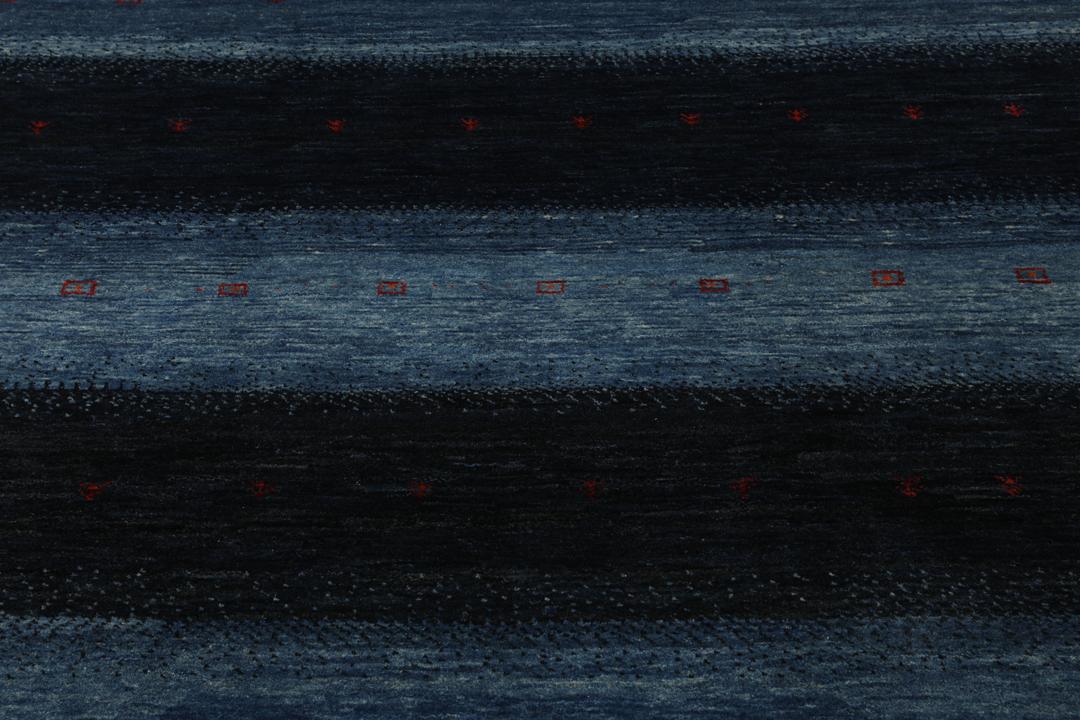
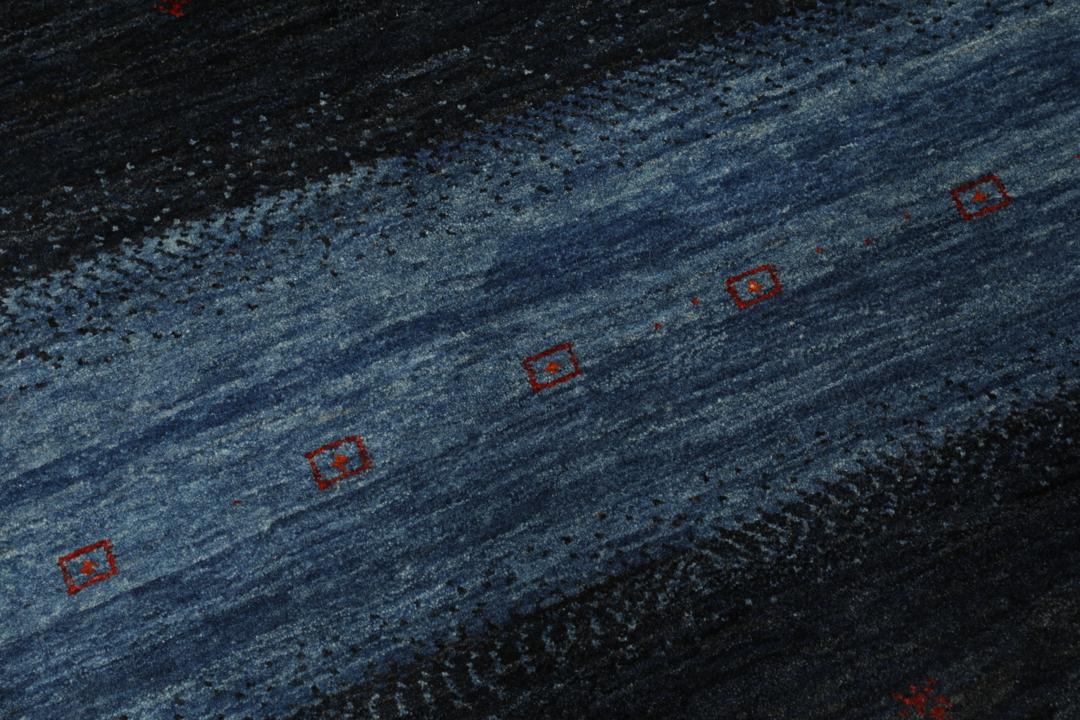
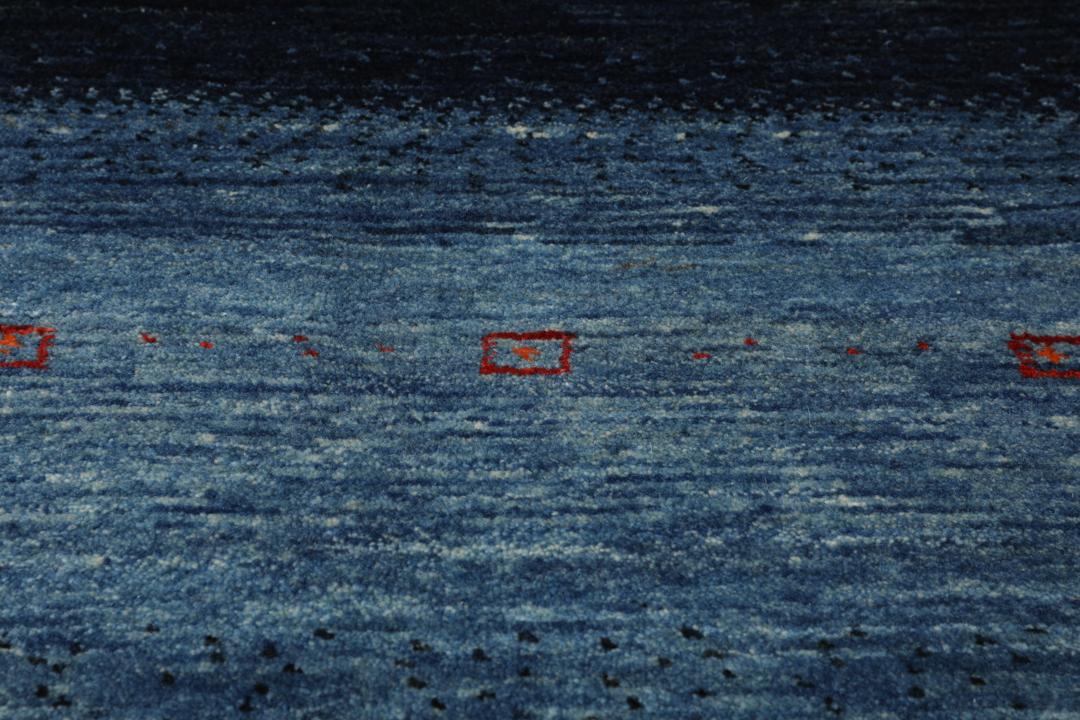
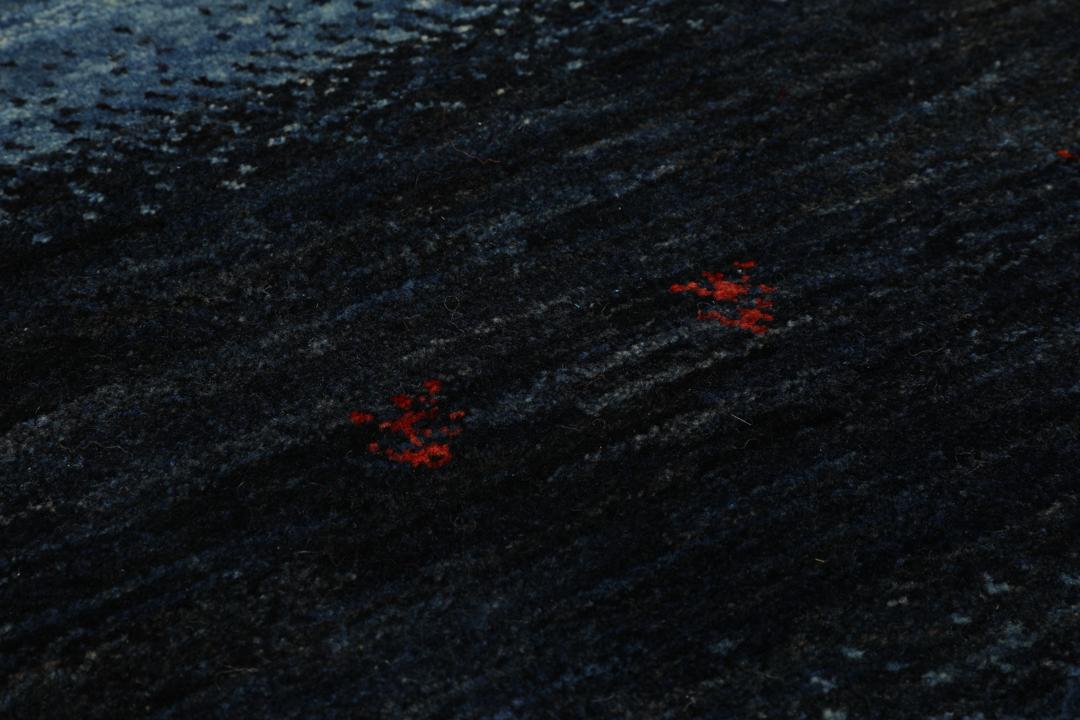
Visually, these rugs are known for their bold, often minimalist interpretations of traditional motifs. While many Middle Eastern rugs rely on complex central medallions, the Loribaft style often favours an open field or simple, rhythmic geometric patterns like the stripes seen here. This simplicity allows the natural variations in the wool and the depth of the dye to take centre stage, creating a look that is both grounded and sophisticated.
Owning a rug from this tradition is more than just a decor choice; it is an appreciation of a culture that has preserved its craft through generations. Collectors value these pieces for their authenticity and the human story woven into every inch. By bringing this rug into your home, you are participating in a long history of artistry, ensuring that these traditional skills continue to be recognised and valued.