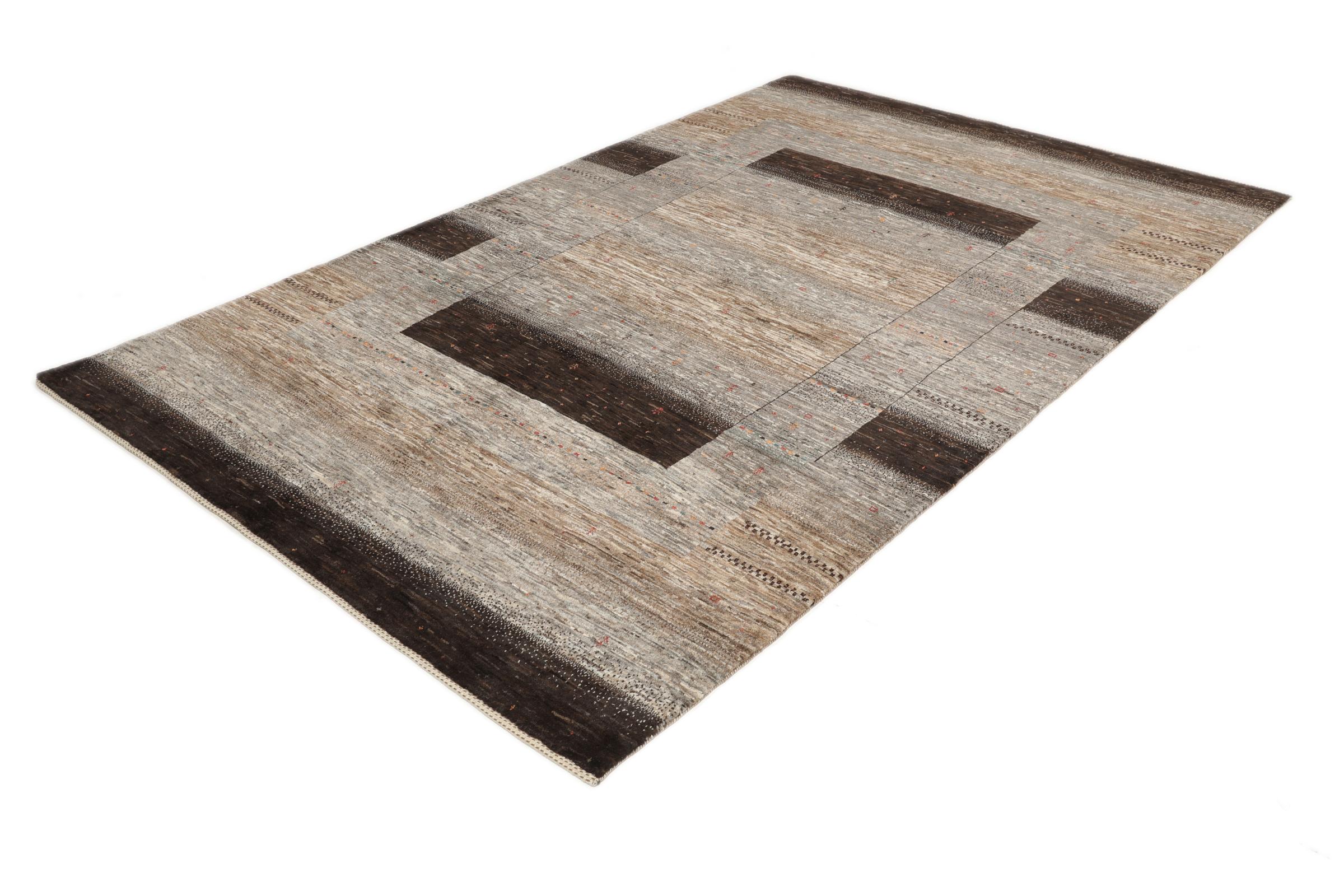
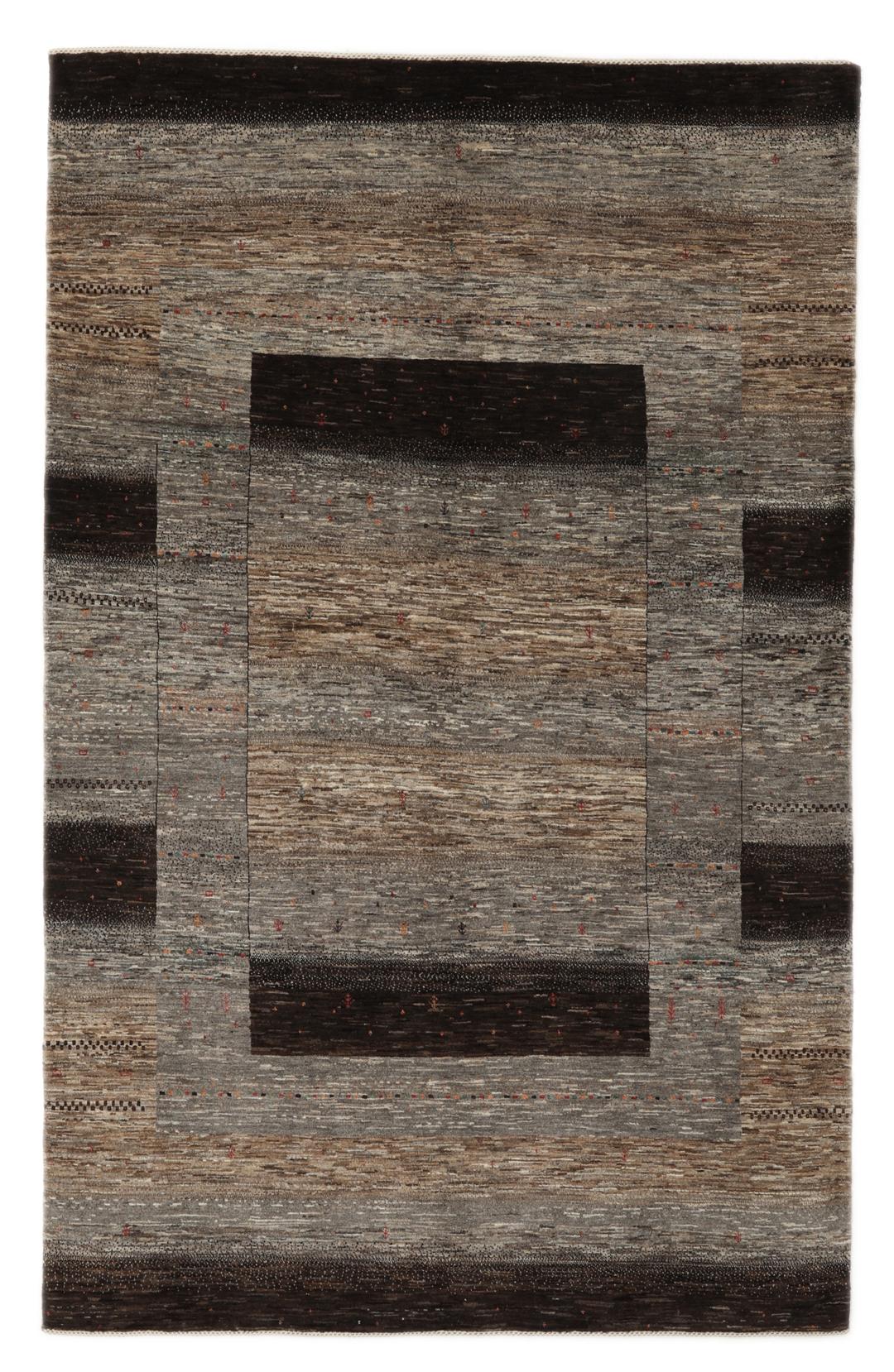
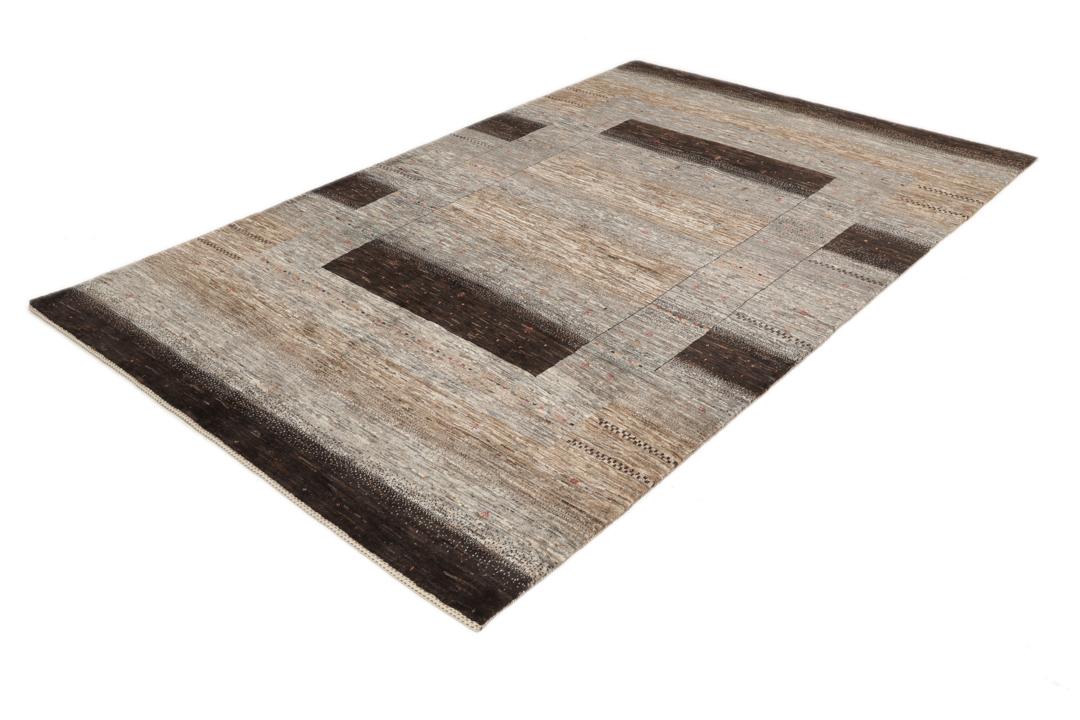
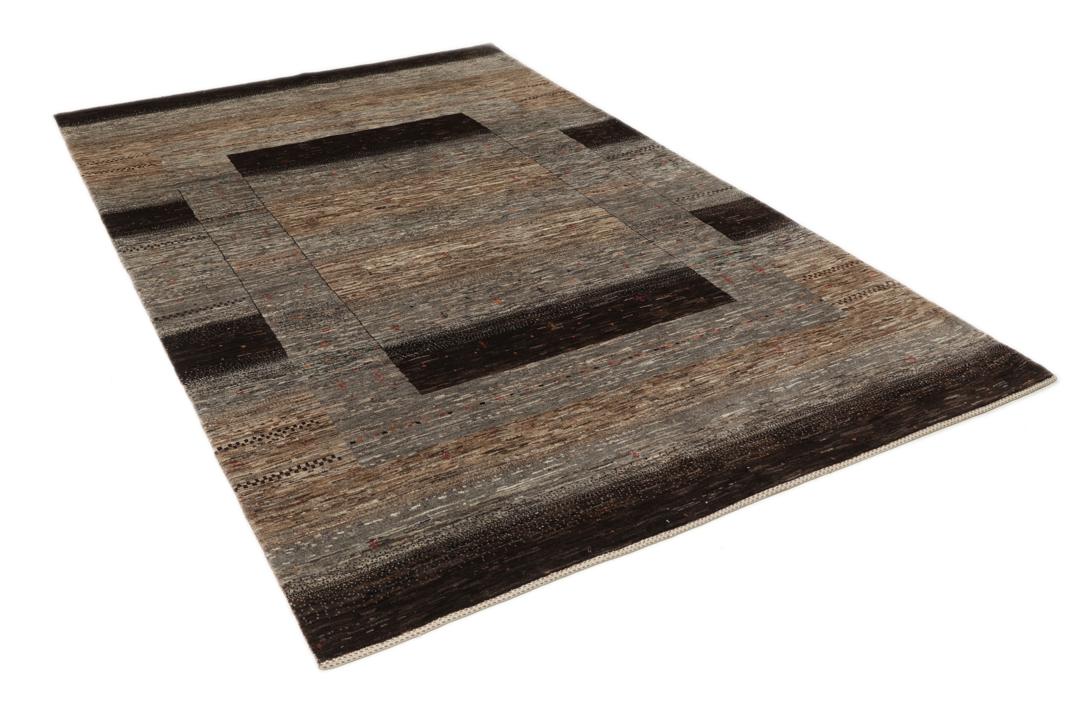
The Loribaft and Kashkooli traditions are rooted in the nomadic heritage of the Middle East, specifically associated with the tribal groups who have woven rugs for generations to serve both functional and aesthetic needs. These rugs have evolved from purely utilitarian floor coverings into celebrated examples of tribal art, known for their thicker piles and more simplistic, yet powerful, designs.
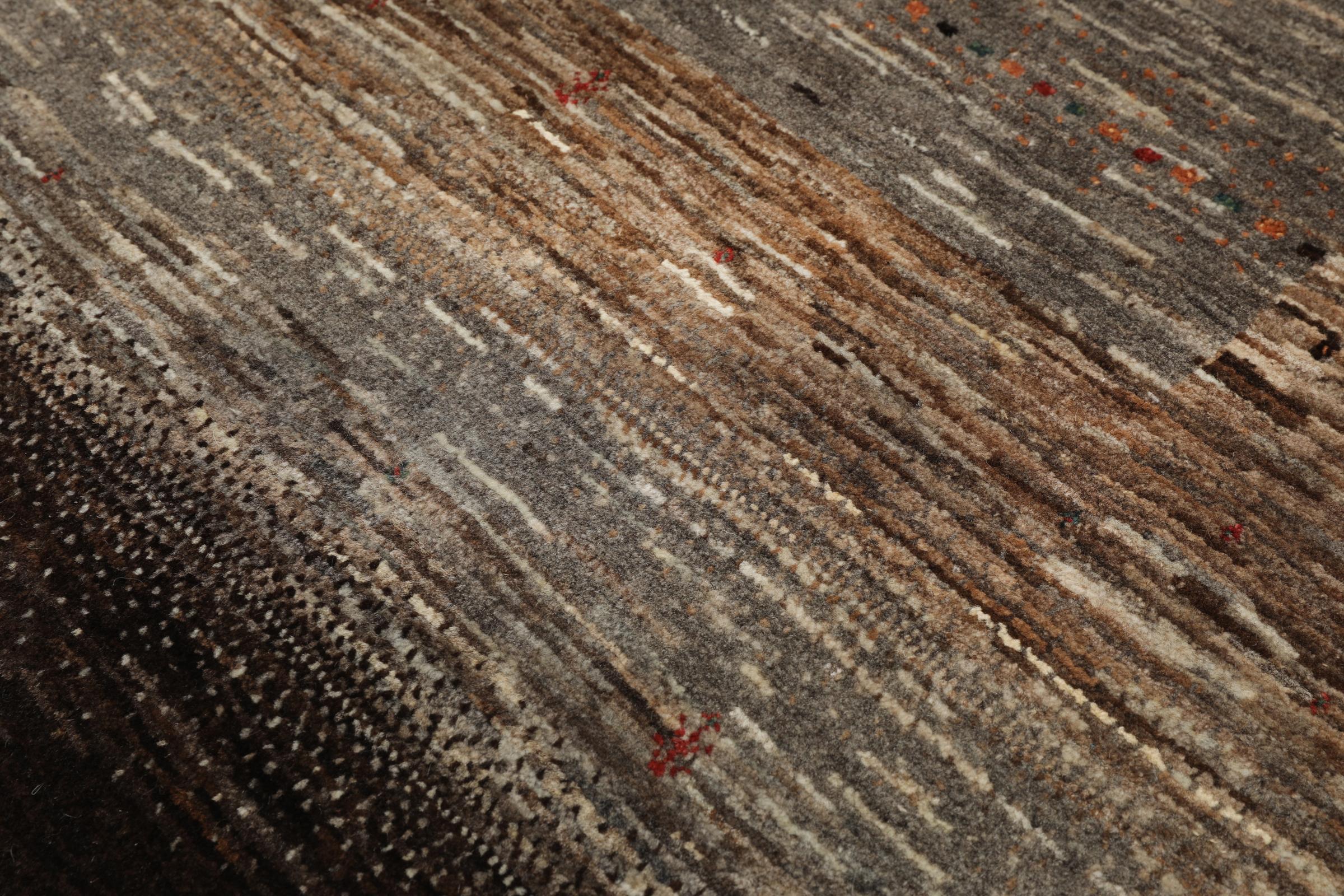
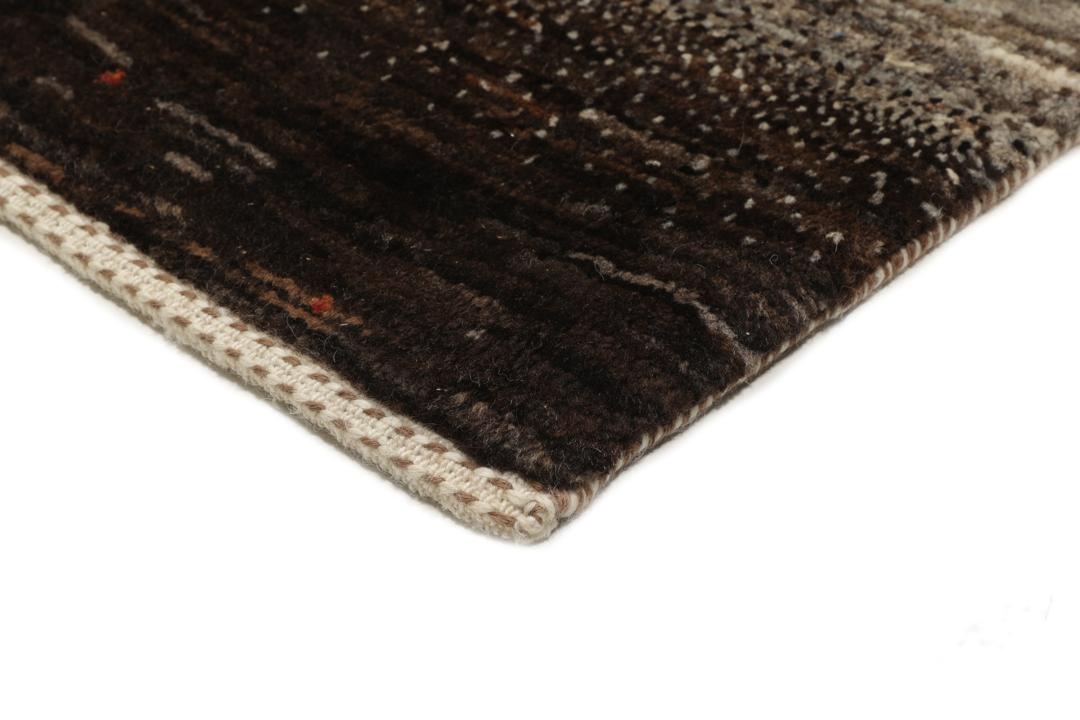
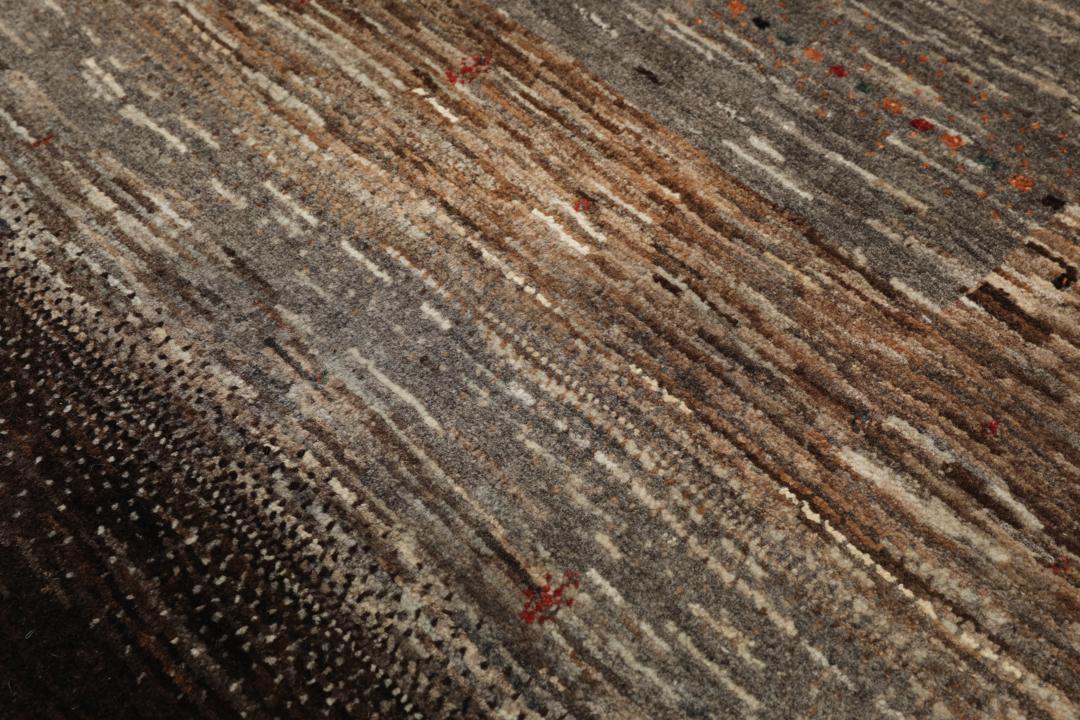
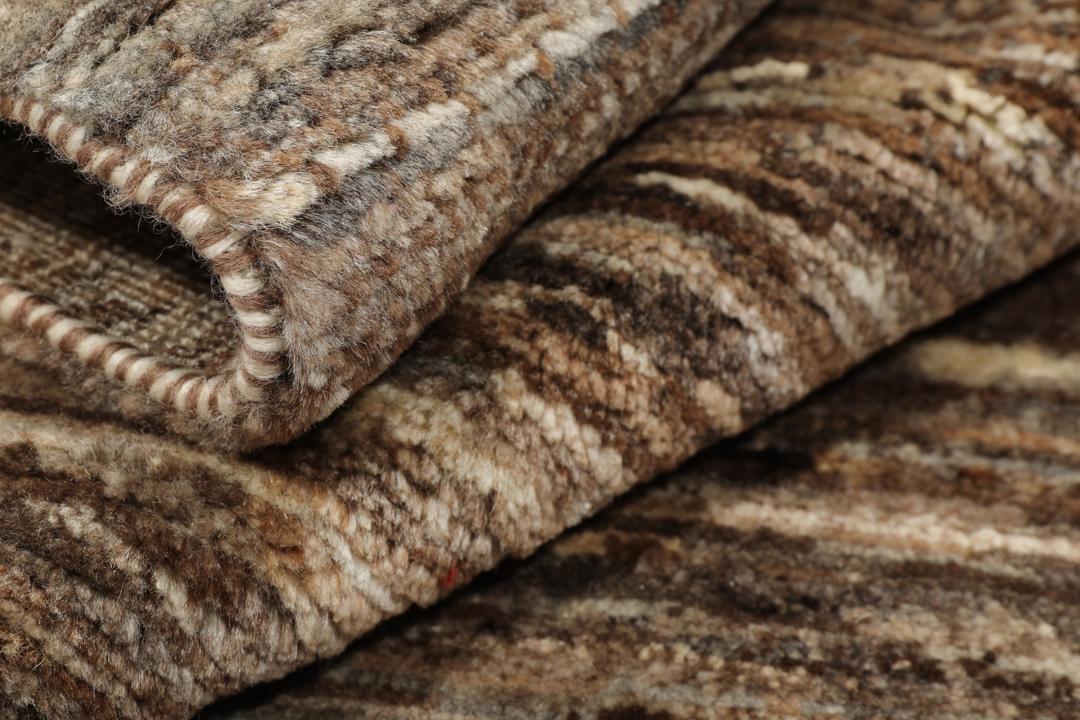
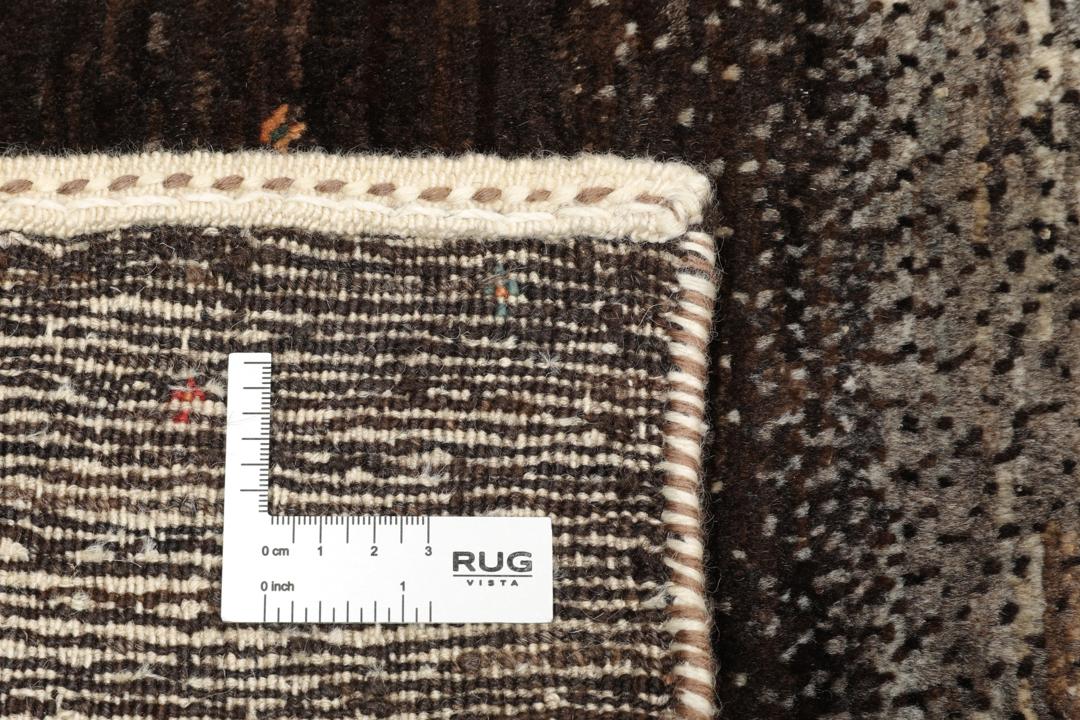
The term 'Fine' in this context refers to the elevated level of care and density compared to standard tribal weavings. This construction method involves a specific approach to the tension and knotting process, which results in a more lustrous and soft pile. By using high-quality Wool, these rugs achieve a sheen and durability that make them highly prized by collectors.
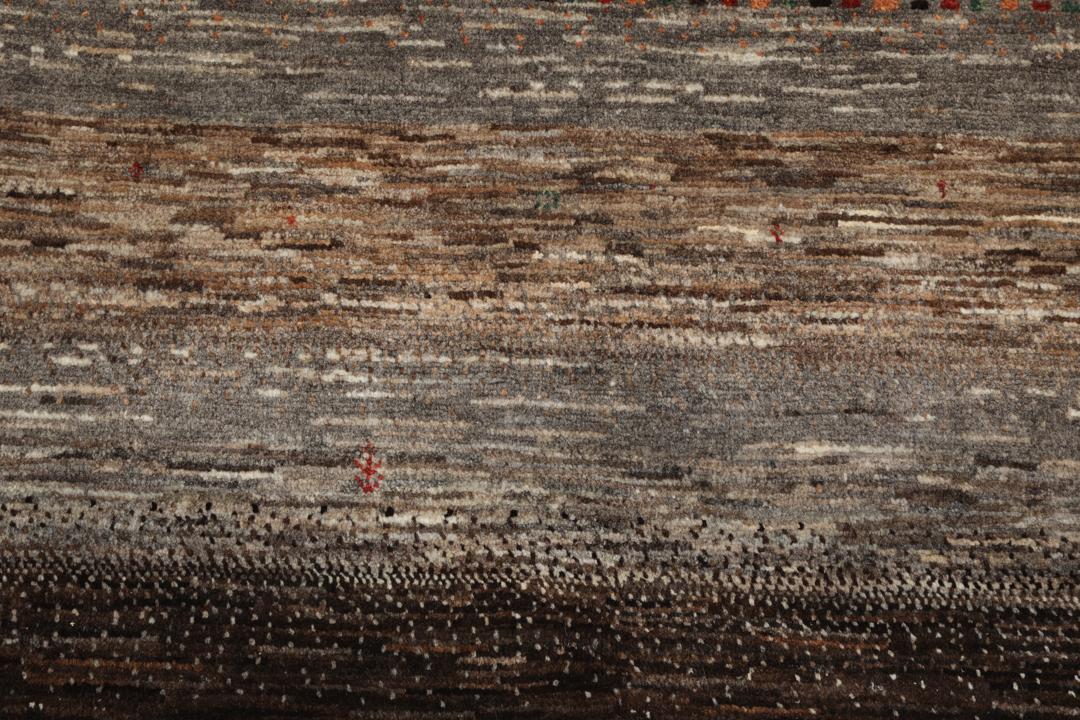
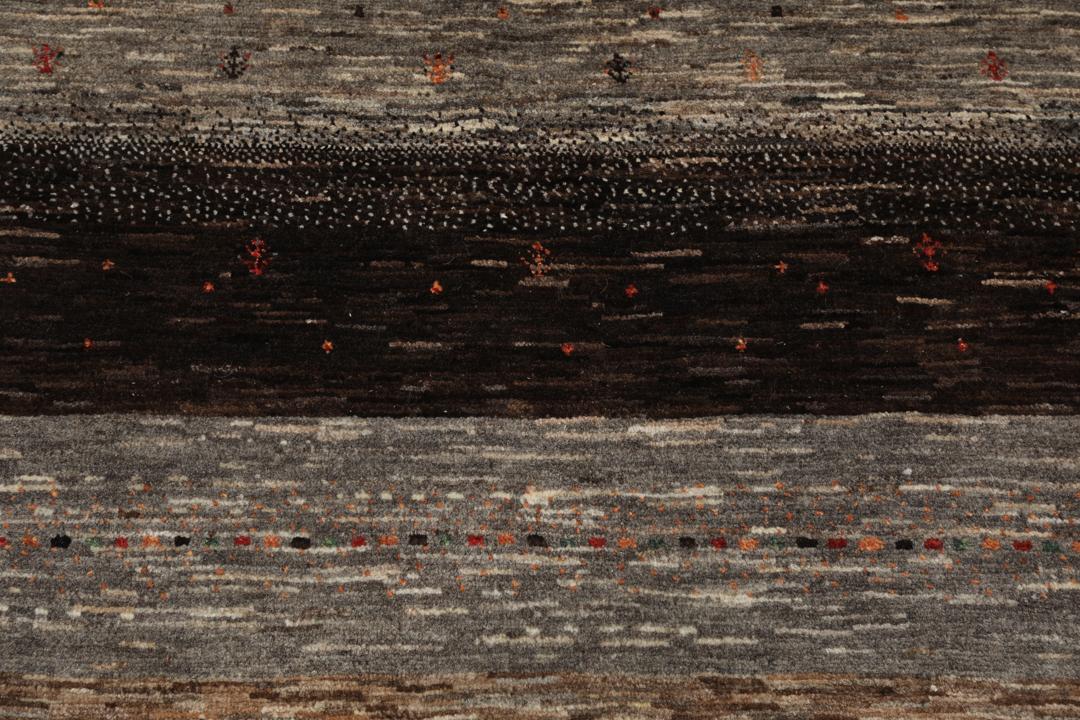
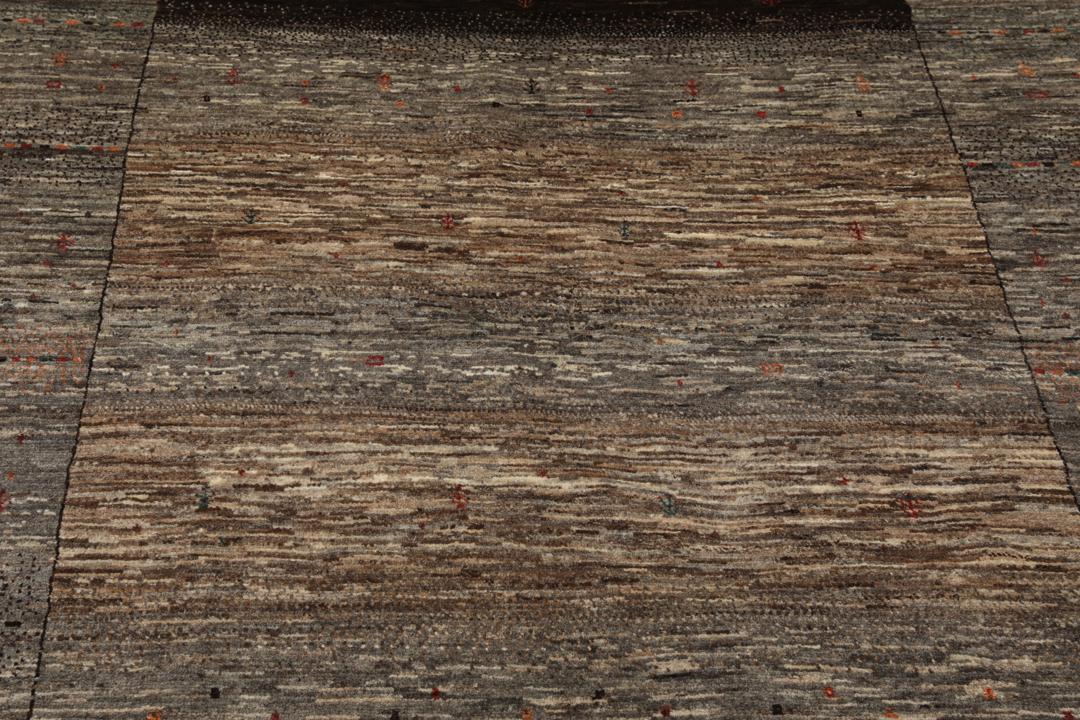
Visually, these rugs are defined by their use of open space and geometric, often abstract, motifs that reflect the natural landscape of their origin. Unlike more formal urban rugs with intricate floral layouts, these pieces favour a more spontaneous and expressive design language, often featuring subtle shifts in colour that mimic the natural variations found in hand-dyed Wool.
Today, these rugs are valued for their cultural weight and the direct connection they provide to ancient weaving traditions. Owning a piece from this category is an investment in human skill and heritage, as it represents a style that has remained relatively unchanged for centuries, preserved by artisans who continue to honour the techniques of their ancestors.