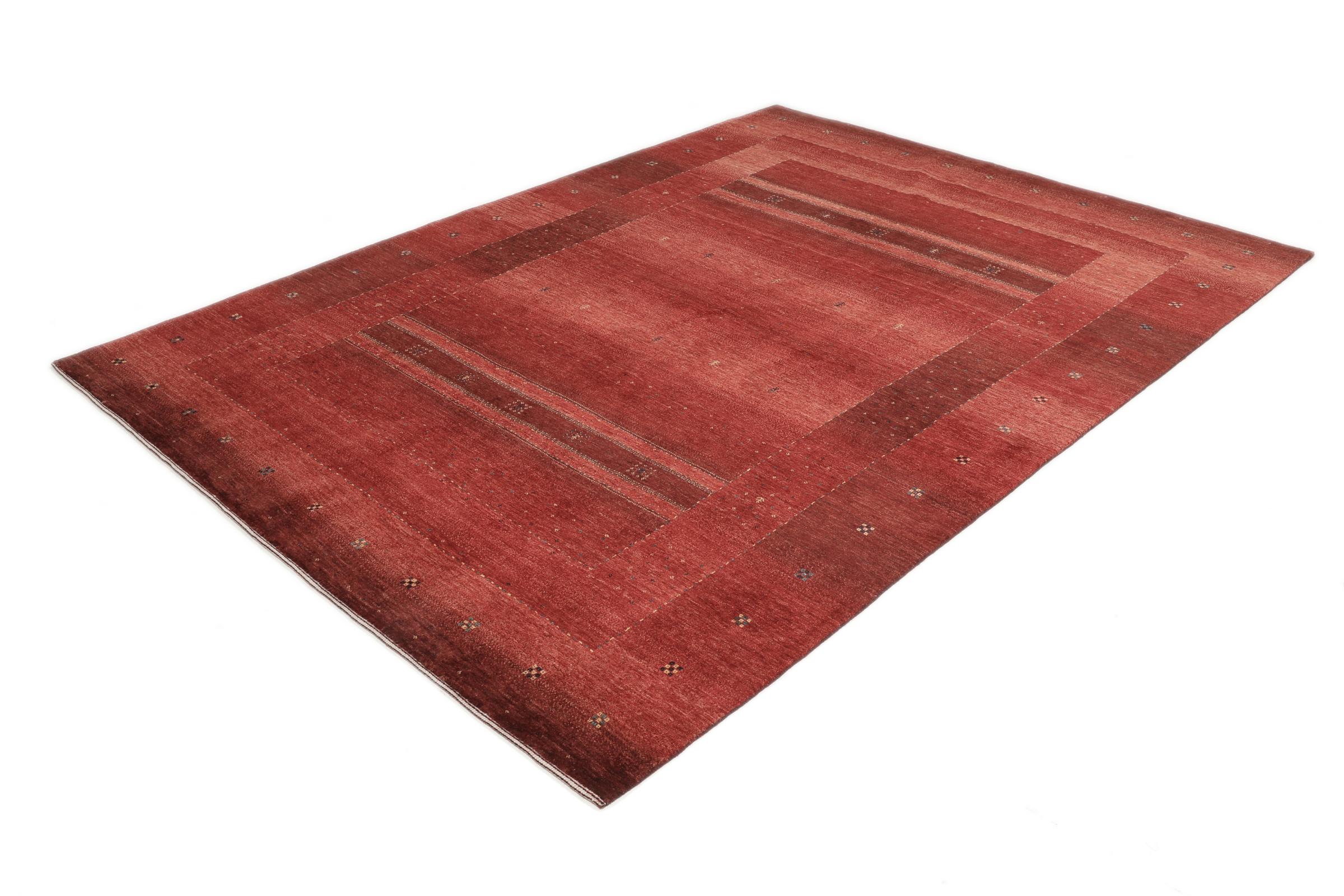
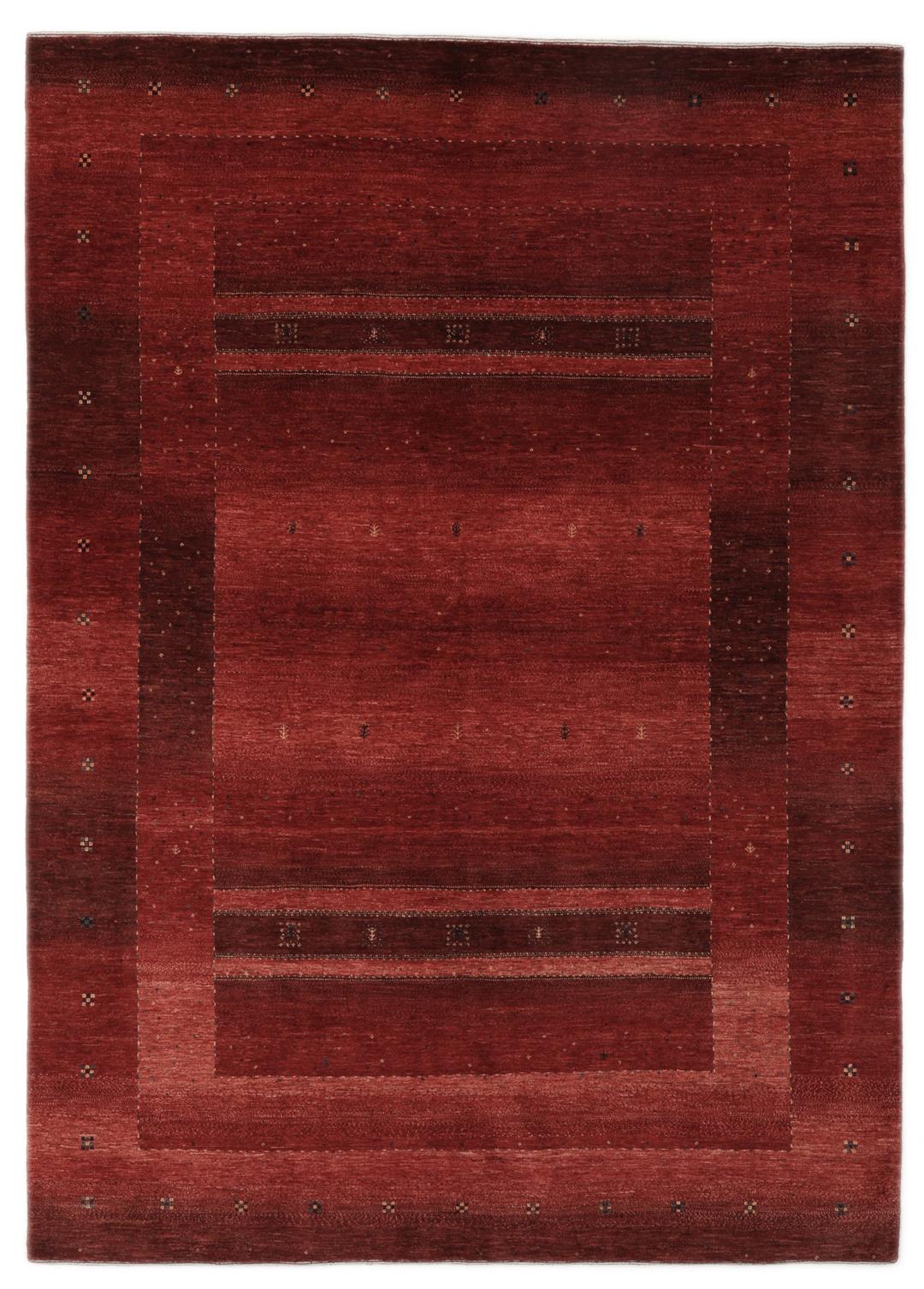
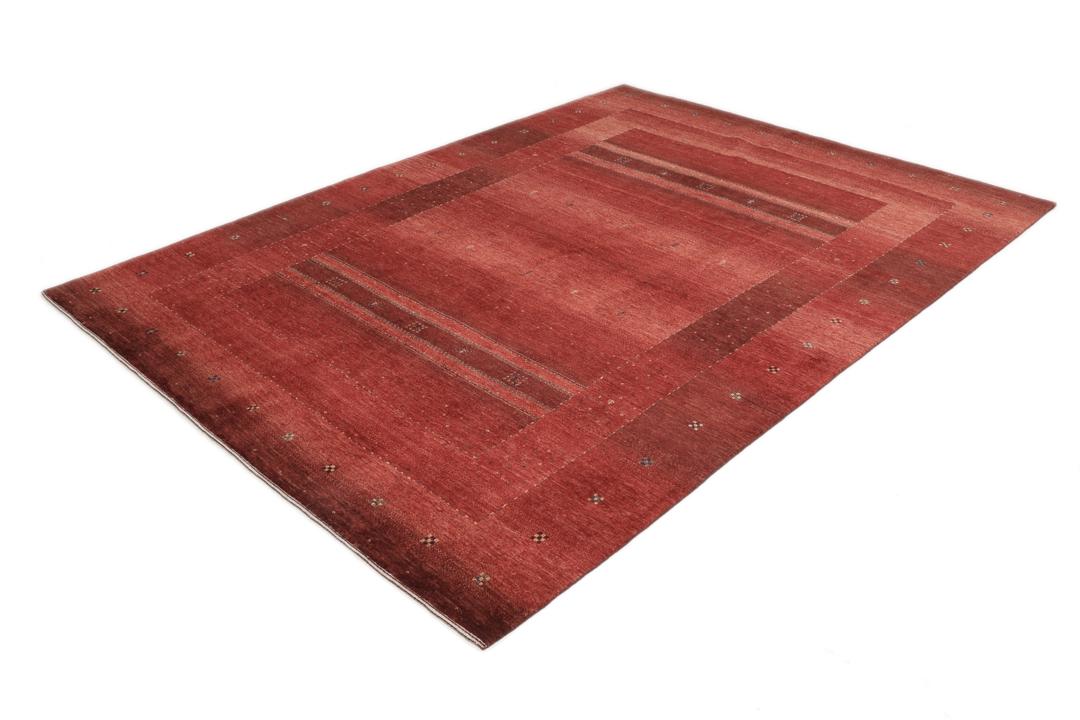
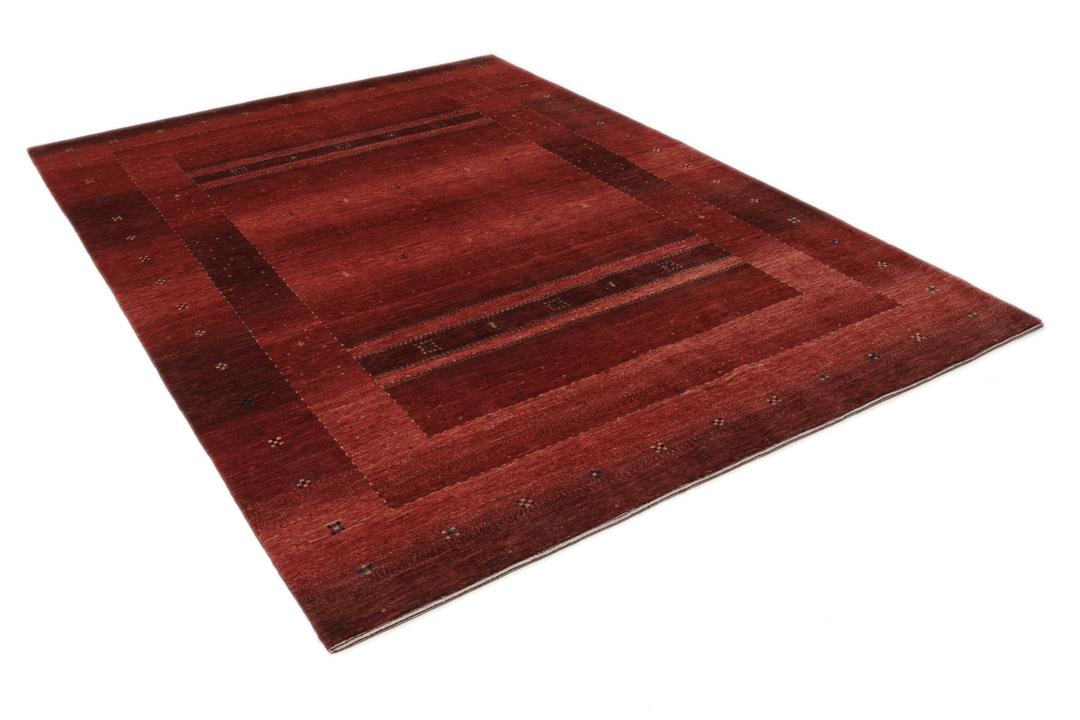
The Loribaft rug is a distinguished member of the broader nomadic weaving traditions found in the mountainous regions of the Middle East. Originally woven by the Luri and Bakhtiari tribes, these rugs were created for practical use in tents and homes, serving as bedding, wall hangings, and floor coverings. Over time, these rugs have evolved from purely functional items into highly sought-after pieces of art for their rich, saturated colours and expressive, simple designs.
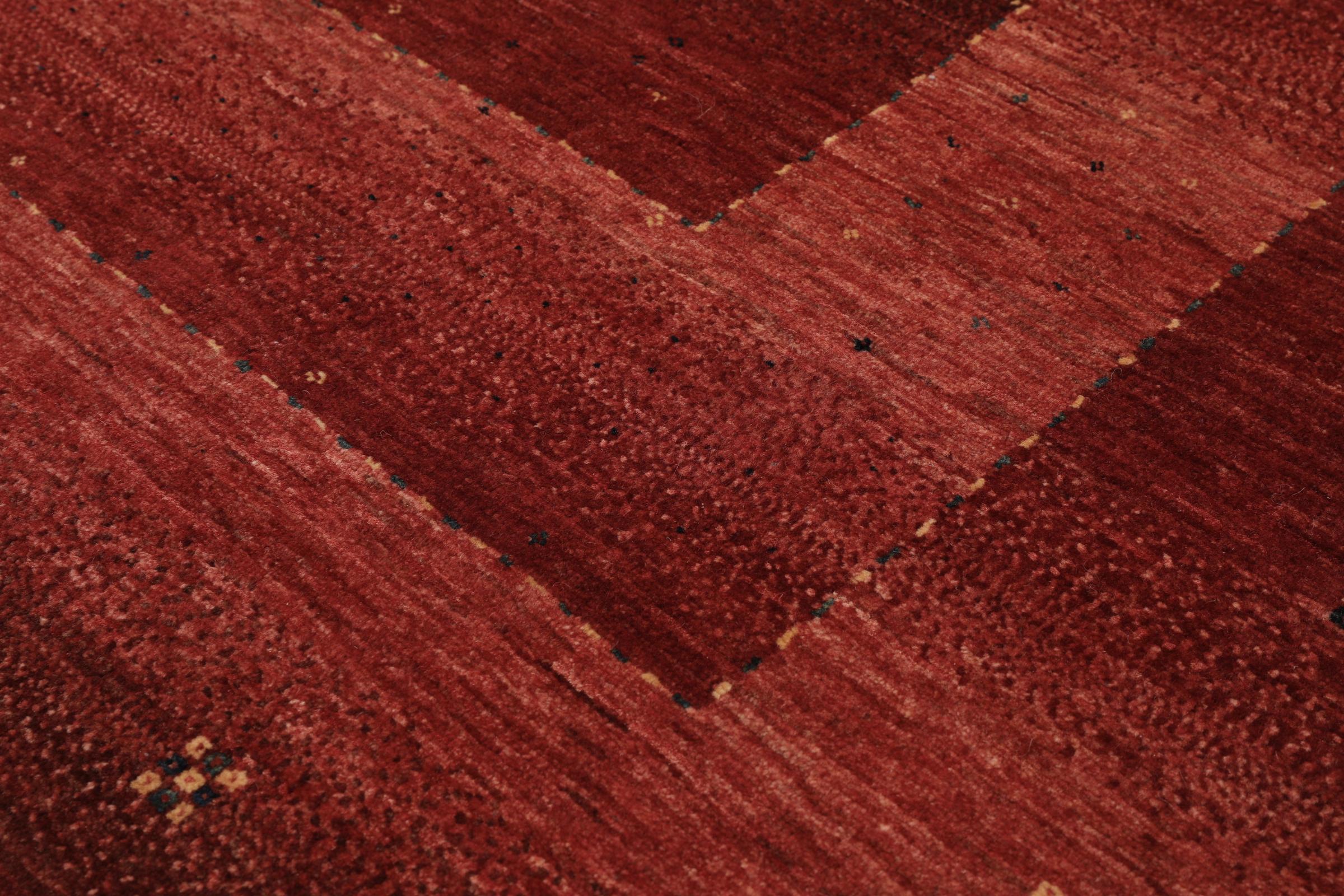
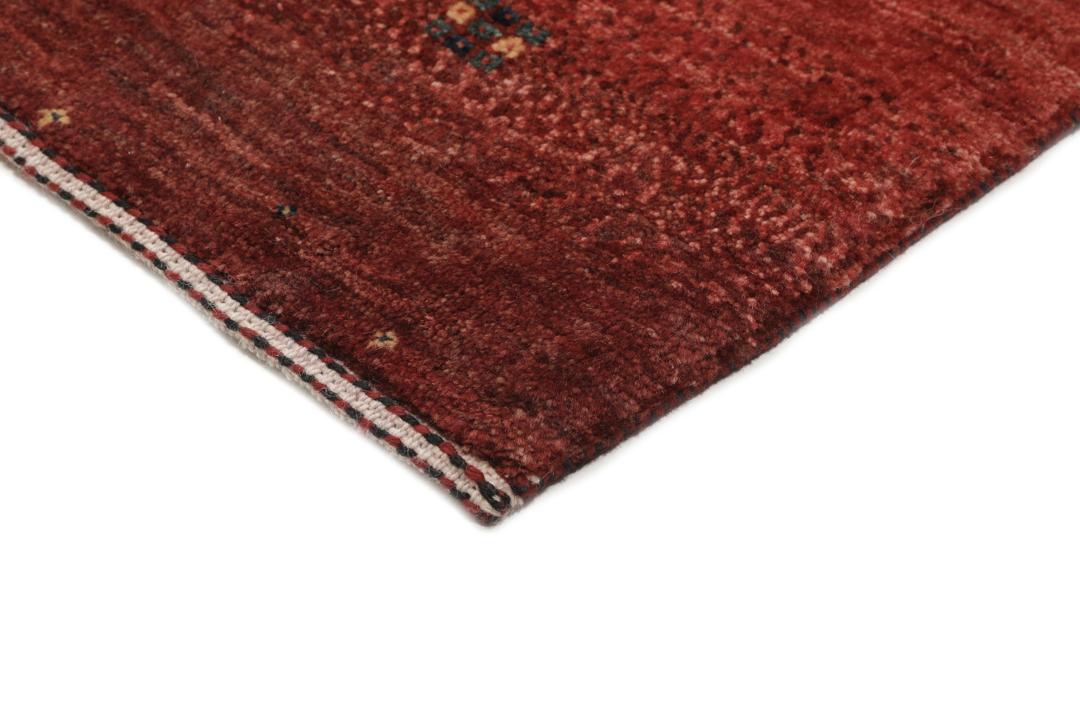
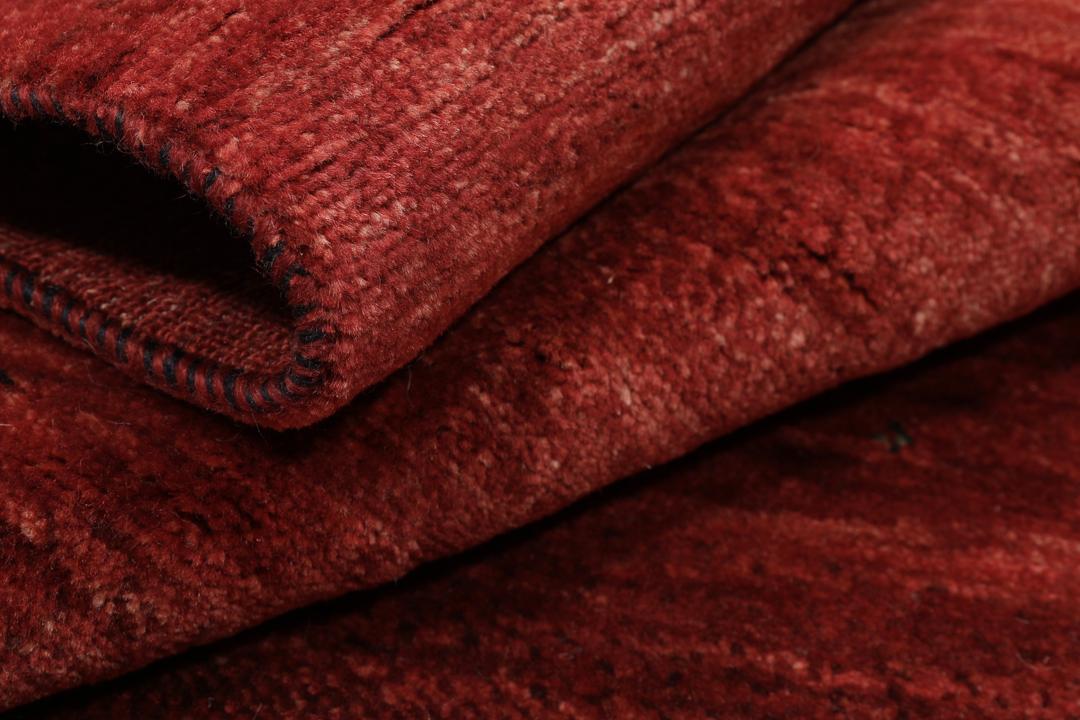
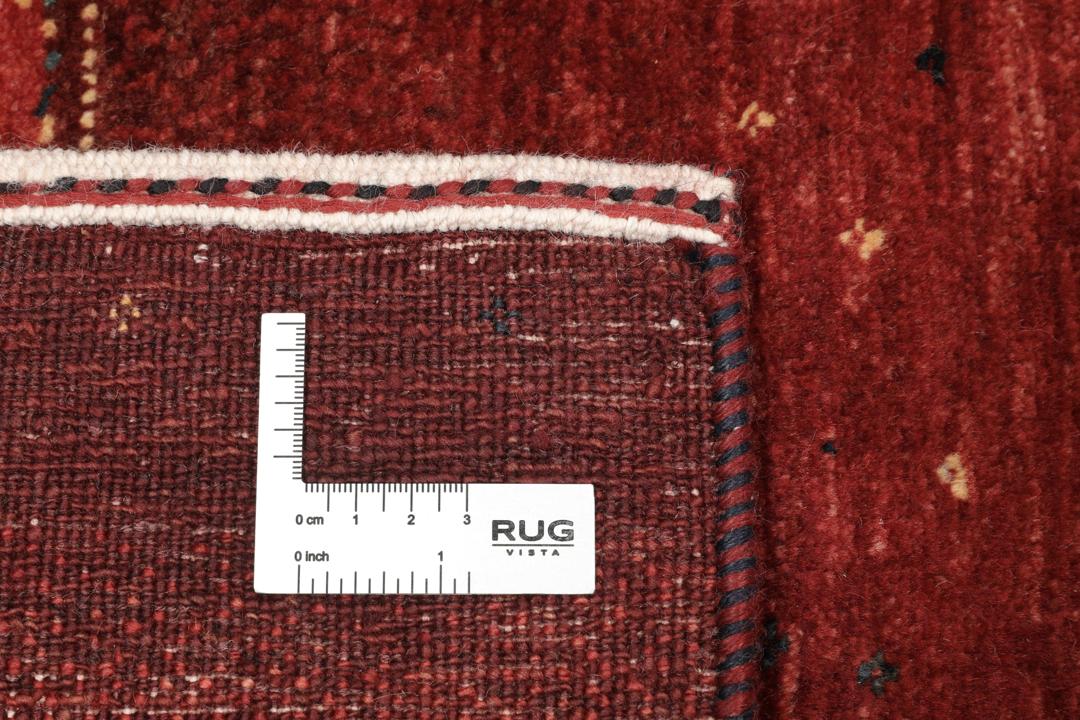
The term 'Kashkooli' often associated with these rugs refers to a specific, finer grade of weaving that allows for more intricate detail and a softer, more refined handle. This evolution in craft means that while the rugs maintain their tribal spirit, they possess a level of sophistication that suits contemporary homes. The use of hand-spun Wool and natural dyes has historically defined the quality of these rugs, contributing to their enduring charm and ability to develop a beautiful patina over time.
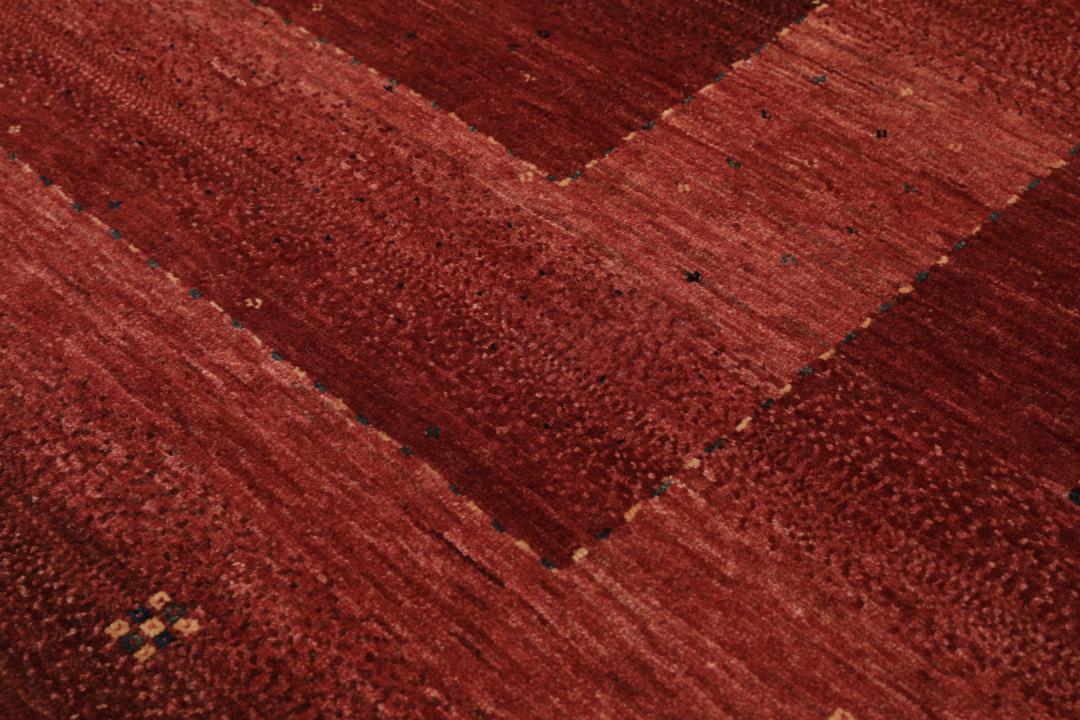
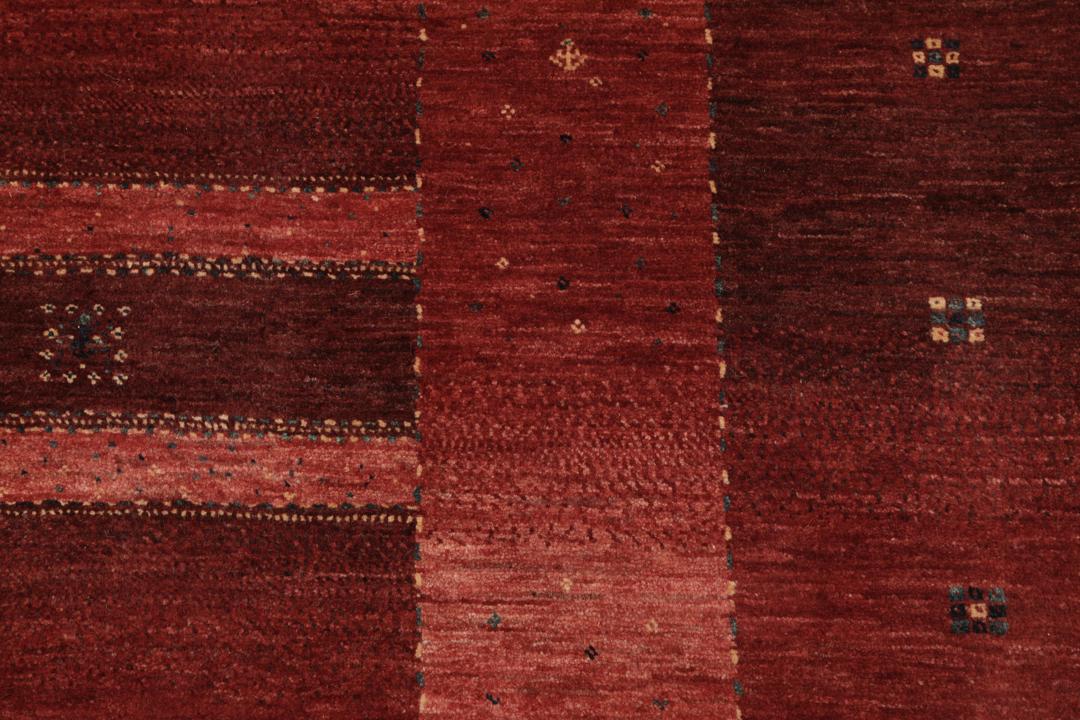
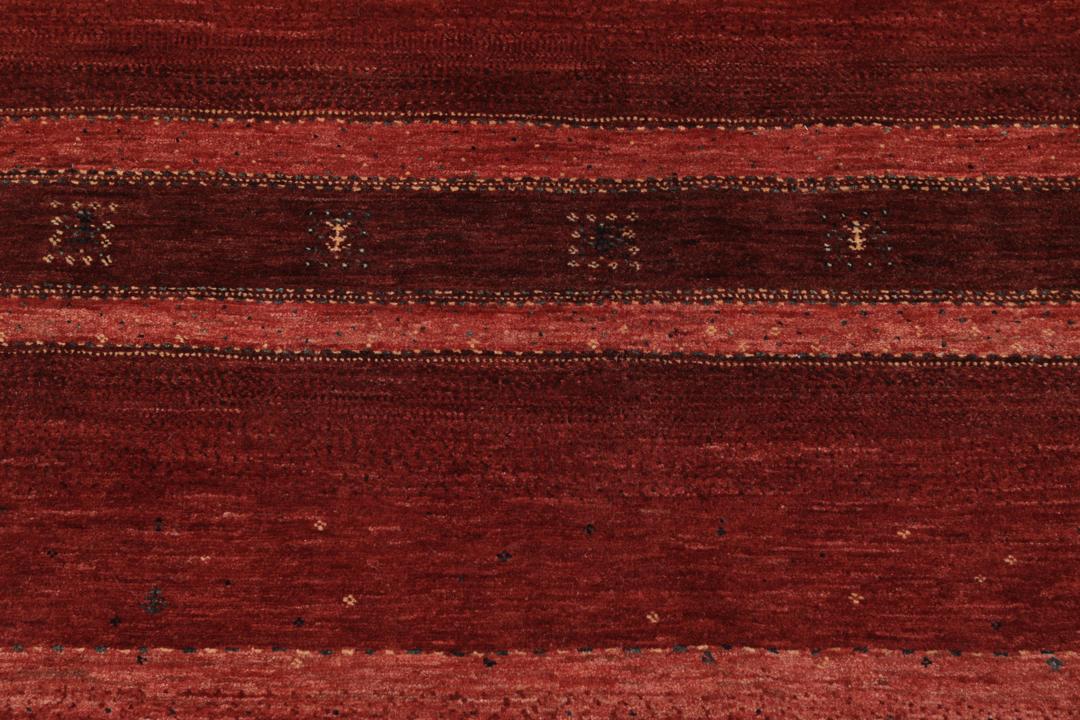
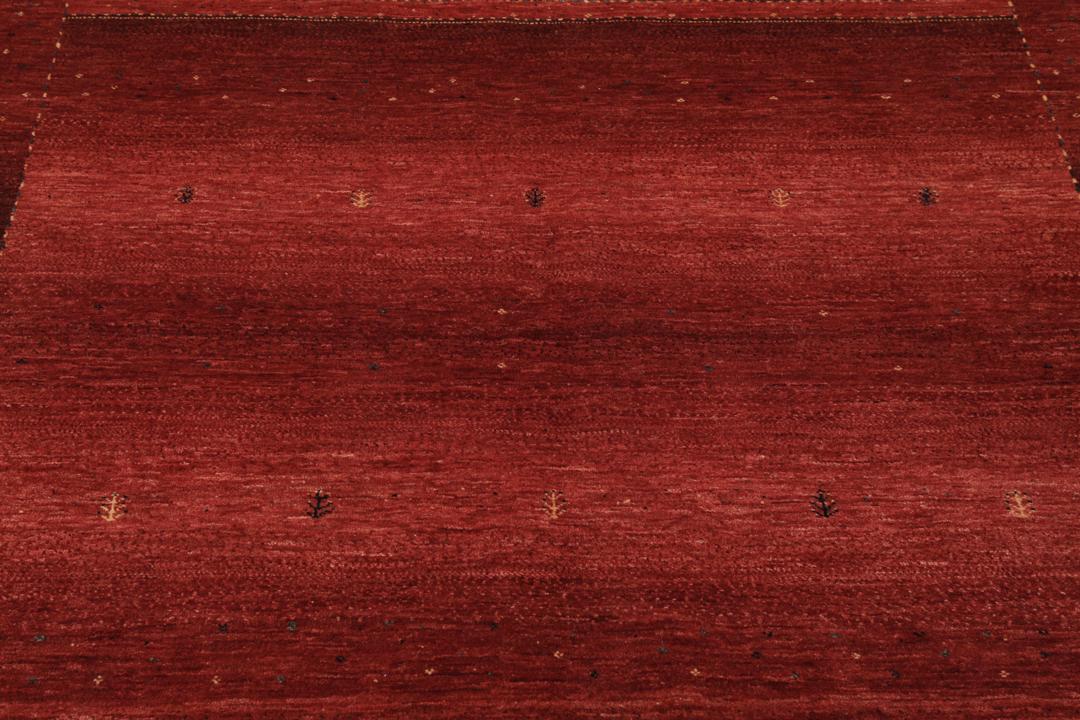
Visually, these rugs are celebrated for their open fields and deep, often monochromatic colour palettes. Unlike more complex patterns, the beauty of a Loribaft lies in the subtle shifts of colour, which occur when different batches of Wool are dyed in small, artisanal quantities. The minimal, often geometric or floral-inspired motifs are placed with intention, creating a sense of balance and calm that makes them a favourite among collectors and interior enthusiasts alike.
Owning a piece from this tradition is an act of supporting a heritage of craftsmanship that has survived for centuries. These rugs are valued not only for their aesthetic appeal but for the human story they tell. By choosing a hand-knotted rug, you are preserving a connection to the past and ensuring that these traditional skills continue to be recognised for their cultural and artistic significance.