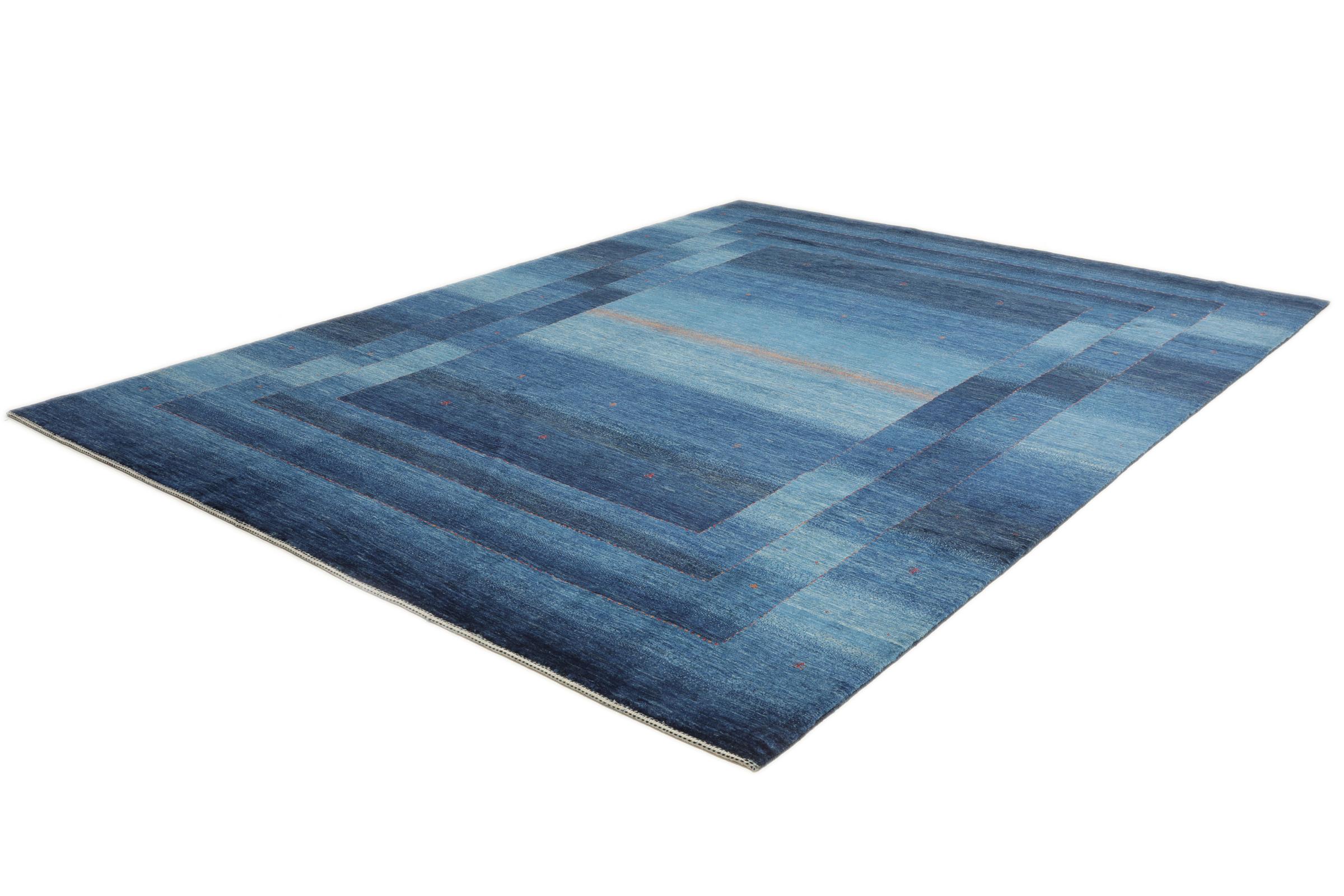
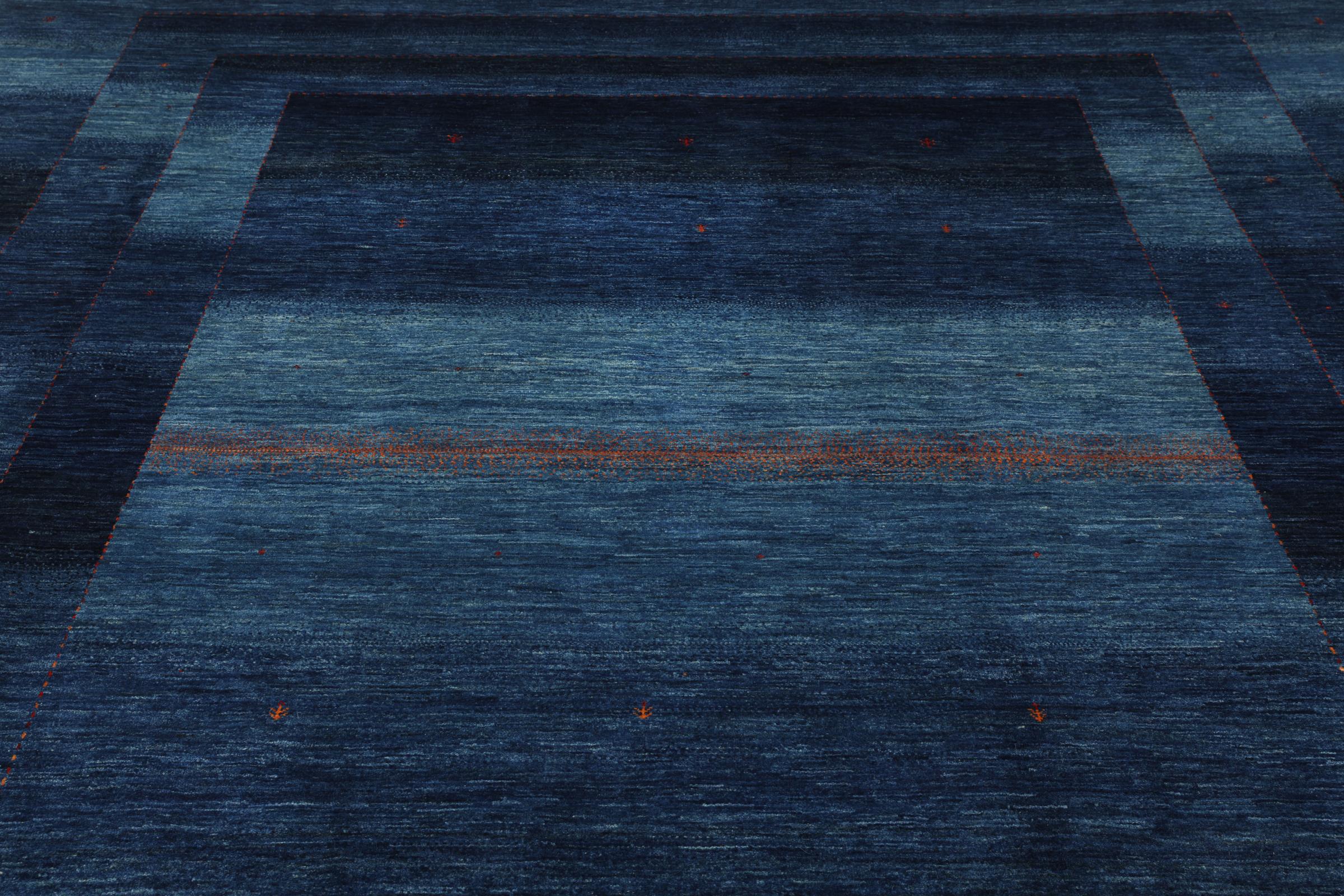
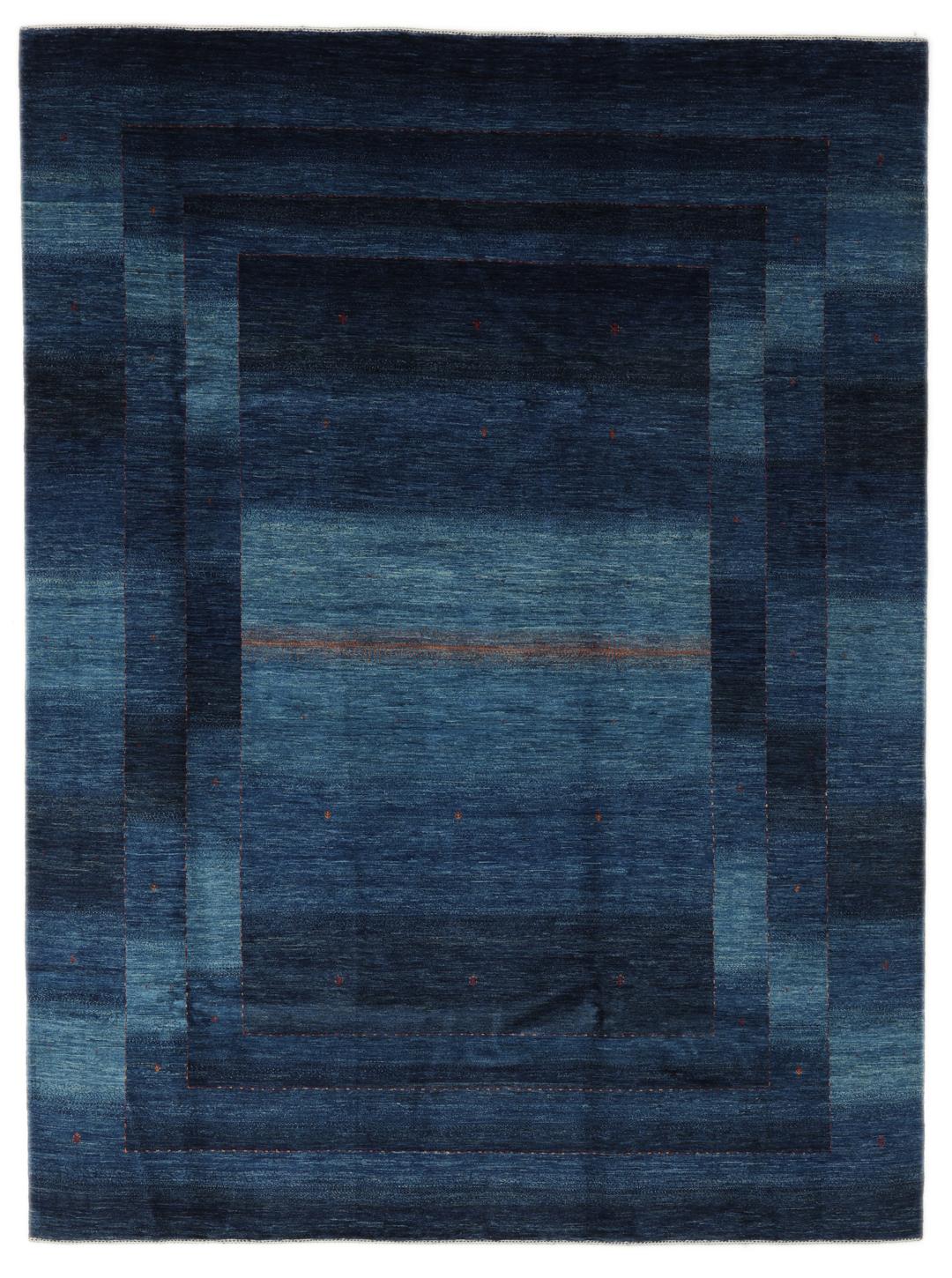
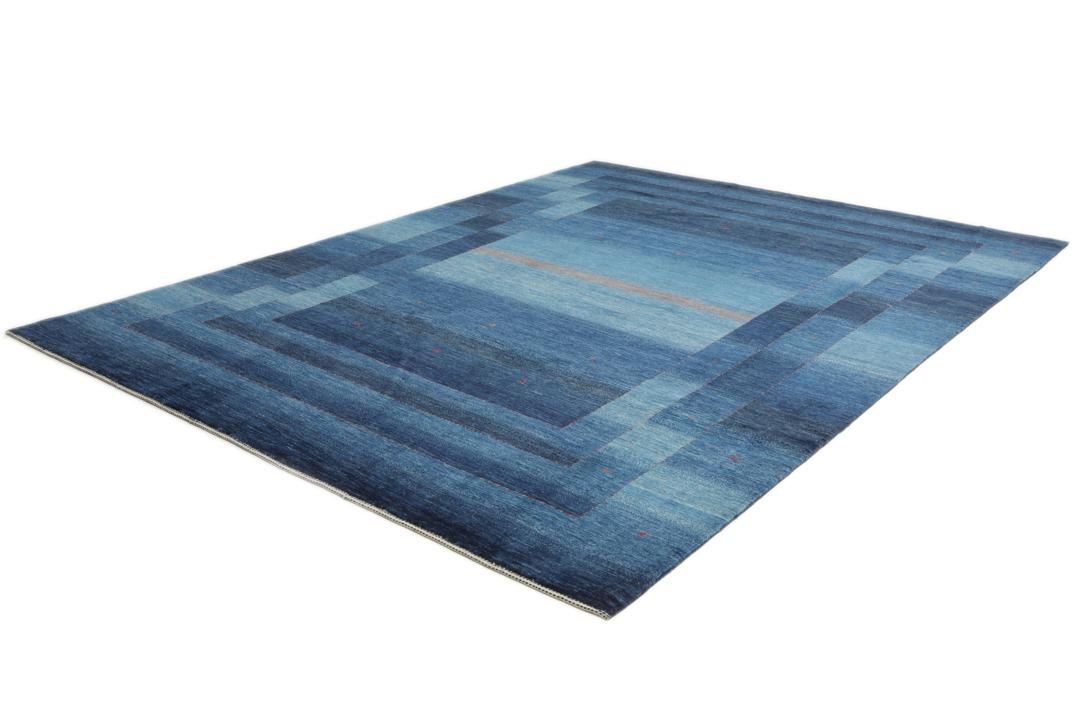
Loribaft rugs originate from the tribal regions of the Middle East, where the craft has long been a vital part of nomadic life. Traditionally, these rugs were produced by tribal groups as functional items for the home, but over time, they have evolved into highly sought-after decorative pieces. The style is deeply rooted in a tradition of storytelling through colour and abstract forms, reflecting the rugged and beautiful landscapes of the region.
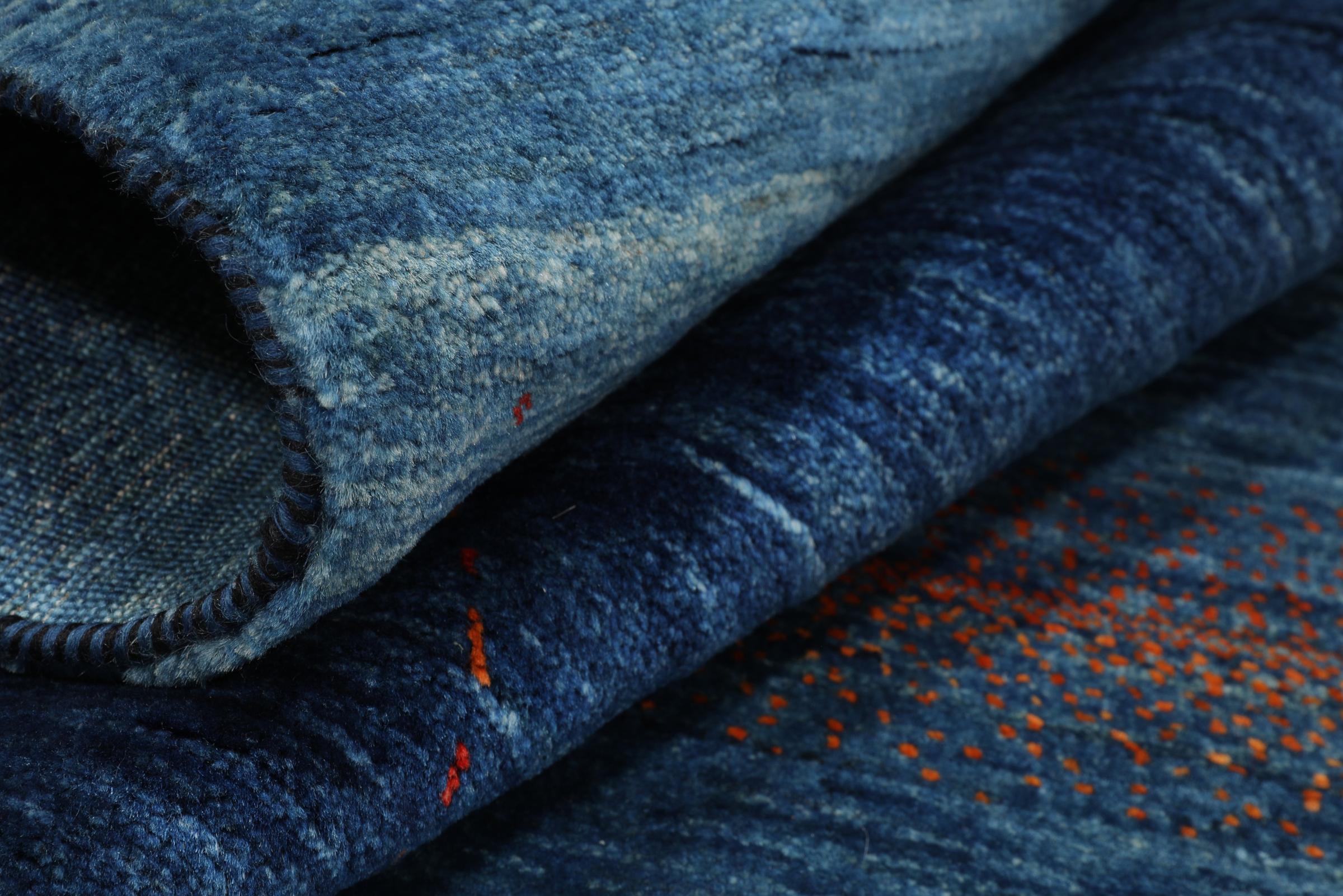
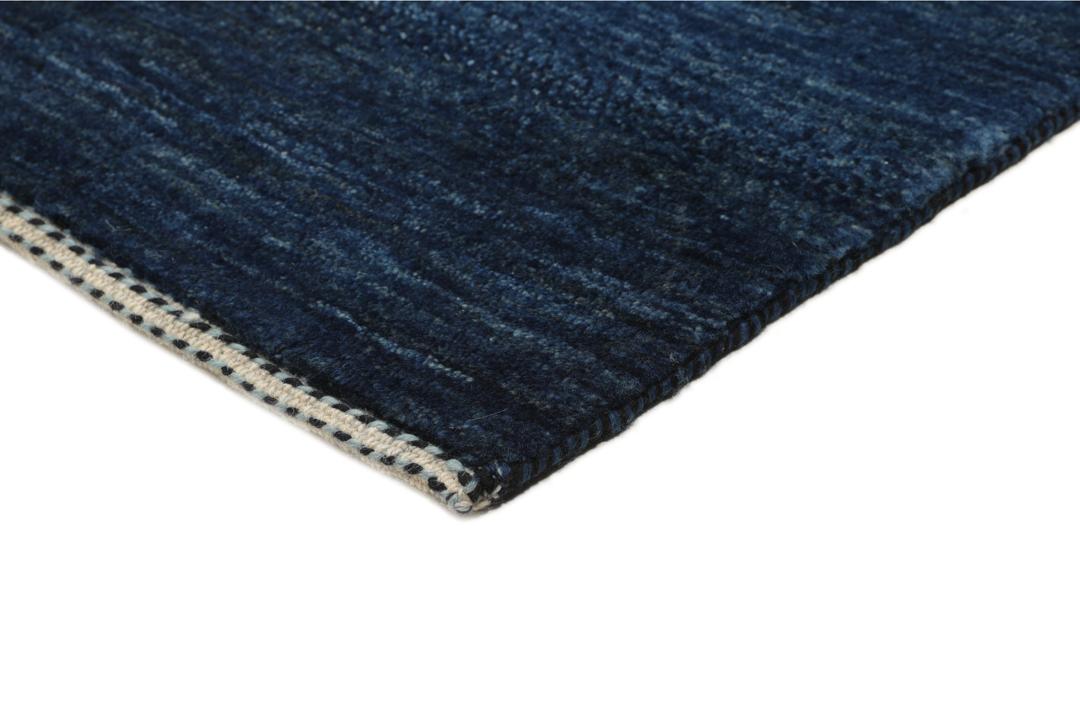
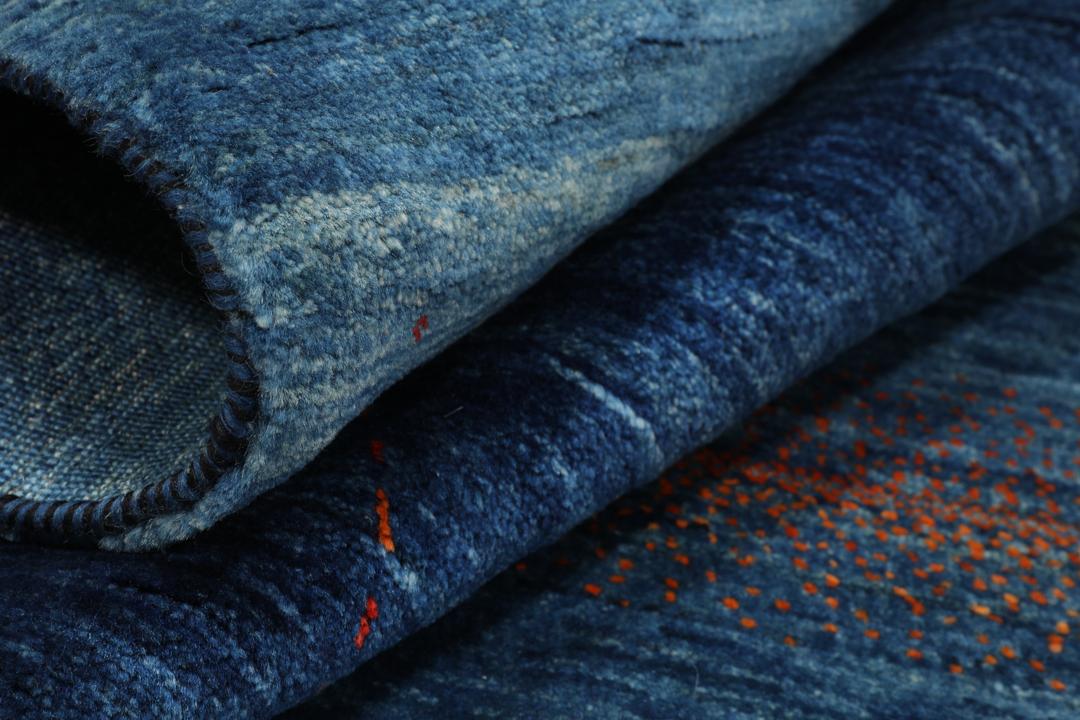
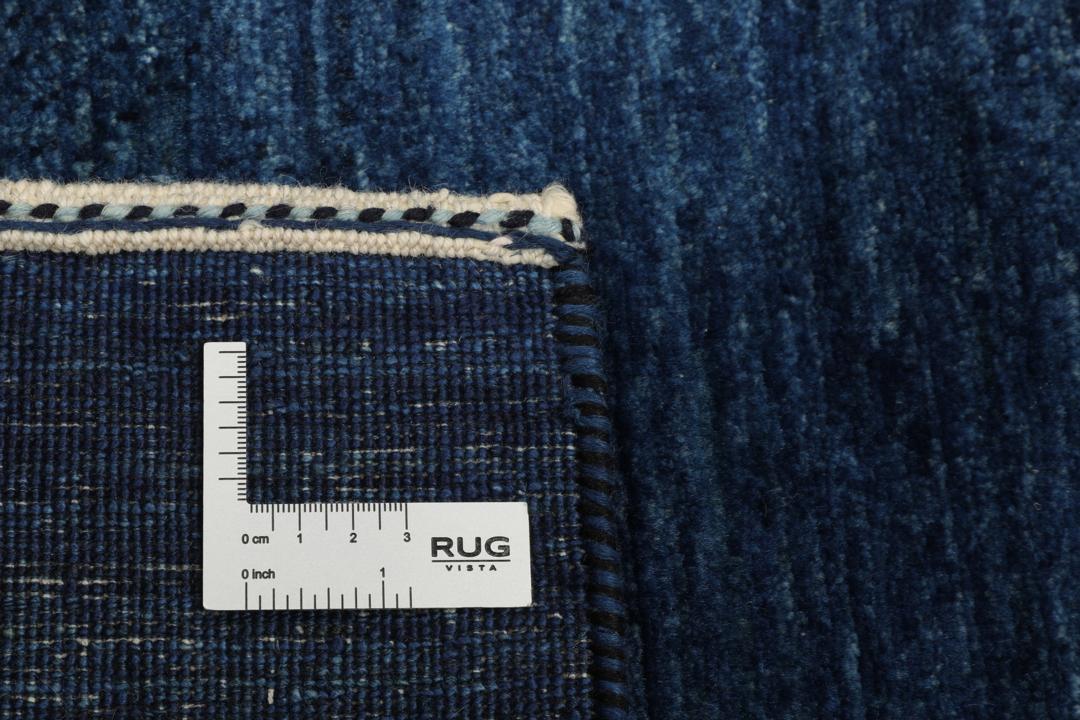
The term 'Loribaft' refers to the specific technique used to create these rugs, which typically features a thicker, softer pile compared to other traditional styles. This construction is designed for comfort and durability, making these rugs ideal for the daily life of a nomadic household. The use of high-quality wool, which is carefully cleaned and spun, ensures that the resulting rug is both lustrous and capable of lasting for generations.
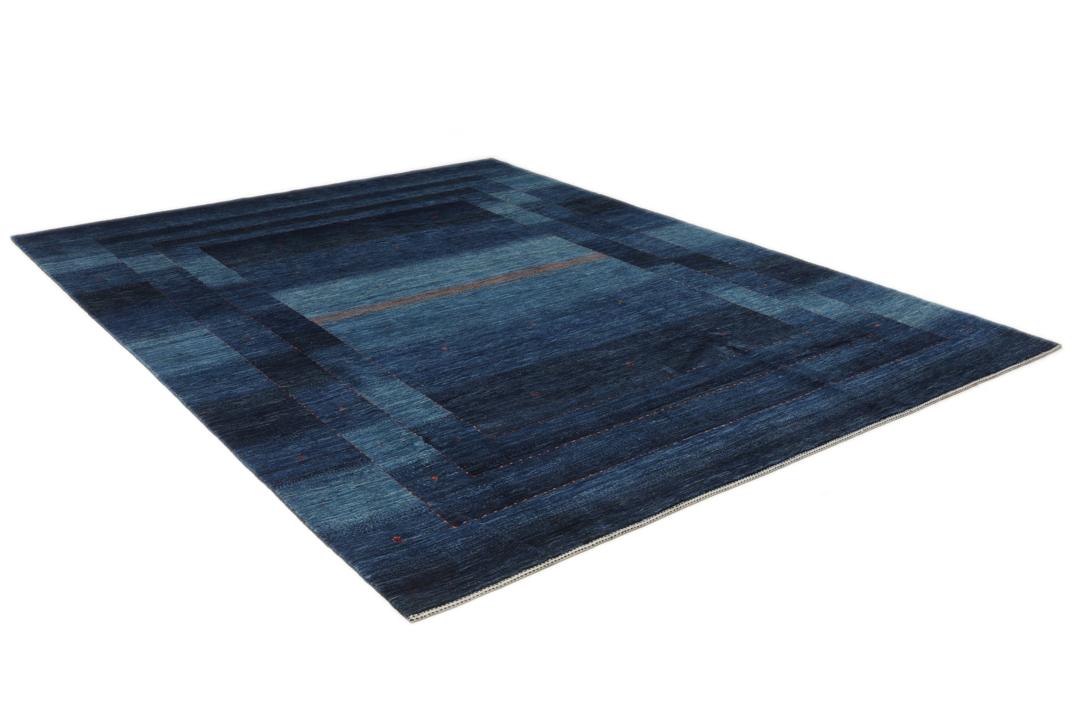
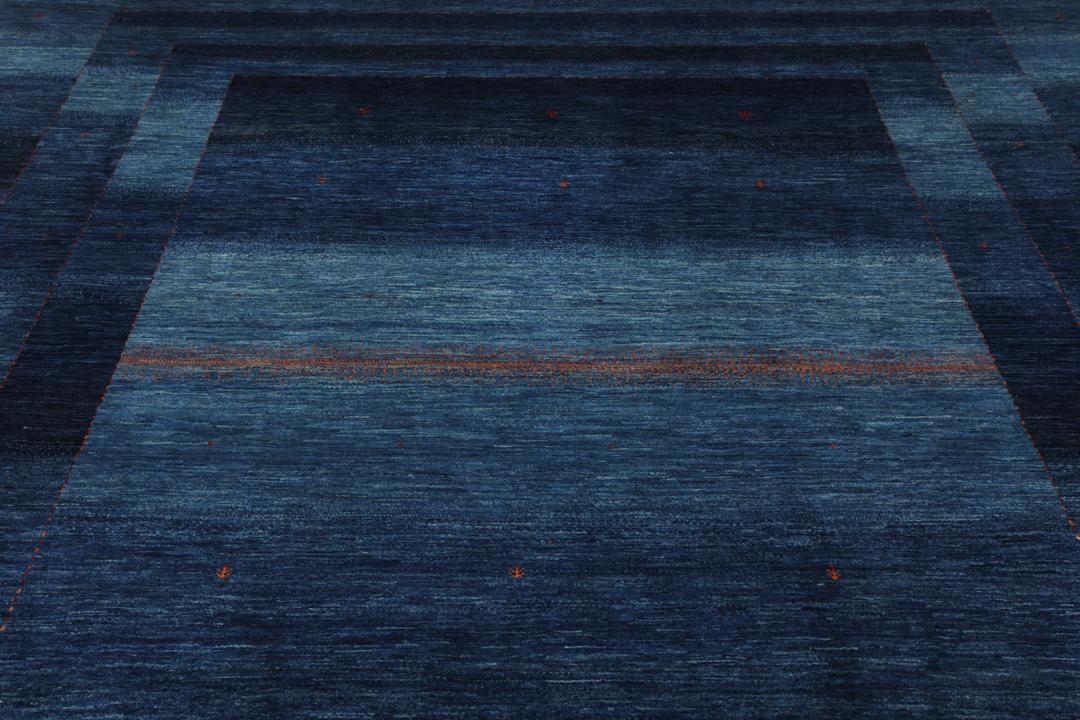
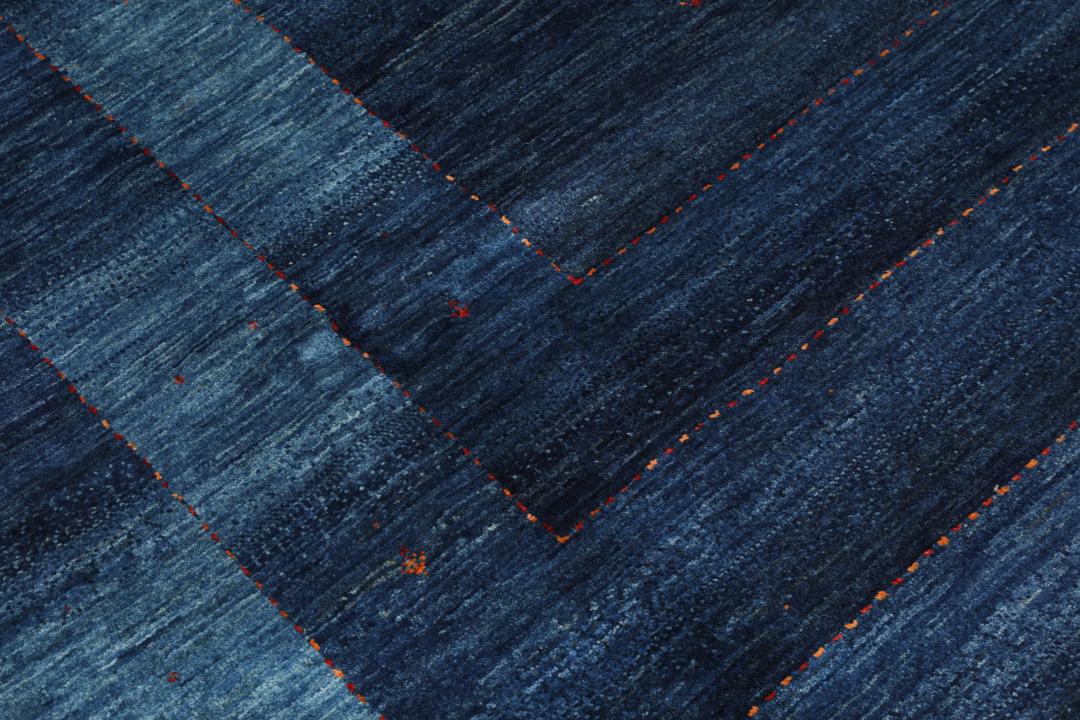
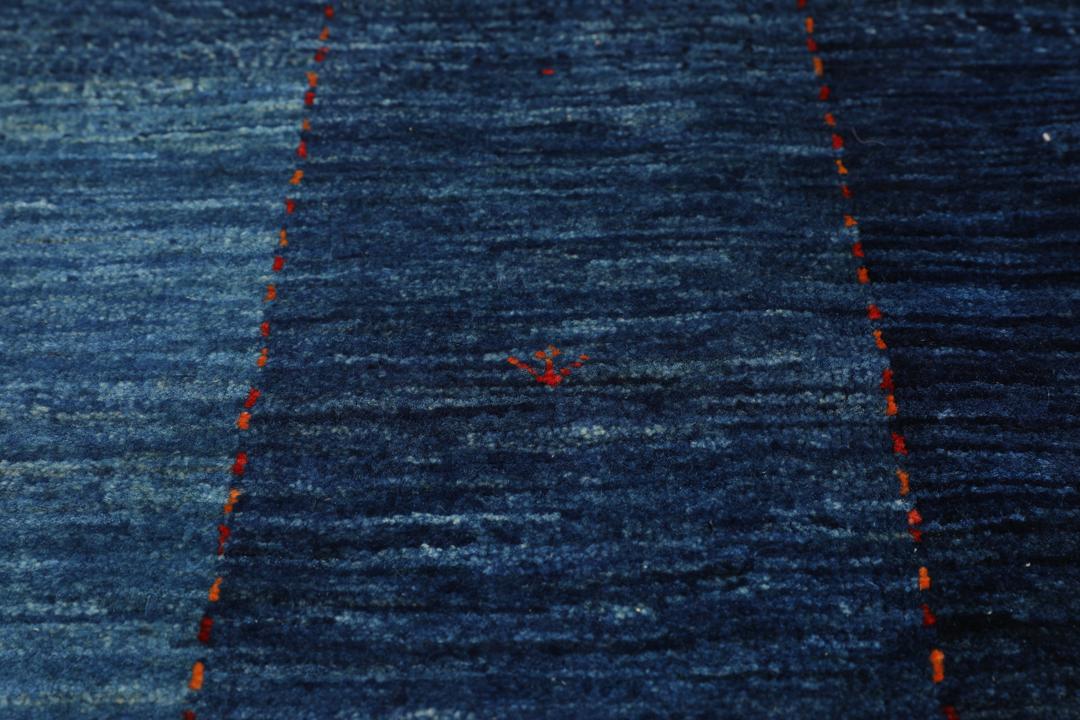
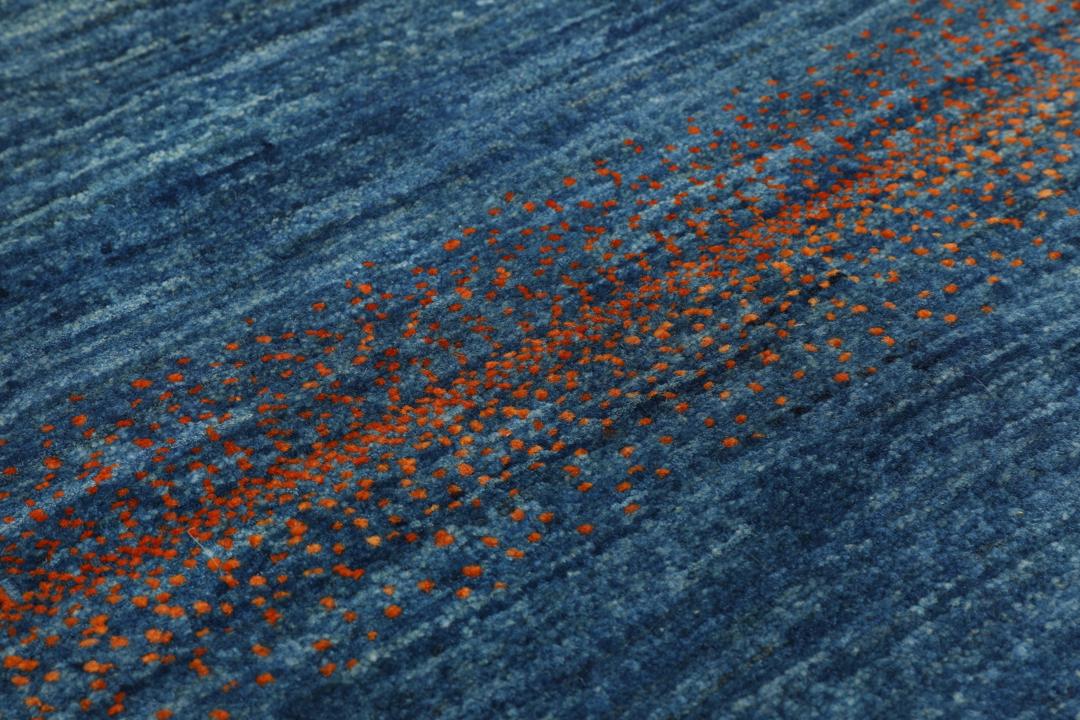
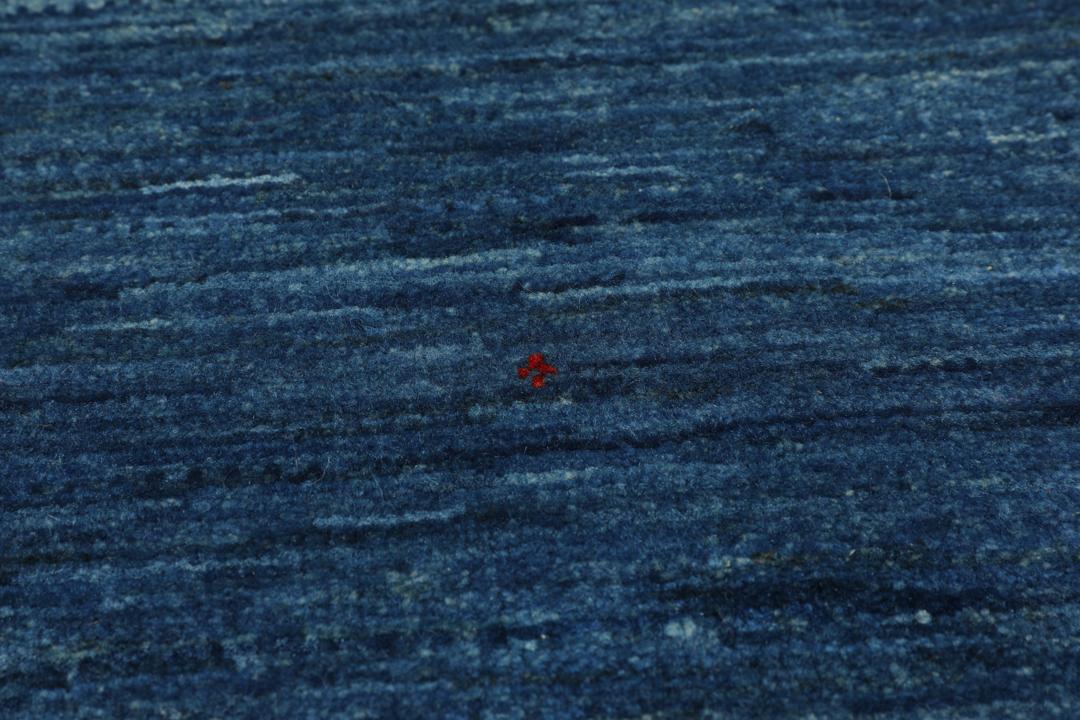
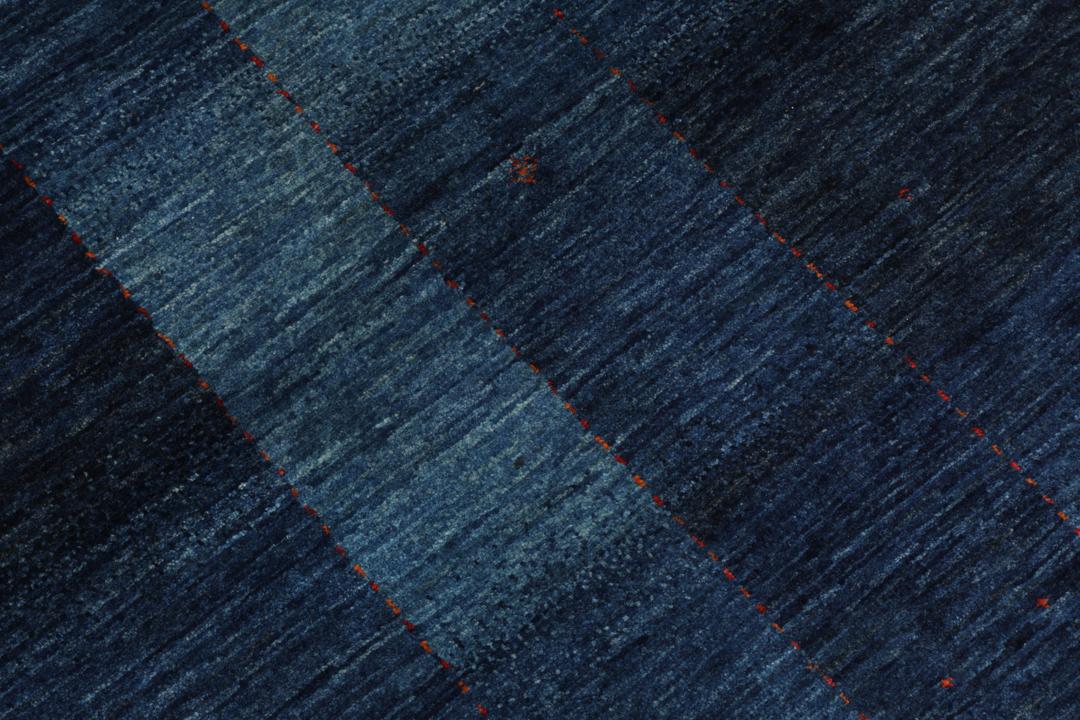
Visually, Loribaft rugs are known for their minimalist approach, often focusing on wide, open fields of colour with subtle, organic variations. While they may incorporate simple geometric borders or small motifs, the true beauty lies in the 'abrash'—the intentional, natural shifts in colour that occur when different batches of hand-dyed wool are used. This creates a shimmering, painterly effect that makes every rug feel alive and dynamic.
Owning a Loribaft rug is about more than just floor coverage; it is an investment in cultural heritage and human ingenuity. Collectors value these pieces for their authenticity and the way they represent the survival of ancient skills in a modern world. By bringing one into your home, you are continuing a legacy of craftsmanship that has been refined over centuries, adding a layer of genuine artistic weight to your living space.