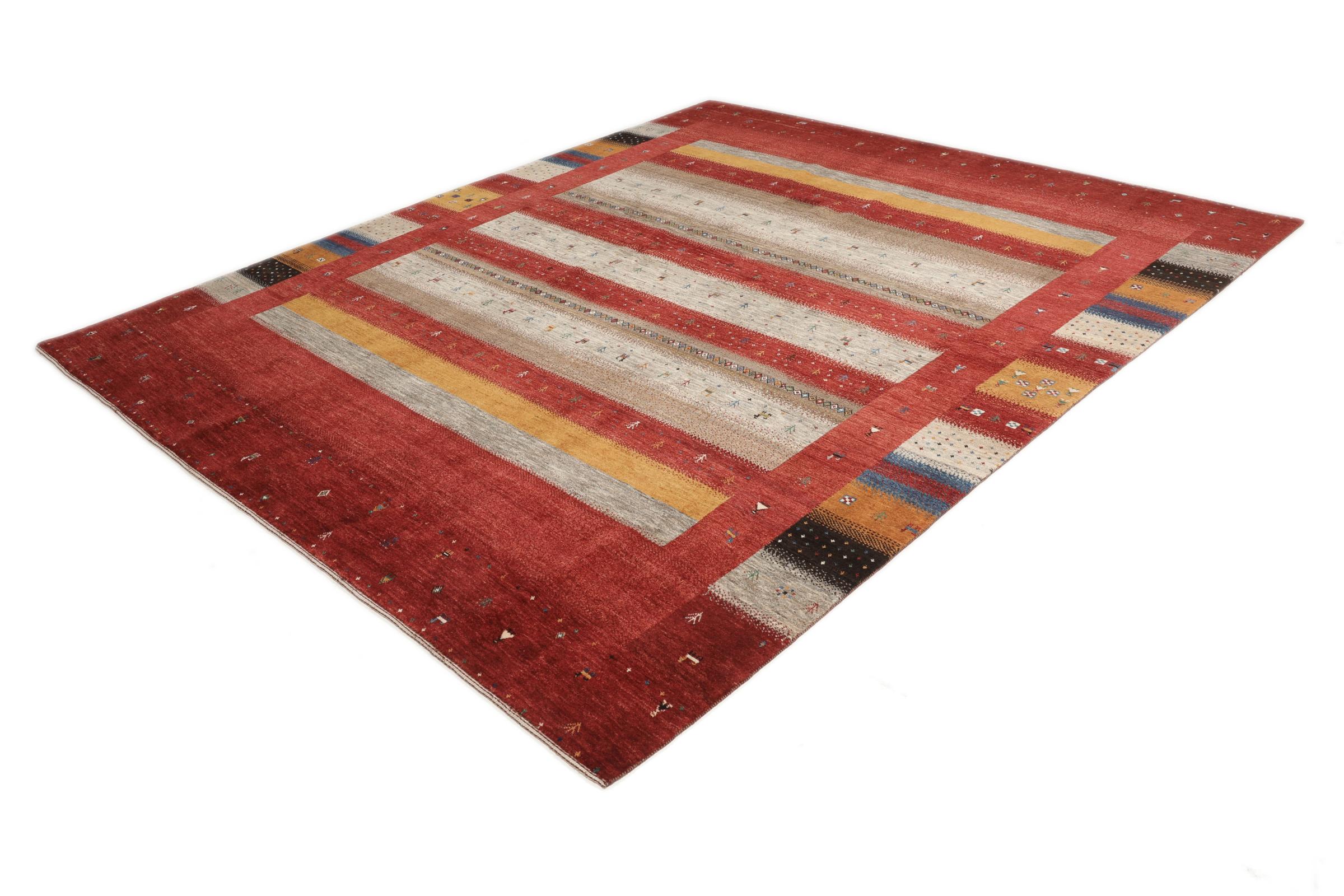
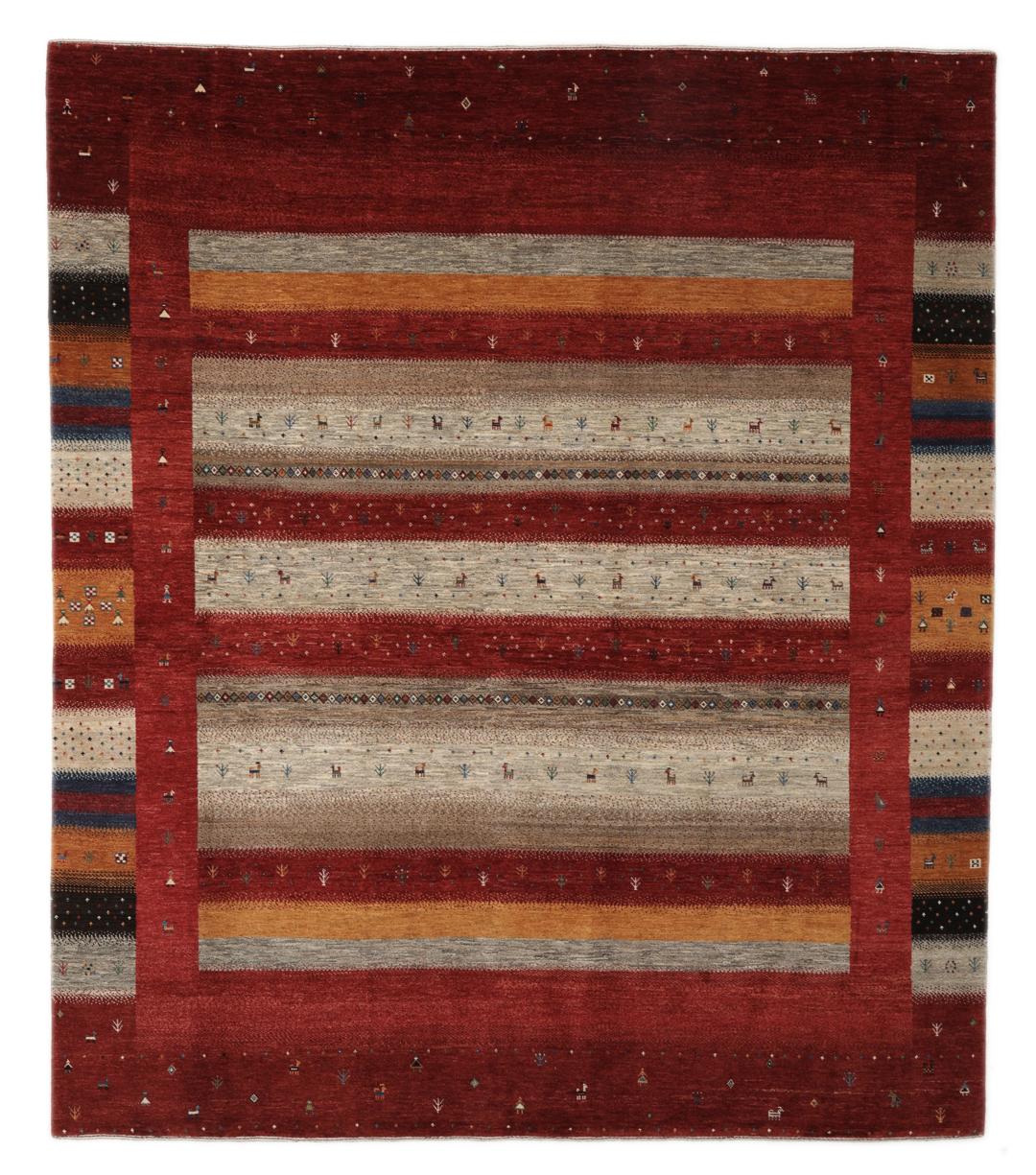
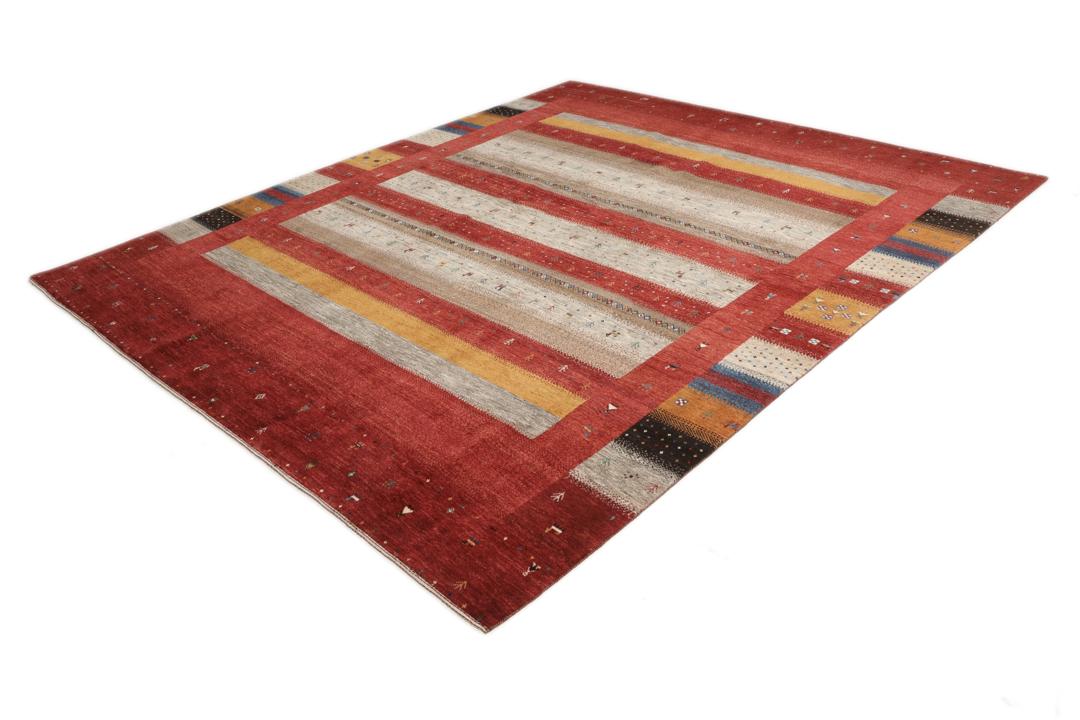
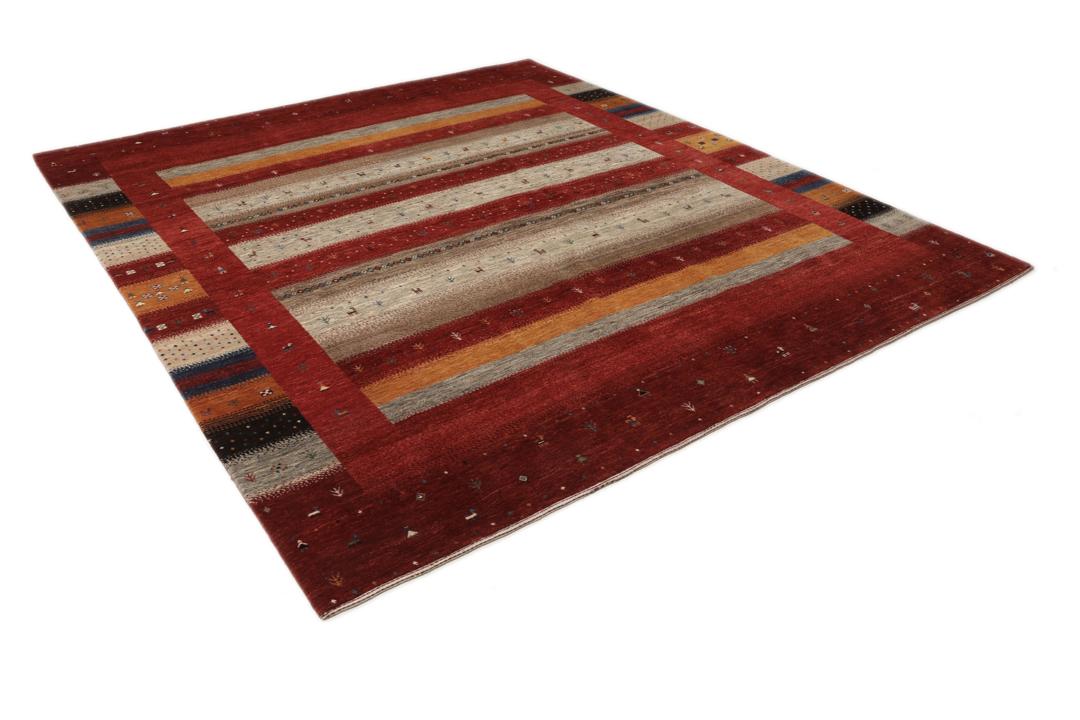
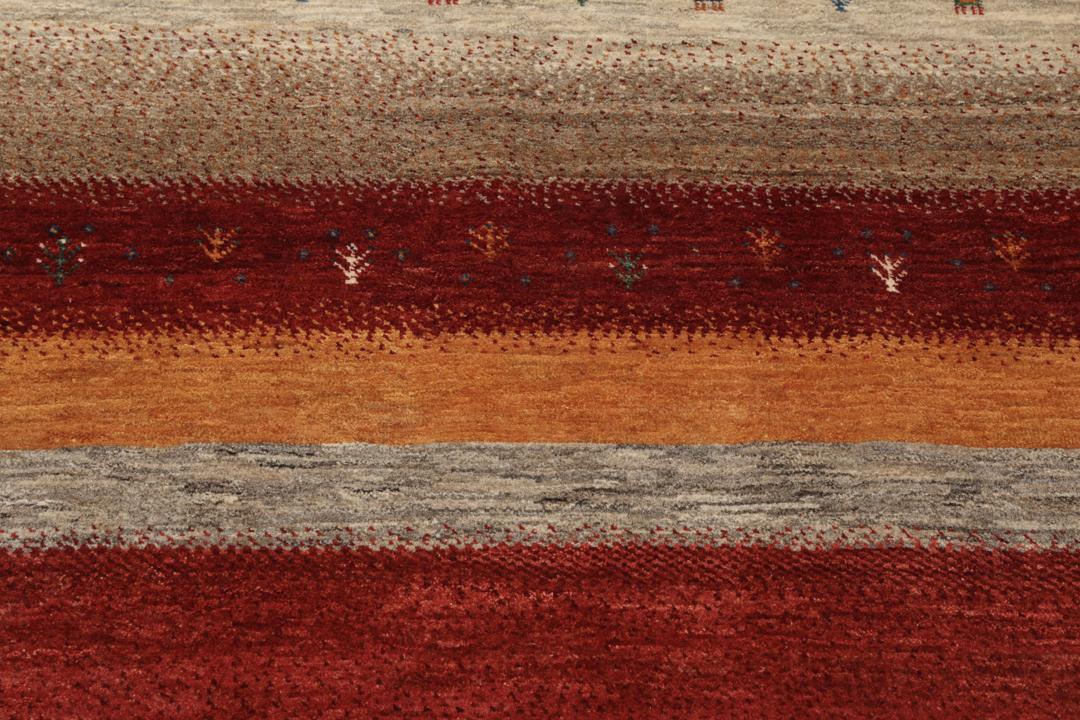
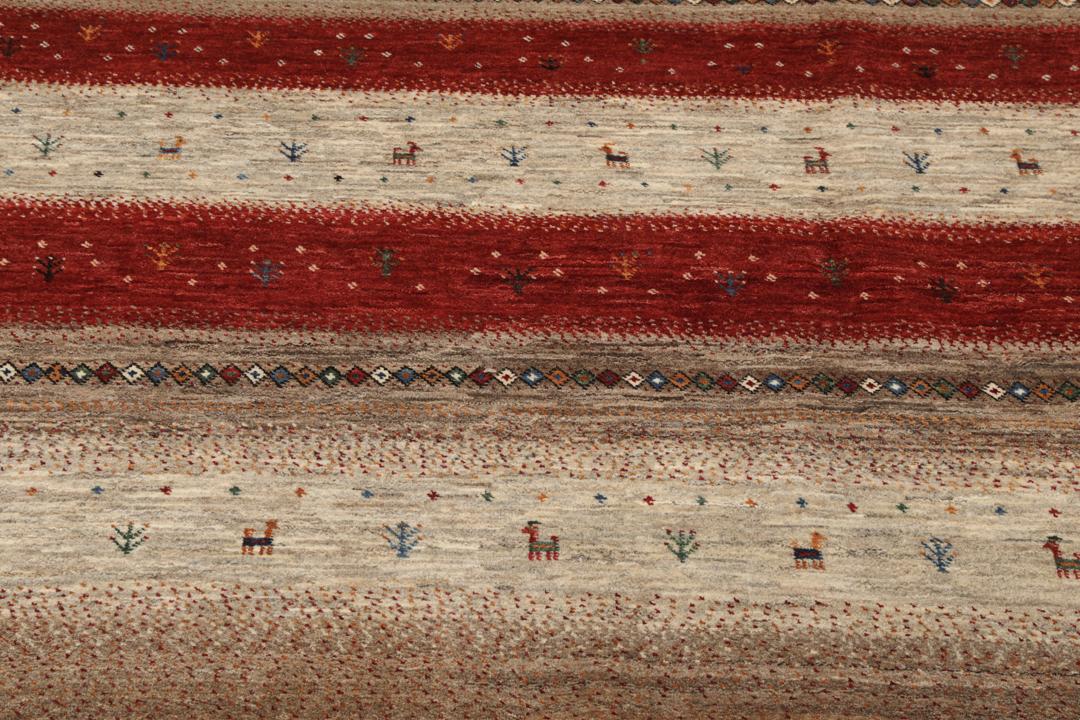
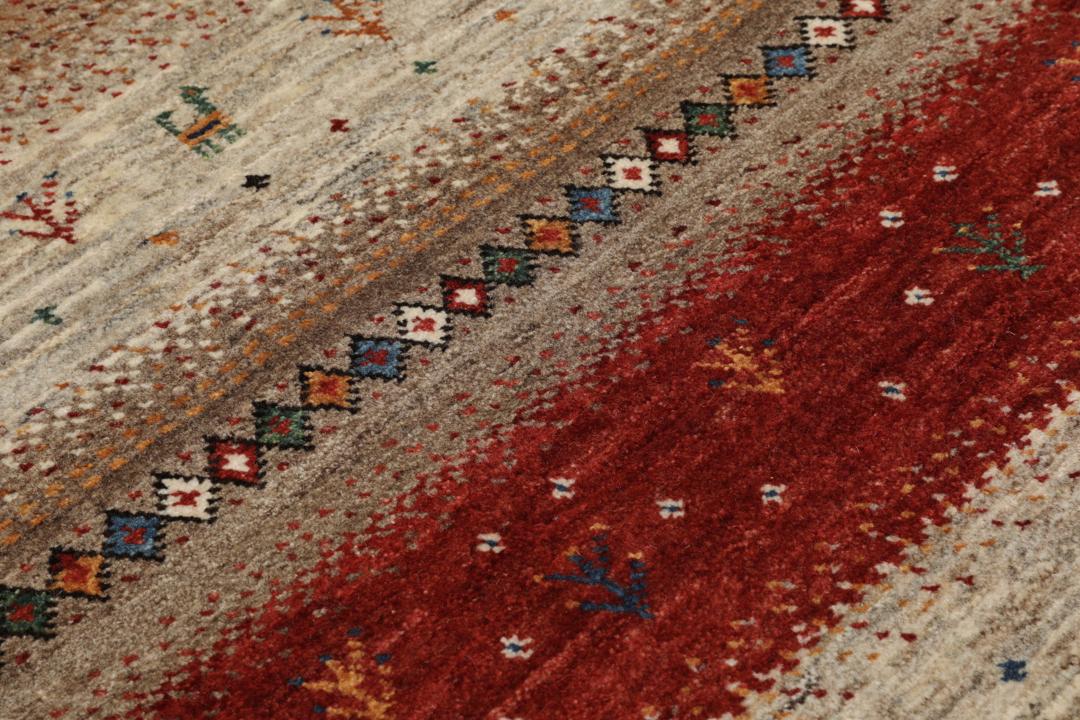
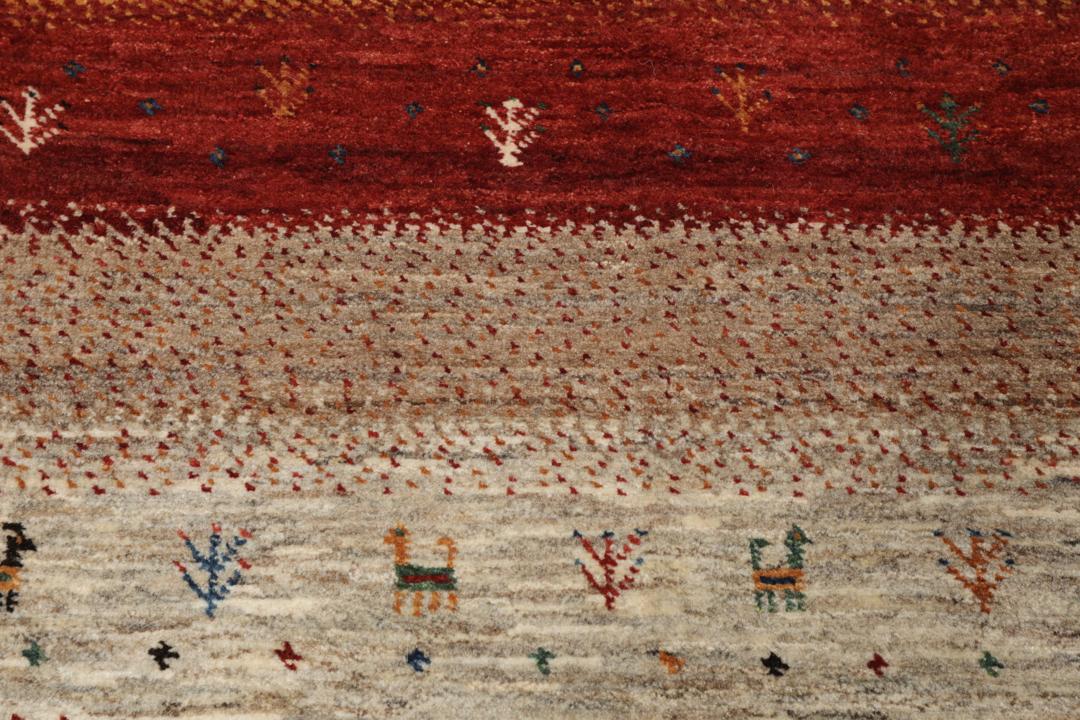
Loribaft rugs originate from the nomadic tribes of the Middle East, specifically the Luri people who have a long-standing tradition of weaving to create items for their daily lives. These rugs are highly regarded for their artistic freedom, often departing from the rigid, formal patterns found in city-made carpets in favour of spontaneous, soulful designs.
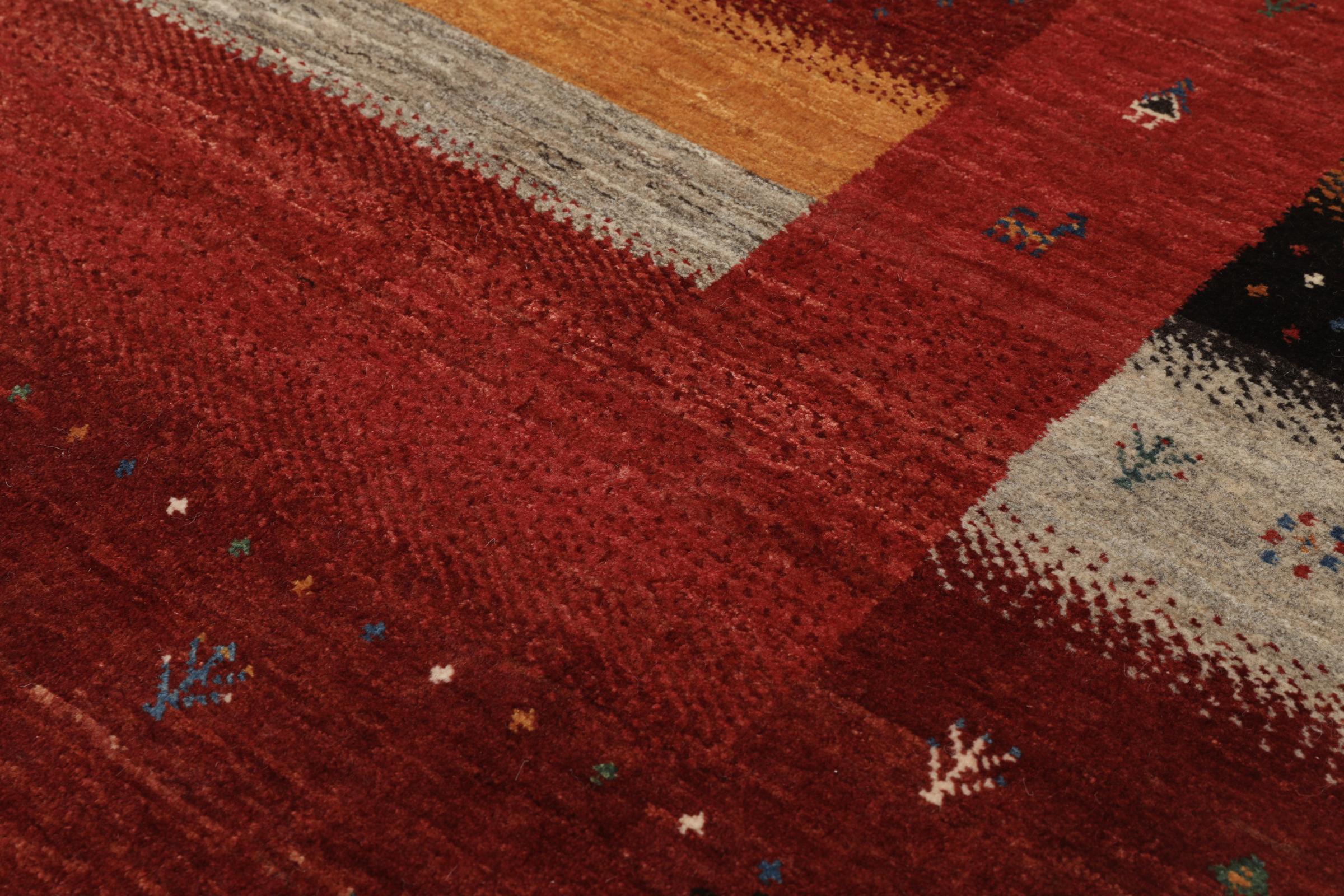
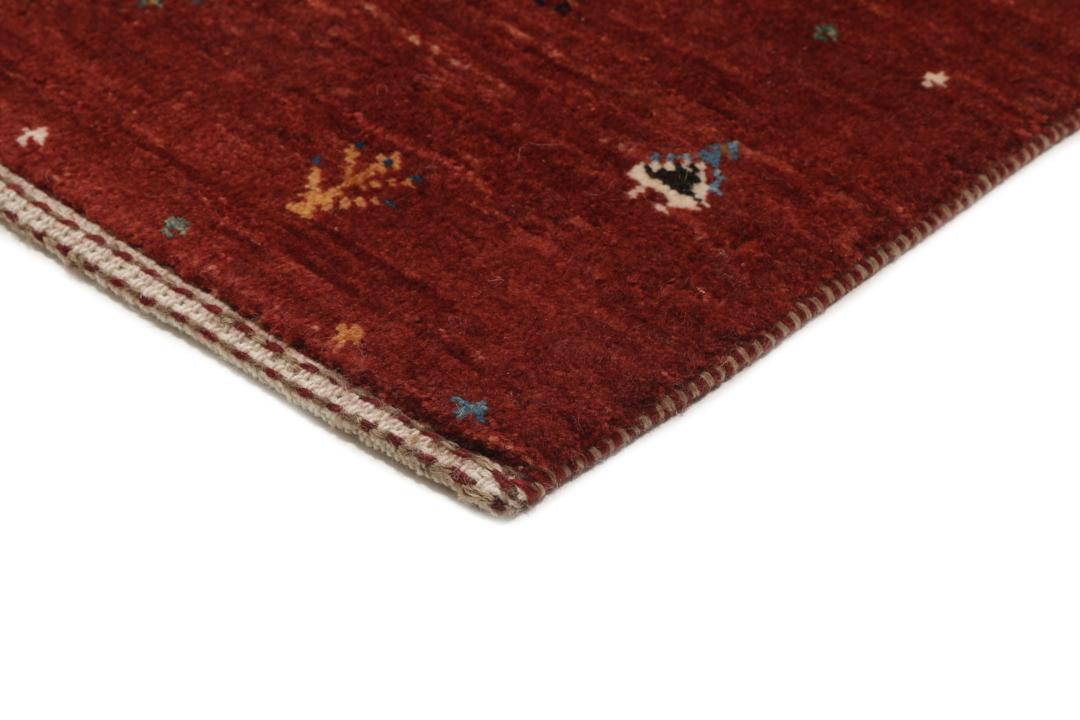
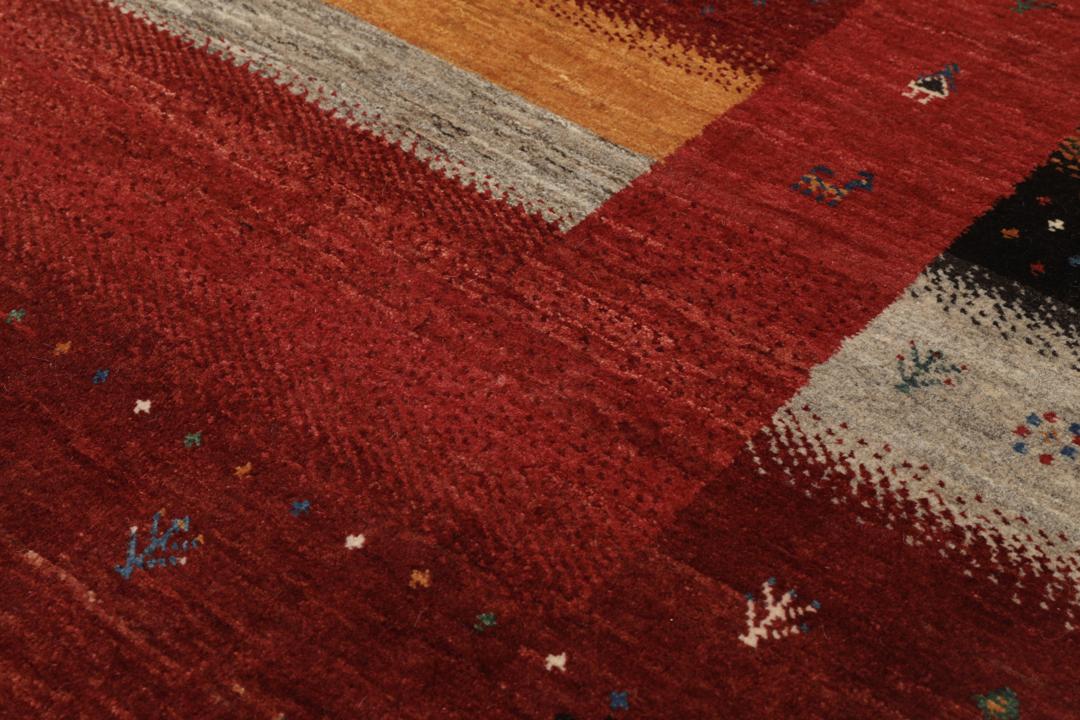
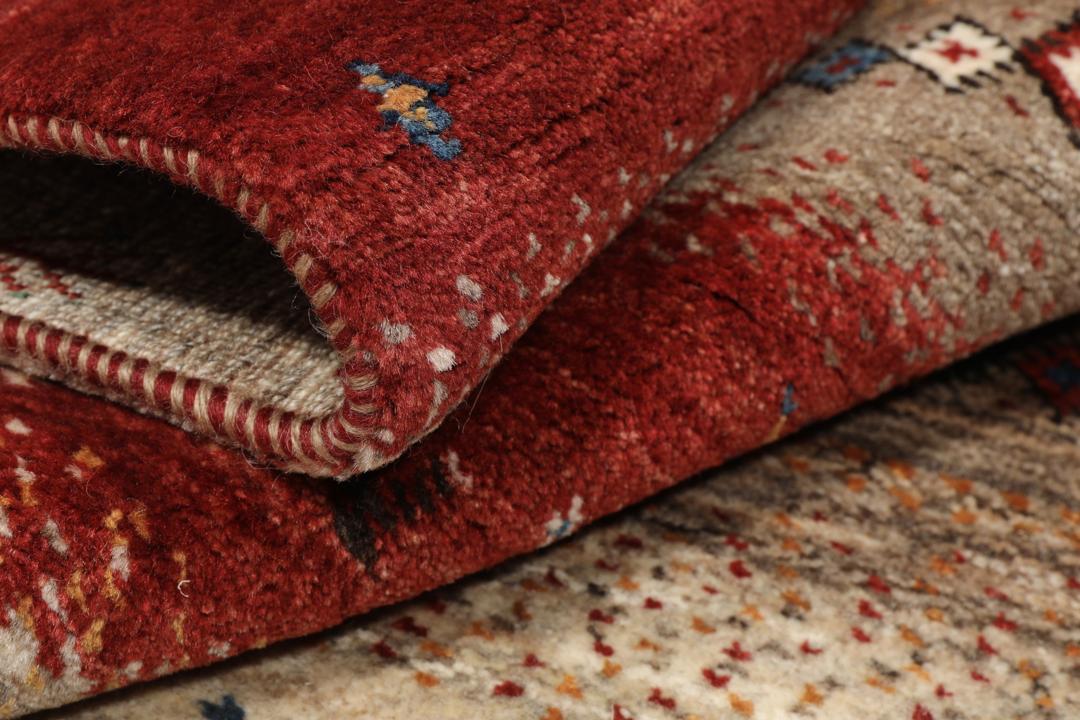
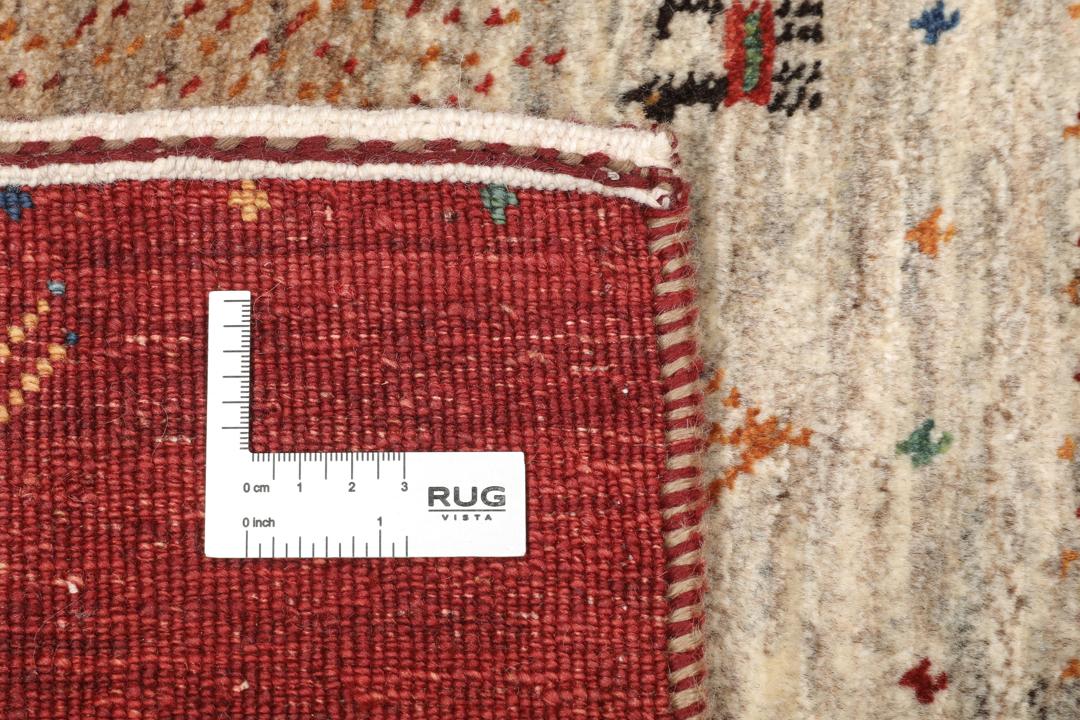
The term 'Loribaft' refers to a style of weaving that emphasises a thicker, softer pile compared to traditional tribal rugs. This technique allows for a more plush and comfortable experience, making these rugs a favourite for those who value both visual interest and physical comfort in their home furnishings.
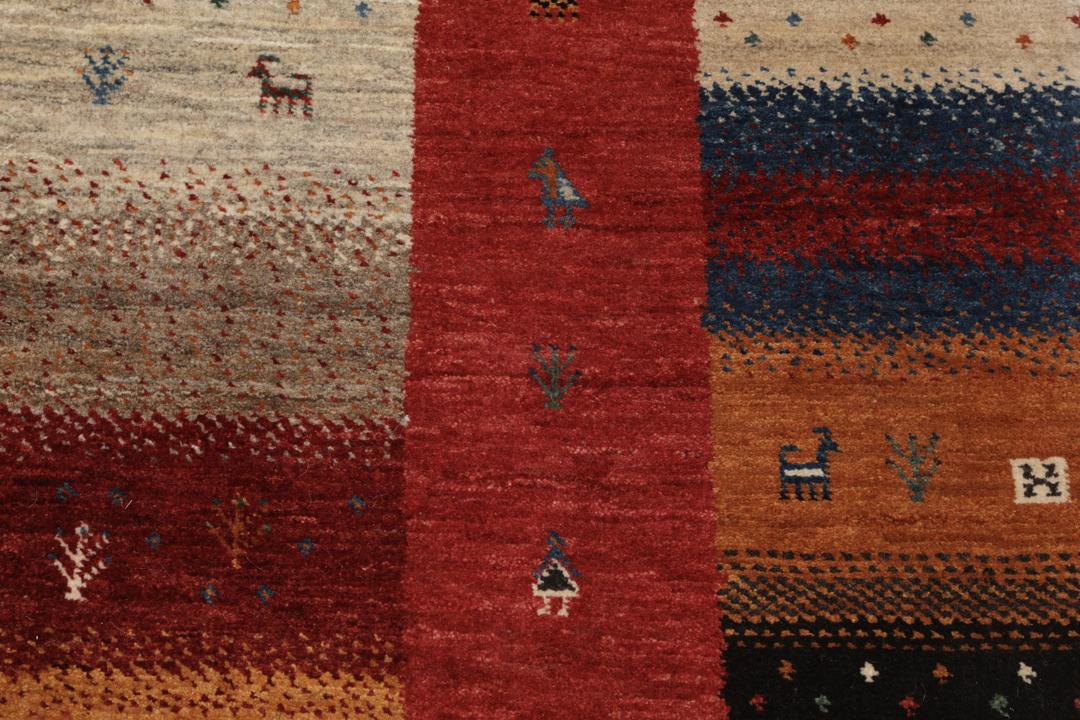
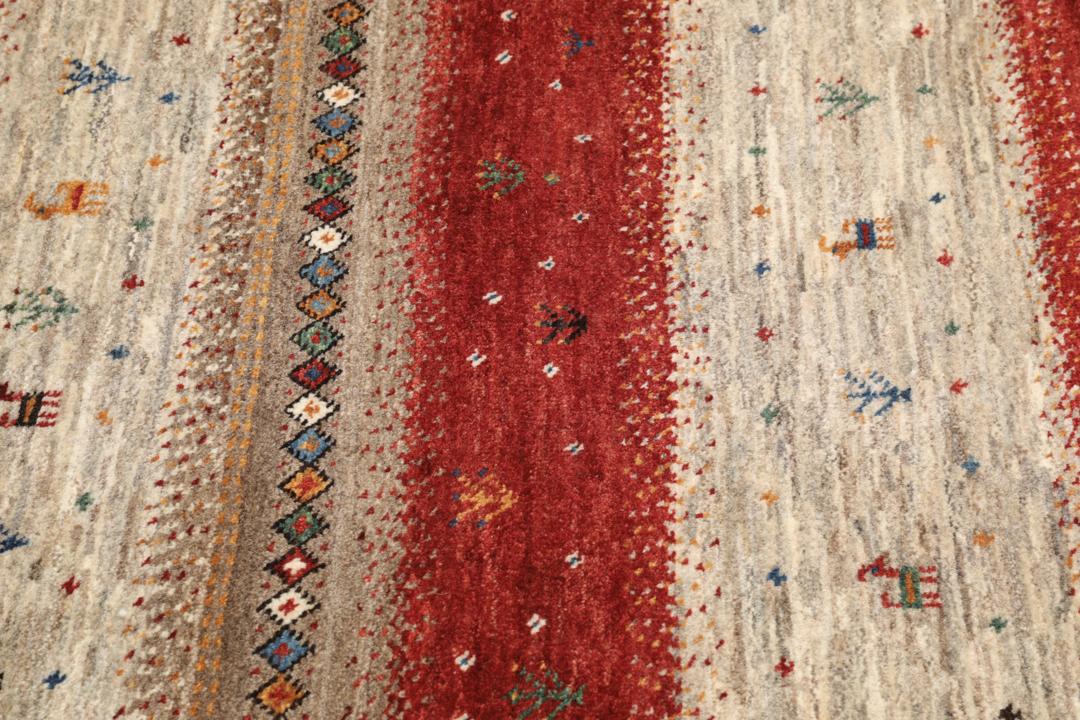
Visually, these rugs are defined by their use of bold, saturated colours—often derived from natural dyes—and whimsical, geometric, or pictorial motifs. You will frequently see small figures of animals, trees, and tribal symbols scattered across the field, which act as a visual language reflecting the weaver's environment and cultural heritage.
Owning a Loribaft rug is an investment in human skill and cultural history. They are collected not just for their beauty, but because they represent a living tradition. Each piece carries the personality of the maker, offering a sense of depth and authenticity that brings a unique, grounded energy to any modern home.