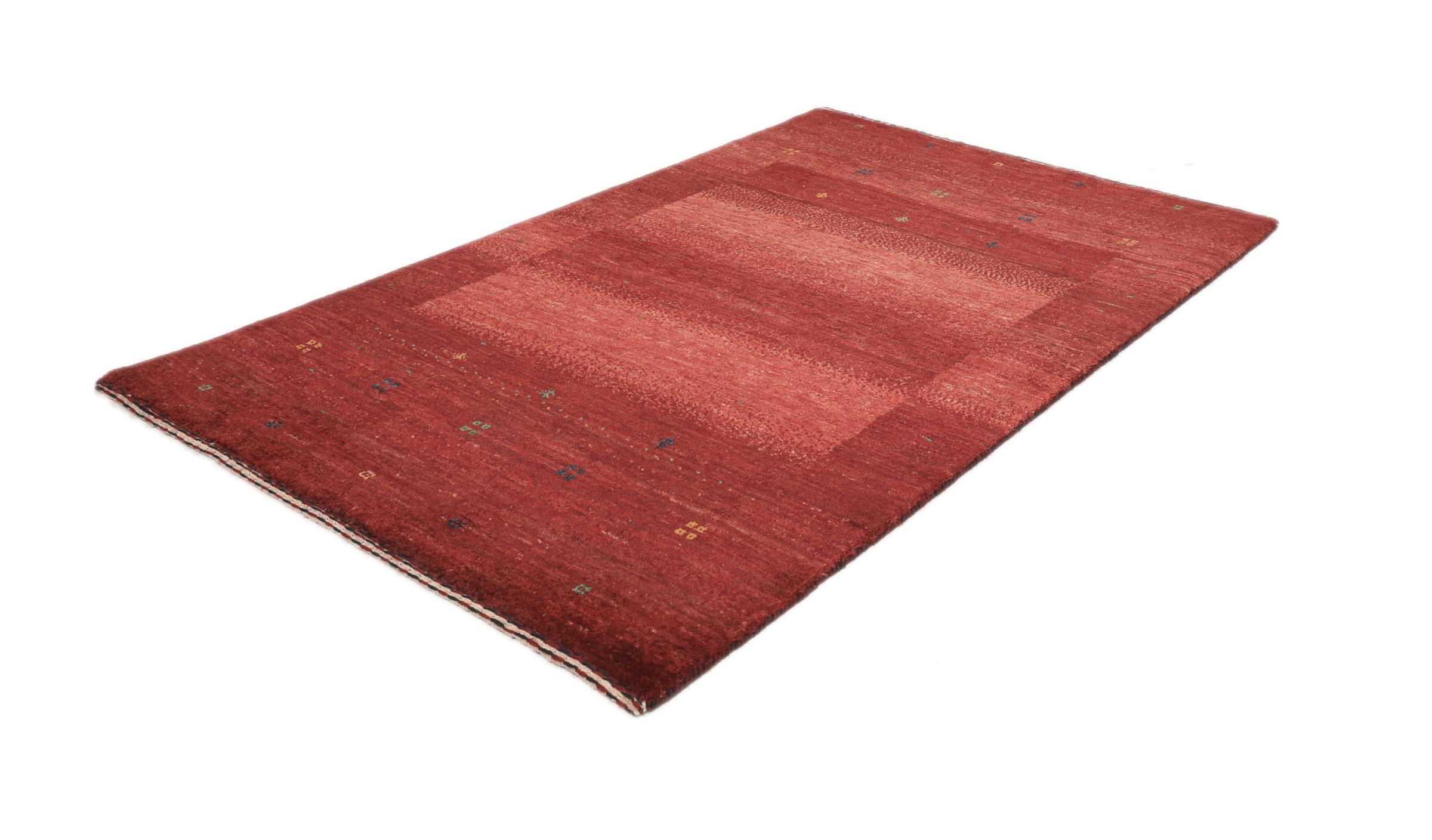
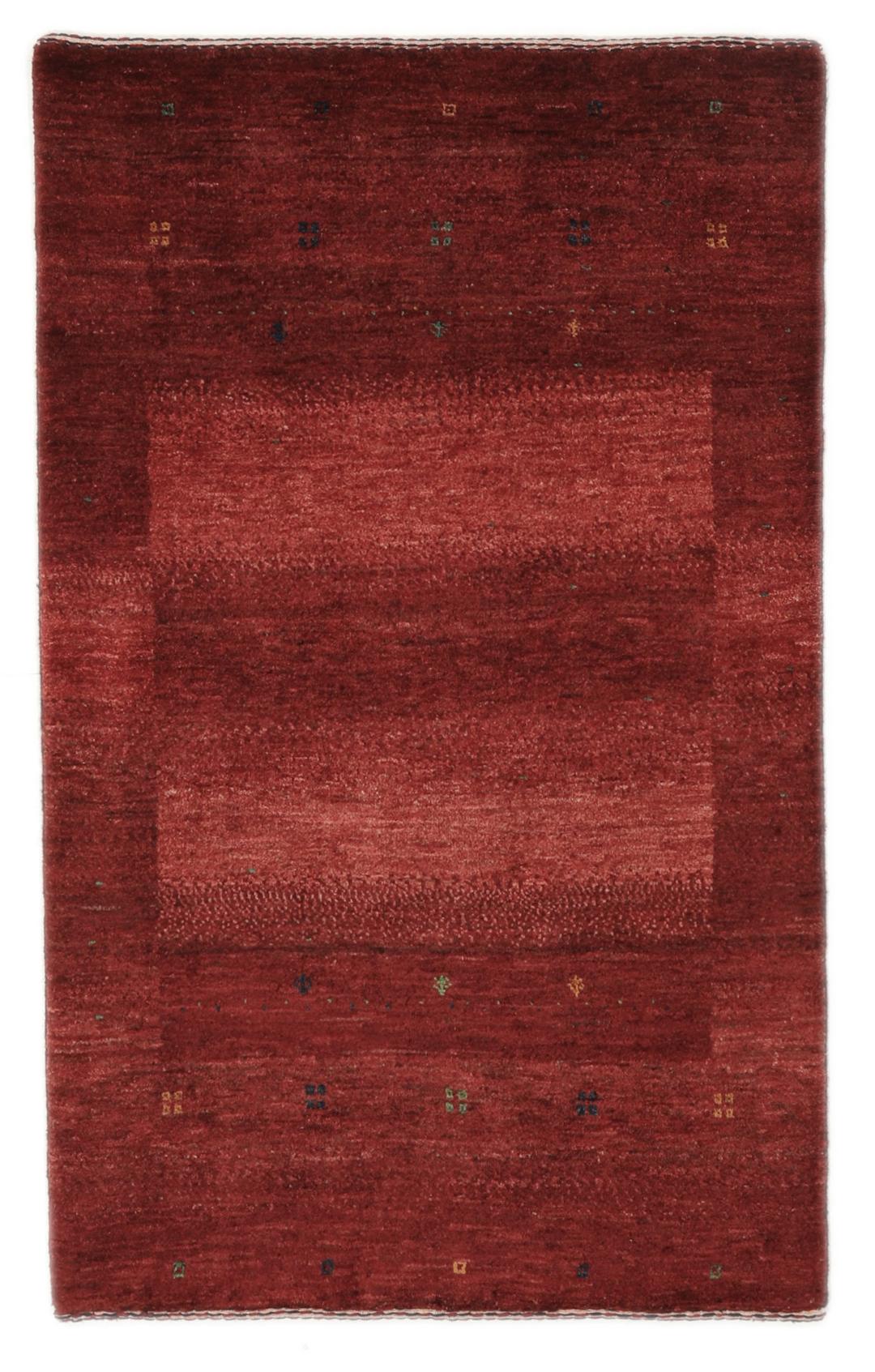
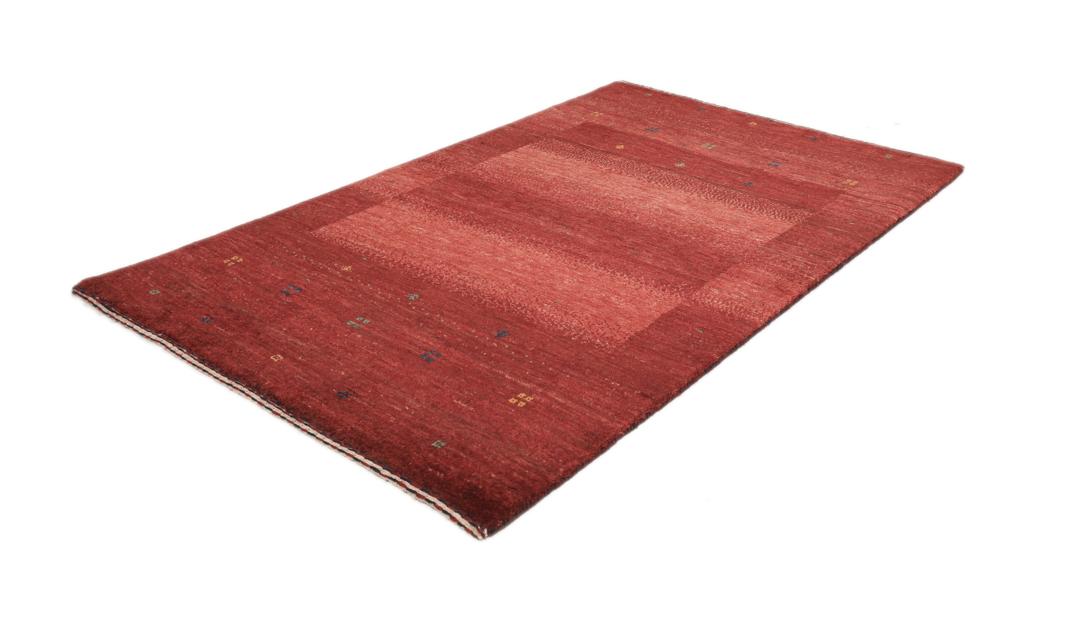
Loribaft rugs are deeply rooted in the nomadic traditions of the Middle East, specifically associated with the tribal groups who have inhabited the region for centuries. These rugs were originally created for functional use within tents and homes, serving as bedding, wall coverings, and floor insulation. Over time, they have evolved from purely utilitarian objects into celebrated examples of tribal art, known for their rustic charm and vibrant, natural palettes.
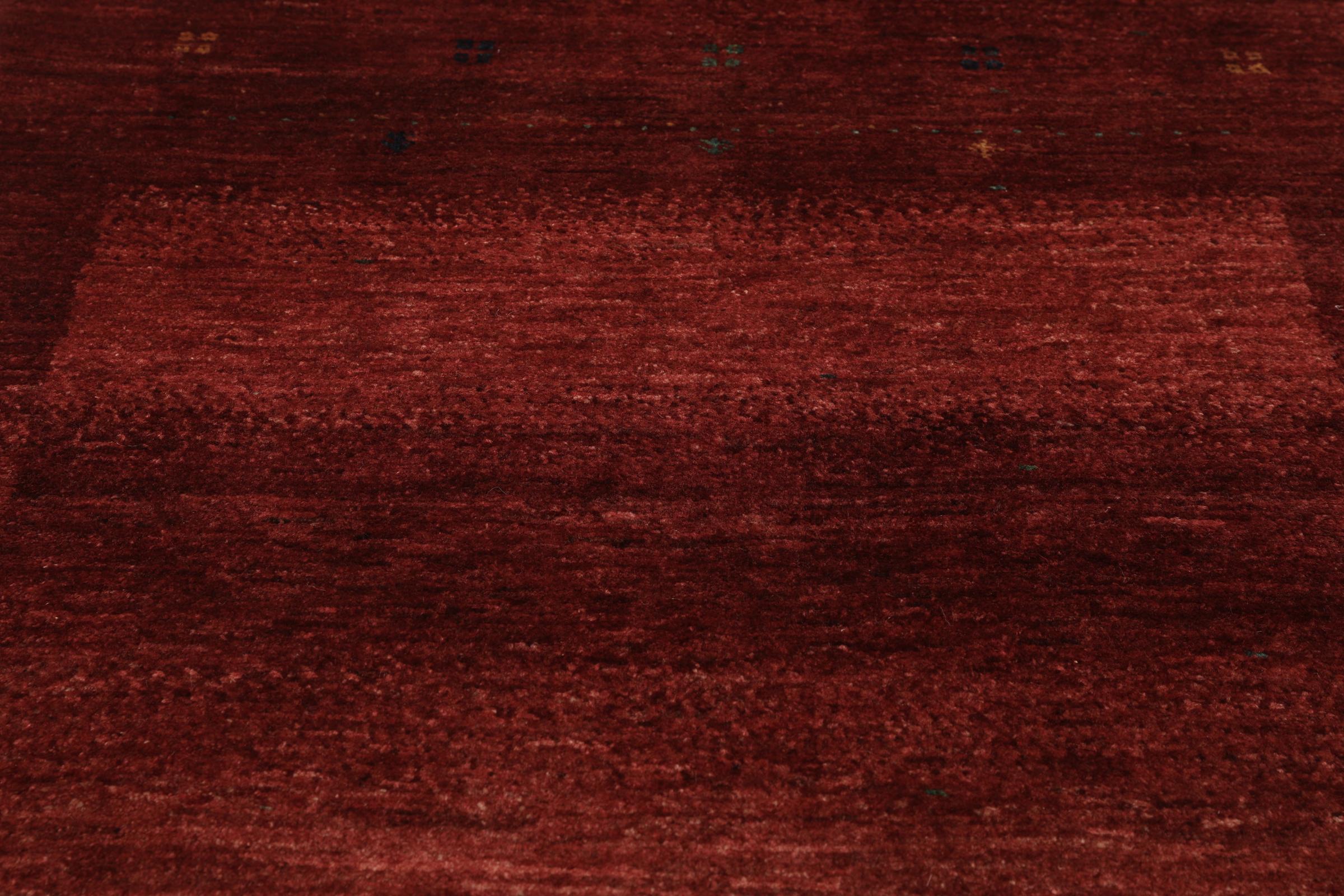
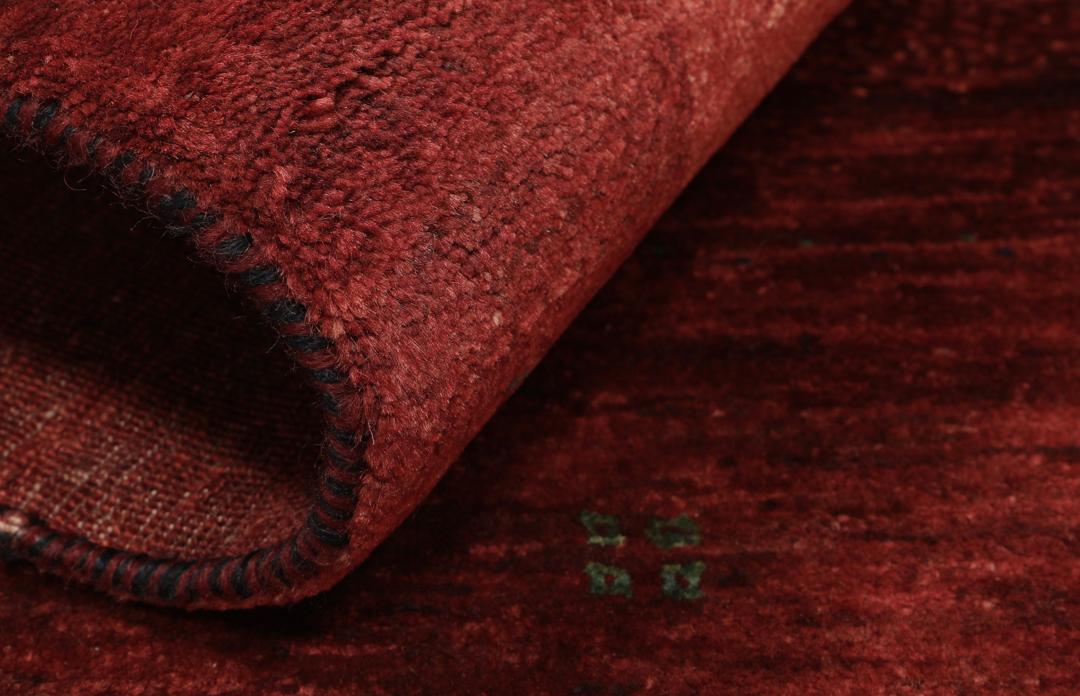
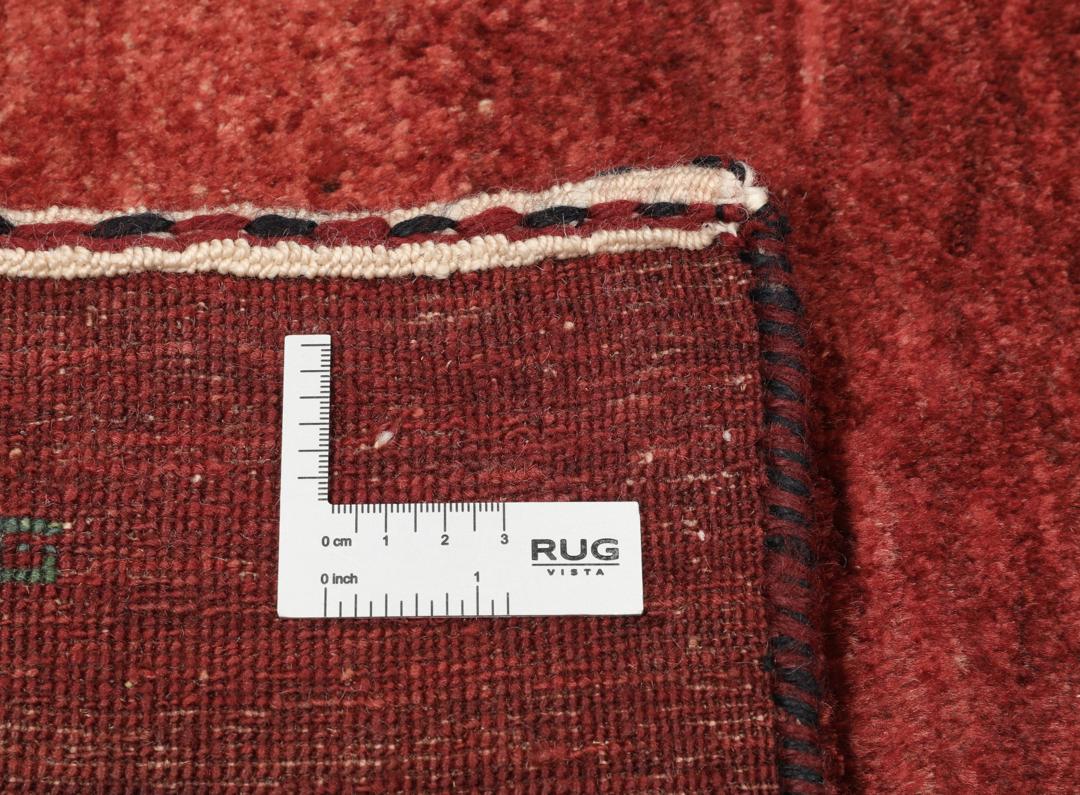
The term 'Loribaft' refers to a style that emphasises a thicker, more plush pile compared to traditional flat-woven kilims. This construction technique involves a high concentration of wool, which creates a dense and durable surface that is both soft to the touch and resistant to heavy wear. This focus on durability and comfort is a hallmark of the nomadic weaving style, designed to withstand the rigours of an active, practical life.
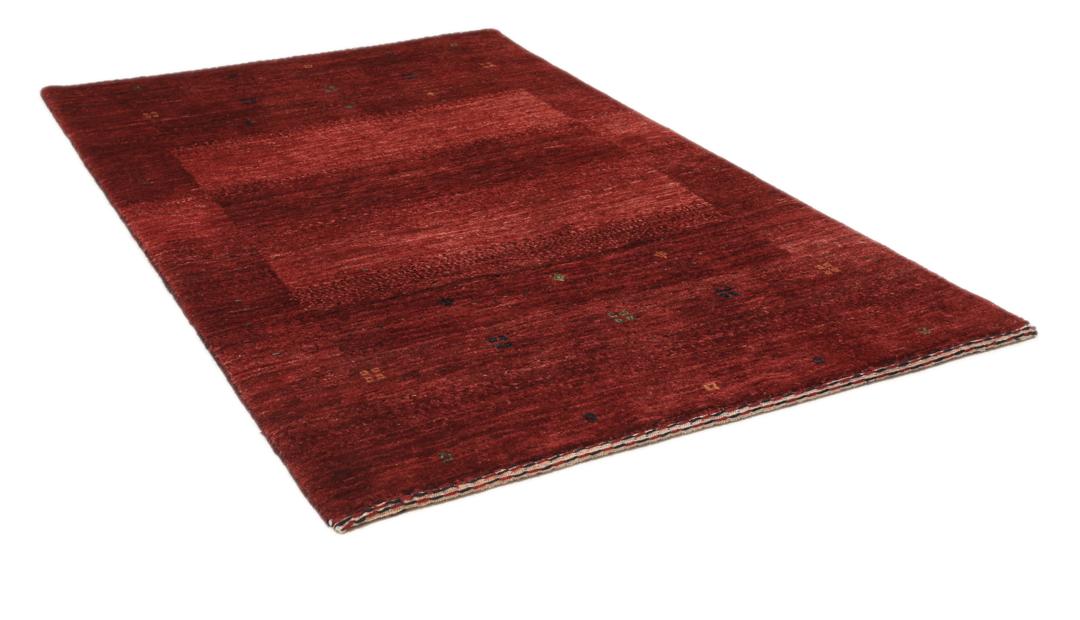
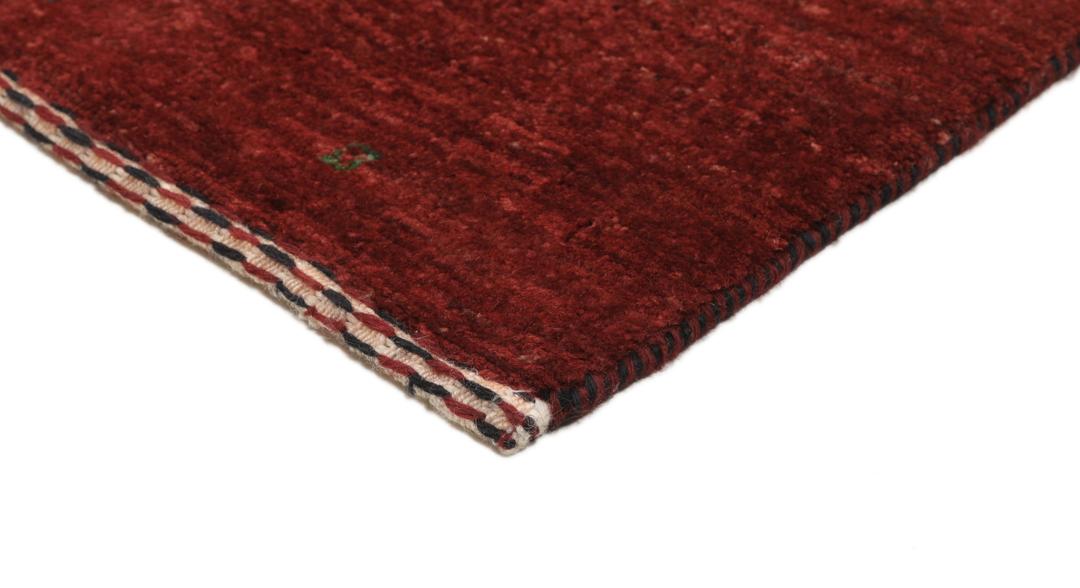
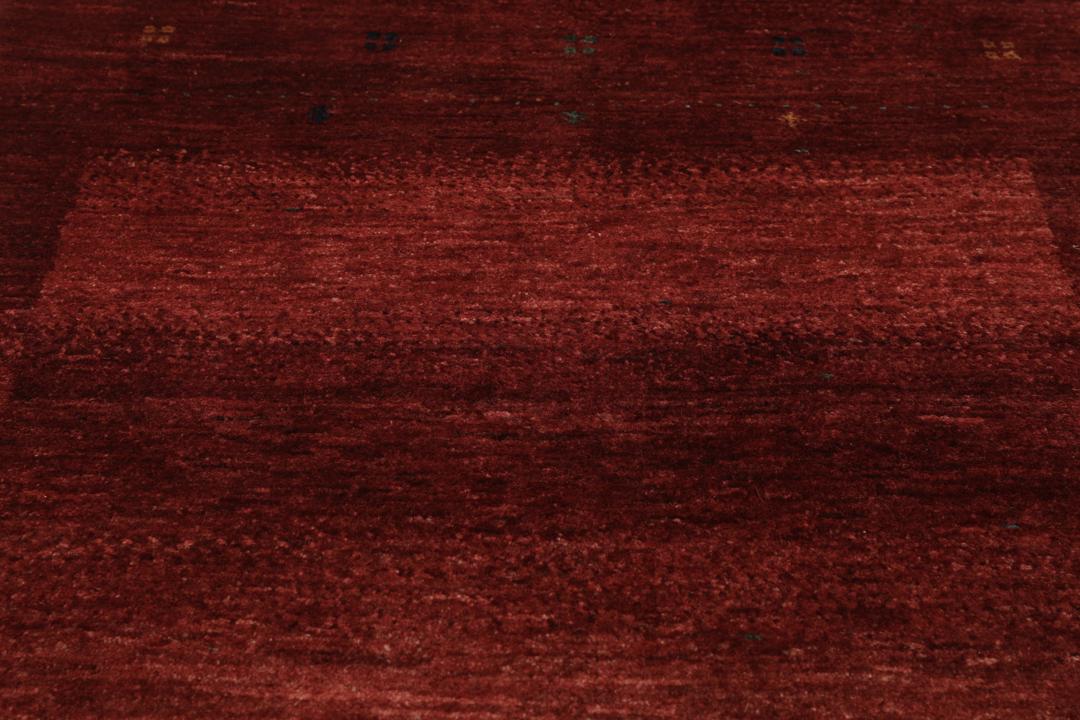
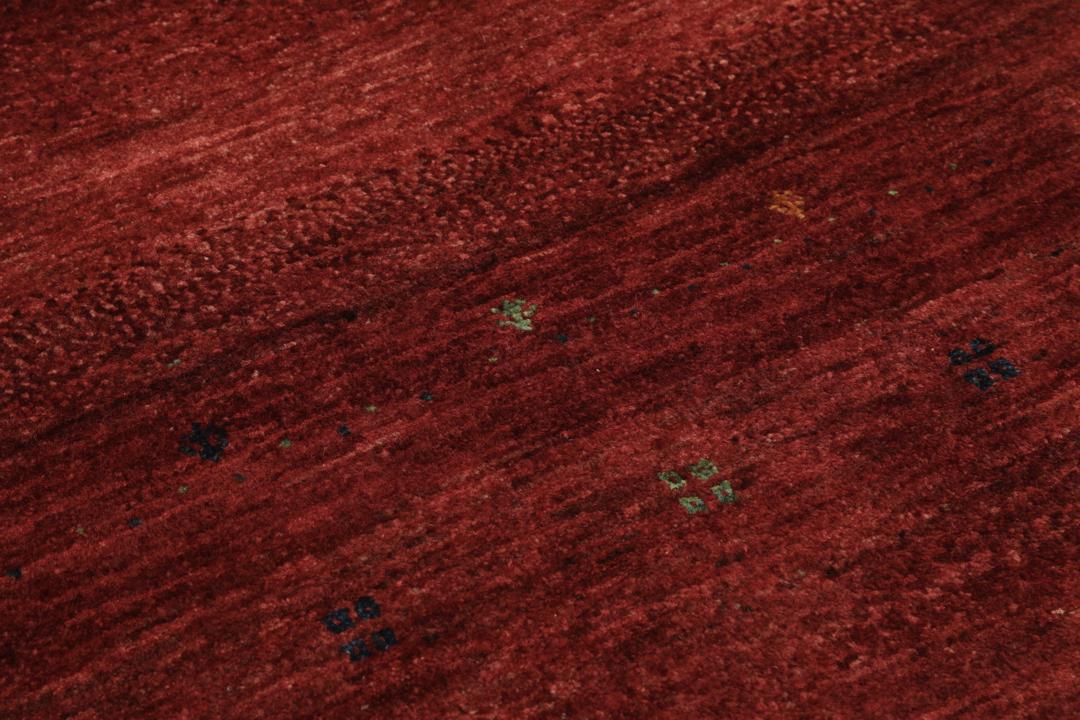
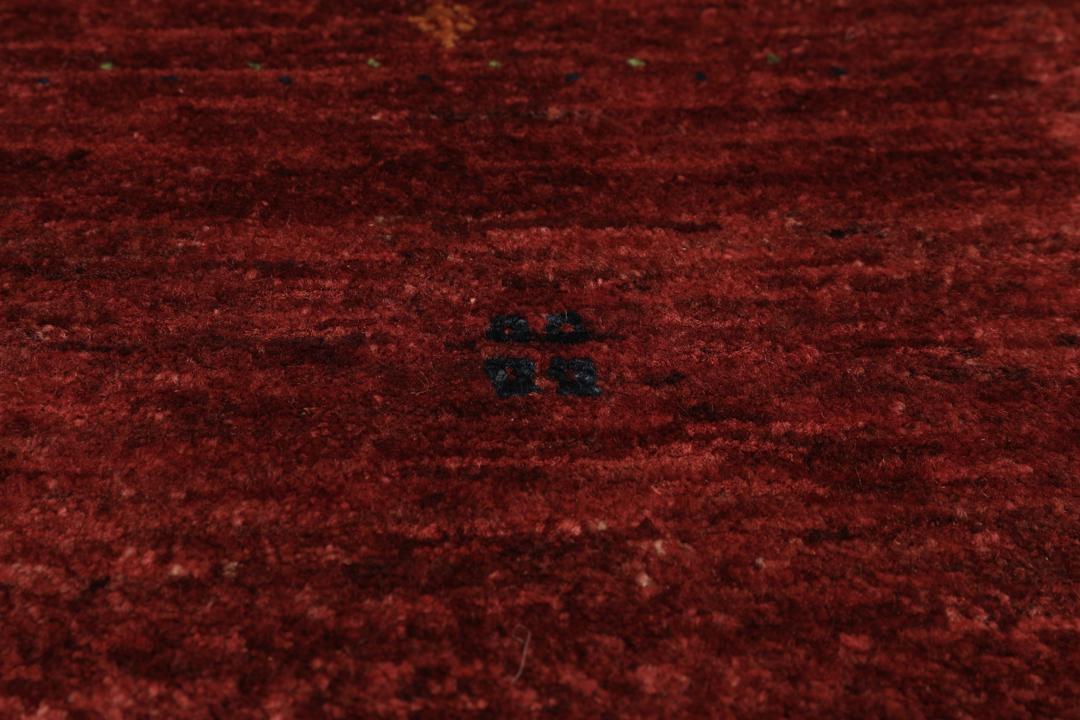
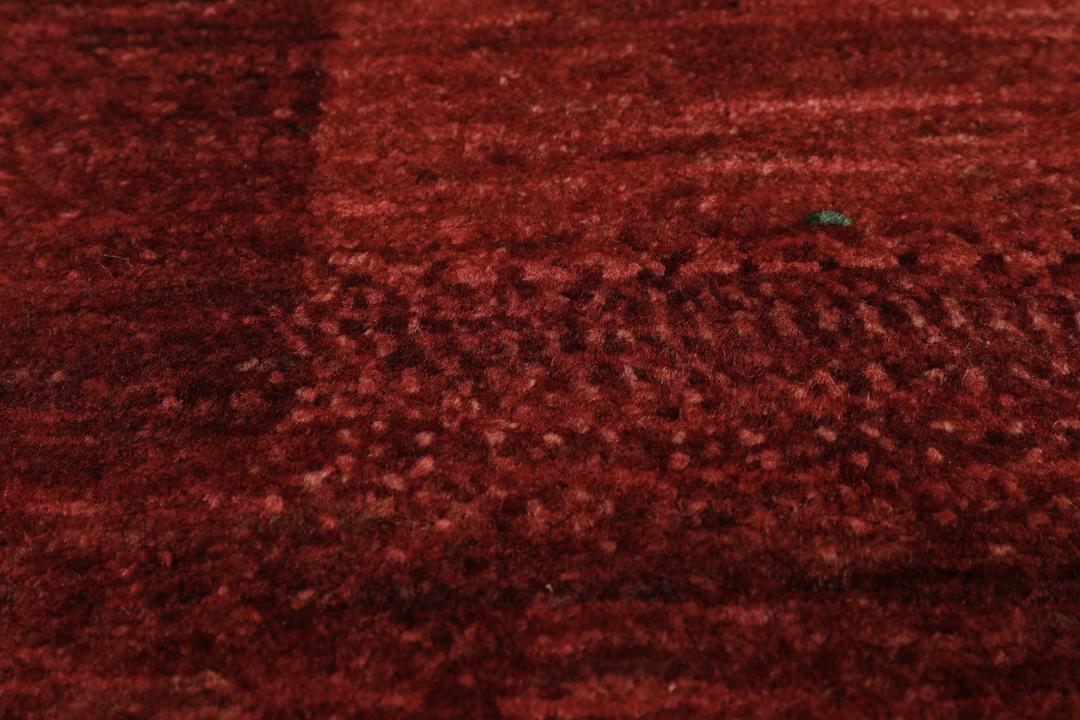
Visually, Loribaft rugs are often defined by their minimalist or abstract approach. Whilst traditional rugs might be crowded with complex motifs, these pieces often feature large fields of rich, saturated colour, sometimes punctuated by small, scattered geometric symbols or subtle border details. This simplicity allows the raw beauty of the hand-spun wool and the depth of the natural dyes to truly shine, highlighting the weaver's personal expression.
Collecting these rugs is an investment in cultural heritage and human skill. Each piece tells the story of the region it comes from, preserving techniques passed down through generations. Because they are still made using age-old methods, owning a Loribaft rug means supporting a living tradition and acquiring a piece of history that brings warmth, authenticity, and a connection to the past into your modern living environment.