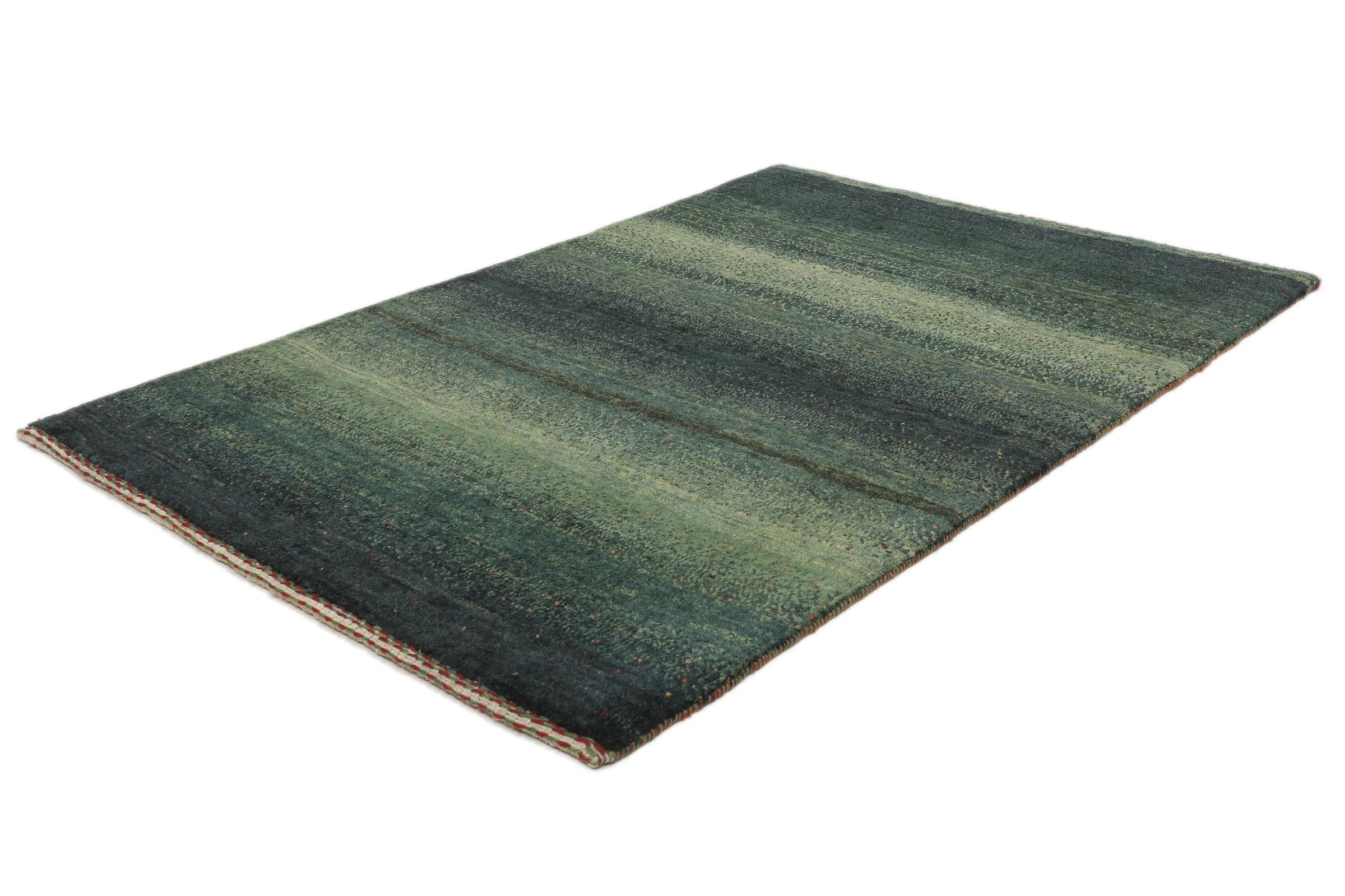
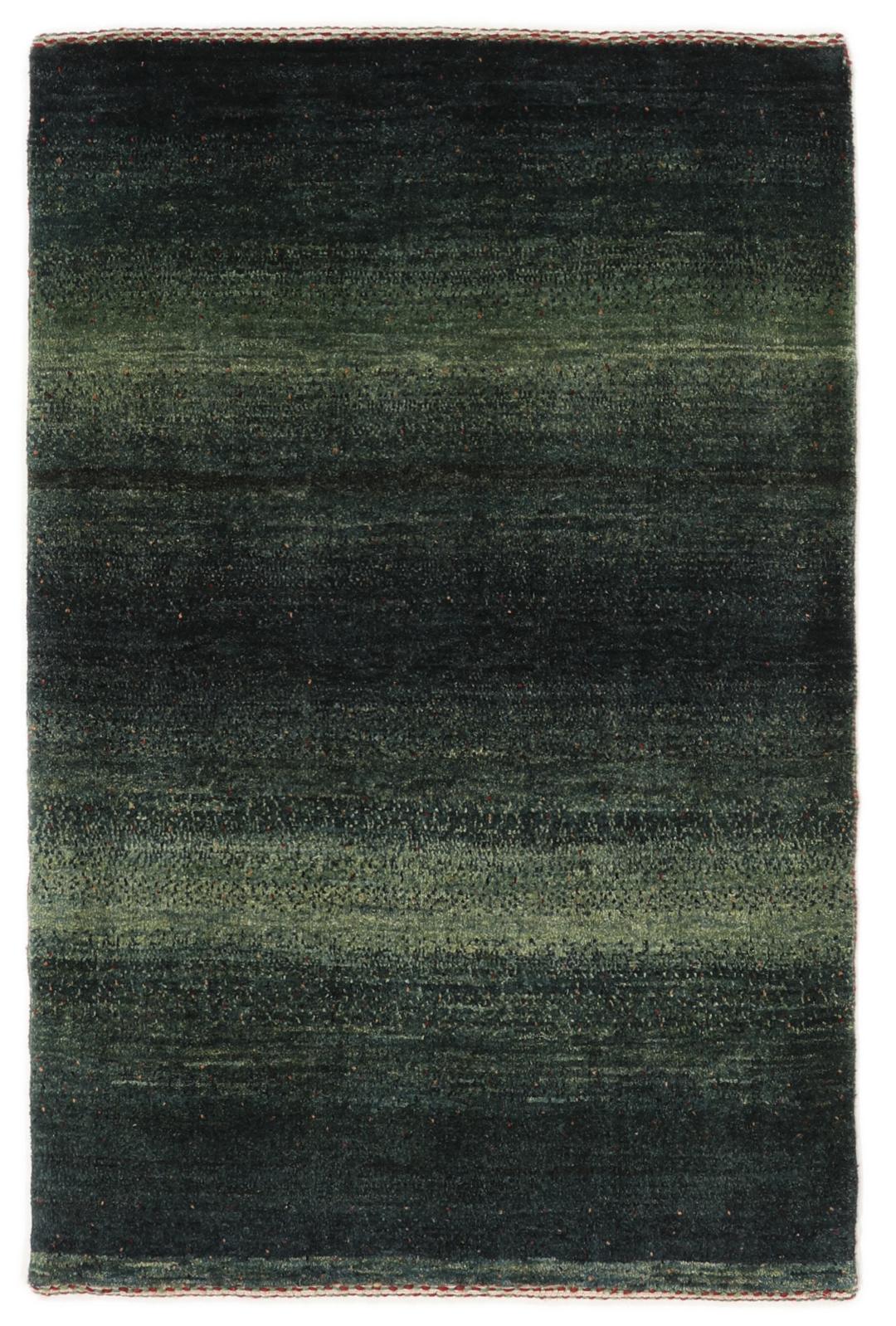
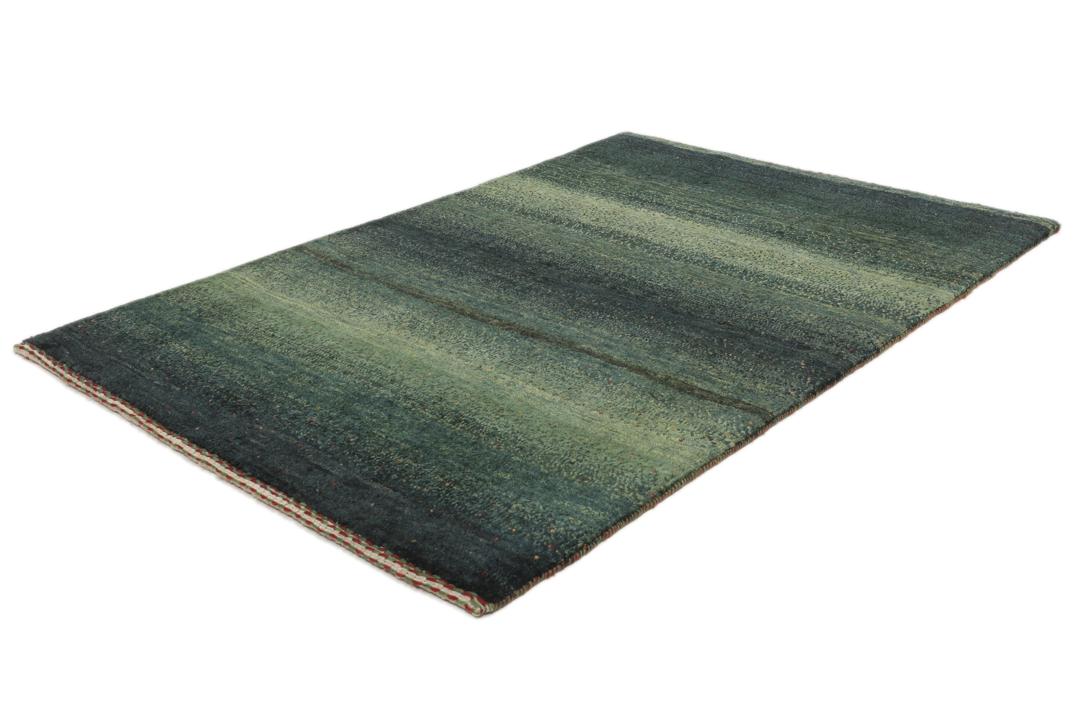
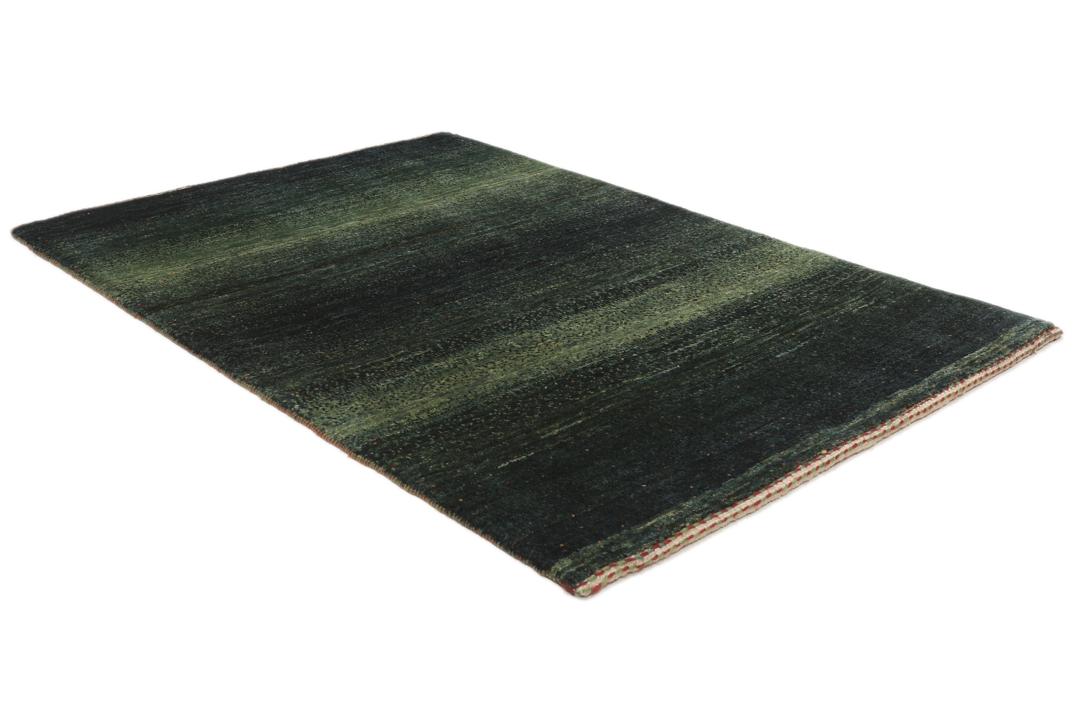
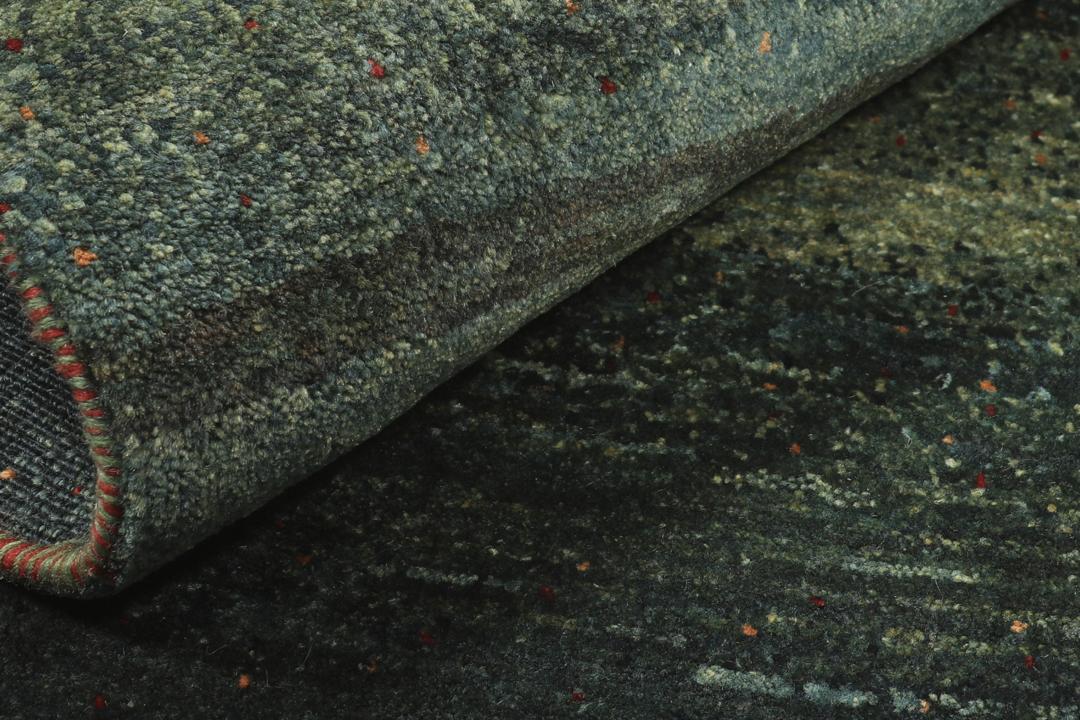
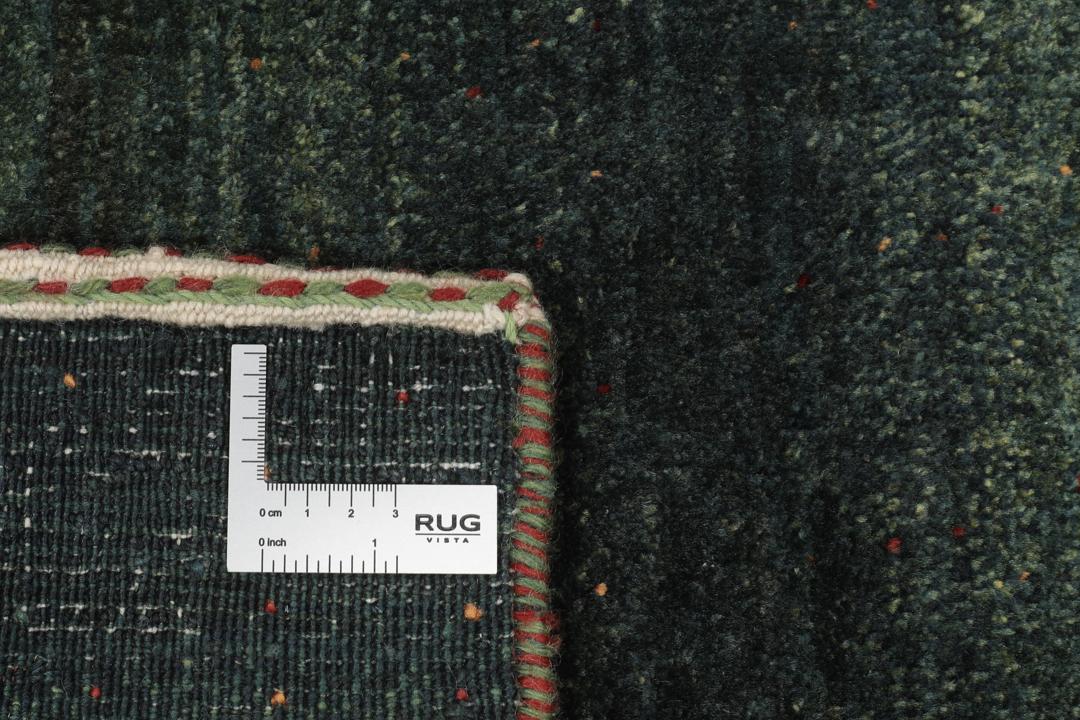
Loribaft rugs represent a fascinating evolution in the weaving traditions of the Middle East, particularly among the nomadic tribal groups of the region. These rugs were historically inspired by the classic Gabbeh style, known for its thick, shaggy pile and simple, bold aesthetic, but they have evolved into a more refined form known for their artistic depth and vibrant, natural dyes.
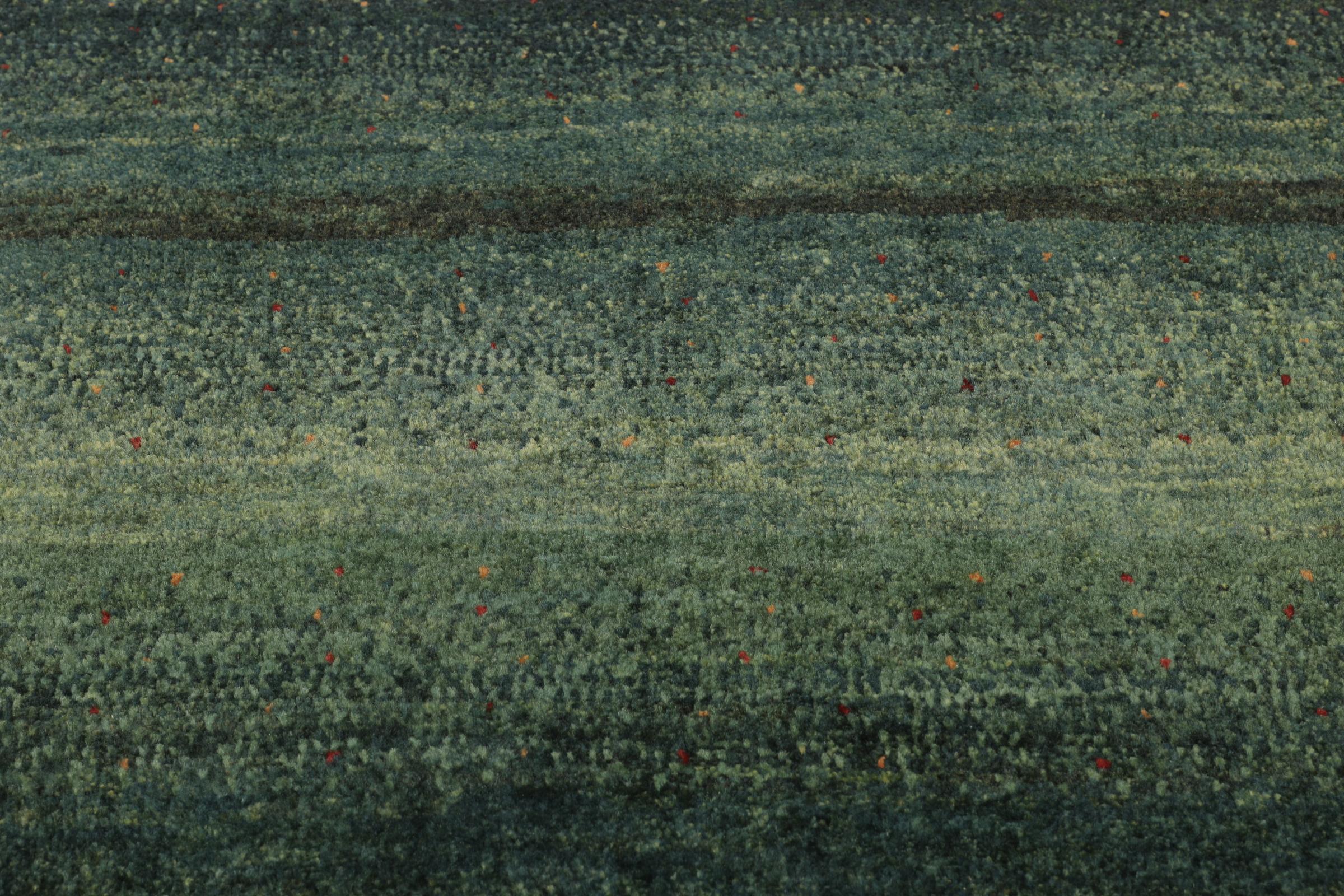
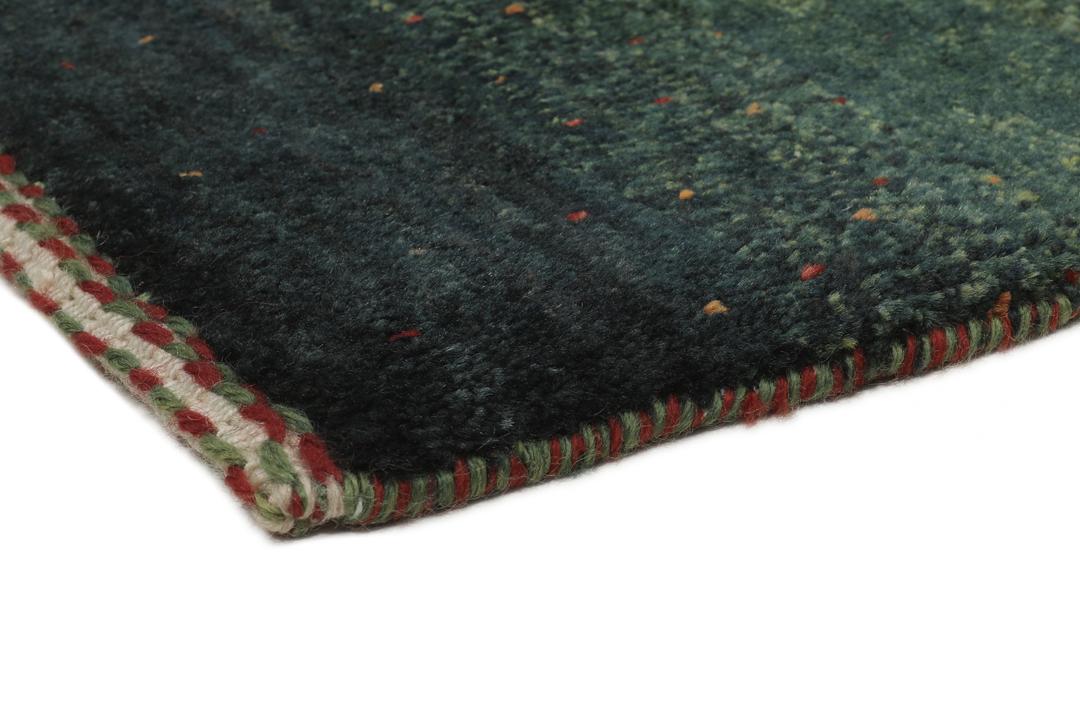
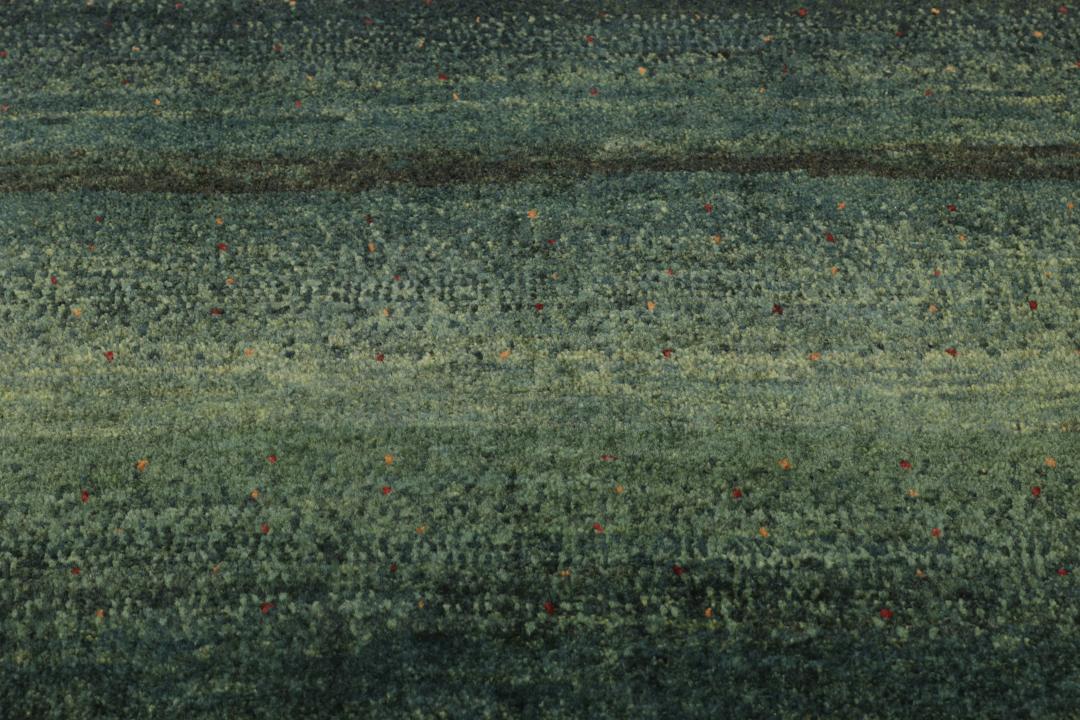
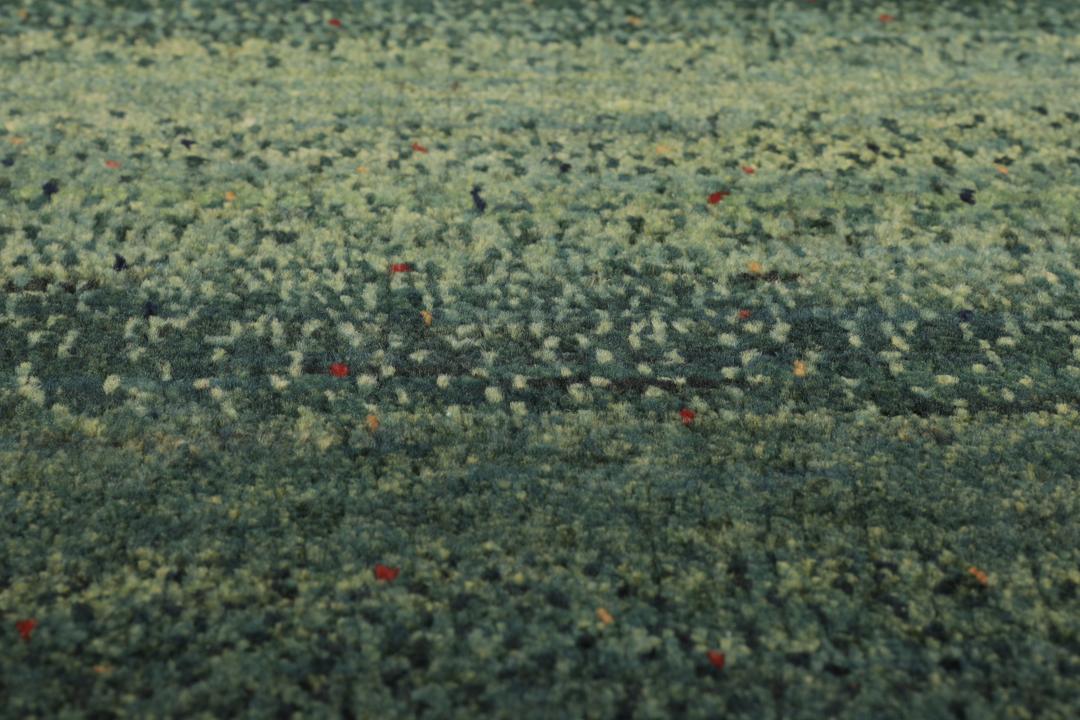
The term 'Loribaft' refers to the specific style of weaving practised by the Luri people, a tradition that prioritises the quality and texture of the wool. These rugs are highly sought after for their density and the soft, lustrous feel of the wool pile, which is achieved through careful processing and spinning. This focus on material quality ensures that the rugs are not only visually stunning but also remarkably soft and resilient.
Design-wise, these rugs often feature abstract or minimalist patterns that reflect the natural world, moving away from the rigid geometric layouts seen in more formal city-made rugs. The use of open fields and subtle colour transitions allows the inherent beauty of the wool to take centre stage, making each rug feel like a painterly interpretation of the surrounding landscape.
Owning a piece from this tradition is an investment in cultural heritage and human skill. Because they are created by hand in small, traditional workshops, these rugs are valued by collectors for their authenticity and the unique touch of the weaver. They serve as a bridge between ancient nomadic customs and the modern home, offering a soulful, grounded presence that mass-produced items simply cannot match.