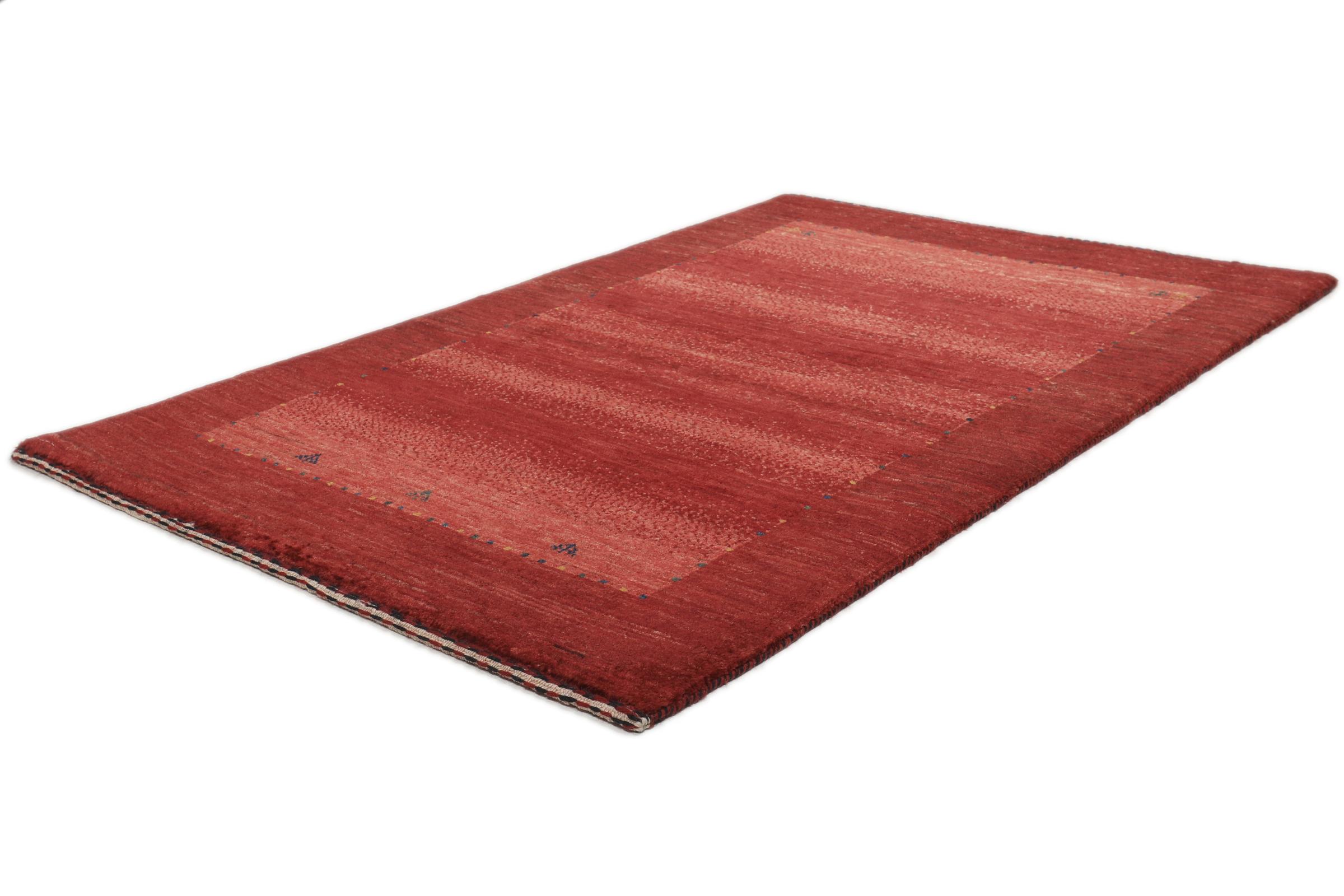
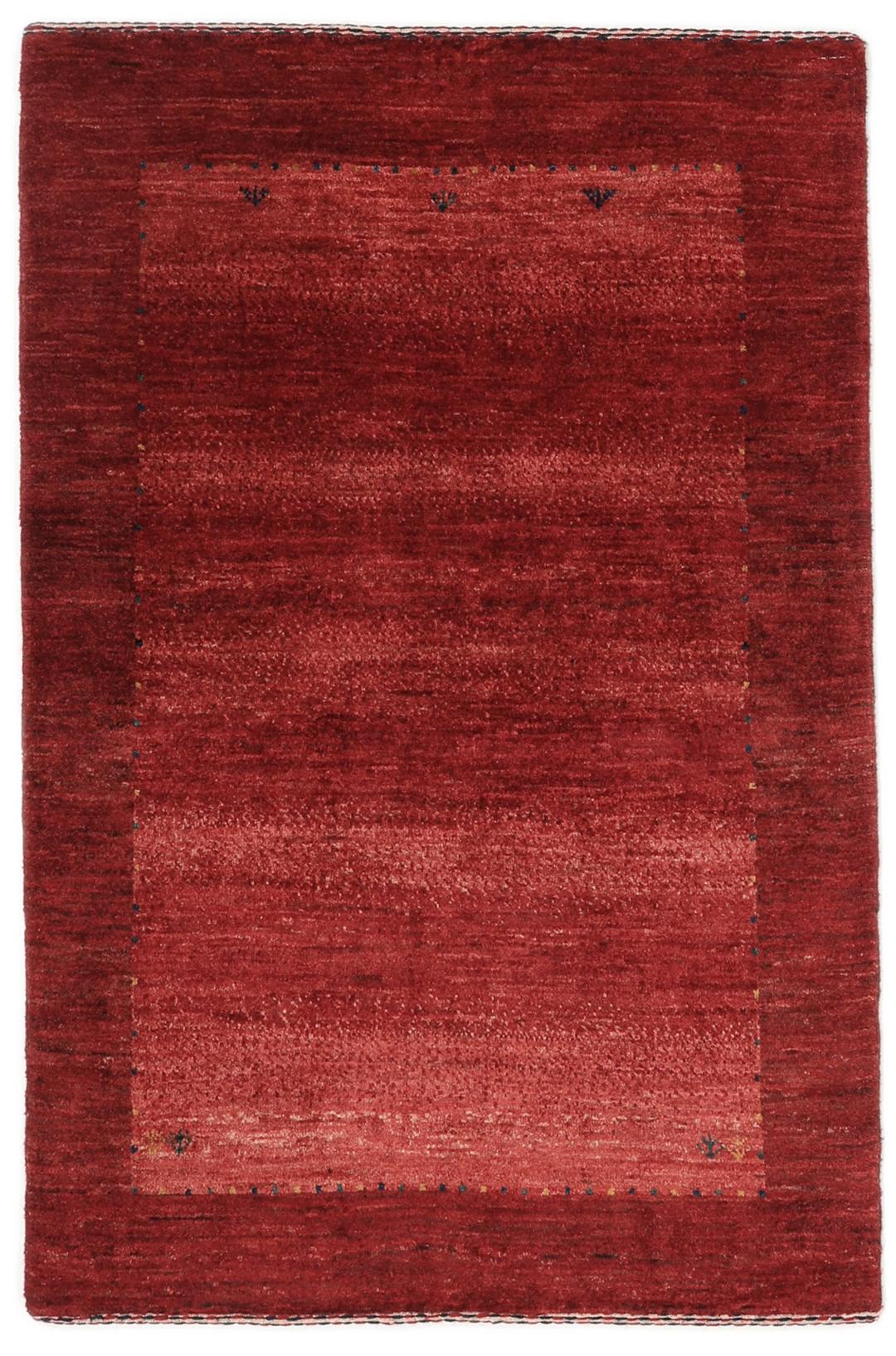
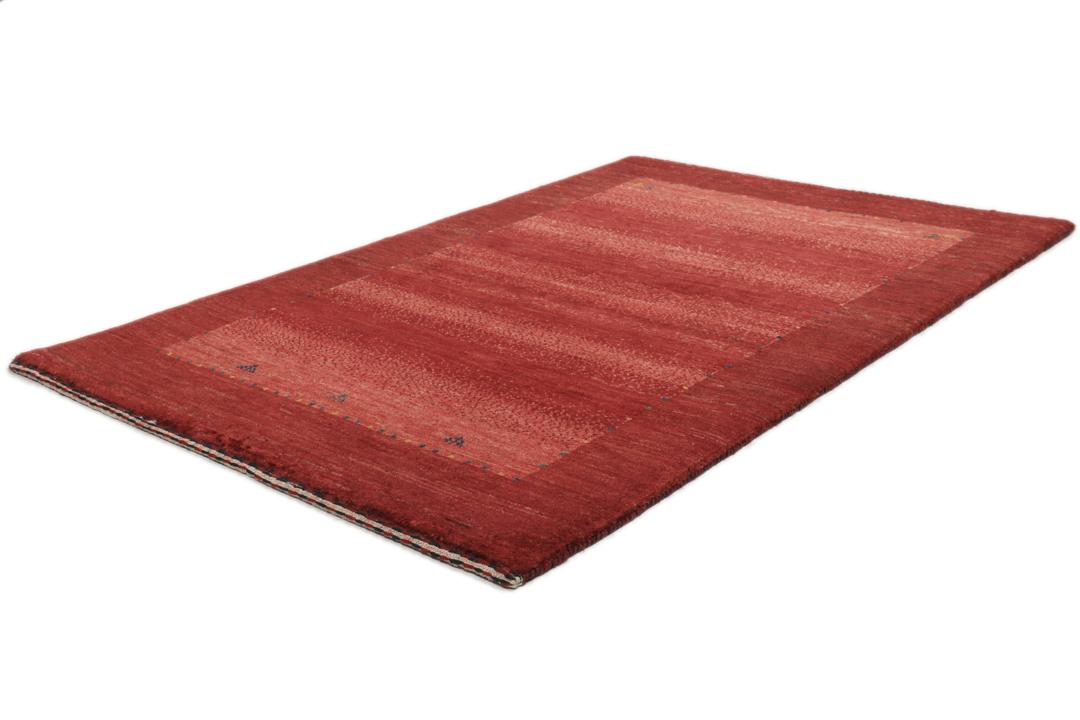
The Loribaft tradition finds its roots in the nomadic tribes of the Middle East, specifically among the Luri people. These rugs were historically created for practical use within nomadic households, serving as durable floor coverings and blankets. Over generations, these tribal designs have evolved into a sophisticated craft that bridges the gap between ancient necessity and modern aesthetic appreciation.
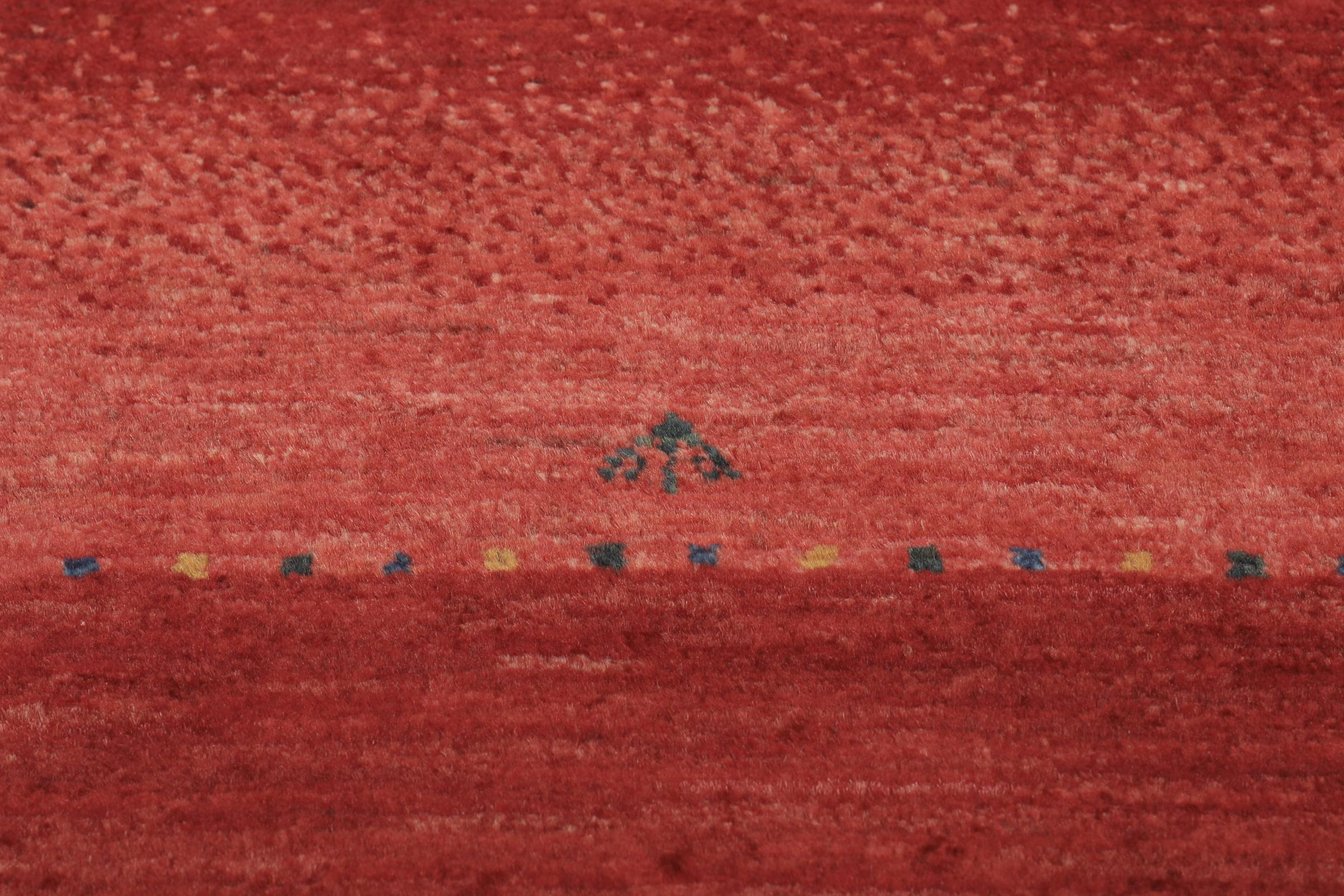
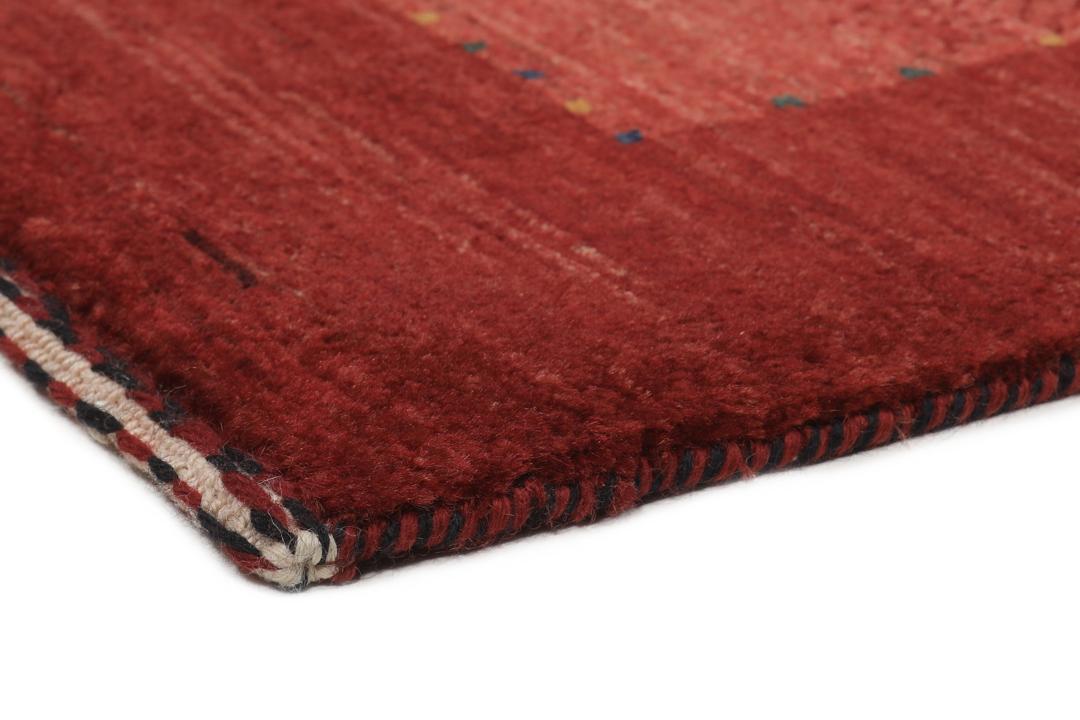
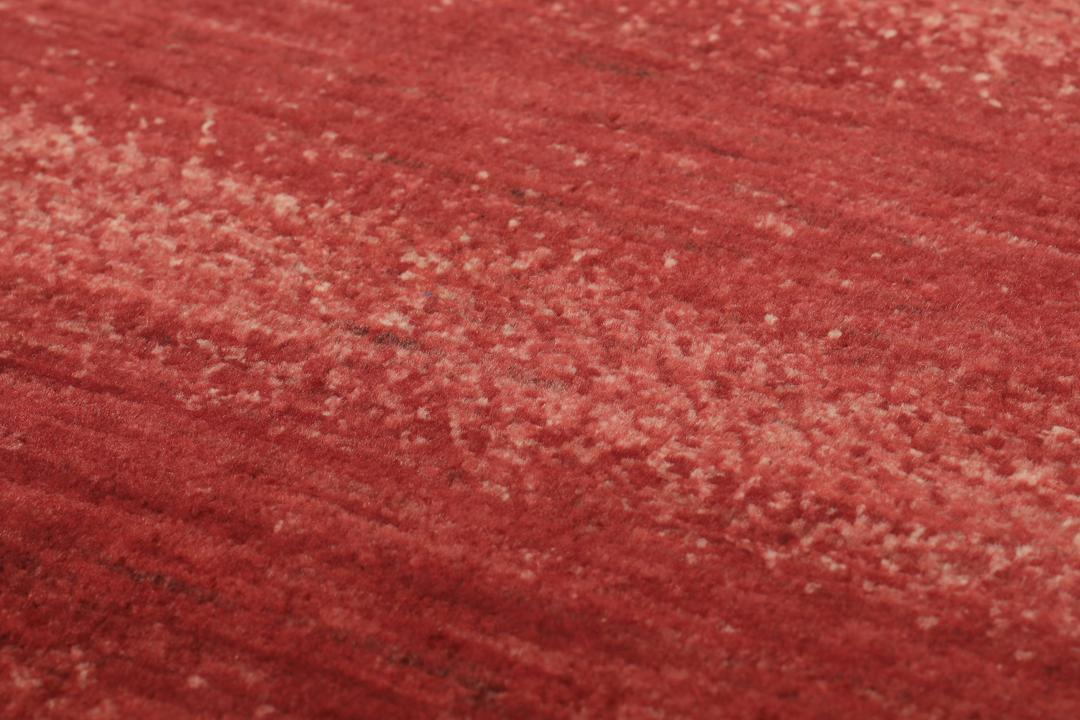
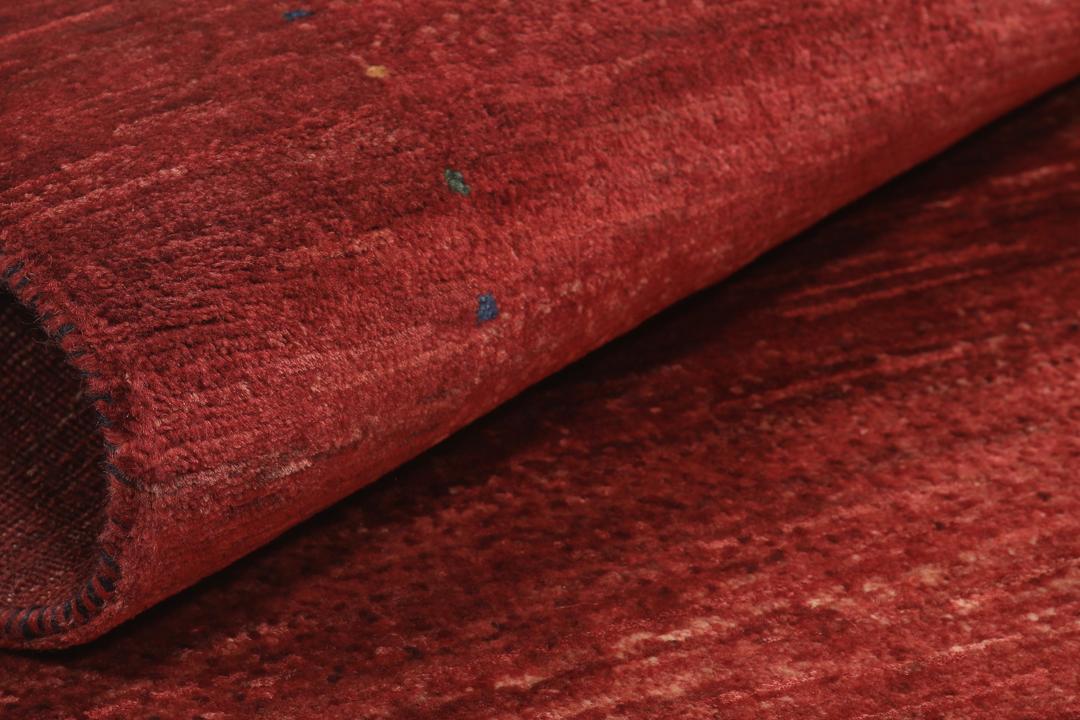
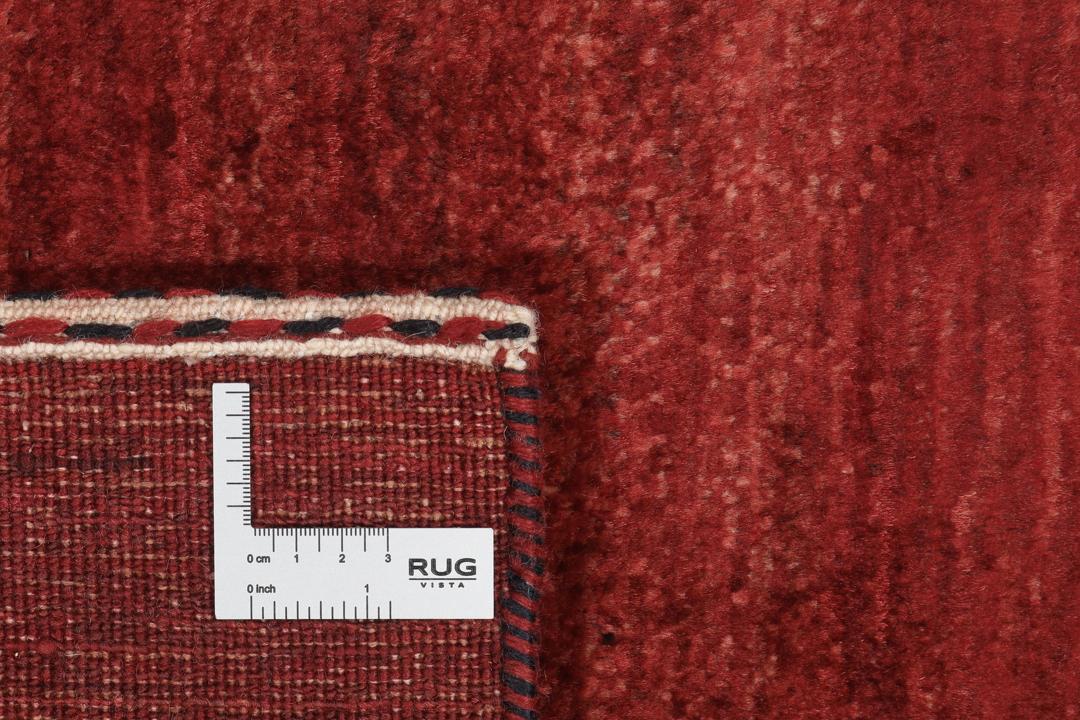
The term Loribaft refers to a specific style of weaving that emphasises a denser, more plush pile compared to traditional flat-woven kilims. By using high-quality wool for both the pile and the foundation, these rugs achieve a soft, luxurious feel. The use of multiple strands of wool twisted together creates a robust construction, ensuring that the rug is not only beautiful but also capable of withstanding the rigours of daily life.
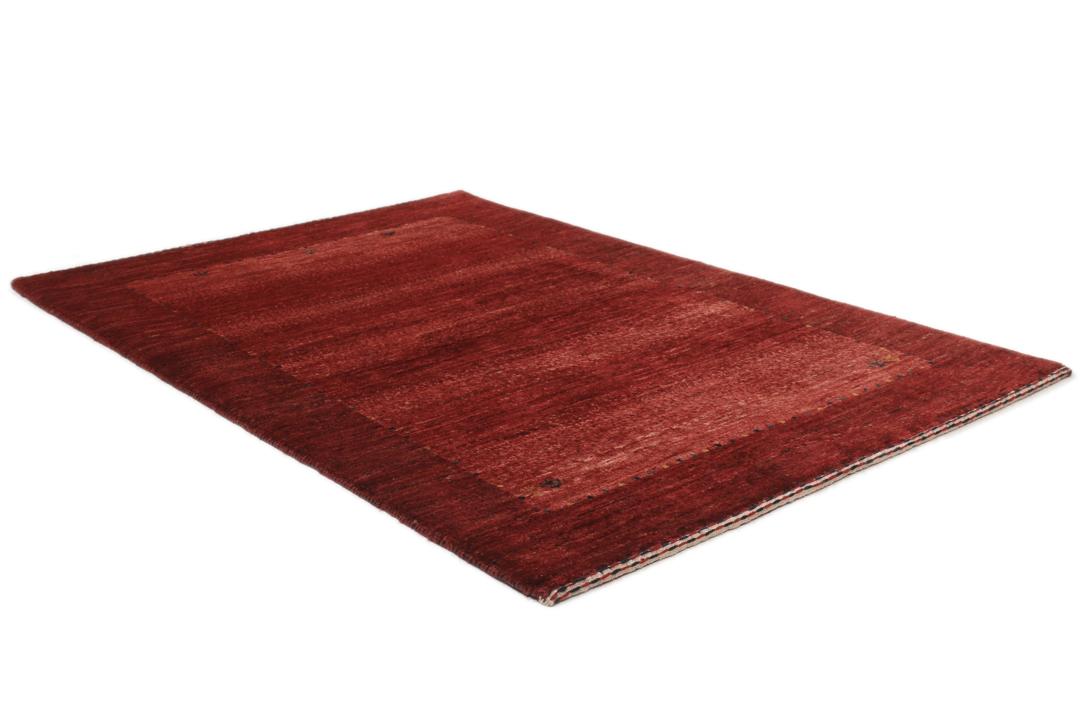
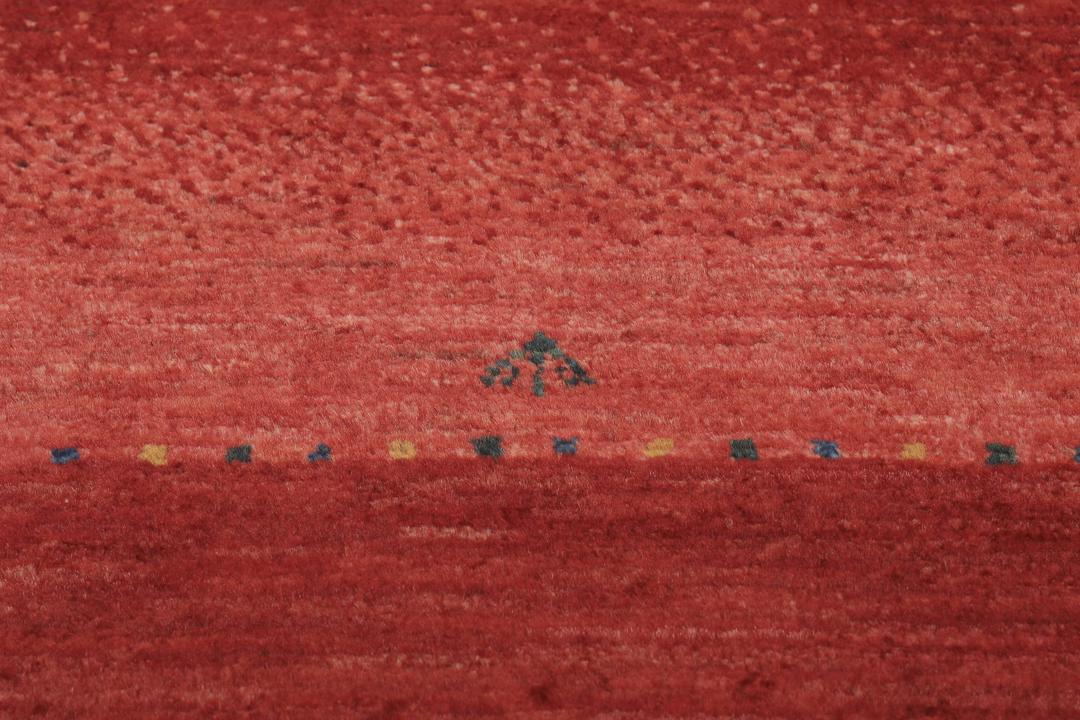
Visually, these rugs are celebrated for their bold, often minimalist, and deeply saturated colour palettes. While many tribal rugs are known for complex geometric patterns, the Loribaft is often distinguished by its focus on open, vibrant fields of colour that highlight the quality of the wool. The occasional inclusion of simple motifs or borders adds a touch of traditional character without overwhelming the clean, modern look of the piece.
Owning a Loribaft rug is an investment in cultural heritage and artisanal skill. These pieces are highly valued by collectors because each one reflects the unique creative choices of the individual weaver. By choosing this rug, you are preserving a legacy of craftsmanship that has been passed down through centuries, ensuring that this tradition remains a vibrant part of contemporary home design.