The Loribaft and Kashkooli traditions are deeply rooted in the nomadic cultures of the Middle East. Historically, these rugs were woven by tribal groups who moved across the landscape, using the wool from their own flocks. This heritage imbues each rug with a sense of place and a connection to the natural world, as the patterns and colours were often inspired by the environment surrounding the weavers.
Technical terms like Loribaft refer to a specific style characterised by a thicker, softer pile and a more relaxed, spontaneous approach to design compared to formal city rugs. The term Kashkooli is often associated with the Qashqai tribes, known for their ability to blend geometric tribal motifs with a more refined, sophisticated aesthetic. These traditions are celebrated for their focus on quality materials and a deep understanding of wool as a medium.
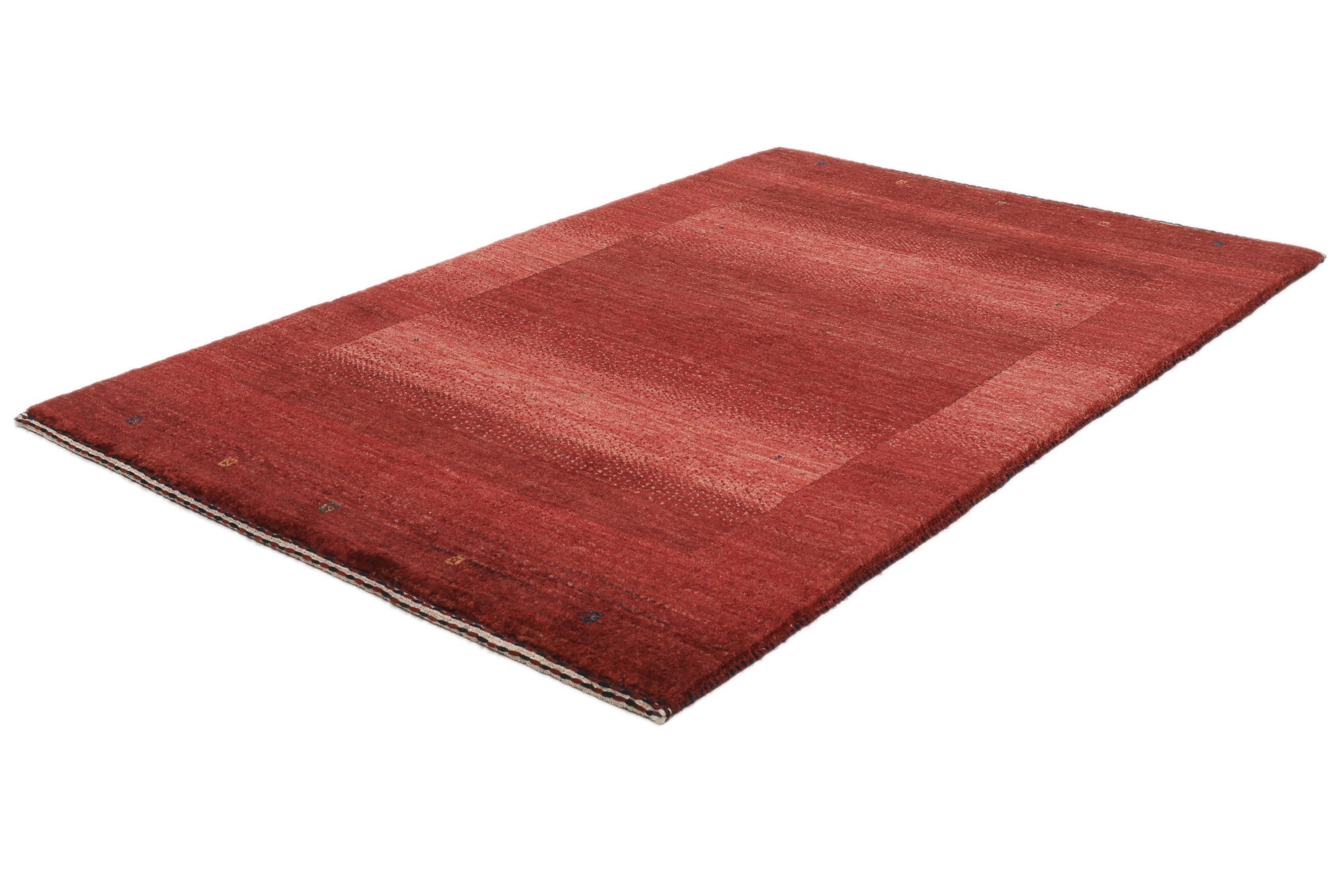
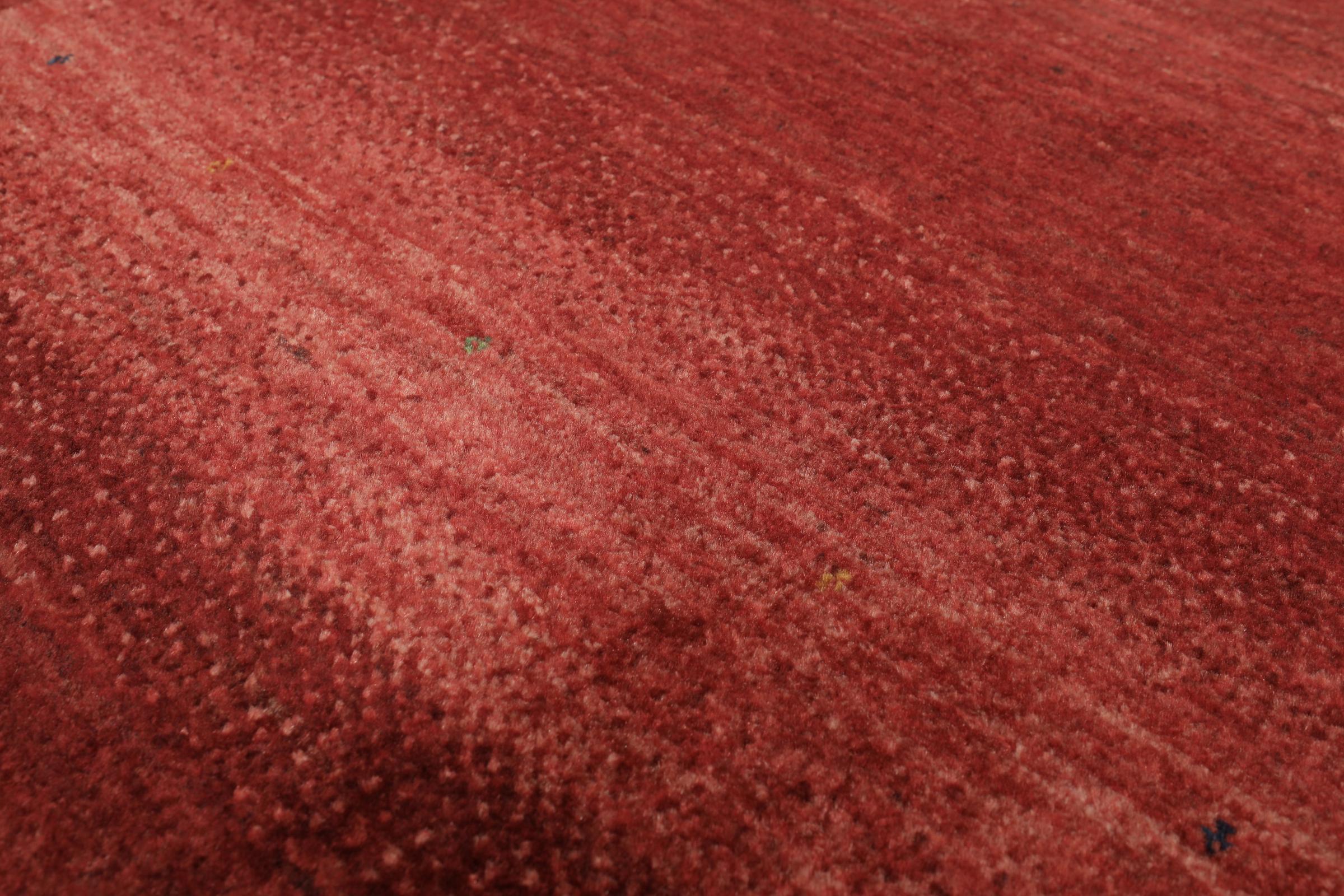
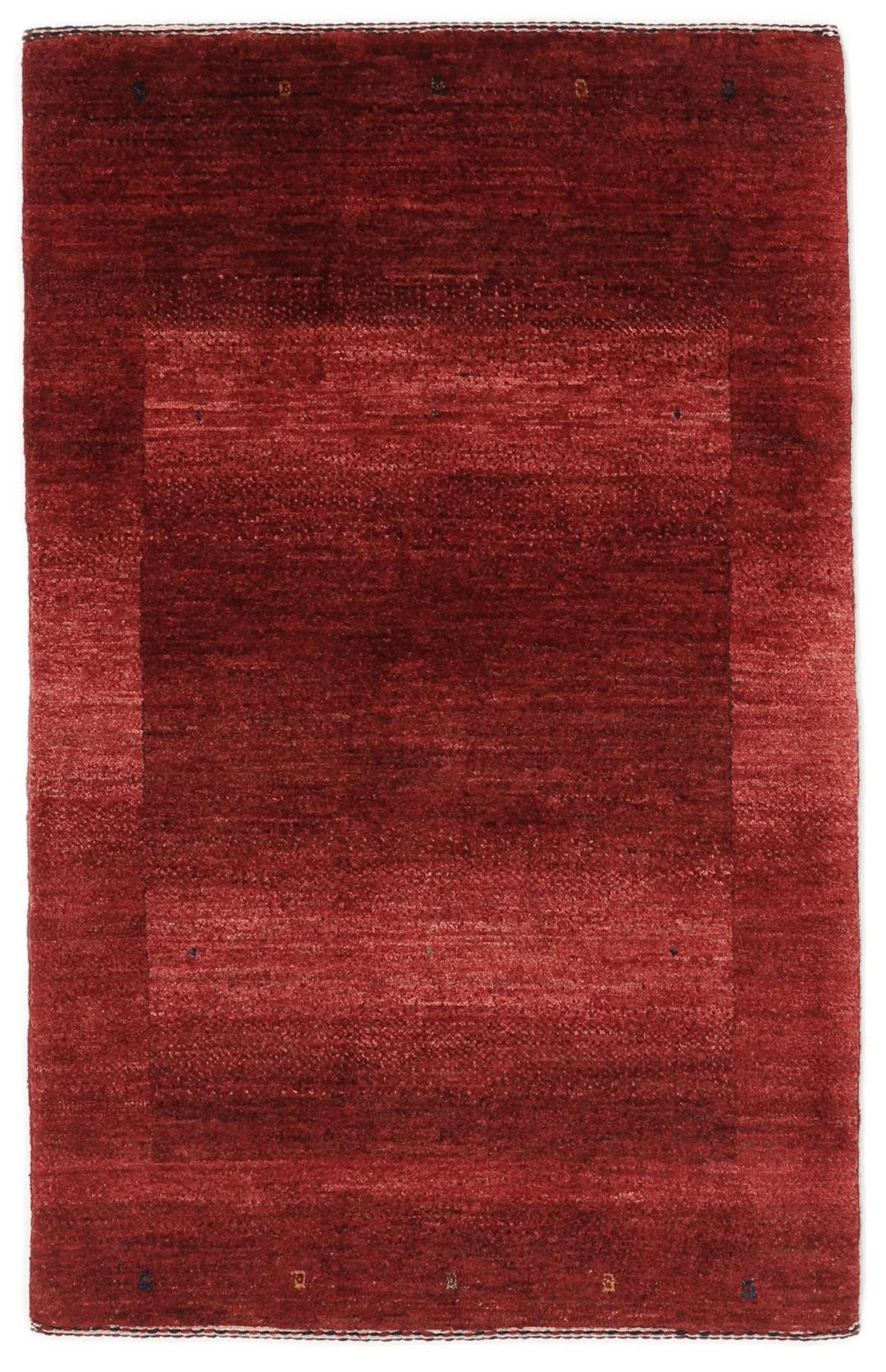
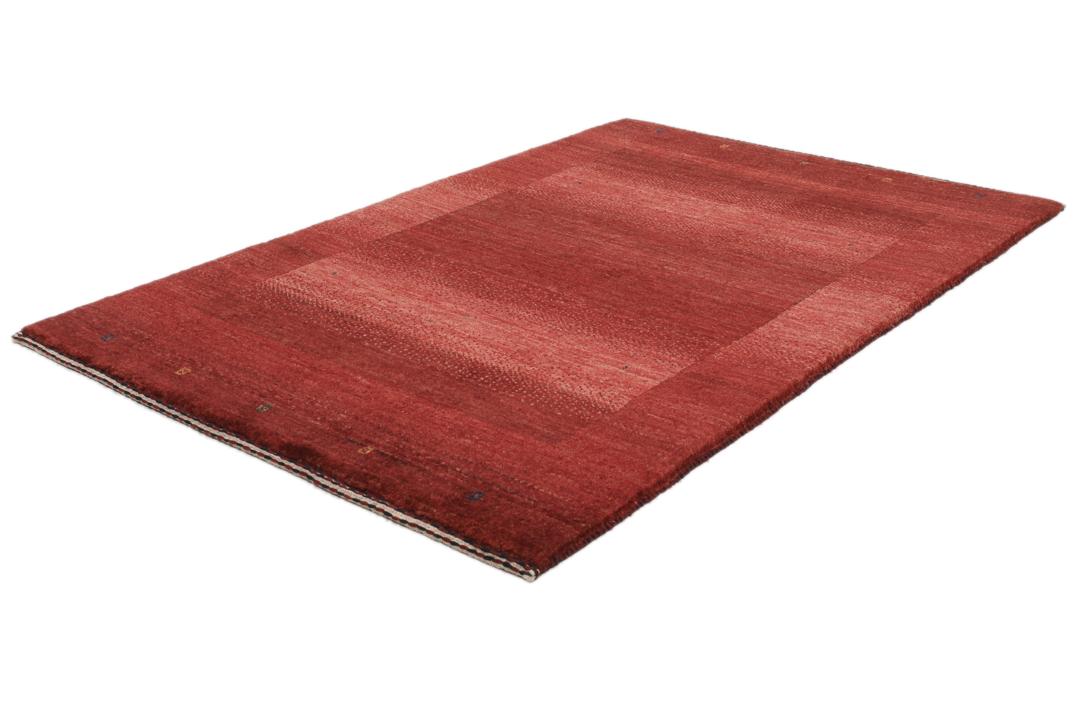
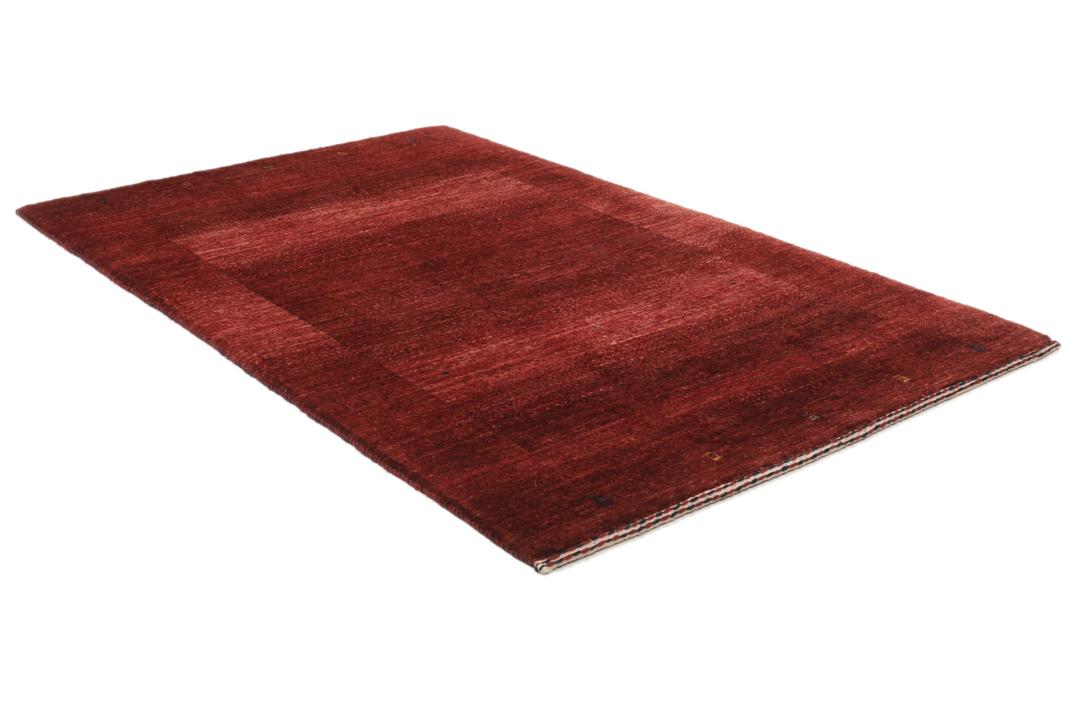
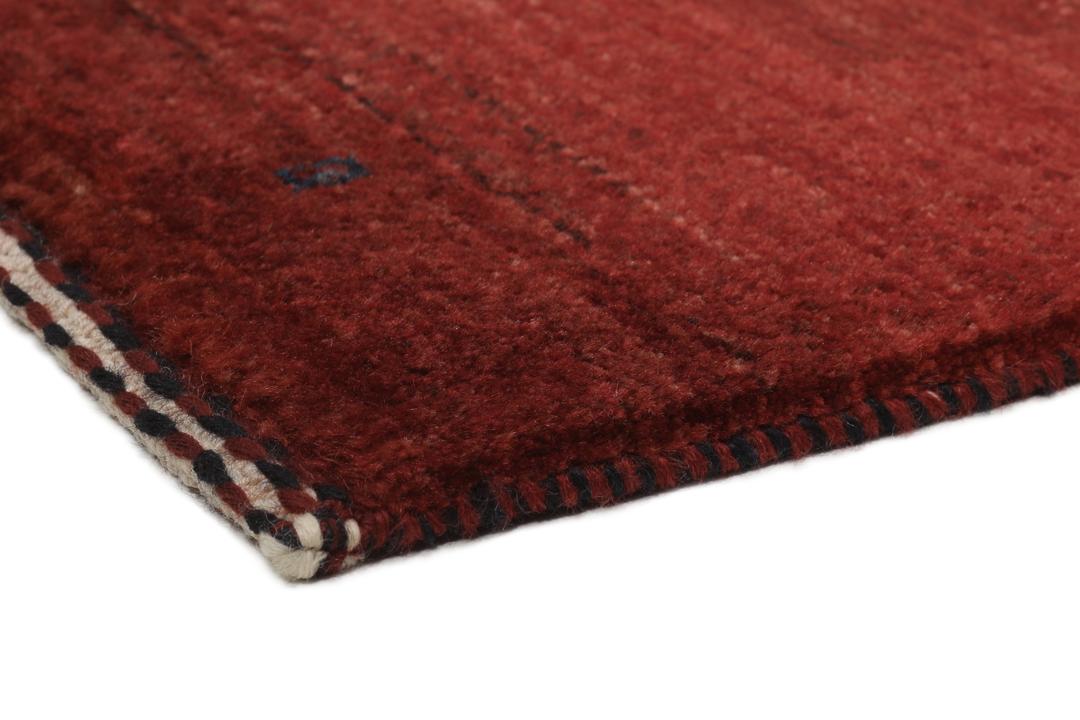
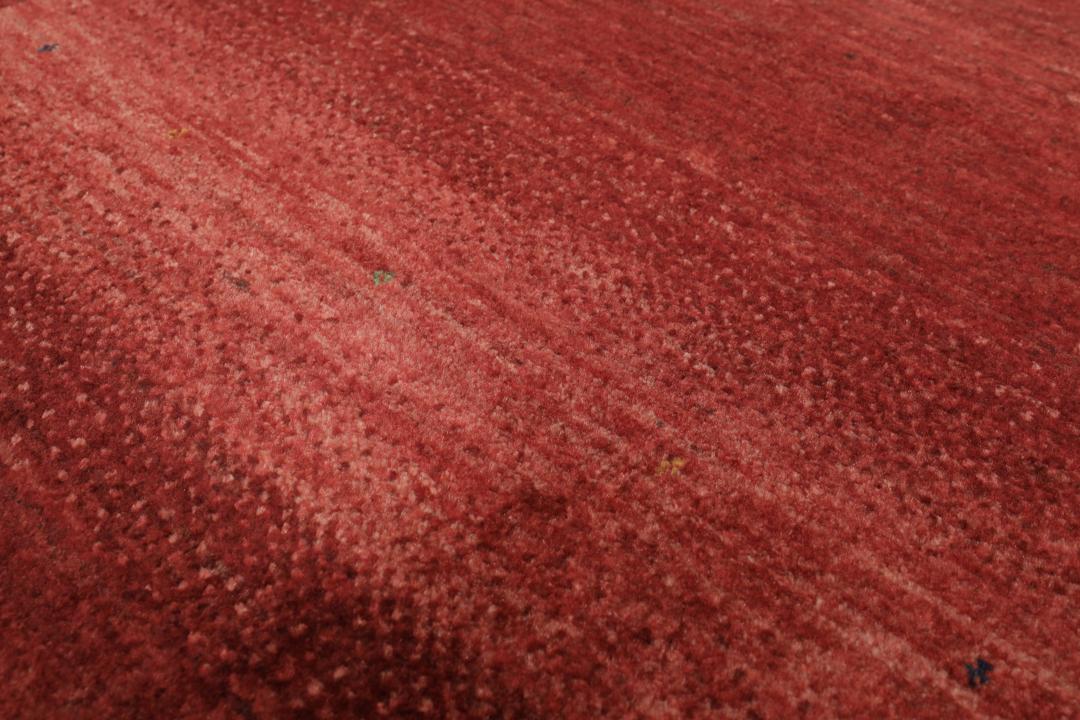
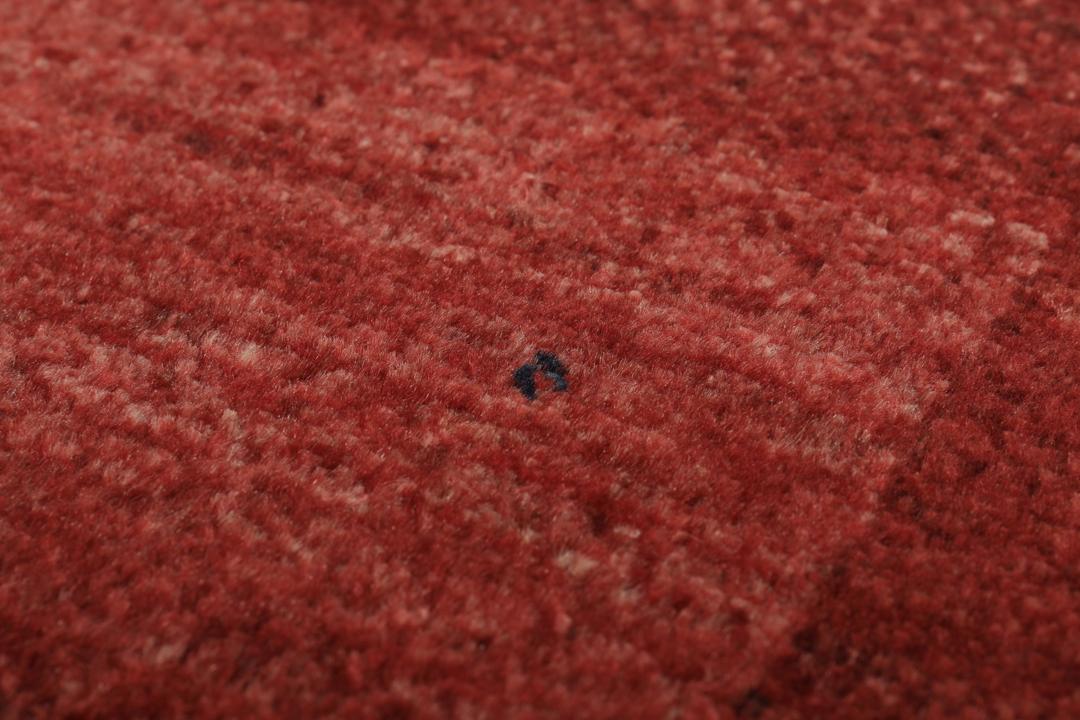
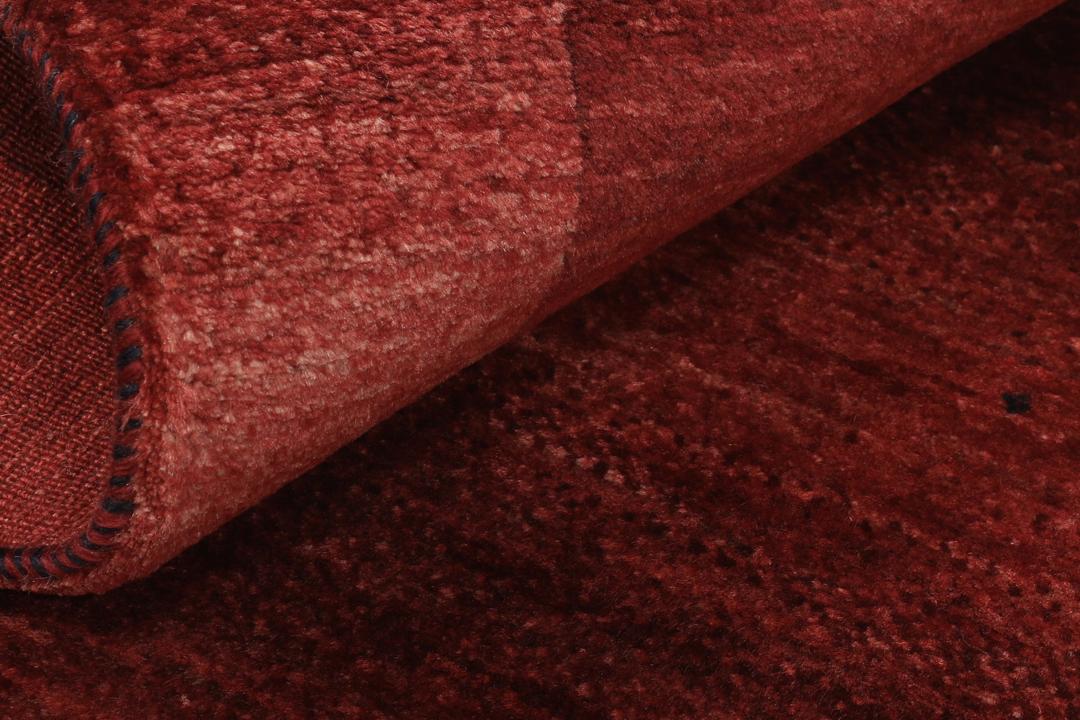
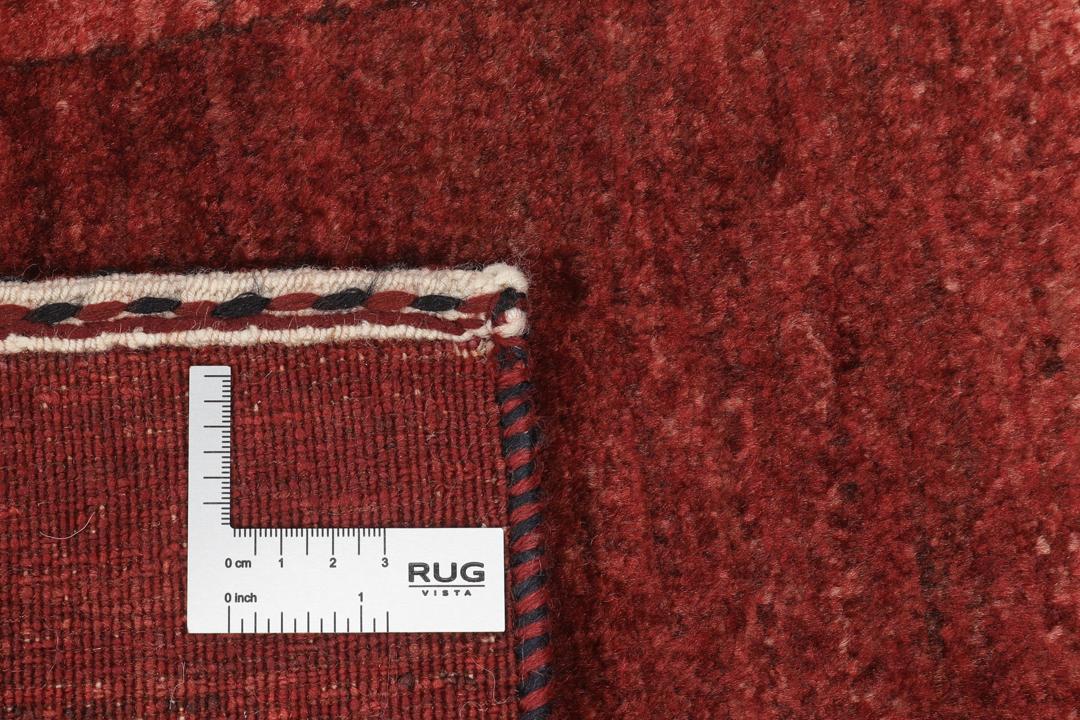
The design of this rug emphasises the beauty of the wool itself, often featuring subtle variations in colour known as abrash. This effect occurs when wool is dyed in small batches, leading to gentle shifts in shade that provide depth and life to the field. Rather than relying on complex, rigid patterns, these rugs often use open fields or minimal motifs to highlight the purity of the colour and the craftsmanship of the weave.
Owning a piece from this tradition is an act of preserving a rich cultural legacy. These rugs are highly valued by collectors and enthusiasts who appreciate the skill required to produce them without the aid of modern machinery. They represent a bridge between ancient nomadic artistry and contemporary living, offering a sense of authenticity and human connection that is increasingly rare in today's world.