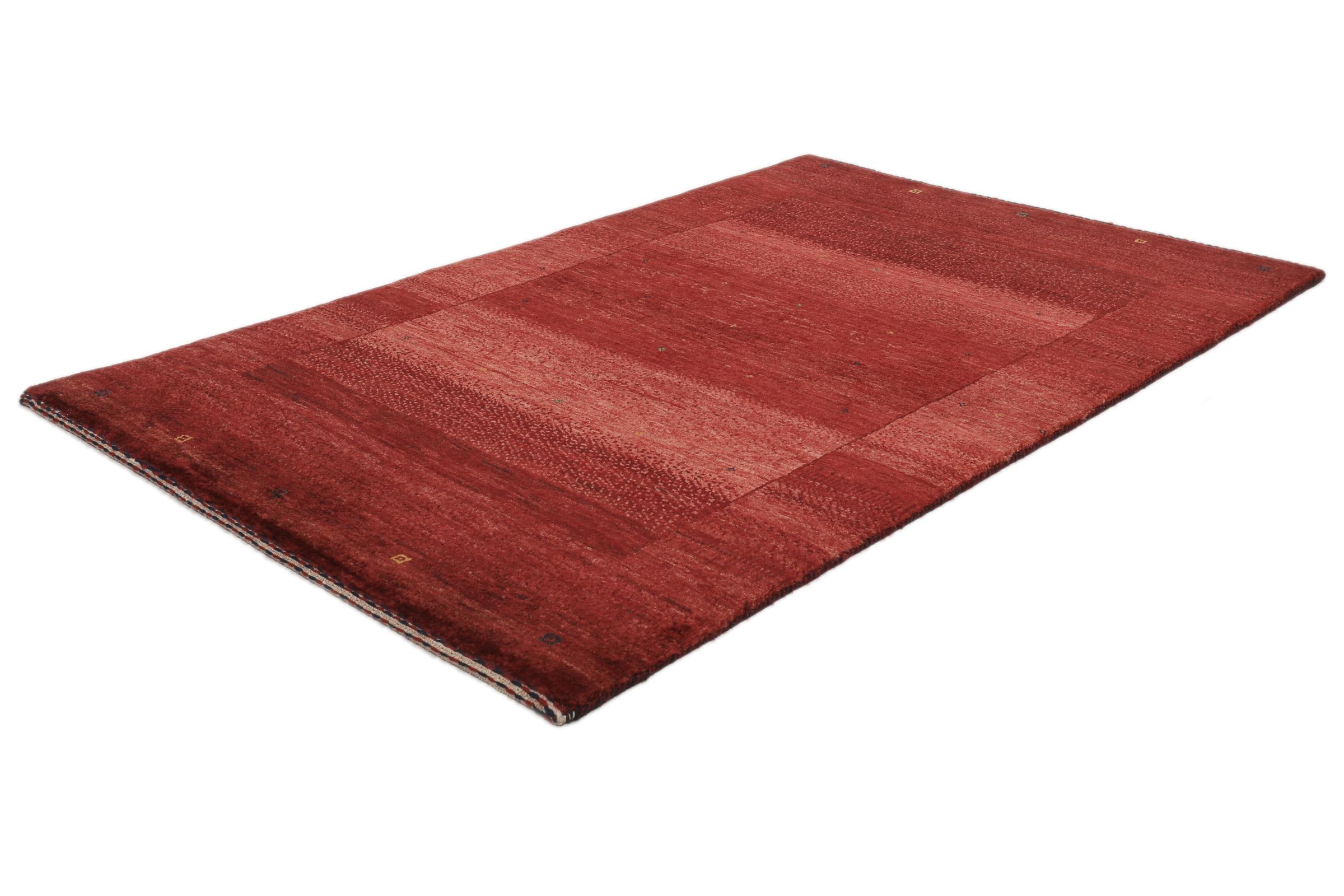
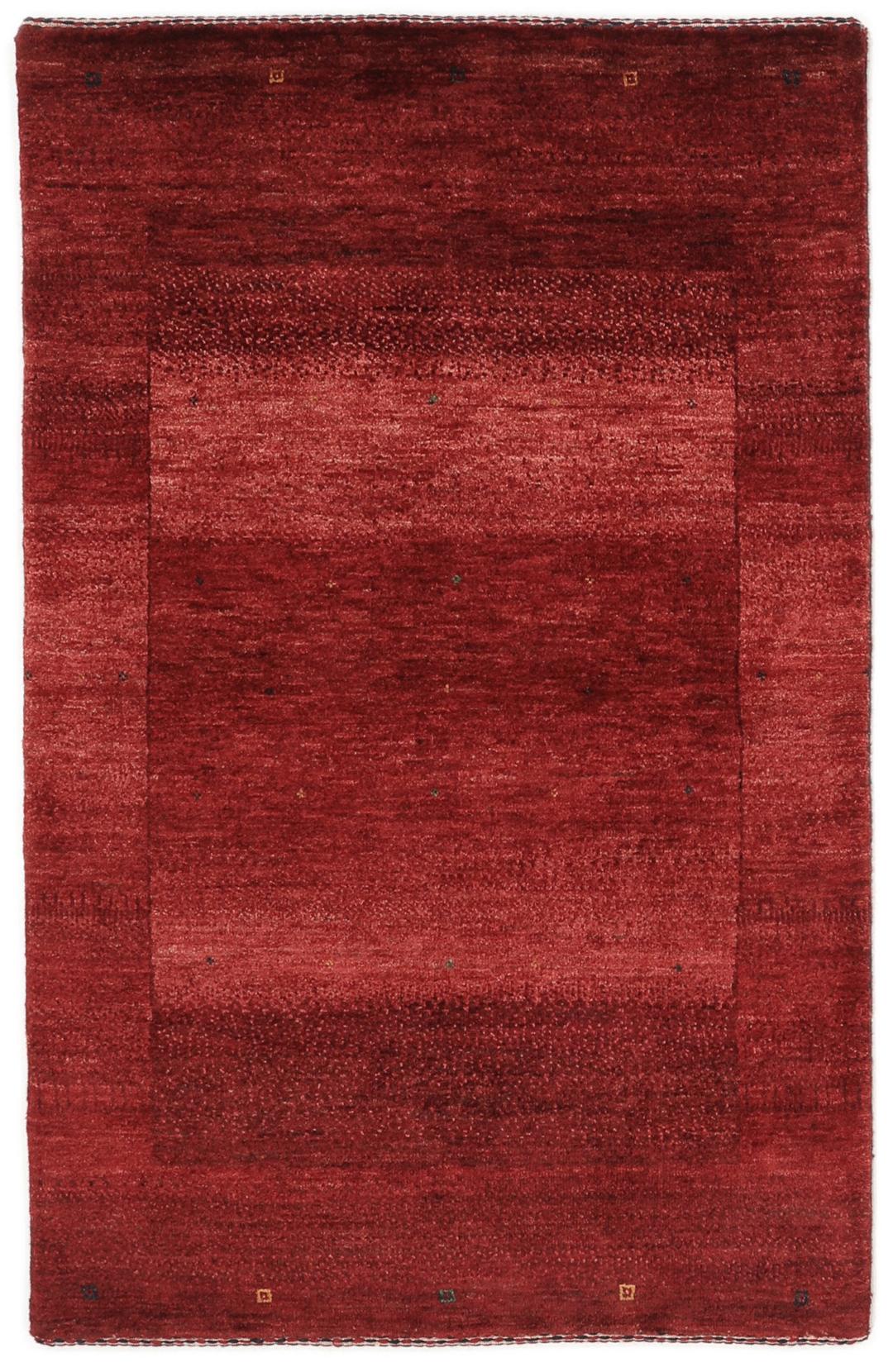
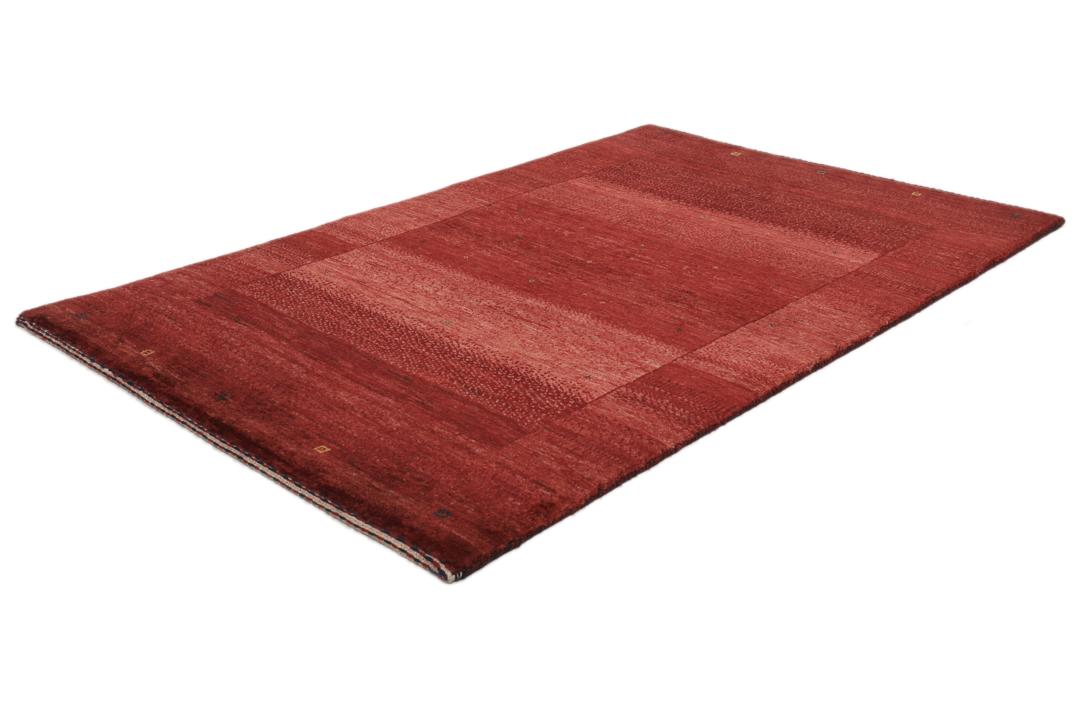
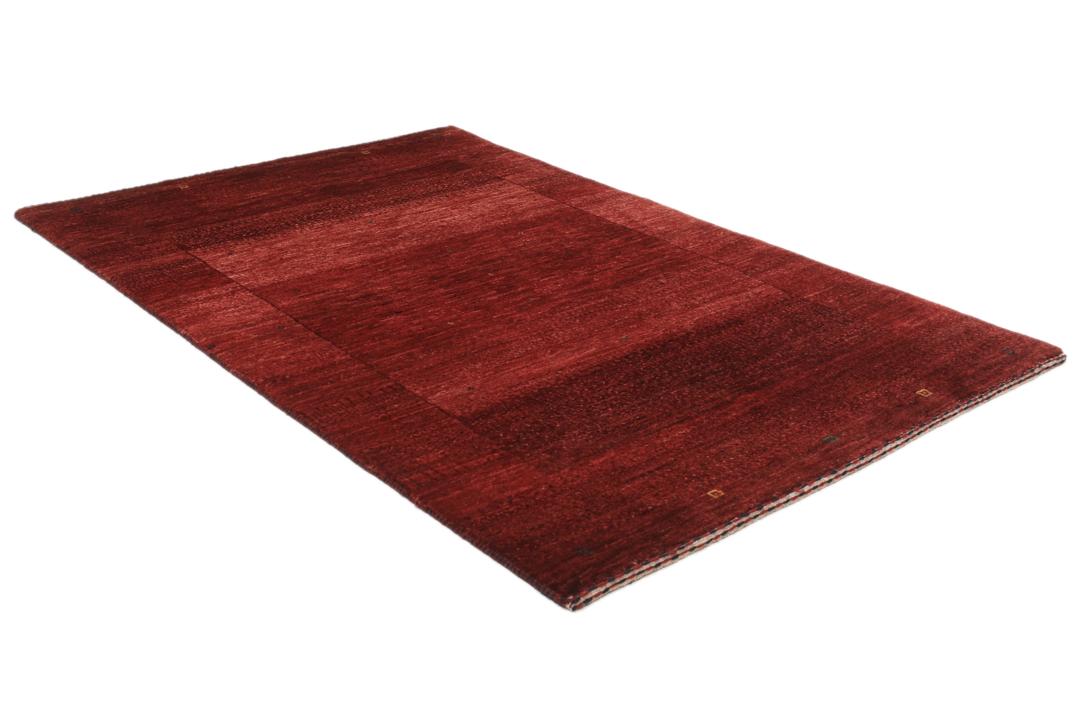
Loribaft rugs, often associated with the Kashkooli tradition, originate from the tribal regions of the Middle East. These rugs are deeply rooted in the nomadic lifestyle of the Luri and Qashqai tribes, who have historically woven rugs to serve as functional, portable, and beautiful household items that reflect their unique environment and cultural stories.
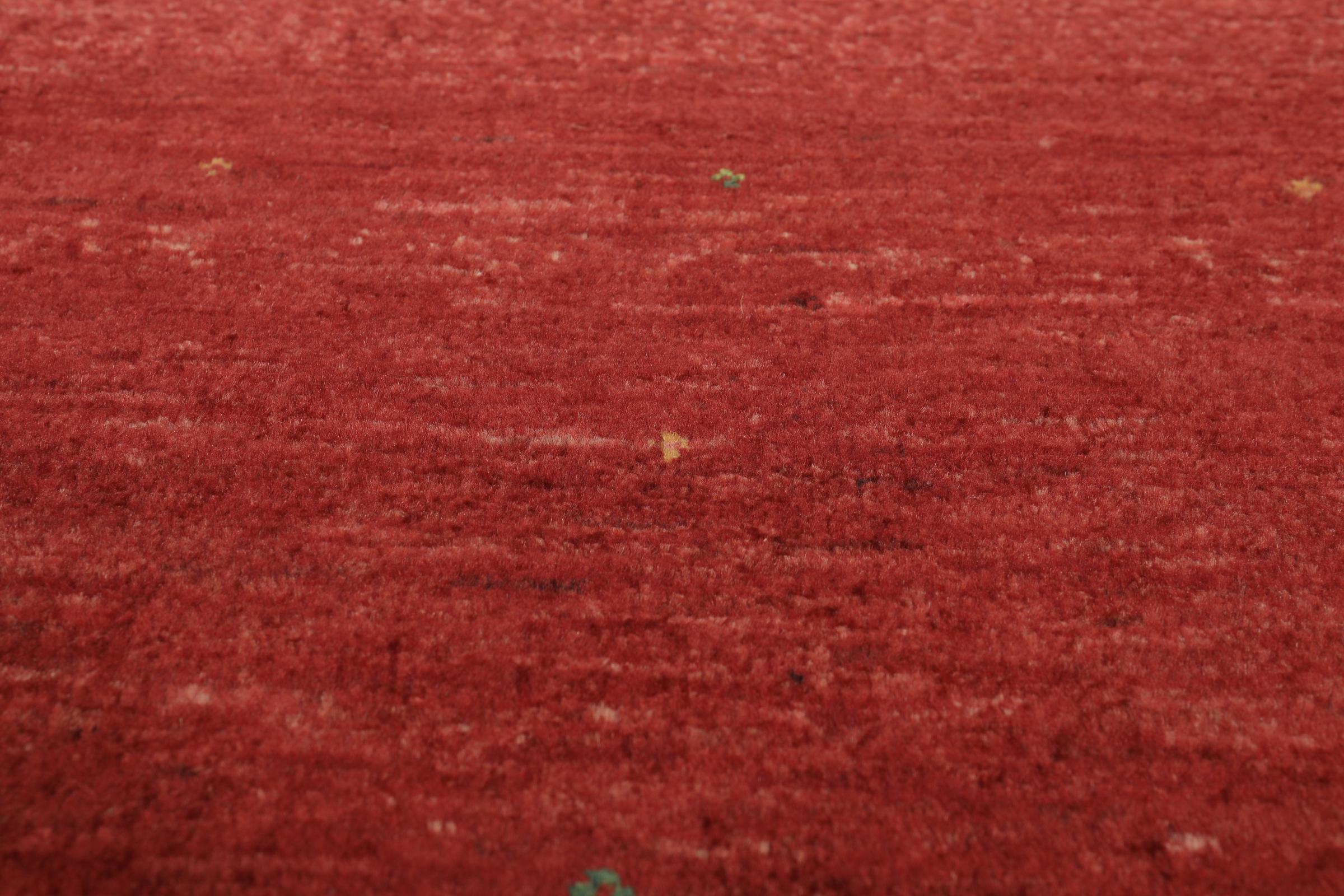
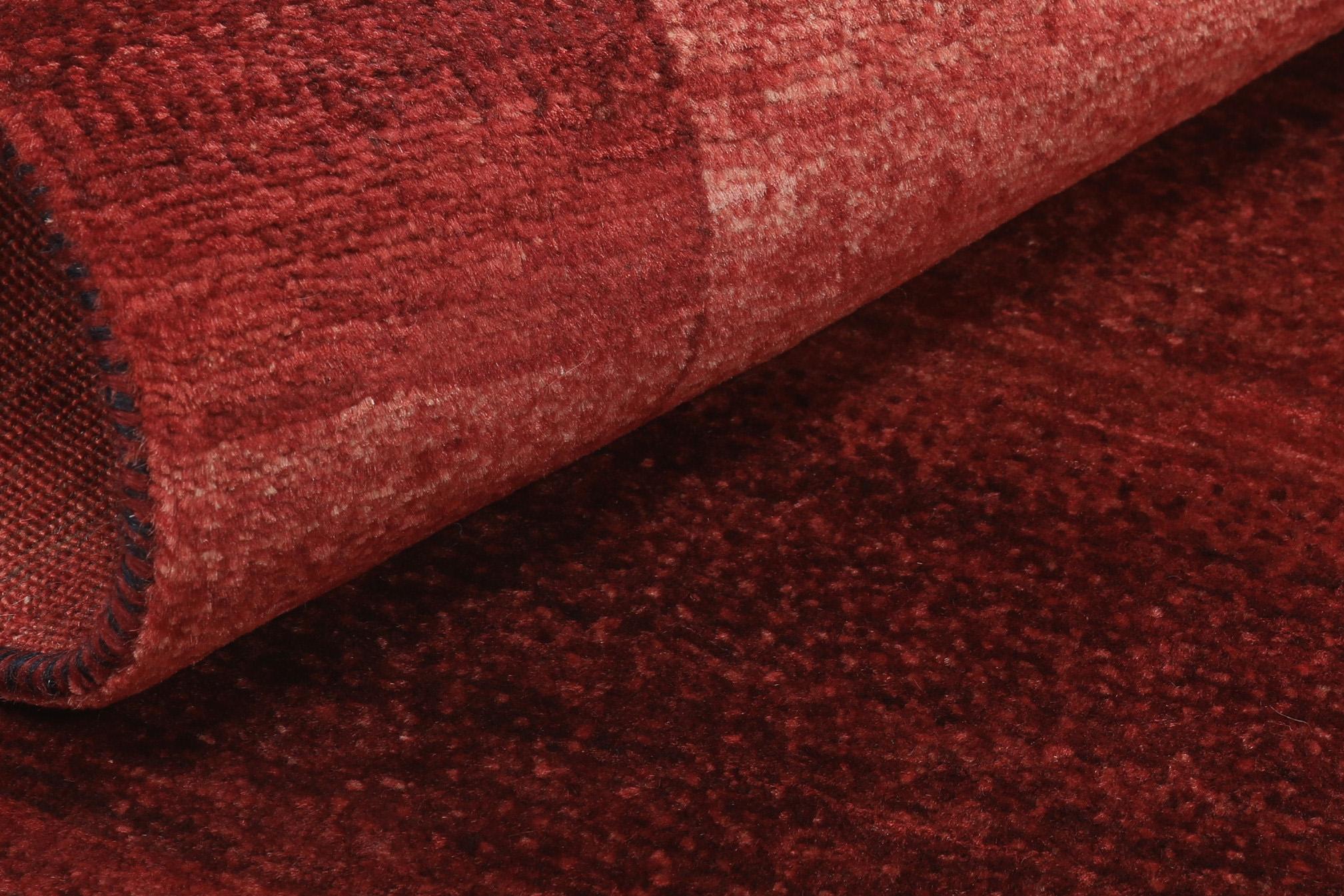
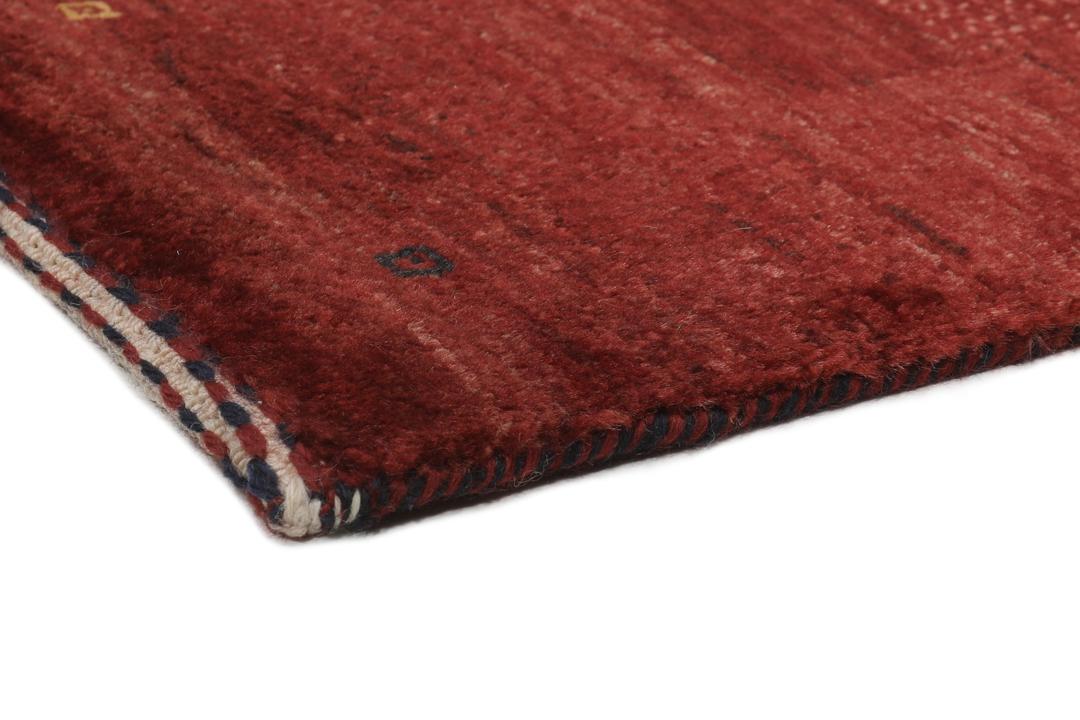
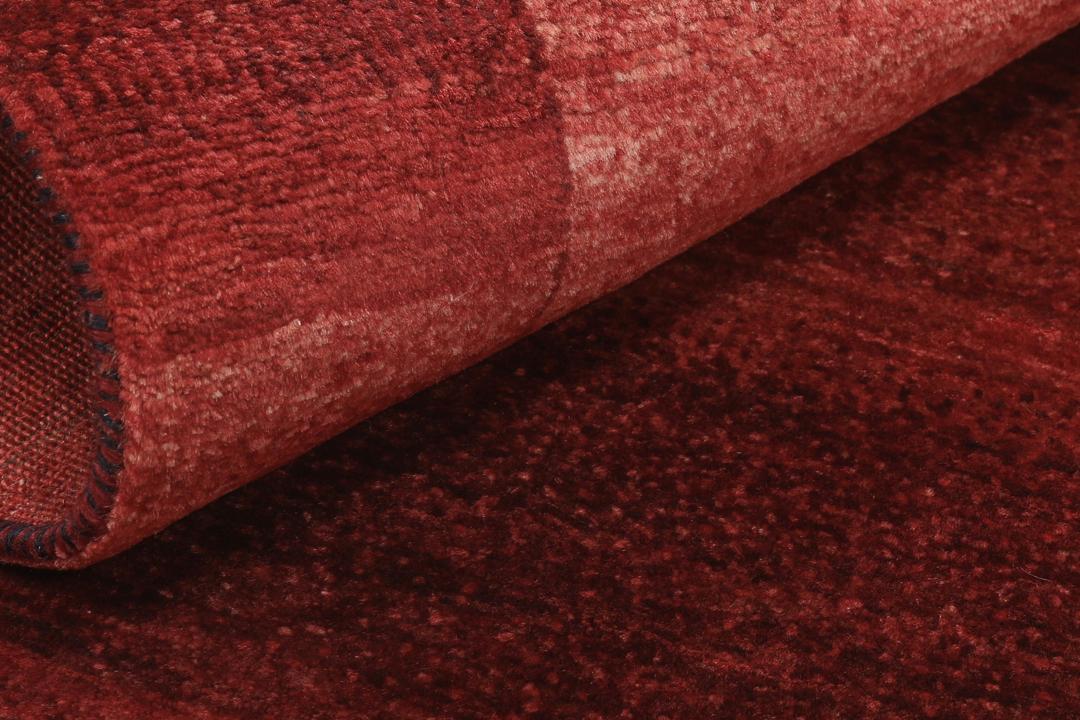
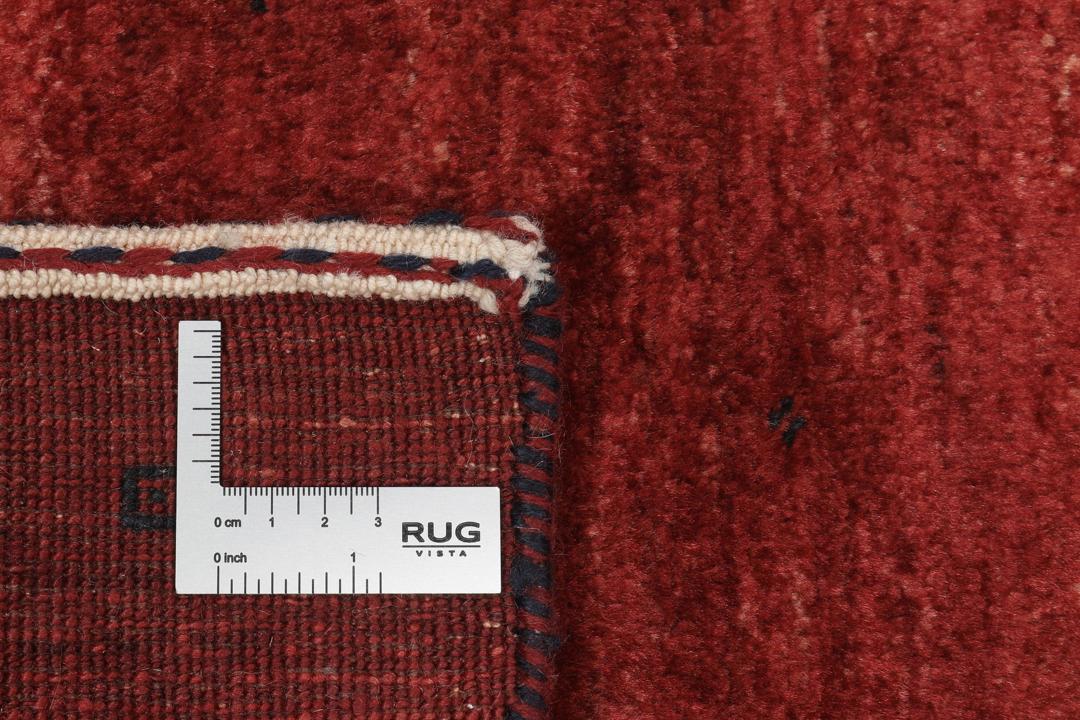
The term 'Loribaft' refers to a style that emphasizes a thicker, softer wool pile compared to other traditional flat-woven or thinner rugs. This construction is designed for comfort and durability, making the rugs ideal for nomadic life while also providing a luxurious, plush feel that has made them highly sought after by modern collectors who value both comfort and authenticity.
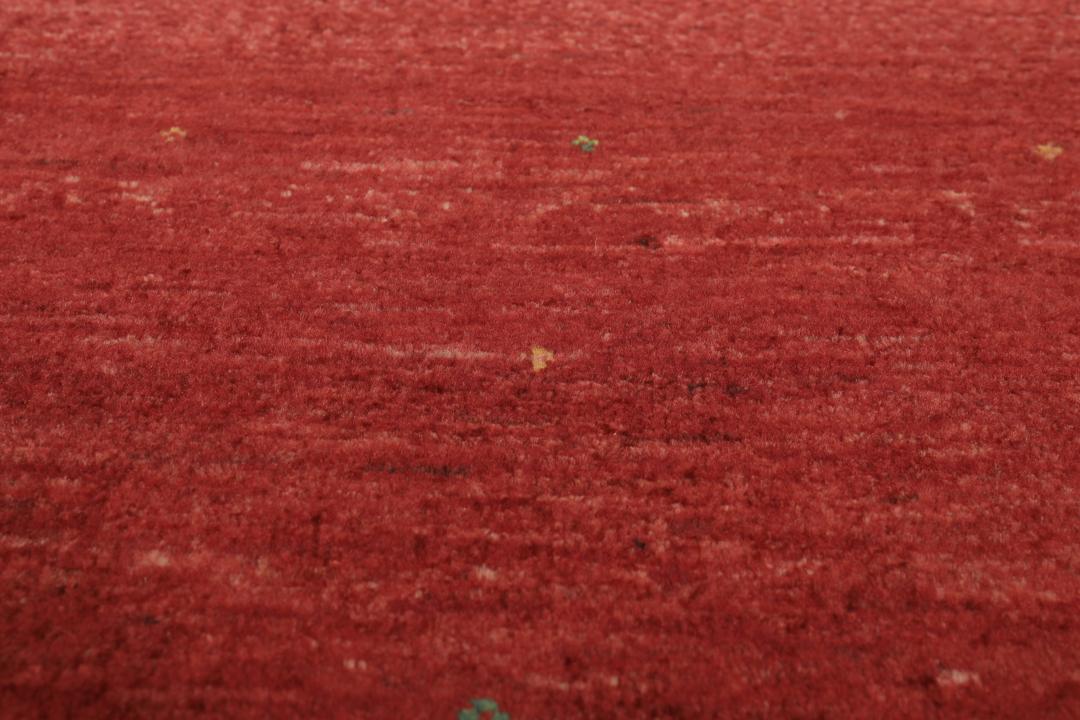
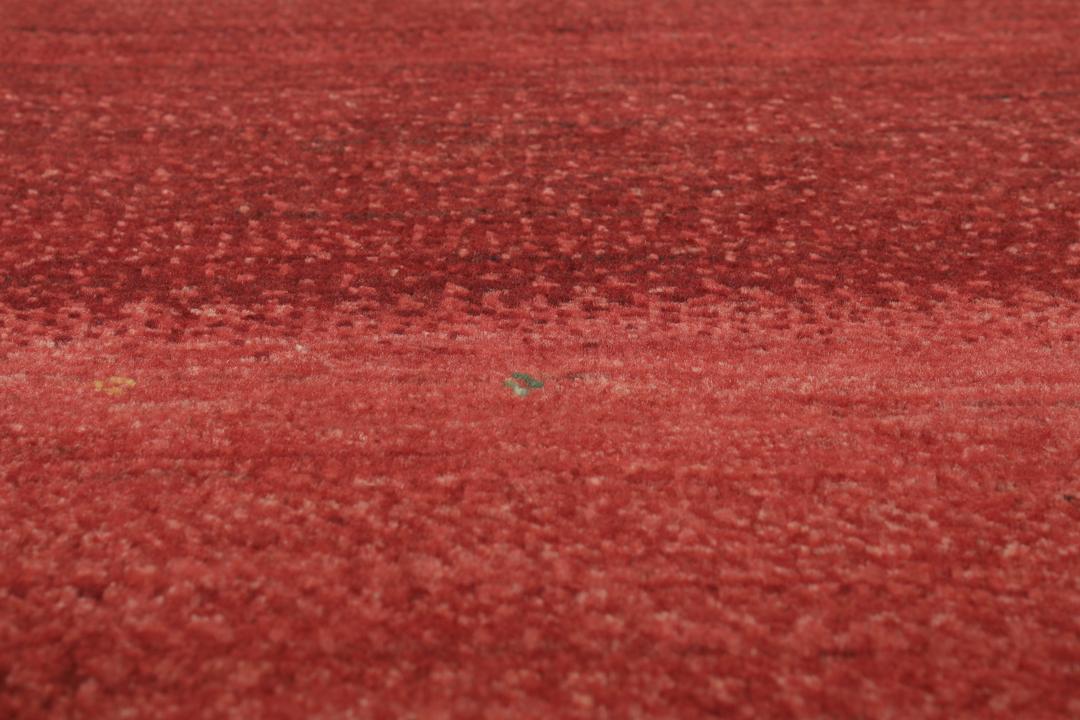
Visually, these rugs are known for their sophisticated use of color and their often minimalist or abstract approach to traditional motifs. While they may incorporate subtle geometric elements, the focus is frequently on the natural variations of the wool and the deep, saturated dyes, often derived from natural sources, which give the field its characteristic, glowing red appearance.
Owning a Loribaft rug is an opportunity to connect with a centuries-old craft tradition. These pieces are valued not only for their aesthetic appeal but also for the incredible skill required to maintain consistency in tension and pattern without the use of modern machinery. They represent a bridge between ancient tribal artistry and contemporary interior design.