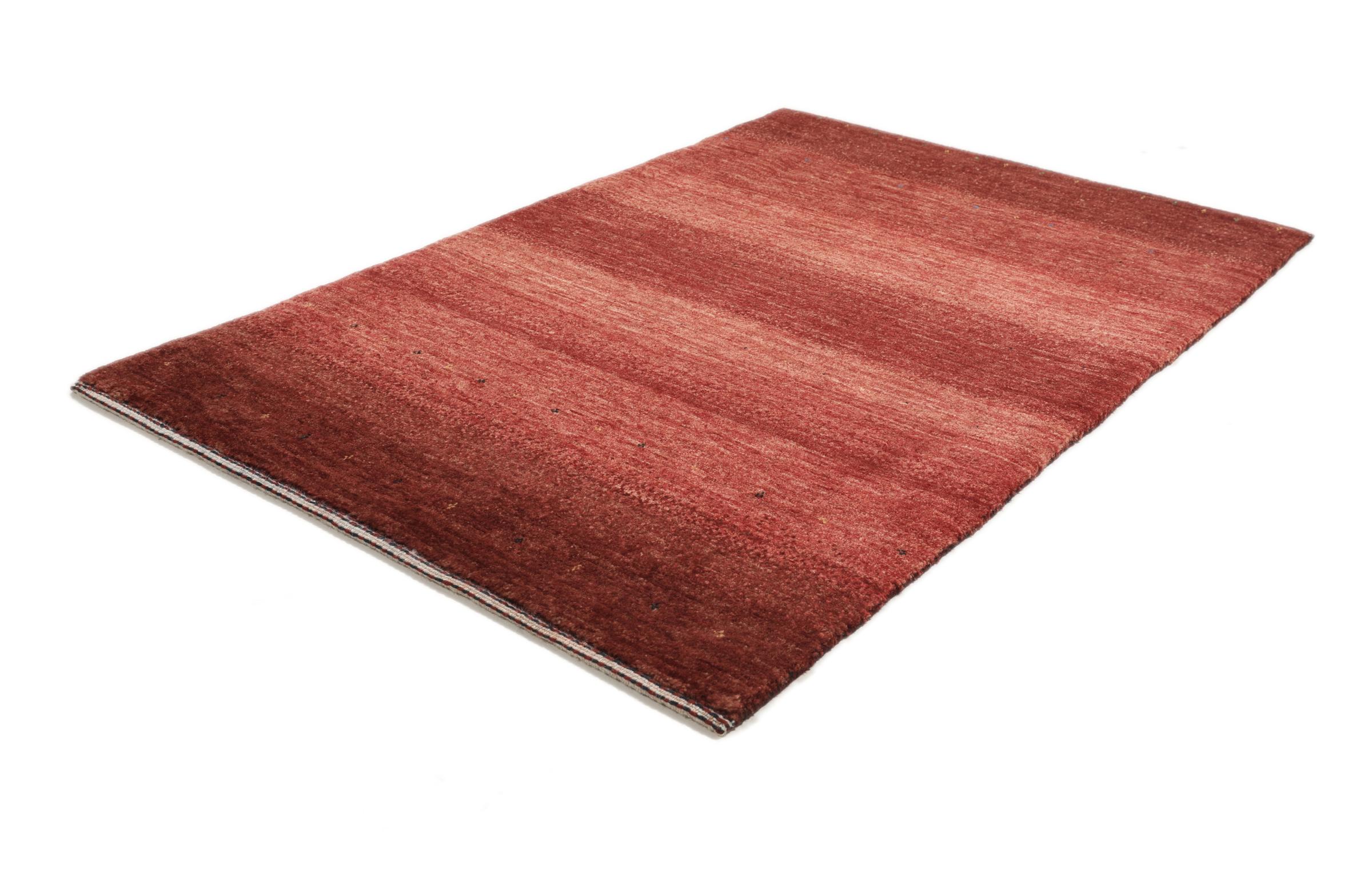
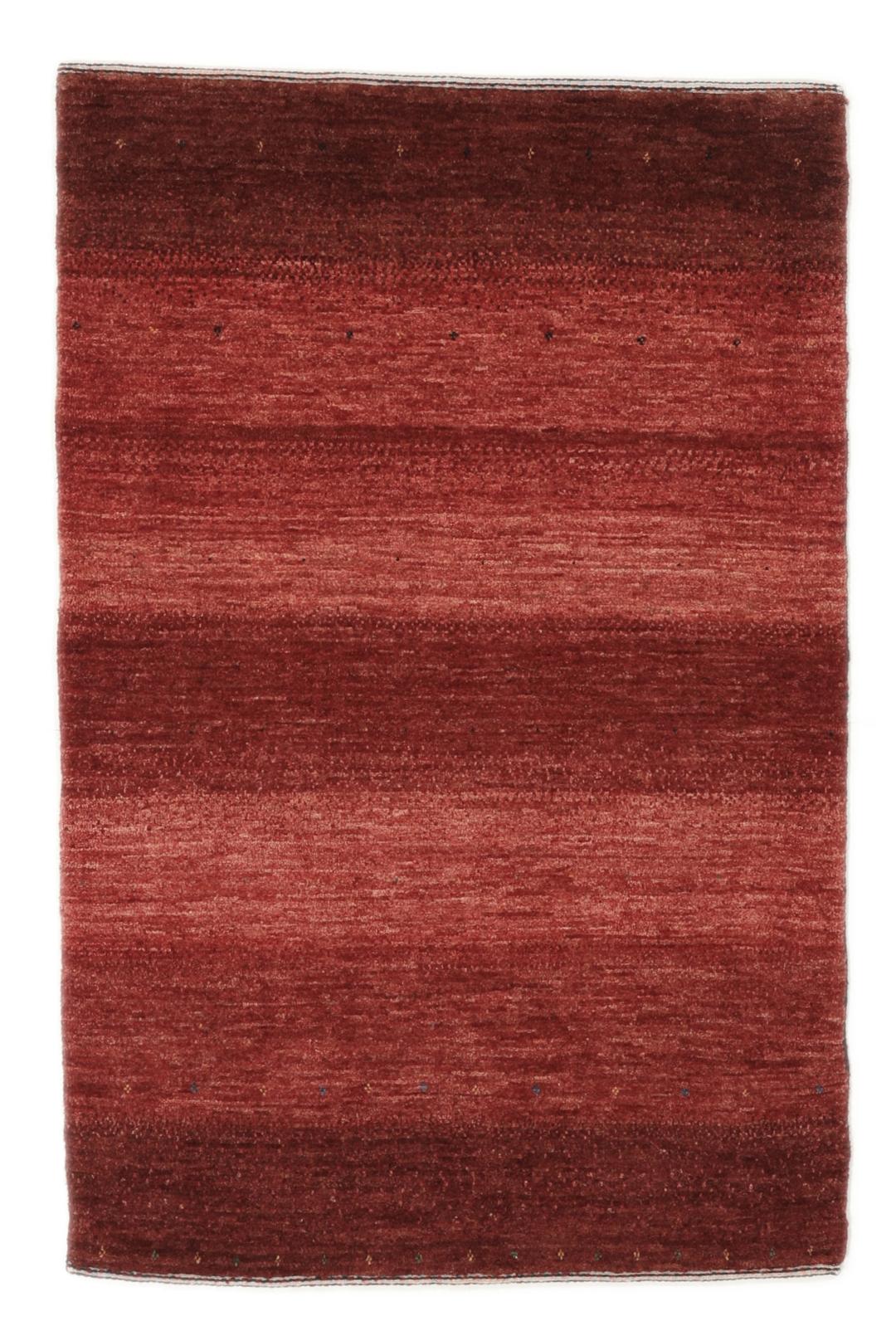
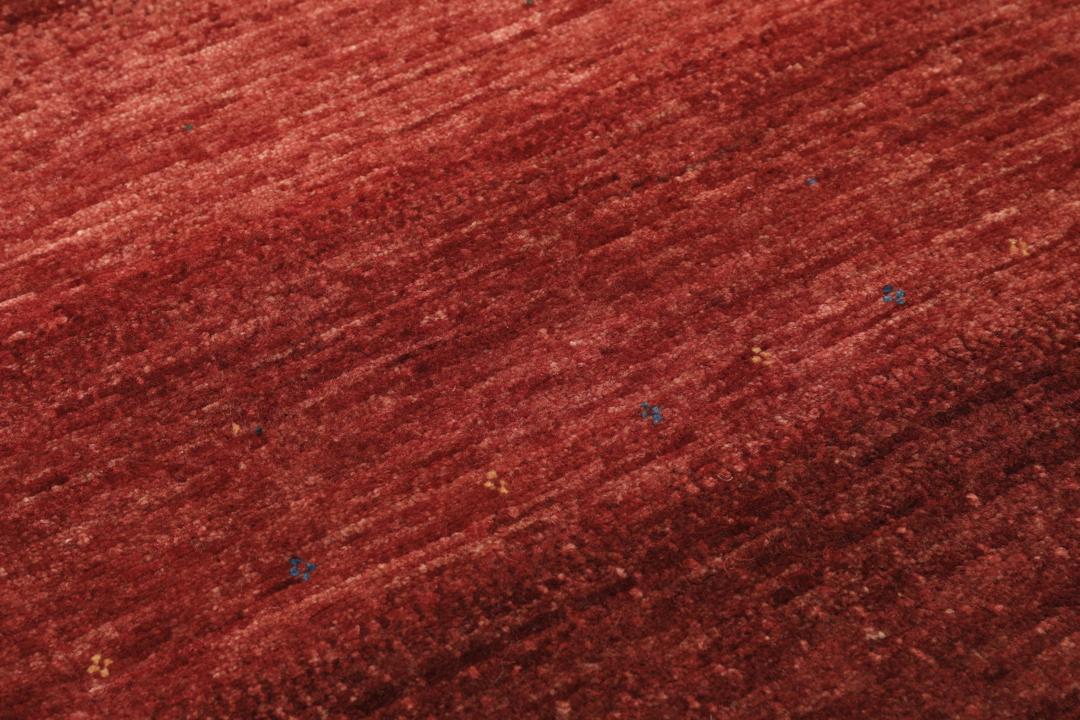
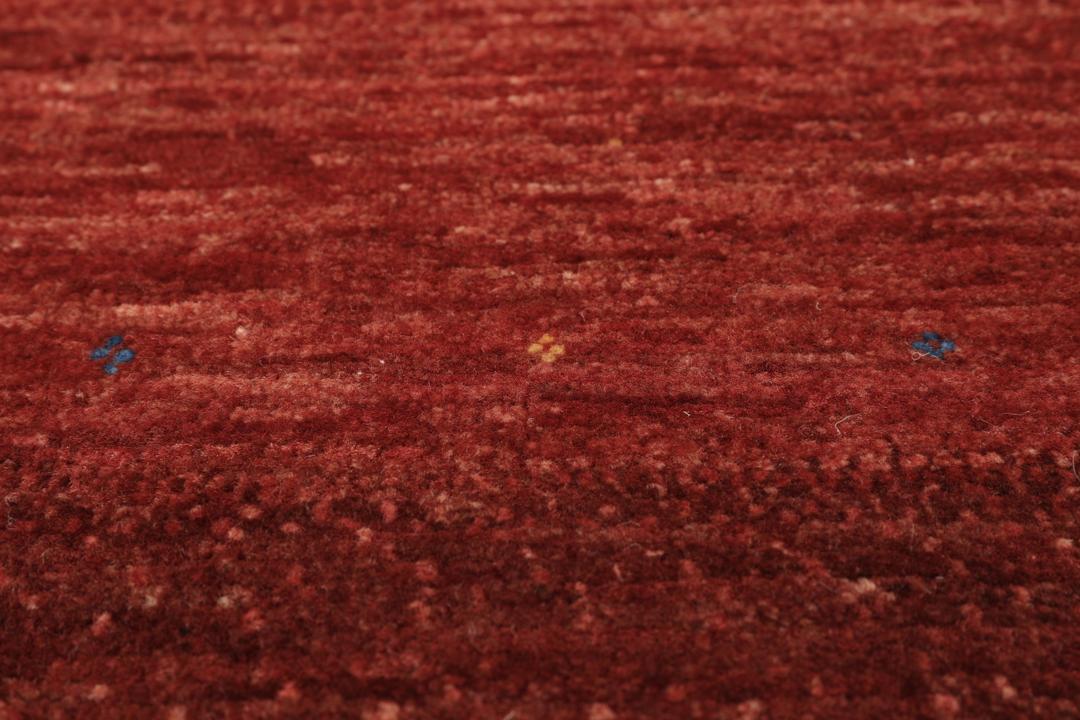
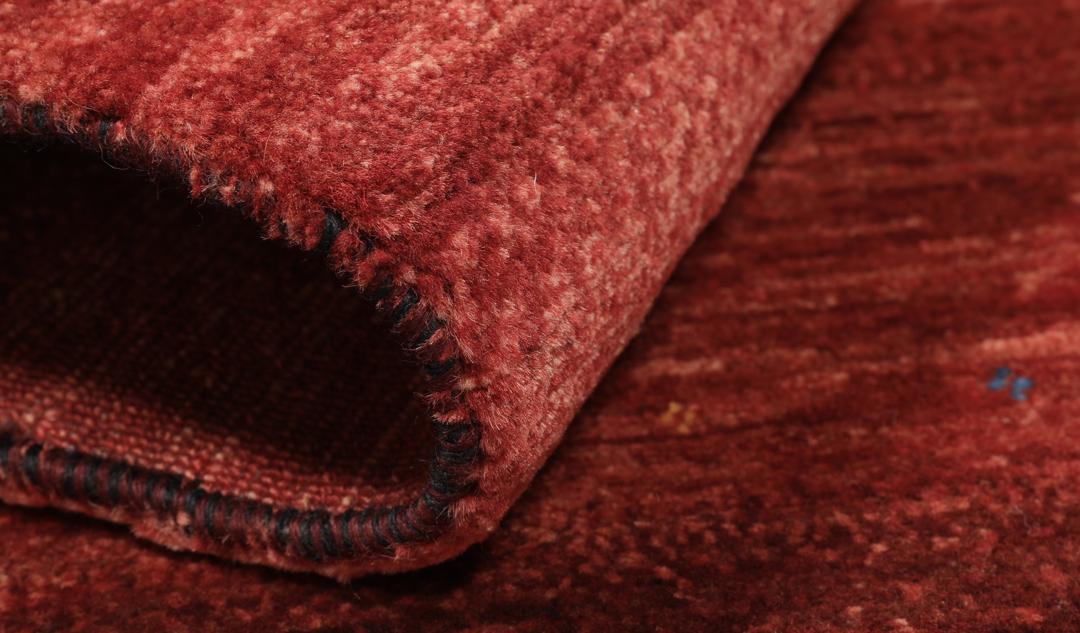
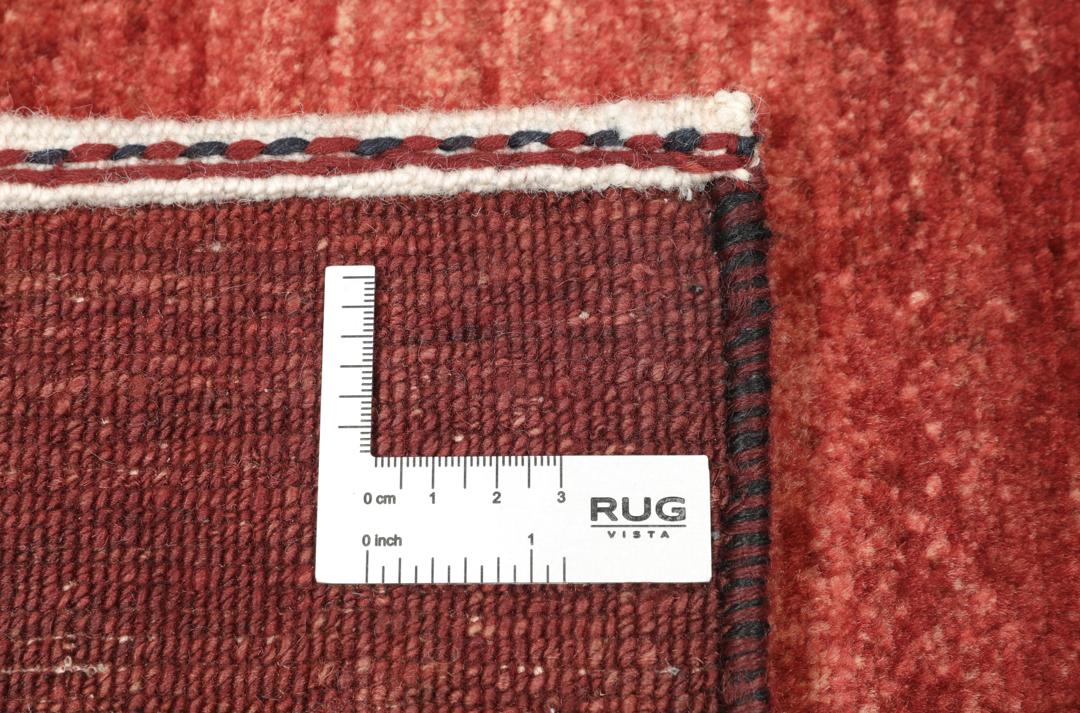
The Loribaft and Kashkooli traditions are deeply rooted in the nomadic cultures of the Middle East. These rugs are inspired by the lifestyles and natural environments of tribes who have passed down their weaving knowledge through generations, creating a tradition that is as much about cultural expression as it is about practical utility.
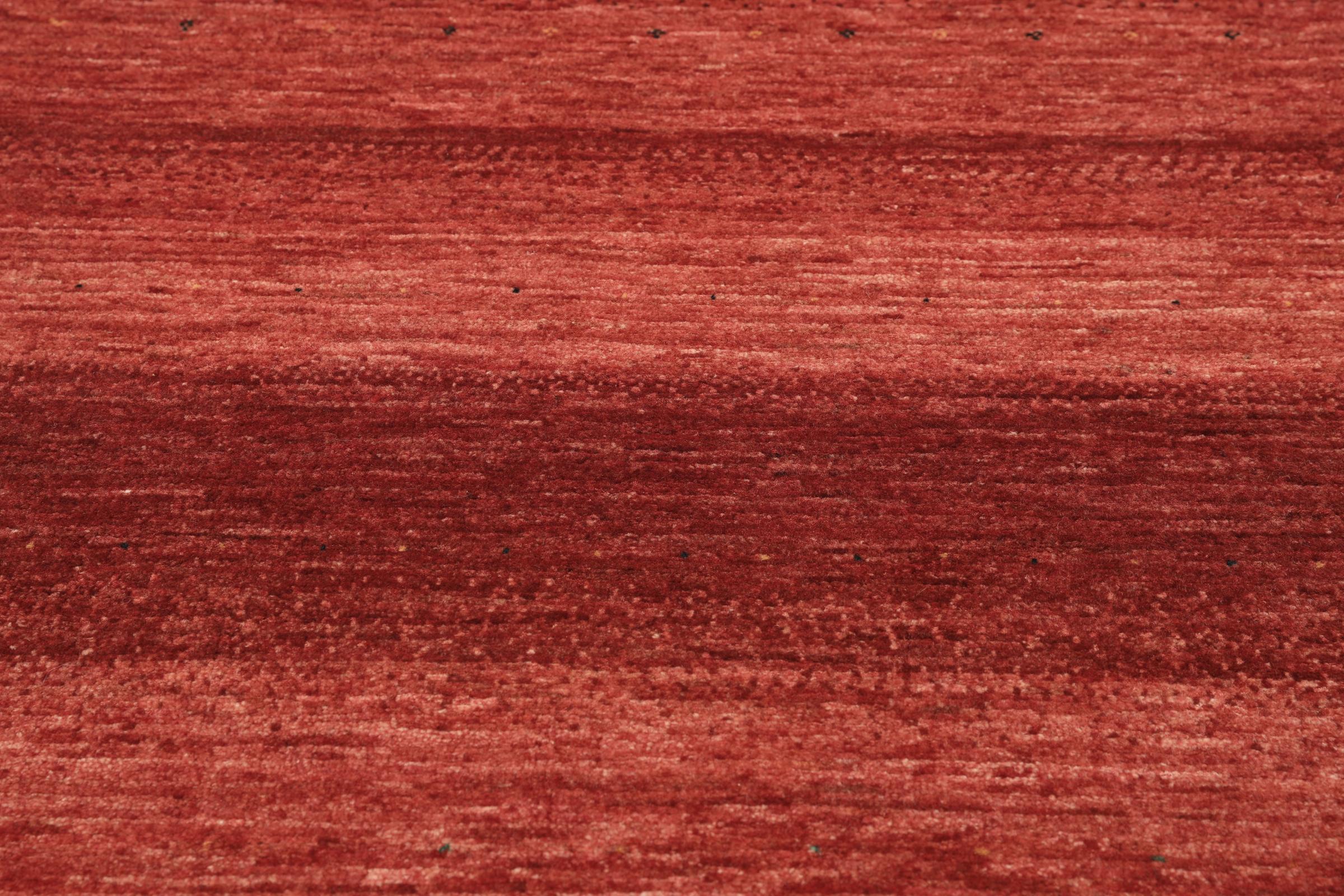
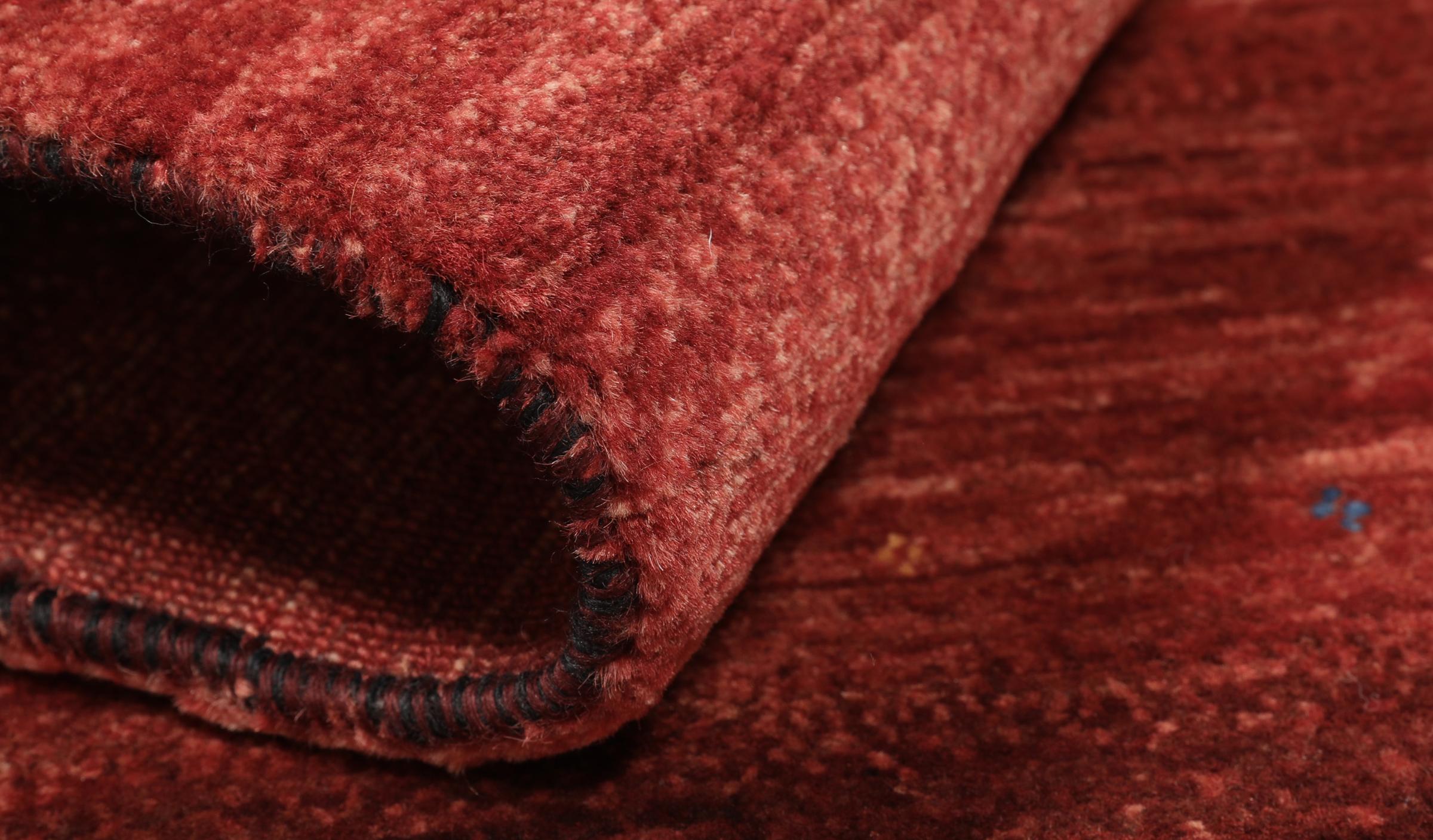
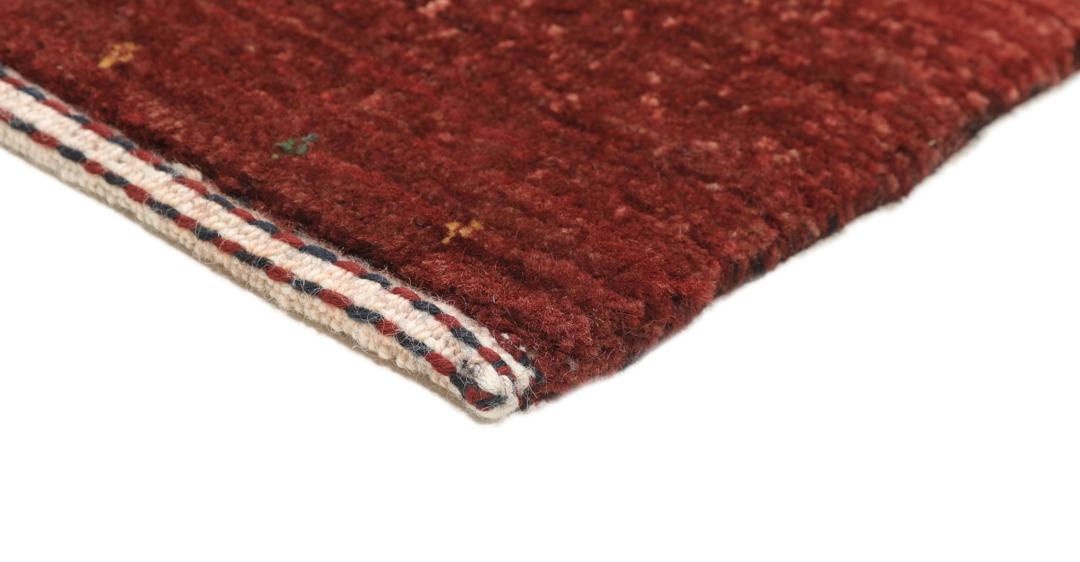
The term 'Loribaft' refers to a specific style of weaving that emphasises a thicker, softer pile compared to many other regional types. This style is designed to be both functional for nomadic life and visually striking, often featuring bold, simple designs that highlight the quality of the wool and the depth of the natural dyes used in the process.
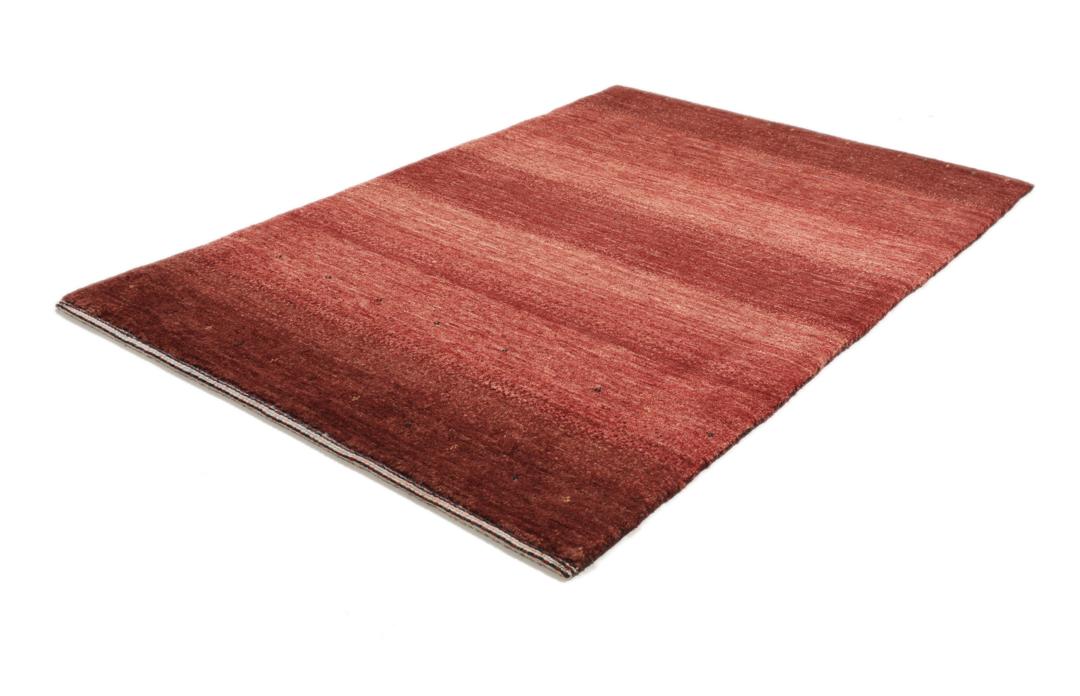
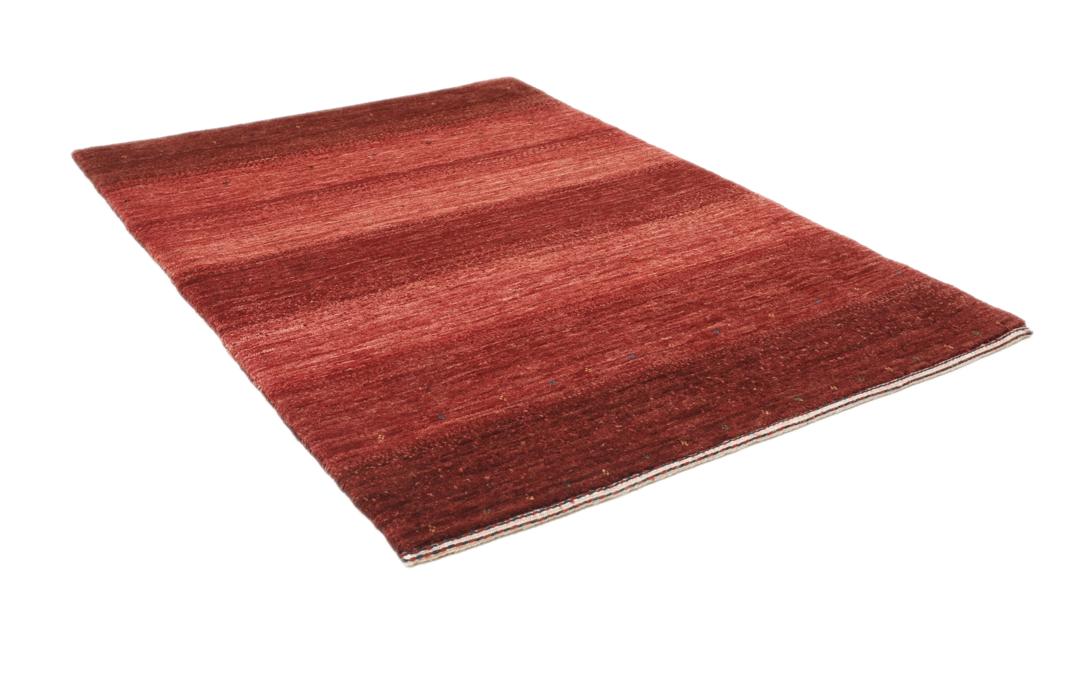
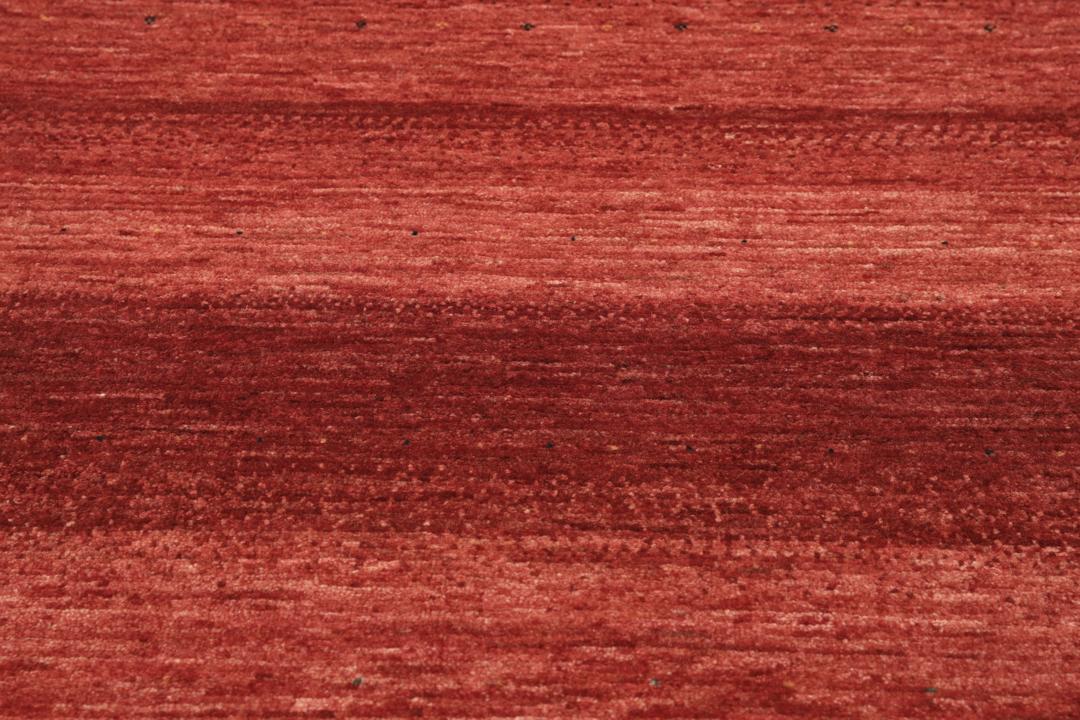
Visually, these rugs are known for their warm, saturated colour palettes and subtle, artistic motifs. While they are often minimalist in their overall design, the beauty lies in the slight variations in colour, known as abrash, which occur when different batches of wool are dyed. These variations give the rug a living, breathing quality that adds depth and character to any room.
Collecting a rug from this tradition is an investment in human skill and cultural history. These pieces are valued for their durability and the authentic, non-industrial process behind them. Owning one means participating in a centuries-old craft, ensuring that these traditions continue to thrive in modern homes while providing a sense of grounding and history to your interior.