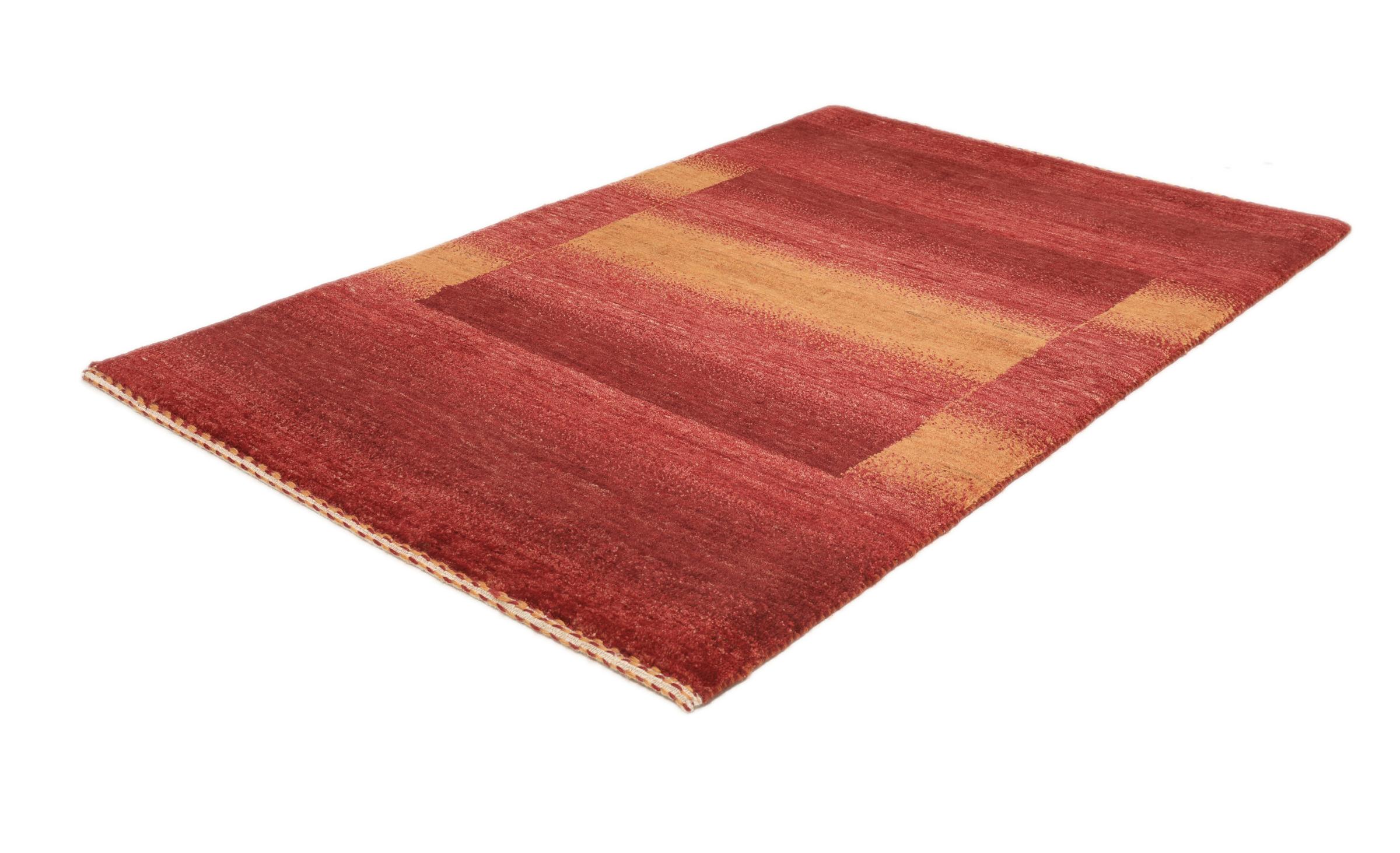
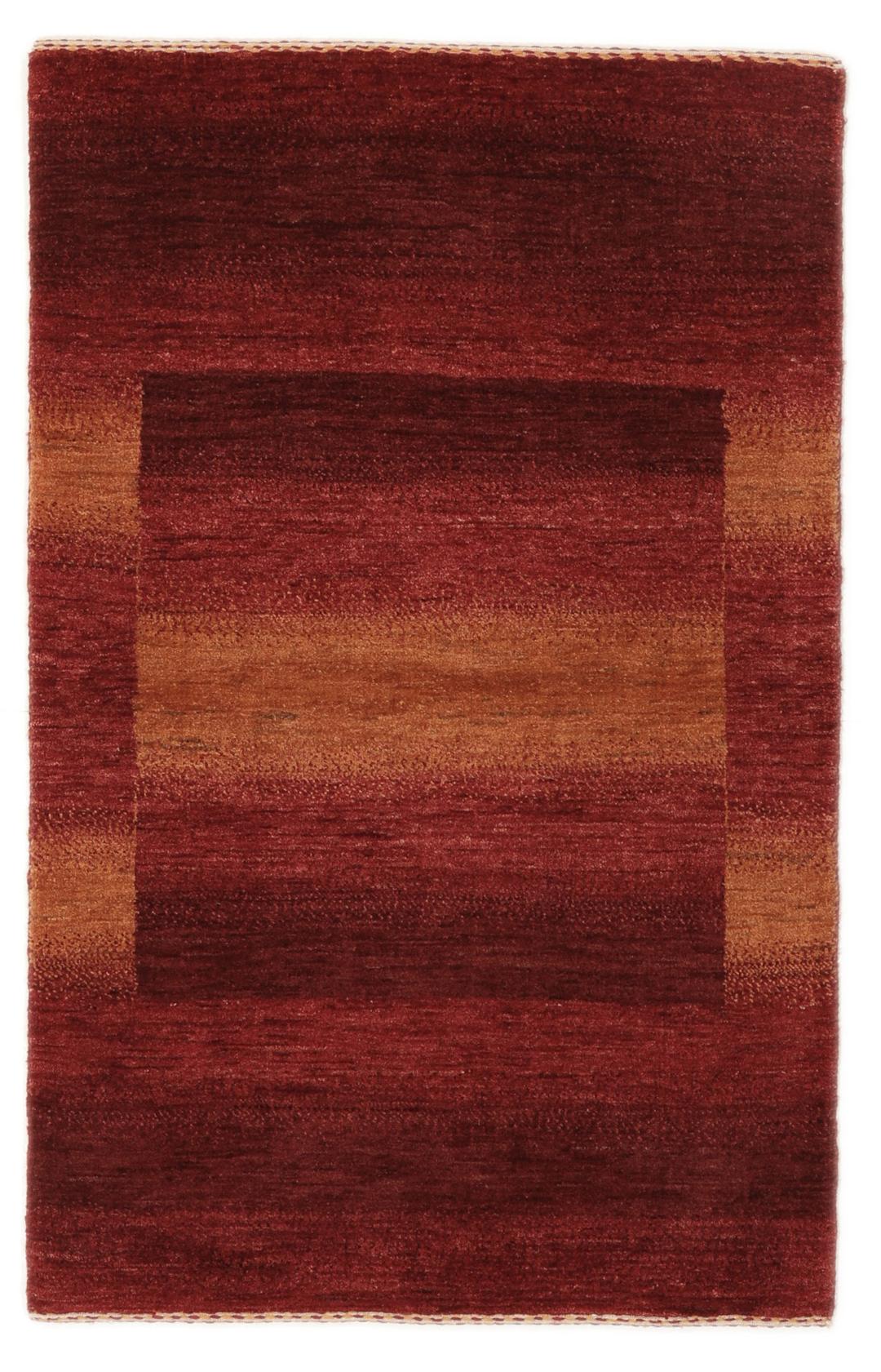
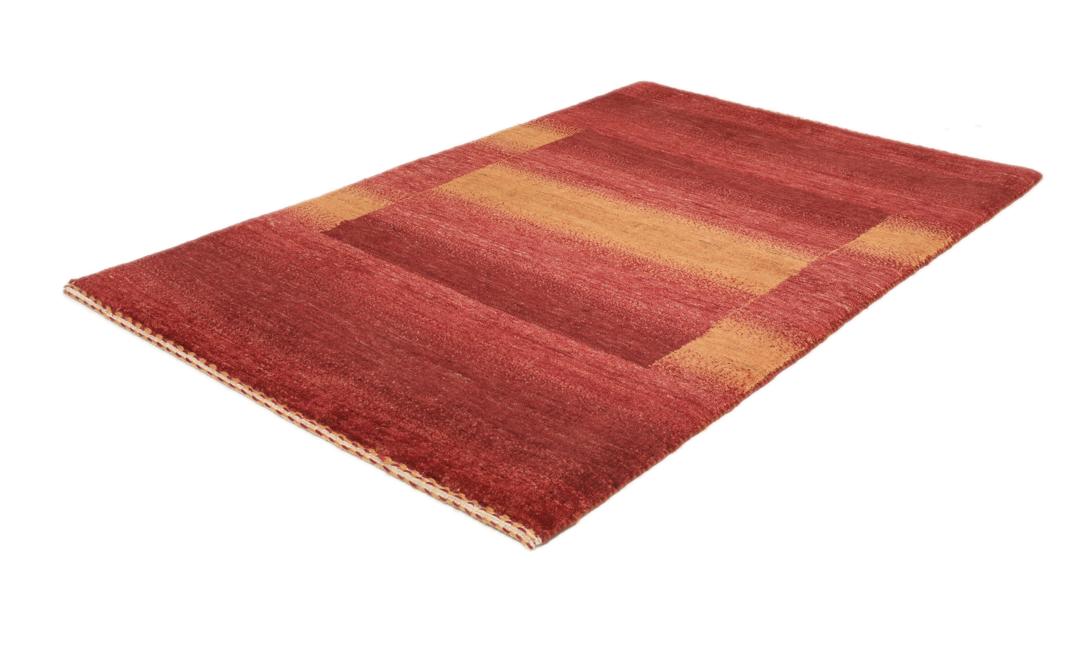
Loribaft rugs are deeply connected to the nomadic traditions of the Middle East, specifically associated with the tribal weavers who have passed down these techniques through generations. Traditionally, these rugs were created for personal use, serving as functional floor coverings that provided warmth and comfort in harsh environments. Today, they are celebrated for their vibrant, artistic expression and their ability to bridge the gap between ancient craft and modern interior design.
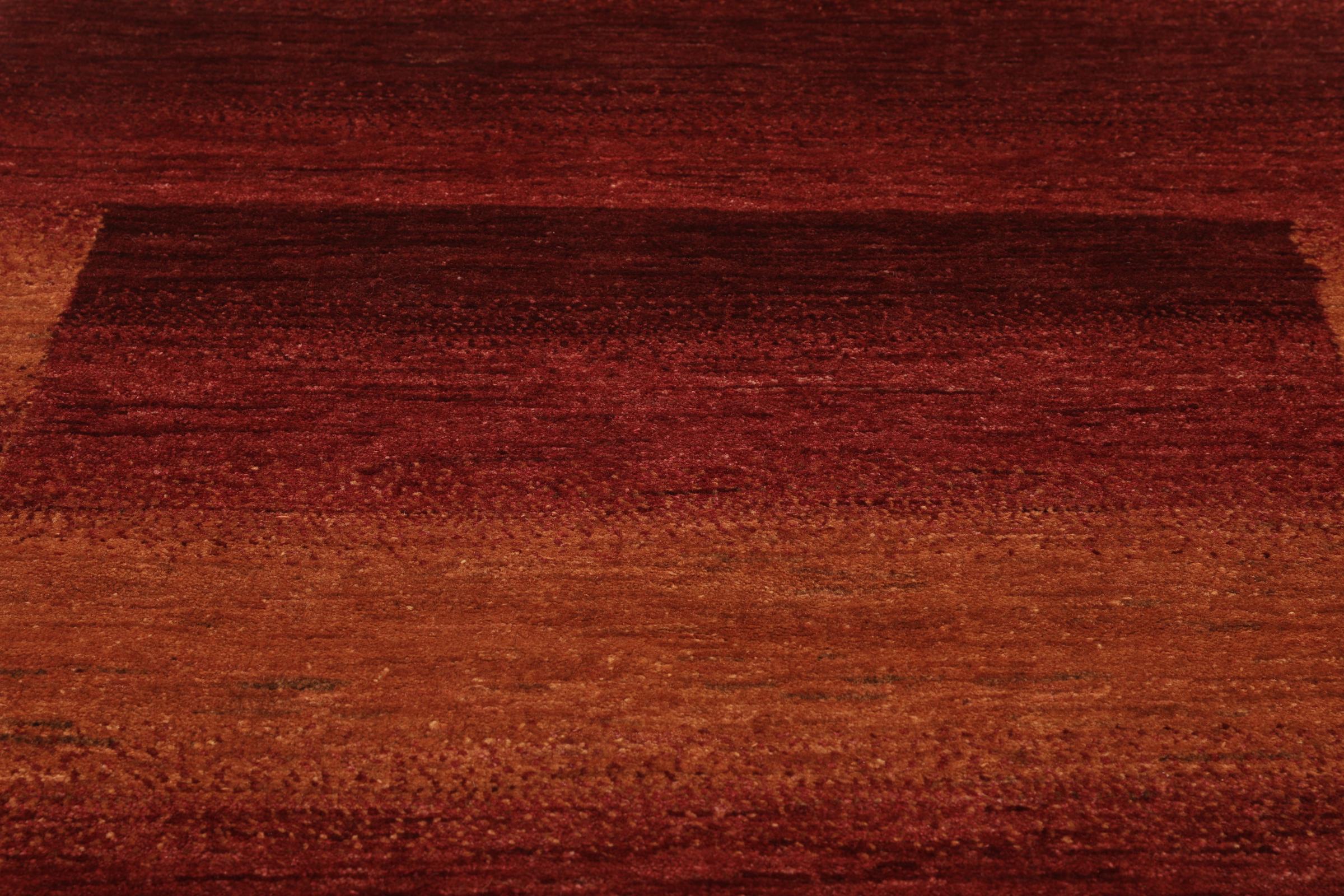
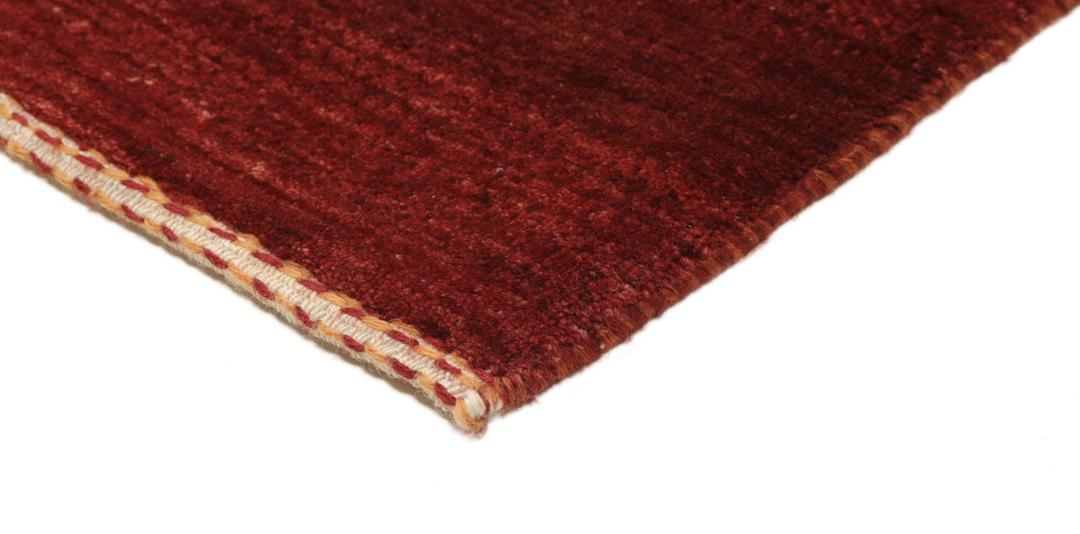
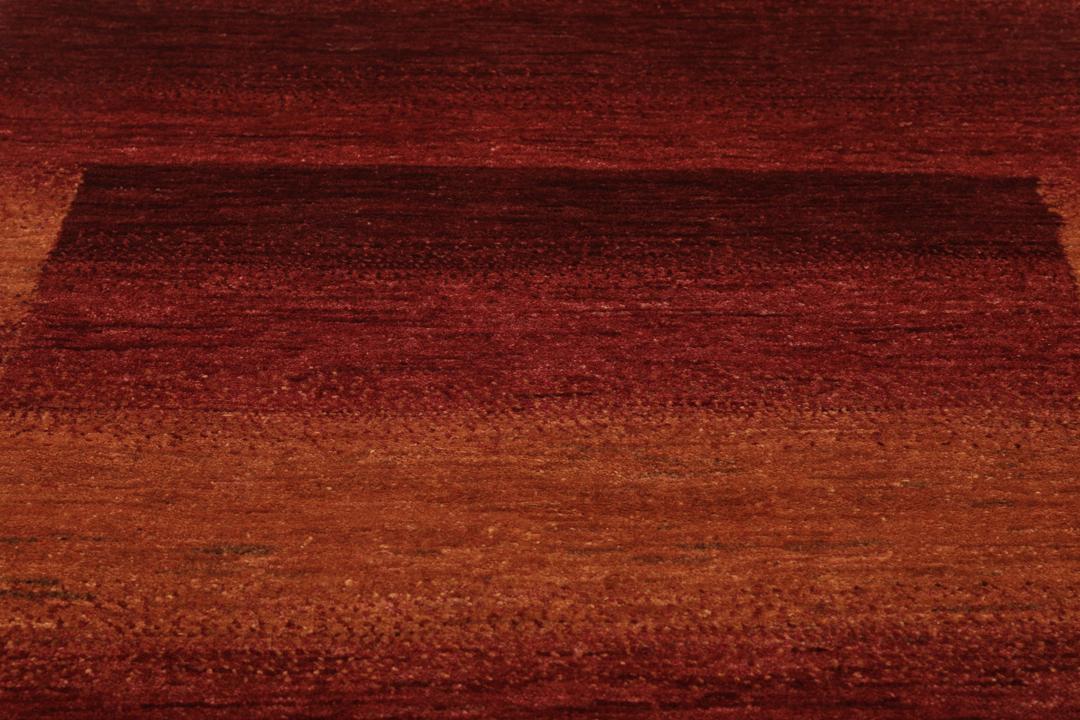
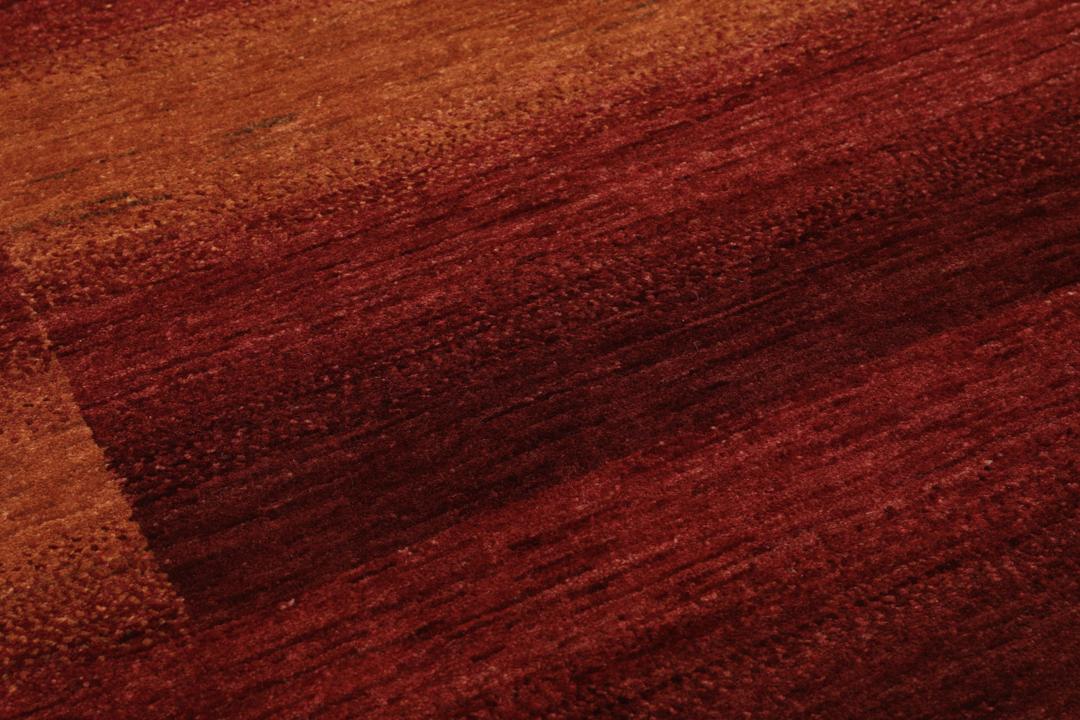
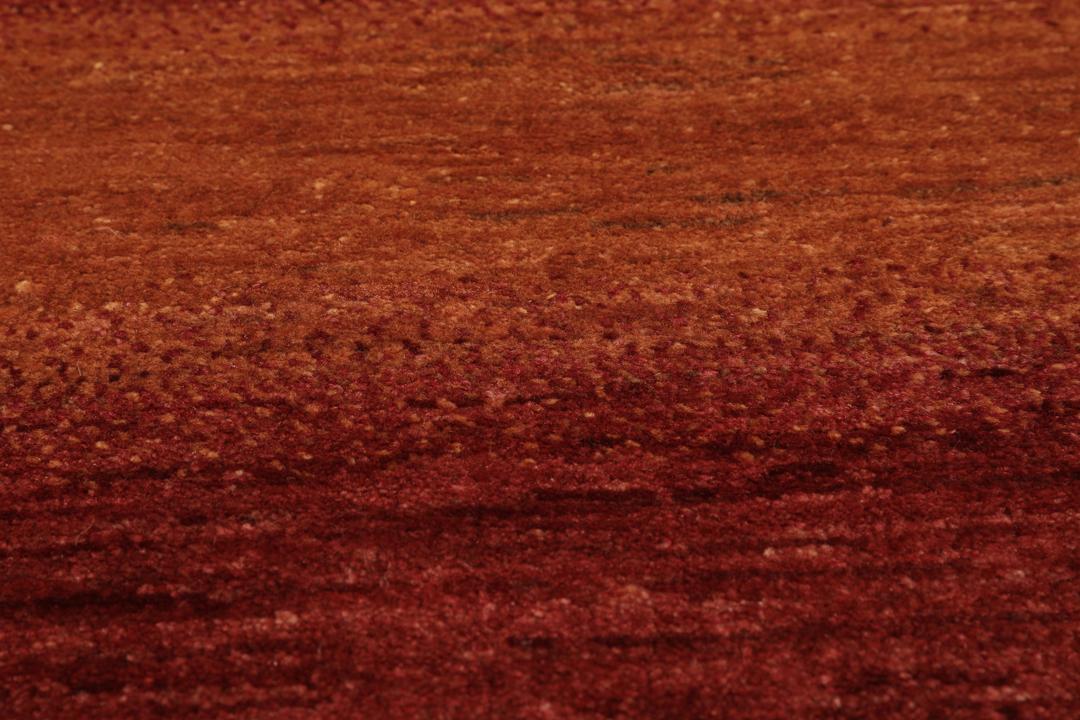
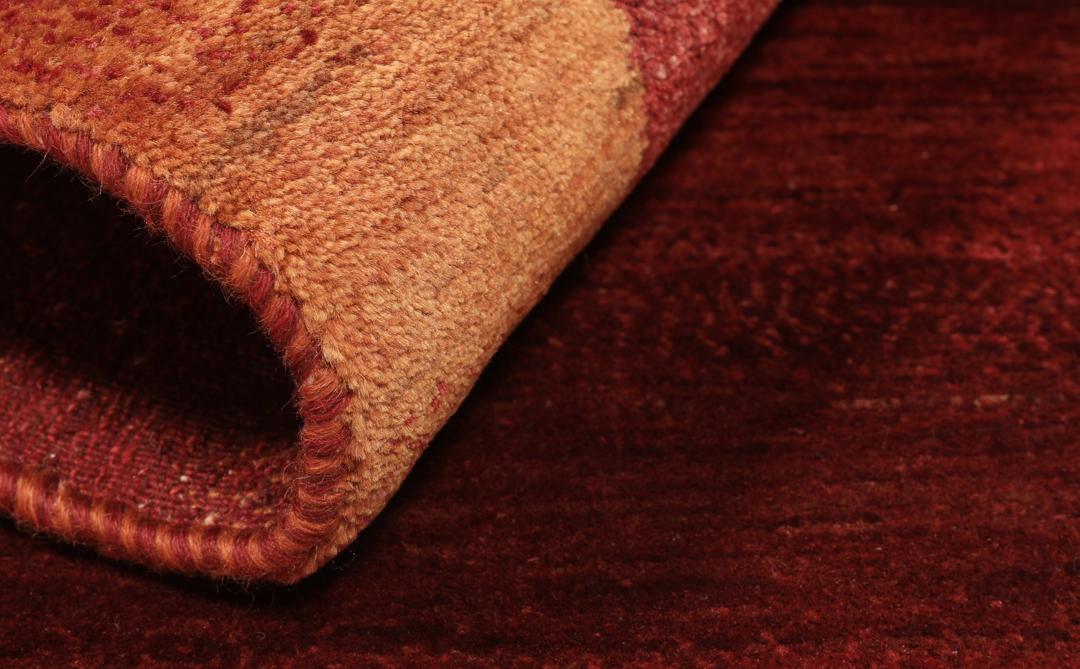
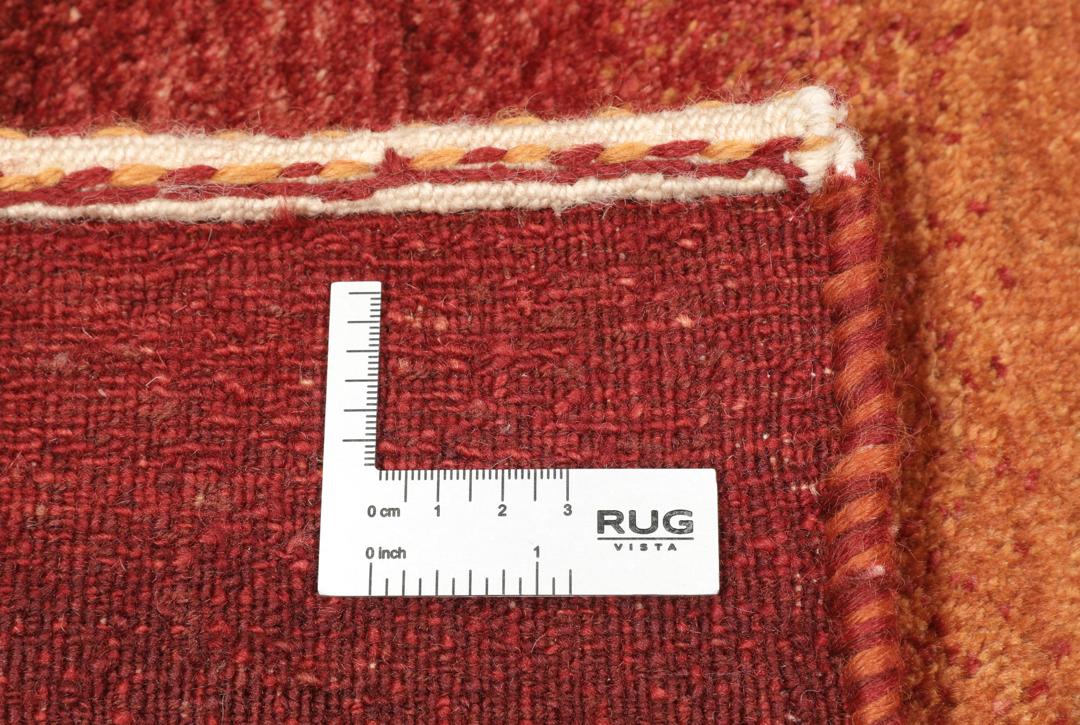
The term 'Loribaft' refers to a style of weaving that emphasises a thicker, more plush pile compared to other traditional rugs. This is achieved through the use of high-quality wool, which is carefully processed to retain its natural oils, resulting in a soft, lustrous, and resilient finish. The density of the pile is a defining feature, providing a level of comfort that makes these rugs highly prized for residential settings where both beauty and function are paramount.
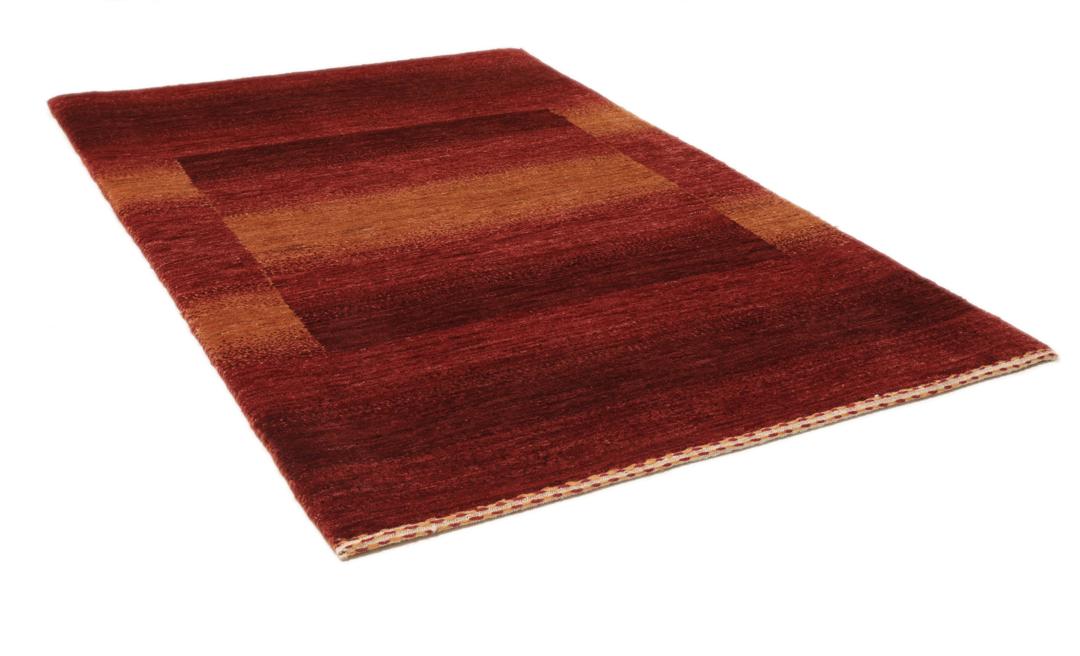
Design-wise, Loribaft rugs are known for their minimalist yet powerful approach. They often feature bold, open fields and simplified motifs that allow the quality of the wool and the depth of the natural dyes to take centre stage. While they can incorporate geometric elements, they are frequently celebrated for their use of negative space and rich, saturated colour gradients that create a sense of movement and depth across the surface of the rug.
Collecting a Loribaft rug is an appreciation of the skill involved in traditional hand-weaving. These pieces are valued not only for their durability but for the cultural heritage they represent. By owning a rug from this tradition, you are supporting a legacy of craftsmanship that prioritises quality, natural materials, and the individual touch of the weaver, ensuring these time-honoured skills continue to thrive in the modern world.