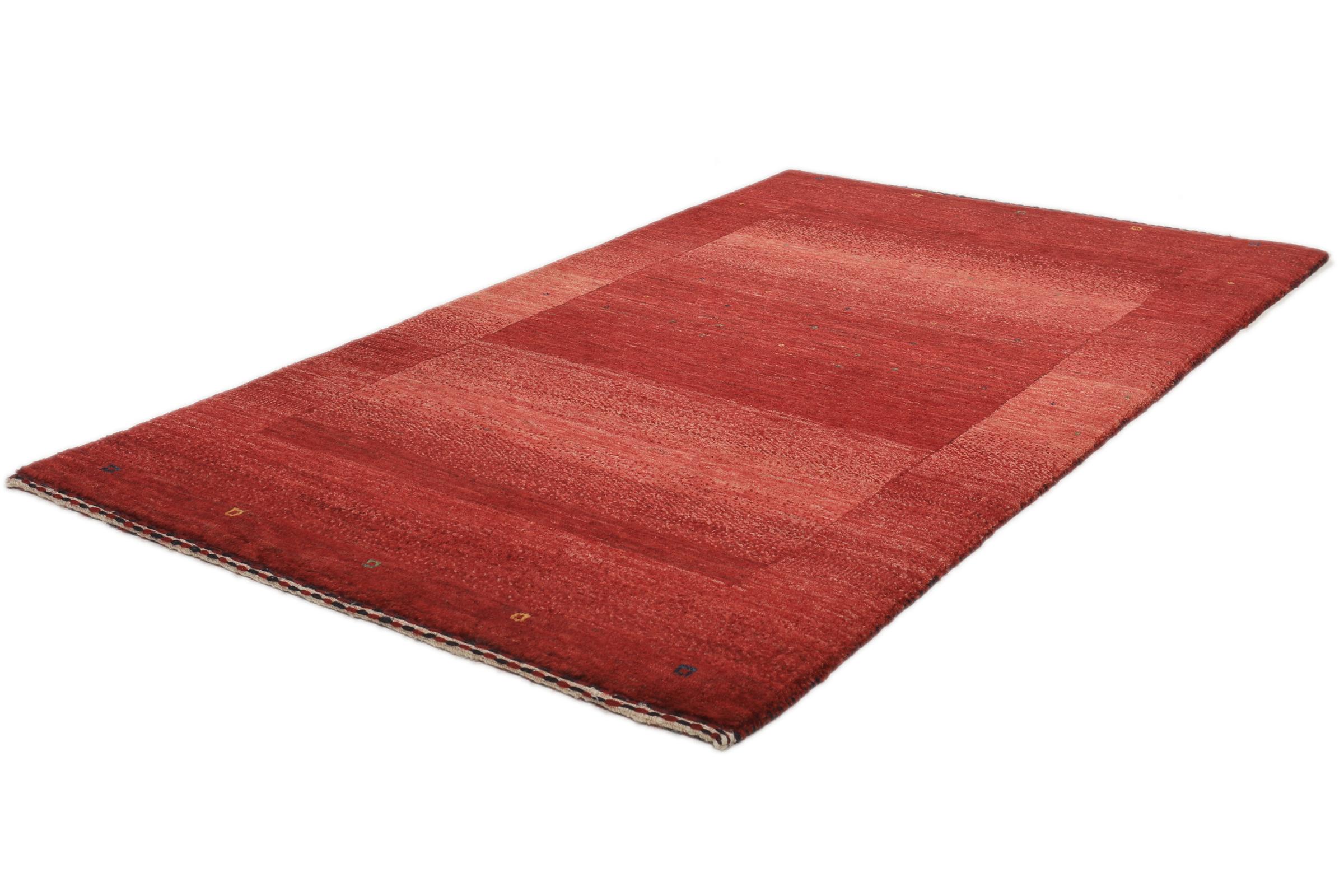
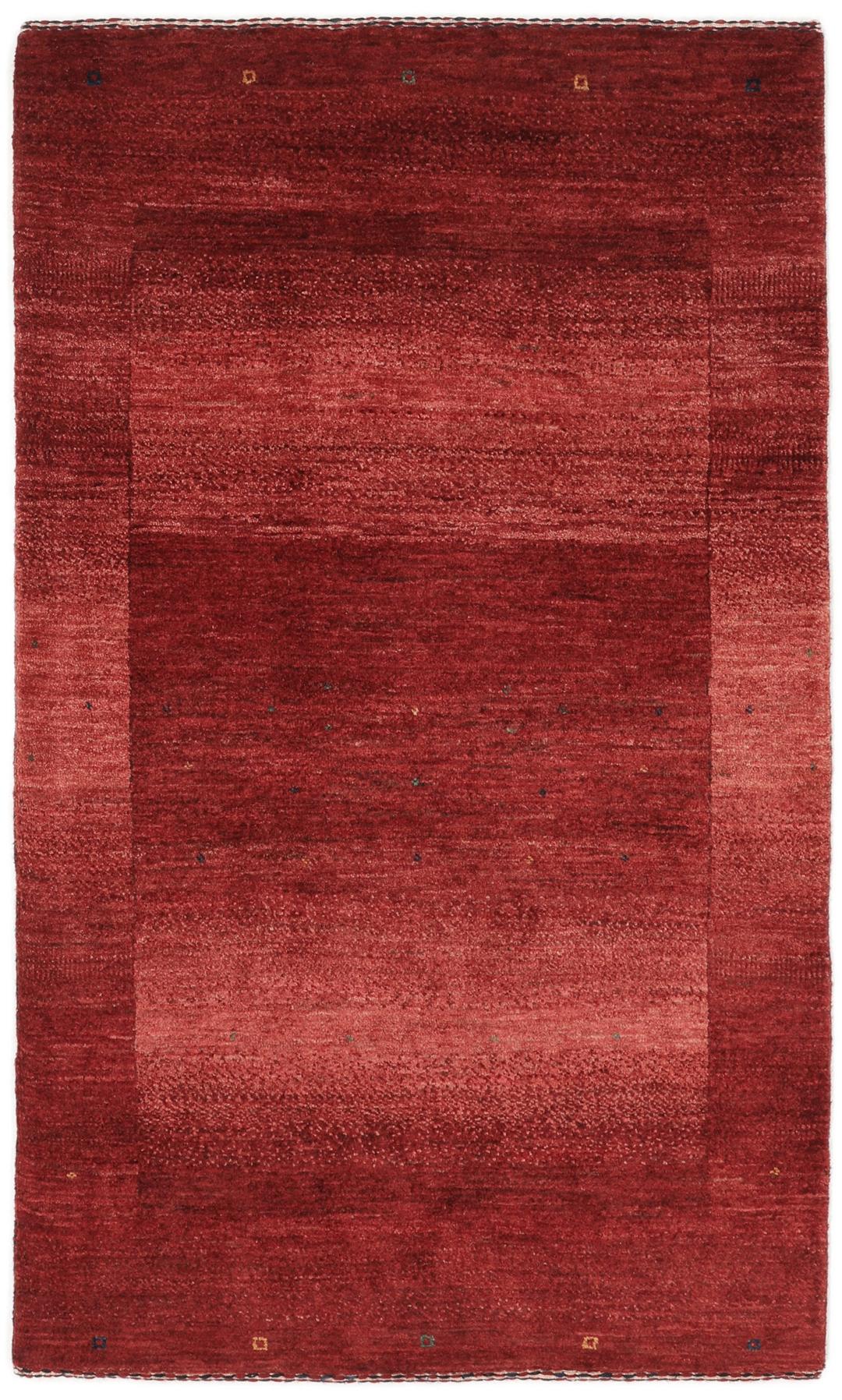
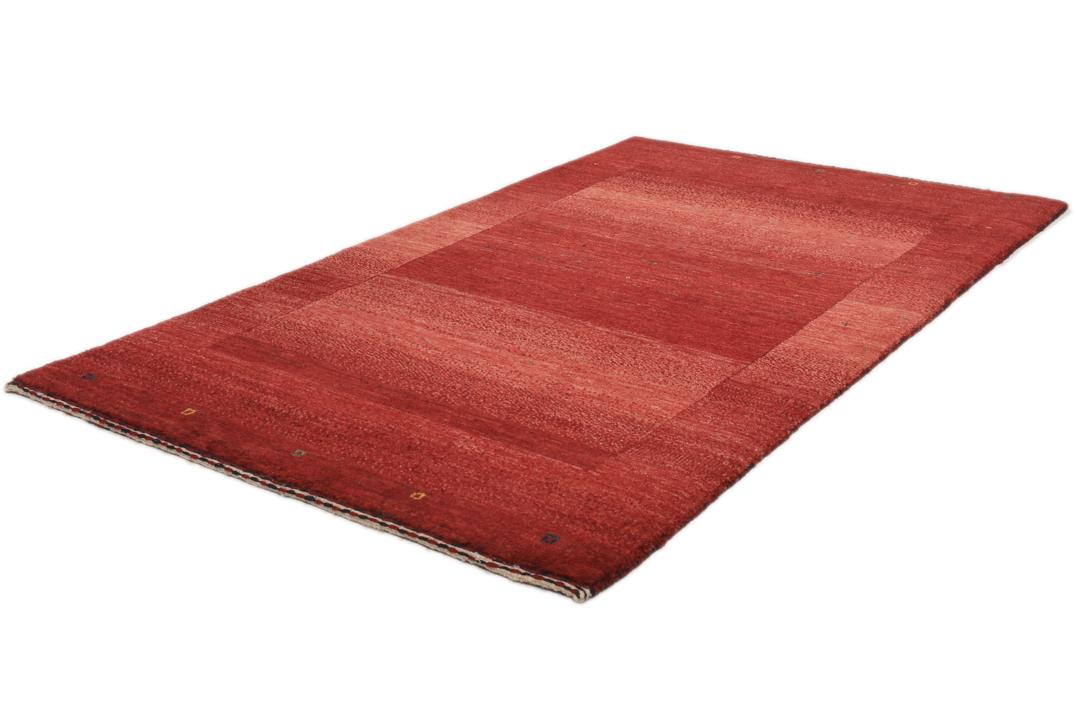
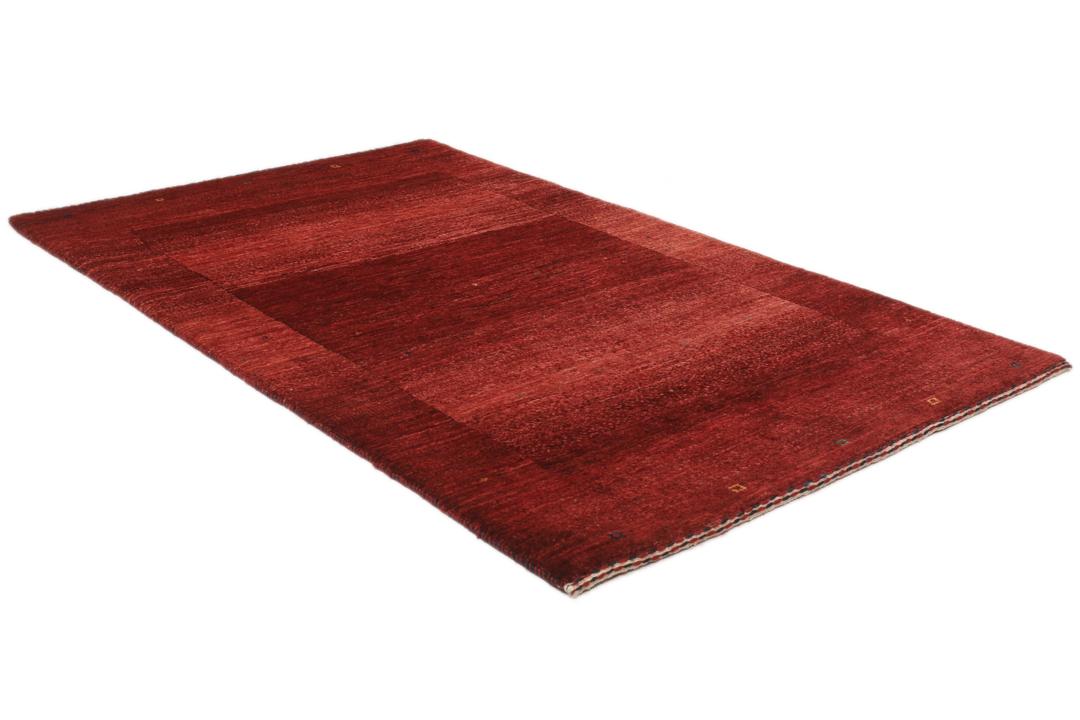
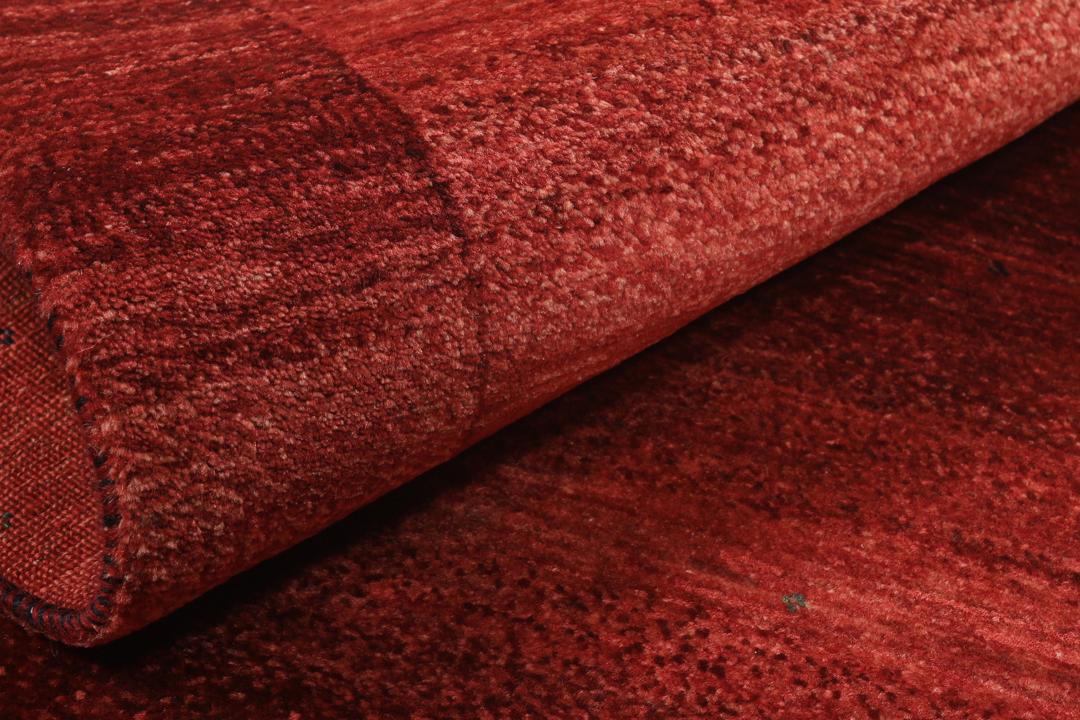
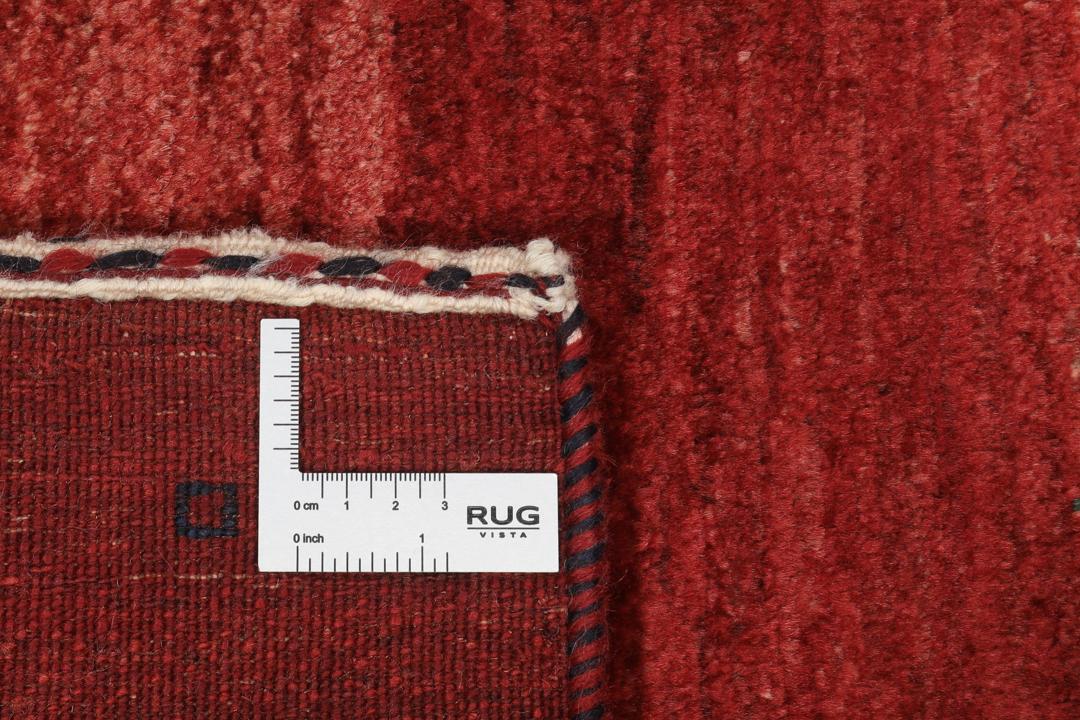
Loribaft rugs originate from the tribal traditions of the Middle East, specifically crafted by the Luri and Qashqai nomadic groups. These rugs are deeply rooted in a history of pastoral life, where the designs were traditionally influenced by the surrounding landscapes, tribal symbols, and the personal expression of the weaver.
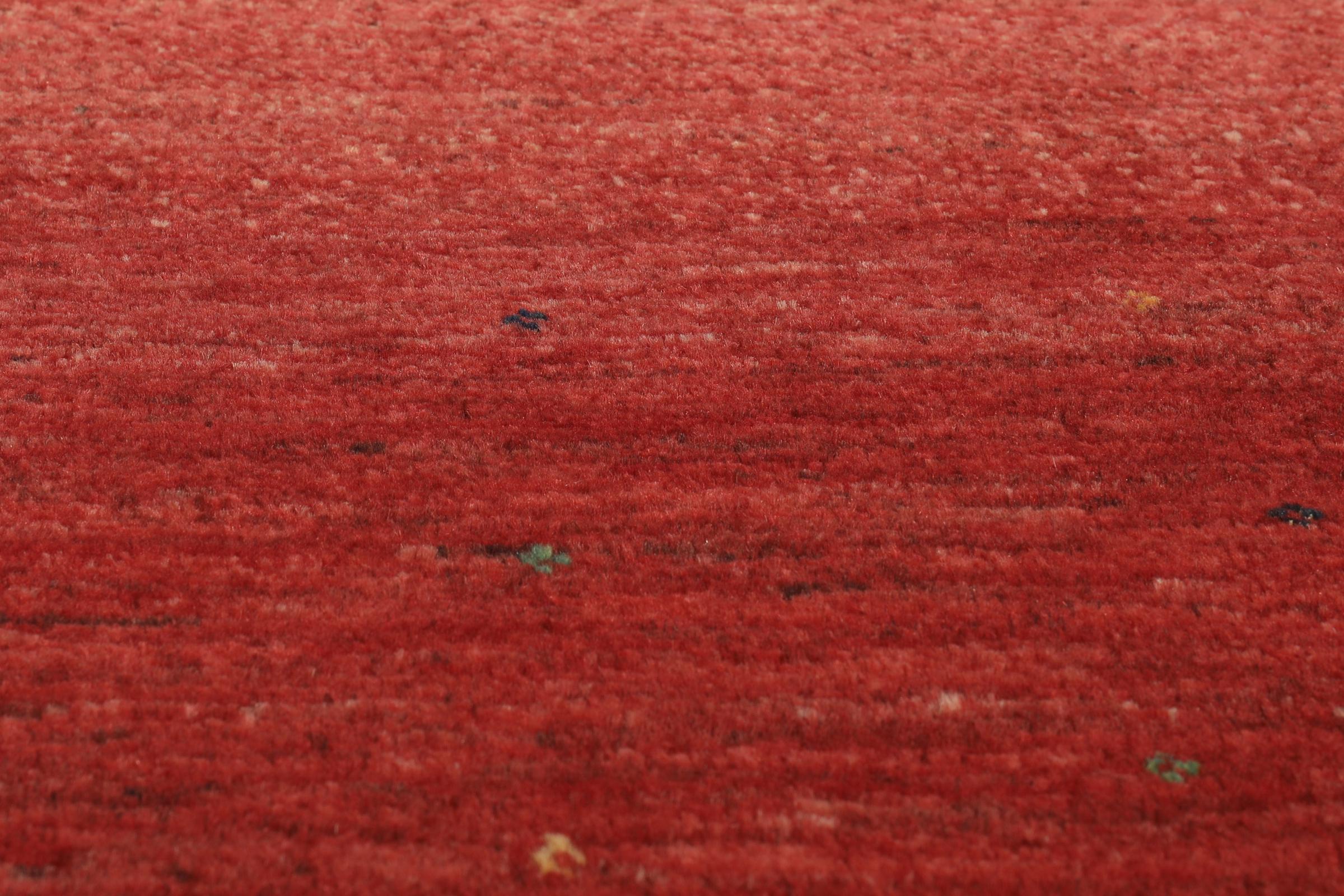
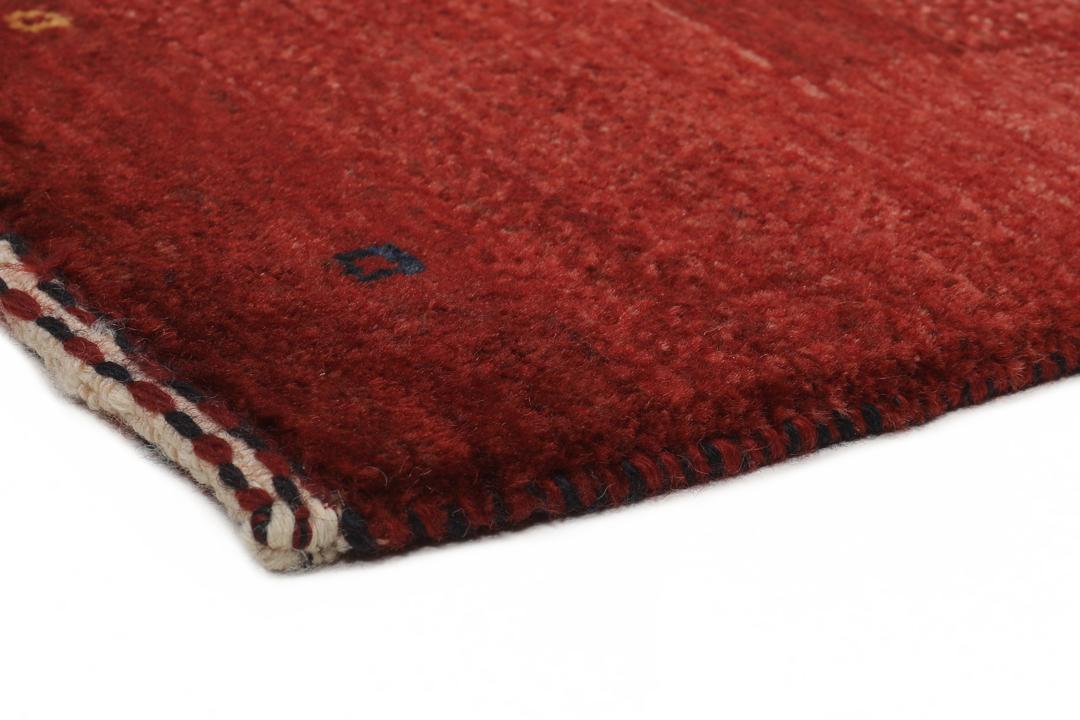
The term 'Loribaft' refers to a style that emphasises a thicker, more plush pile compared to traditional flat-woven tribal rugs. This evolution in technique was designed to provide greater insulation and comfort in the rugged mountain environments where these communities lived. The result is a rug that feels substantial and soft, making it highly prized for its functional excellence.
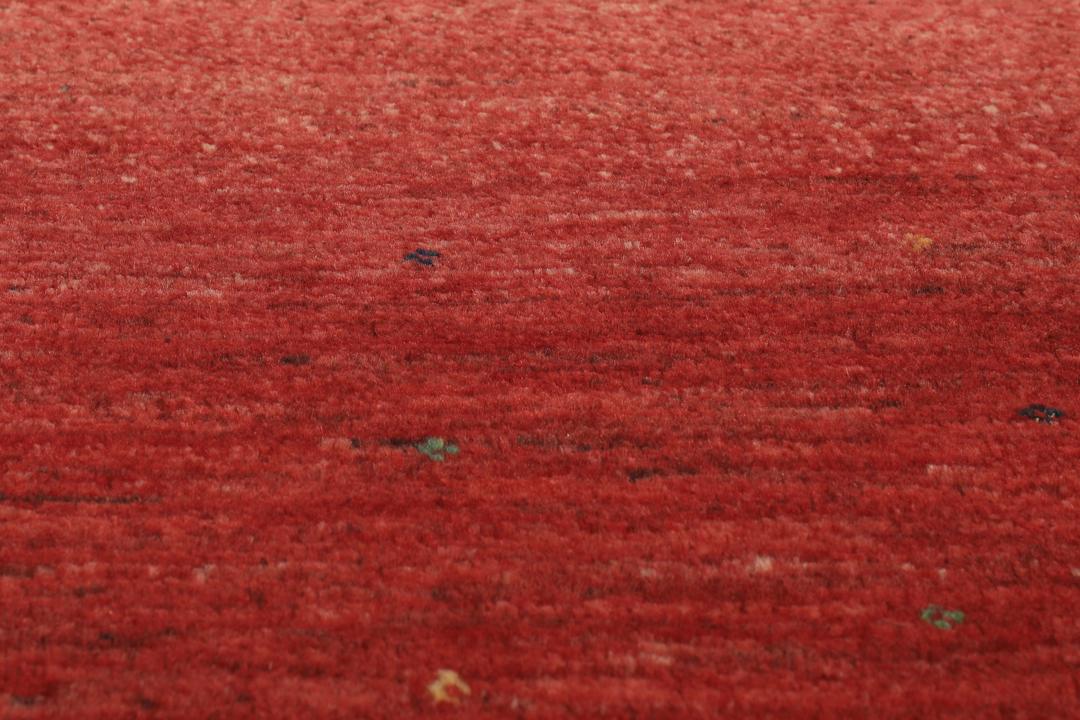
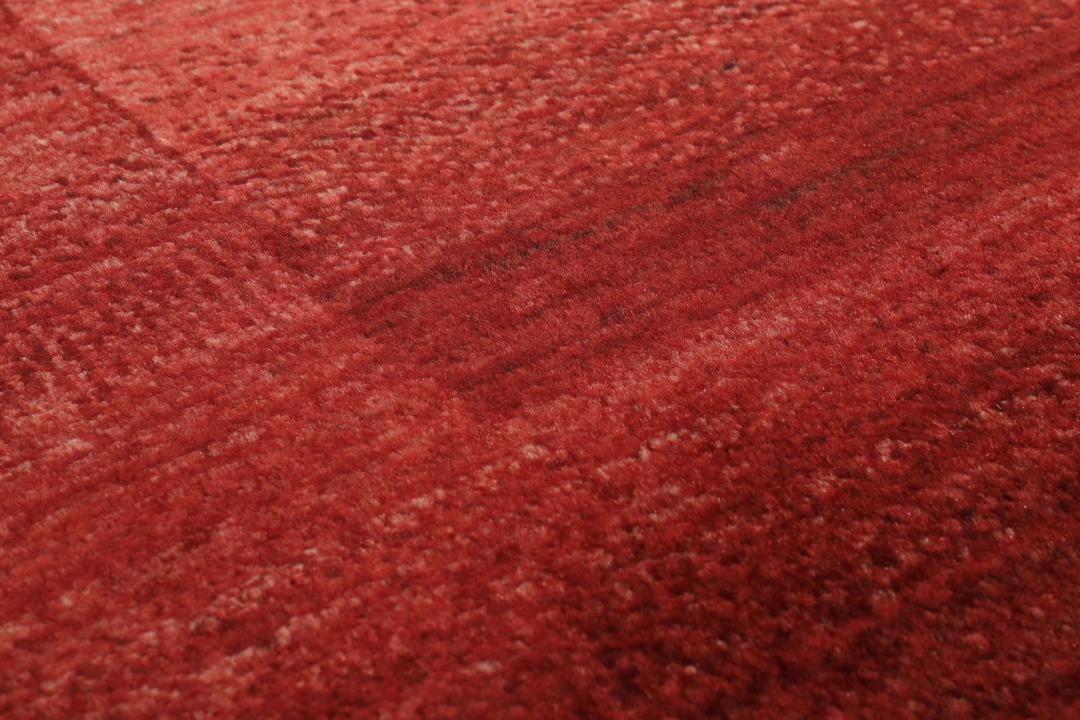
Visually, these rugs are known for their deep, often monochromatic or subtly shaded fields of colour, which are achieved through the use of natural dyes. While they may appear simple at first glance, the artistry lies in the subtle variations in hue and the presence of small, intentional motifs that reveal themselves upon closer inspection. This minimalist approach allows the quality of the wool and the depth of the colour to take centre stage.
Today, these rugs are highly sought after by collectors who value the blend of ancient tribal heritage and refined, contemporary aesthetics. Owning a Loribaft rug is an investment in a storied craft tradition that celebrates the skill of the individual weaver. It serves as a bridge between the nomadic history of the Middle East and the modern home, offering a sense of history and warmth.