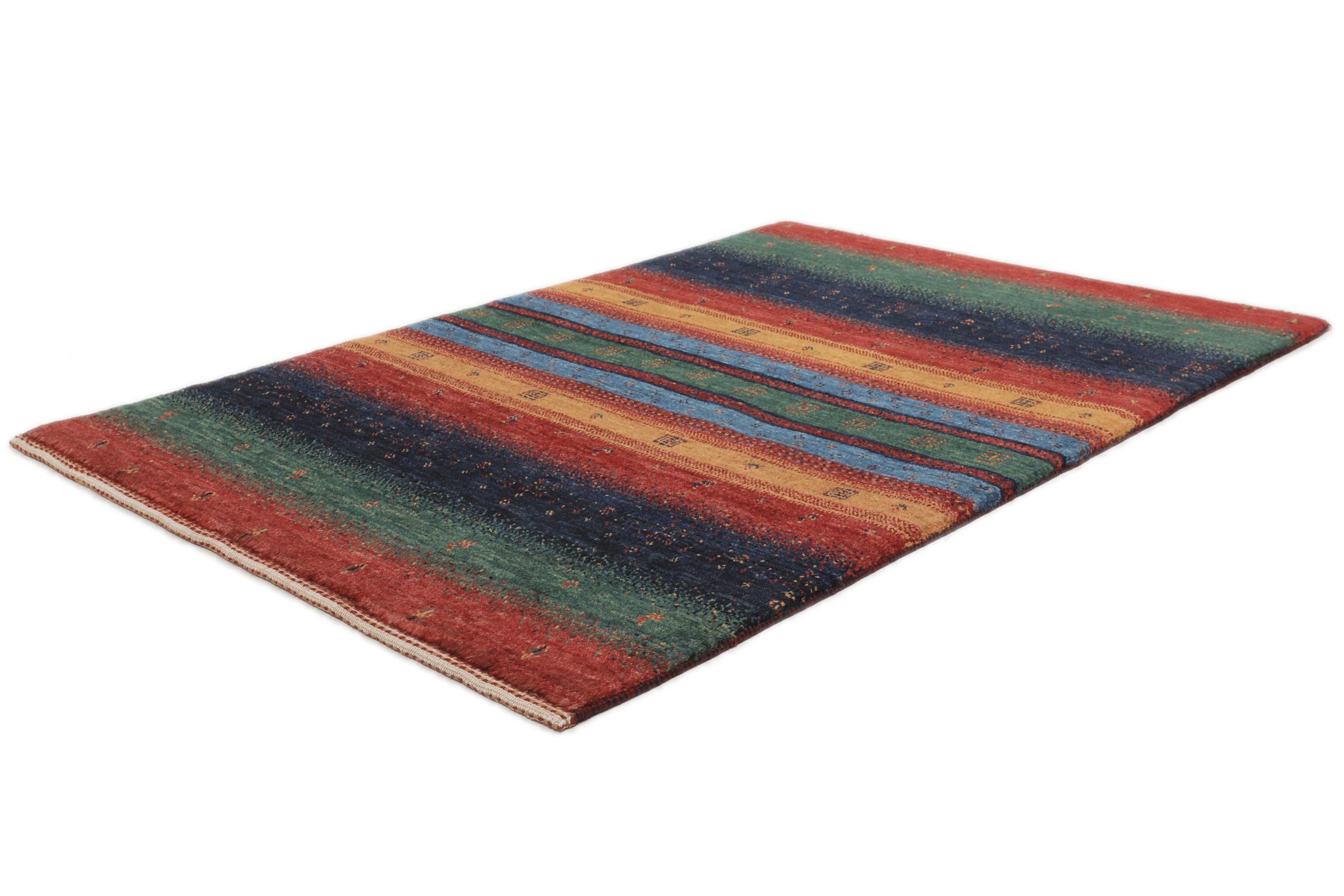
Loribaft rugs originate from the nomadic tribes of the Middle East, specifically reflecting the artistic heritage of the Luri and Qashqai peoples. These rugs were traditionally woven on horizontal floor looms, allowing weavers to move with their flocks, which deeply influenced the portable and robust nature of the craft.
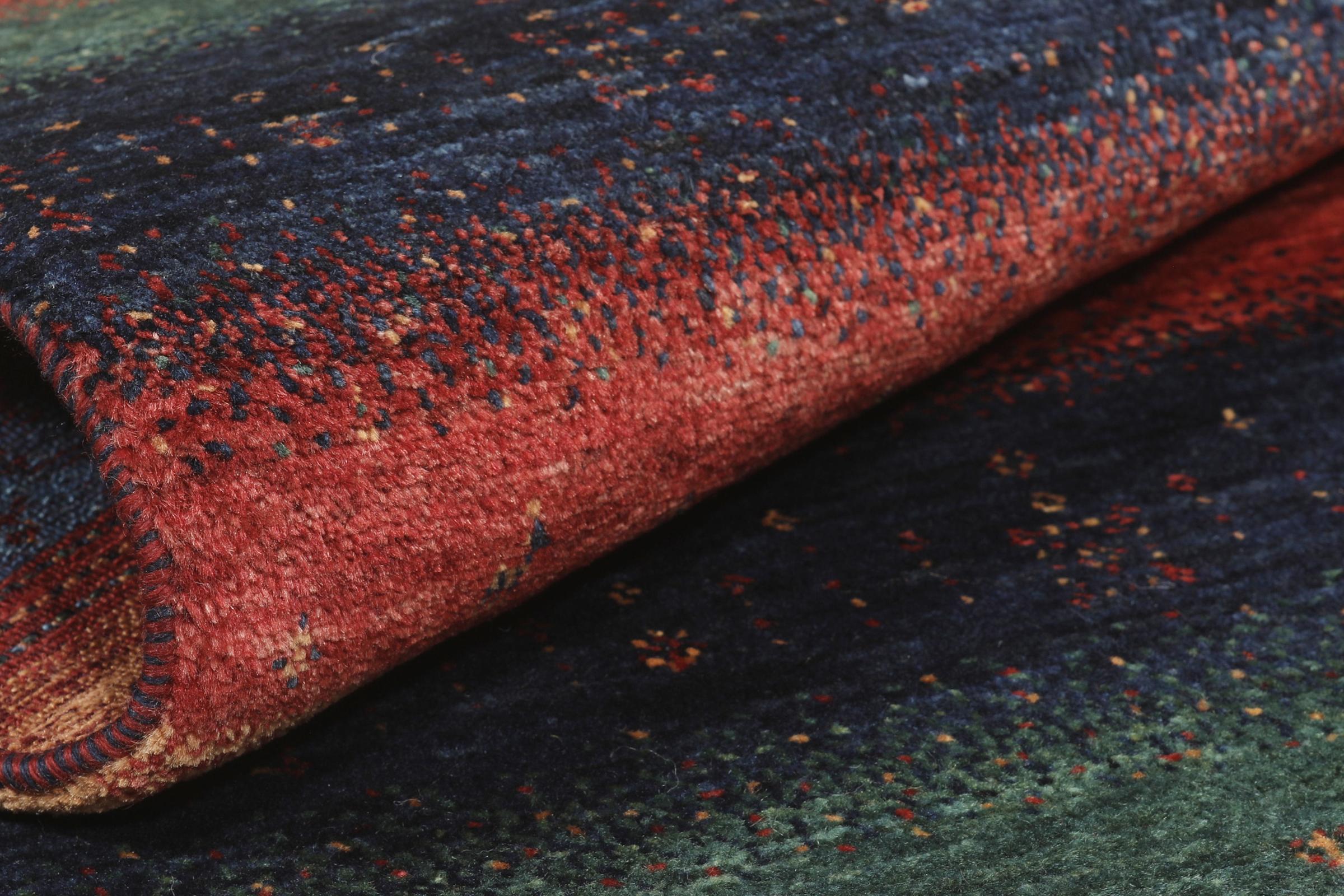
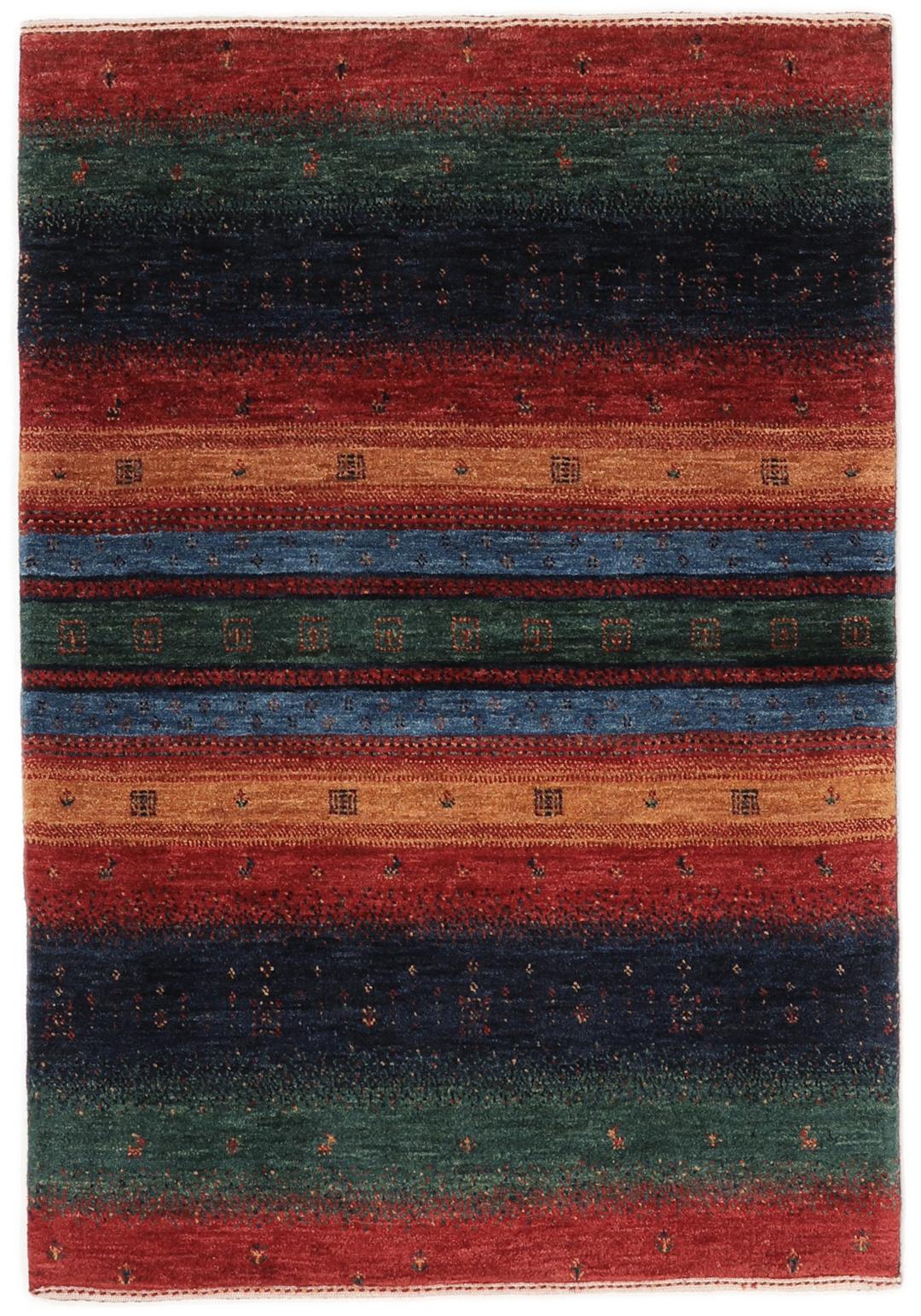
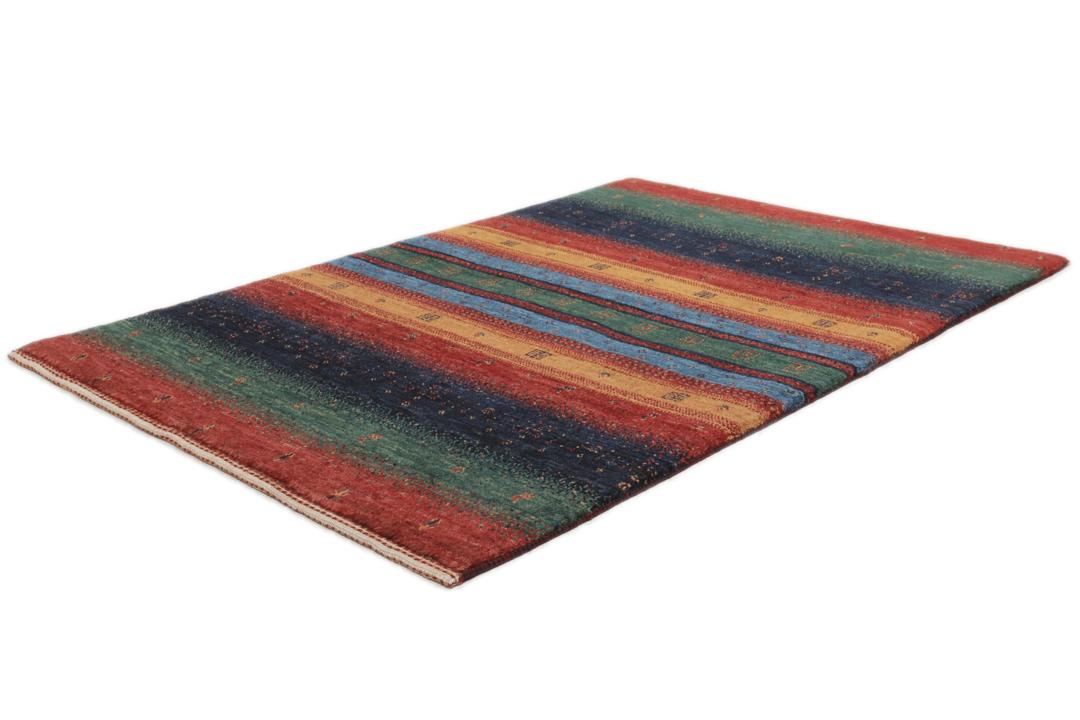
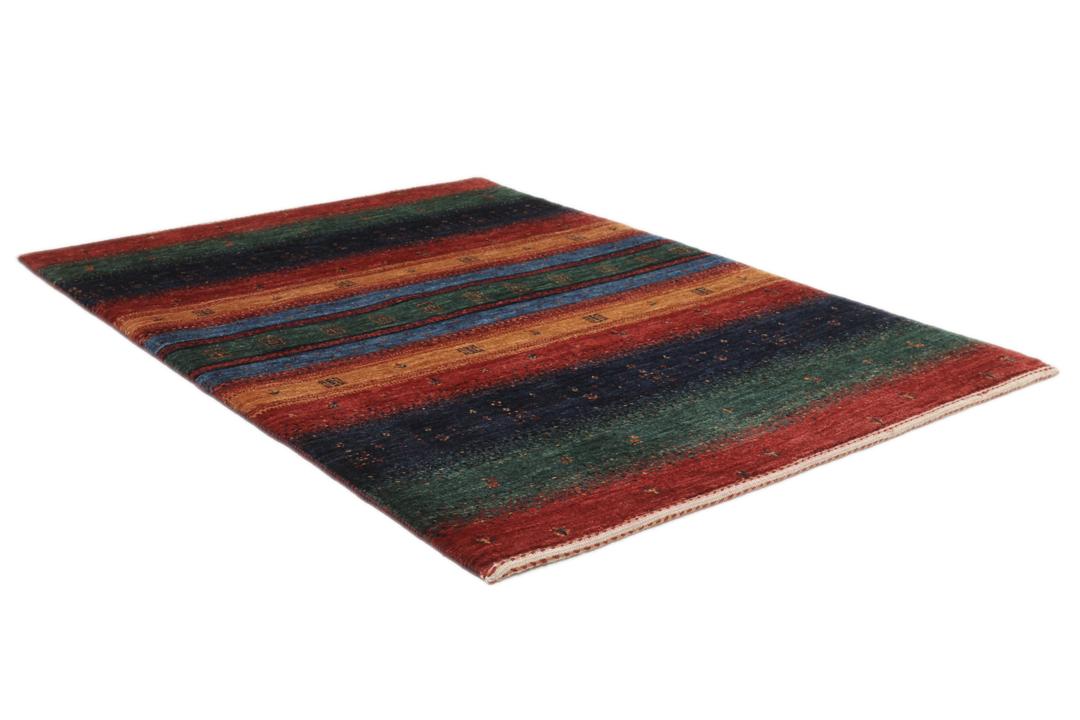
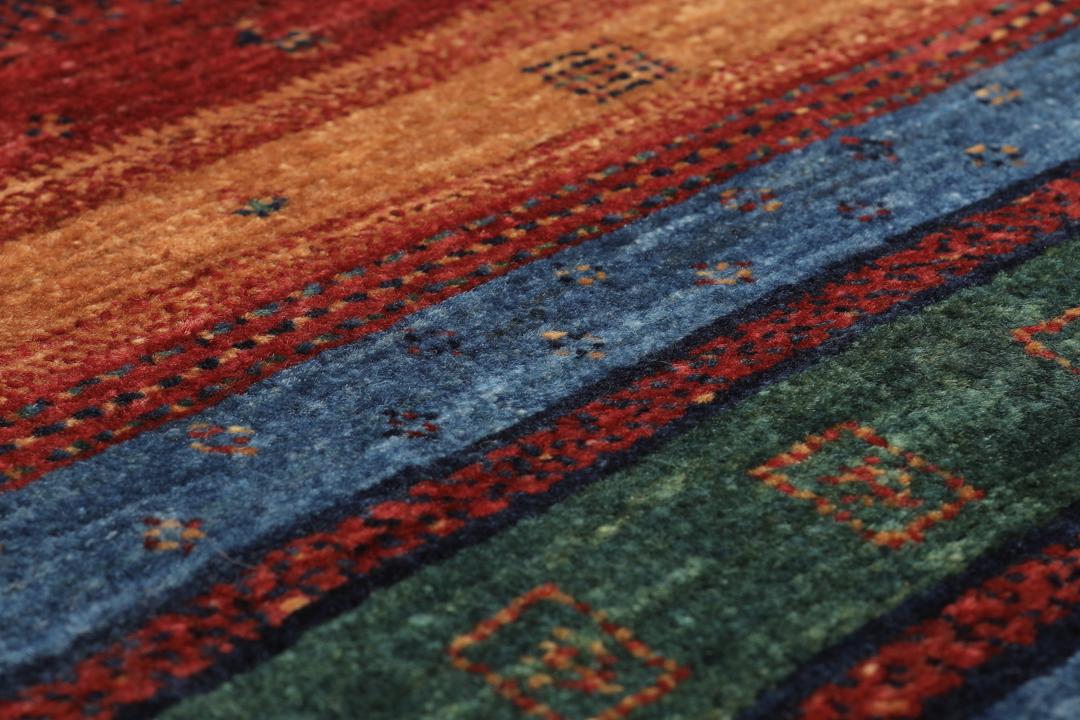
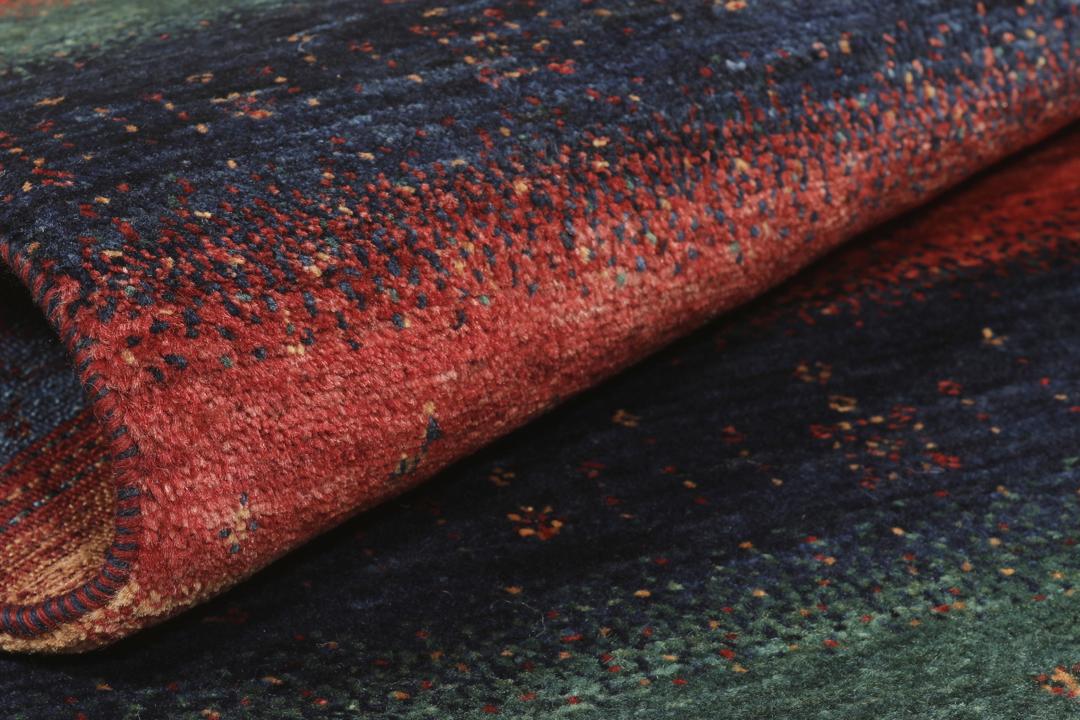
The term Loribaft refers to a specific, refined approach to tribal weaving. Unlike traditional, more geometric tribal rugs, these pieces are known for their thicker, softer pile and a more spontaneous, artistic interpretation of colour and form, often resulting in the rich, painterly stripes seen here.
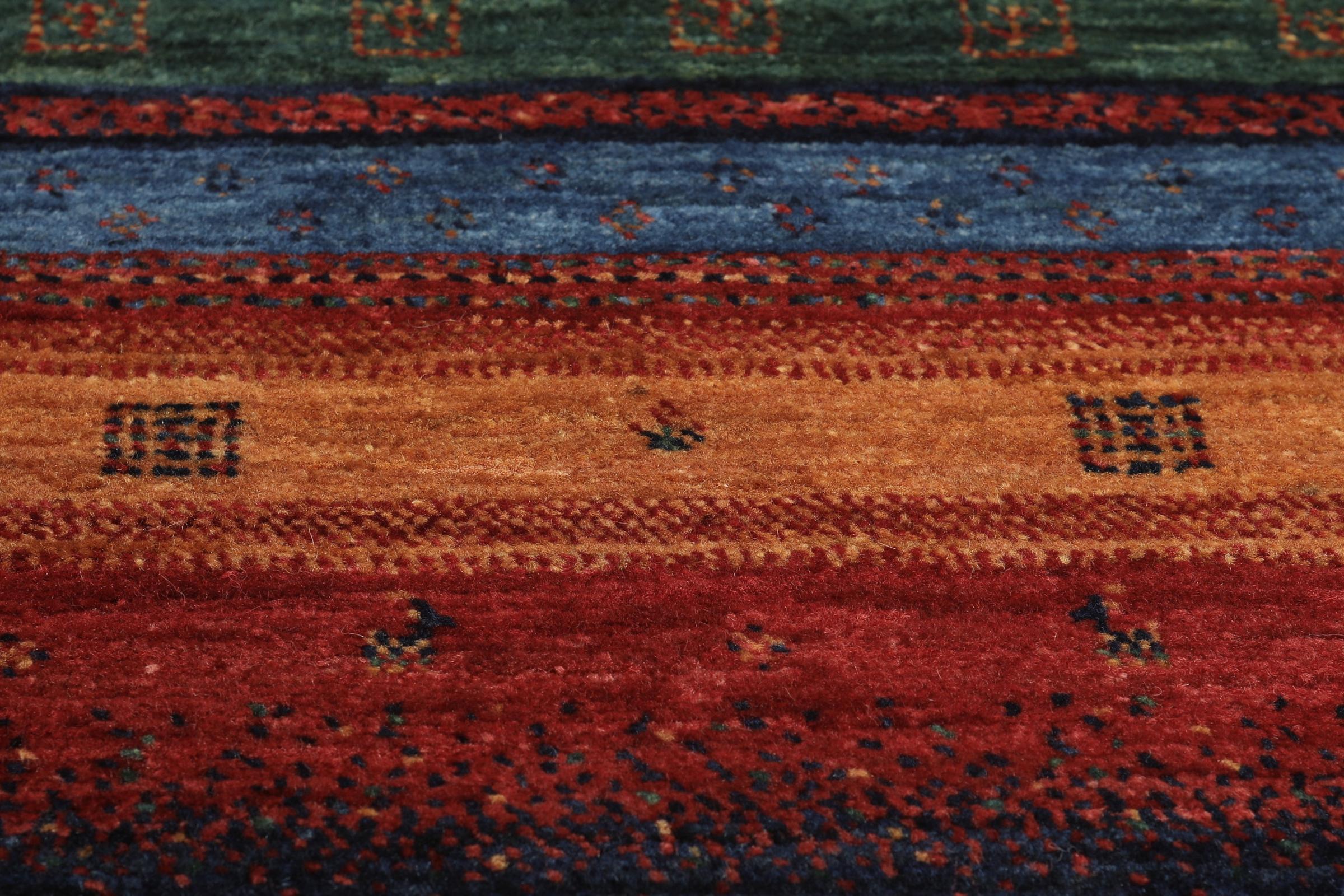
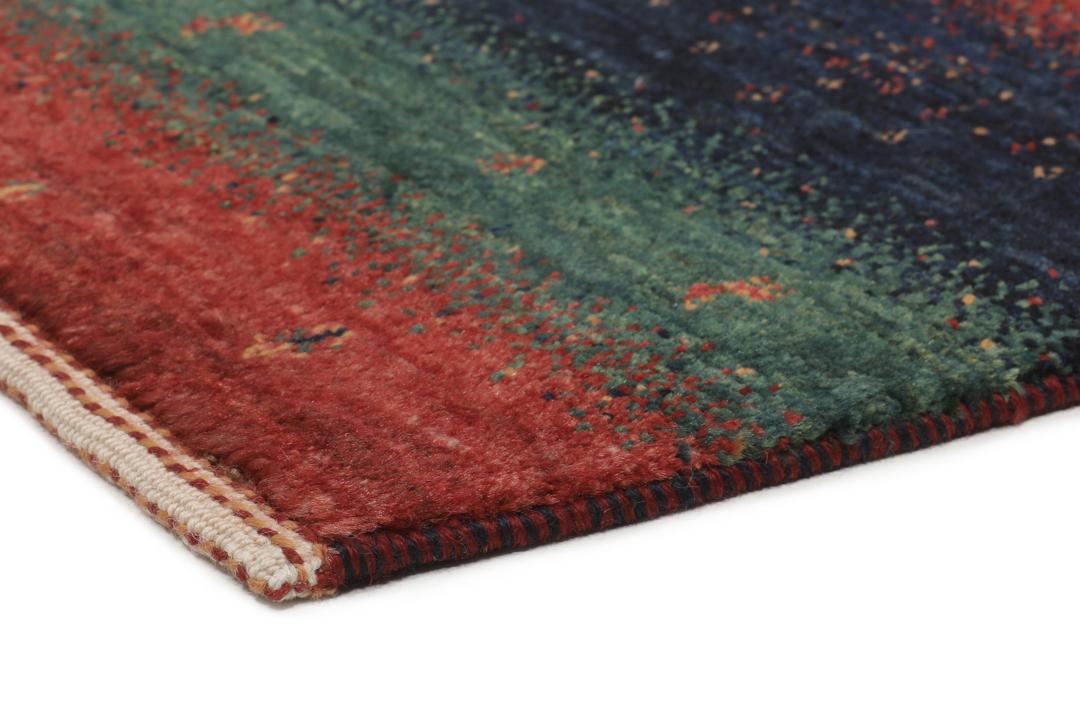
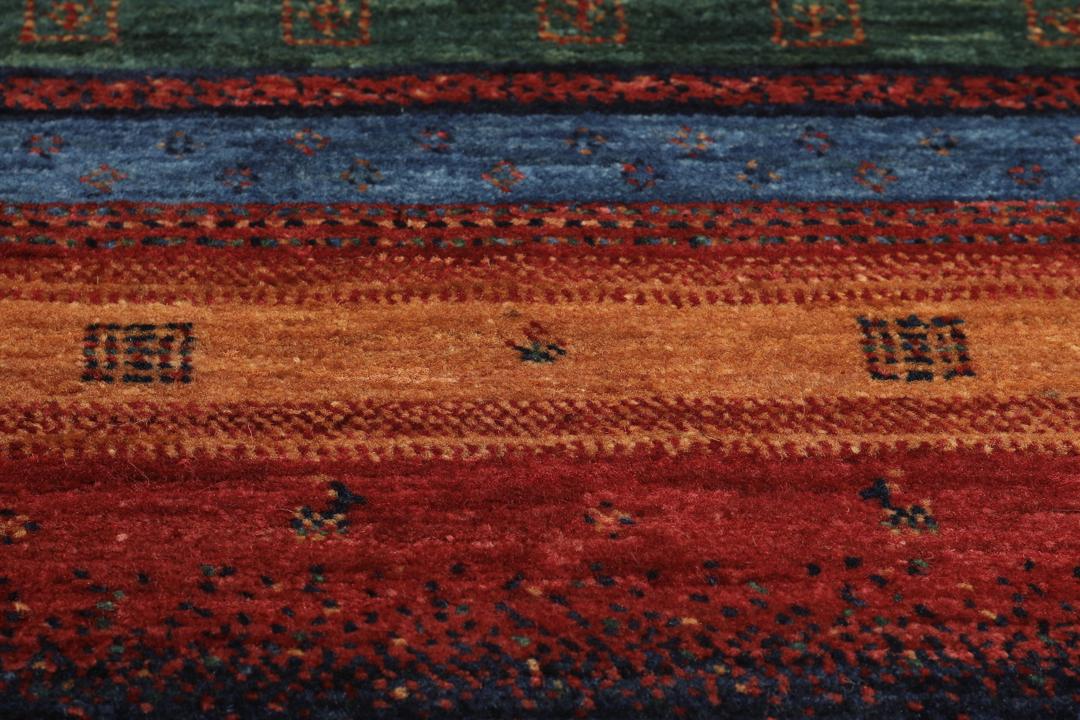
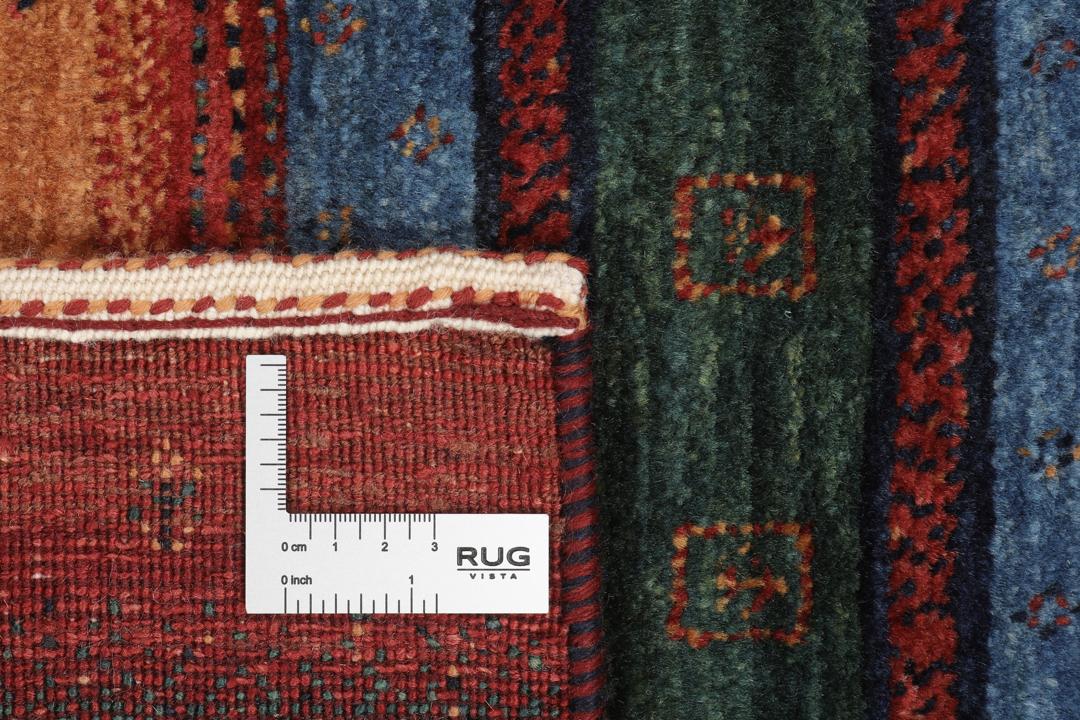
Signature design elements in this tradition often include symbolic motifs derived from the natural world, such as small geometric flowers, animals, or stylized plants scattered across the field. The use of hand-carded, hand-spun wool dyed in bold, natural hues creates a unique, variegated effect that gives each piece its distinct personality.
Owning a piece from this tradition is an opportunity to connect with a centuries-old cultural legacy. These rugs are highly valued by collectors for their authenticity, the immense skill required to weave them, and the fact that they represent a living, evolving craft tradition rather than mass-produced decor.