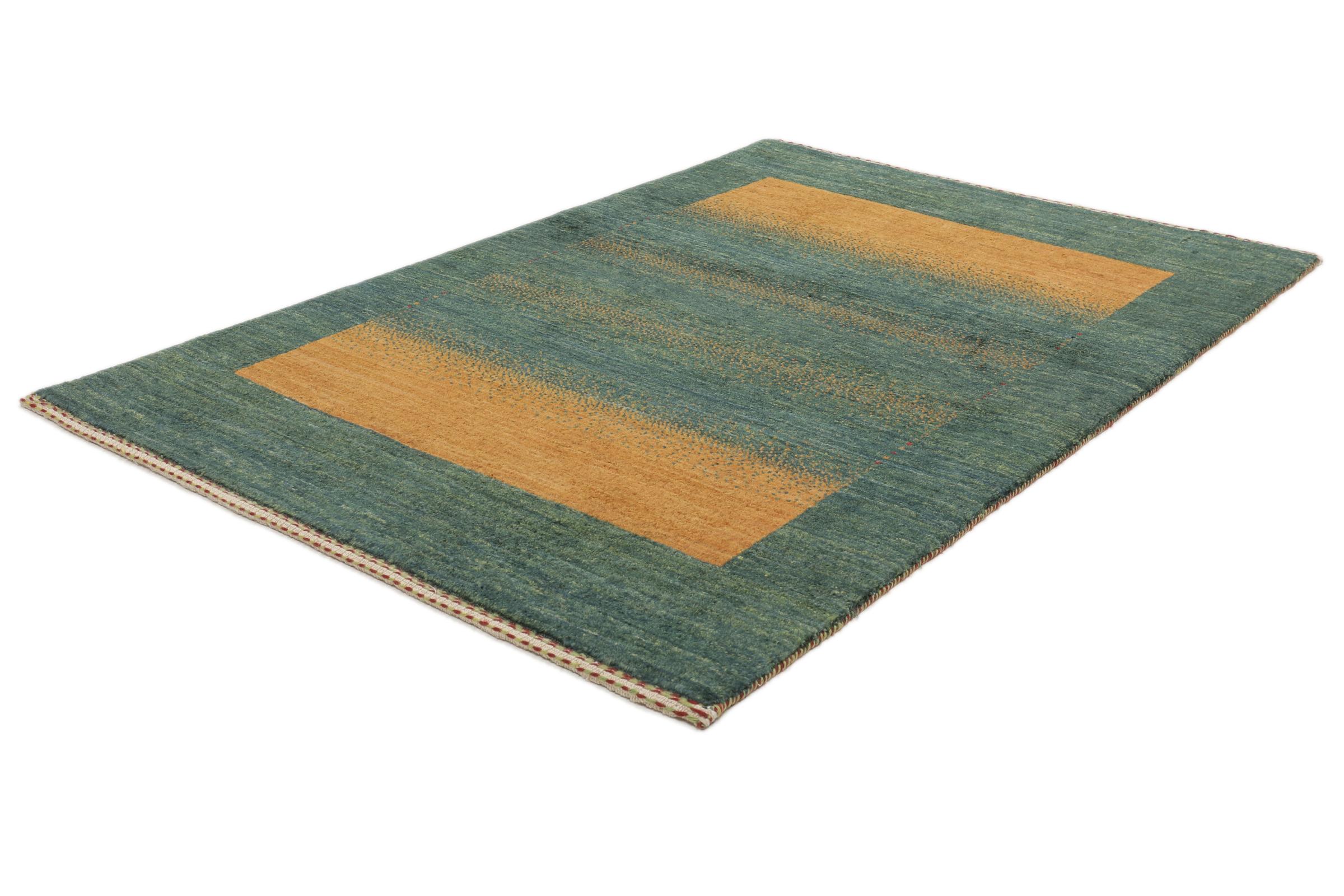
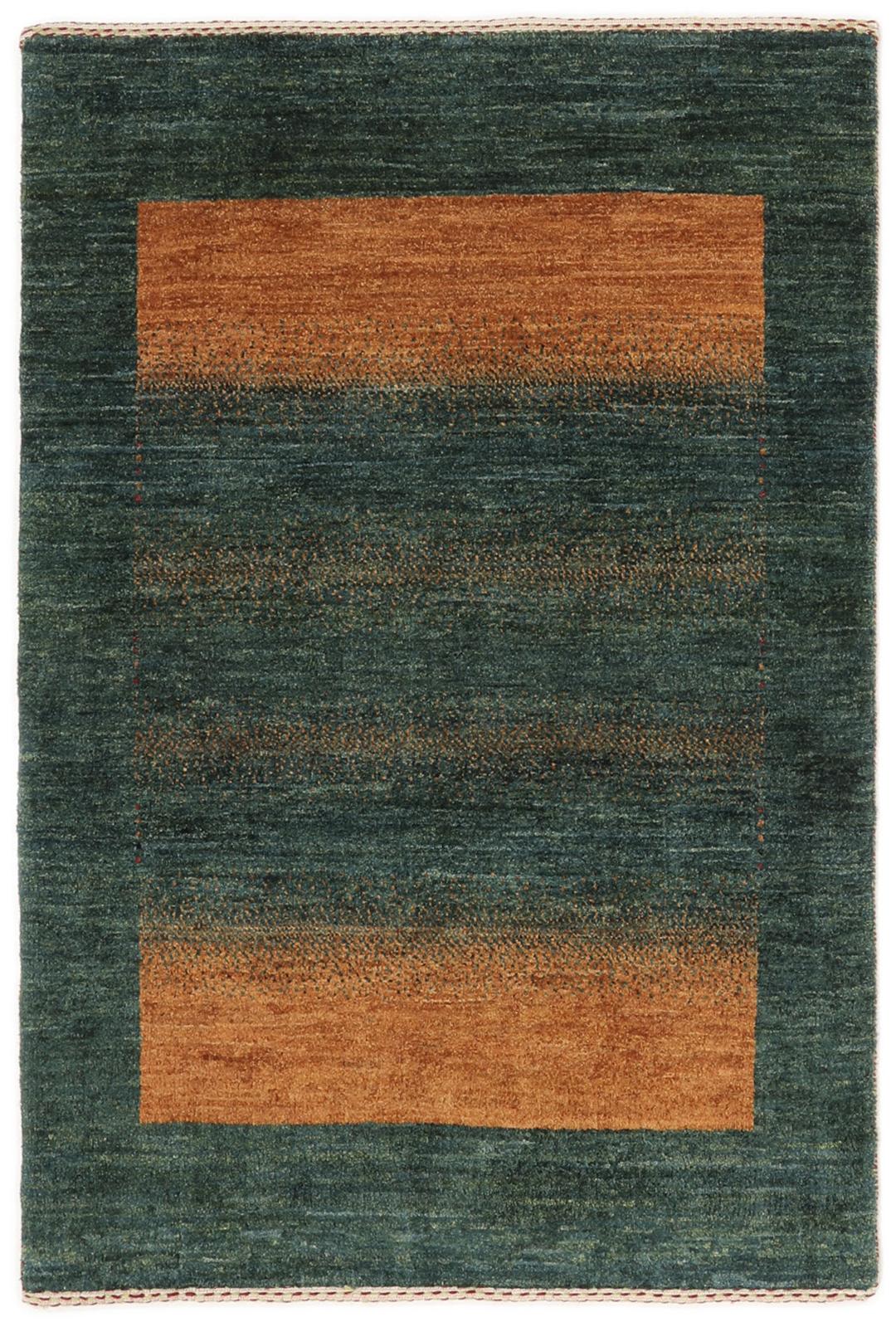
Loribaft rugs originate from the tribal traditions of the Middle East, specifically associated with the nomadic peoples who have passed down their weaving skills through countless generations. These rugs were historically created for practical use within the home, serving as warm bedding, wall coverings, and floor insulation against the rugged terrain of the region.
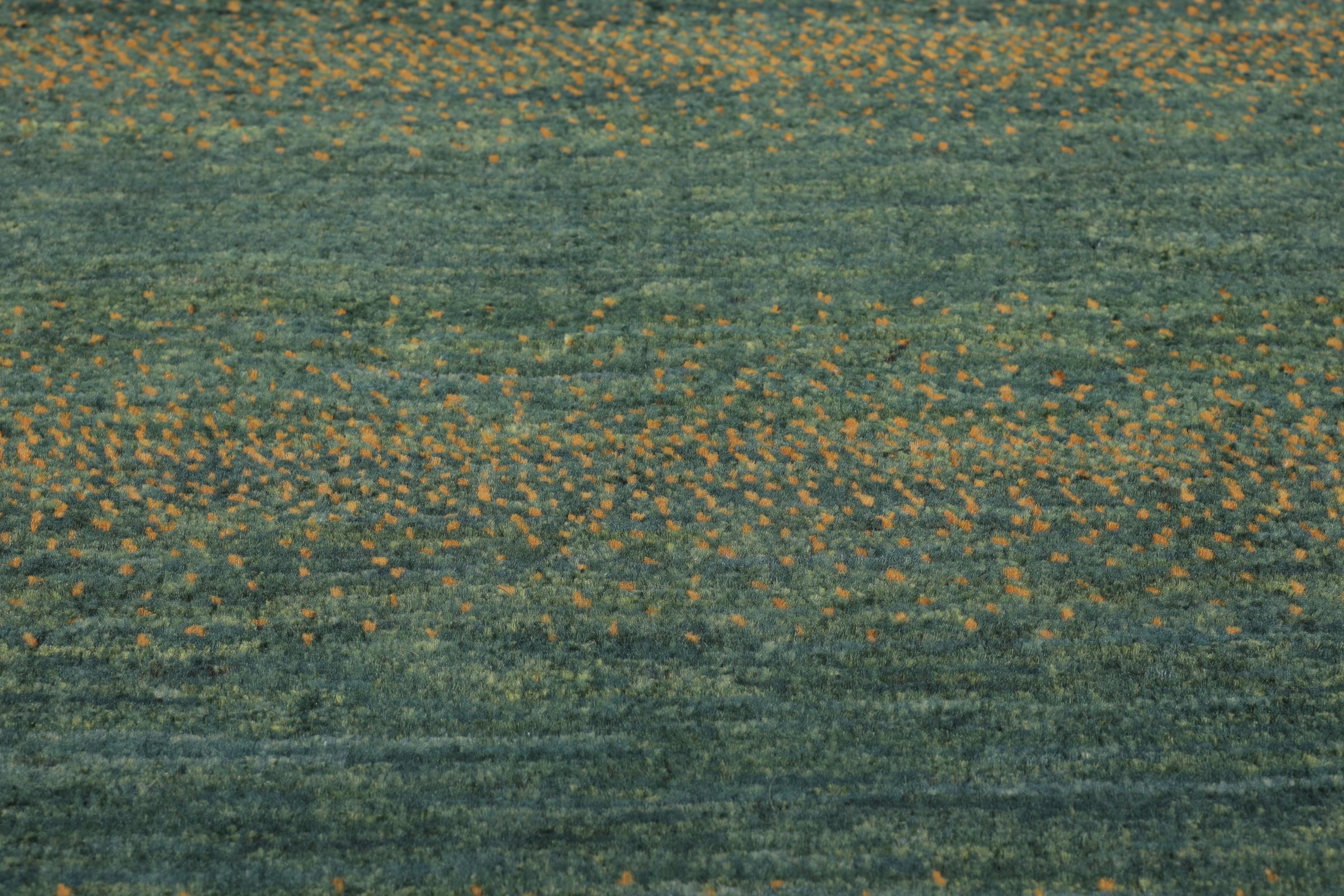
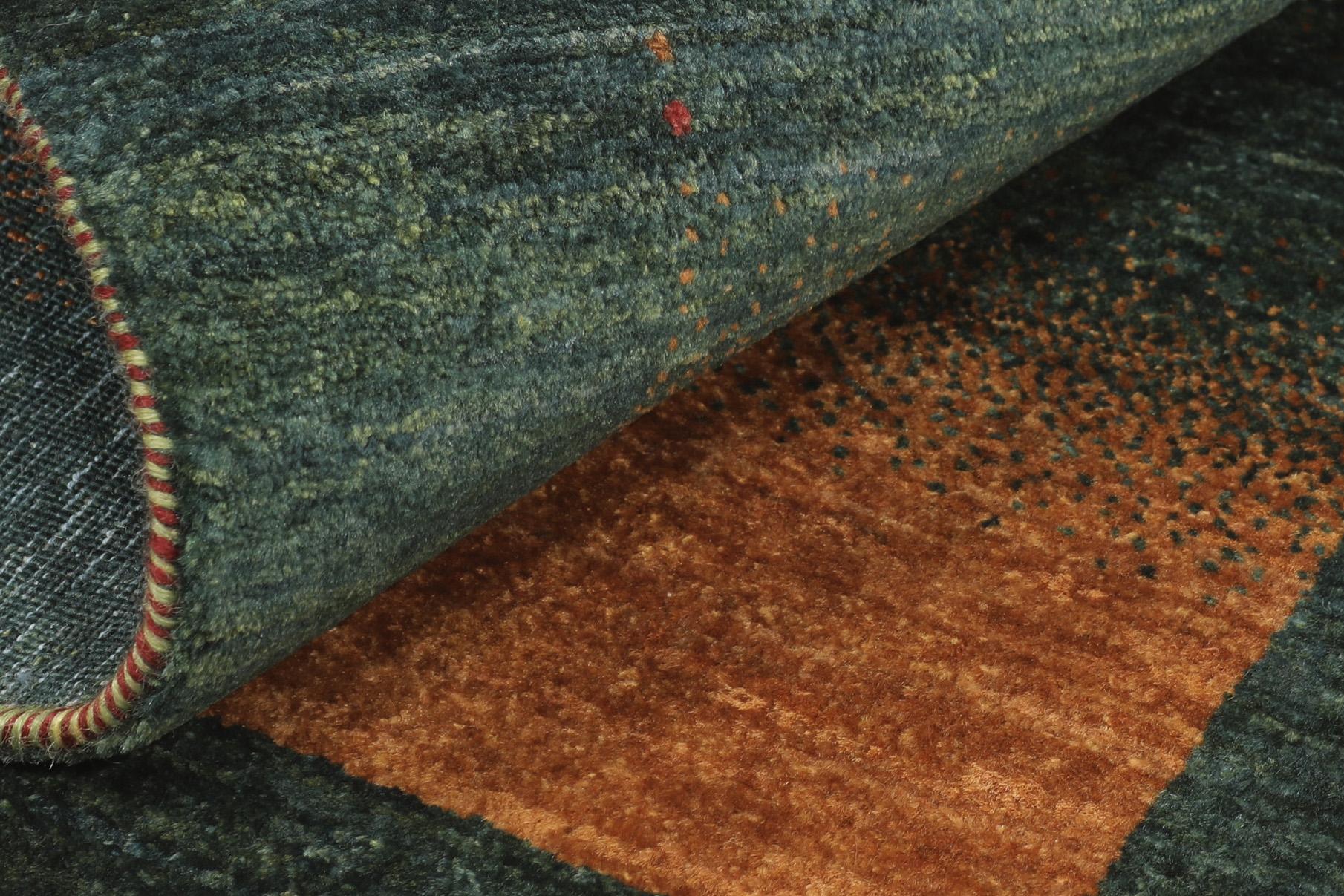
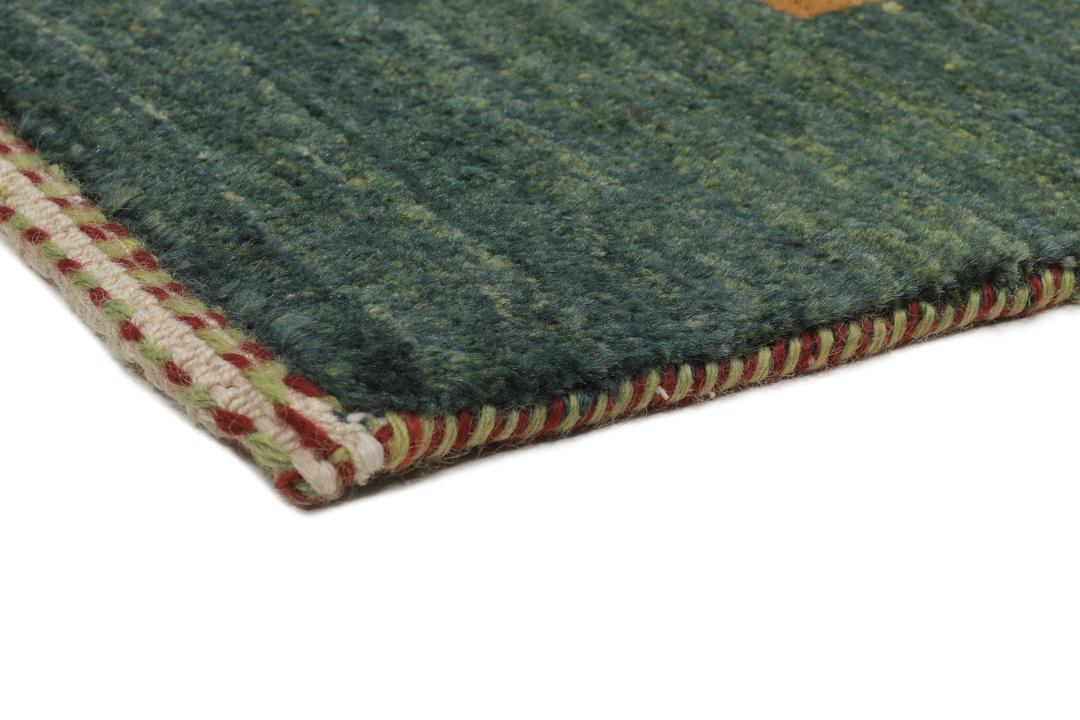
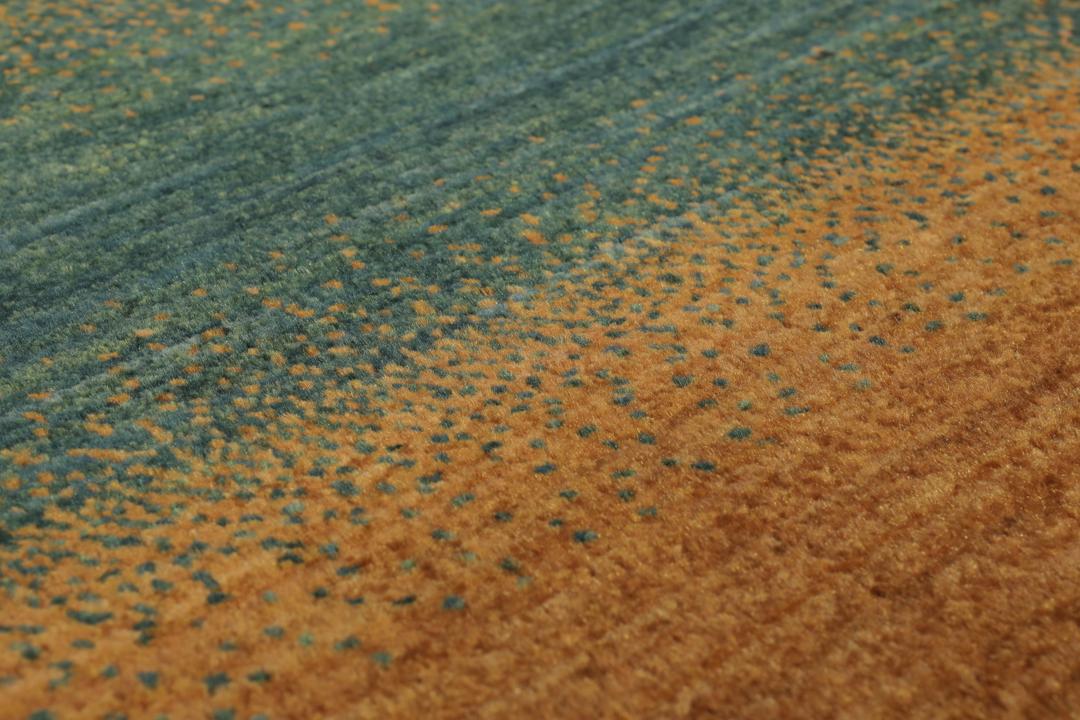
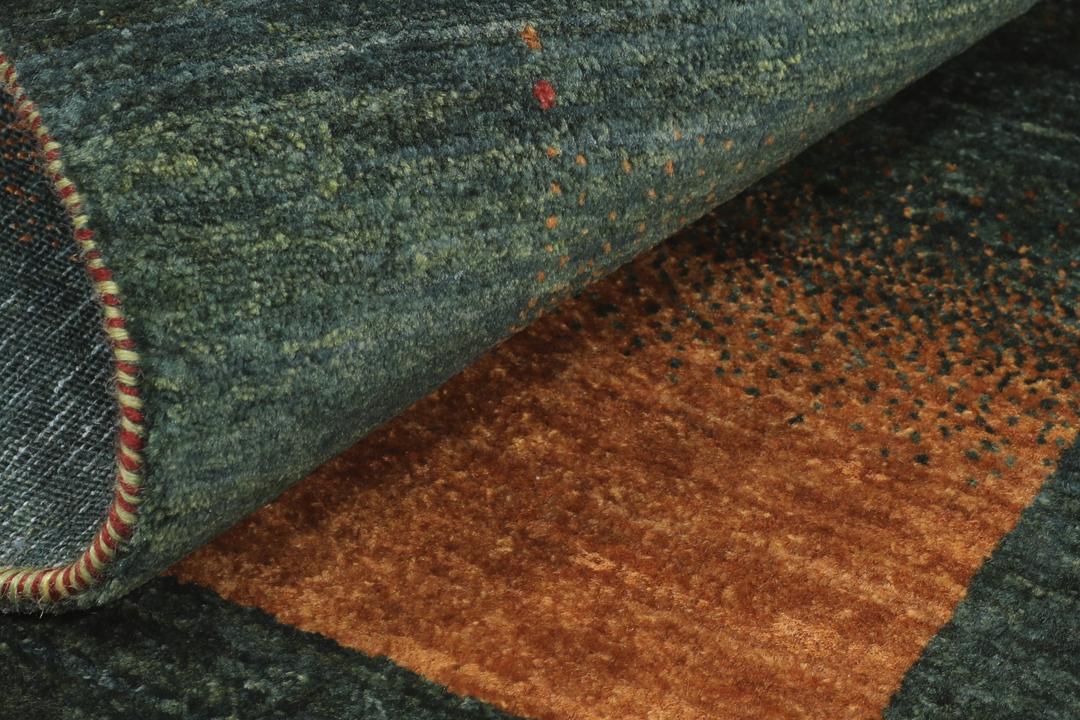
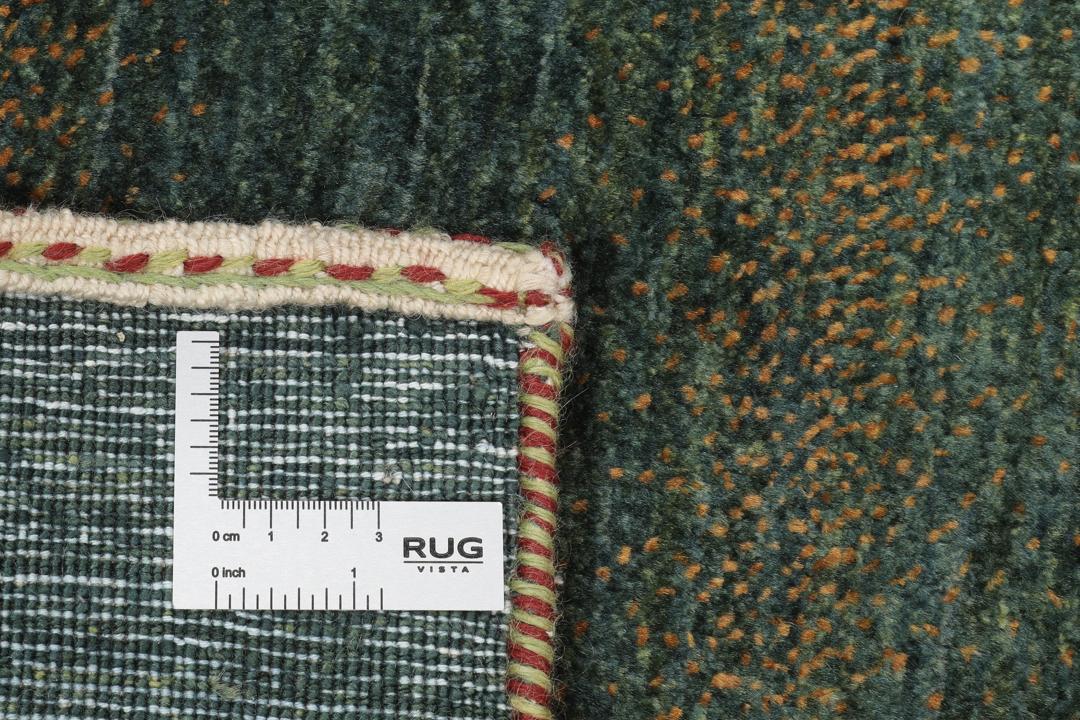
The term 'Loribaft' refers to a specific style of weaving that emphasises a thicker, more luxurious pile compared to traditional flat-woven kilims. This technique allows for a deeper, more plush surface that feels significantly more substantial, while still retaining the vibrant, uninhibited creativity of tribal design traditions.
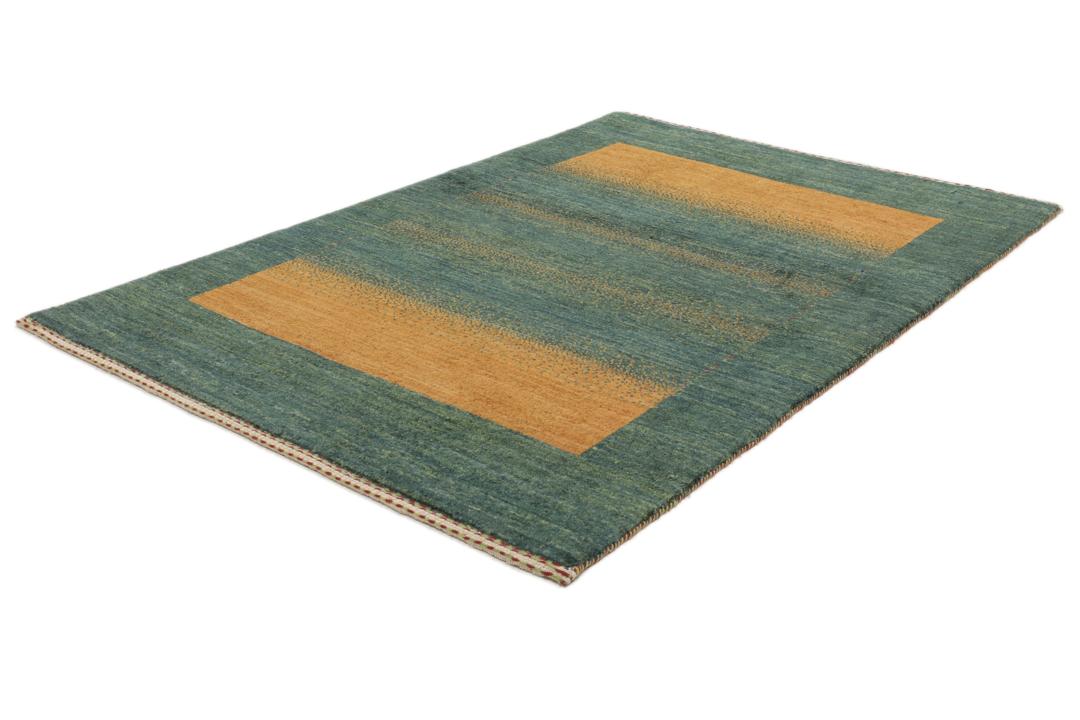
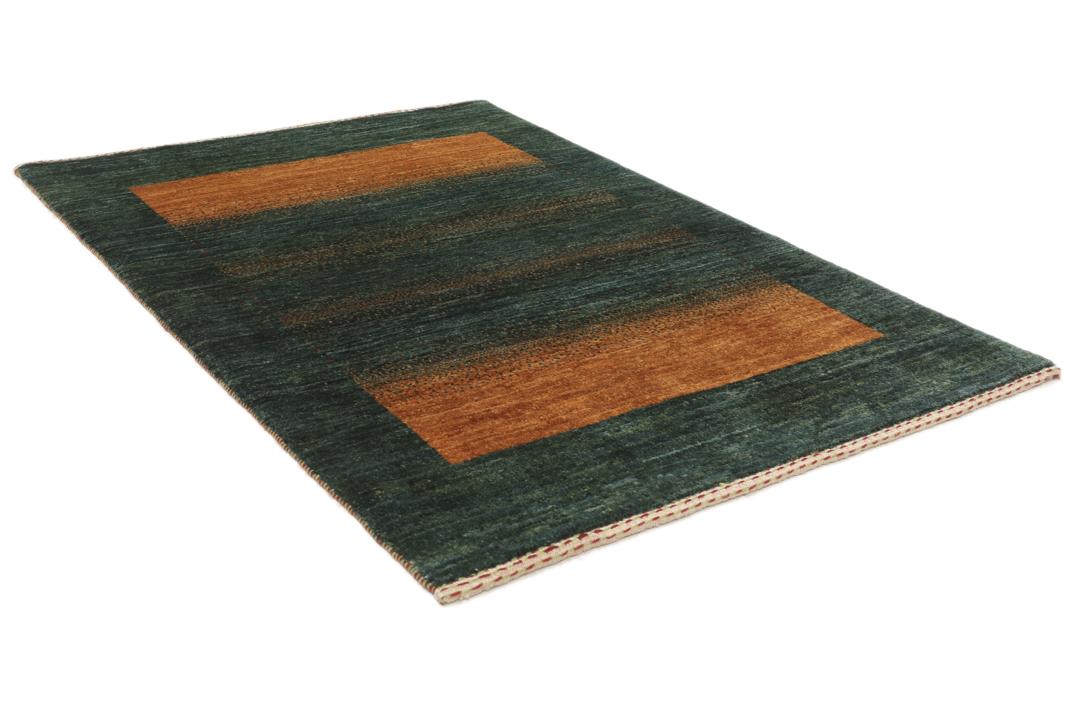
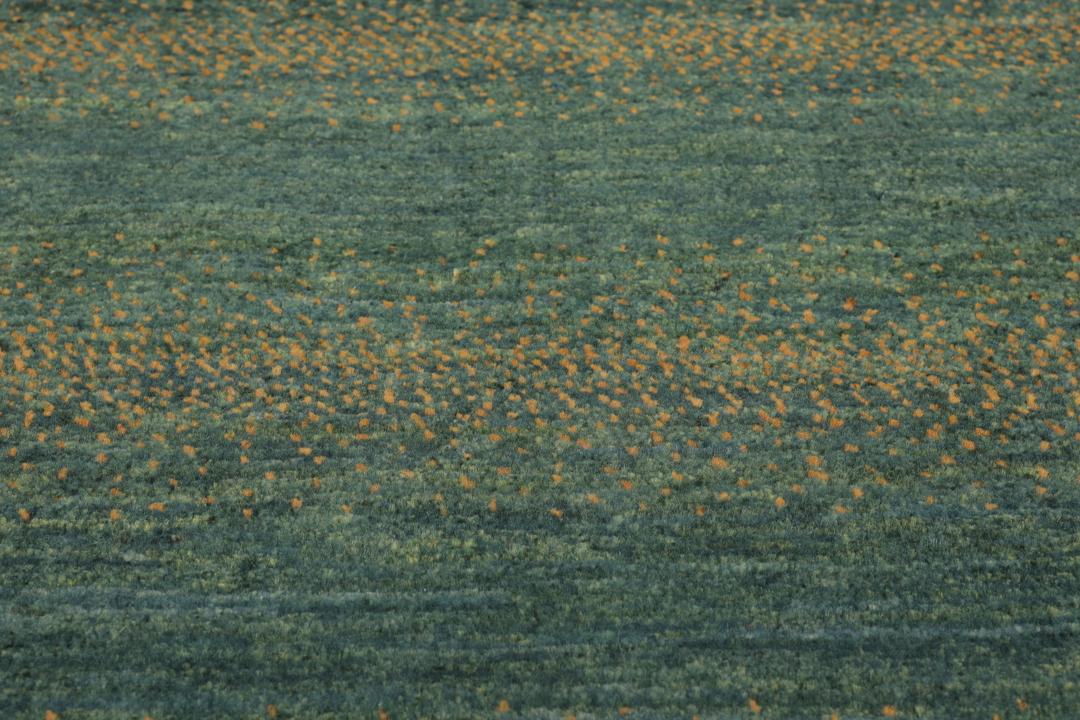
Visually, these rugs are celebrated for their bold, often geometric or abstract motifs that reflect the weaver's personal expression and connection to their environment. While many traditional rugs rely on rigid, formal patterns, the Loribaft style is known for its more organic and sometimes spontaneous application of colour and shape, often using natural dyes that develop a beautiful character over time.
Collectors value these rugs not only for their aesthetic appeal but for their status as authentic cultural artefacts. Owning a Loribaft piece is a way to connect with a rich history of nomadic life and artistic independence, representing a level of skill and heritage that remains highly sought after in modern interiors.