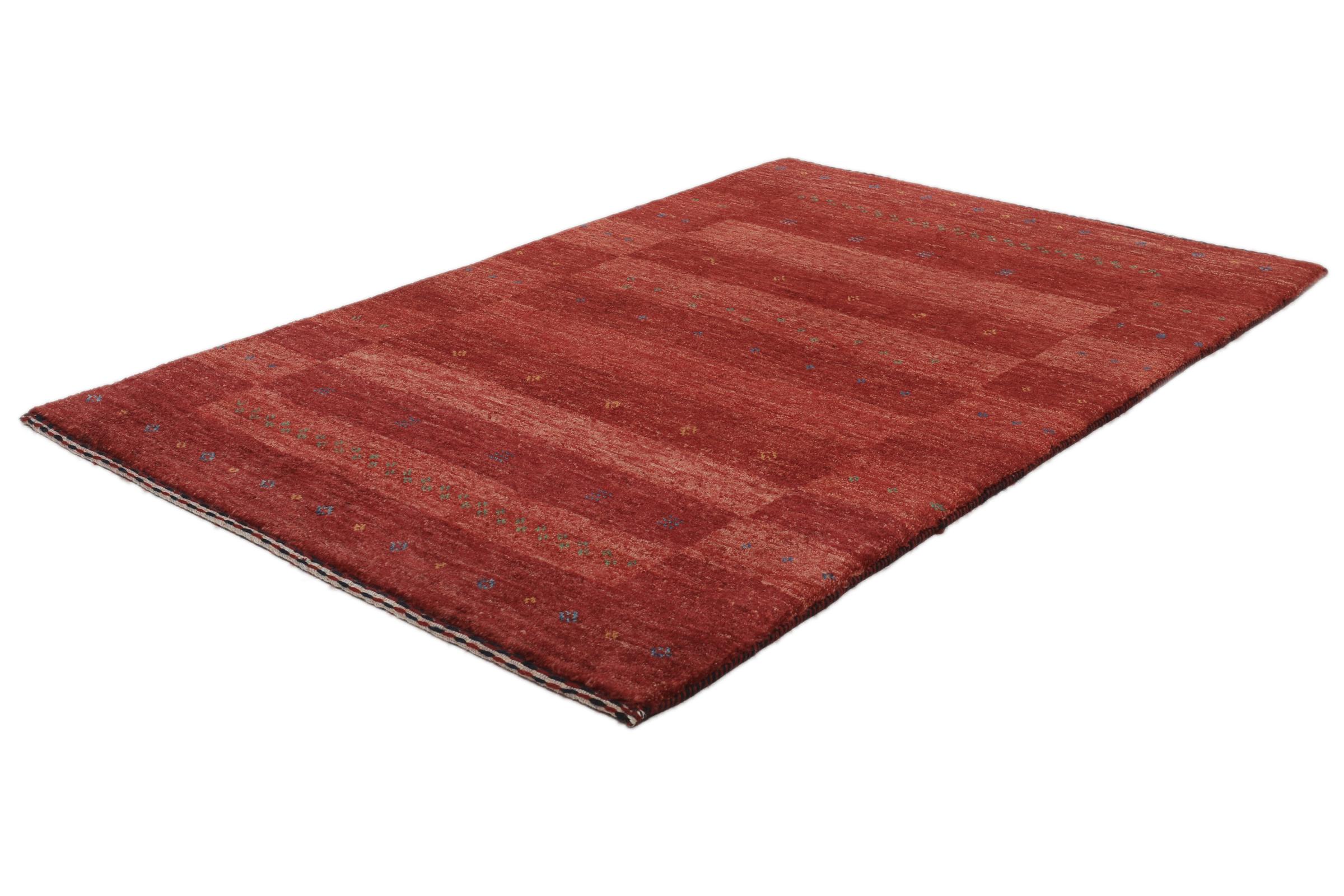
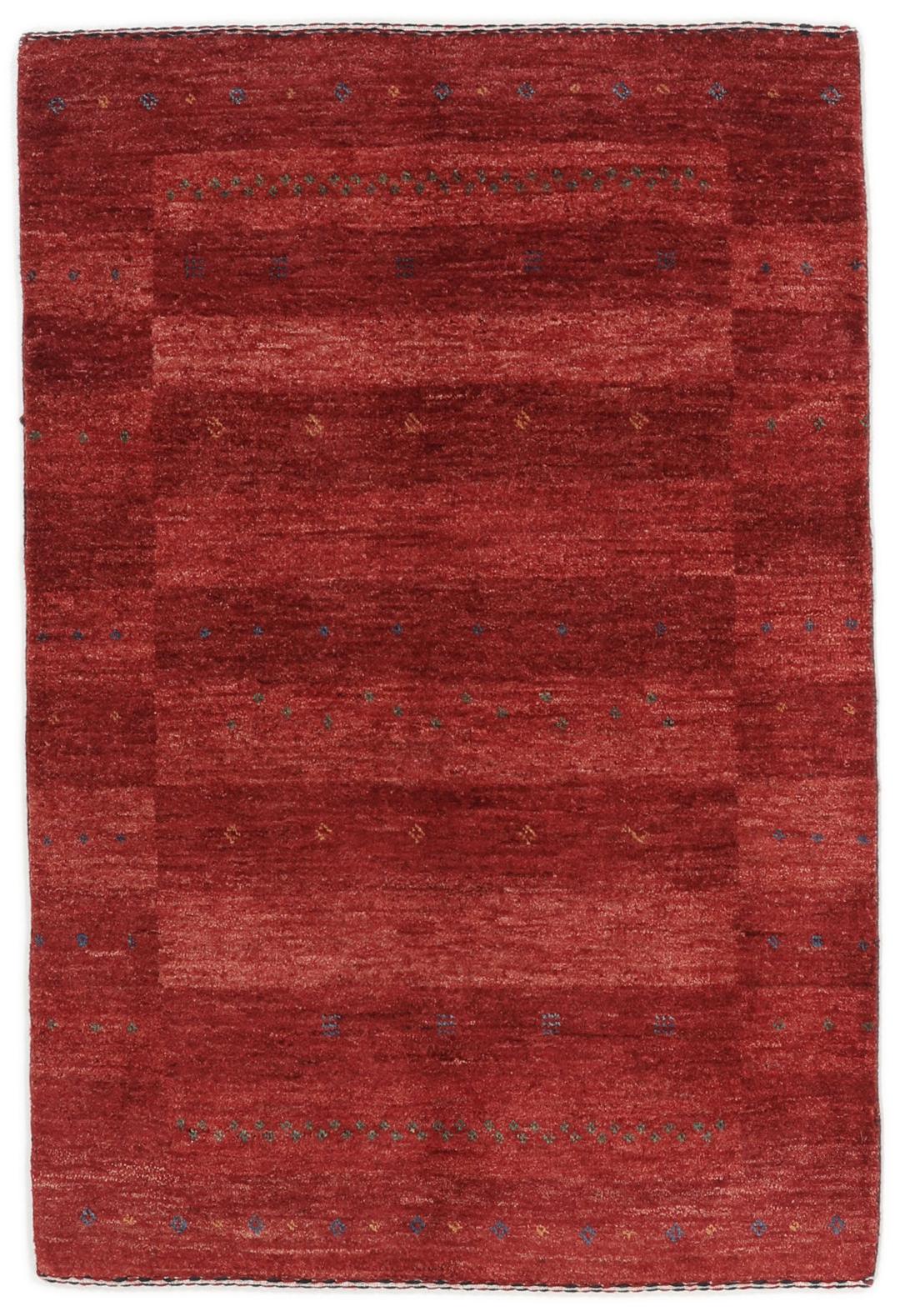
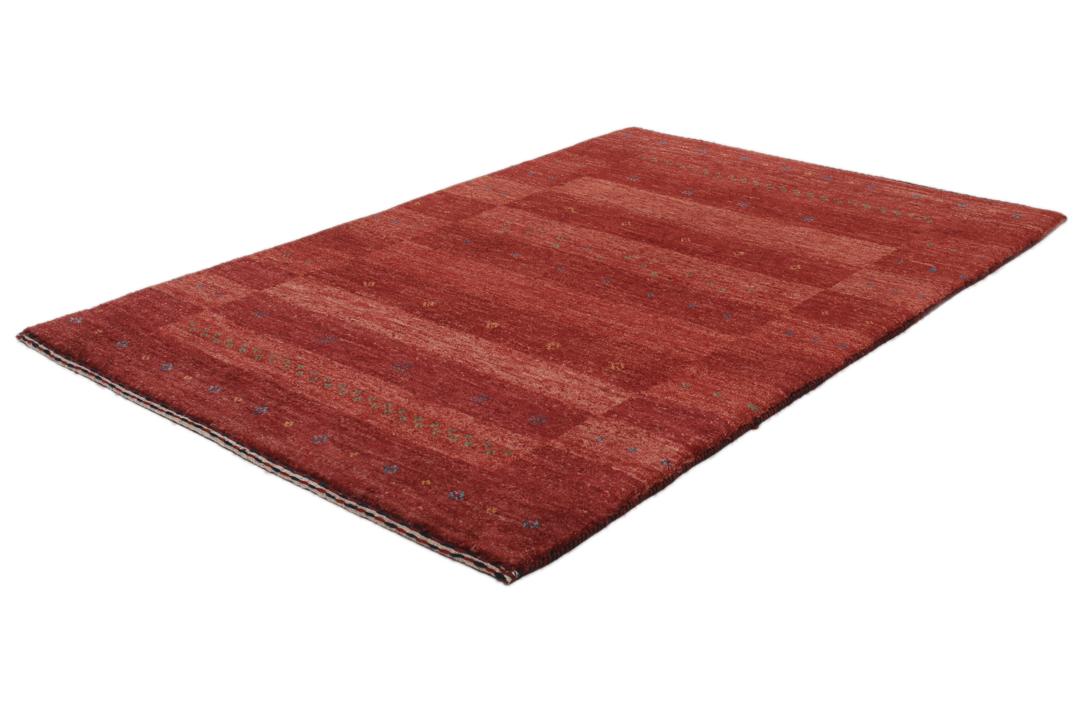
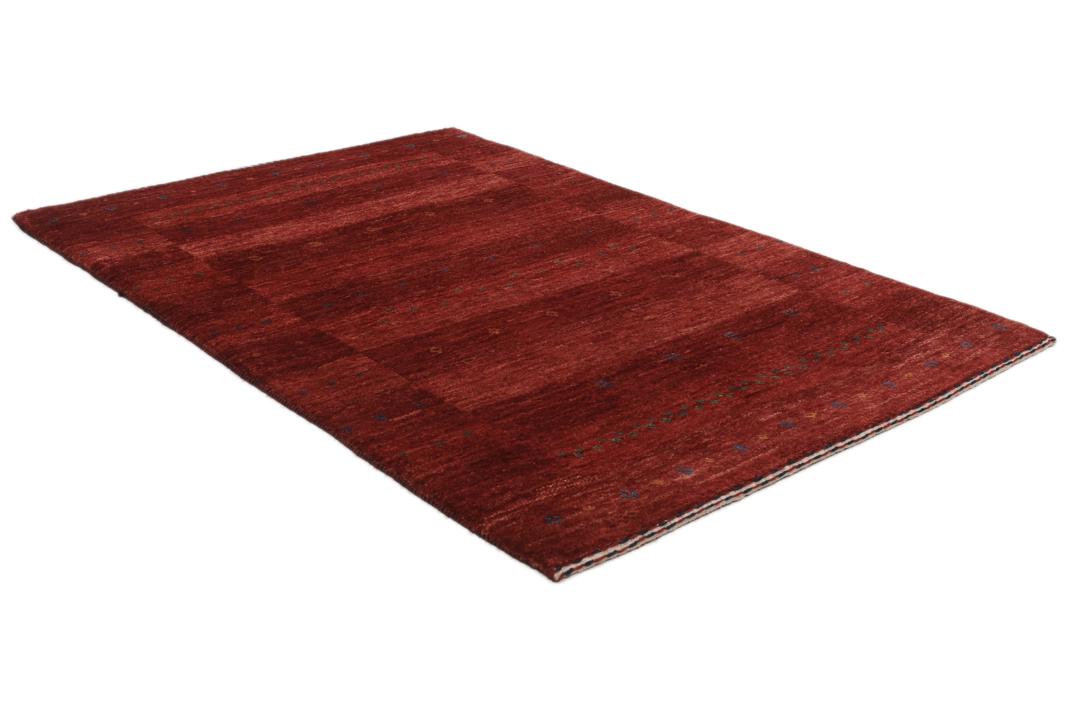
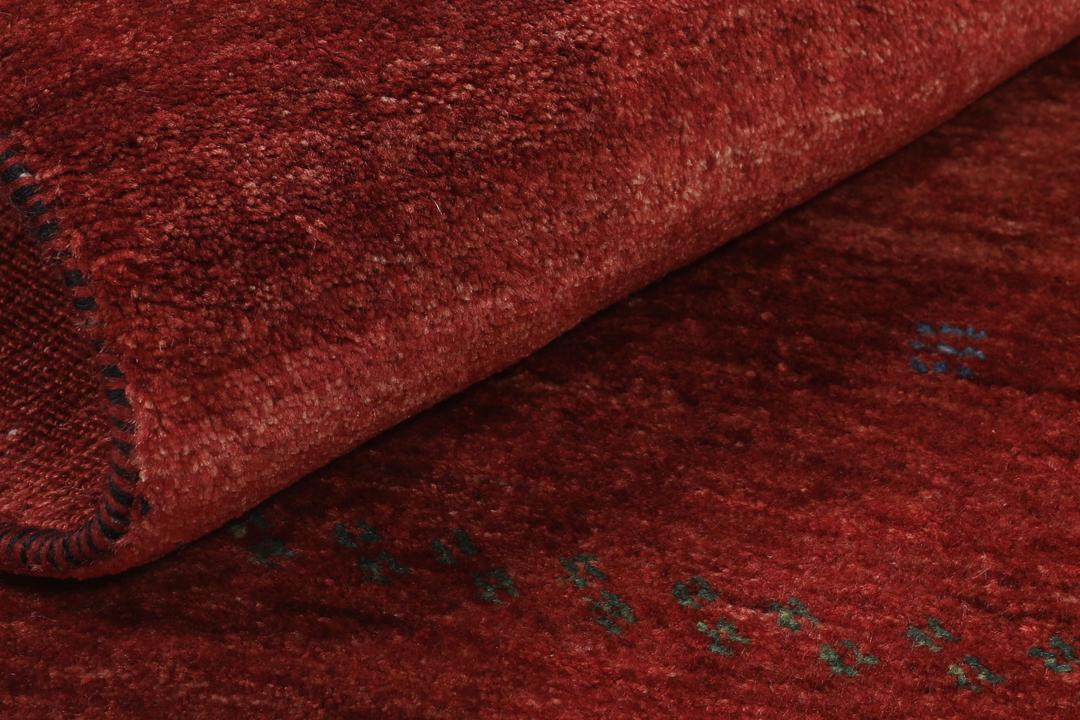
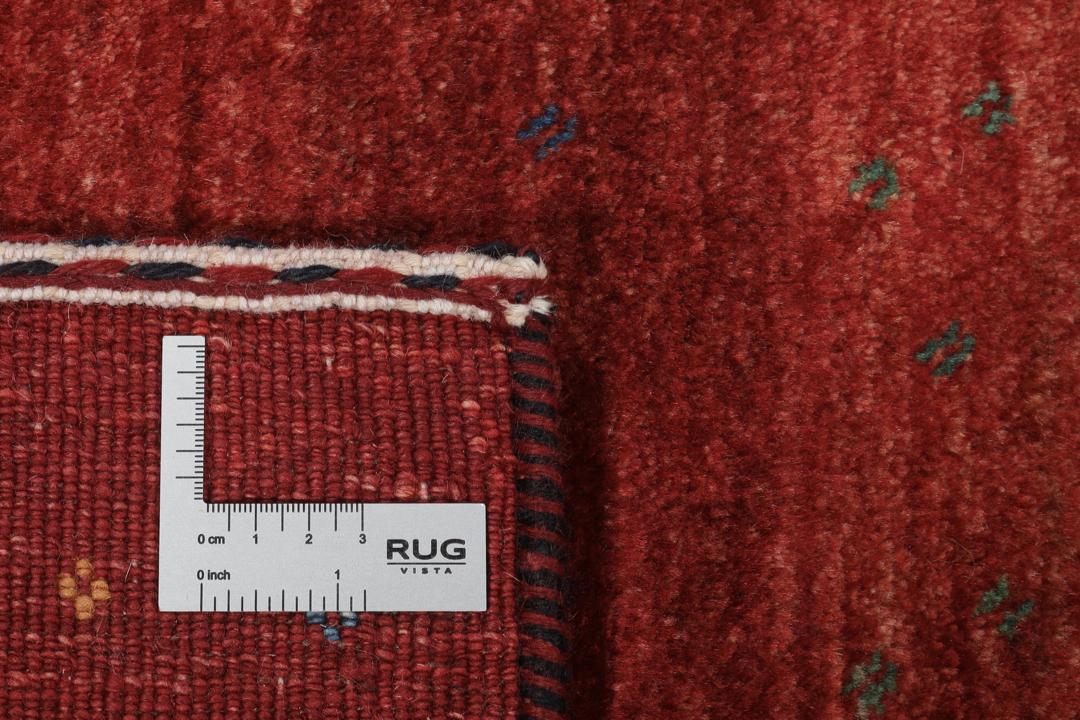
The Loribaft rug tradition originates from the nomadic tribes of the Middle East, who have long been celebrated for their expressive and soulful weaving. These rugs are deeply rooted in the cultural heritage of the region, often reflecting the natural landscapes and the personal stories of the weavers who create them.
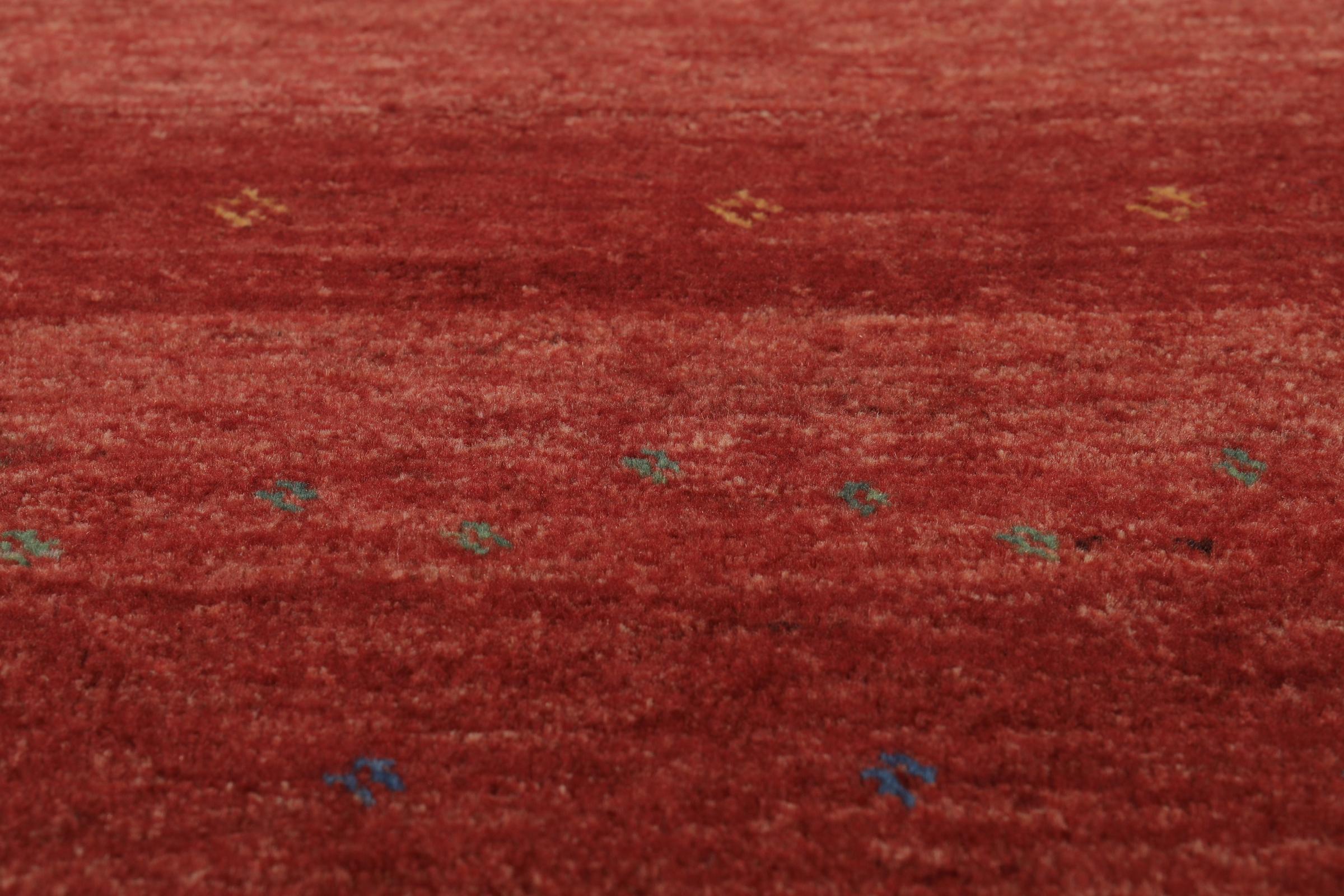
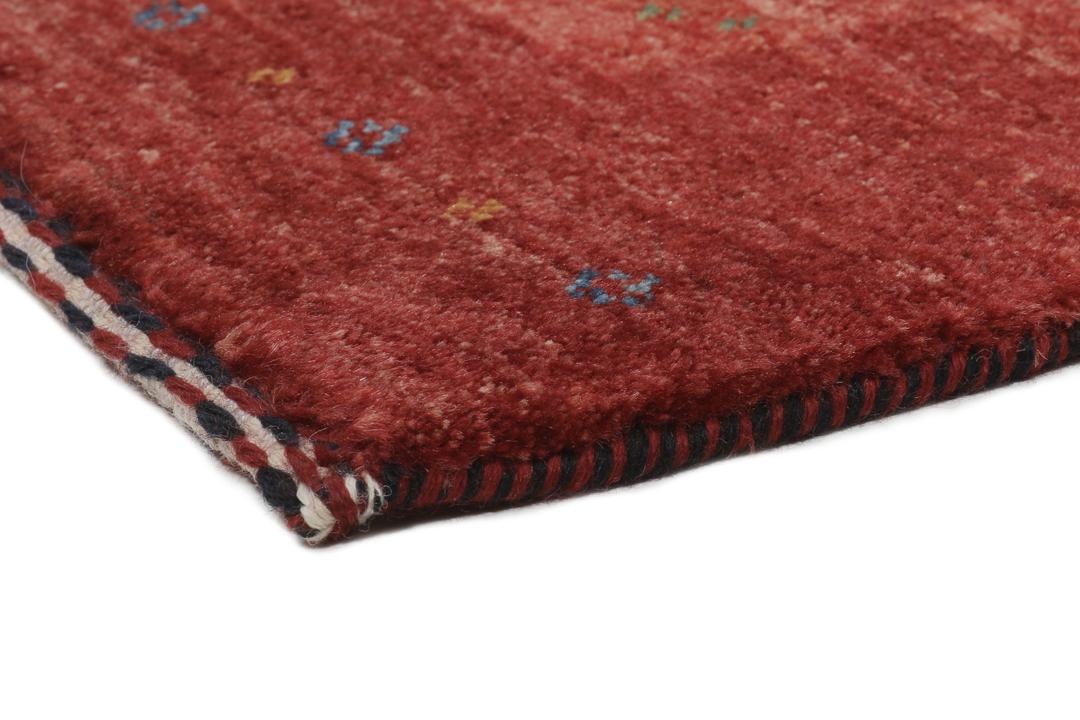
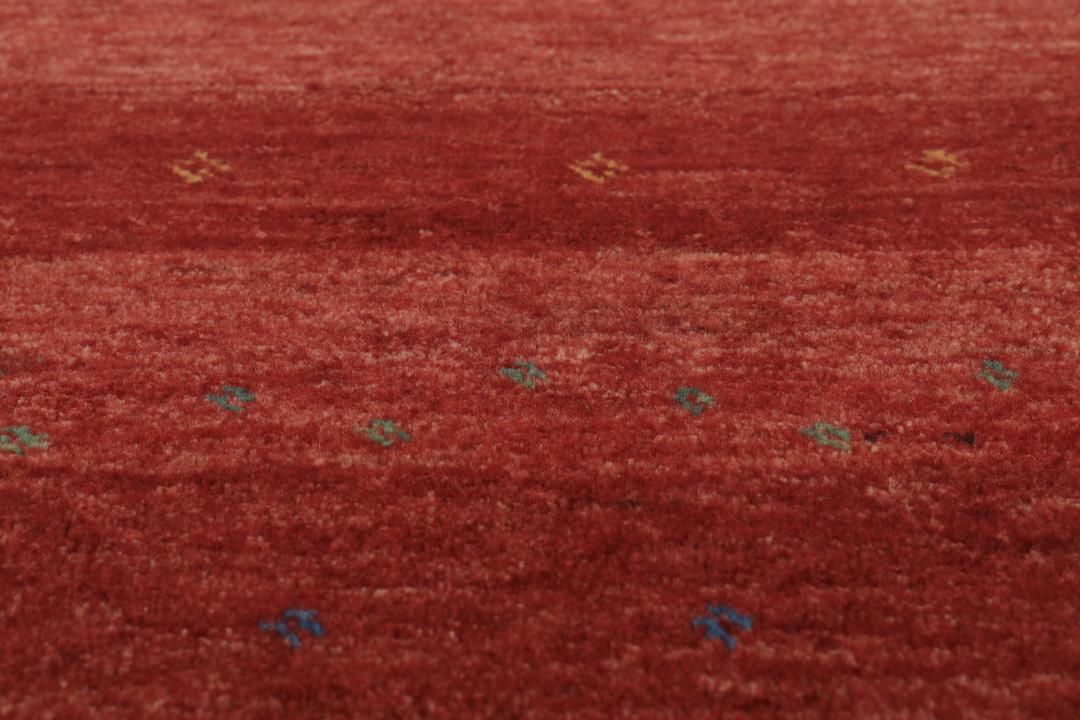
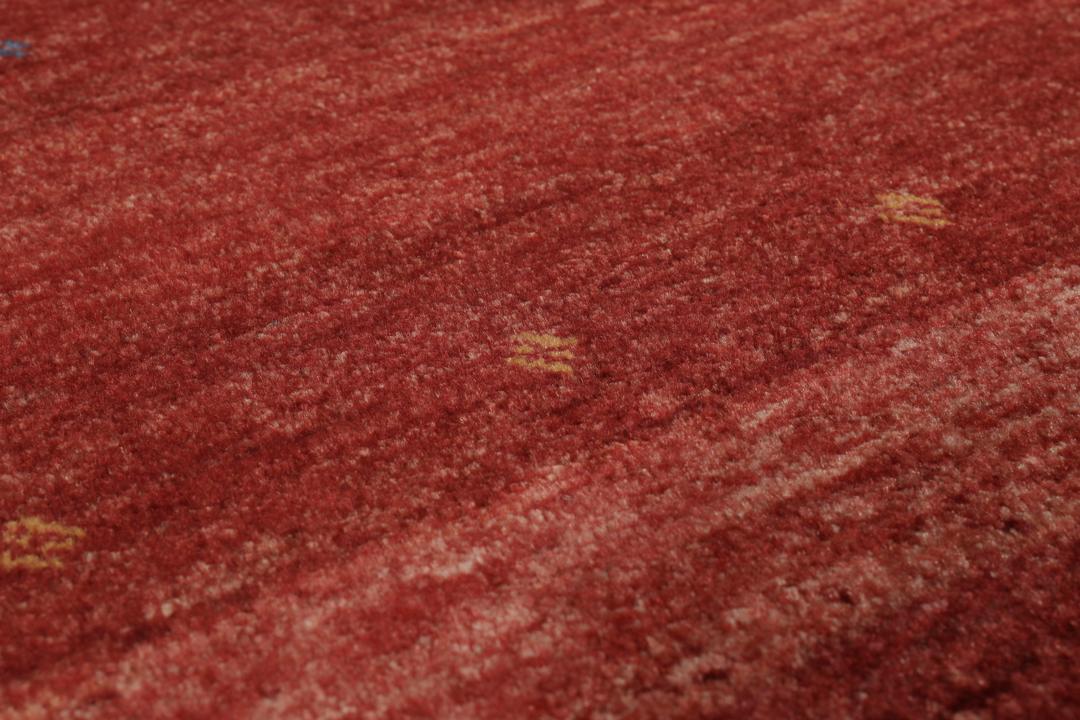
The term 'Loribaft' refers to a style of weaving that emphasises a thicker, more luxurious pile compared to traditional flat-woven rugs. This construction is achieved through specific knotting techniques that create a dense, plush surface, making these rugs highly prized for their comfort and their ability to provide excellent insulation in both warm and cool climates.
Visually, these rugs are known for their bold use of colour and simplified, often abstract, decorative motifs. While they may incorporate traditional design elements, the Loribaft style is characterised by a certain freedom and spontaneity, moving away from overly rigid or formal patterns to create a more organic and artistic feel.
Owning a piece from this tradition is a way to connect with a centuries-old craft. These rugs are highly valued by collectors and homeowners alike for their authenticity, the immense skill required to produce them, and their ability to bring a sense of history and human touch into a modern living space.