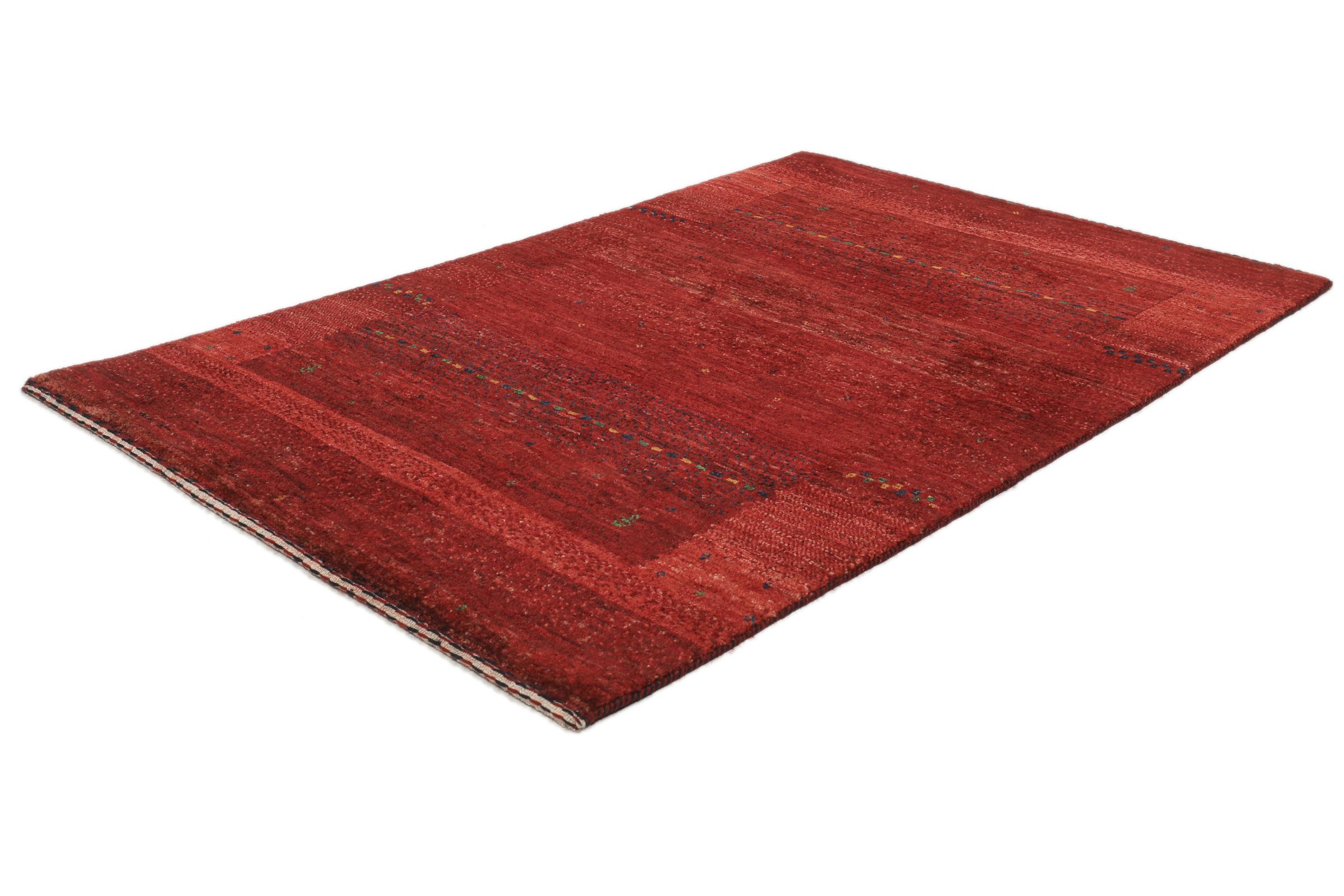
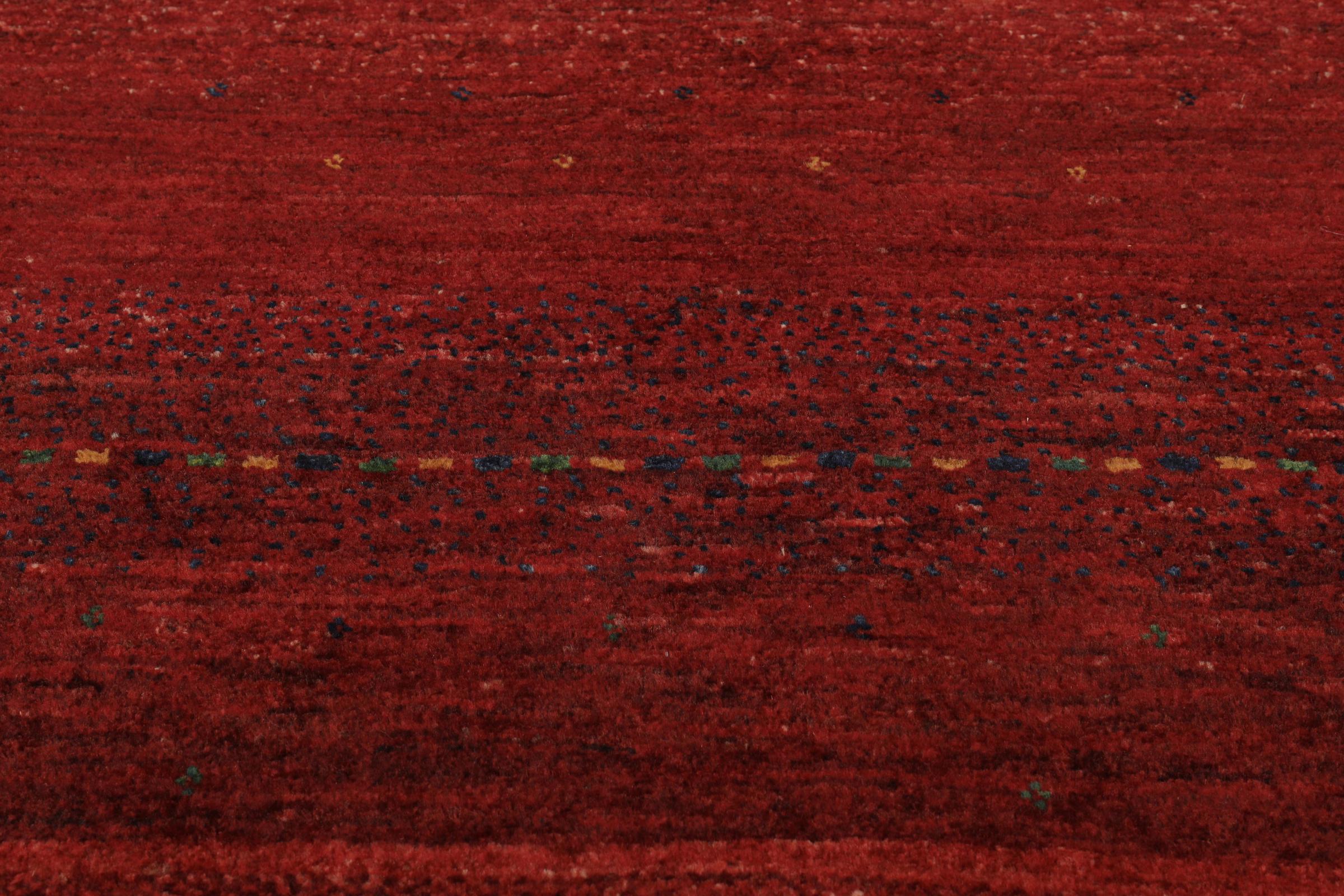
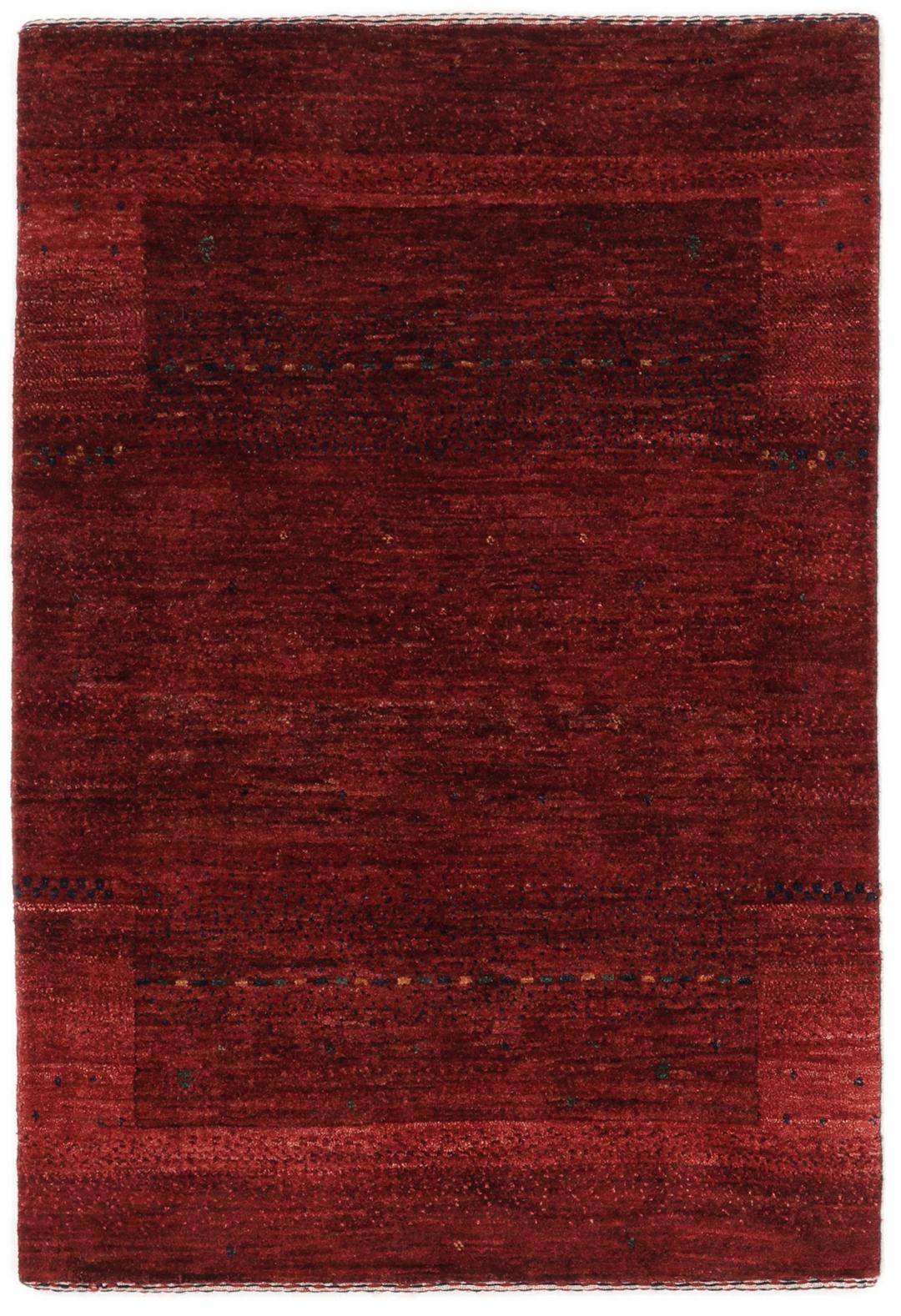
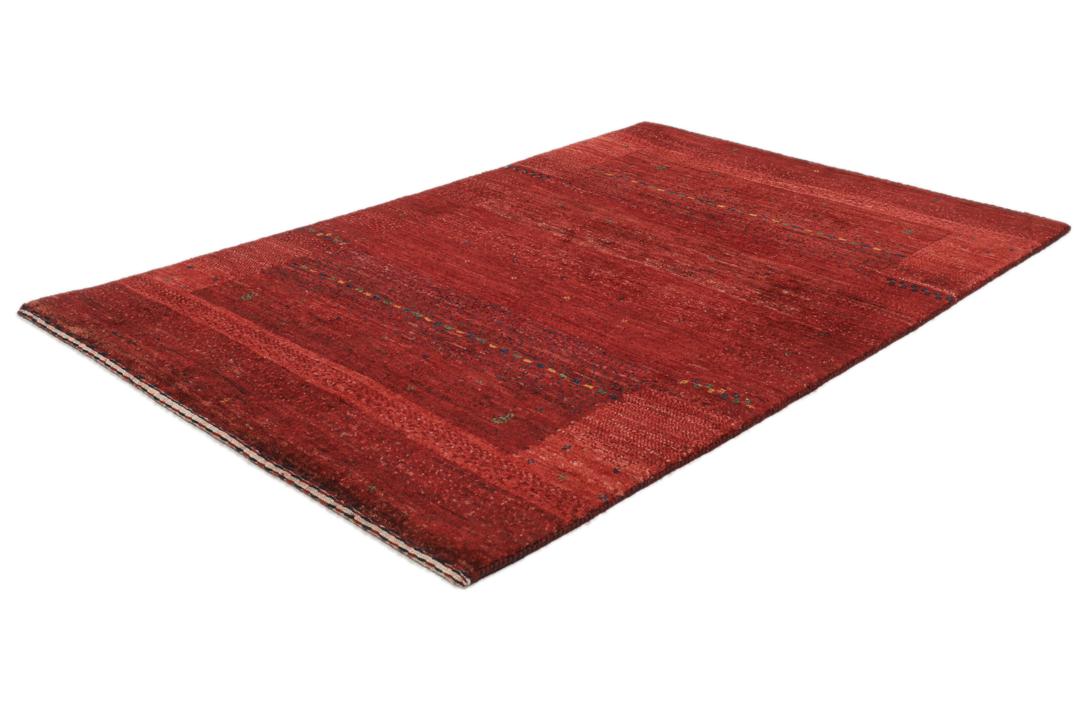
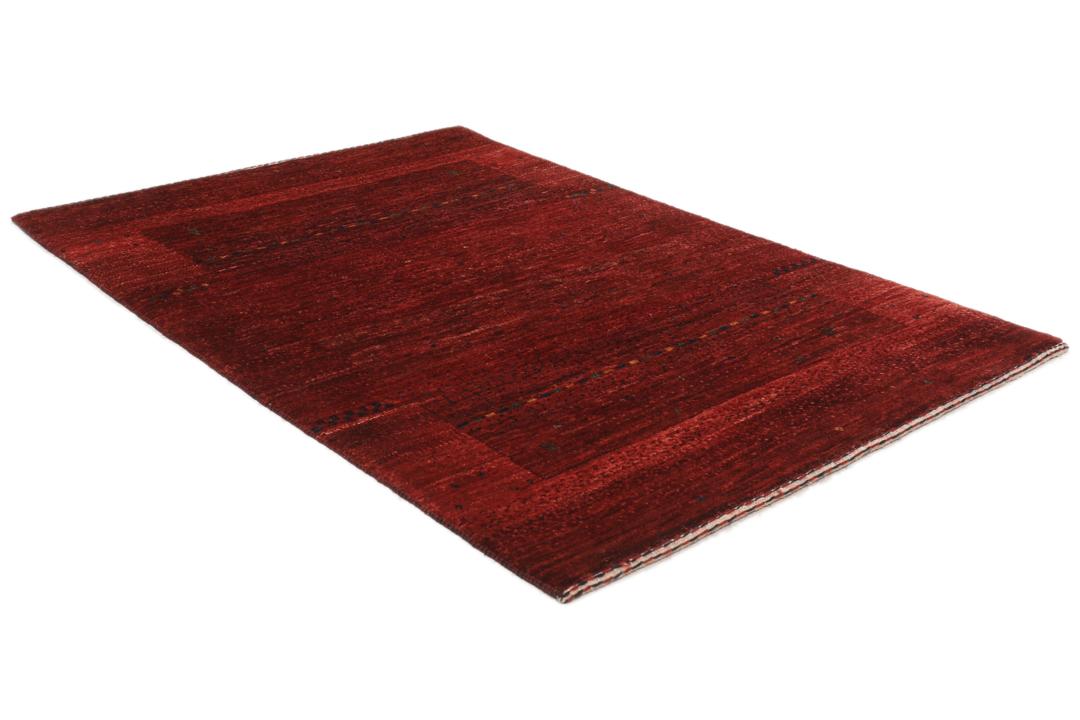
The Loribaft style originates from the tribal regions of the Middle East, where the art of weaving has been passed down through generations. These rugs are deeply connected to the nomadic traditions of the region, reflecting a history of craft that values both utility and the expression of cultural identity through intricate, symbolic design.
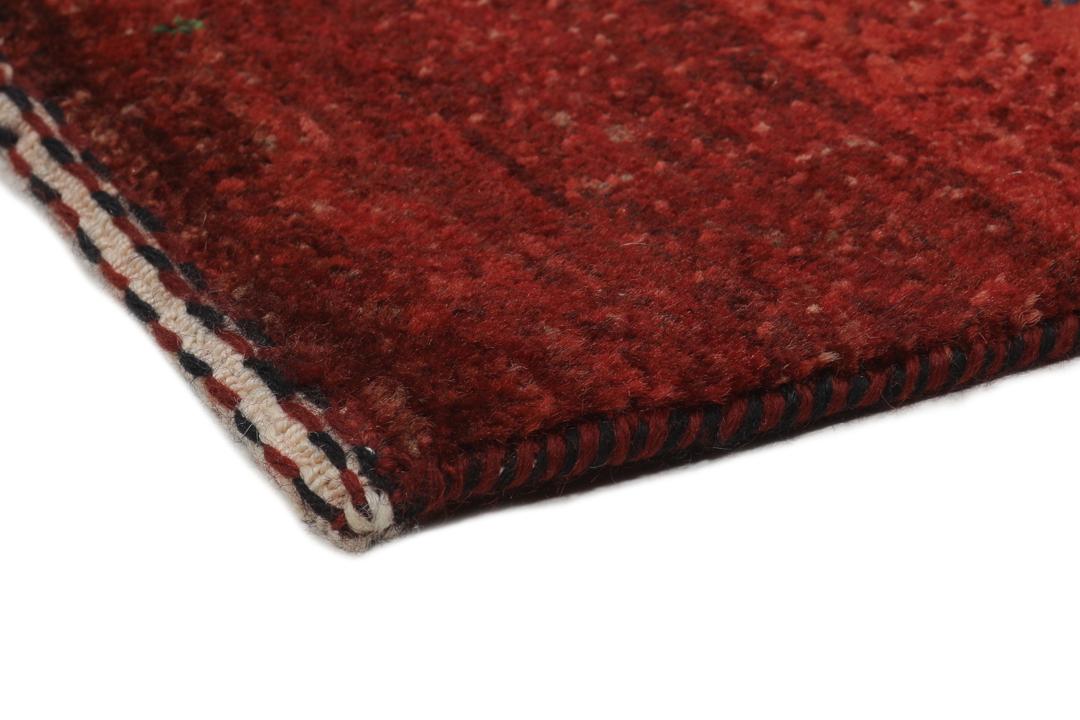
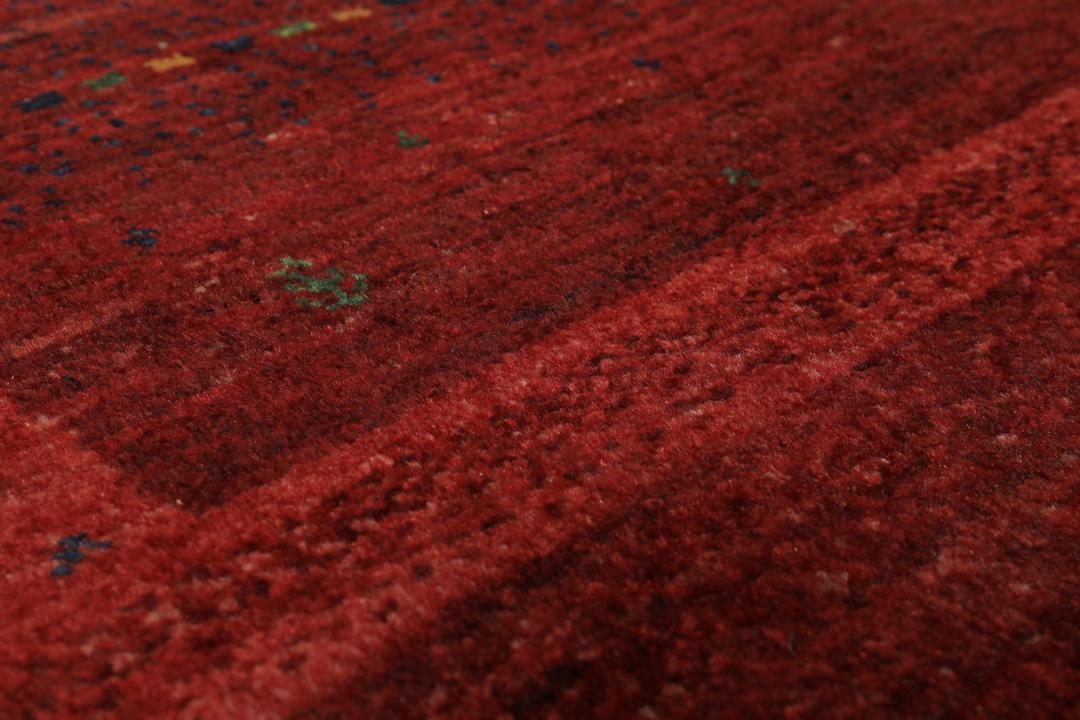
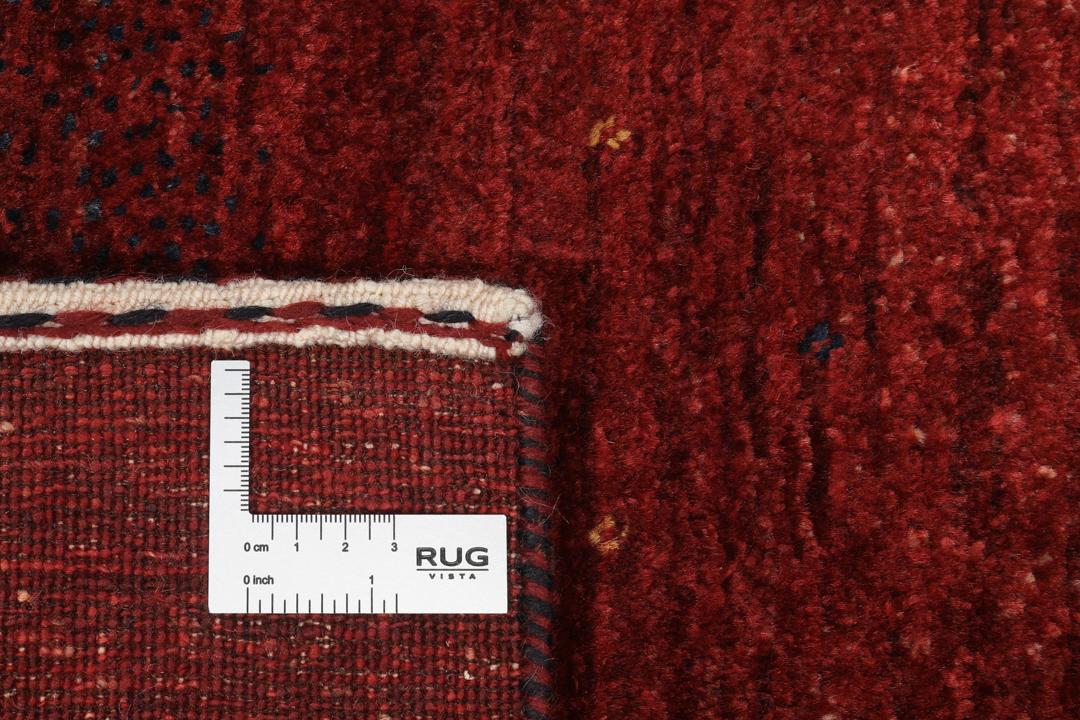
The term Loribaft refers to a specific, more refined approach to traditional tribal weaving. Unlike coarser, more rustic styles, Loribaft rugs are known for their denser, more luxurious pile and a clearer, more polished finish. This refinement in technique allows for a more sophisticated look that bridges the gap between ancient tribal aesthetics and modern interior needs.
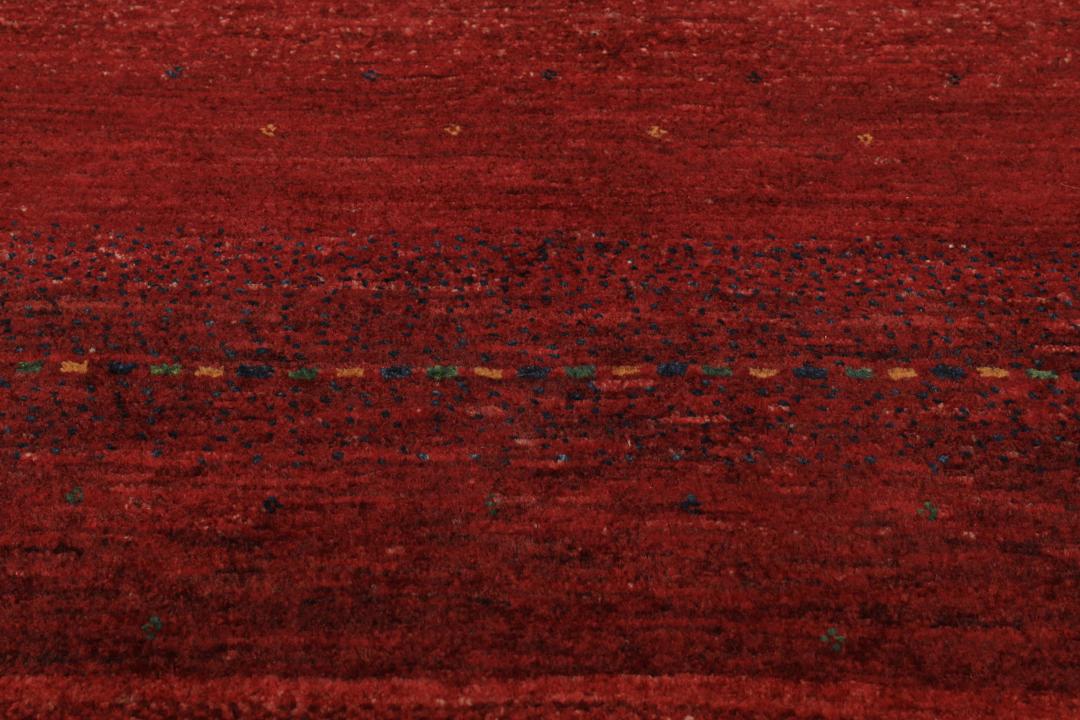
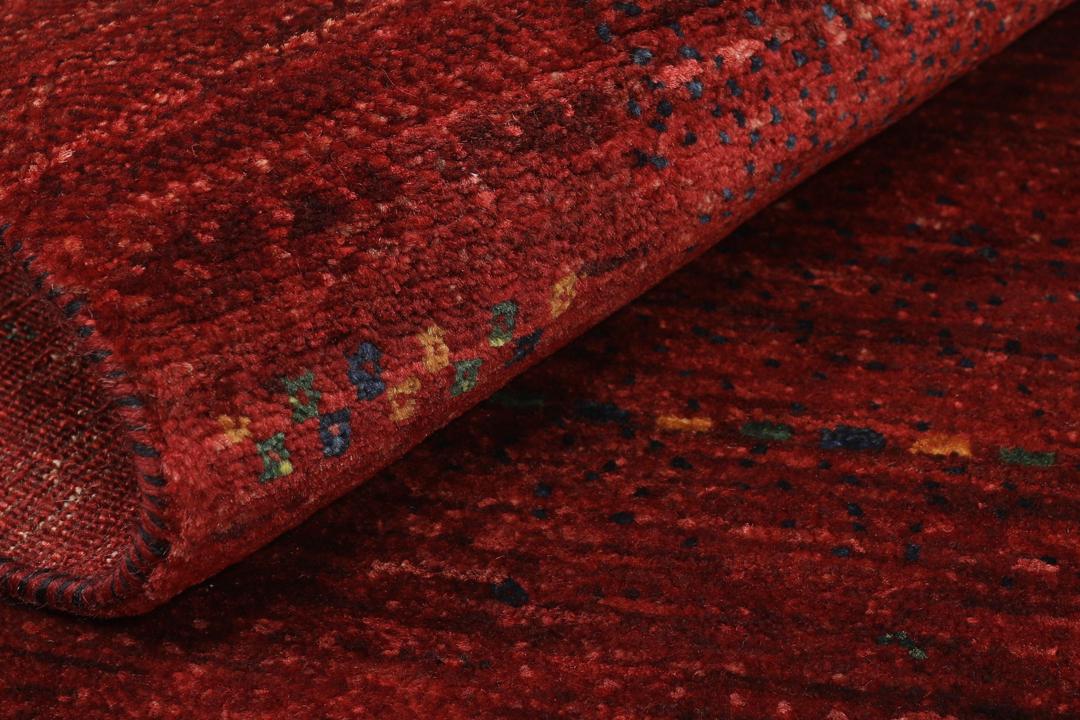
Visually, these rugs are often defined by their minimalist approach, focusing on the beauty of the material and the depth of the colour rather than complex, overcrowded patterns. While they may incorporate subtle, stylized motifs inspired by nature or tribal geometry, the field is often left open to allow the rich, hand-dyed colours to take centre stage.
Owning a piece from this tradition is a way to connect with a long-standing heritage of craft. These rugs are highly valued by collectors not just for their aesthetic appeal, but for the human story behind every knot. They represent a commitment to preserving traditional methods in a fast-paced world, making every rug a meaningful investment in art and history.