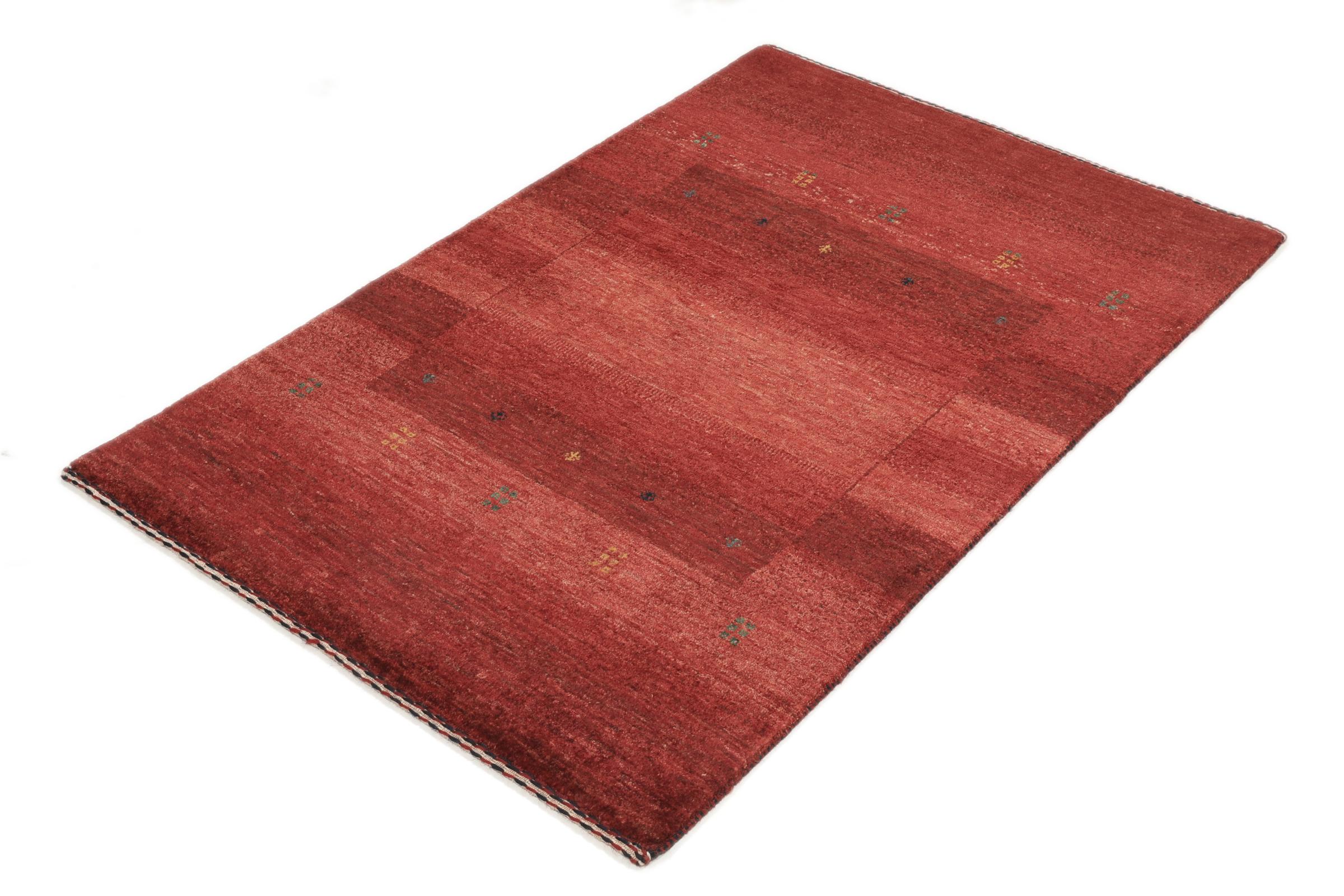
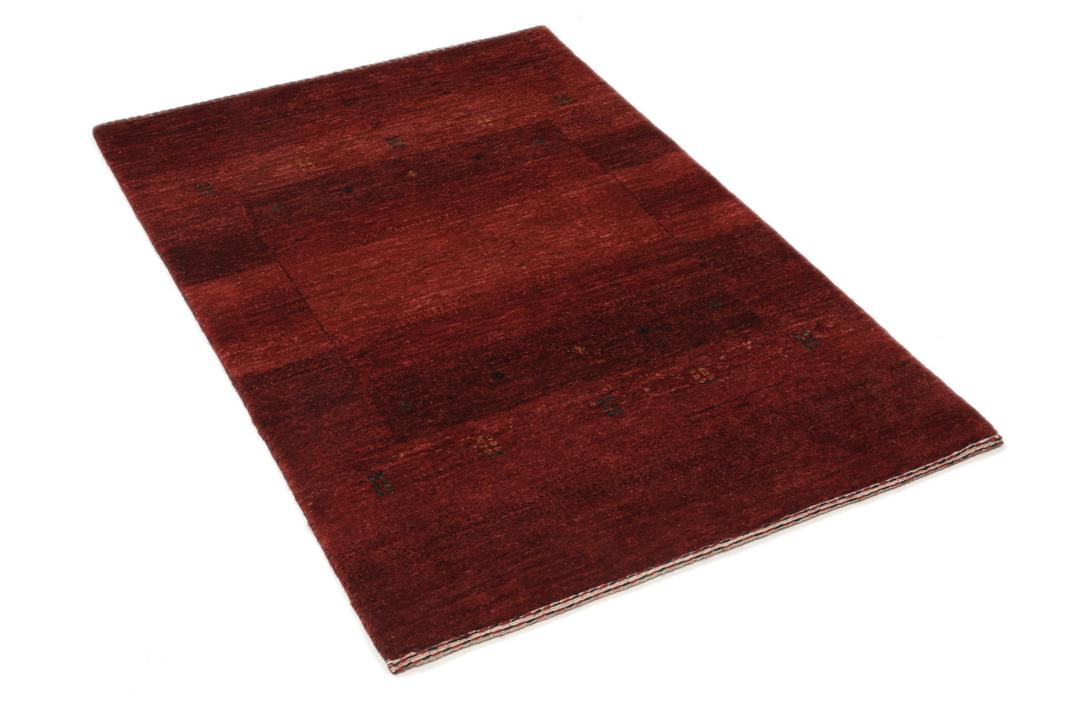
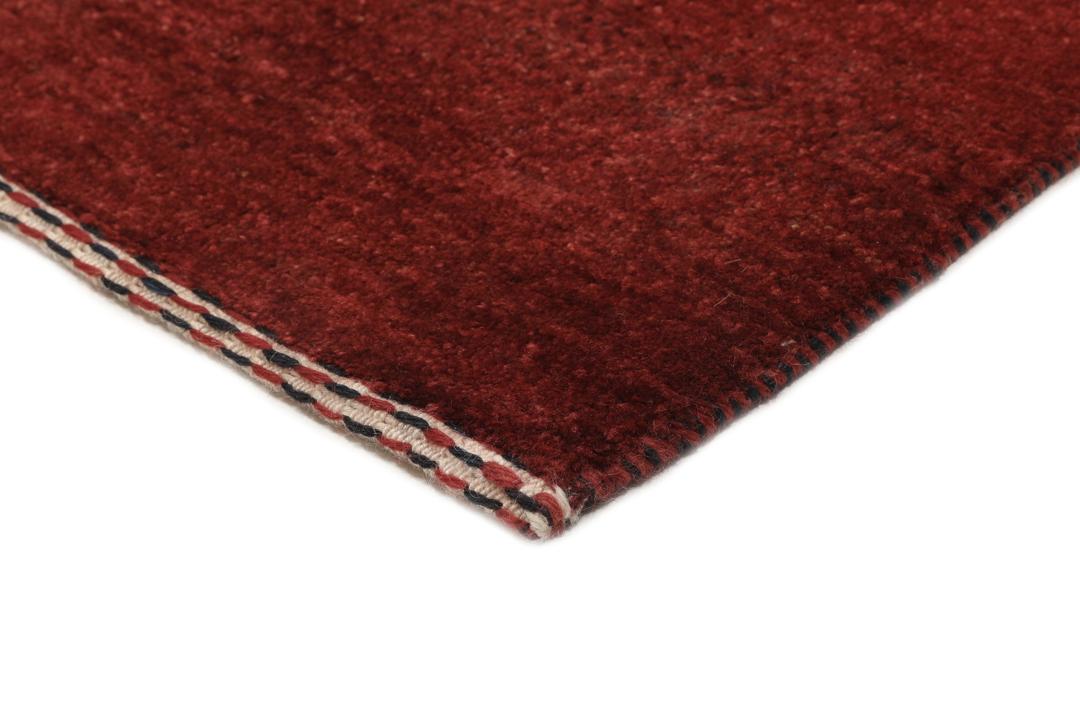
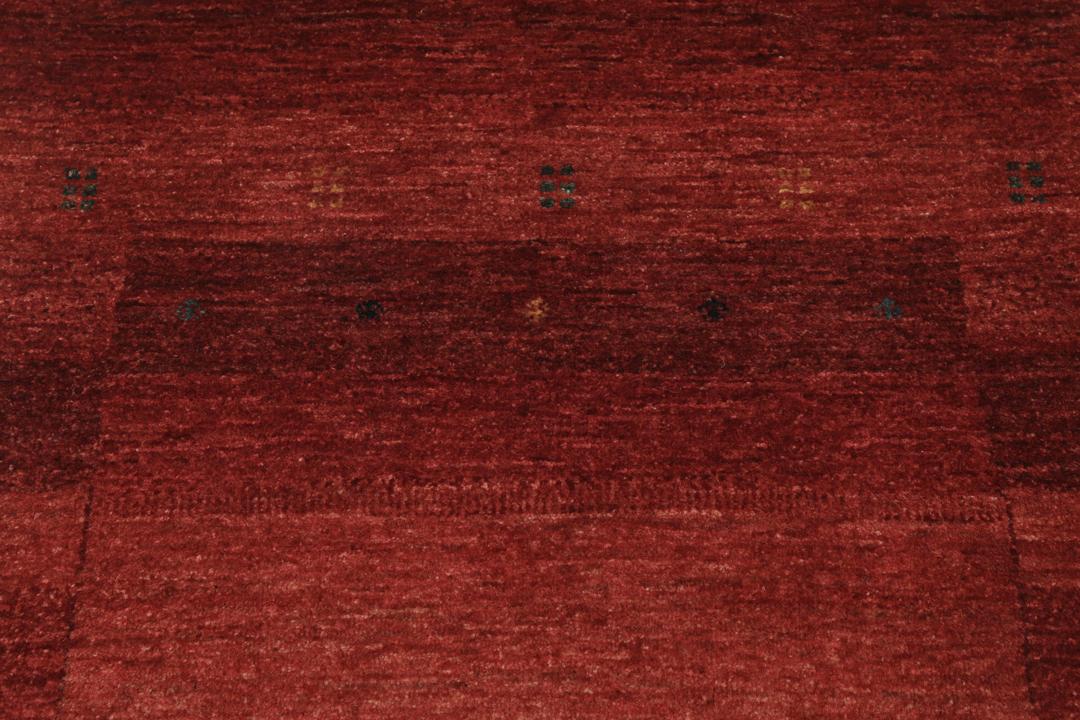
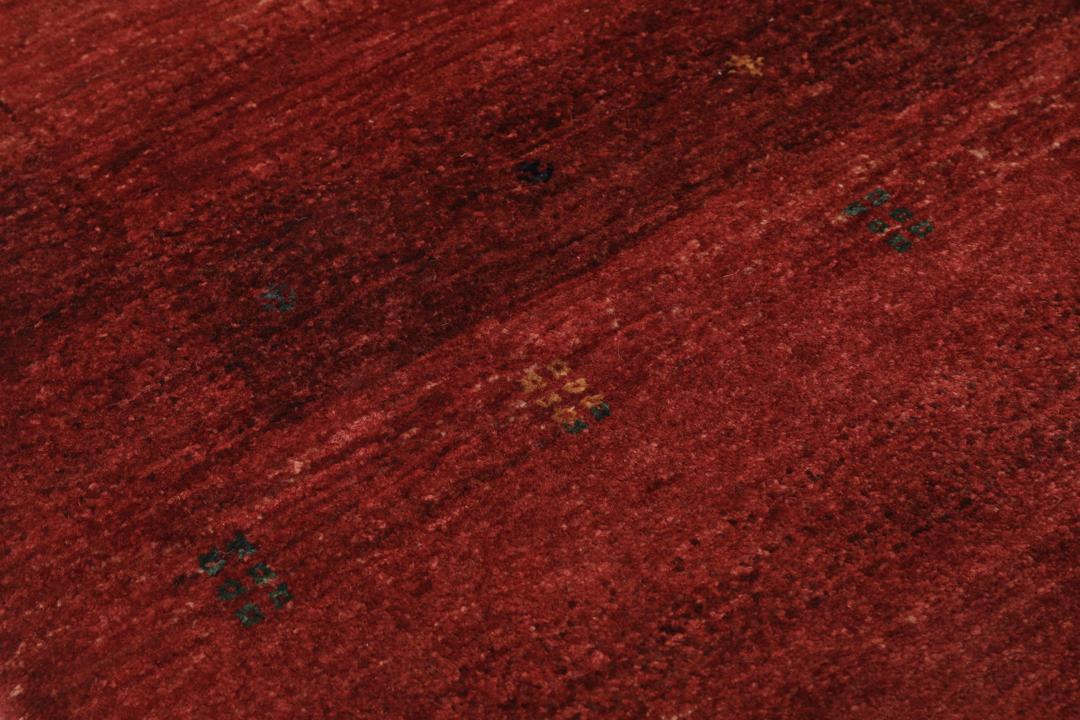
The Loribaft rug tradition originates from the tribal regions of the Middle East, where the nomadic Luri people have long produced textiles known for their simplicity and warmth. These rugs are deeply tied to the lifestyle of their makers, often reflecting the rugged landscapes and the cultural stories of the tribes that created them.
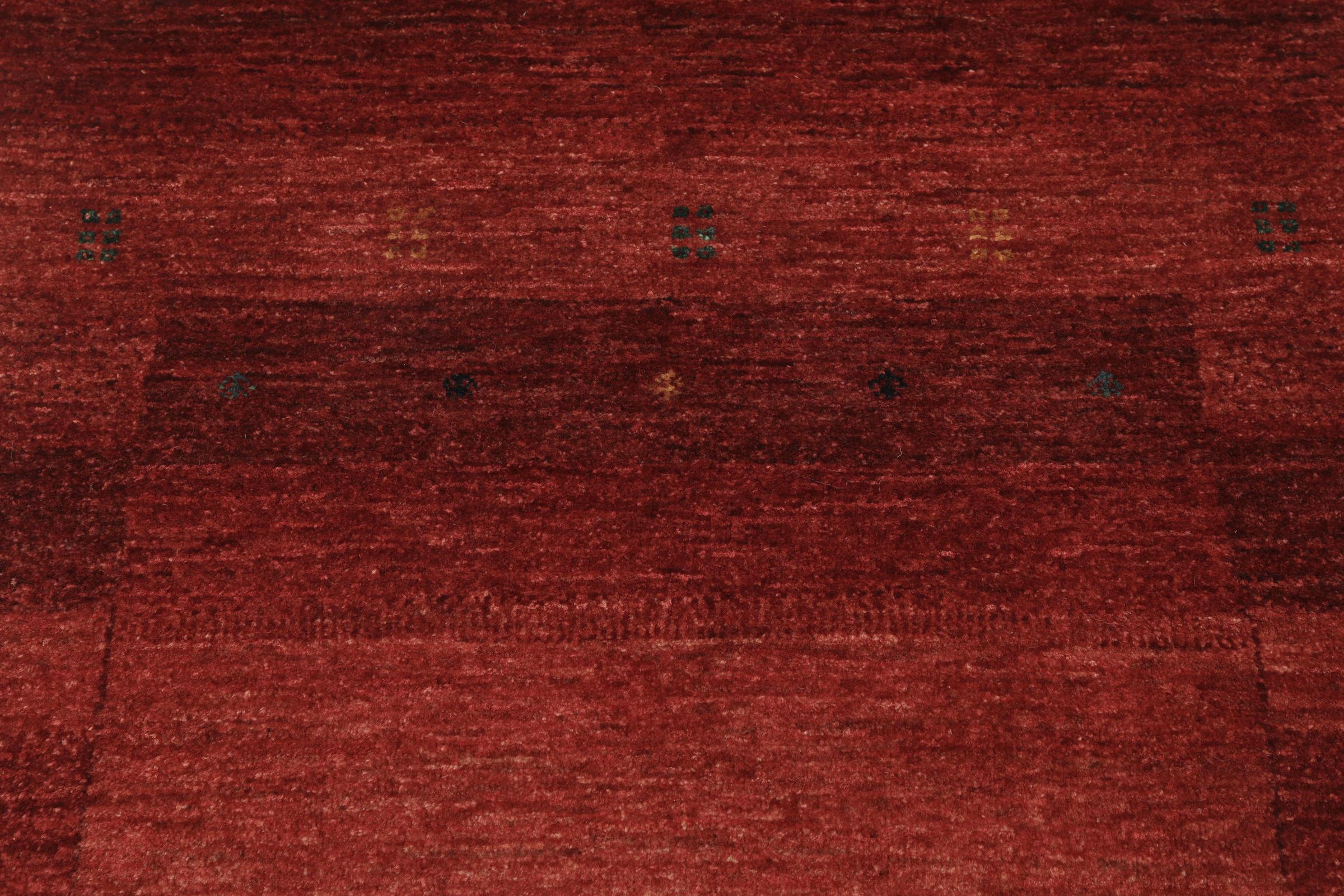
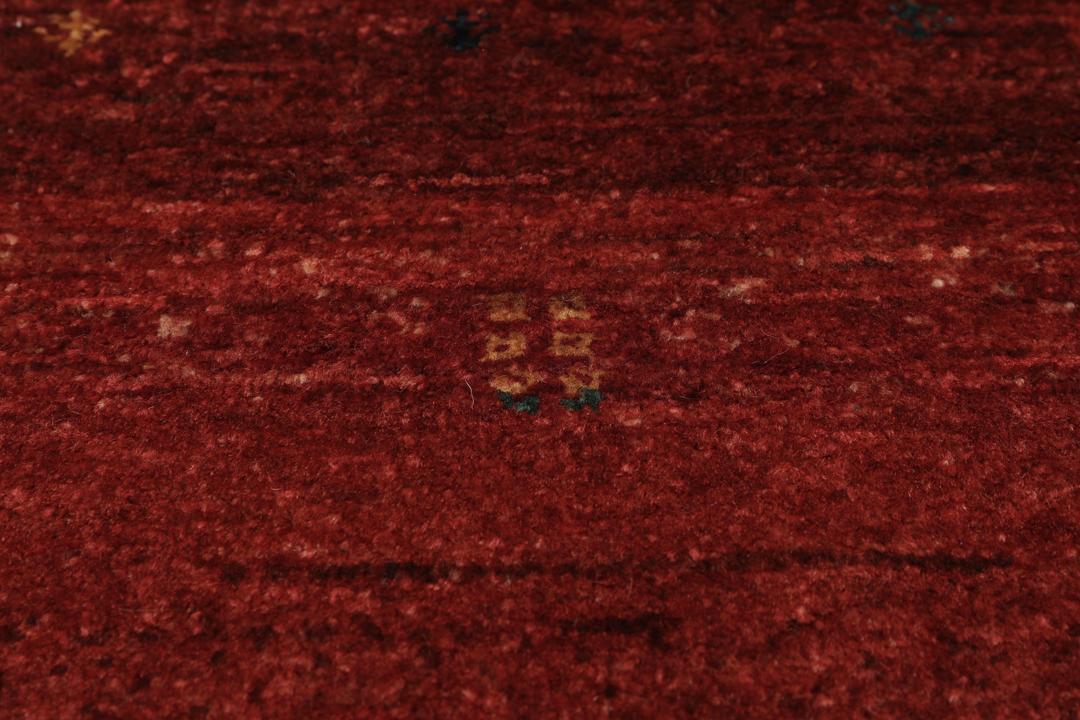
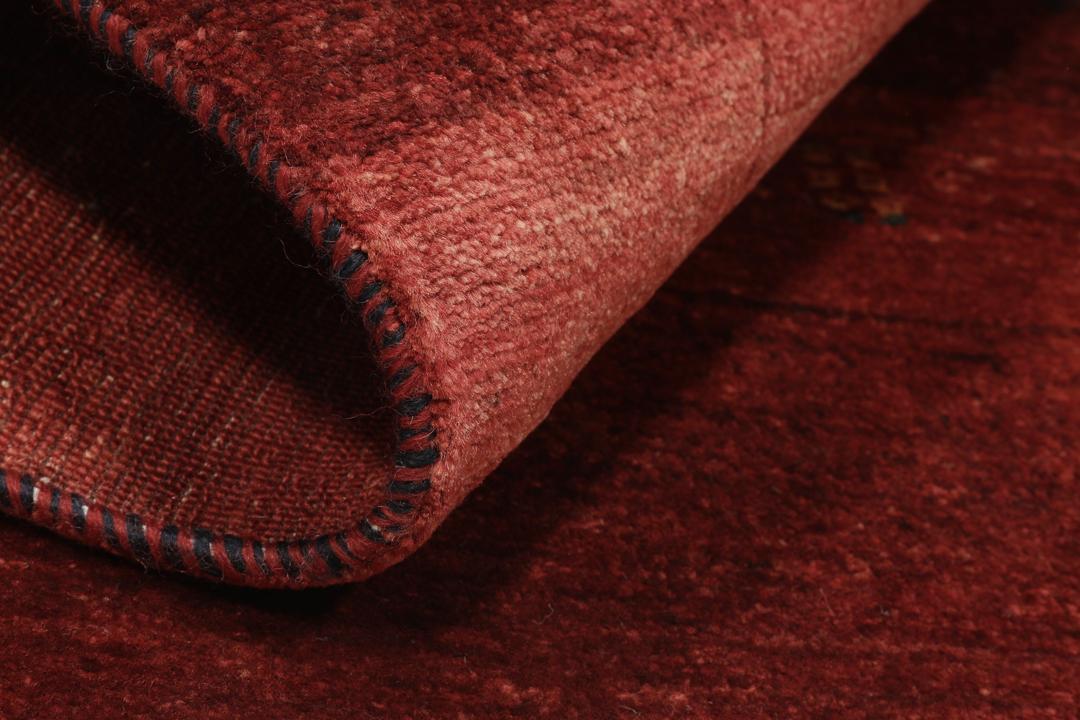
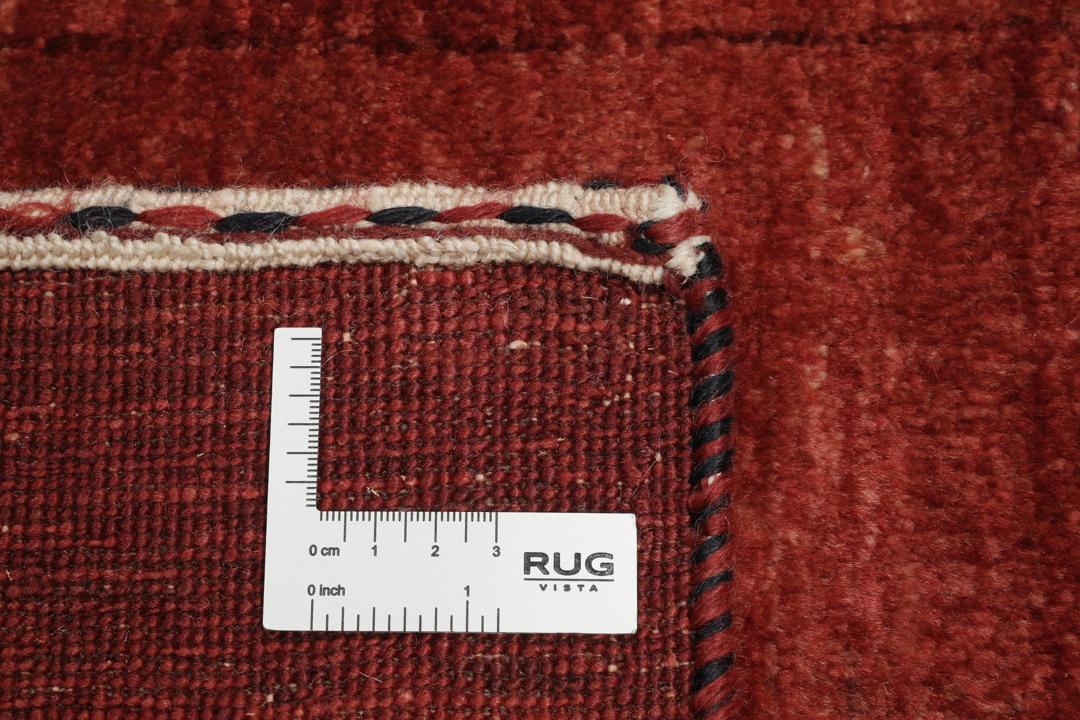
The term 'Loribaft' refers to a specific style of knotting that emphasises a thick, plush pile. This construction is highly valued not just for its comfort, but for the way it captures and reflects light, giving the deep red dyes a vibrant, living quality. The dense knotting ensures that these rugs are robust and capable of serving a family for many years.
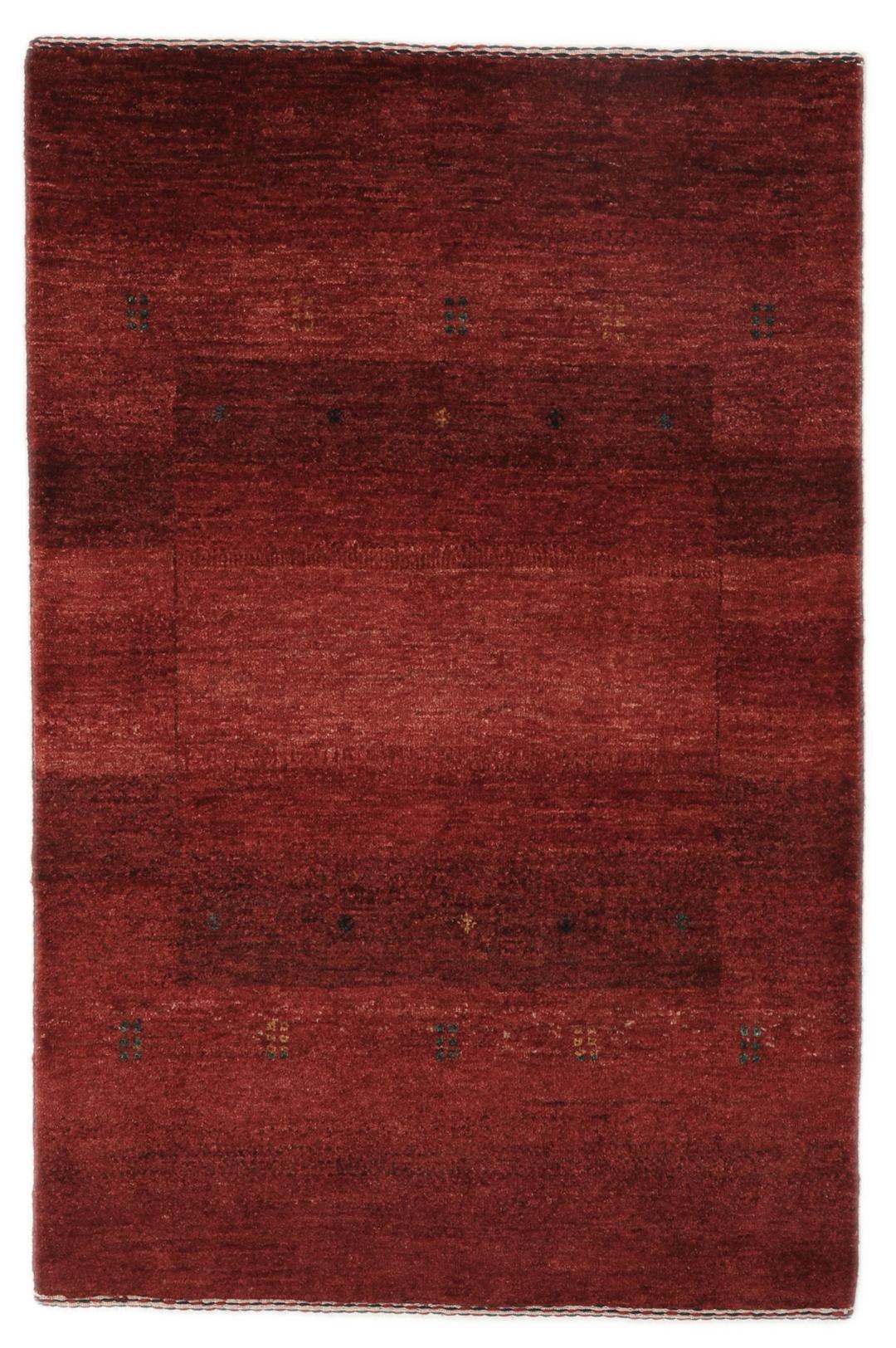
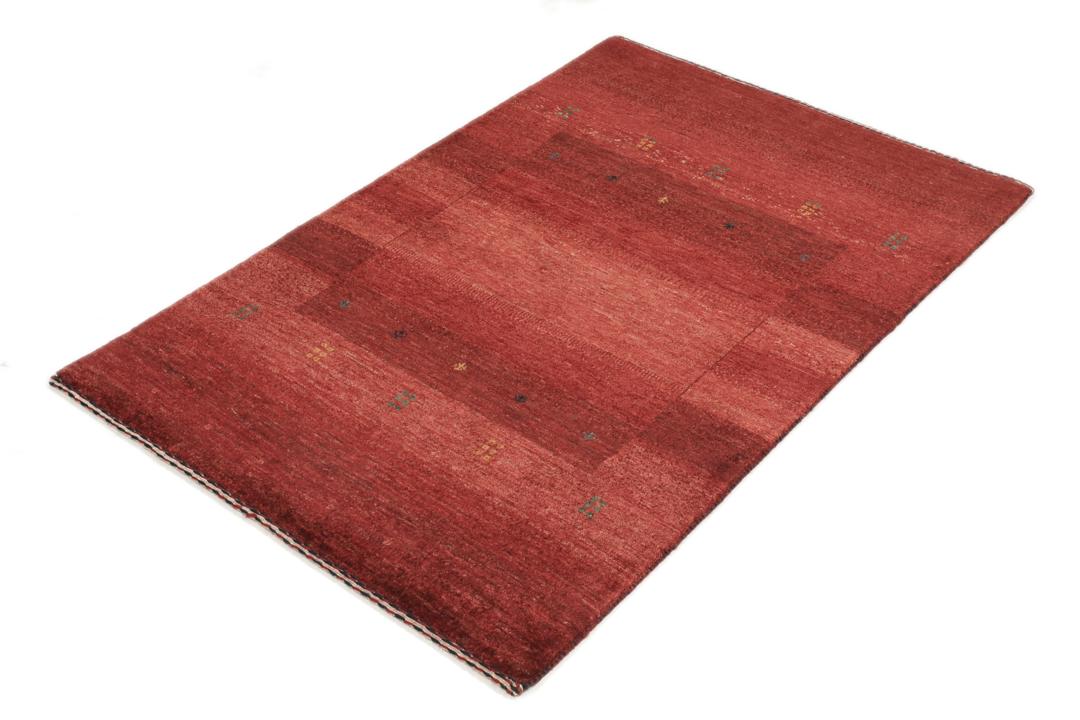
Visually, Loribaft rugs are celebrated for their minimalist aesthetic. Unlike more intricate styles, they often feature vast, open fields of solid or subtly modulated colours, occasionally accented by sparse, symbolic geometric motifs. This restraint in design allows the natural beauty of the Wool and the richness of the traditional dyes to take centre stage.
Collecting a rug from this tradition is an act of preserving a heritage of skill and artistic independence. These pieces are not merely floor coverings but are recognised by enthusiasts for their cultural weight and the honest, unhurried nature of their production. Owning one is a testament to the appreciation of slow, deliberate craft.