Loribaft rugs are celebrated for their connection to the nomadic weaving traditions of the Middle East. These rugs are deeply rooted in the cultural heritage of tribal groups who have passed down their weaving knowledge through generations. The evolution of these rugs has seen them move from purely functional nomadic floor coverings to highly sought-after pieces of interior design that retain their raw, organic charm.
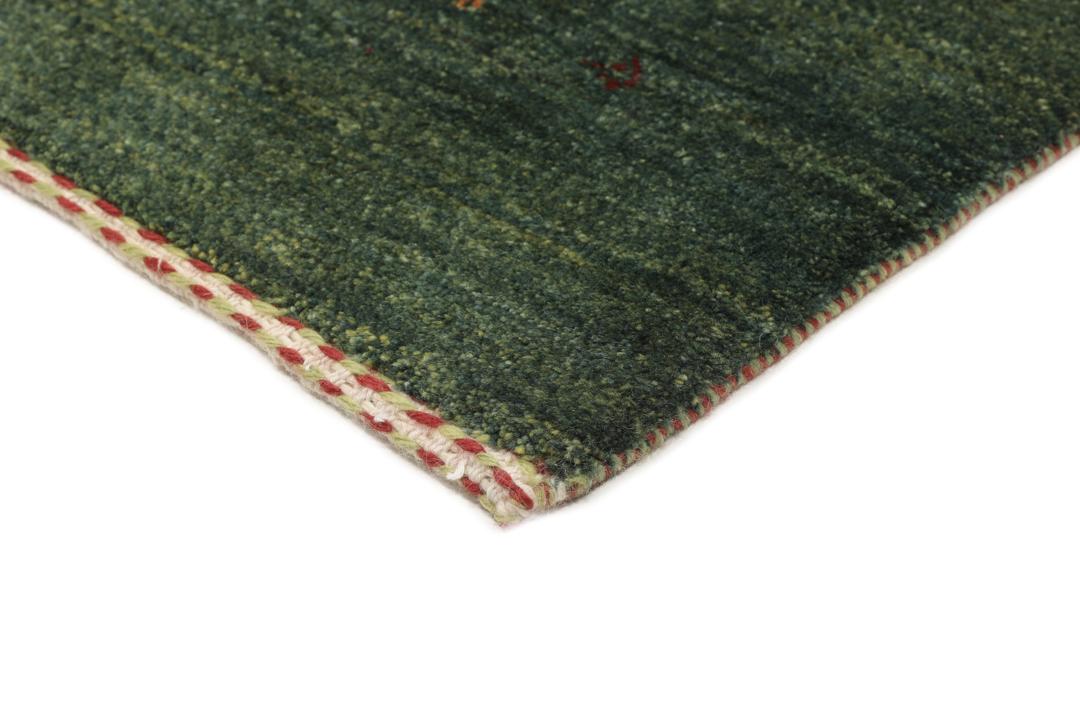
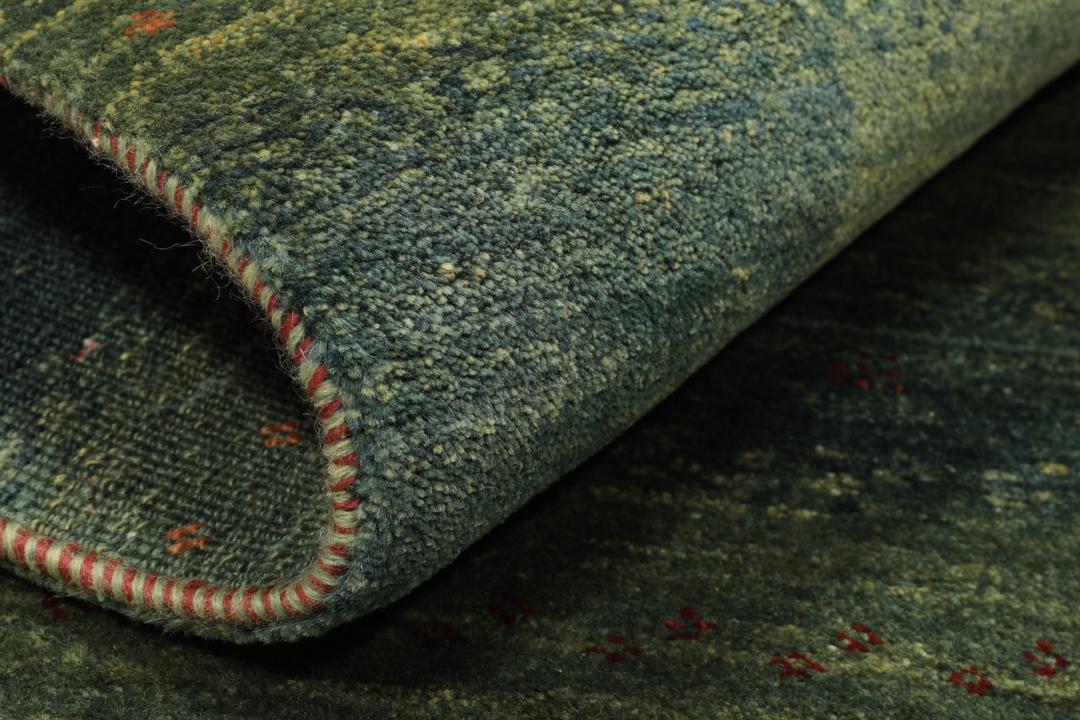
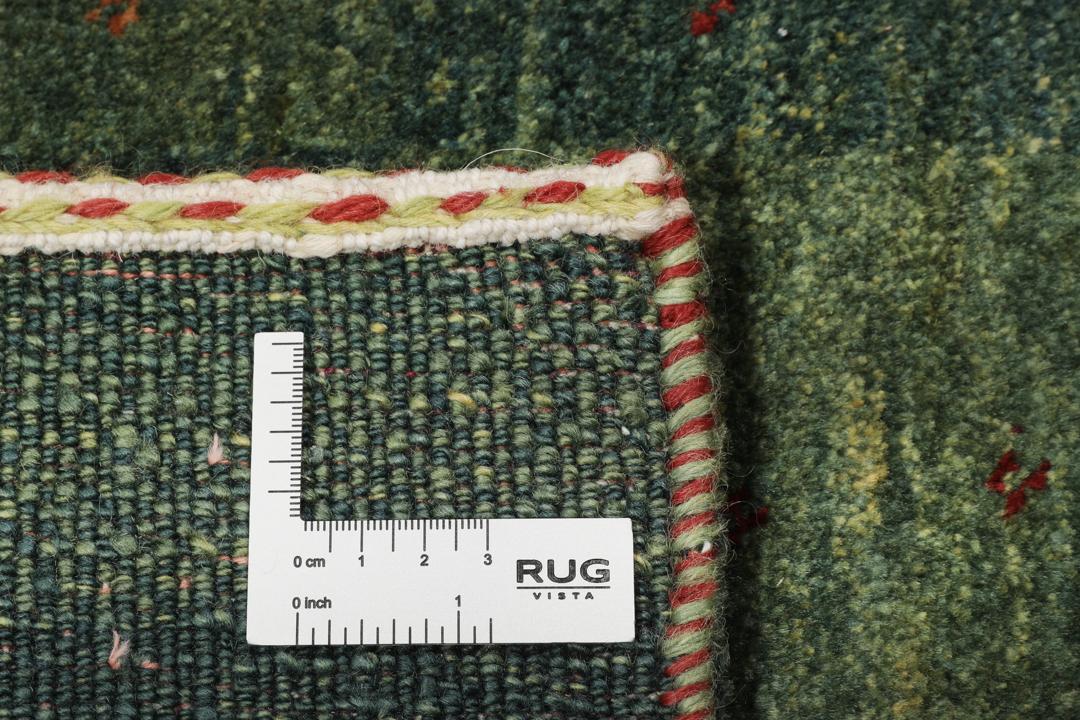
The term Loribaft refers to a style that emphasises a thicker, softer pile and a more simplified, modern aesthetic compared to more intricate traditional designs. The craft relies on the use of high-quality Wool, which is often hand-spun to retain its natural oils, resulting in a lustre and durability that is hard to match. This focus on material quality is what gives these rugs their signature plush feel and long-lasting nature.
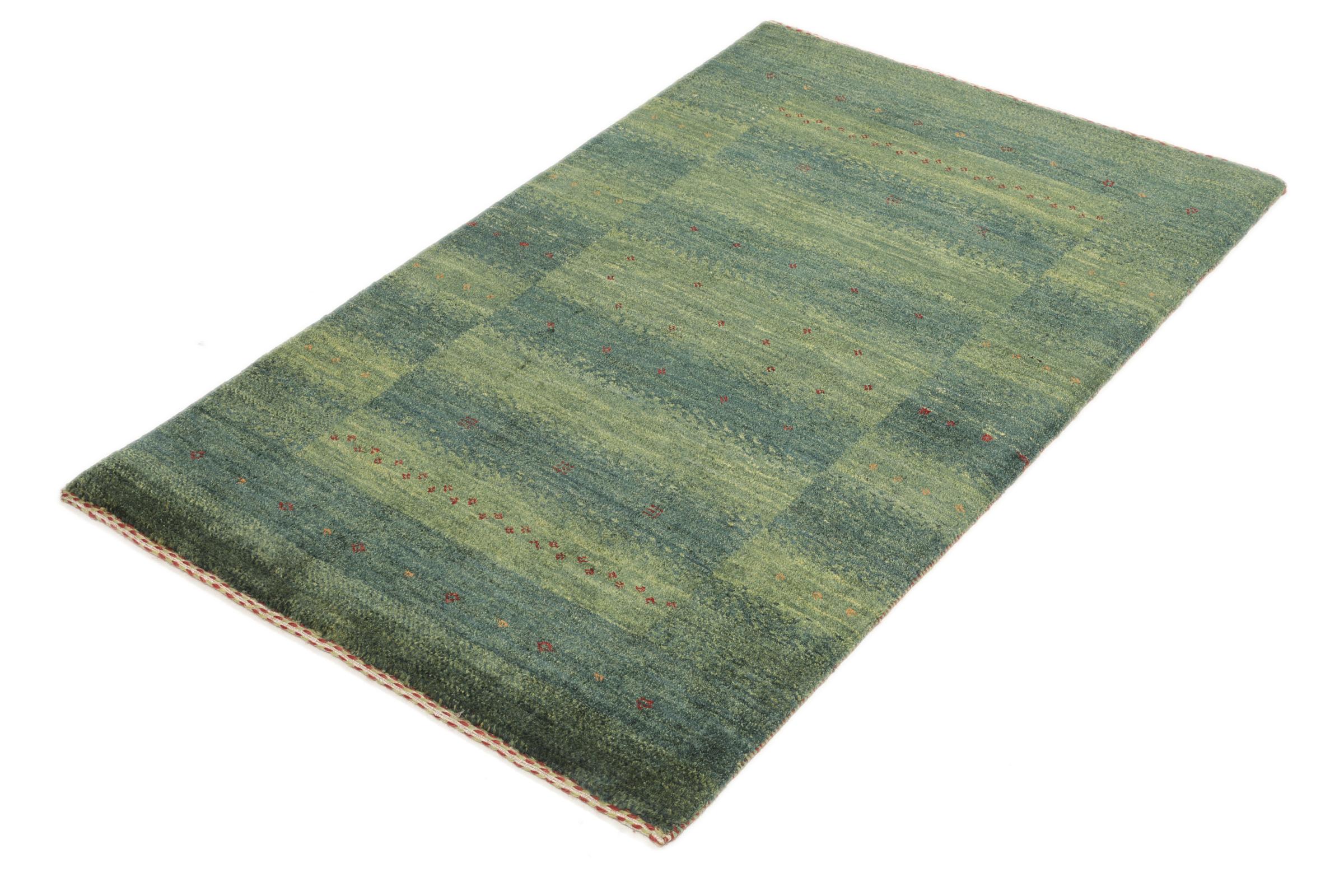
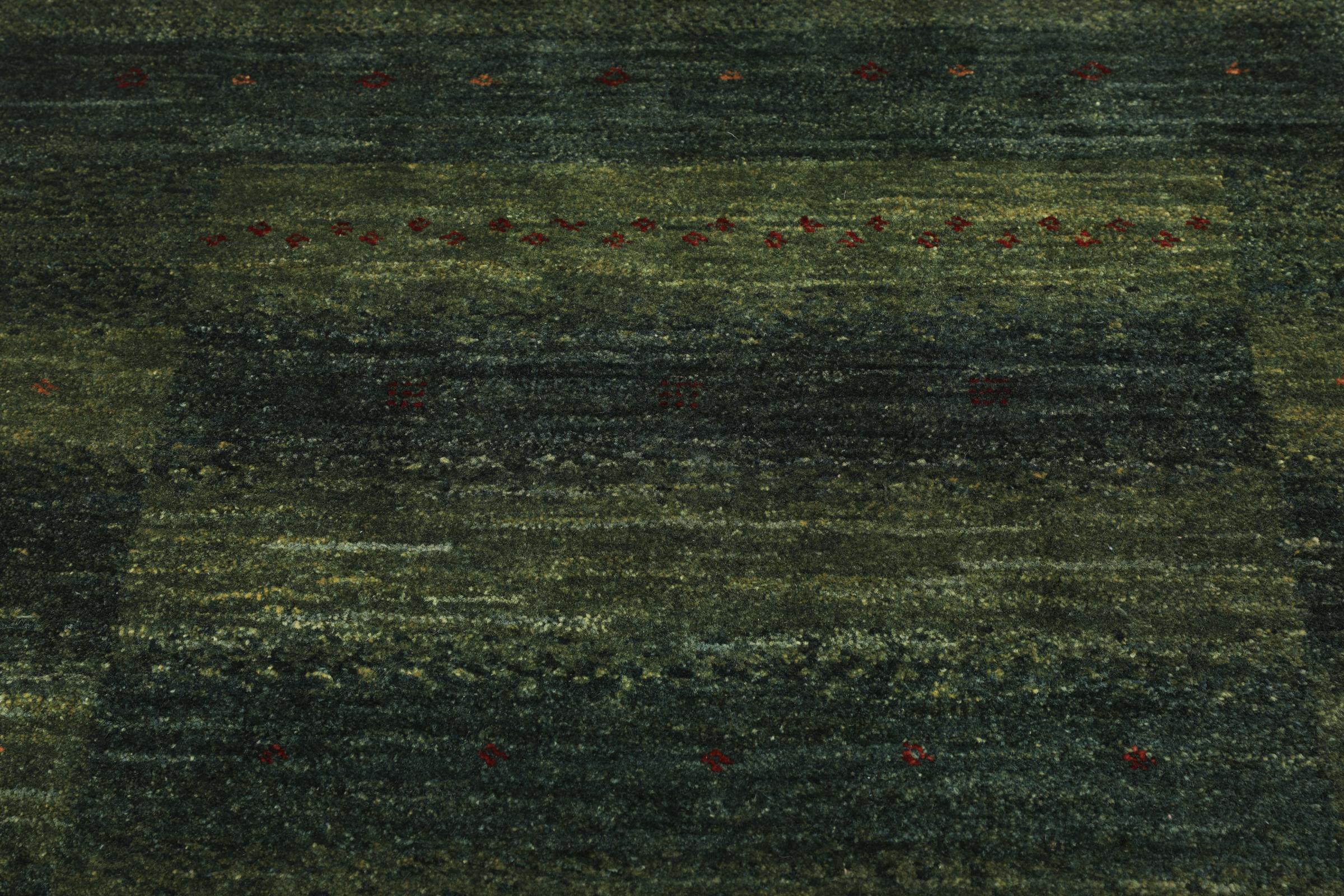
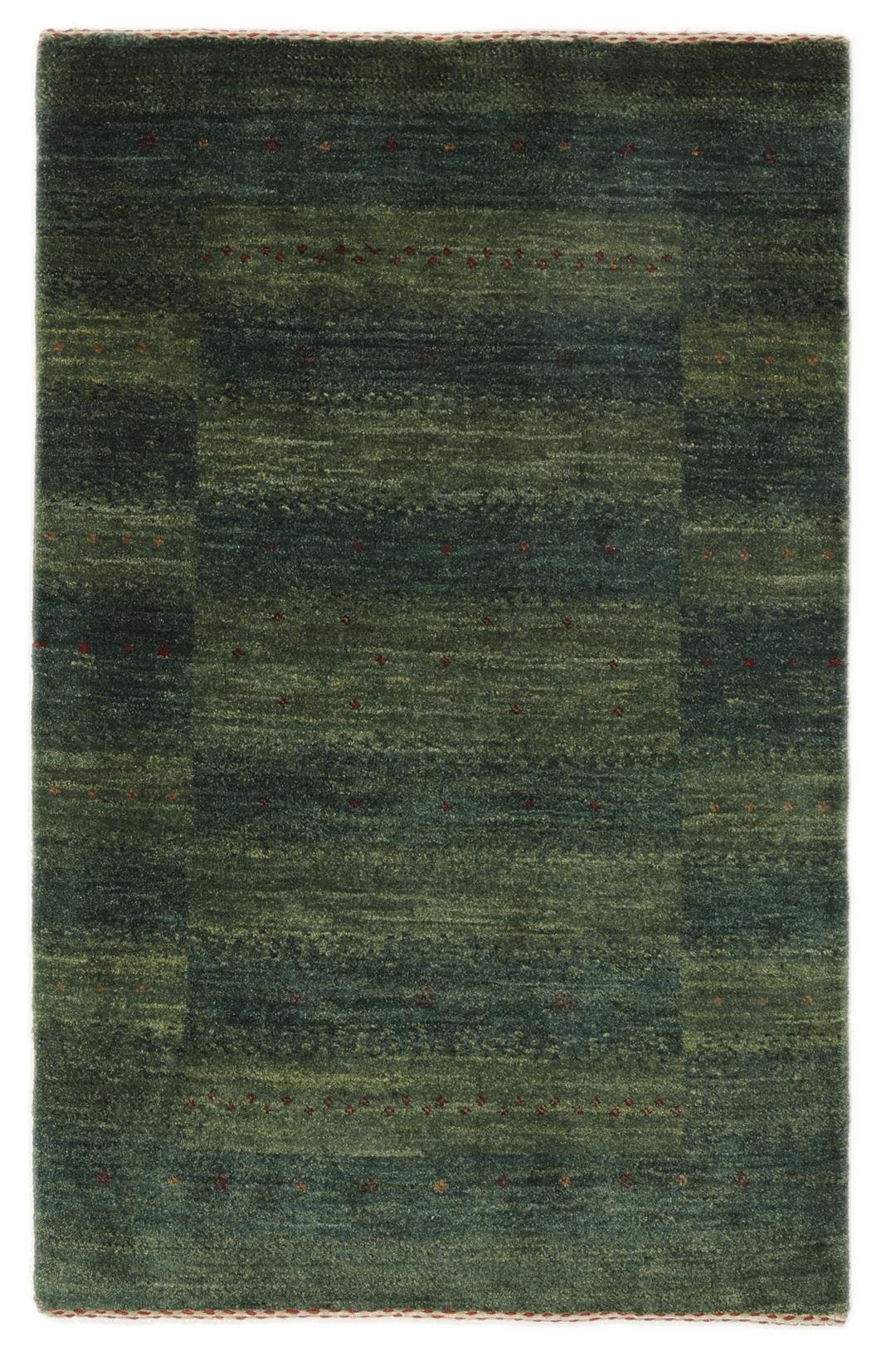
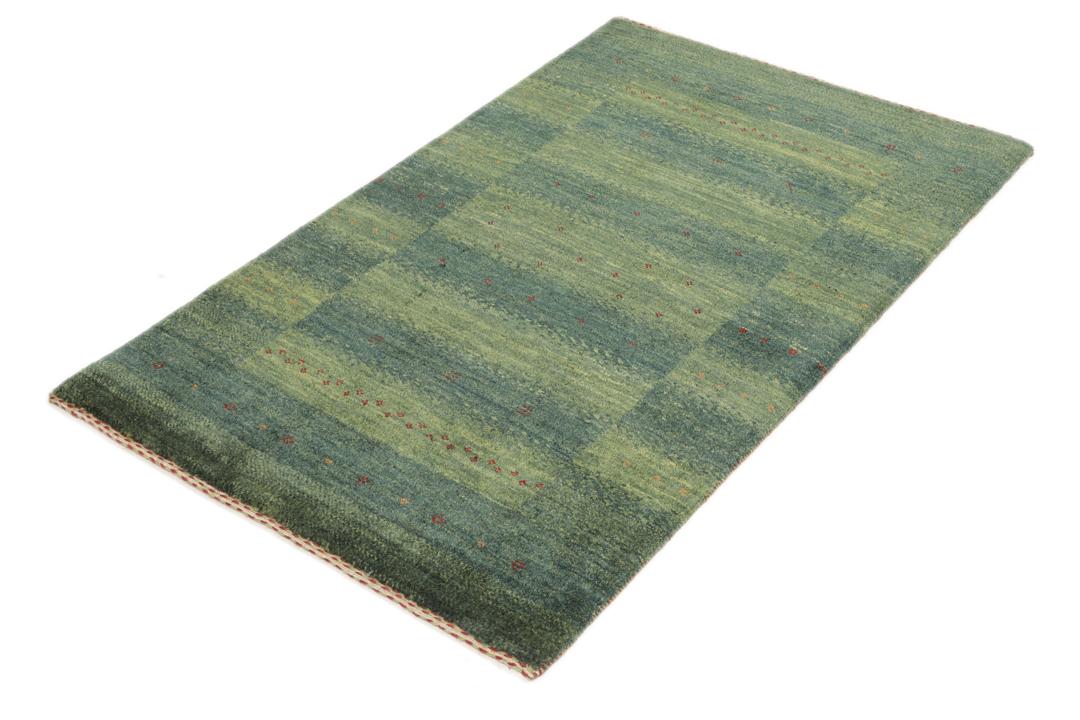
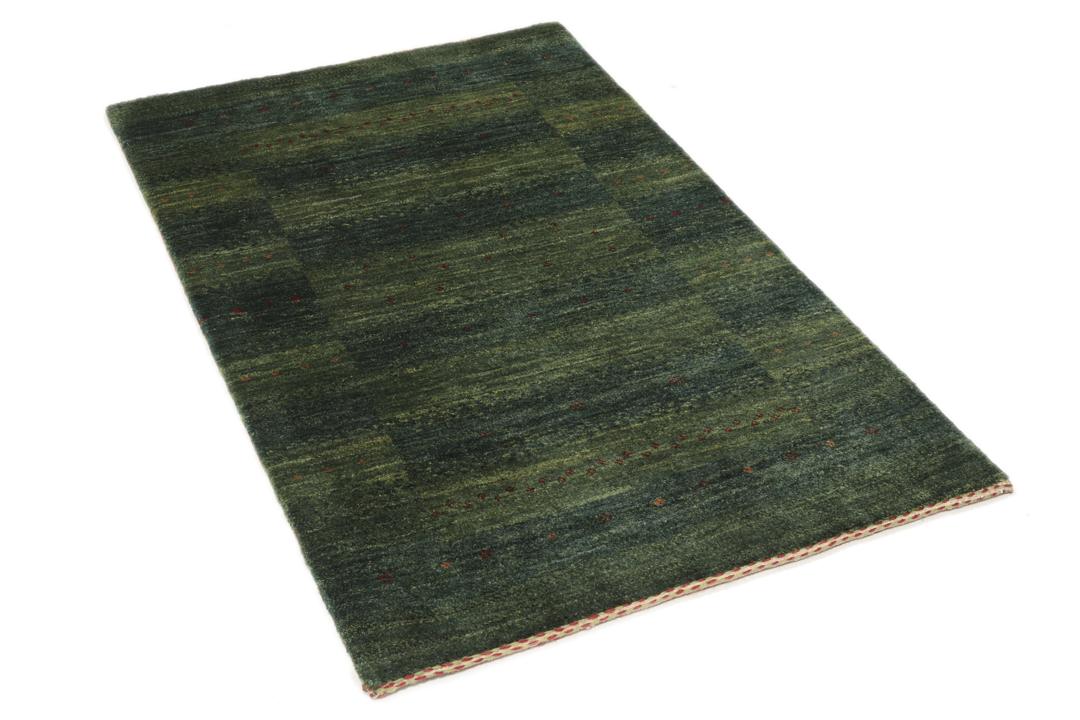
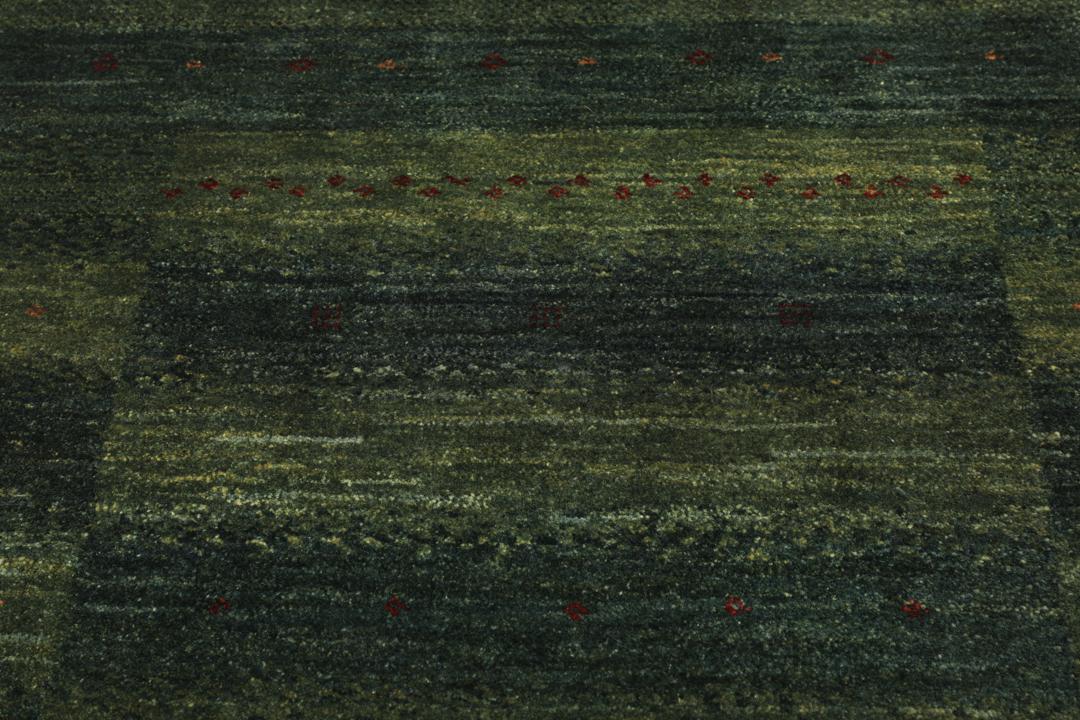
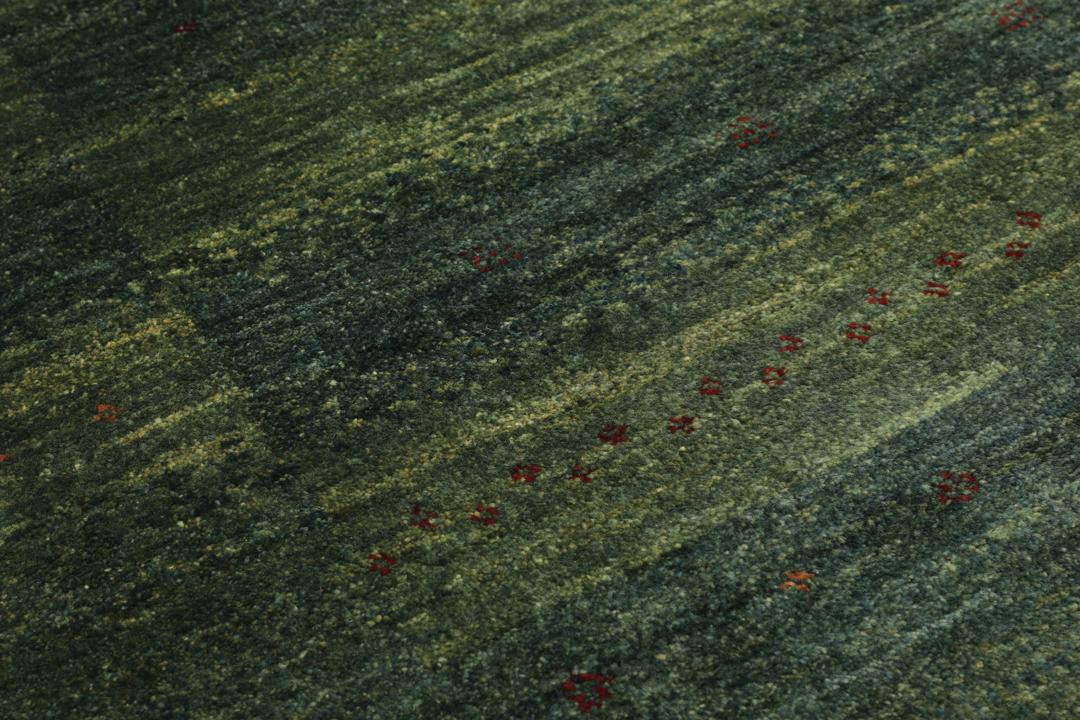
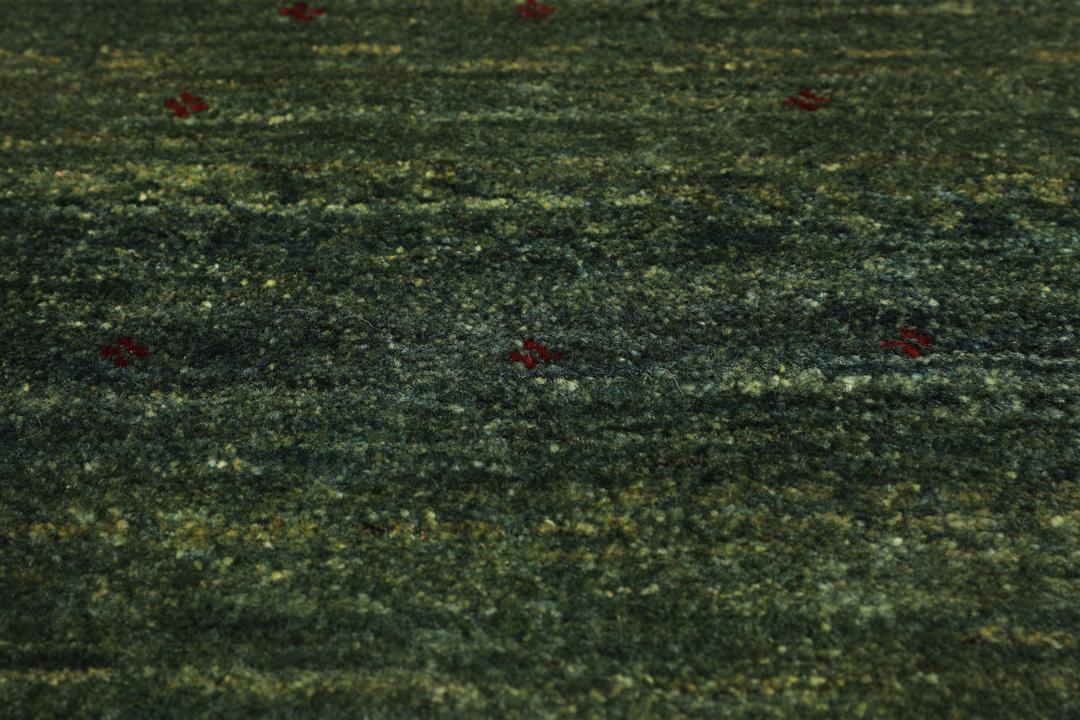
Design-wise, Loribaft rugs are often characterised by their open fields and minimalist approach, occasionally punctuated by small, stylised geometric or floral motifs. The colour palettes are typically derived from natural dyes, yielding deep, earthy, and saturated hues. This rug's deep green field is a testament to this tradition, offering a tranquil backdrop that allows the subtle, sparse patterns to shine without overwhelming the senses.
Collecting a Loribaft rug is an investment in a living history. These pieces are valued not just for their aesthetic appeal, but for the human skill and cultural narrative embedded in every knot. They represent a bridge between ancient craftsmanship and contemporary living, offering a sense of heritage that brings warmth and character to any modern home.