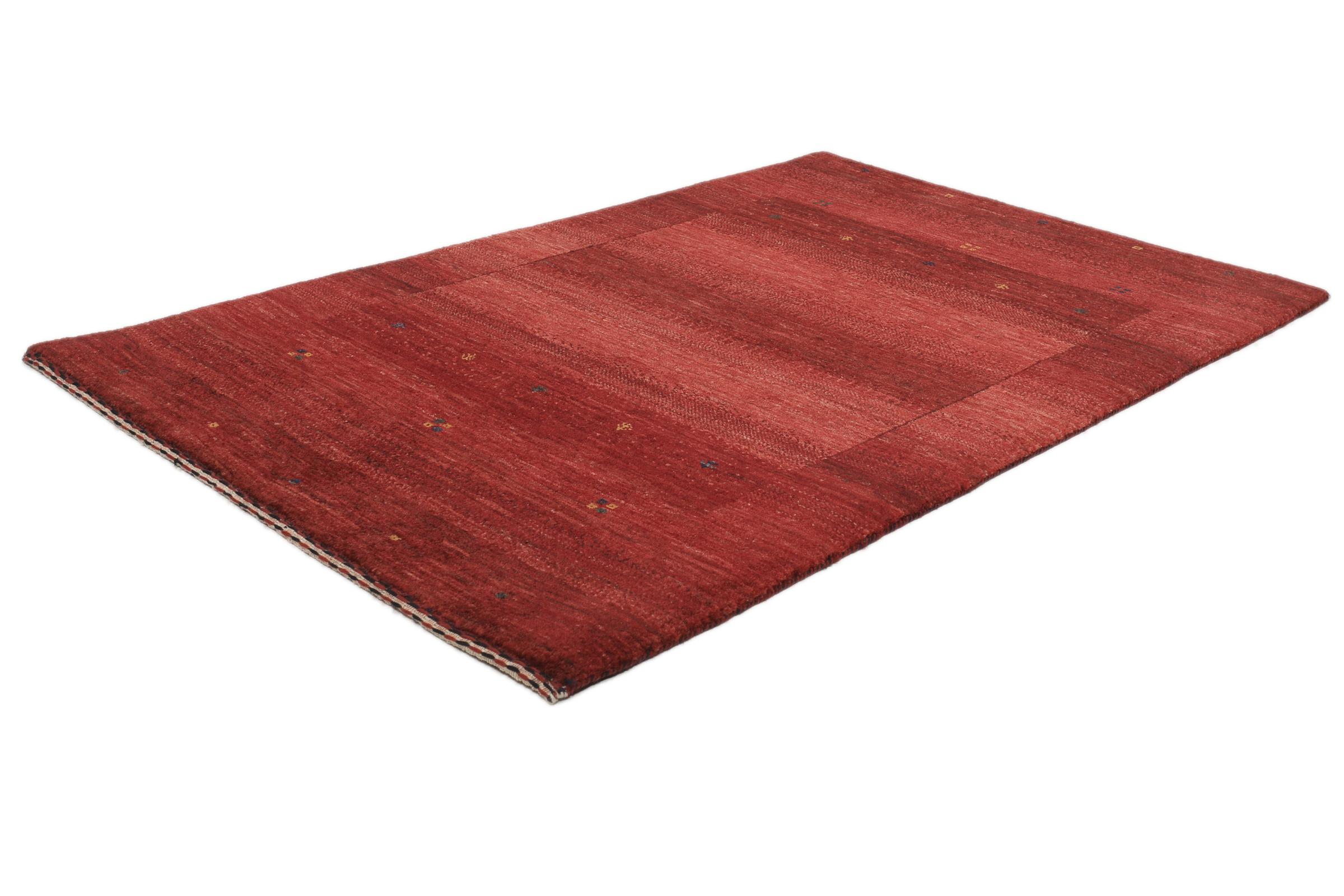
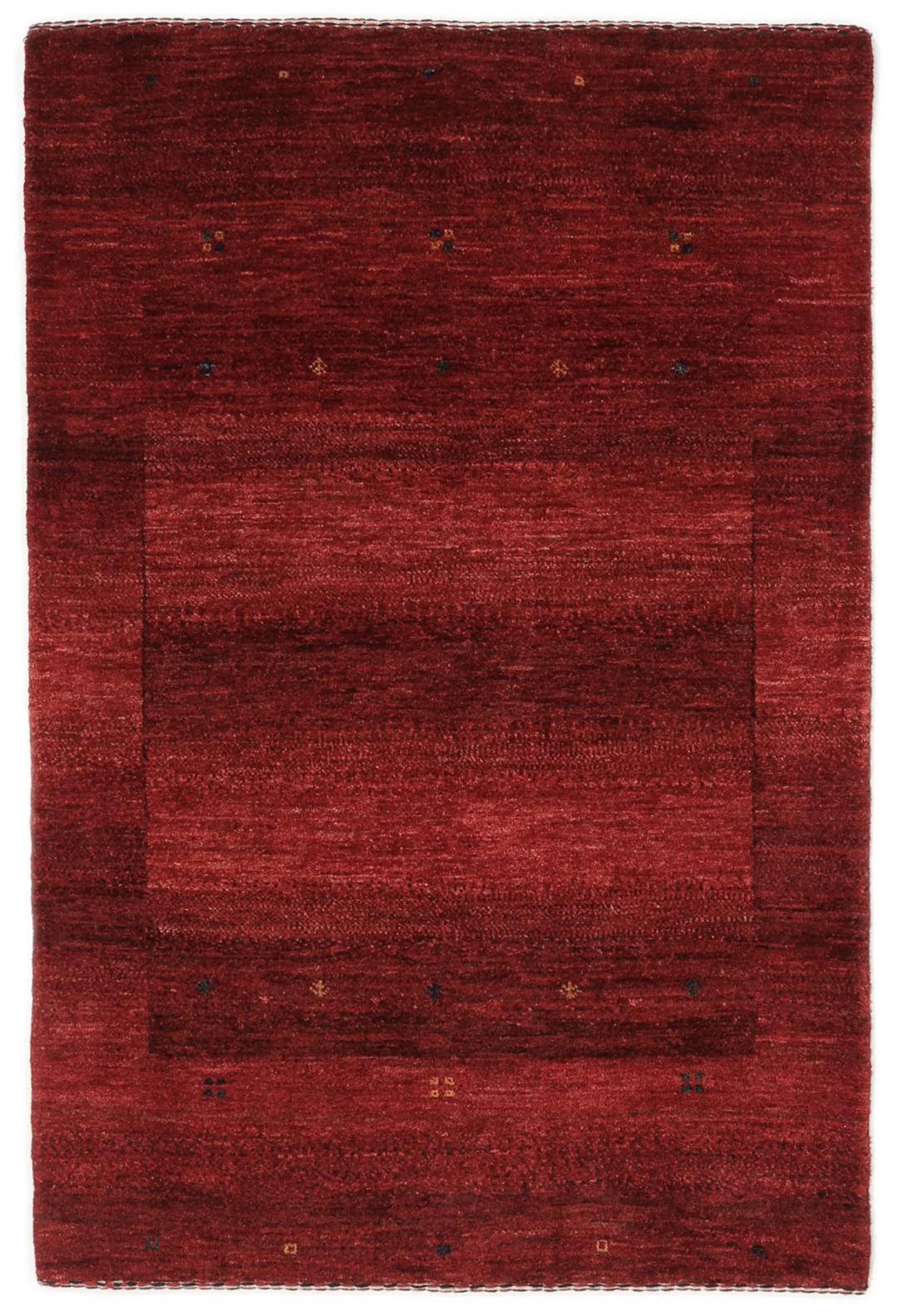
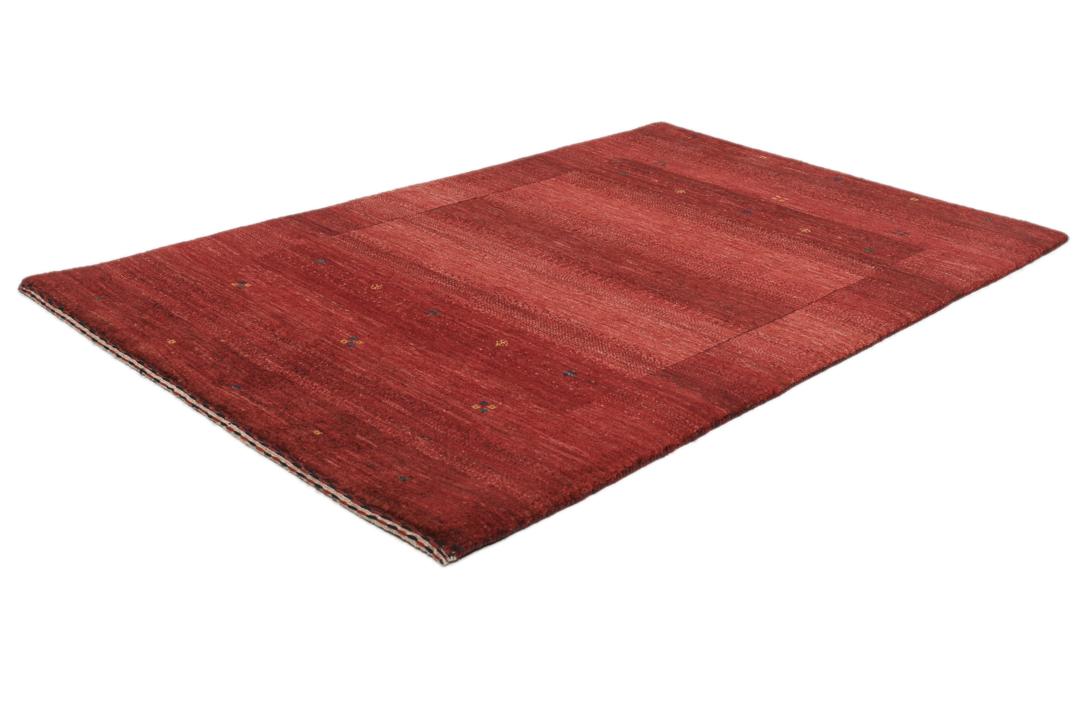
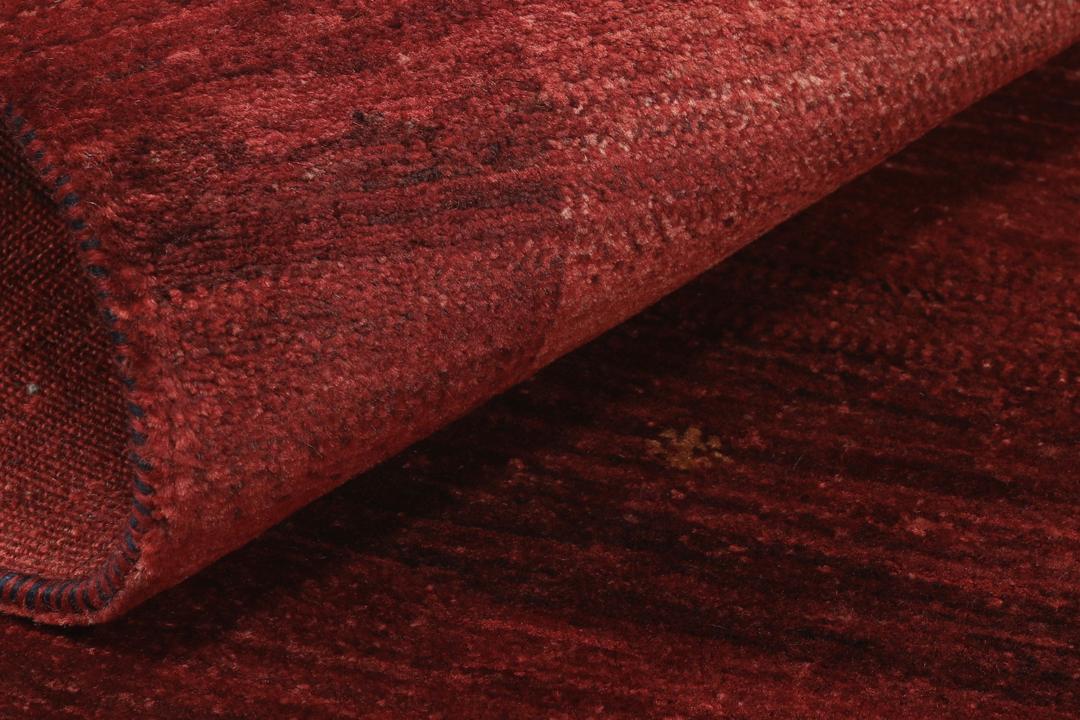
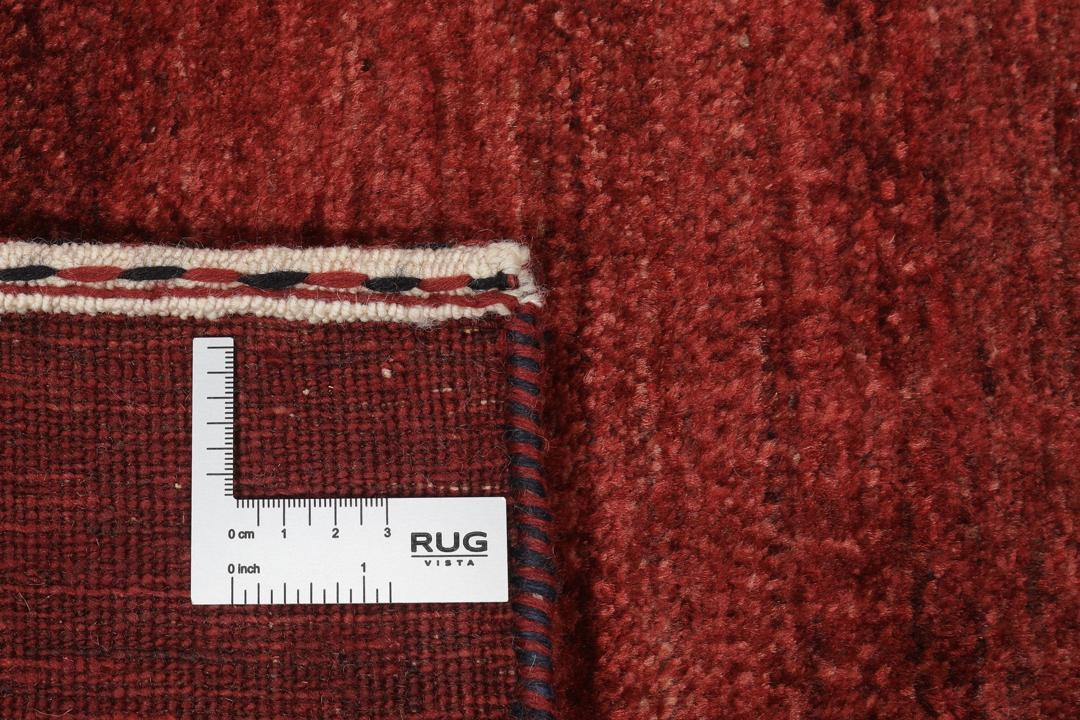
The Loribaft rug tradition draws its roots from the nomadic tribes of the Middle East, specifically the Luri people. Historically, these rugs were created for tribal use, serving as essential items for warmth and comfort within nomadic tents, which influenced the development of their characteristically thick and soft pile.
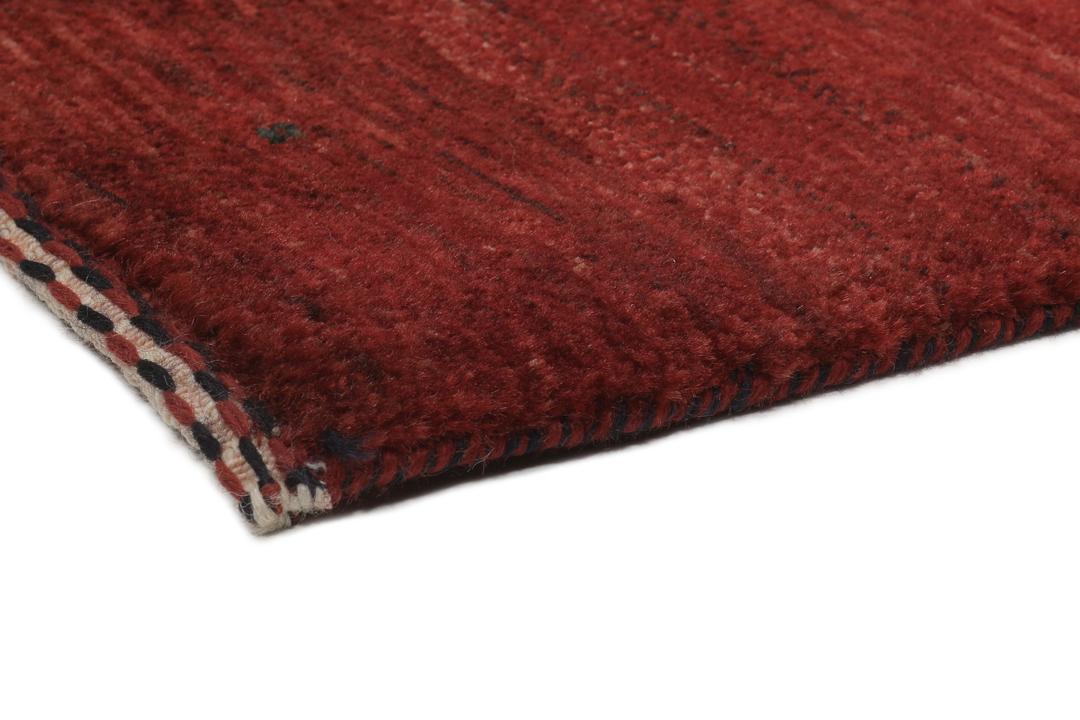
The term 'Fine' in this context refers to a refined approach to traditional weaving. While nomadic rugs were often simpler, the Loribaft Fine tradition elevates the craft by using higher-quality wool and more precise knotting techniques, resulting in a cleaner finish while still maintaining the authentic, earthy spirit of the original tribal designs.
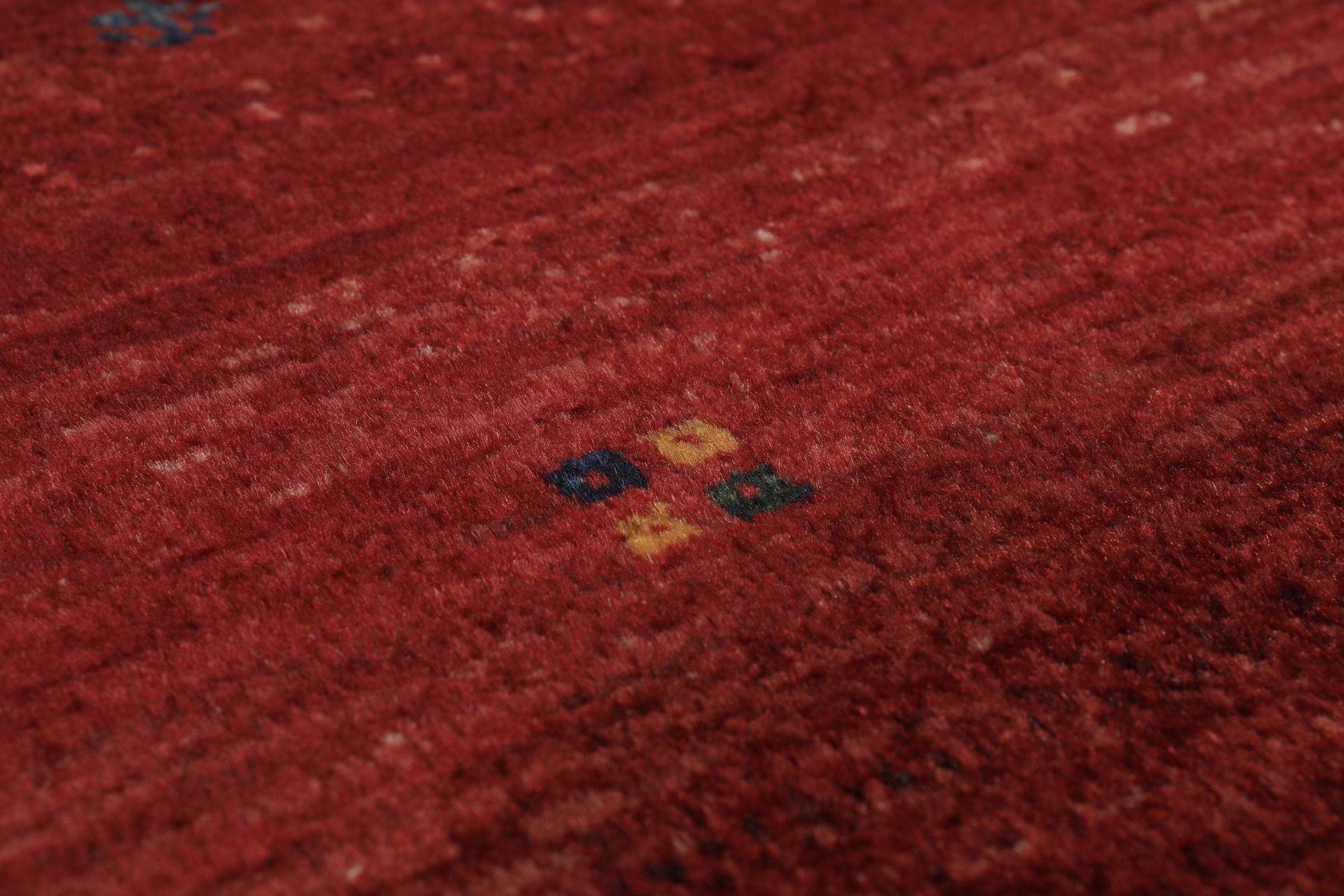
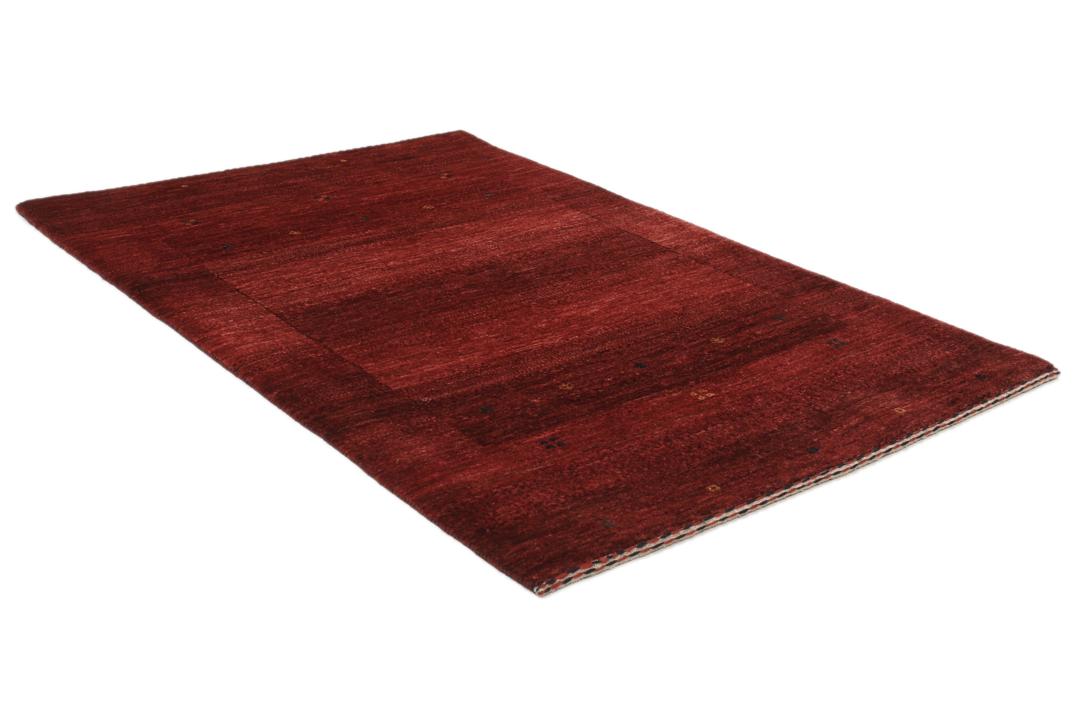
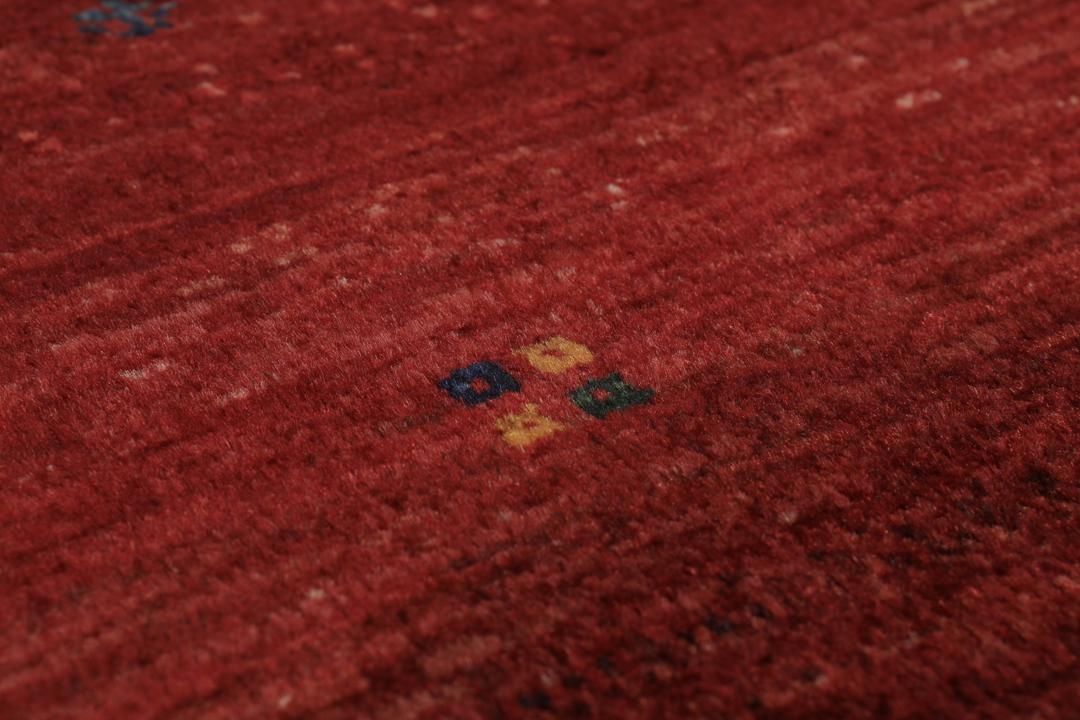
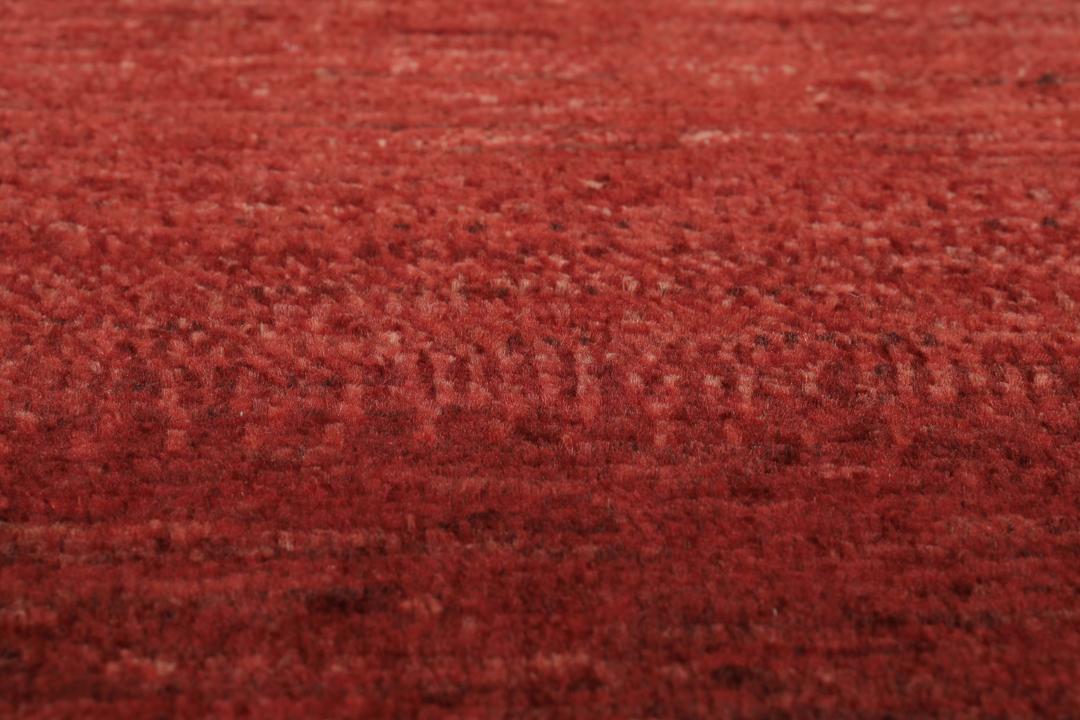
Visually, these rugs are known for their minimalist approach. Unlike the crowded, intricate patterns of other traditions, the Loribaft often features a more open, spacious field. The focus remains on the depth of the natural wool and the subtle variations in colour, often punctuated by small, scattered motifs that hold cultural significance for the weaving communities.
Owning a Loribaft Fine rug is an appreciation of a craft that bridges the gap between ancient nomadic utility and modern interior aesthetics. It represents a dedication to tradition where the weaver’s hand is visible in every detail, making these rugs highly valued by collectors who seek items with history, provenance, and a truly authentic human touch.