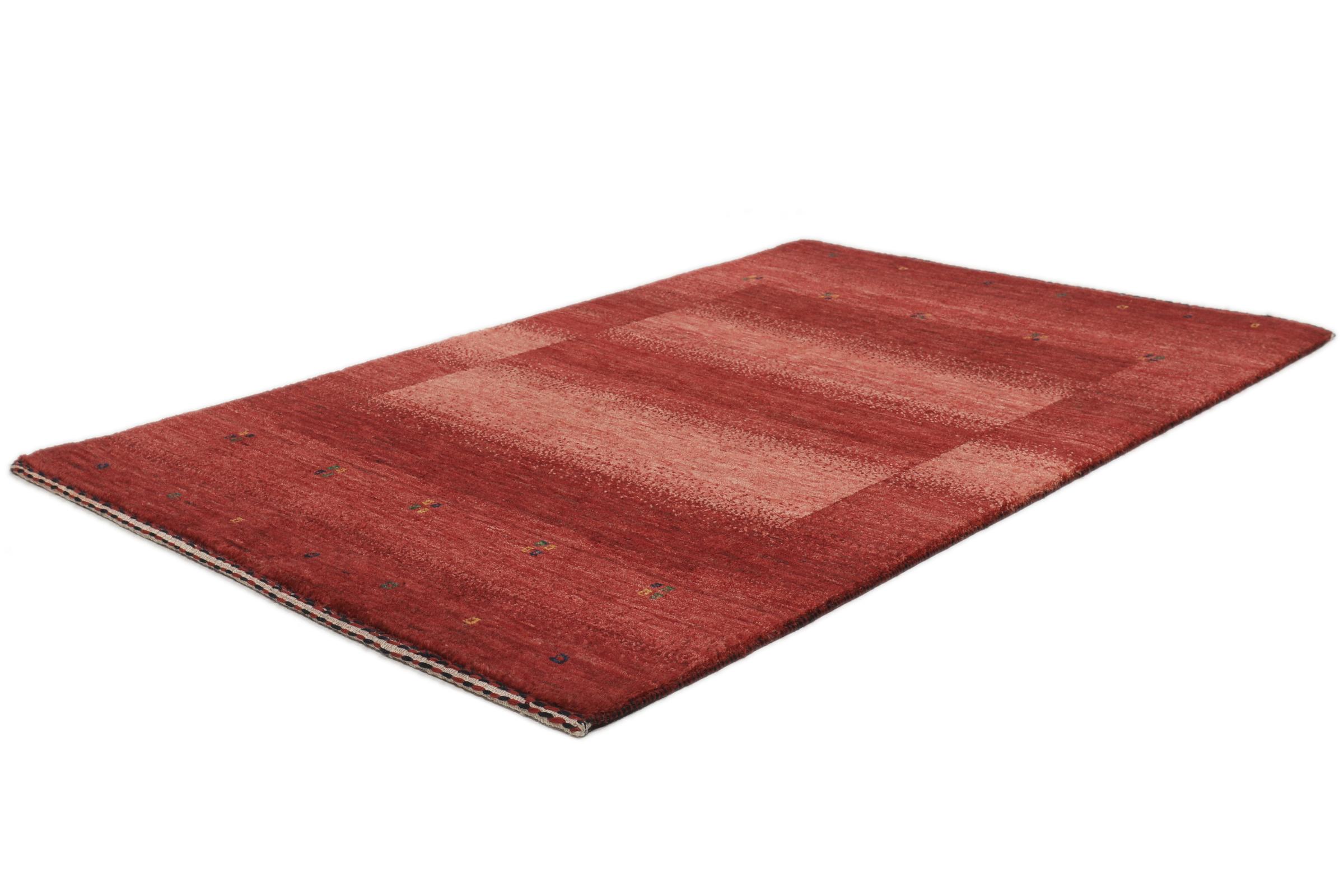
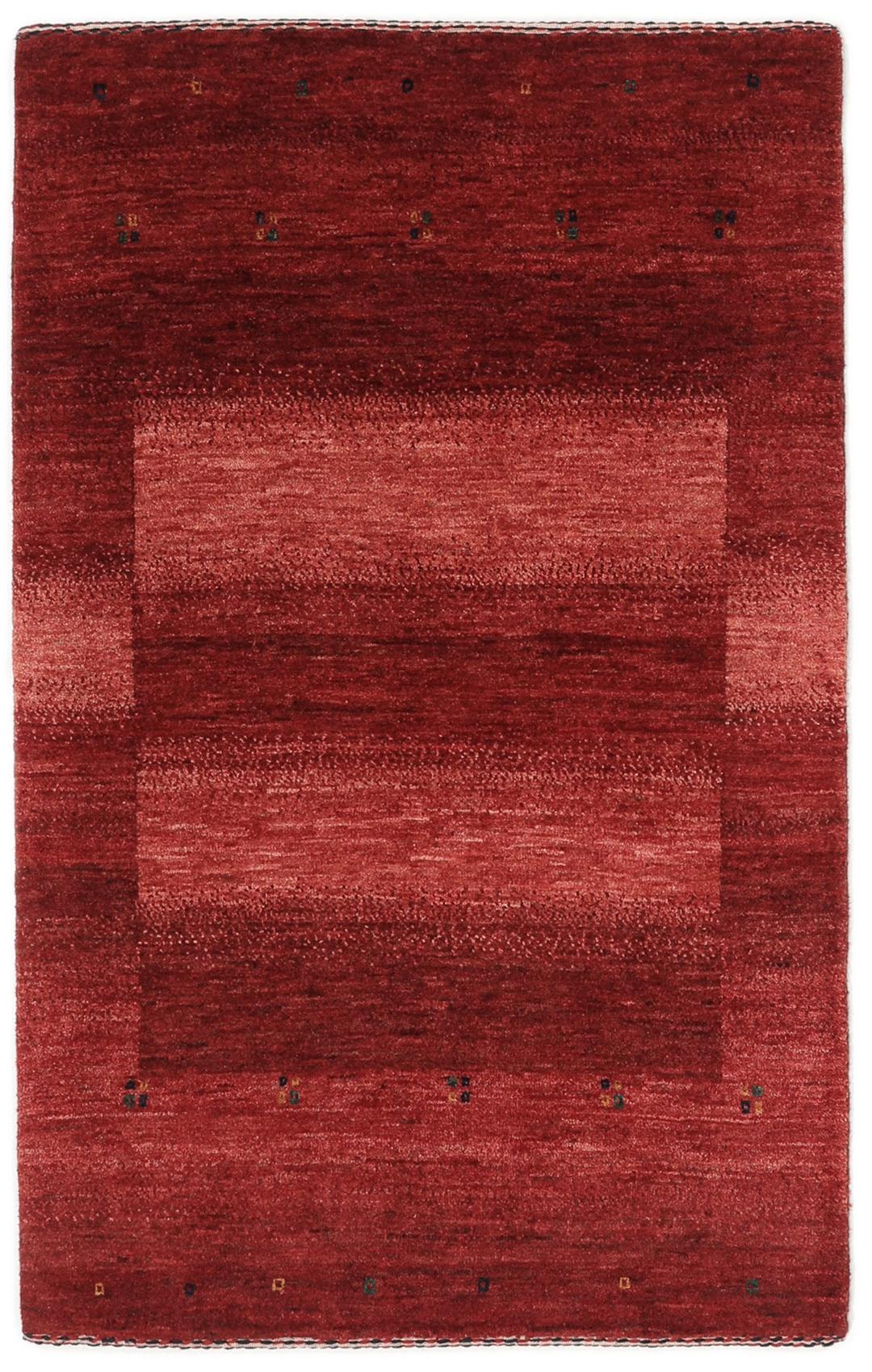
Loribaft rugs are deeply rooted in the weaving traditions of the nomadic tribes of the Middle East. These rugs were historically created by tribal weavers for personal use, designed to provide insulation and comfort in the harsh, varying climates of the region. Over generations, these designs have evolved into a distinct style celebrated for its simplicity, boldness, and high-quality wool.
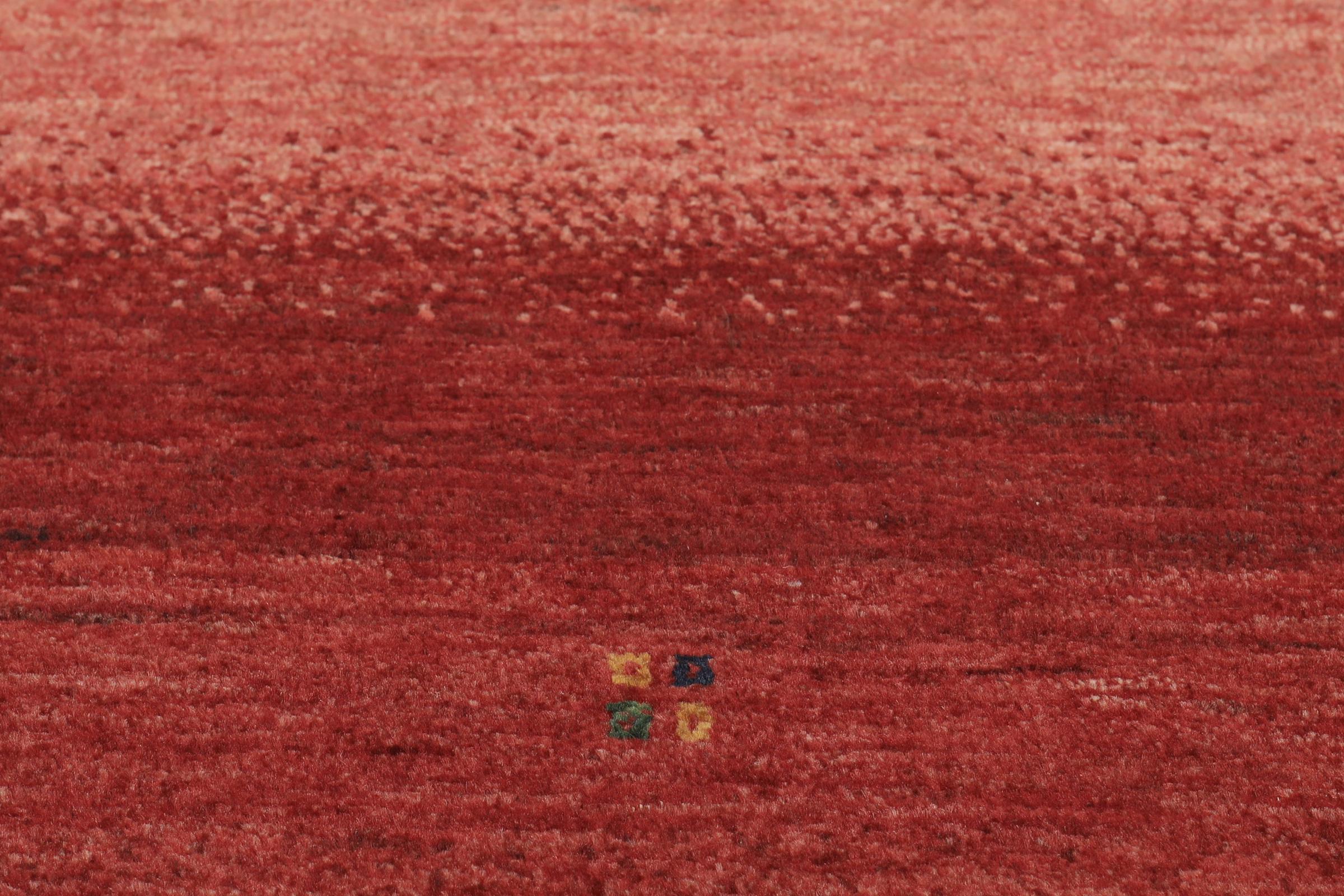
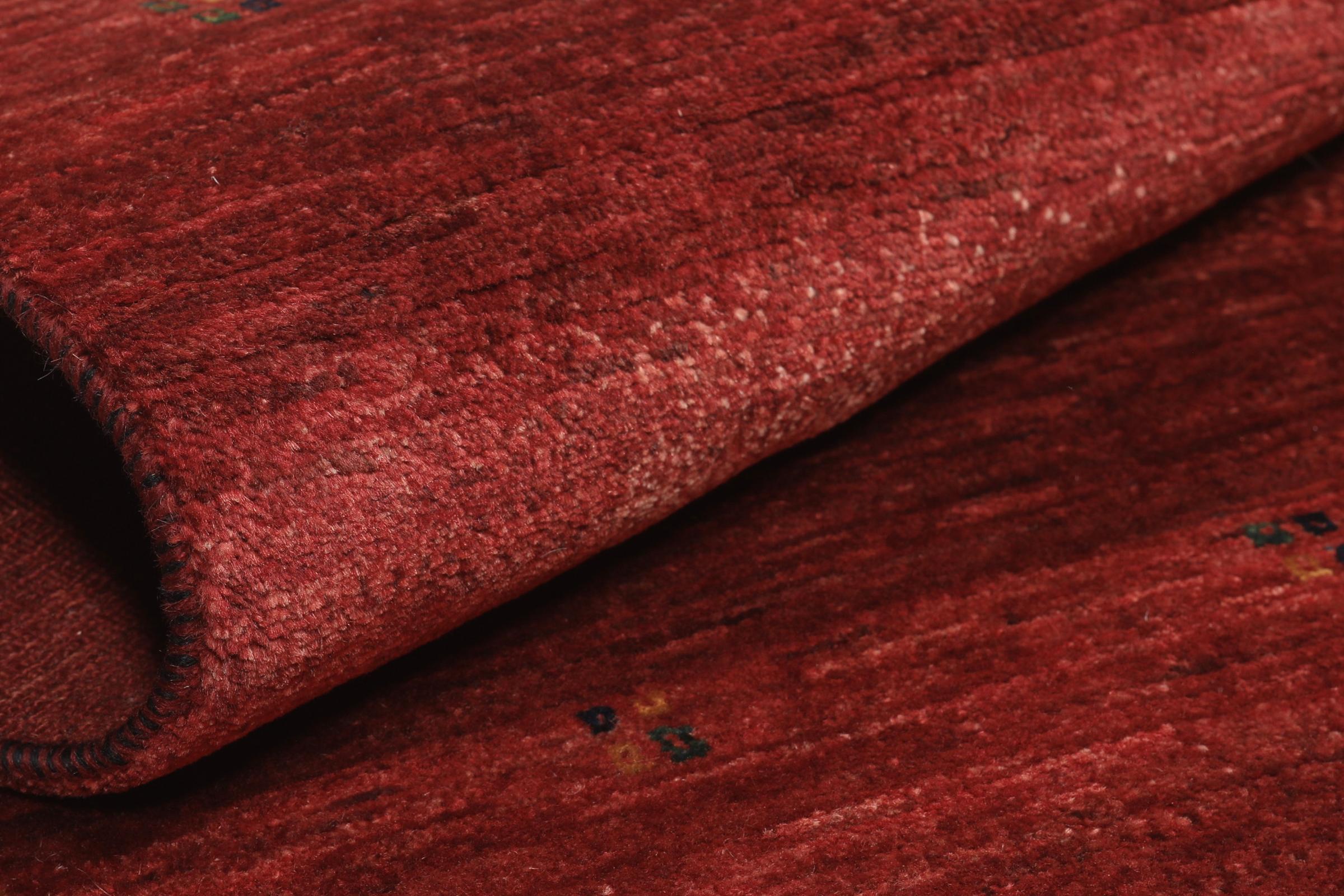
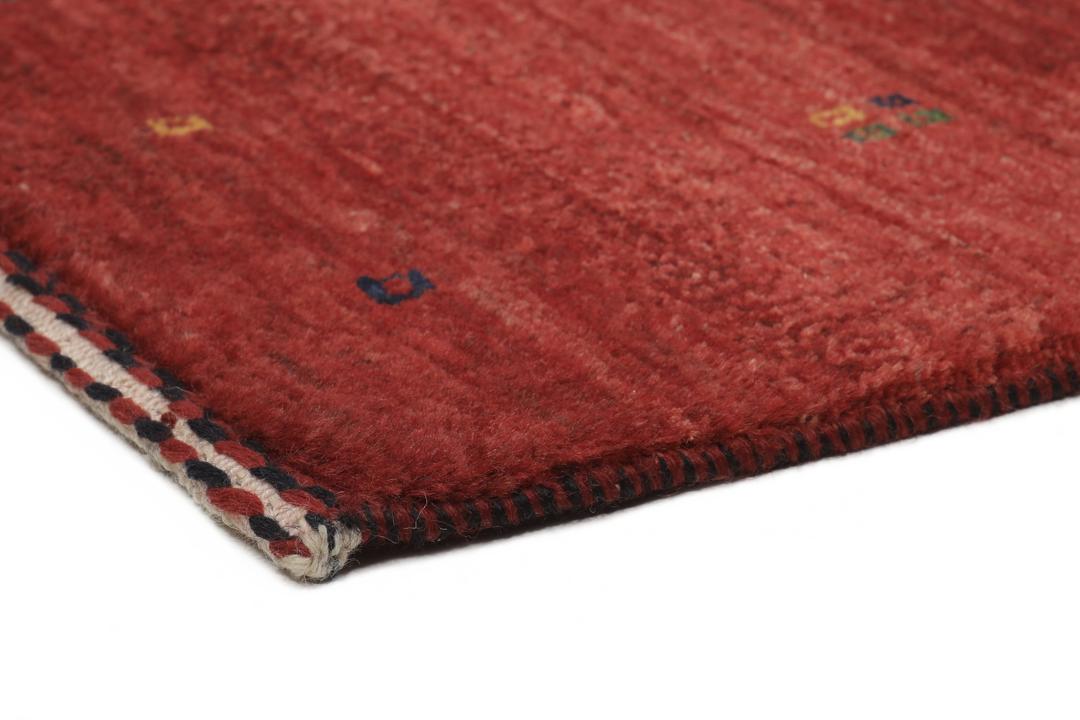
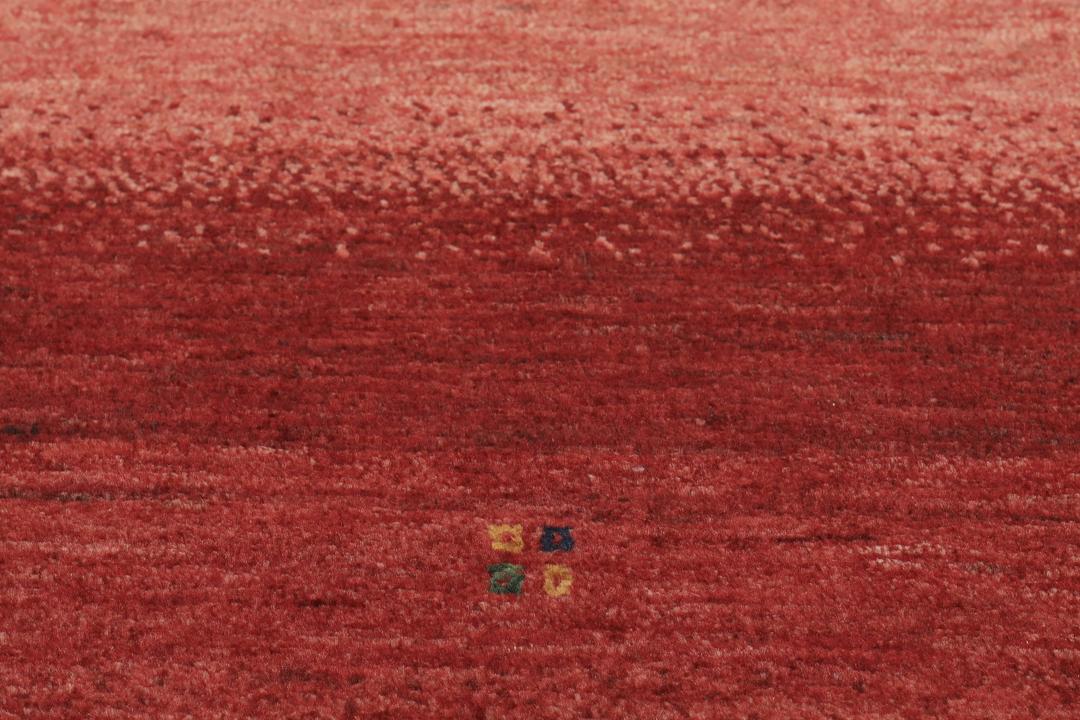
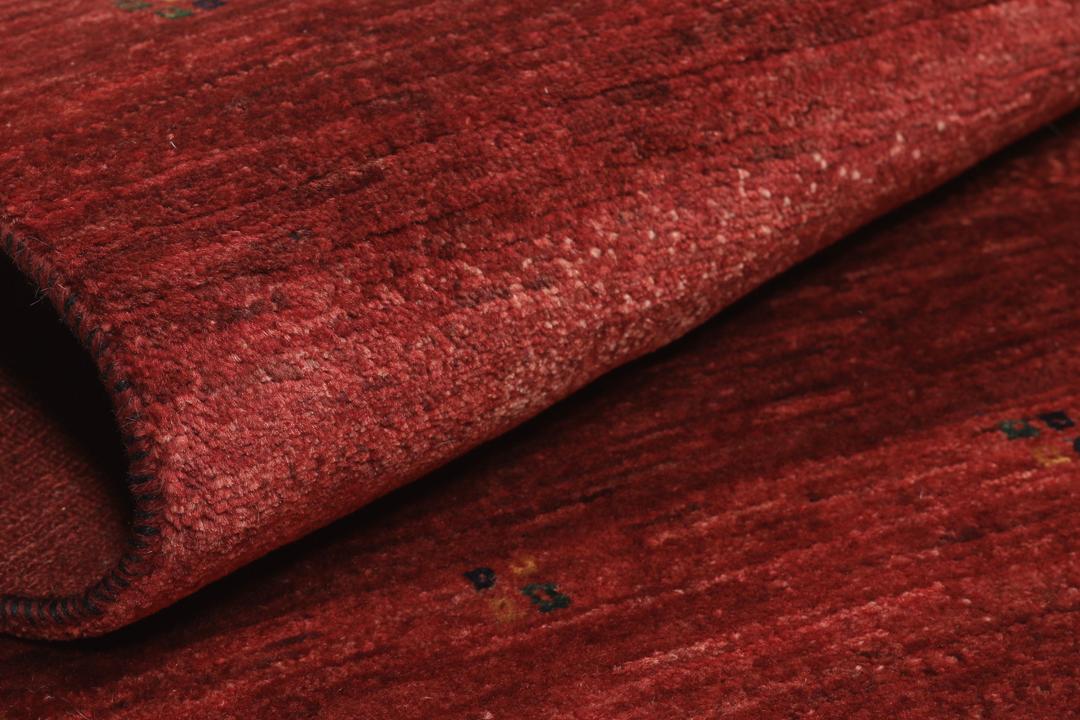
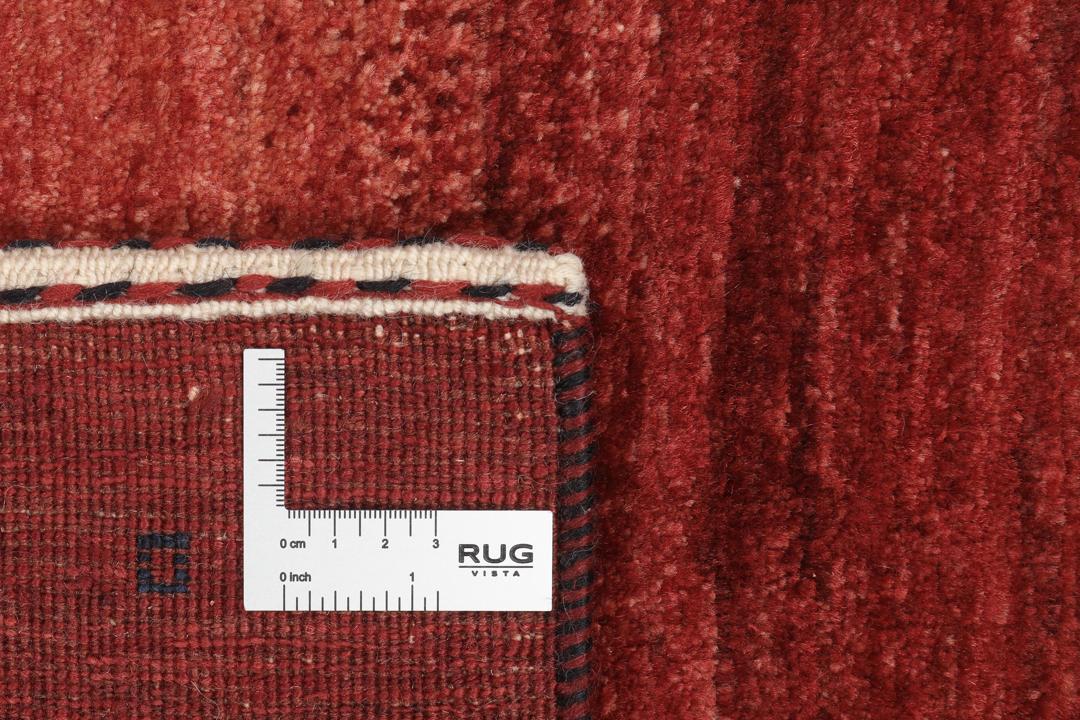
The term 'Fine' in this context refers to the elevated knot count and the use of superior, hand-spun wool. This construction method results in a pile that is not only denser and more luxurious to the touch but also significantly more durable. The hand-spinning process preserves the natural oils in the wool, which enhances its lustre and natural resistance to wear.
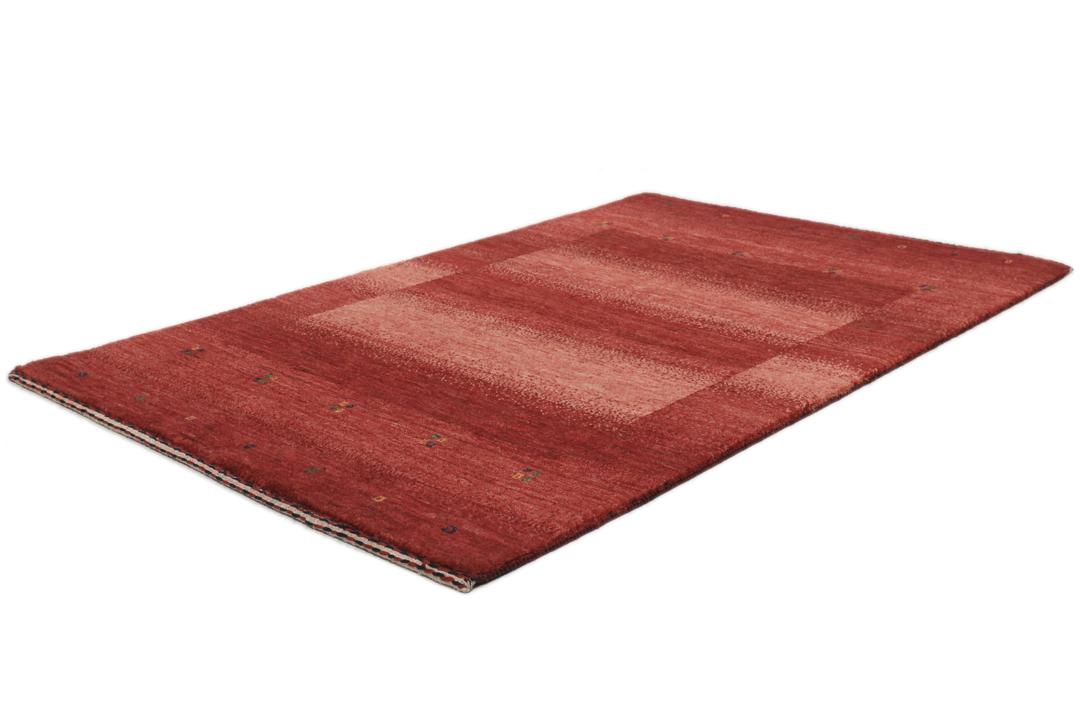
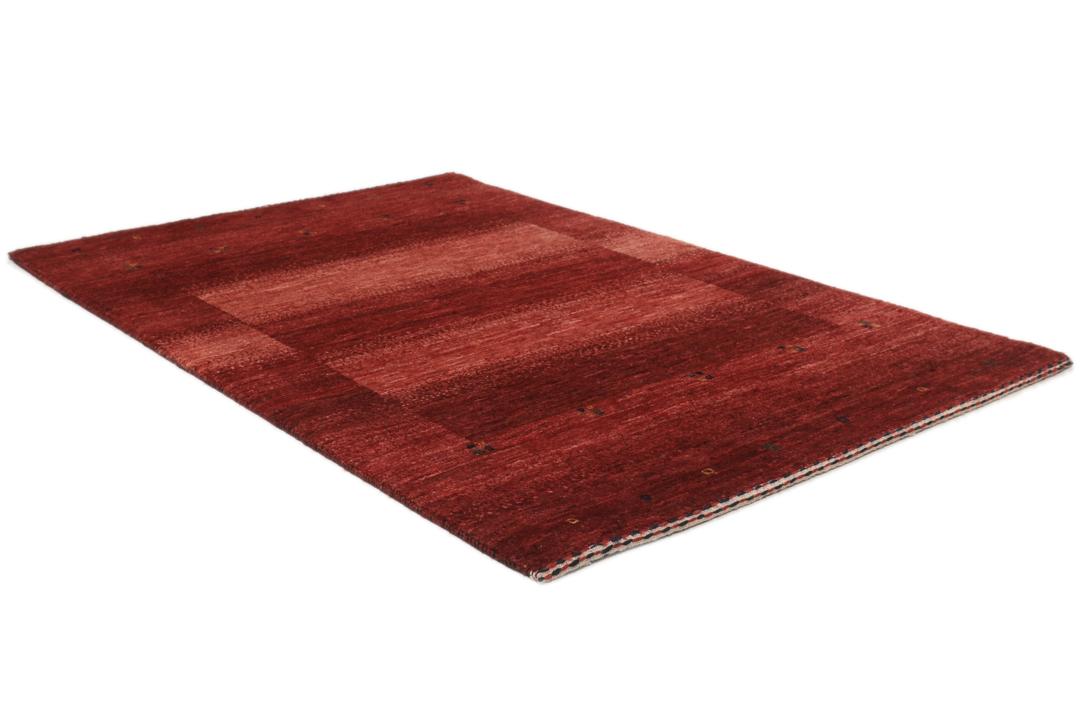
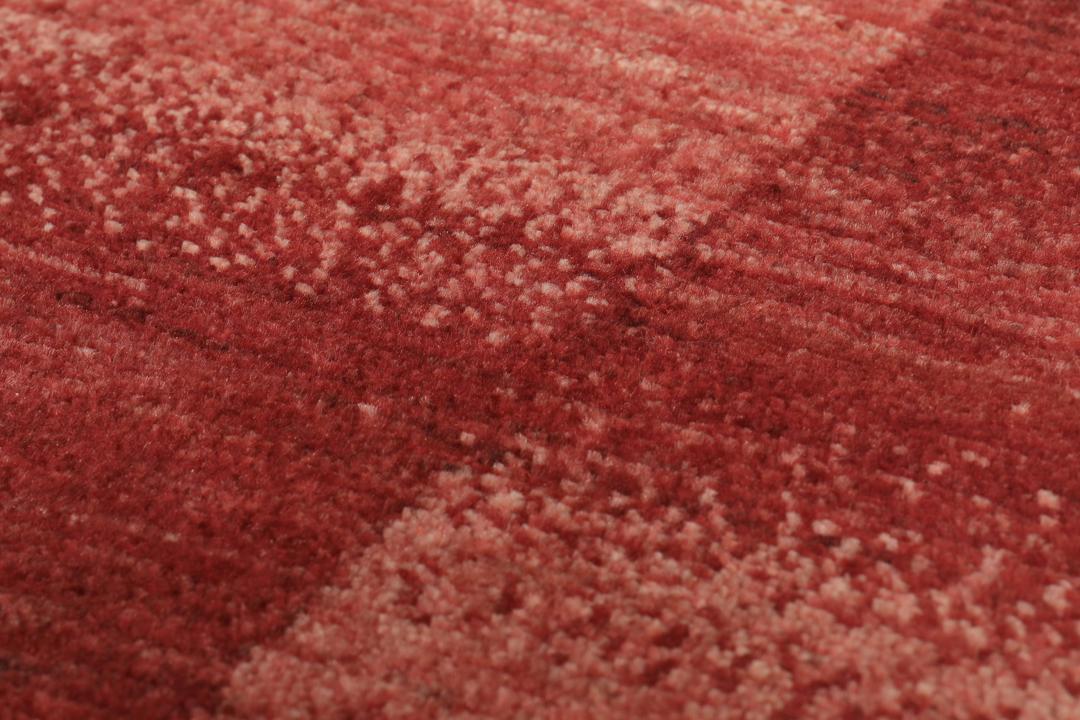
Visually, these rugs are defined by their minimalist approach to pattern, often focusing on solid fields of colour or subtle geometric accents. While traditional designs might feature complex tribal symbols, the Loribaft style emphasises the beauty of the wool's texture and the depth of the natural dyes. This particular rug showcases a sophisticated red palette that highlights the weaver's mastery of colour balance.
Collecting a rug from this tradition is an investment in human skill and cultural heritage. These pieces are highly valued by those who appreciate the story behind their belongings, as each rug represents a unique connection to the history of nomadic craftsmanship. Owning one means preserving a craft that relies on tradition, patience, and a deep understanding of natural materials.