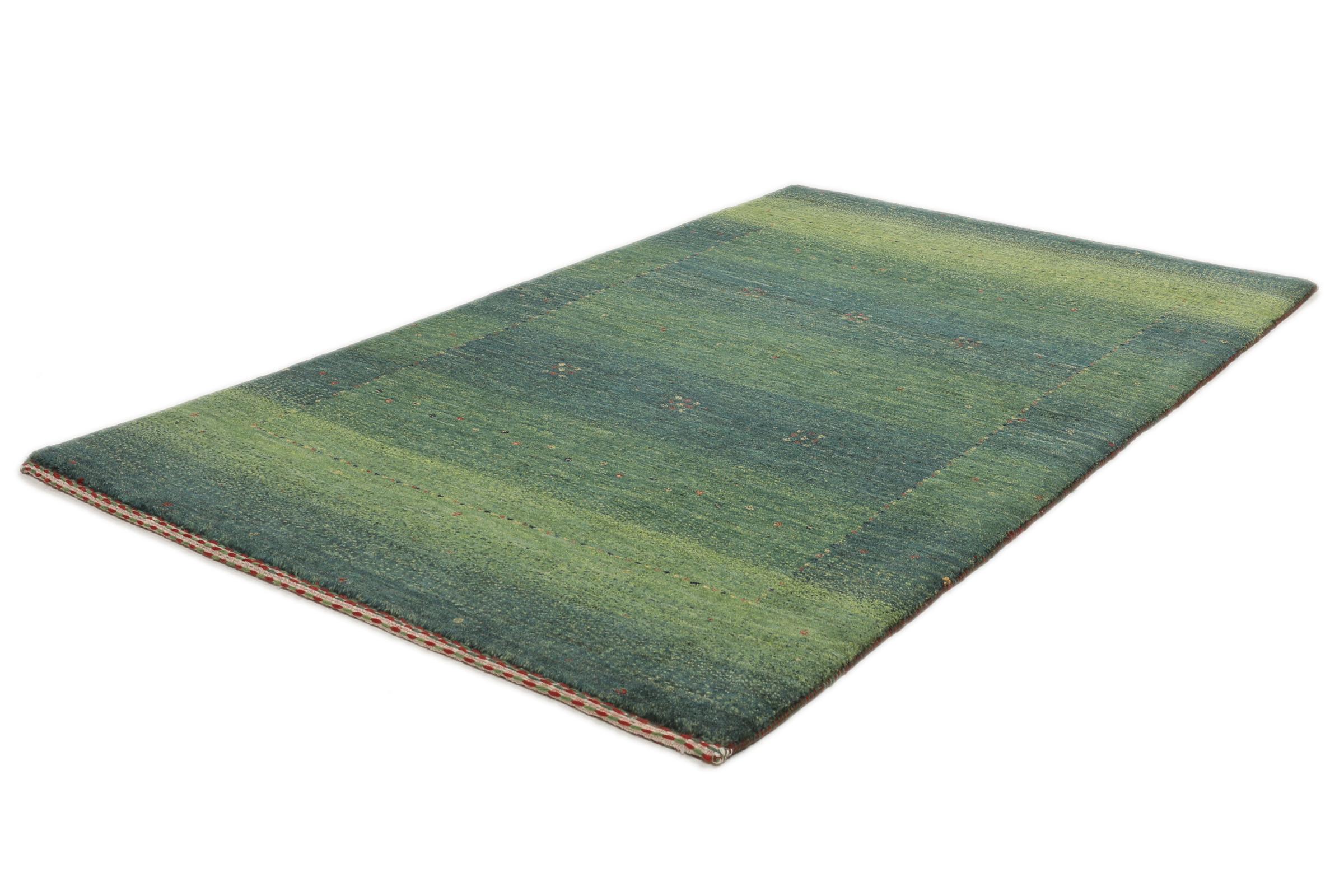
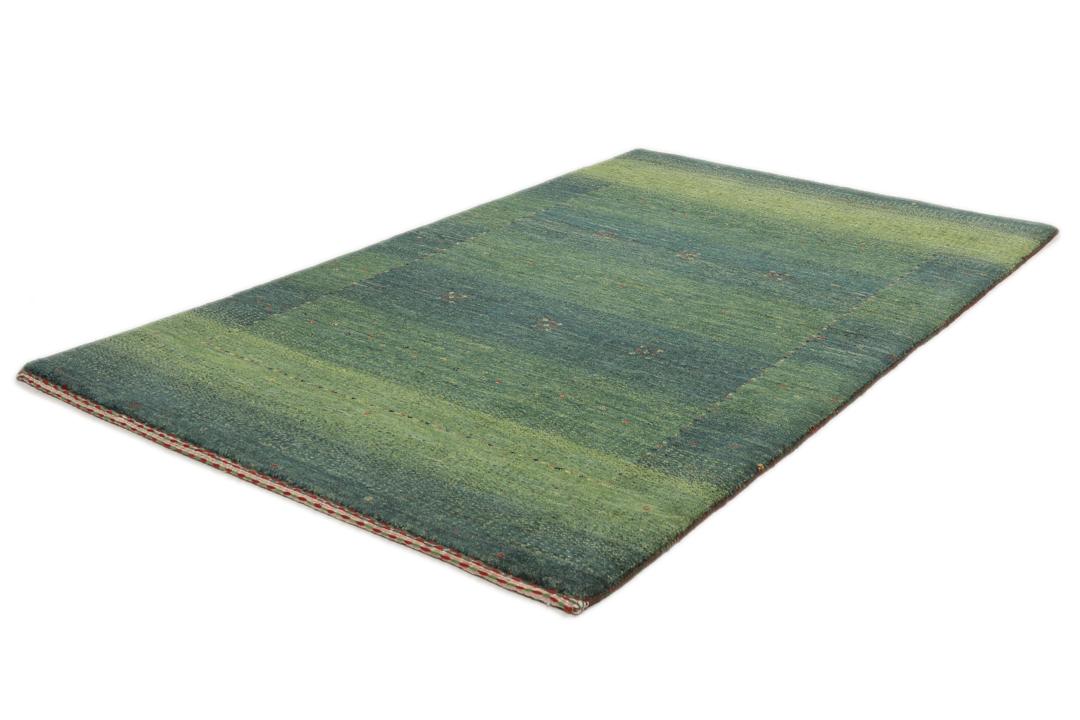
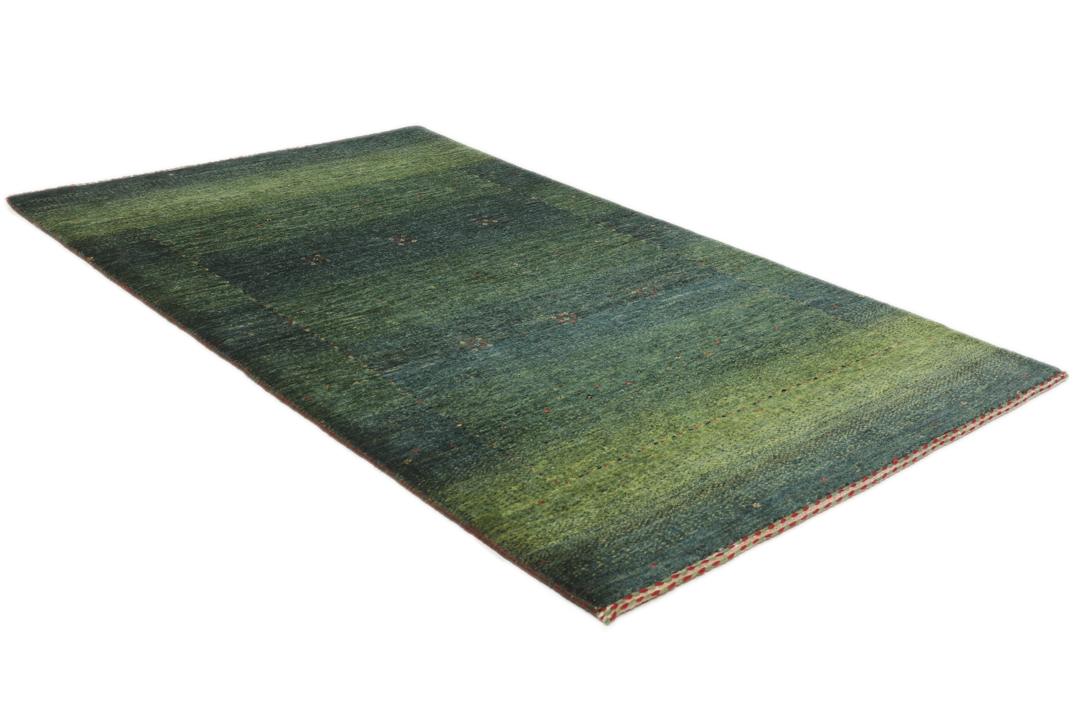
The Loribaft tradition is deeply connected to the nomadic tribes of the Middle East, specifically the Luri people. Historically, these weavers created rugs for personal use, designed to withstand the rigours of nomadic life while serving as essential, insulating floor coverings in tents. Today, these designs have evolved into a highly sought-after category known for their thicker, plush piles and simplified, artistic aesthetics.
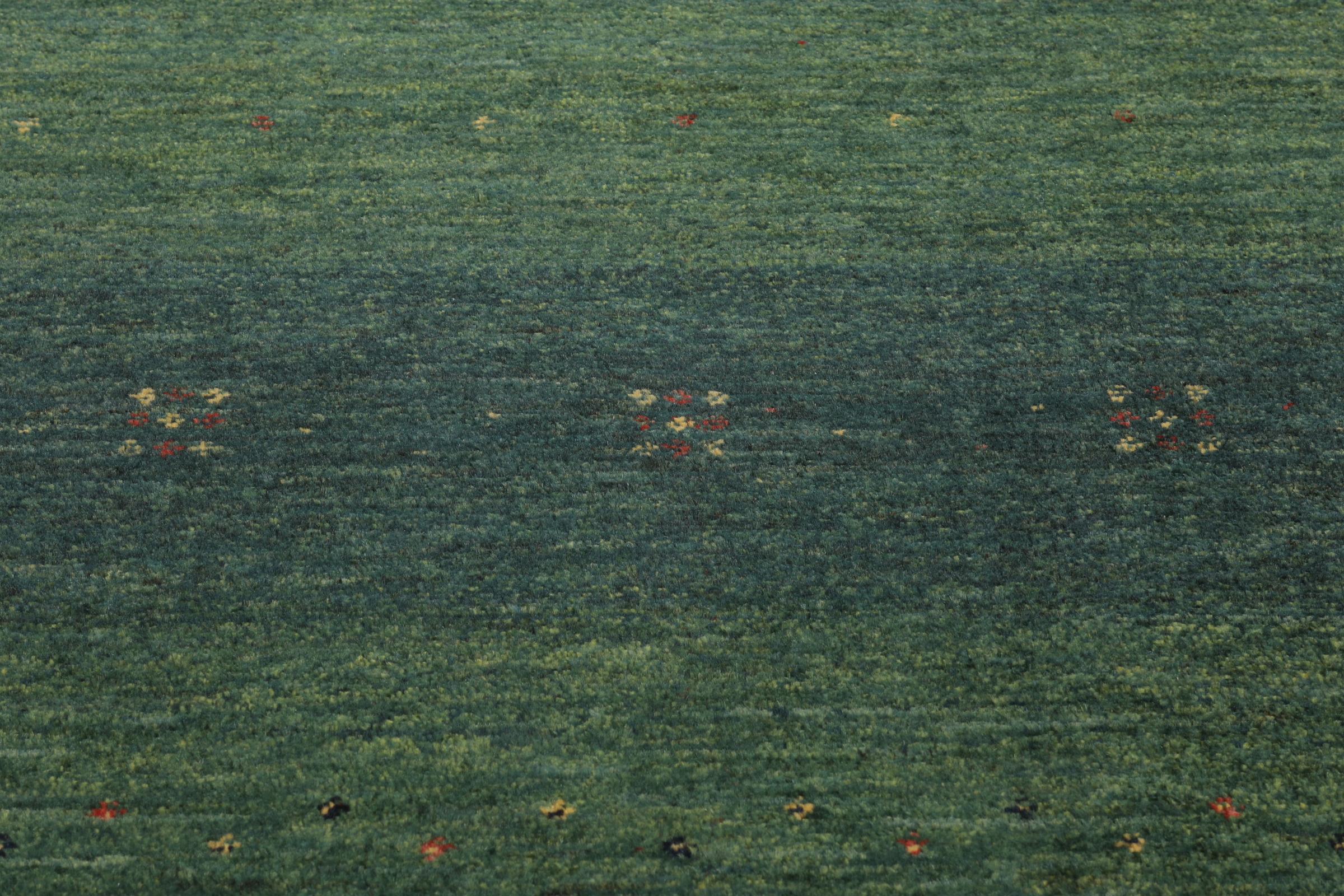
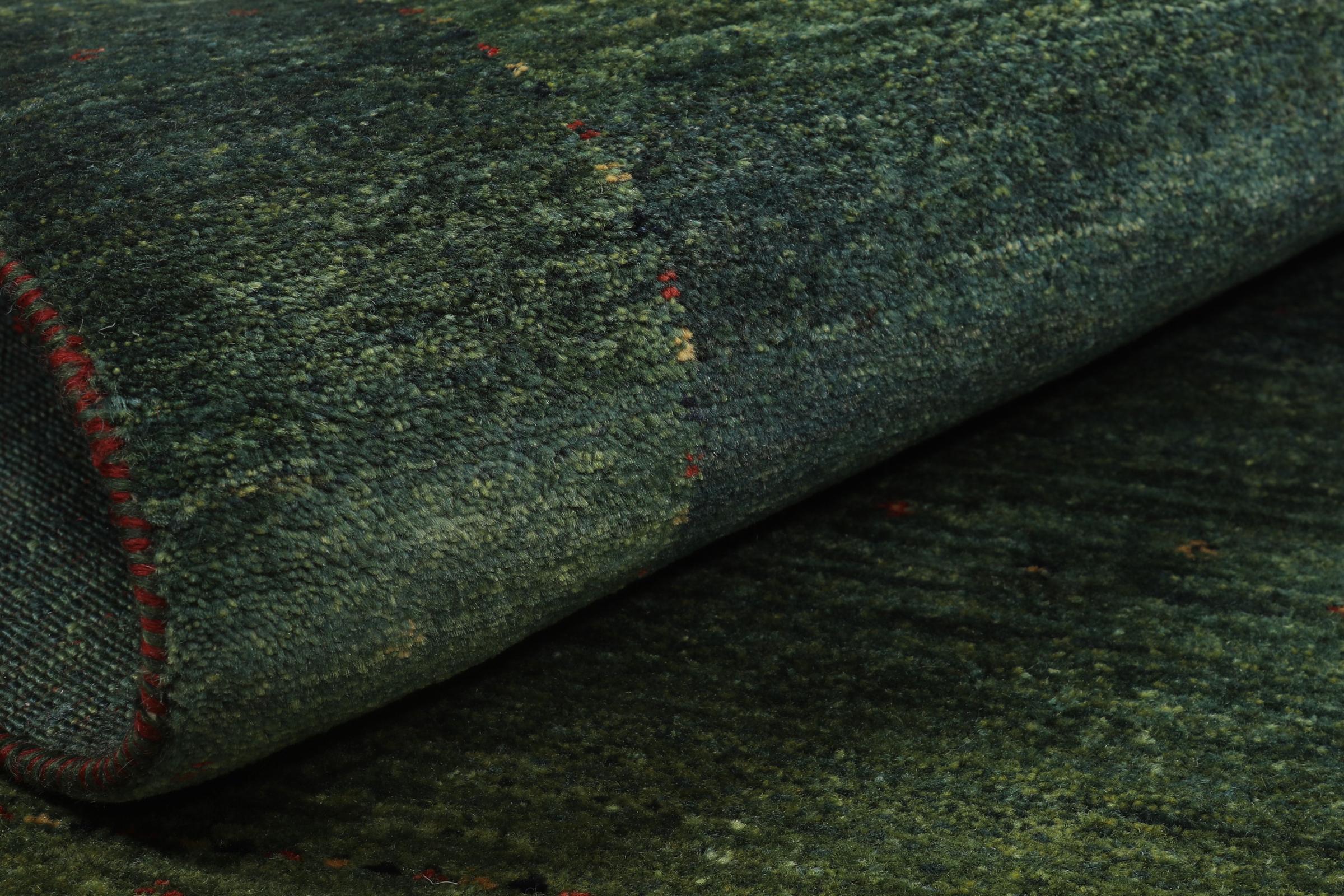
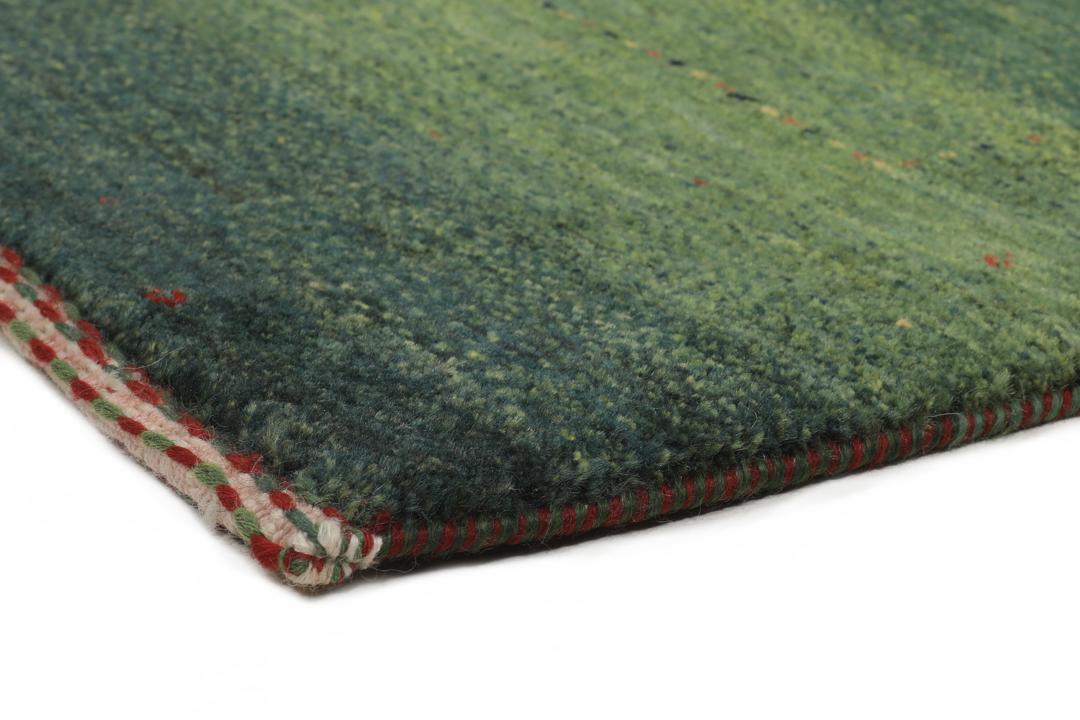
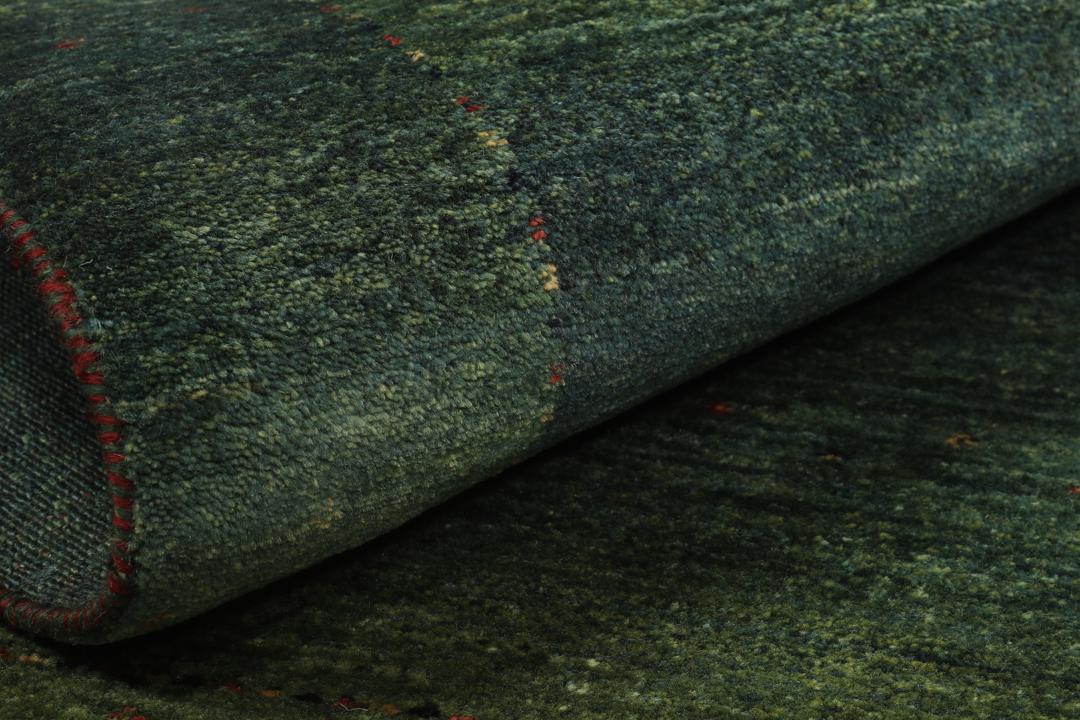
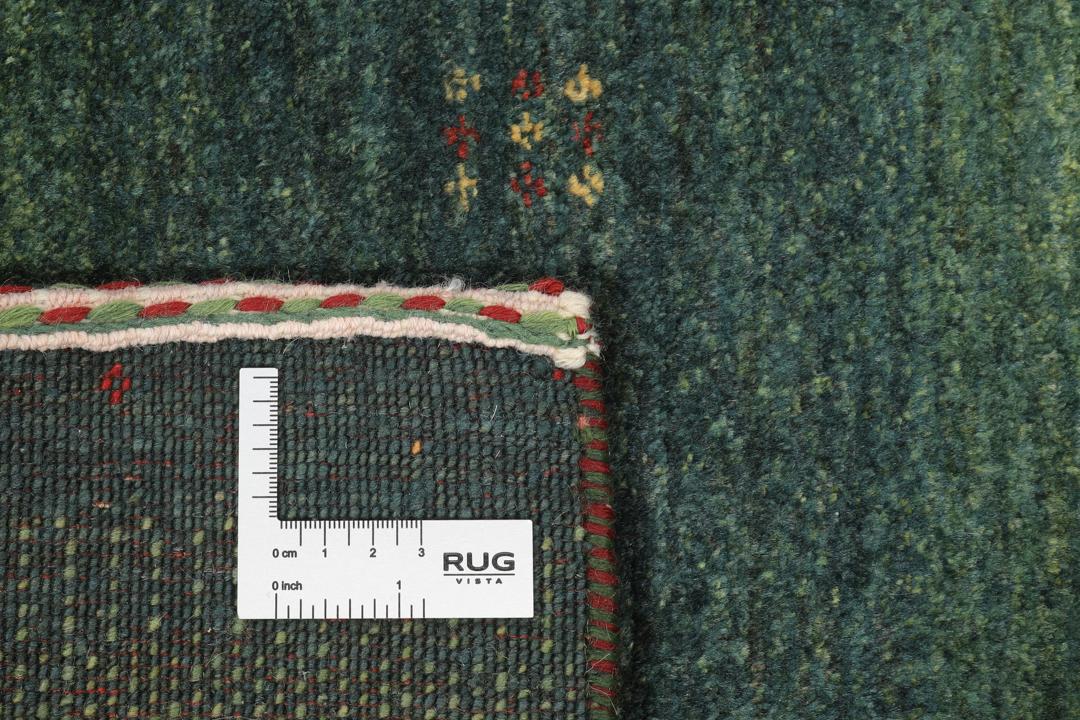
The term 'Lori' refers to the tribal origin, while 'baft' describes the weaving style. These rugs are distinct for their use of hand-spun, high-quality wool, often dyed with natural pigments that mellow beautifully over time. The construction is intentionally robust, favouring a slightly coarser but much denser knotting technique that gives the rug its signature soft and springy feel.
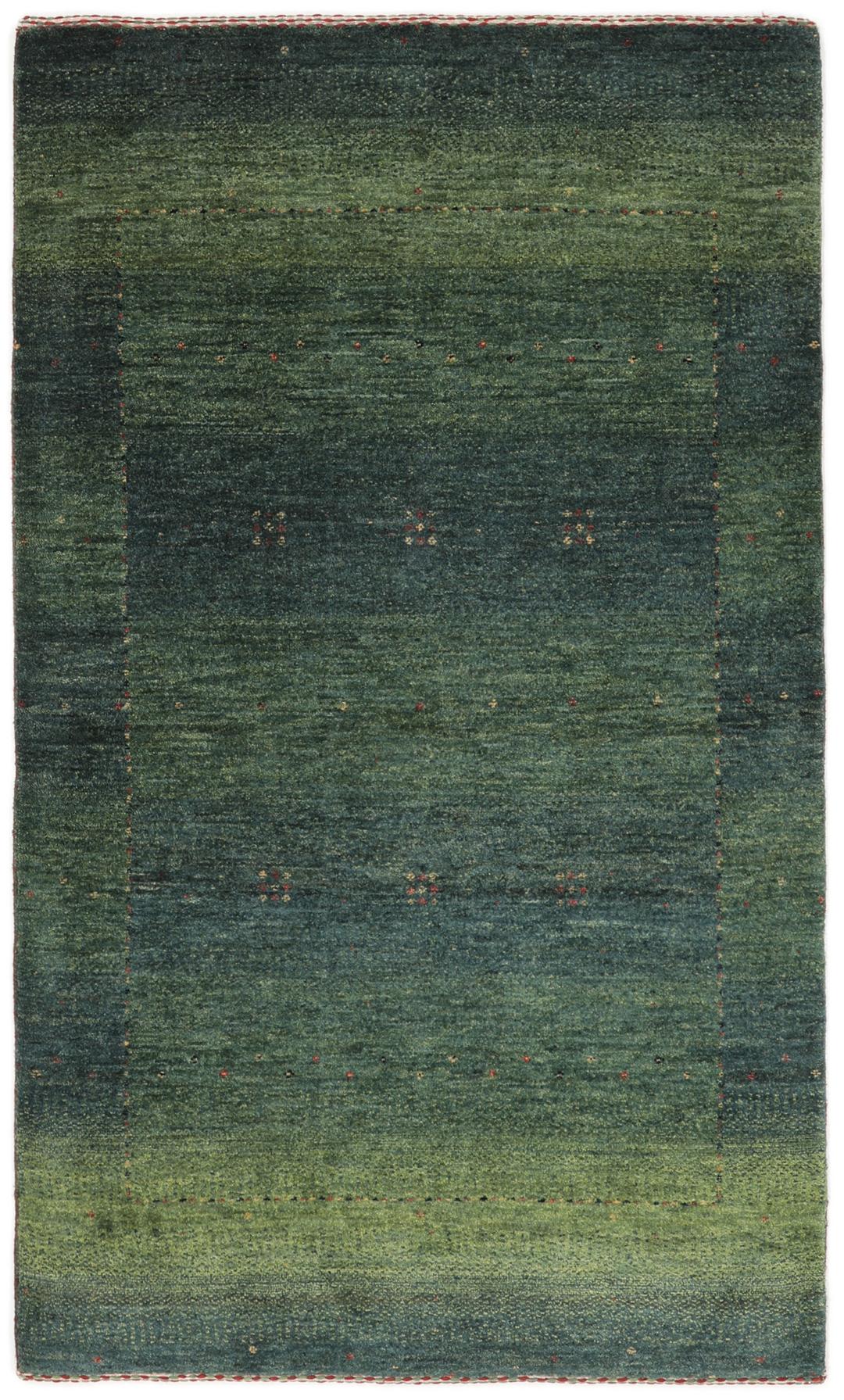
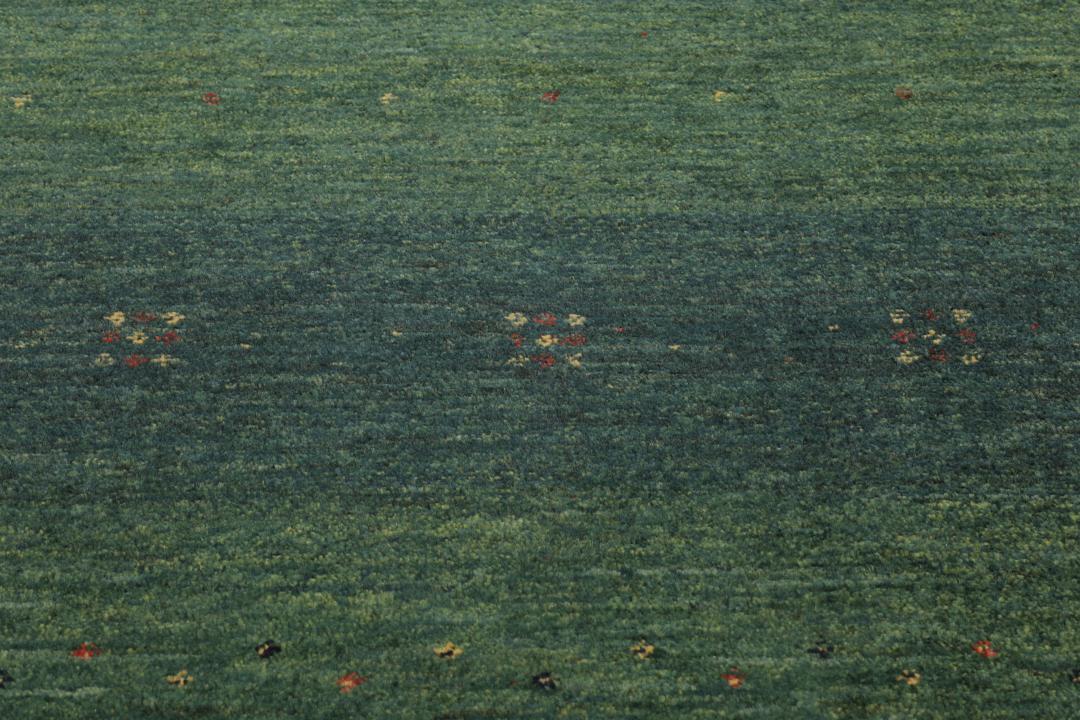
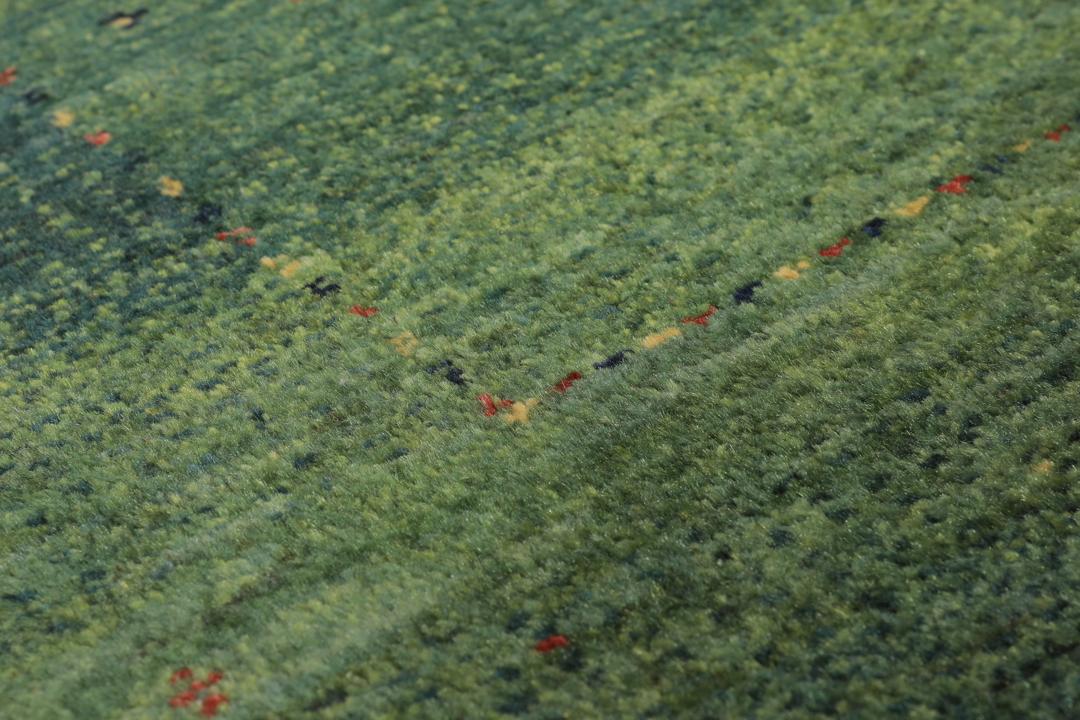
The visual language of a Loribaft is characterised by its open, spacious fields and minimalist use of motifs. While many traditional rugs are heavily patterned, the Loribaft often features subtle, abstract, or geometric elements that celebrate the texture of the wool itself. The focus is on the interplay of colour and the natural variations that occur when working with hand-dyed materials.
Collectors value these rugs for their authentic connection to tribal craft and their ability to anchor a room with calm, understated beauty. By bringing a Loribaft into your home, you are continuing a long-standing tradition of valuing human skill over mass production. It is a piece that bridges the gap between ancient nomadic necessity and modern interior design sensibilities.