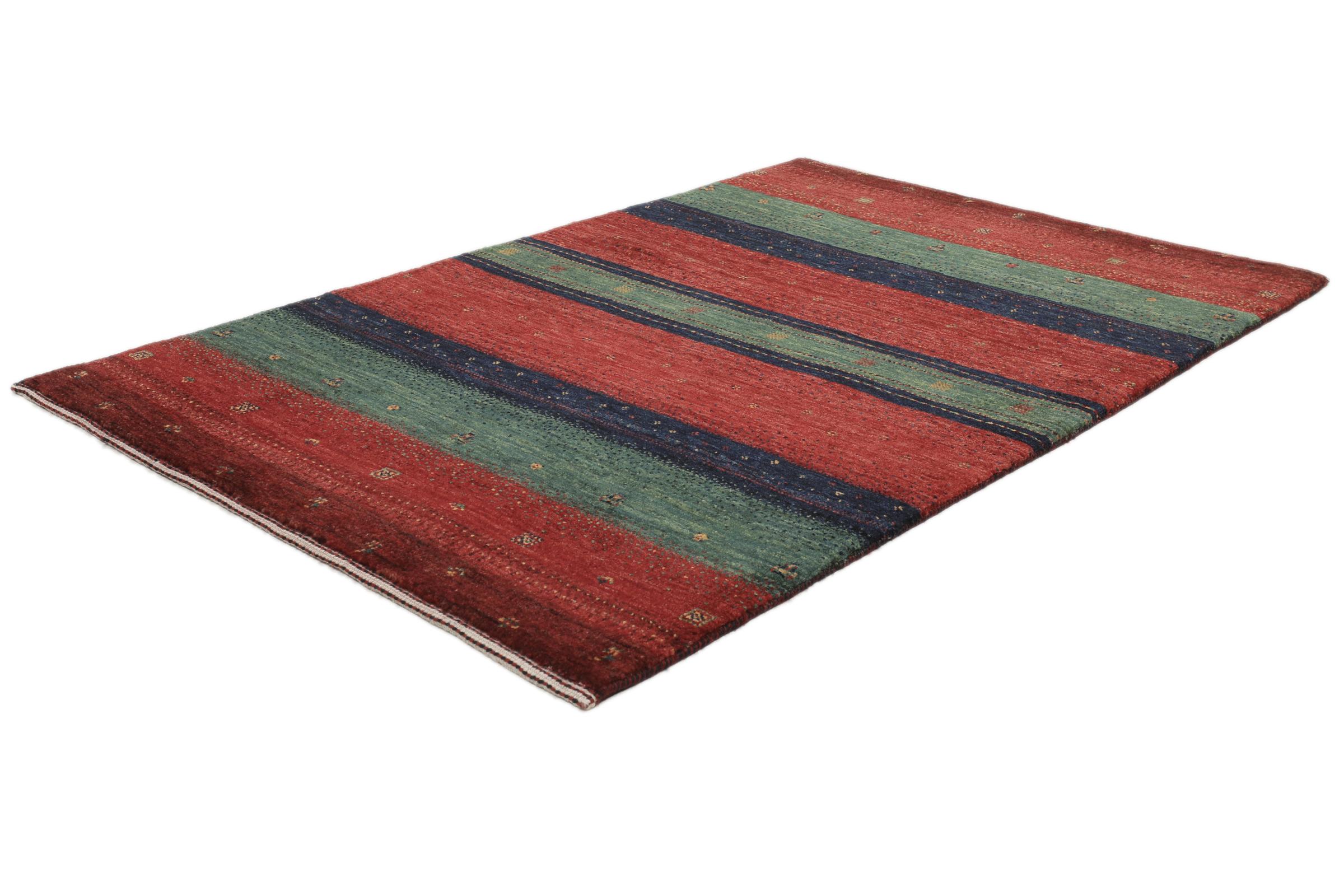
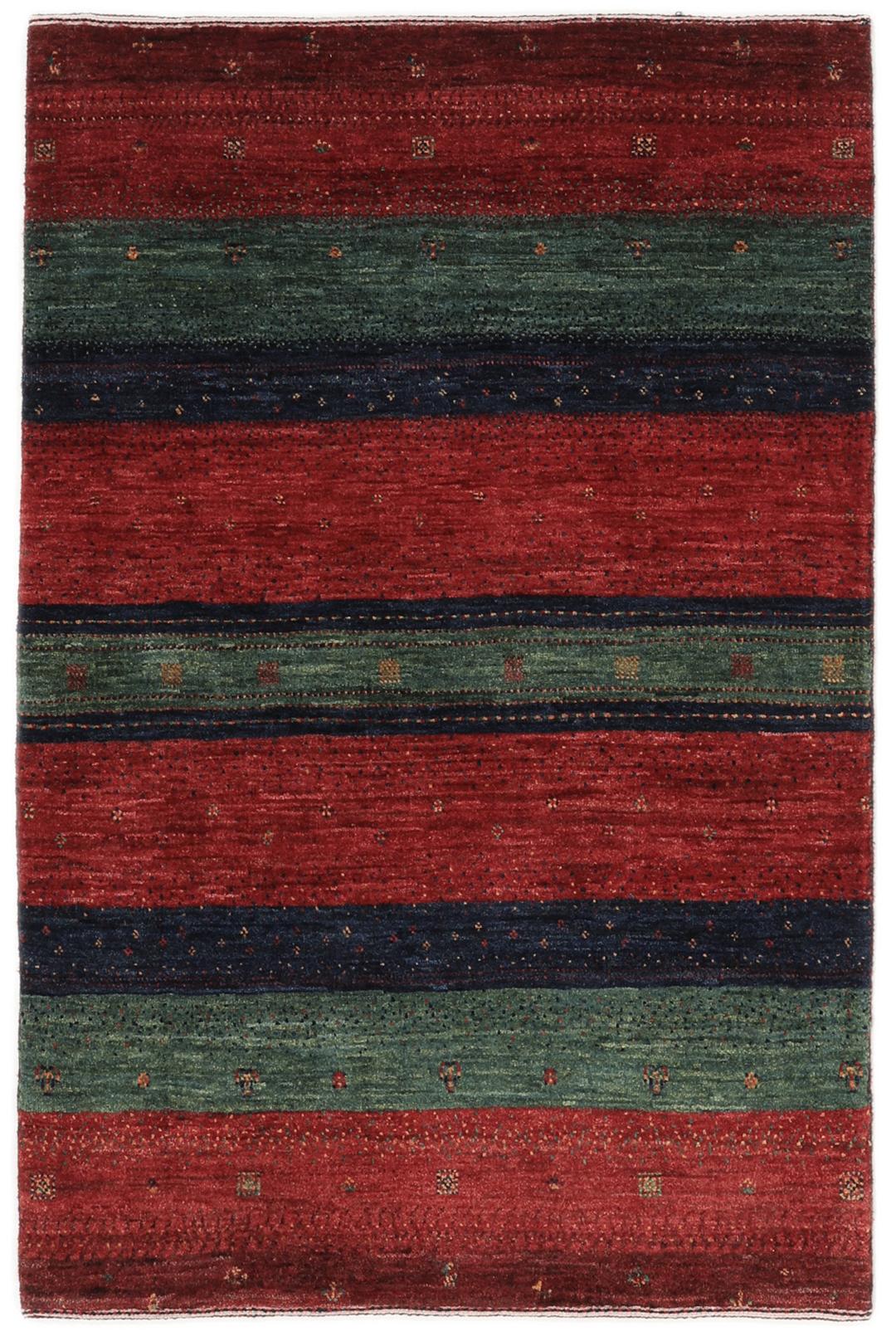
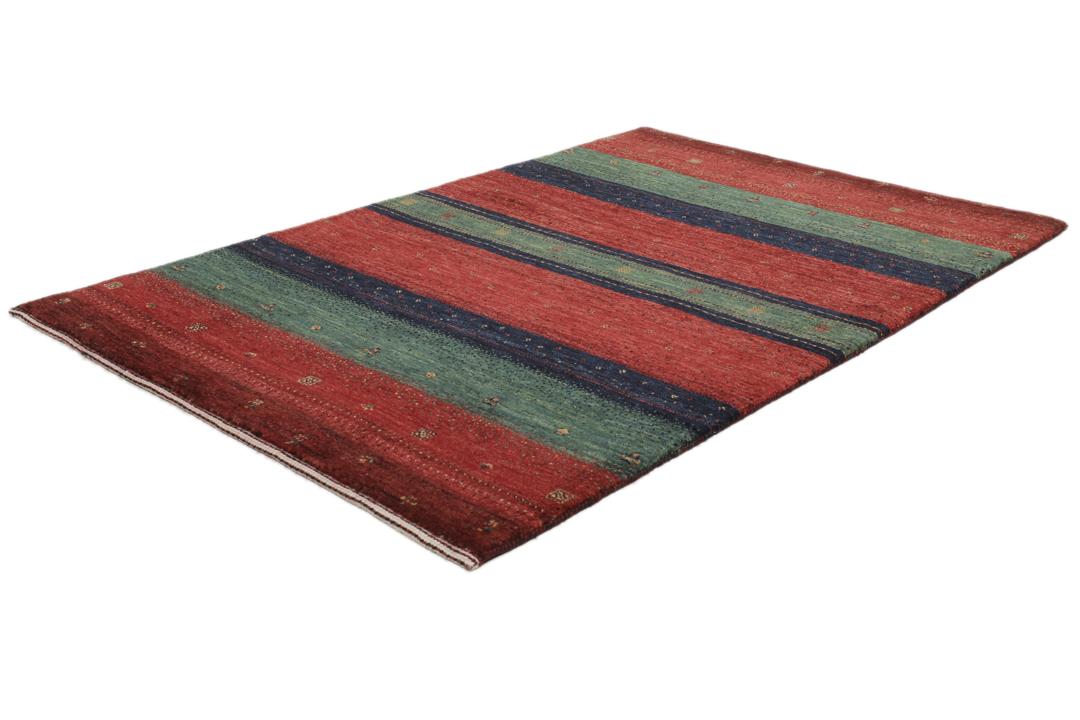
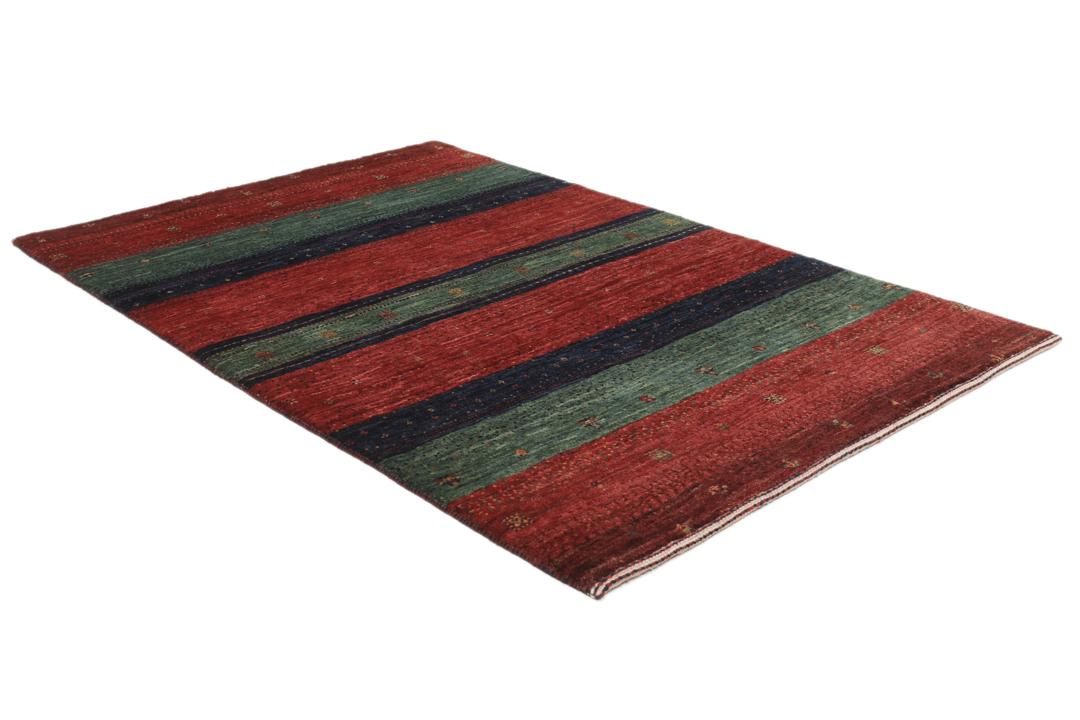
Loribaft rugs originate from the nomadic traditions of the Middle East, specifically associated with the Luri and Qashqai tribes. These rugs are renowned for their connection to the rugged, mountainous landscapes of their origin, where weaving has long been a vital expression of tribal identity and storytelling.
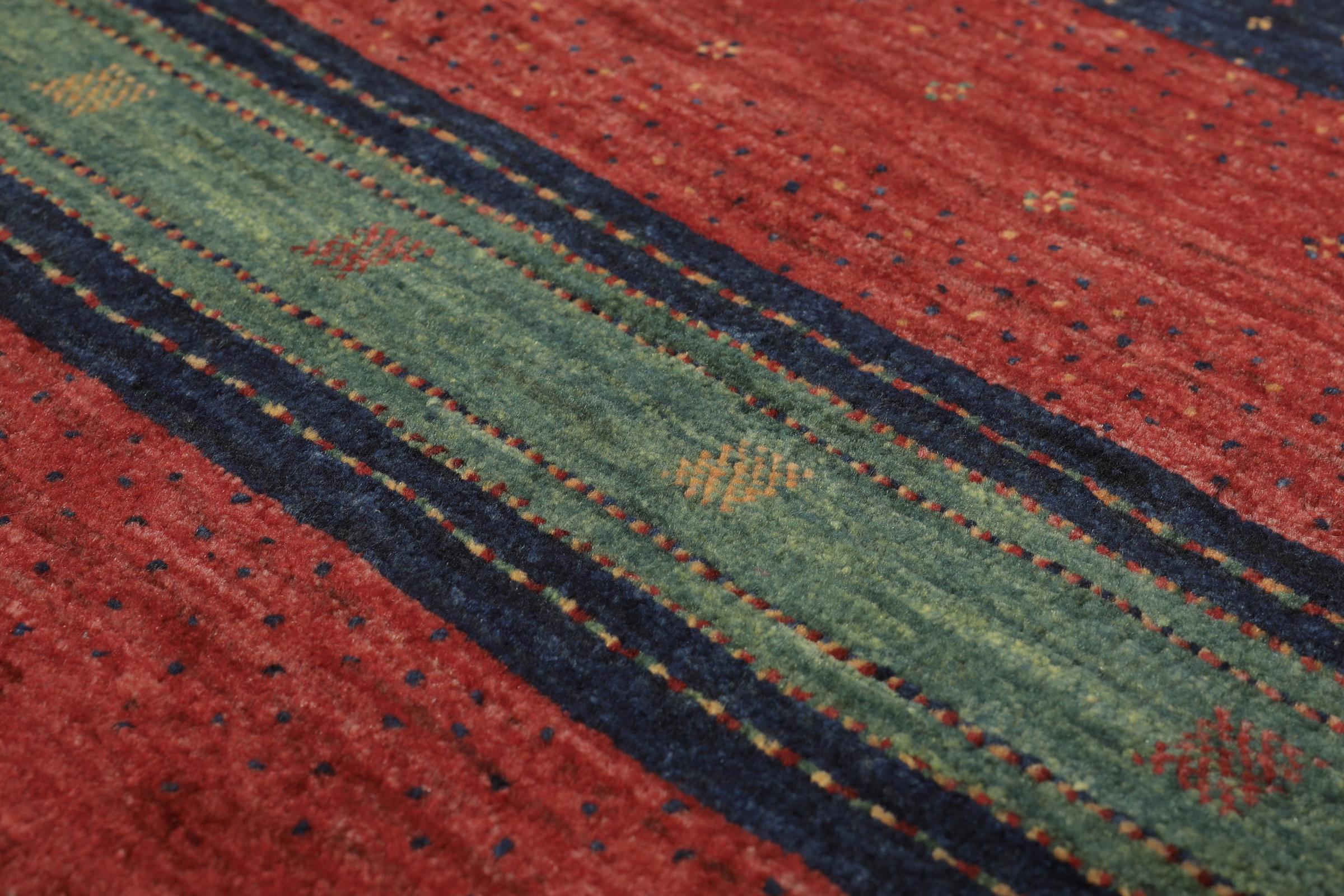
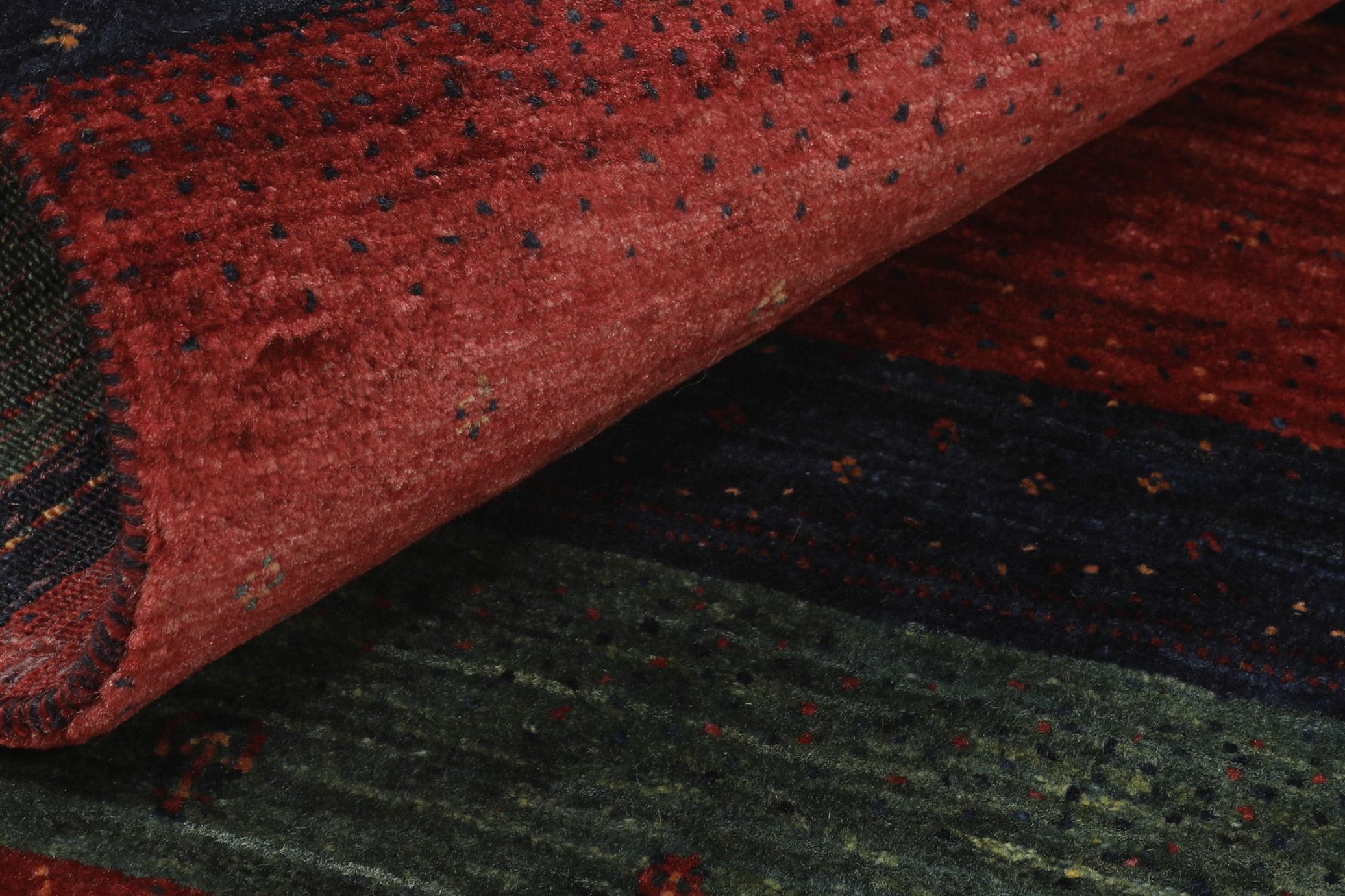
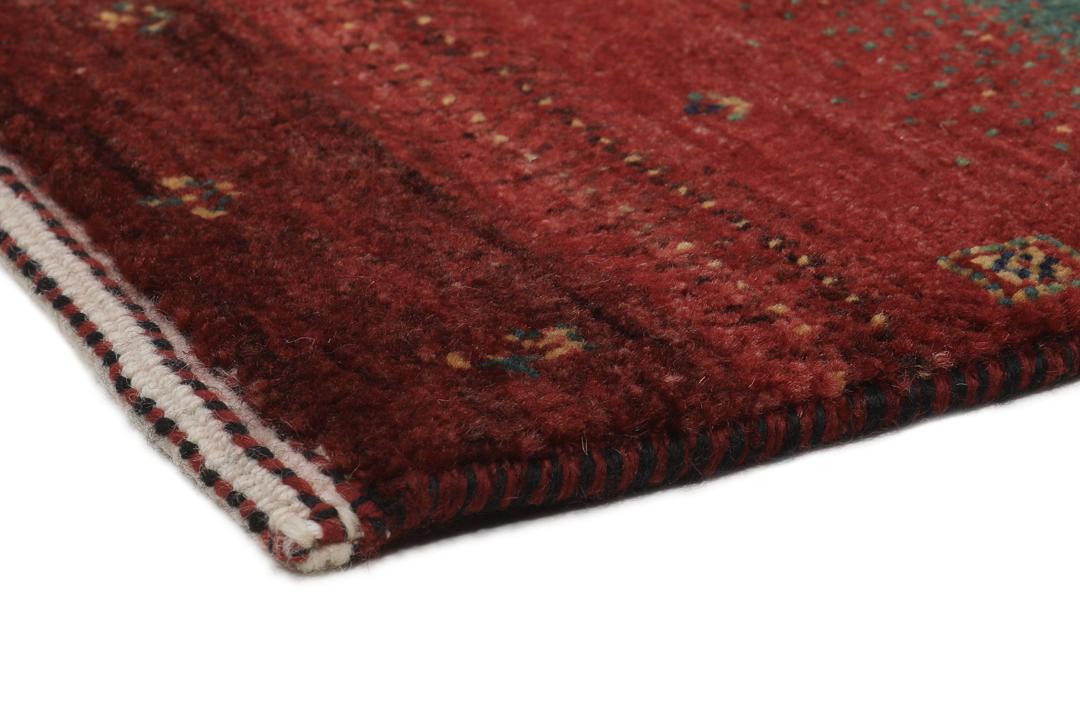
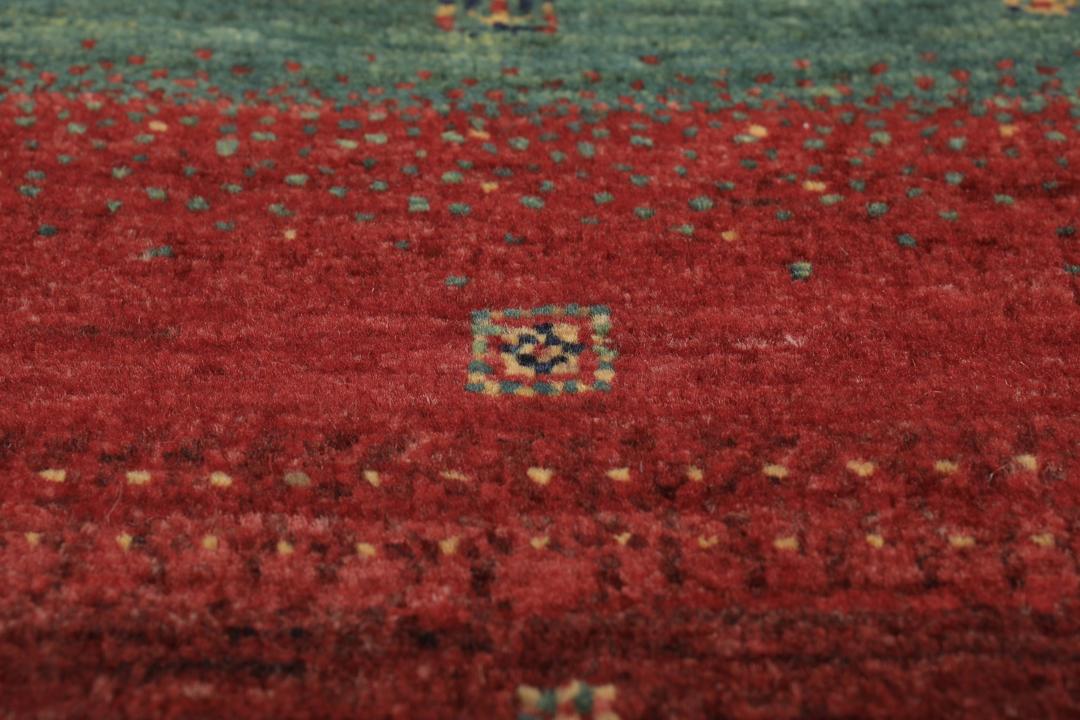
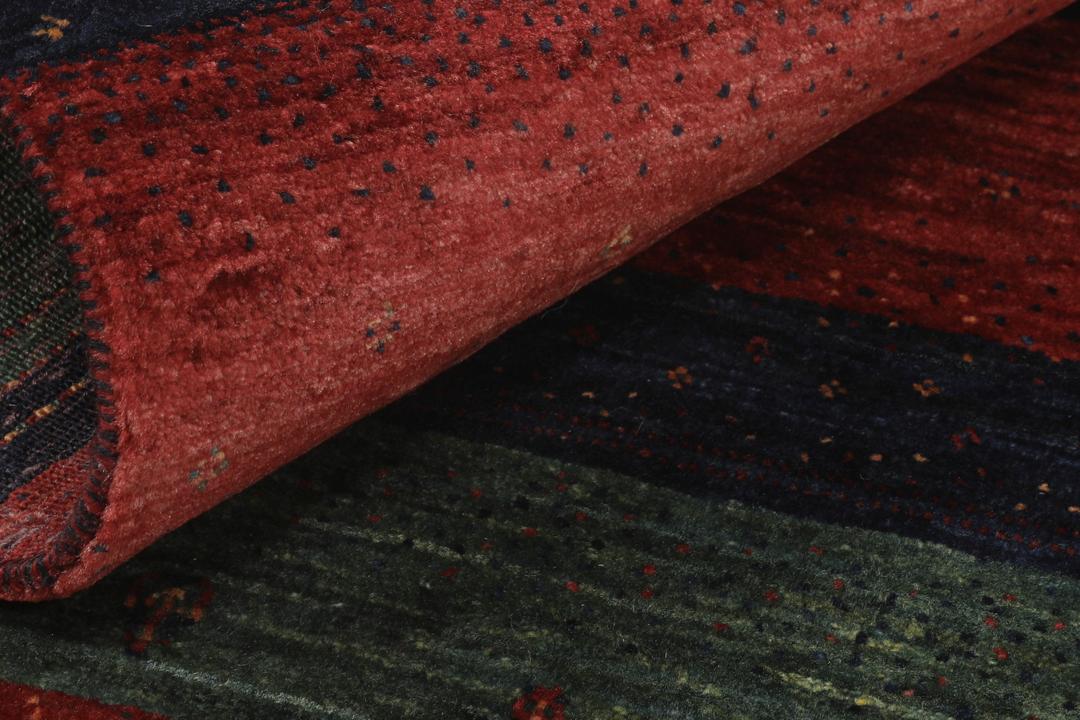
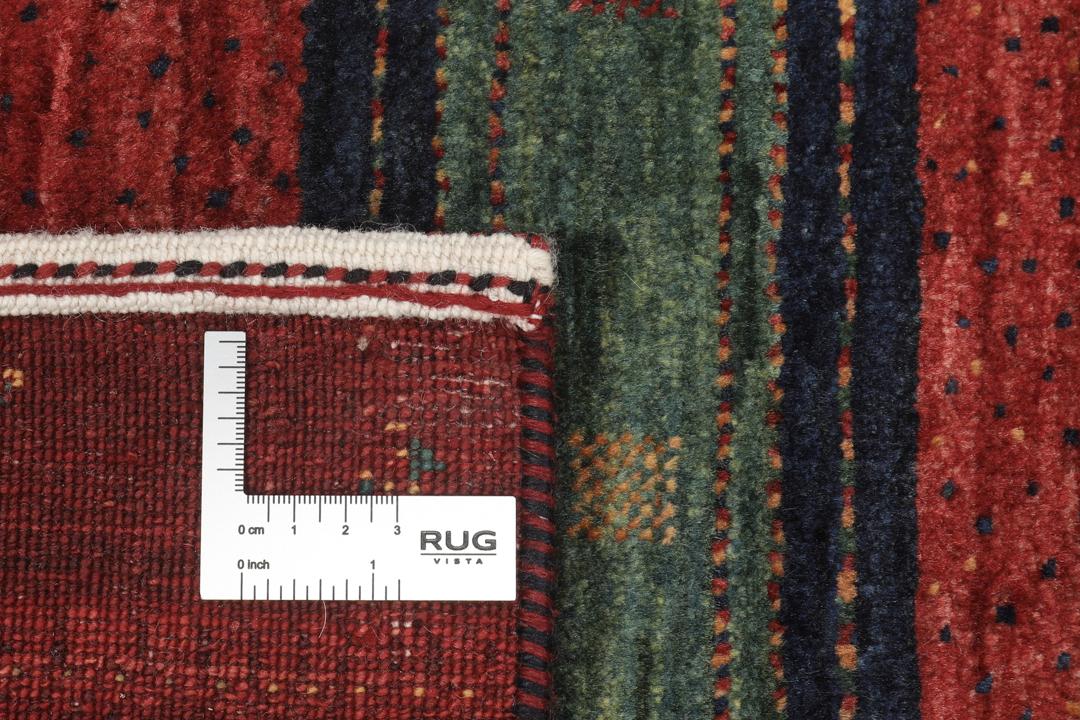
The term 'Loribaft' refers to a specific style of hand-knotted construction that emphasises a thicker, softer pile compared to traditional flat-woven rugs. This construction choice was originally developed to provide warmth and comfort for nomadic families living in challenging climates, making the quality of the wool and the density of the knots essential for survival and daily utility.
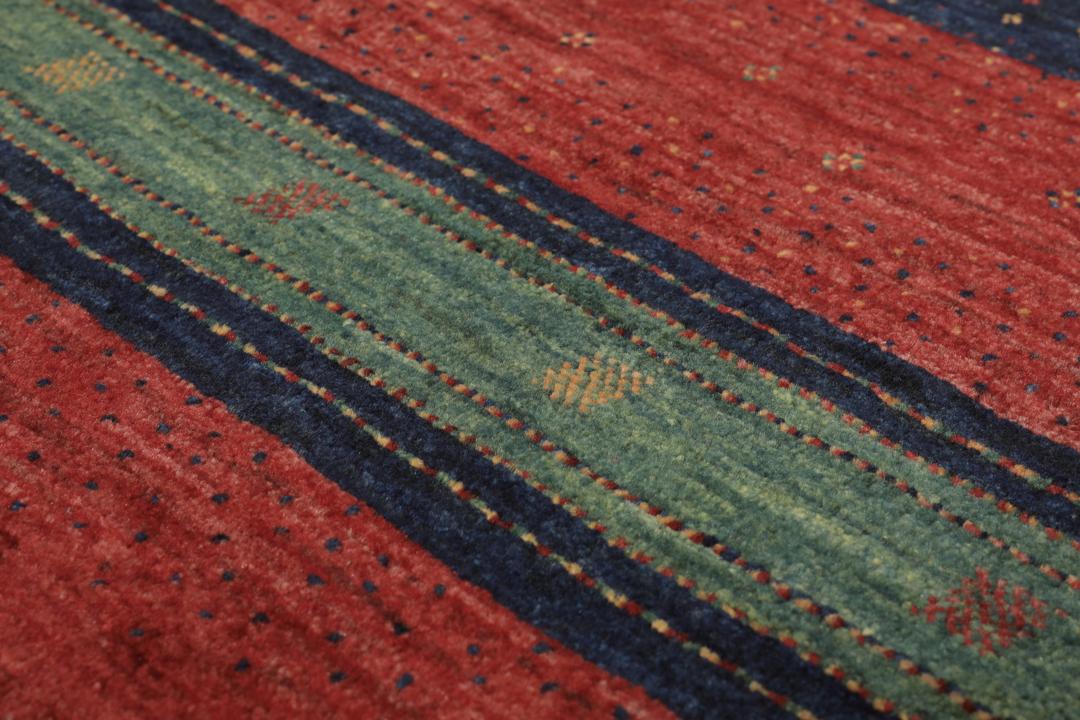
Visually, these rugs are celebrated for their artistic and often spontaneous designs, which frequently incorporate tribal motifs, geometric patterns, and deep, natural dyes. While they often feature traditional arrangements, each weaver introduces subtle variations that make every rug a unique reflection of their personal inspiration and the cultural heritage of their tribe.
Collecting a Loribaft rug is a way of preserving an ancient craft that relies on human skill rather than industrial machinery. These pieces are valued for their raw, authentic charm and the knowledge that they represent a living history of nomadic artistry, offering a connection to a way of life that values endurance, beauty, and the mastery of hand-worked materials.