The Loribaft rug tradition finds its roots in the nomadic cultures of the Middle East. These rugs were historically woven by tribal groups who moved across the landscape, creating textiles that were both functional for life on the move and deeply expressive of their cultural identity. Over time, the style evolved to incorporate more refined techniques while maintaining its connection to the raw, natural aesthetic of its origins.
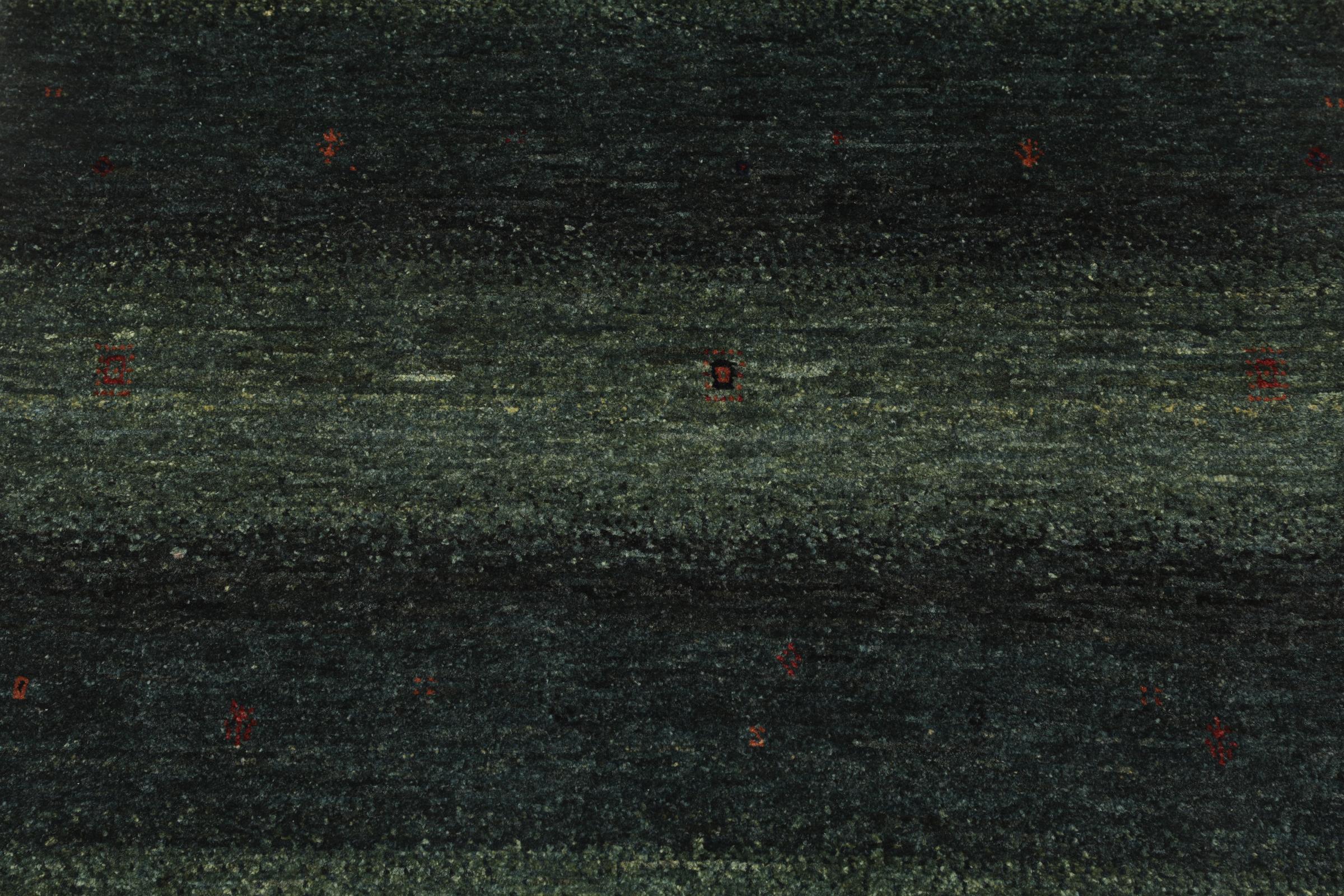
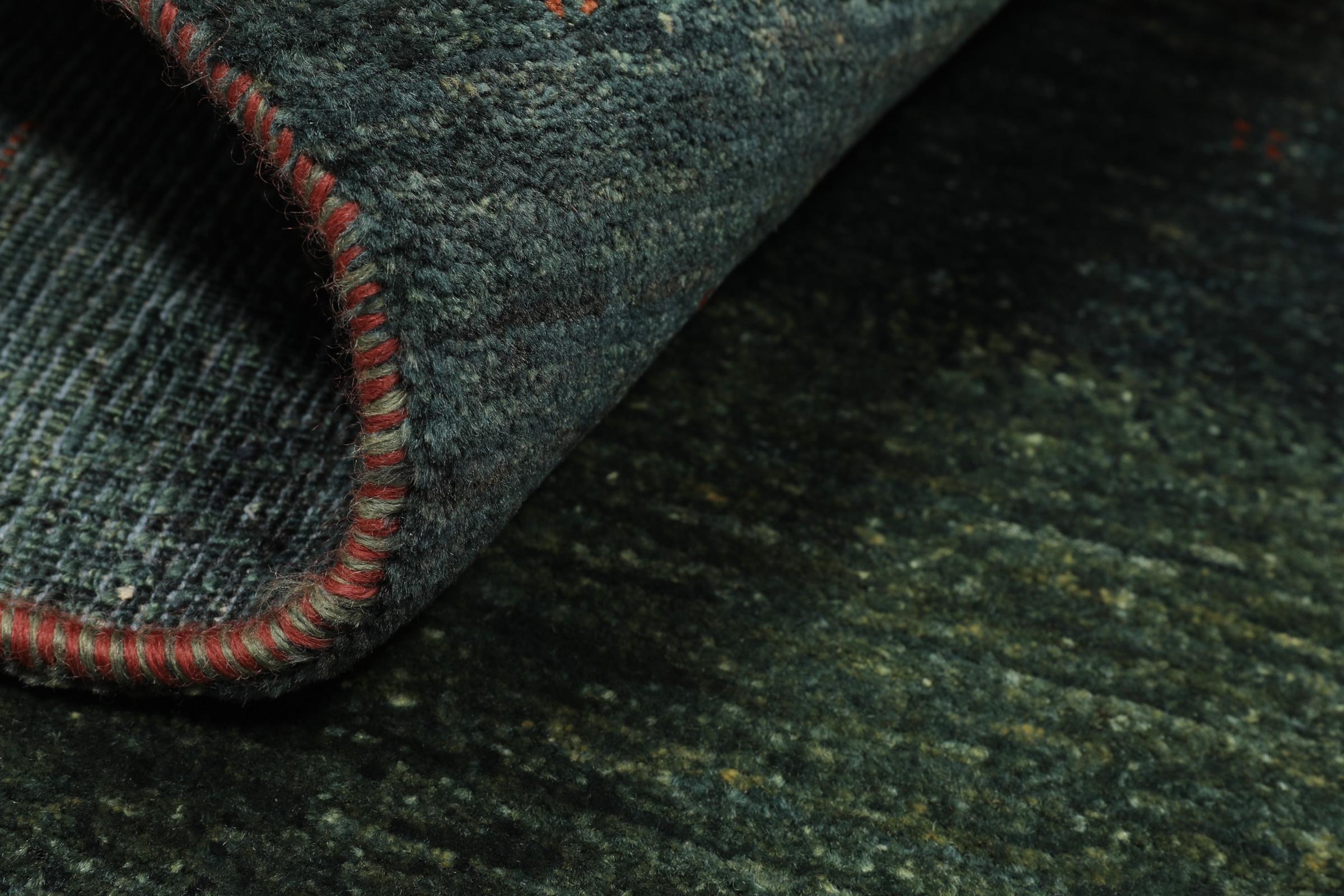
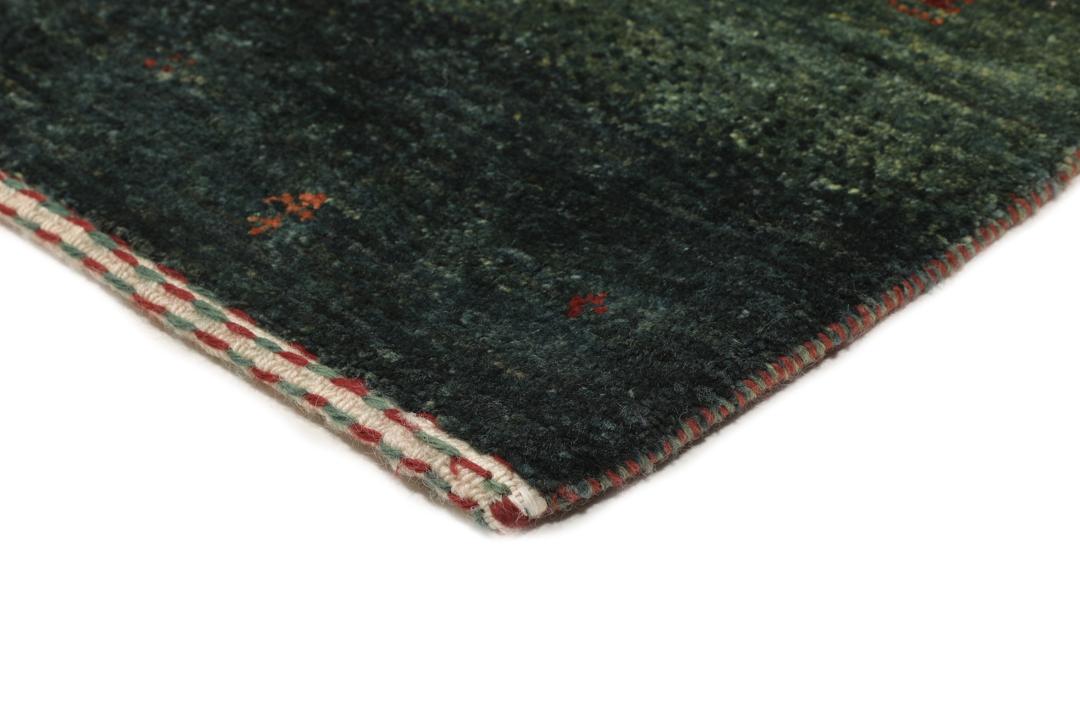
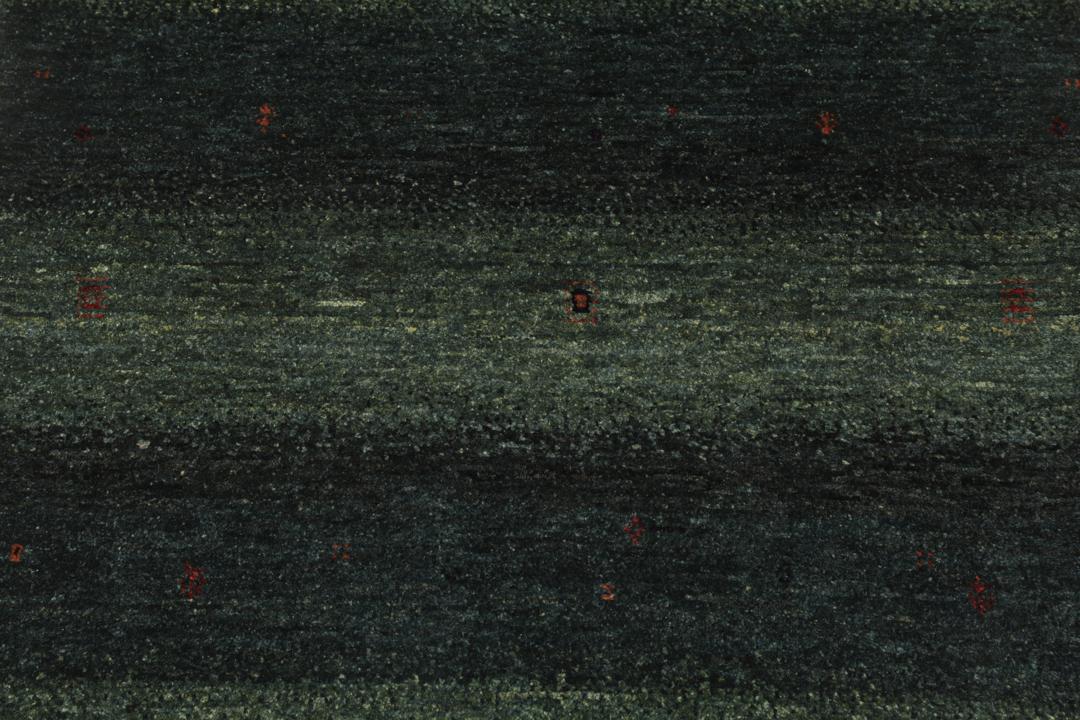
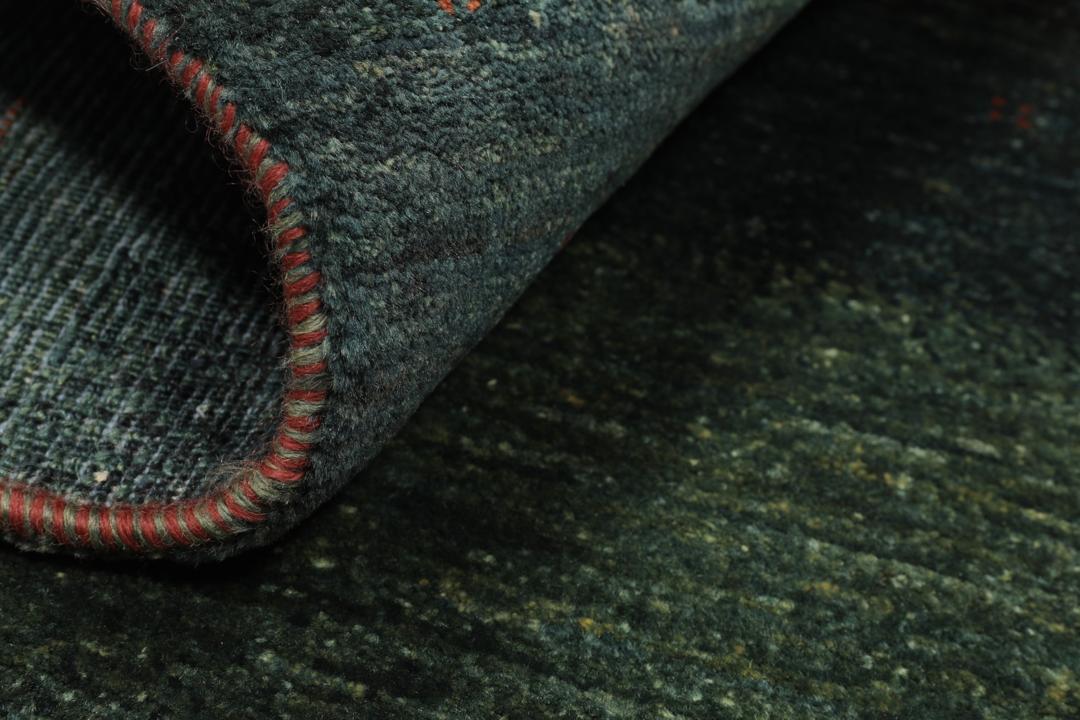
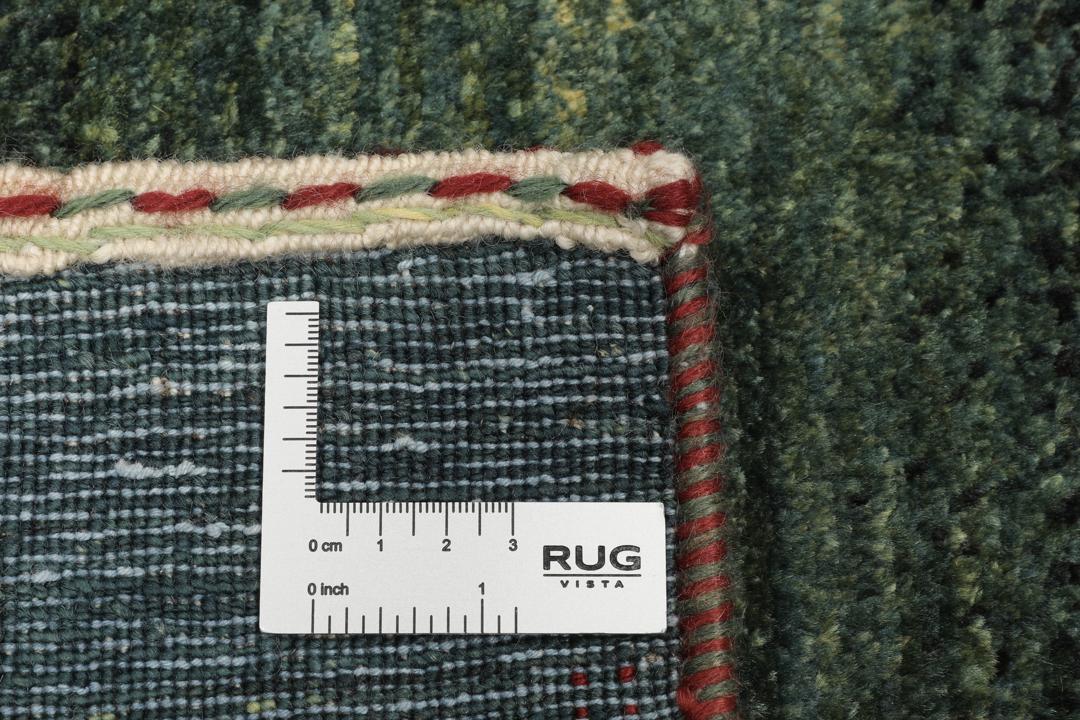
The term 'Loribaft' refers to a specific style of knotting that prioritises a thicker, more plush pile compared to traditional, thinner rugs. This density is achieved through the use of high-quality wool and a technique that emphasises a generous, soft texture. For the owner, this means a rug that feels exceptionally luxurious and provides a warm, insulating layer in the home, effectively muffling sound and adding physical comfort to any room.
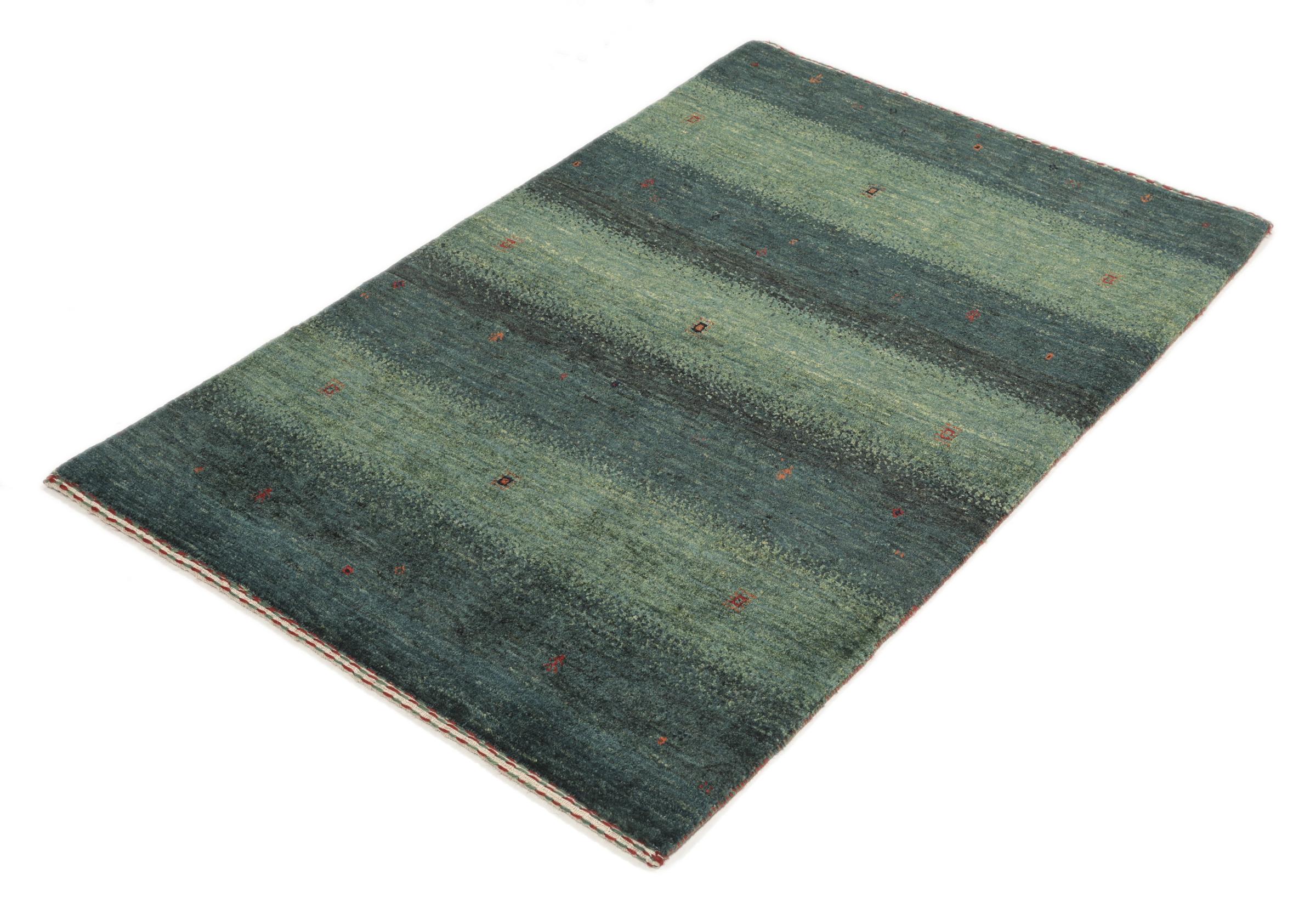
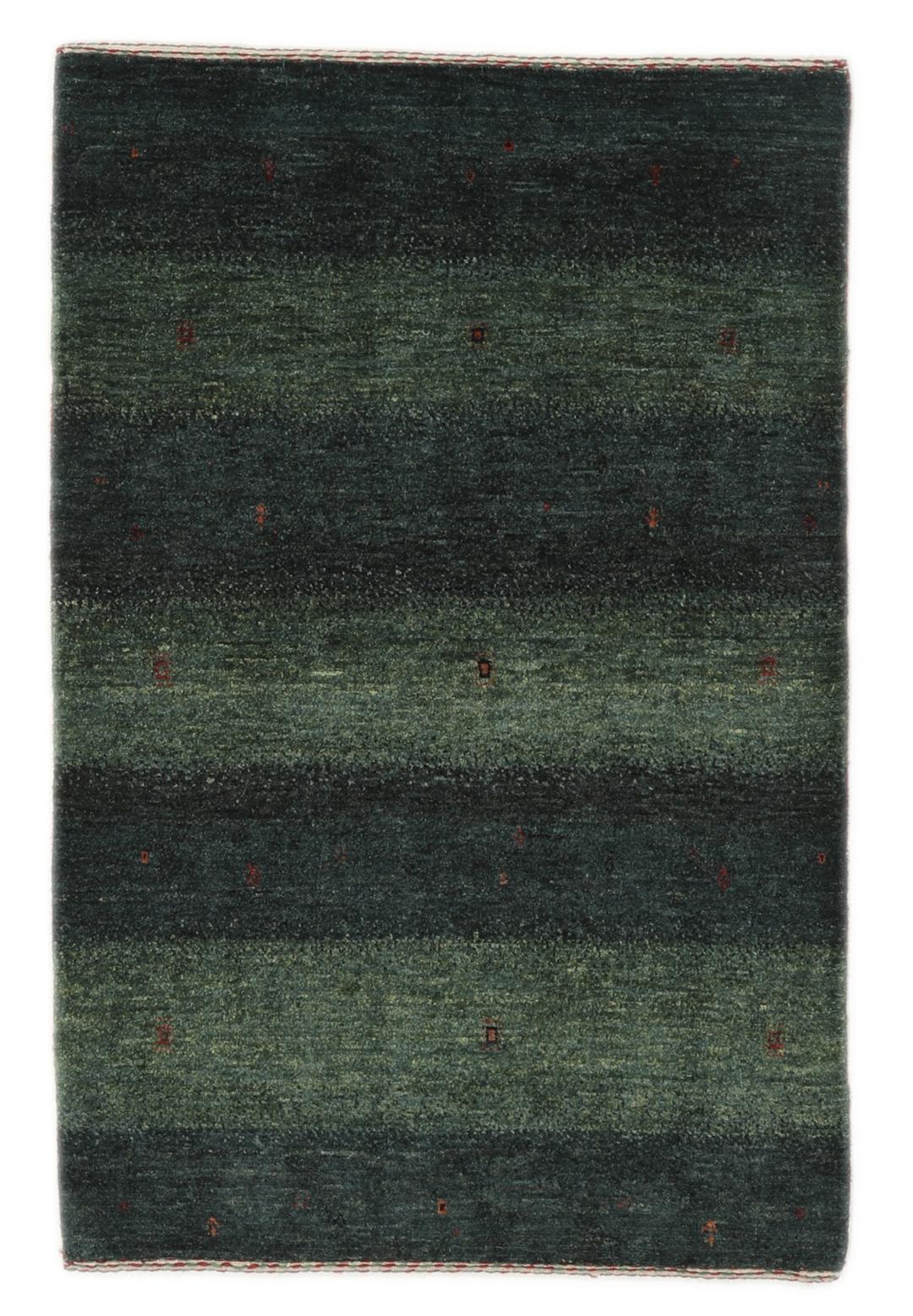
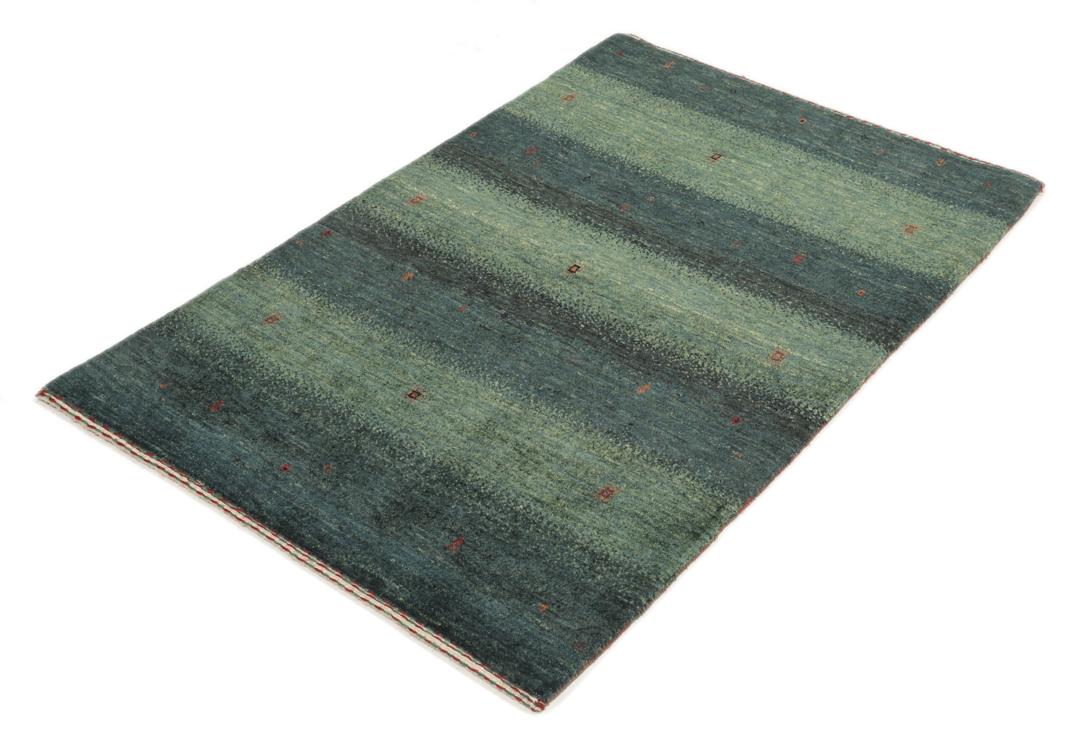
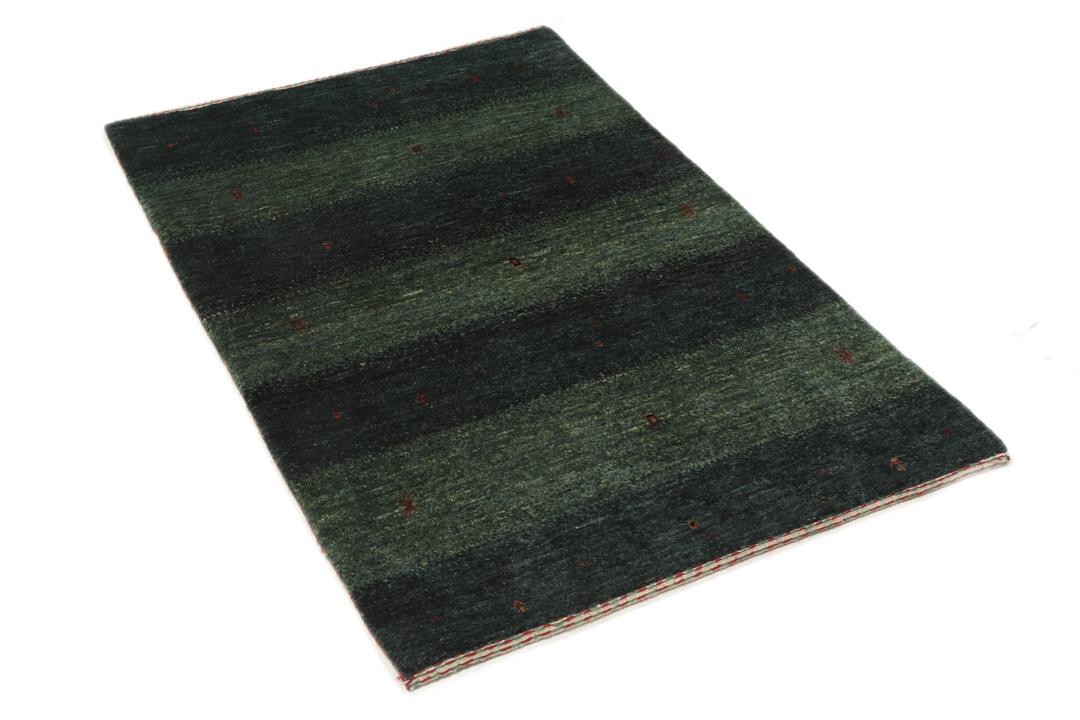
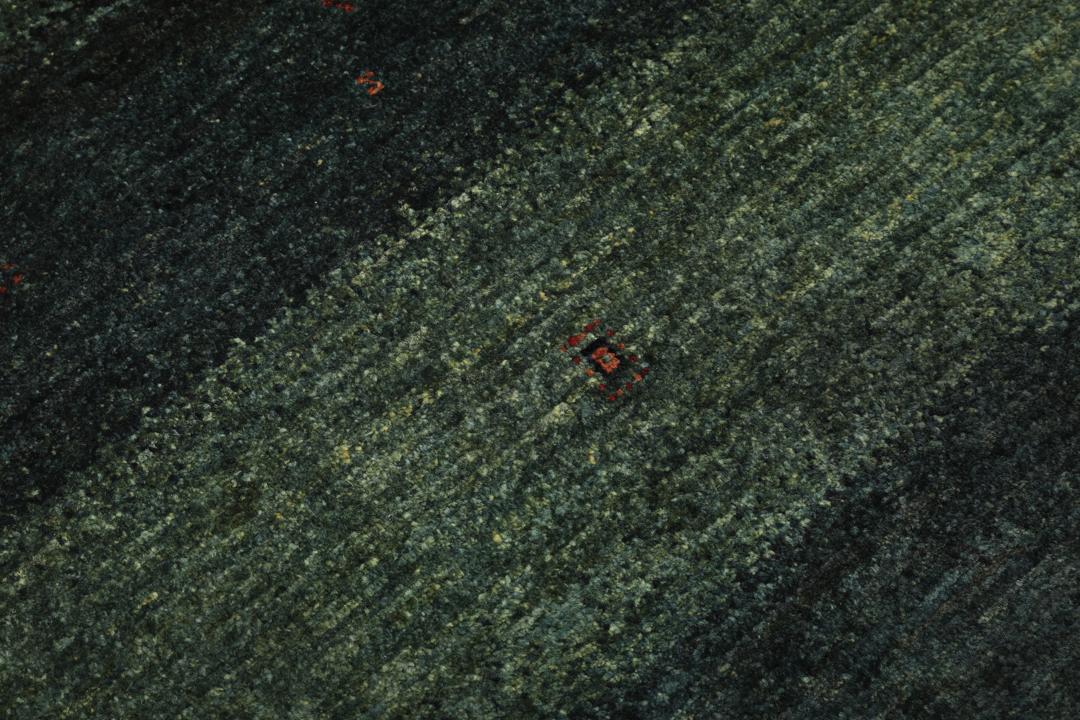
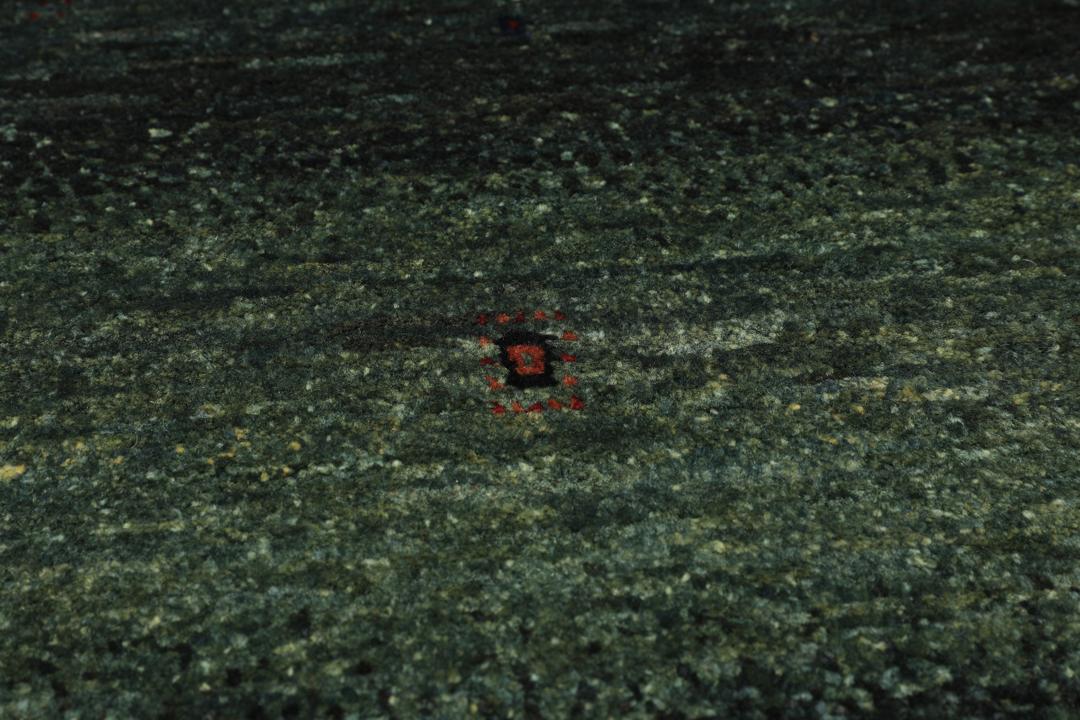
Visually, Loribaft rugs are known for their ability to blend rustic charm with a more polished, contemporary look. They often feature open, minimalist fields that allow the natural variations in the wool and the depth of the dyed colours to take centre stage. The occasional inclusion of small, geometric motifs provides a visual anchor, balancing the expanse of colour and showcasing the artisan's ability to inject subtle meaning into the composition.
Collecting a piece from this tradition is an investment in a living craft. These rugs are highly valued for their authenticity and the human story woven into every inch of their construction. By choosing a Loribaft, you are not merely purchasing a floor covering; you are acquiring a piece of artistic heritage that celebrates the skill of the weaver and the enduring appeal of traditional, hand-crafted objects.