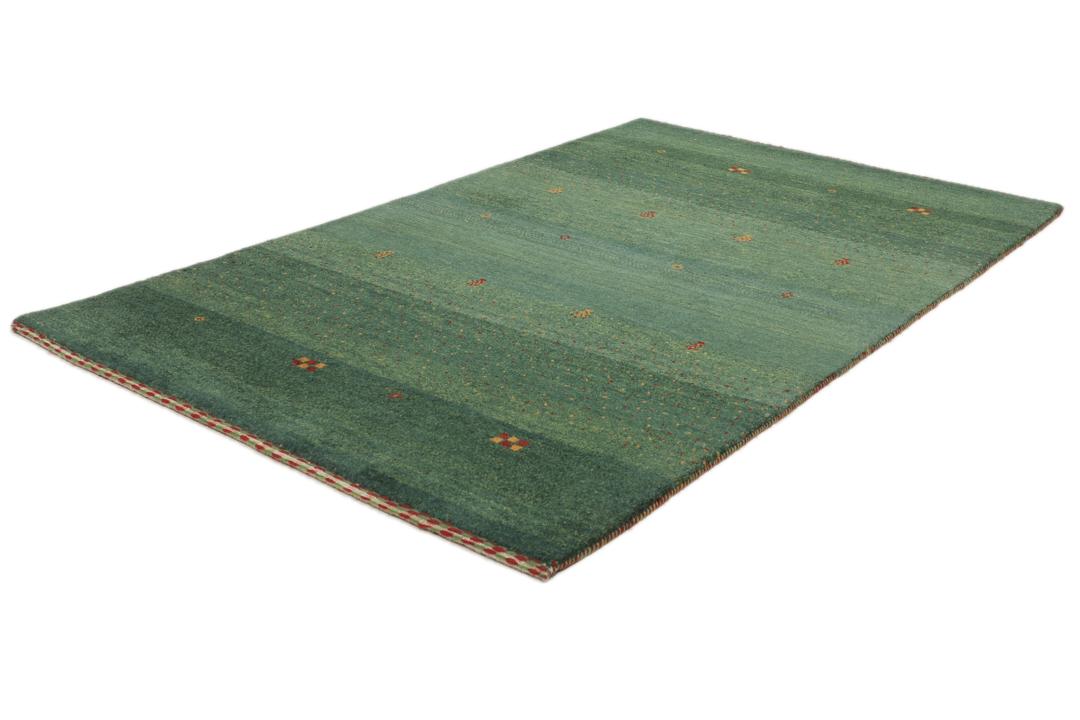
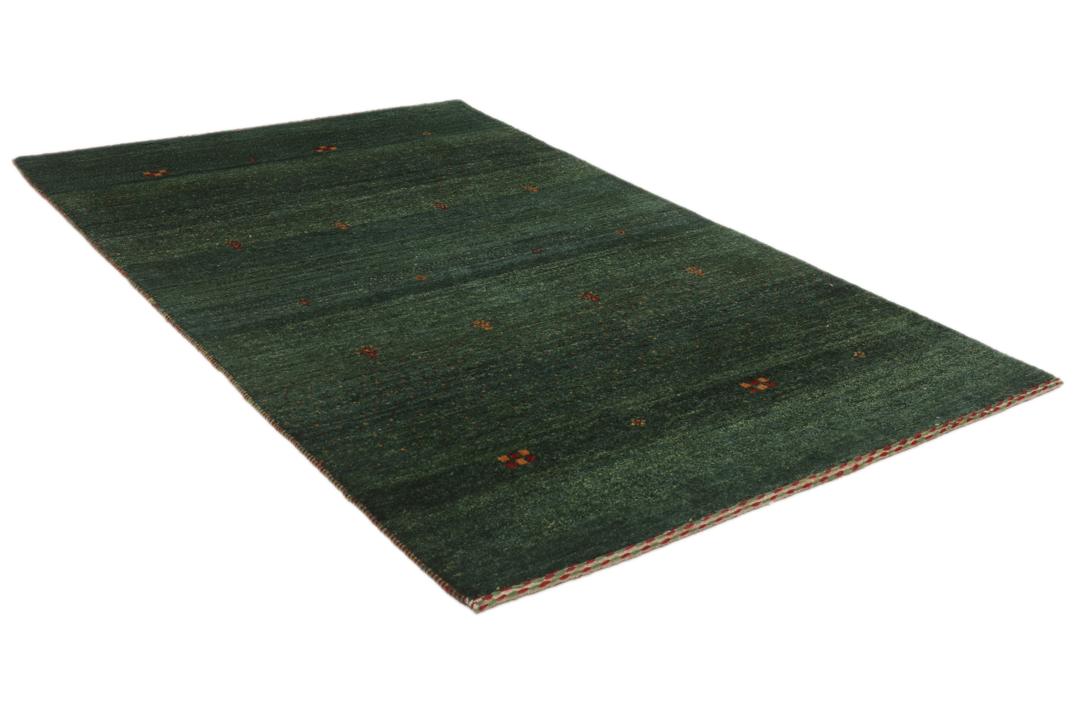
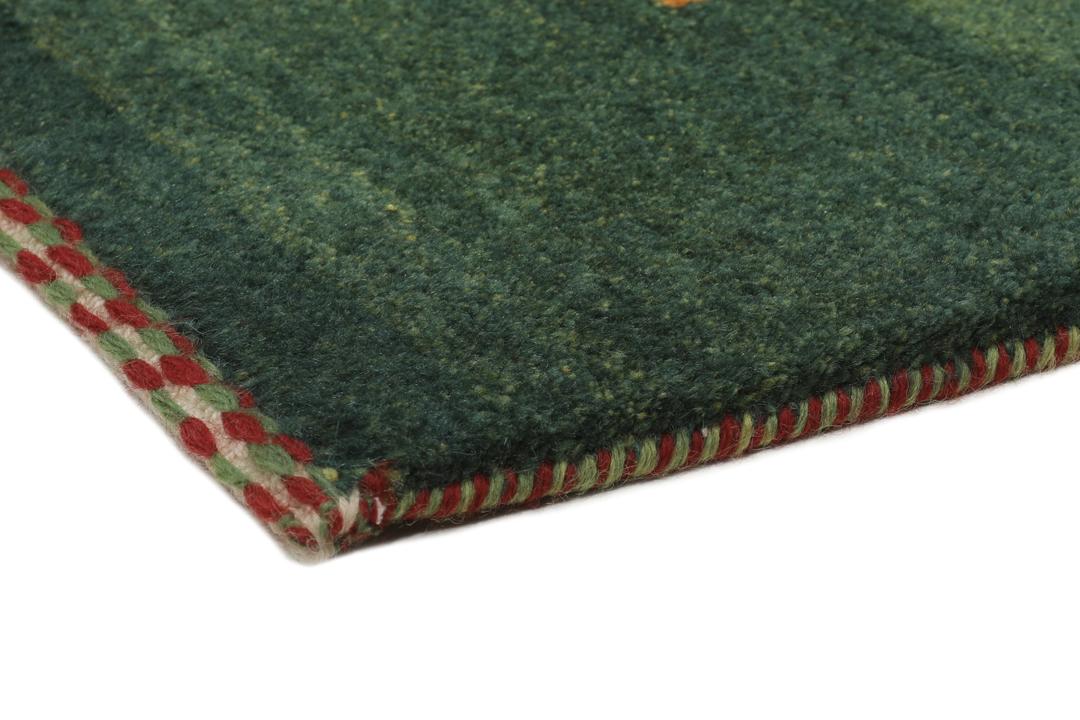
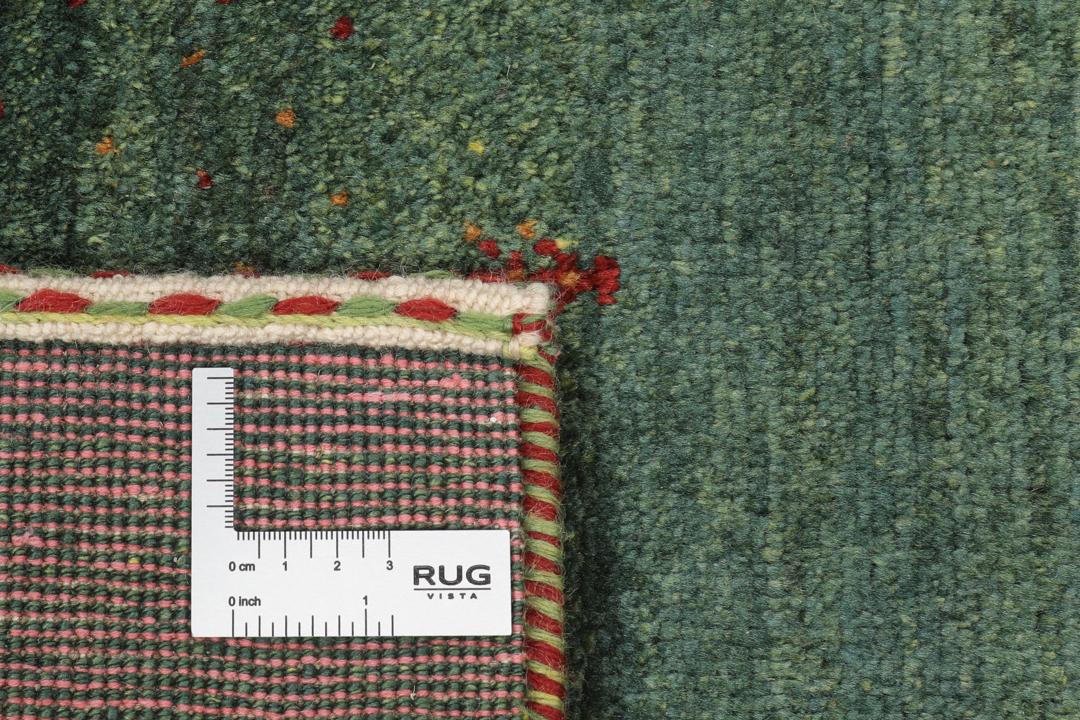
Loribaft rugs are a celebrated evolution of the traditional Gabbeh style, hailing from the tribal weaving regions of the Middle East. Historically, these rugs were created by nomadic tribes primarily for personal use, serving as thick, protective floor coverings in tents. Over time, their simple, unpretentious beauty gained international appreciation, leading to the development of the 'Fine' Loribaft, which uses more refined wool and tighter knotting.
The term 'Loribaft' refers to the technique used by the Luri people, known for their expressive and bold approach to weaving. Unlike more formal, city-made rugs that follow strict geometric grids, Loribafts often feature a more spontaneous design language. The 'Fine' designation indicates a departure from the coarser, heavy-pile Gabbeh, resulting in a rug that is more polished while still retaining the soul of its nomadic origins.
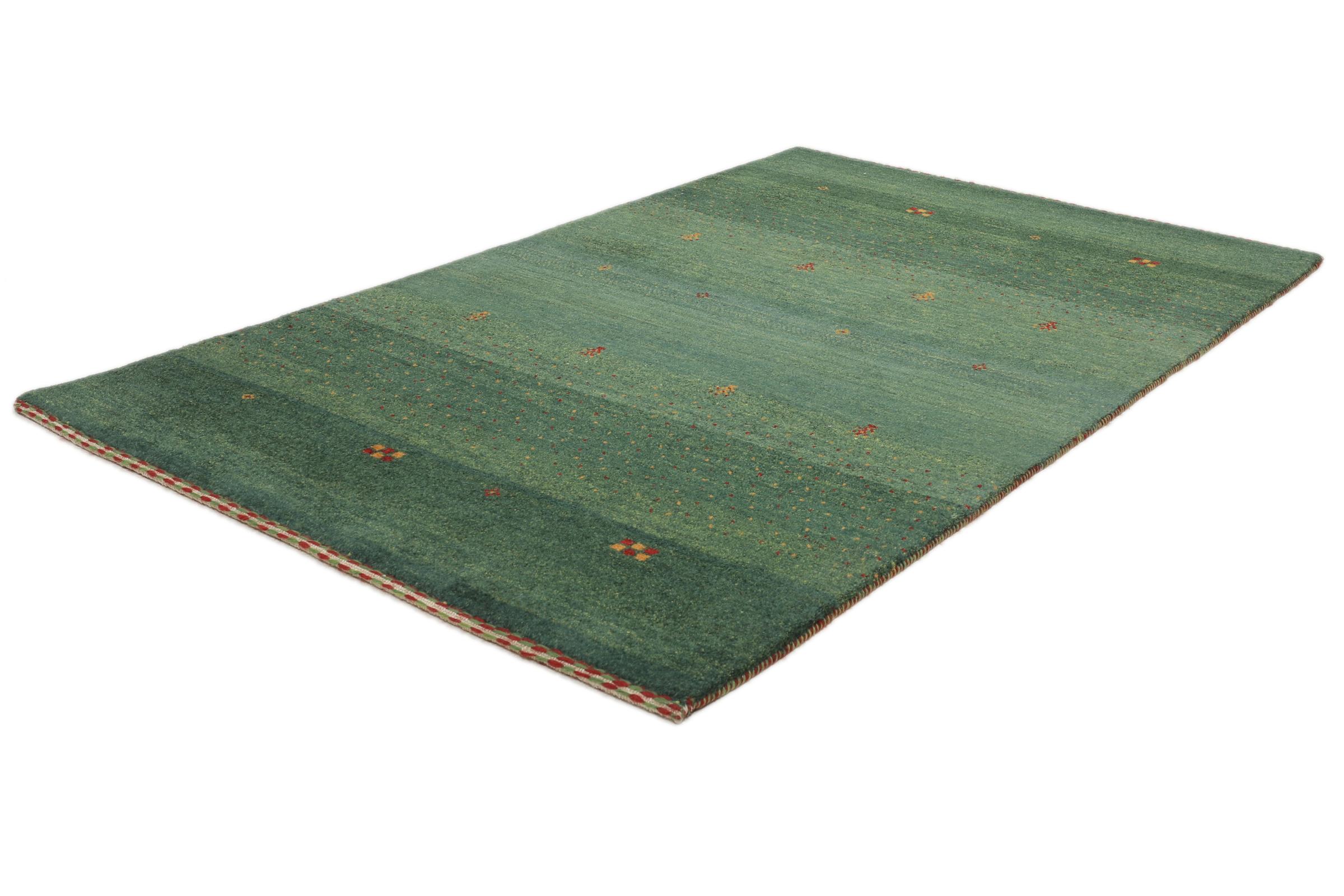
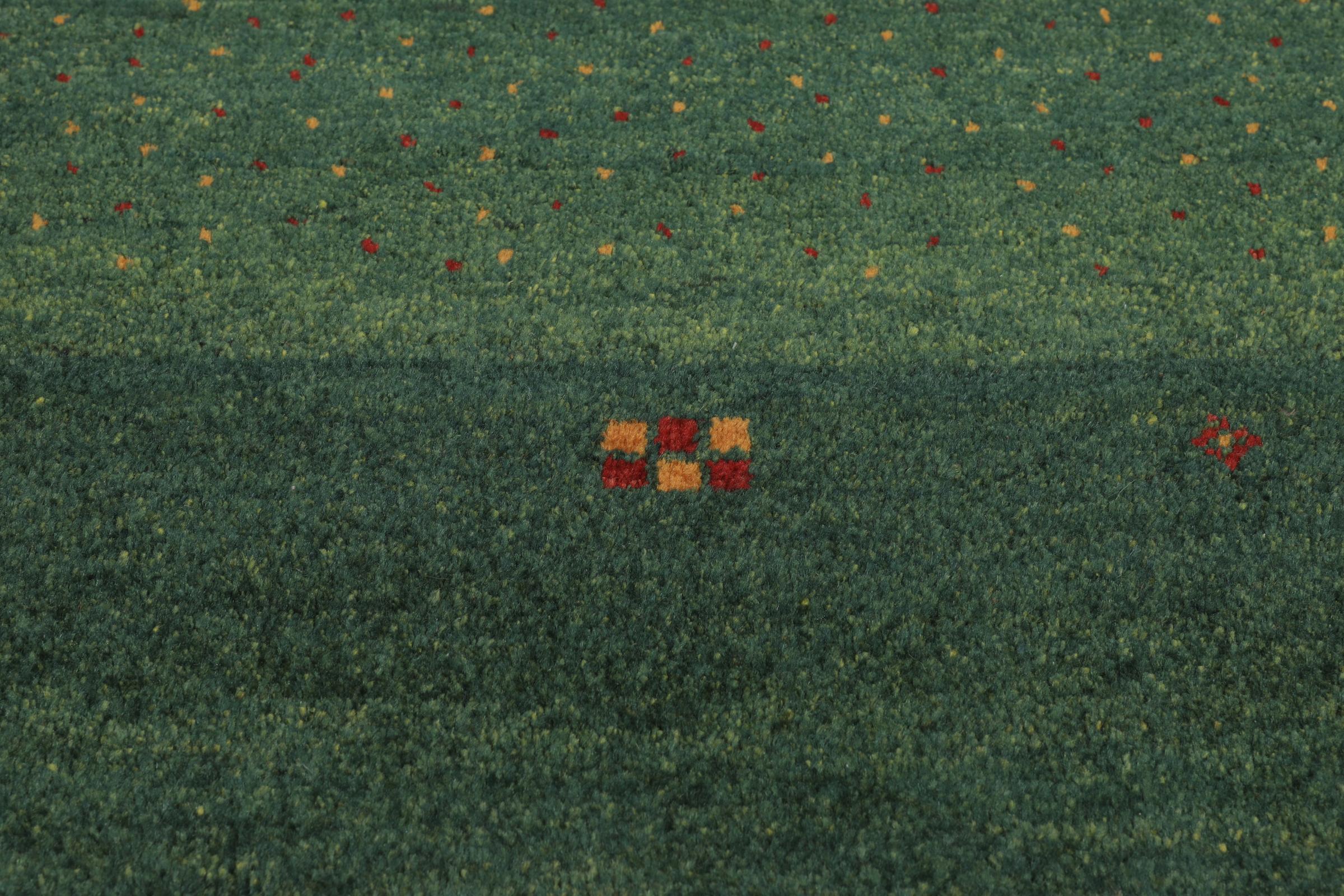
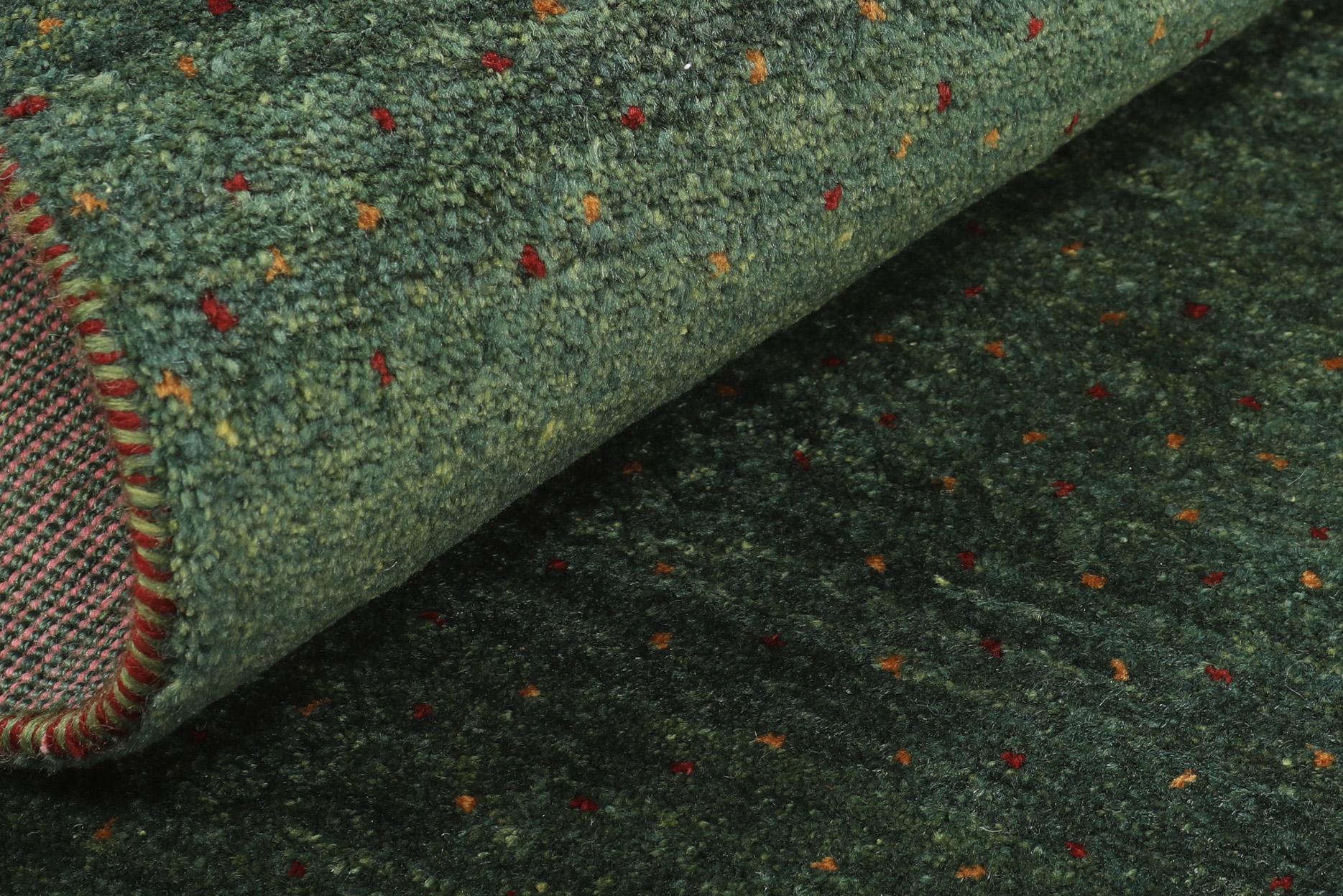
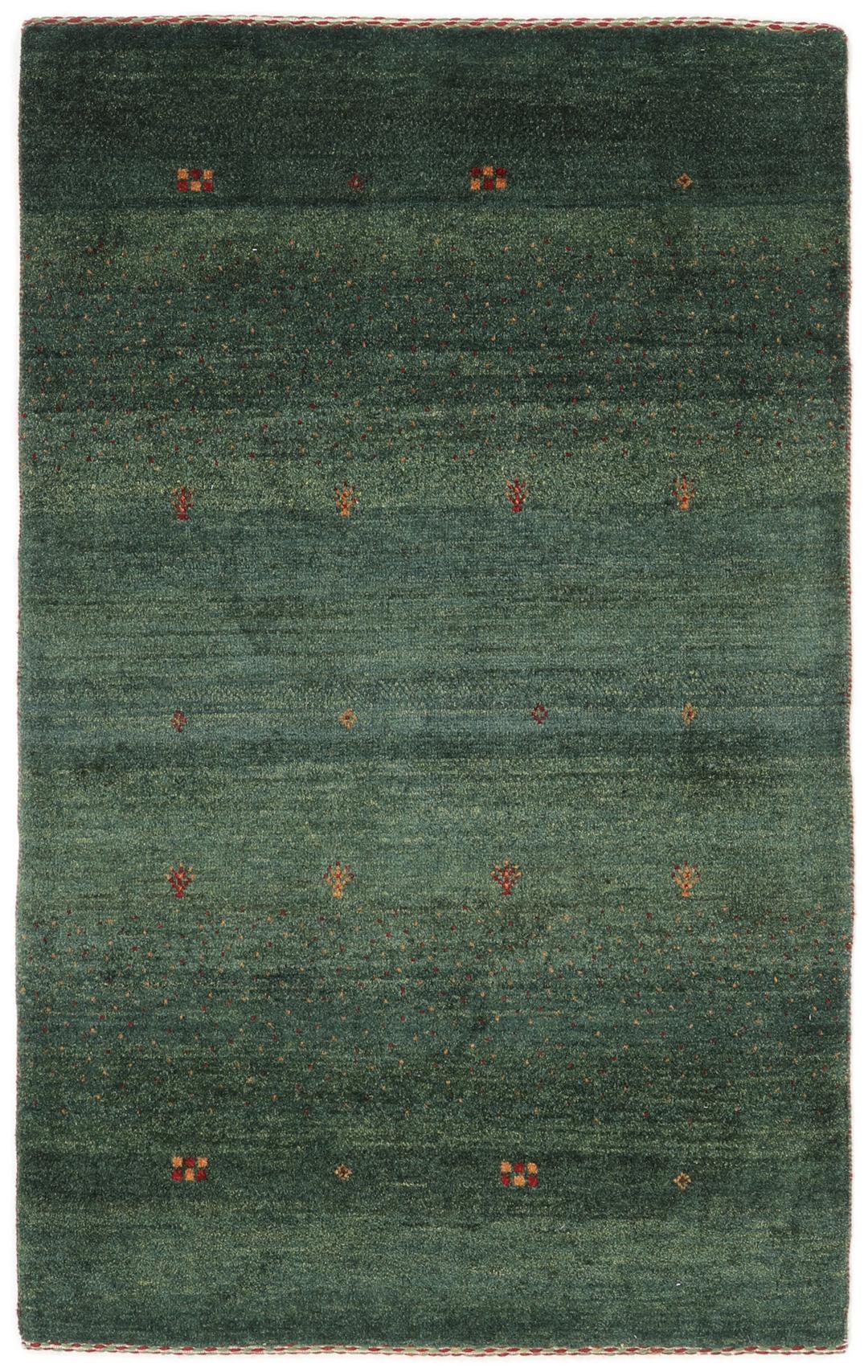
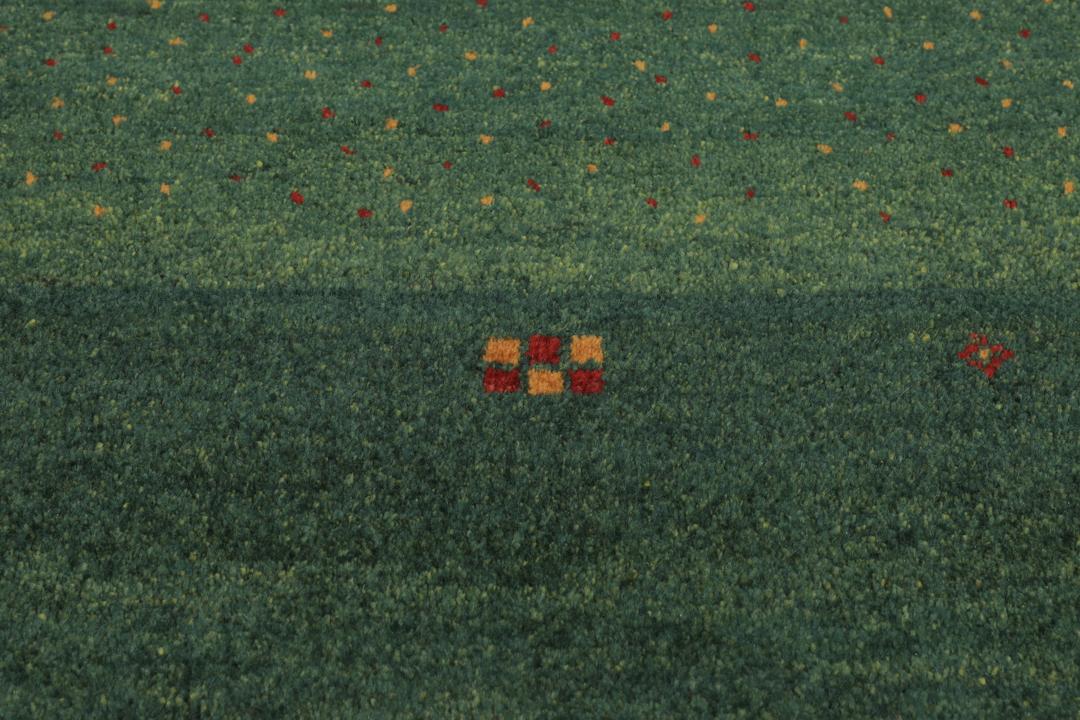
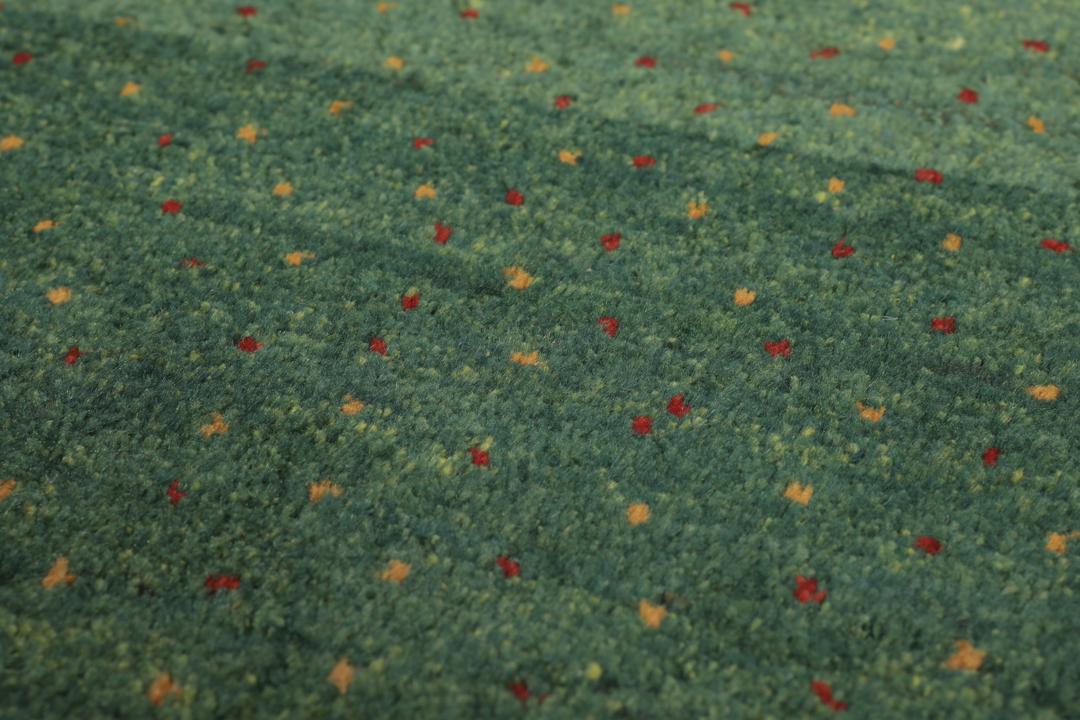
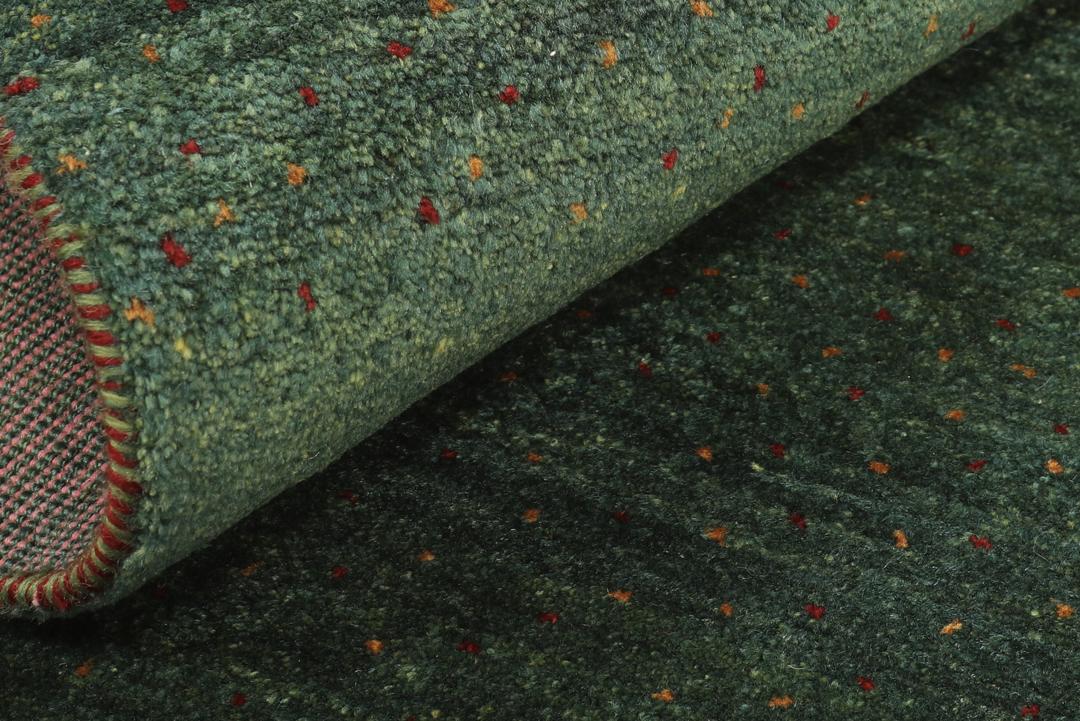
Visually, these rugs are defined by their use of open, unadorned fields of colour, often created using natural dyes that develop a beautiful patina over time. The small, sparse motifs—often representing flowers, animals, or tribal symbols—are inspired by the weaver's environment and daily life. This minimalist approach allows the quality of the wool and the depth of the colour to take centre stage.
Owning a Loribaft Fine is an investment in cultural heritage. These rugs are highly valued by collectors because they represent a living tradition, bridging the gap between ancient nomadic customs and modern design sensibilities. Each piece is a testament to the weaver's individual creativity, making it a meaningful addition to any home that values authentic, human-made craftsmanship.