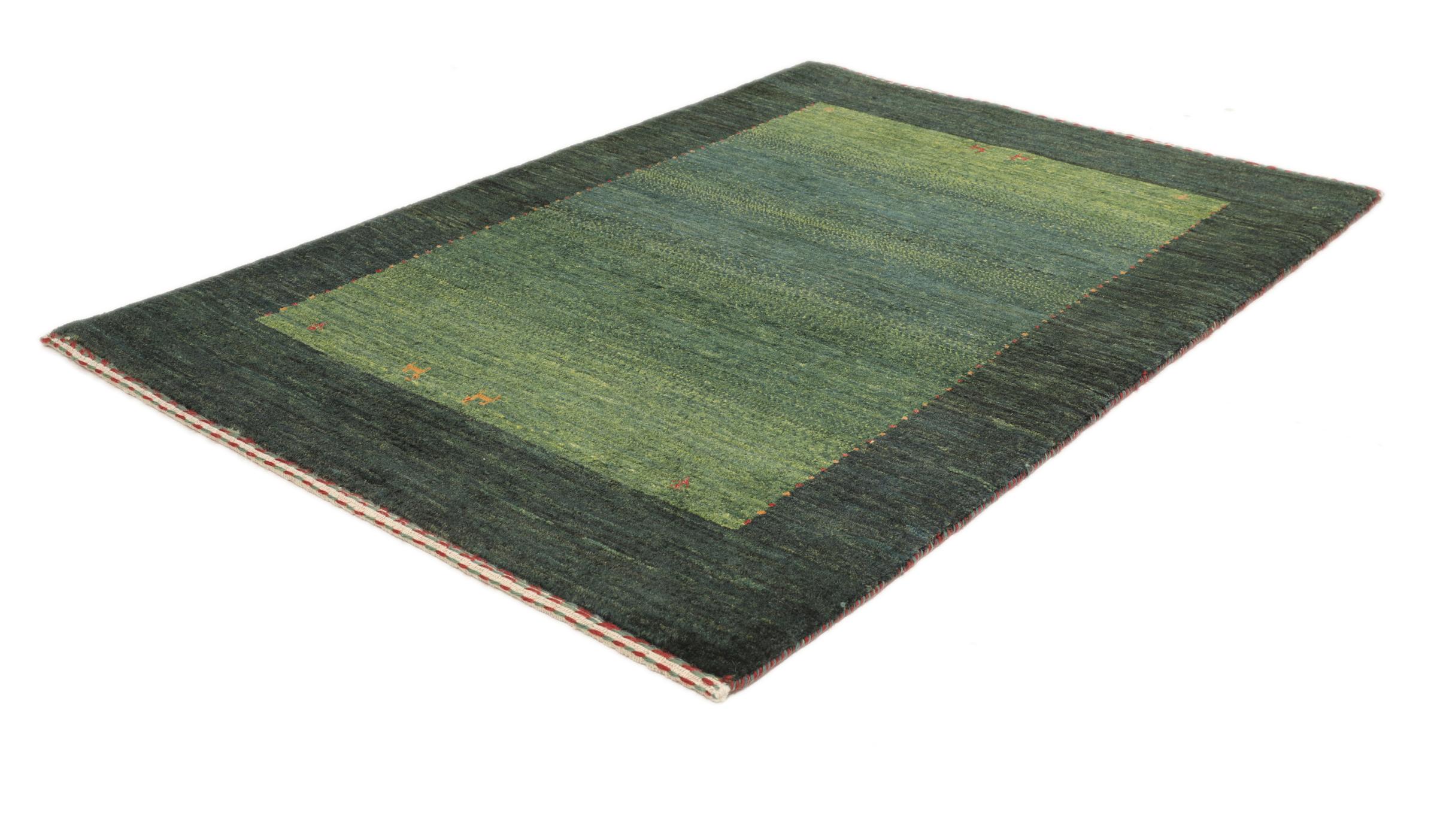
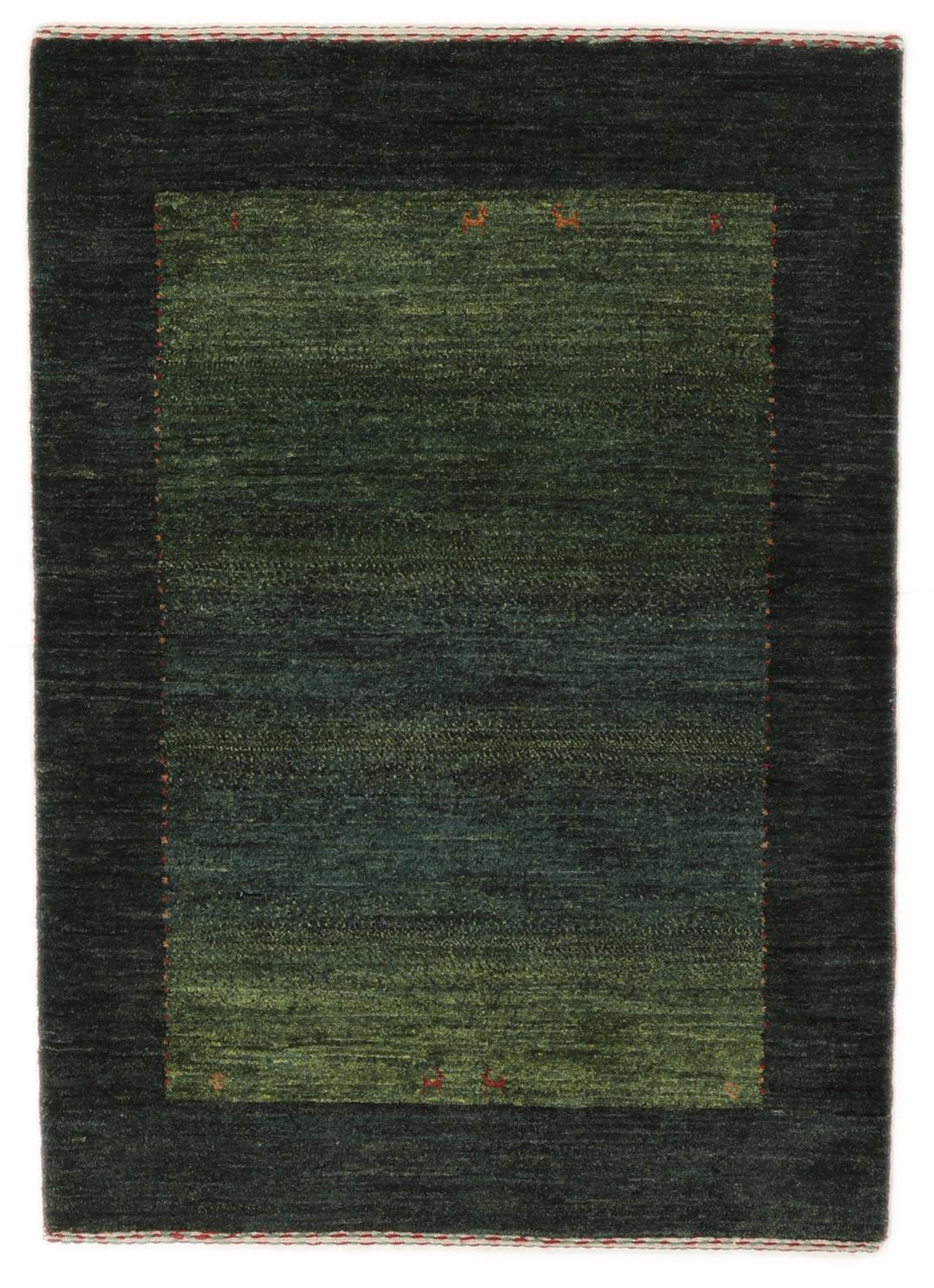
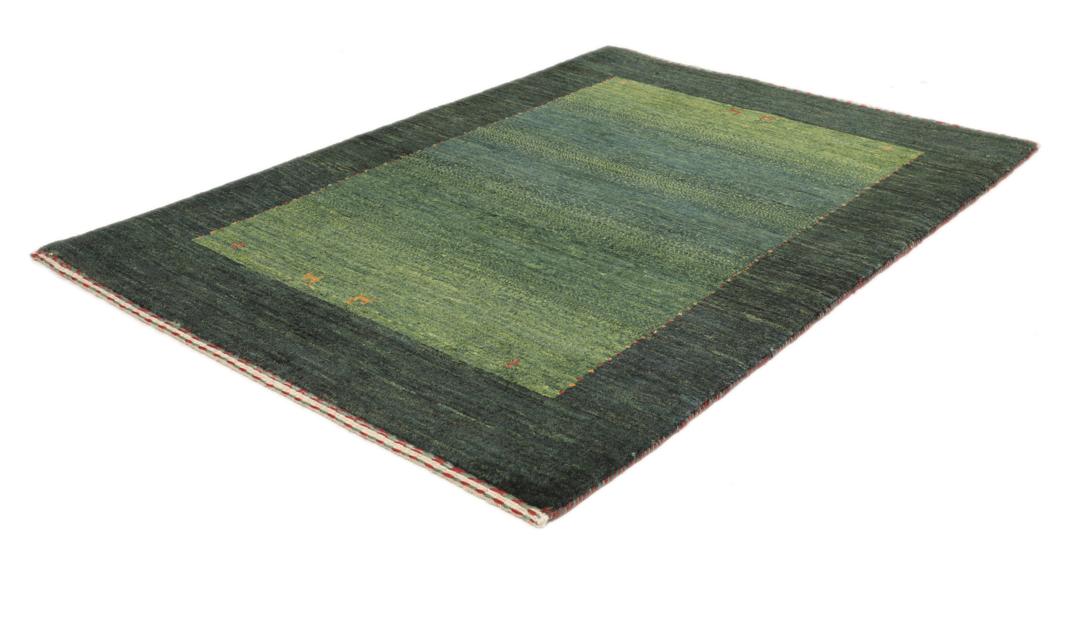
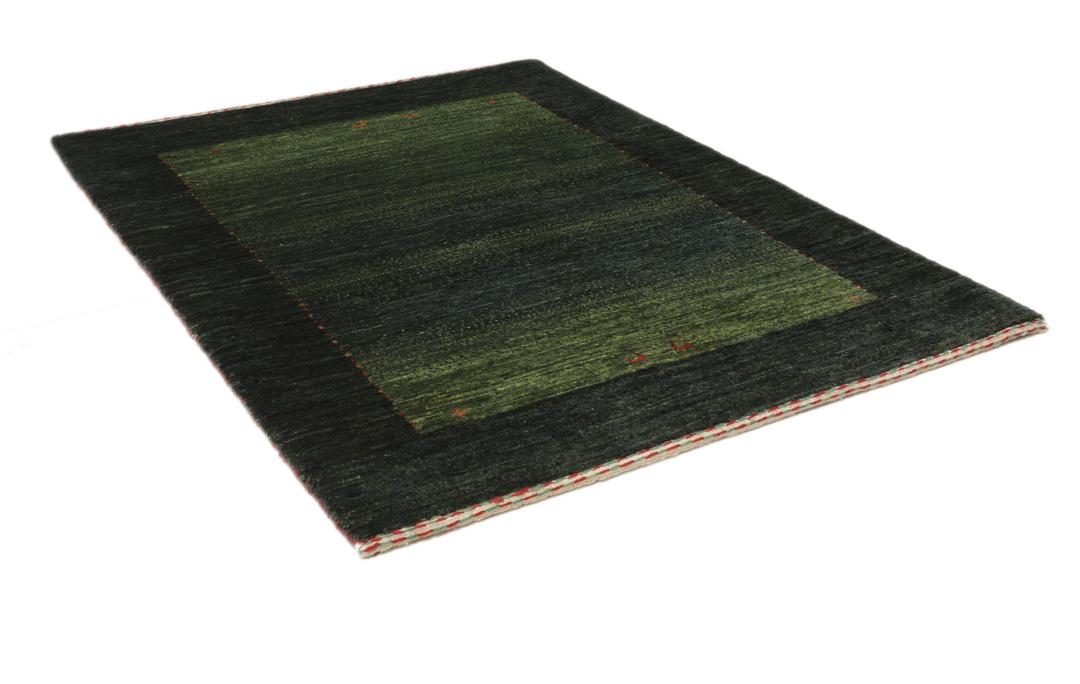
Loribaft rugs trace their origins to the nomadic tribes of the Middle East, where weaving is a deeply embedded cultural practice. These rugs were traditionally created for domestic use, reflecting the environment and the expressive spirit of the weavers who produced them in remote, mountainous regions.
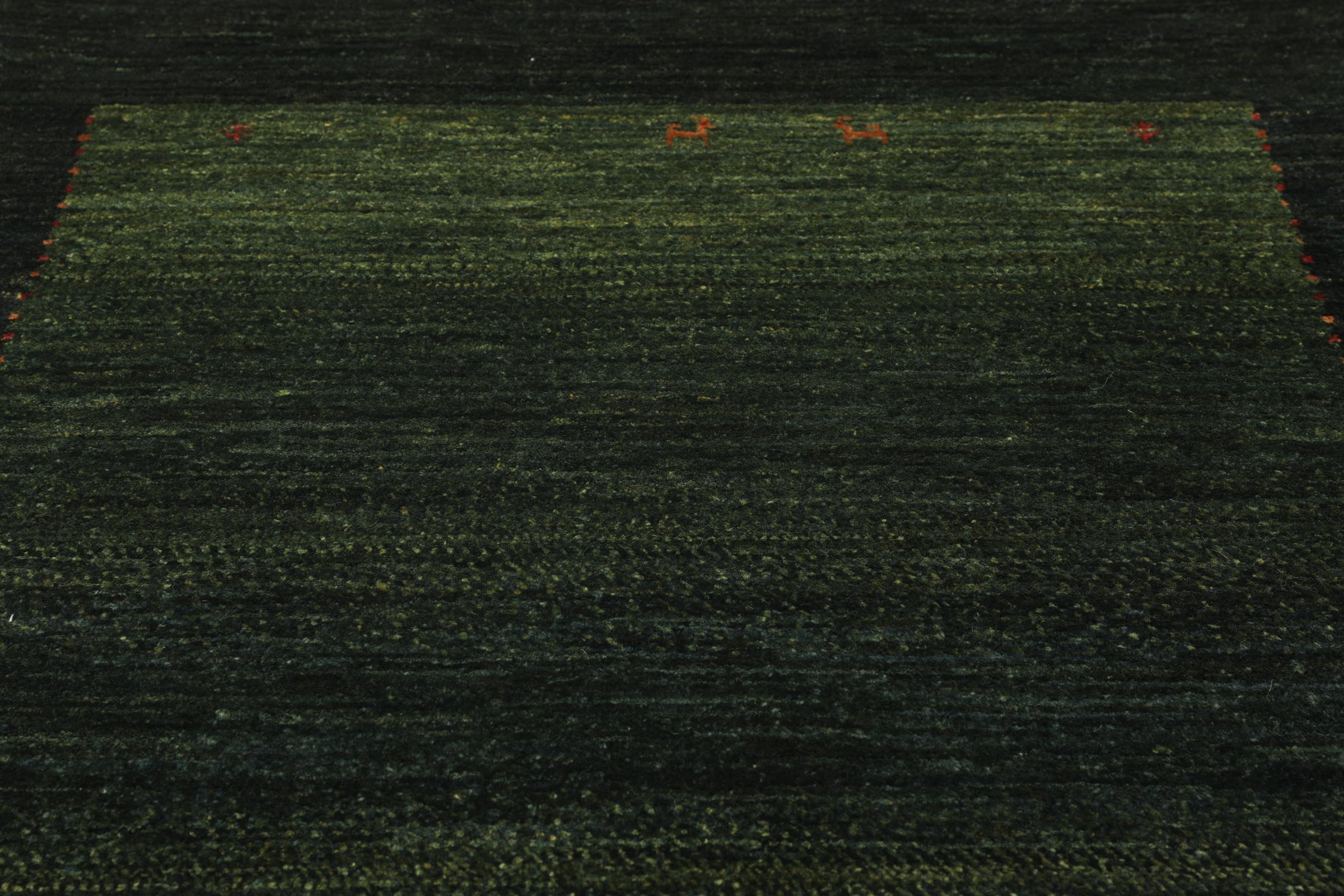
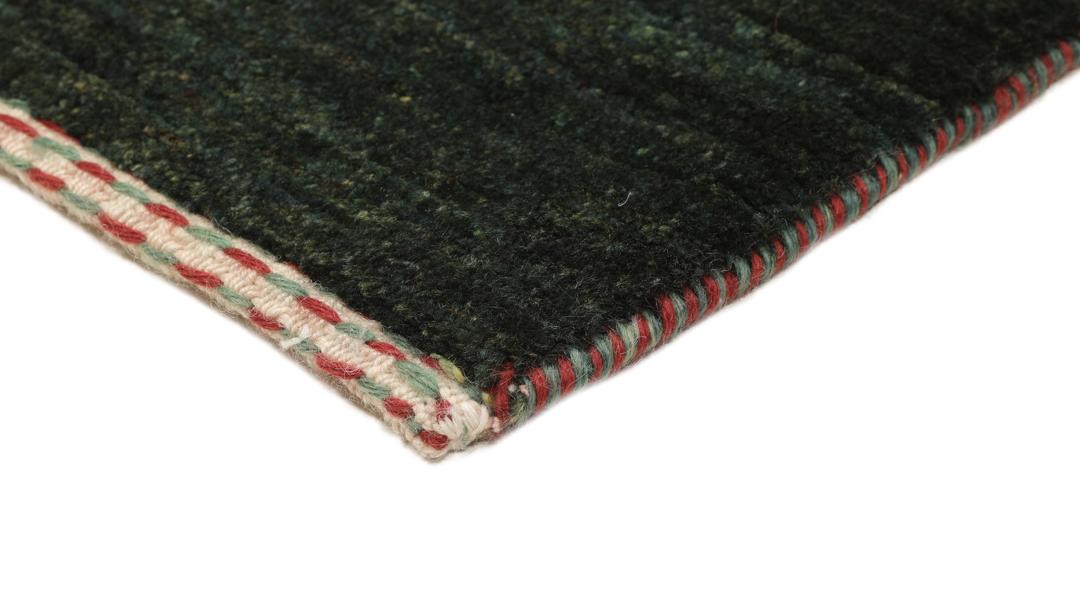
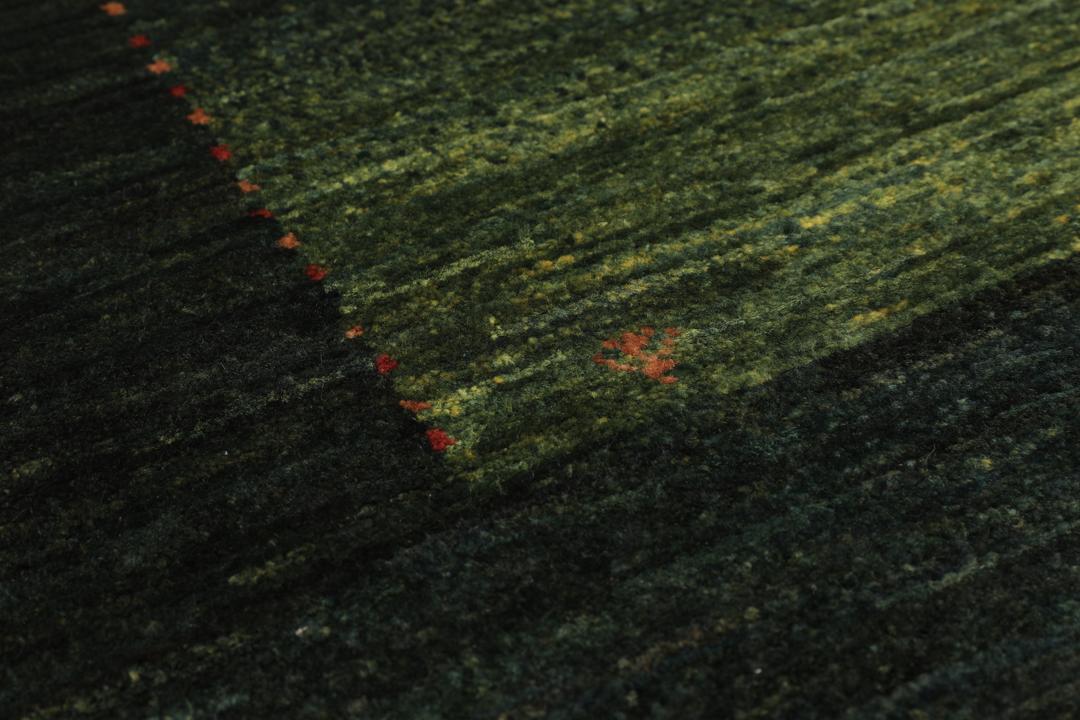
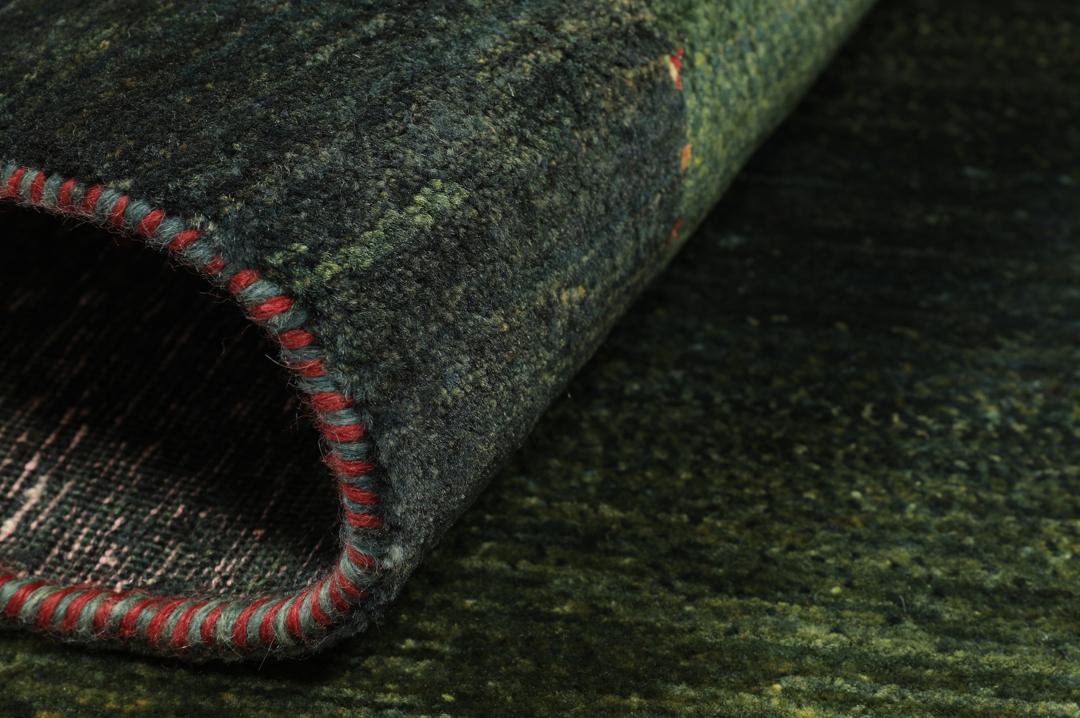
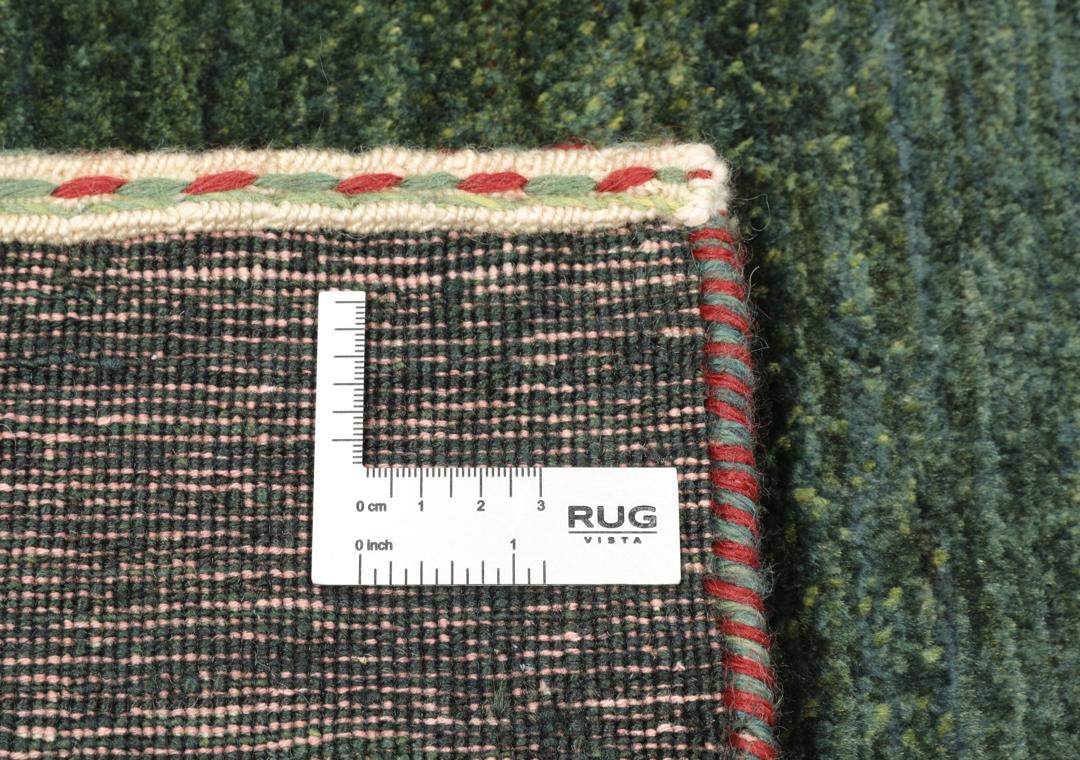
The term 'Loribaft' refers to a specific style of weaving that emphasises a thicker, softer pile, often using high-quality, hand-spun wool. This construction style is valued for its durability and its ability to showcase deep, saturated colours. By using techniques passed down through generations, weavers achieve a substantial, plush quality that distinguishes these rugs from thinner, flatter styles.
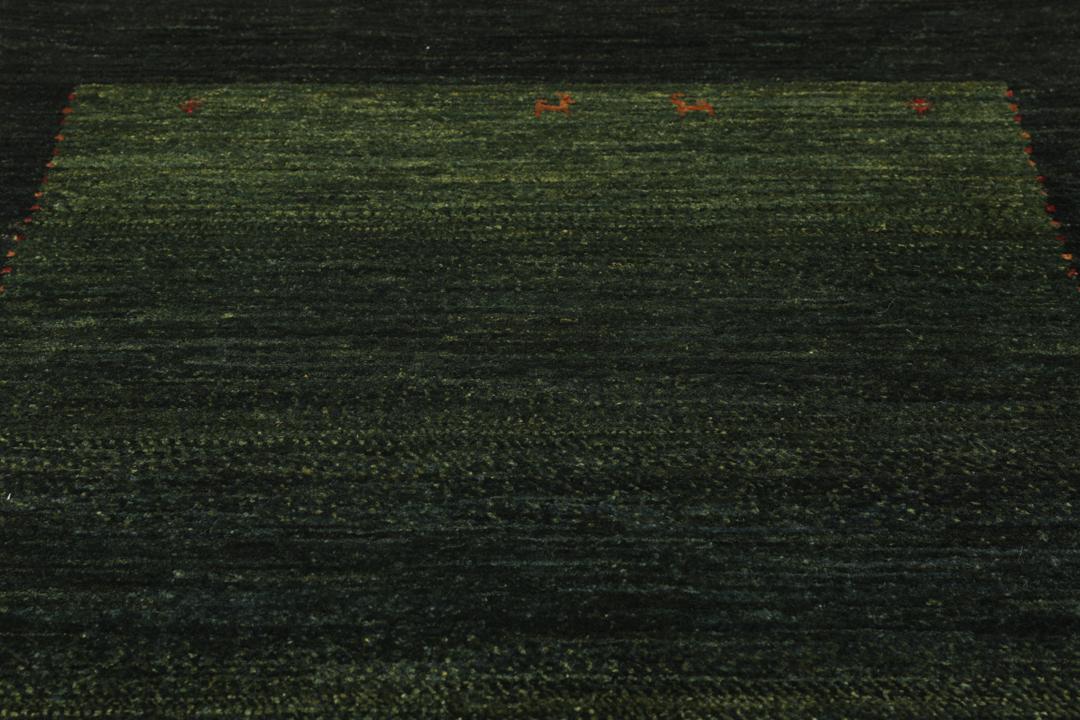
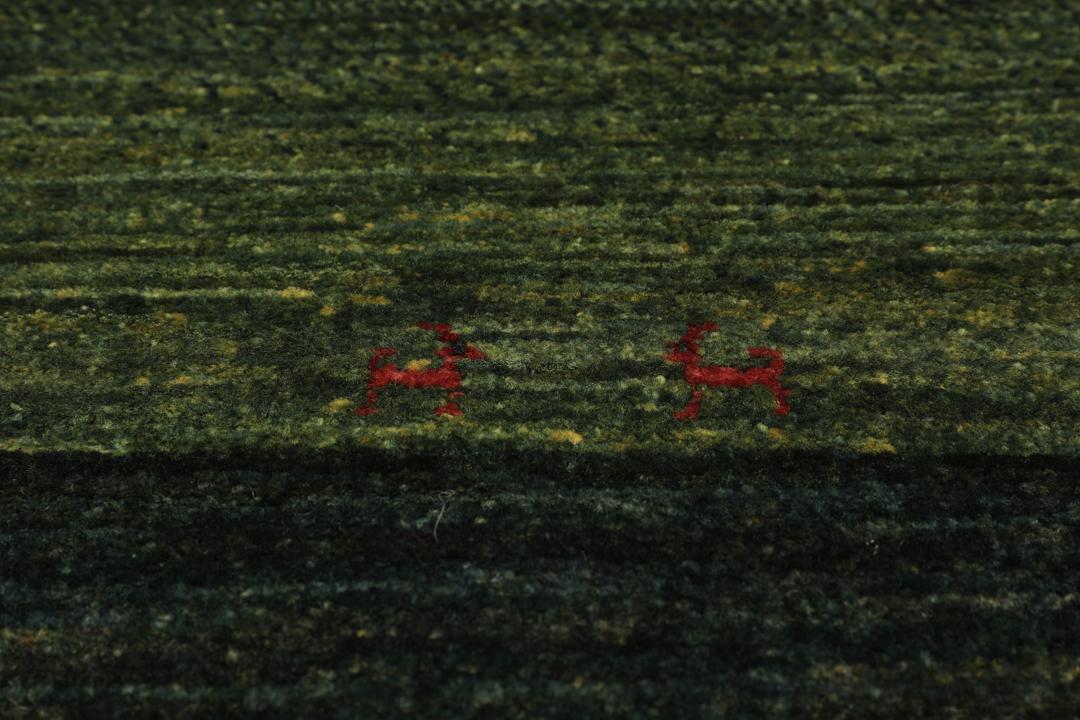
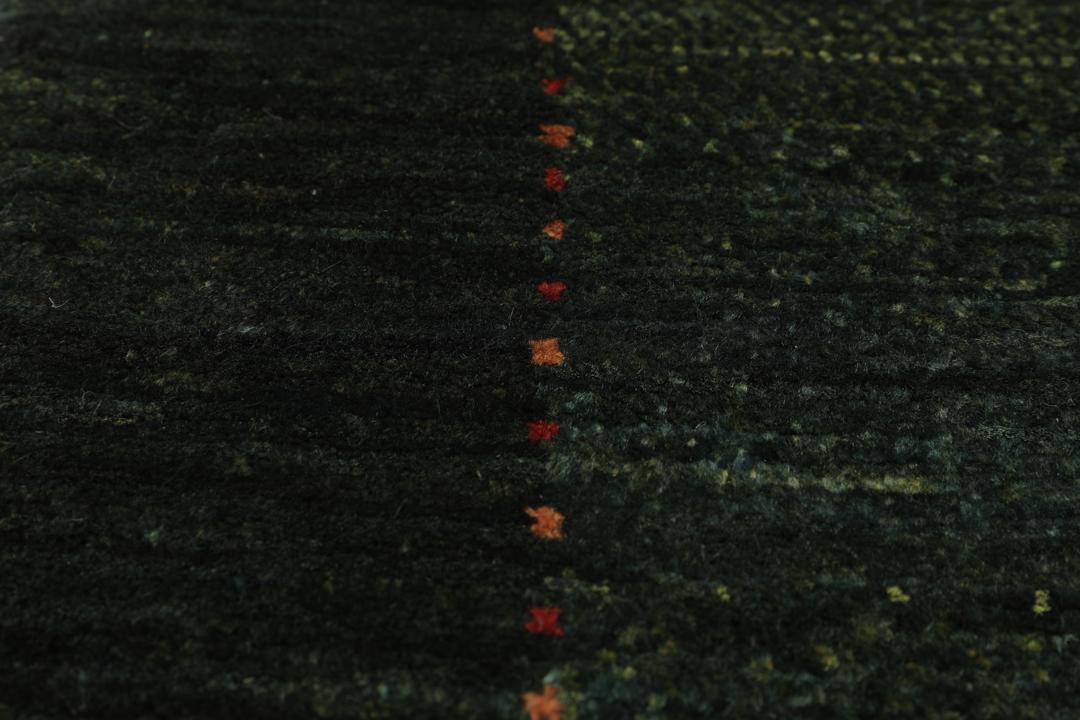
Visually, these pieces are known for their minimalist, open fields and subtle, artistic embellishments. While many tribal rugs are defined by busy, geometric patterns, the Loribaft often prioritises the beauty of the wool itself and the artistic choice of a single, resonant colour palette. Small, stylised motifs are sometimes placed sparingly, acting as a signature of the weaver’s creative freedom.
Owning a piece from this tradition is an investment in cultural heritage and human skill. These rugs are collected for their authenticity and the way they bridge the gap between ancient, nomadic utility and the needs of a modern home. They represent a commitment to slow, intentional craft that rewards the owner with a sense of connection to a time-honoured, global tradition.