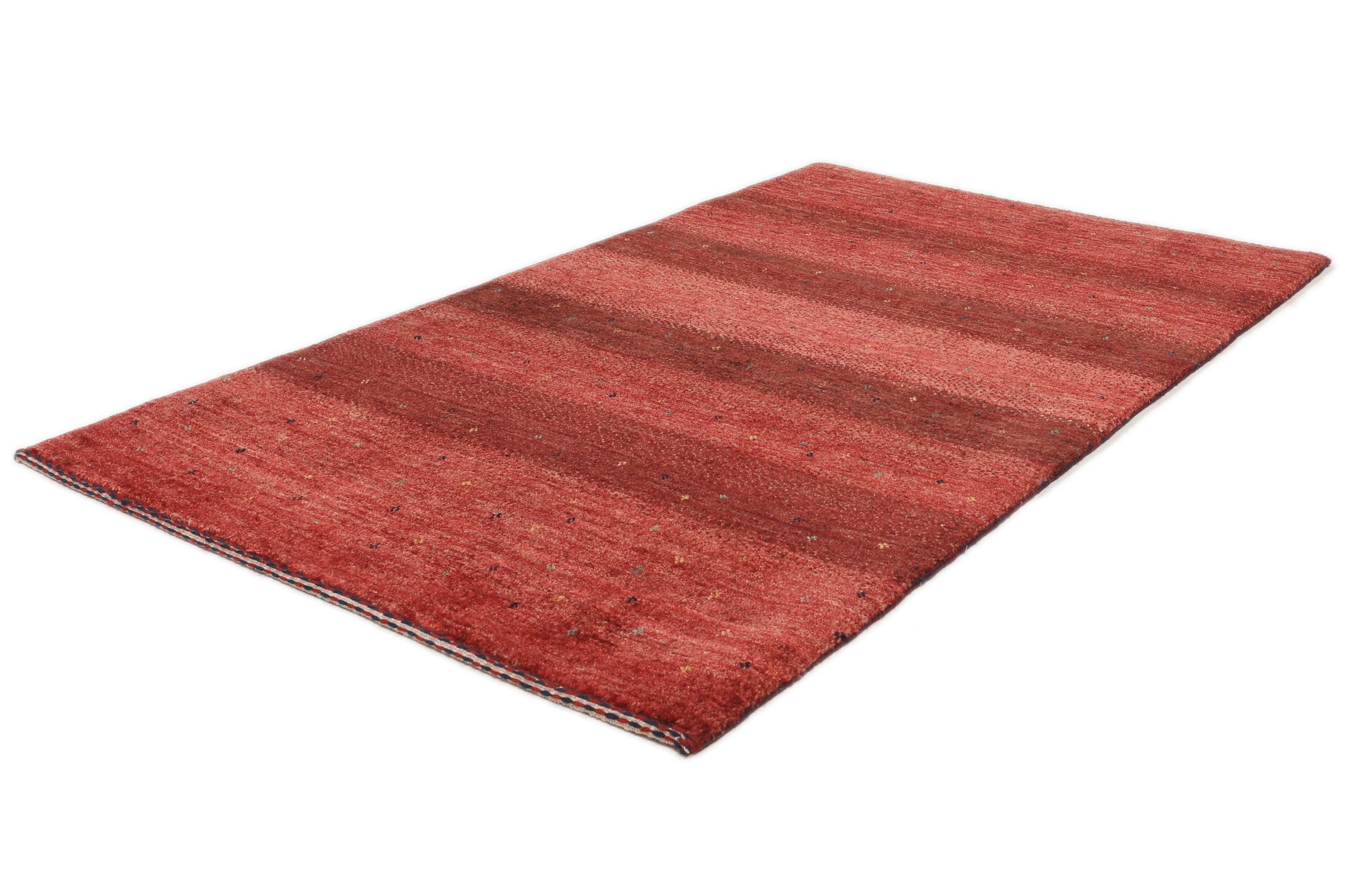
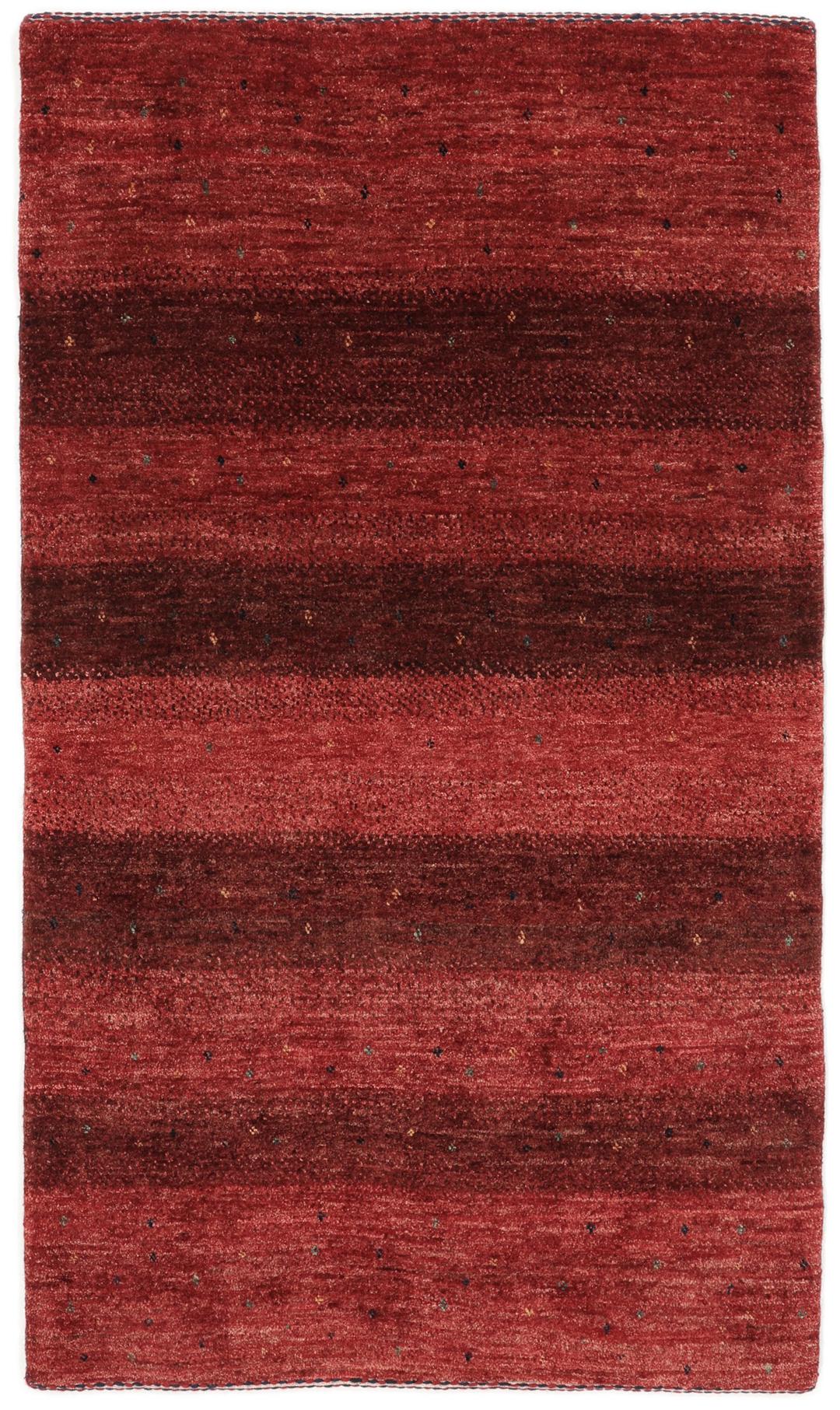
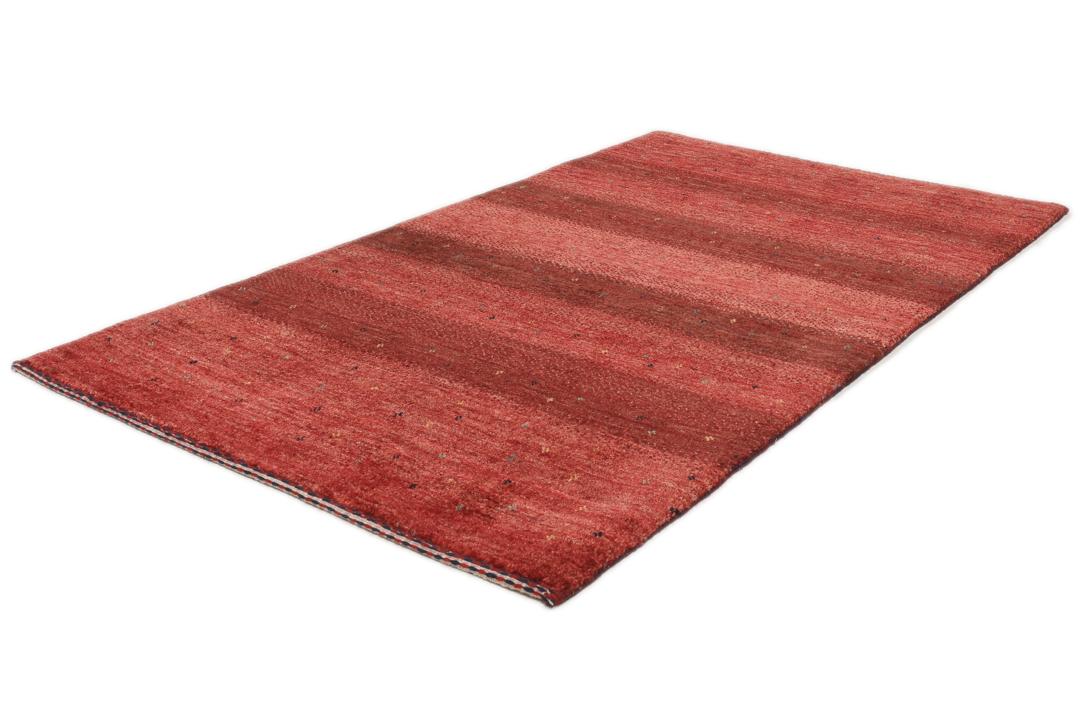
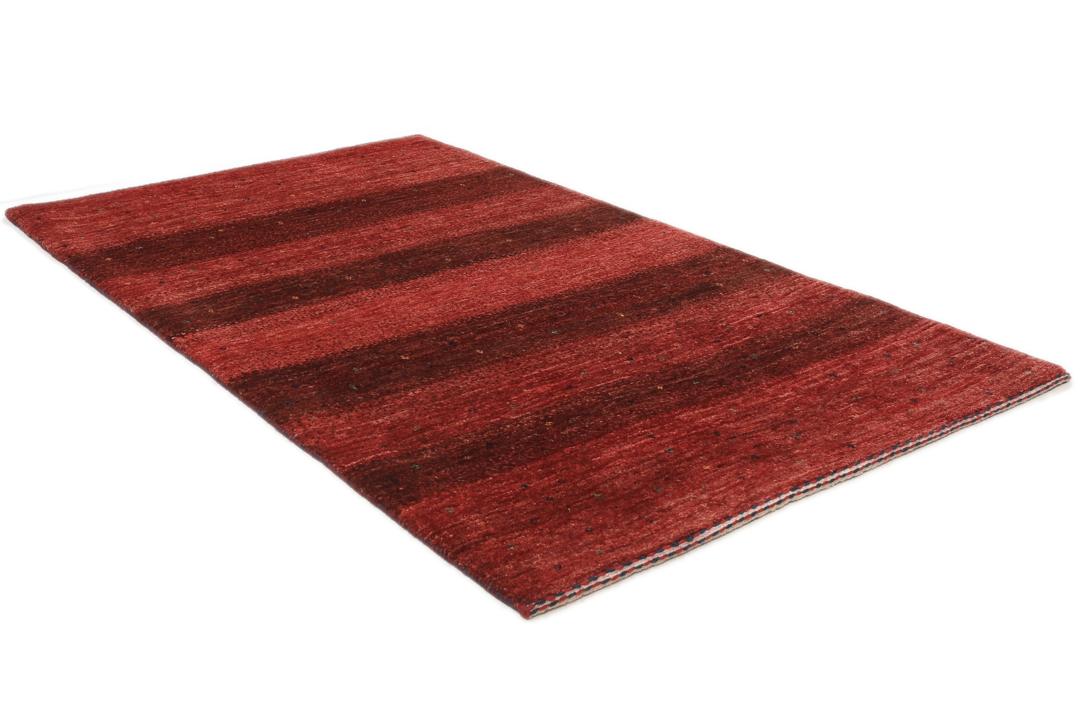
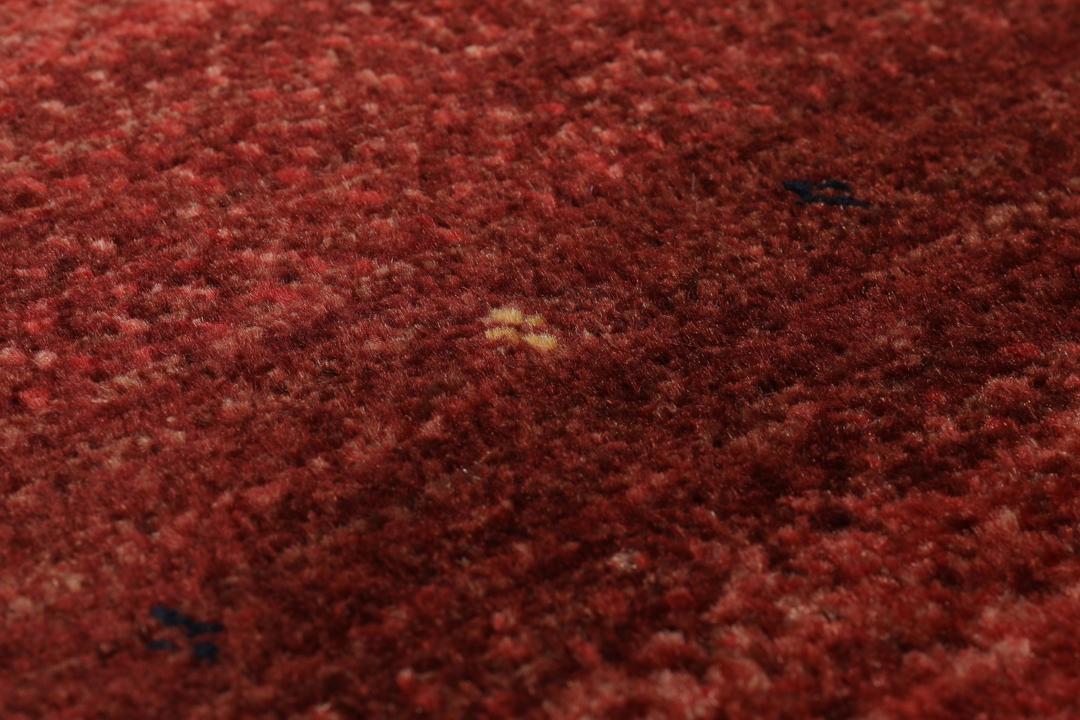
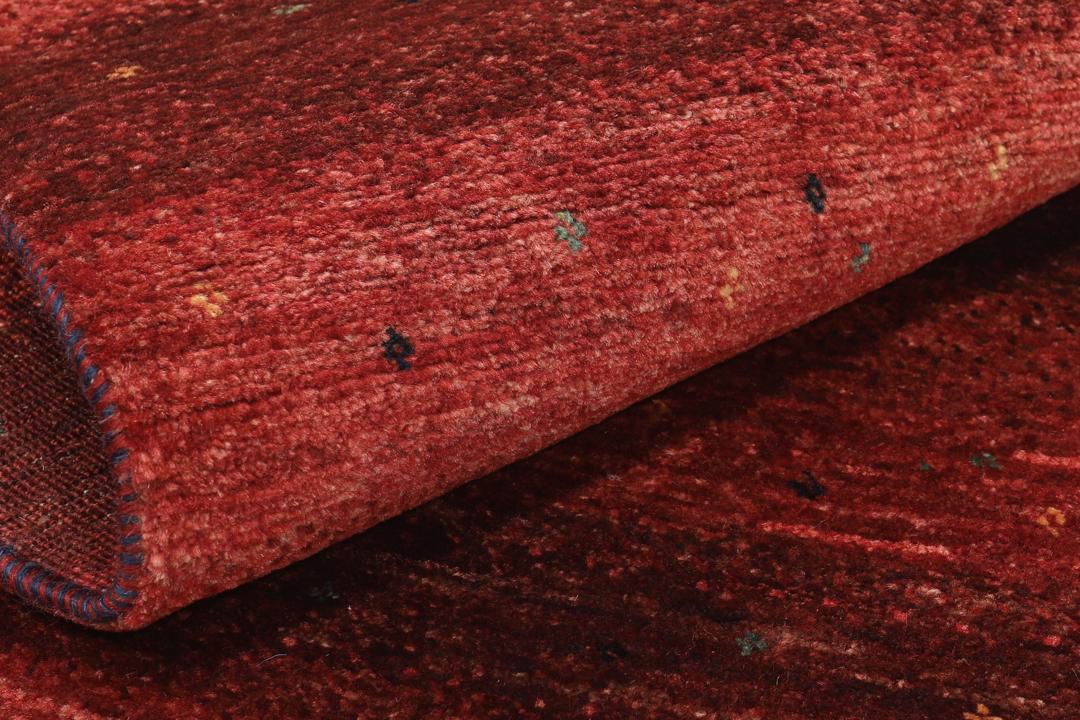
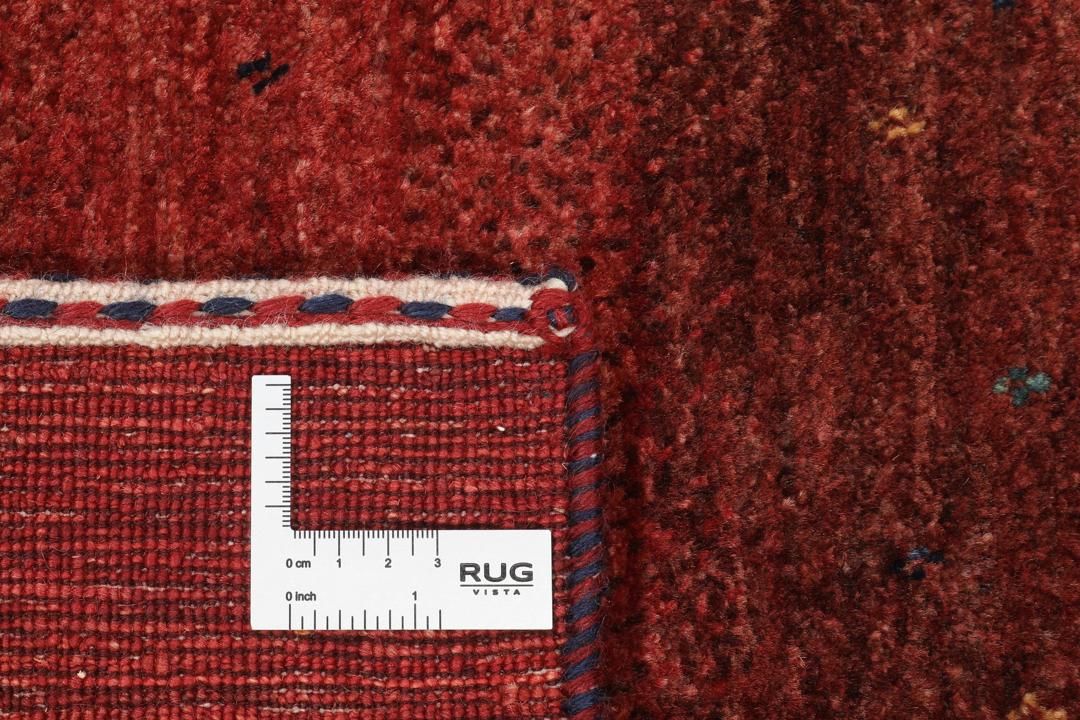
Loribaft rugs originate from the tribal weaving traditions of the Middle East, specifically associated with the nomadic groups who have refined their craft over generations. These rugs are celebrated for their thick, plush pile and their connection to the rugged, natural landscapes of their origin, reflecting a history of resilience and artistic expression.
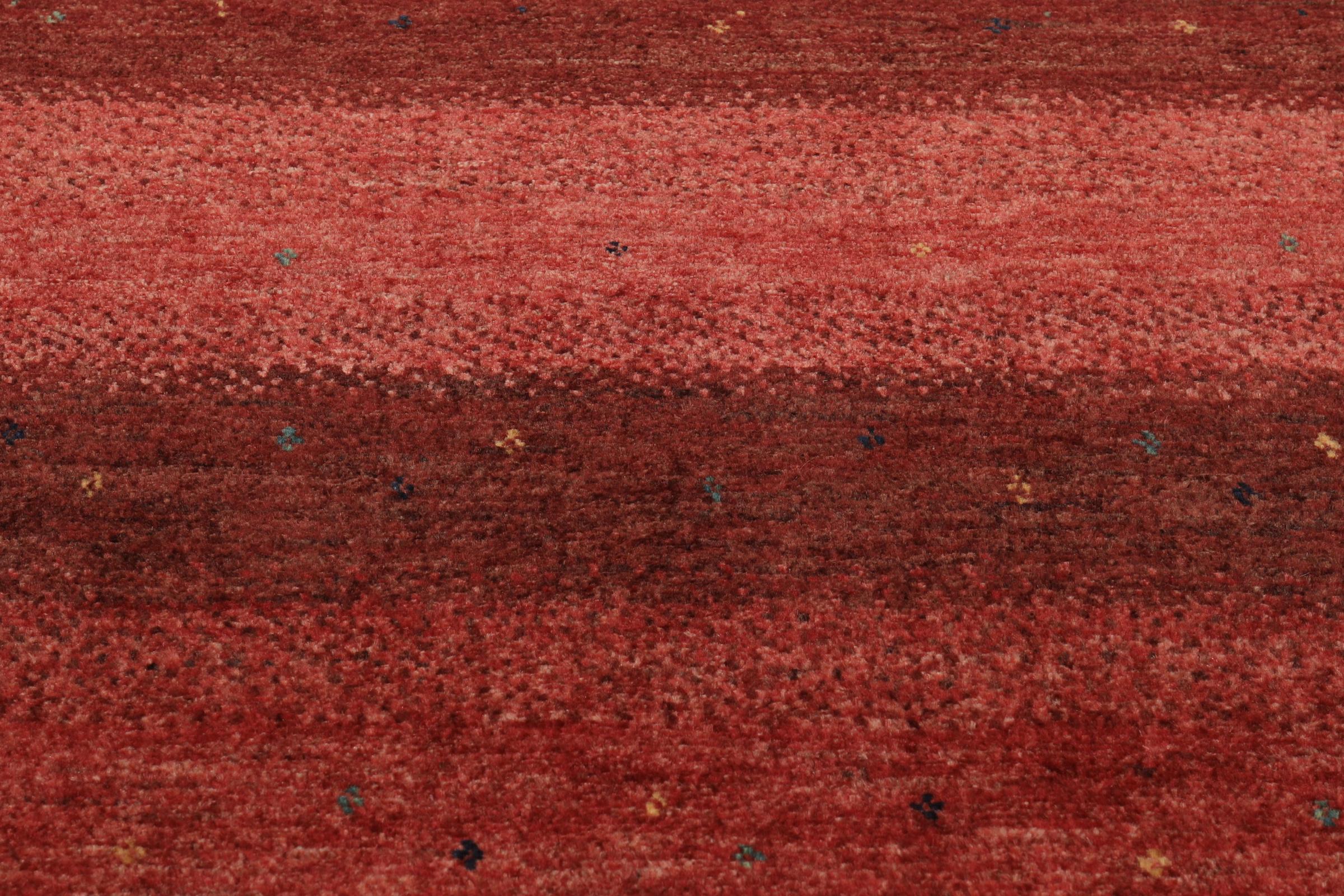
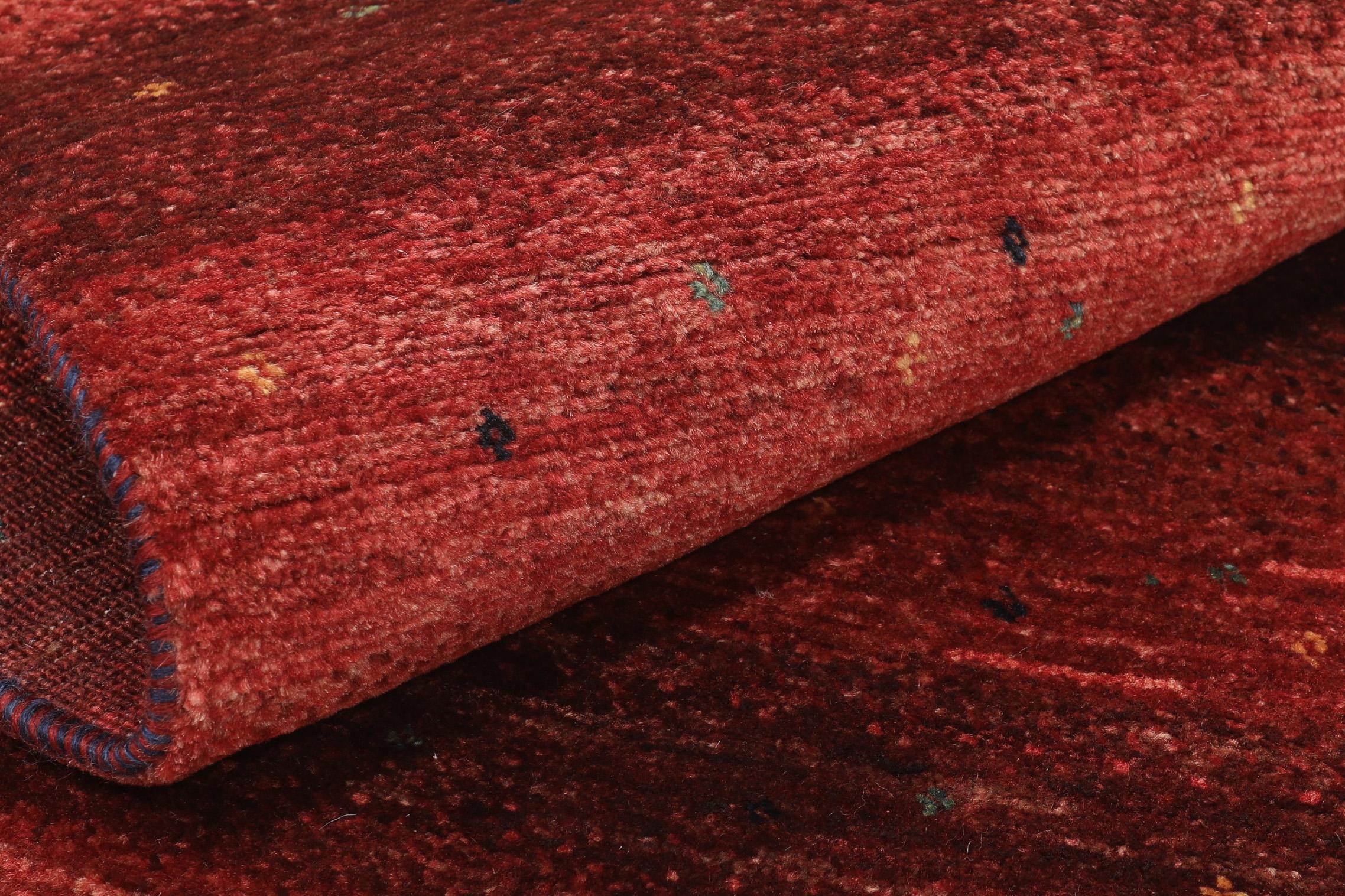
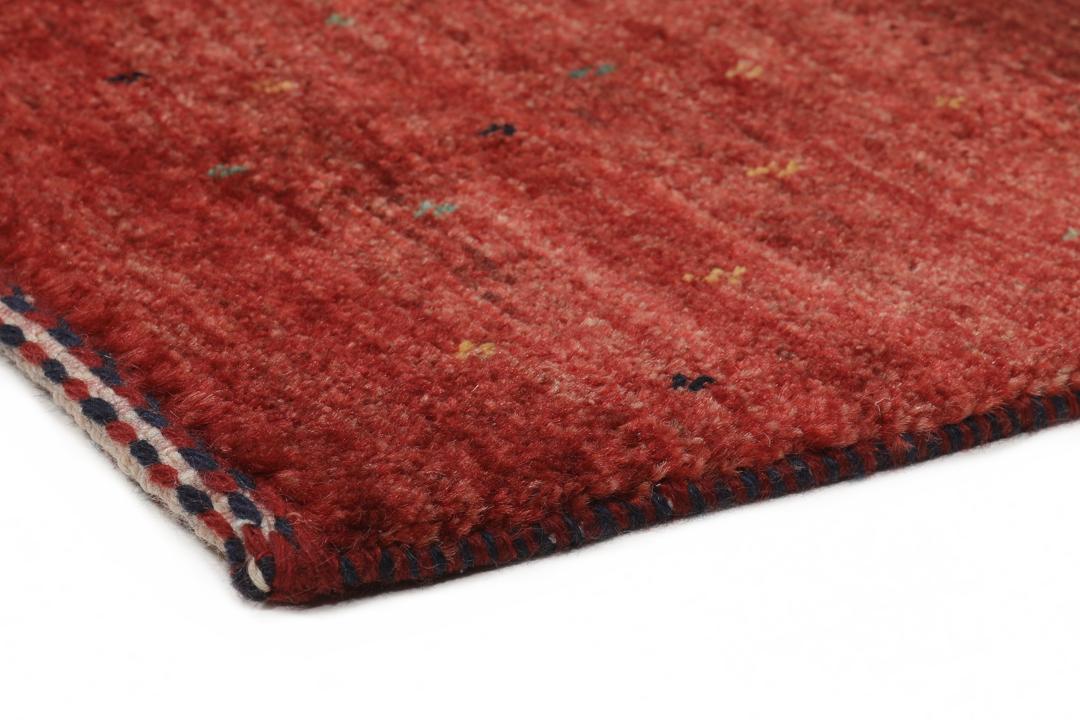
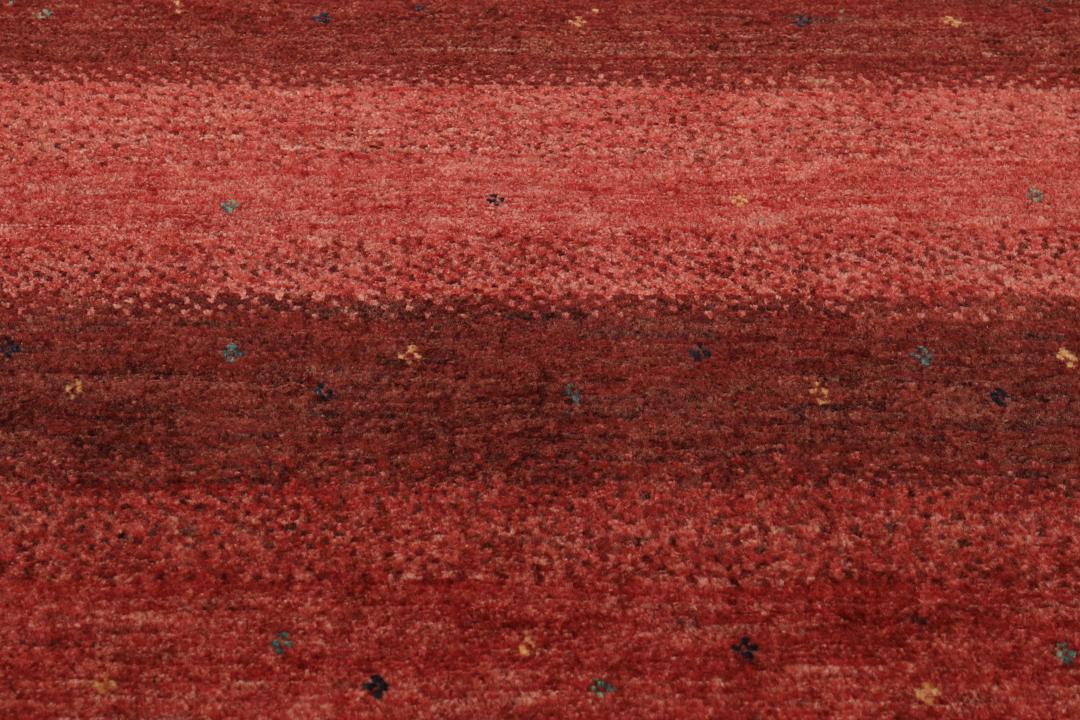
The term 'Loribaft' refers to a specific style of weaving that emphasises a heavier, softer wool pile compared to other regional traditions. This technical choice is deliberate, designed to provide insulation against the cold and create a surface that is both durable and incredibly comfortable, serving as a testament to the practical wisdom embedded in these weaving communities.
Design-wise, these rugs often favour a more open, minimalist aesthetic compared to the highly intricate patterns of city-made rugs. They frequently feature subtle, earthy colour palettes and simple geometric motifs that highlight the quality of the wool and the natural dyes used, allowing the texture of the weave to take centre stage.
Collecting a rug from this tradition is an opportunity to own a piece of living heritage. These rugs are valued not only for their beauty but for the human story behind every knot, representing a bridge between ancient nomadic skills and the modern home, where they continue to provide warmth and character for those who appreciate authentic craftsmanship.