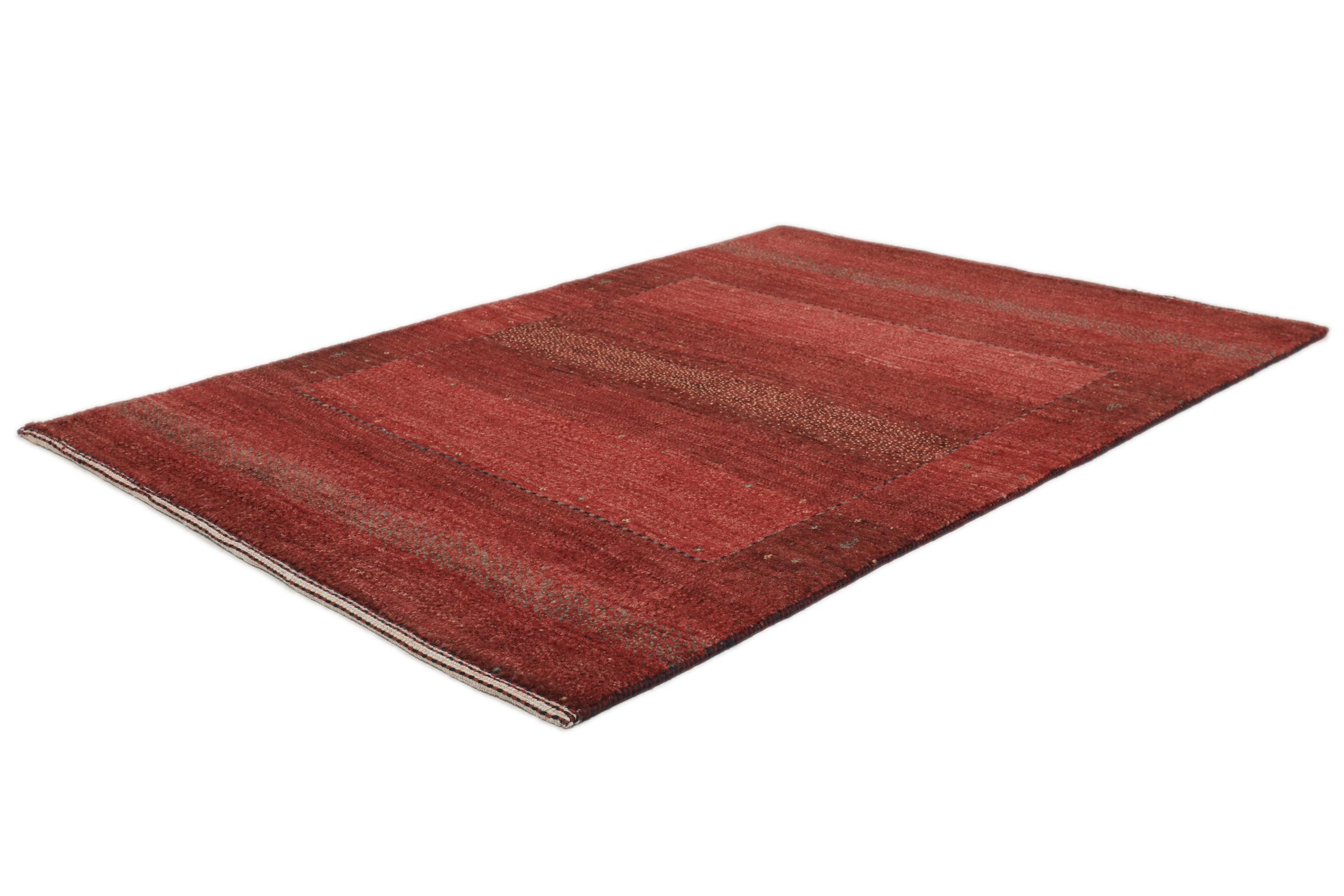
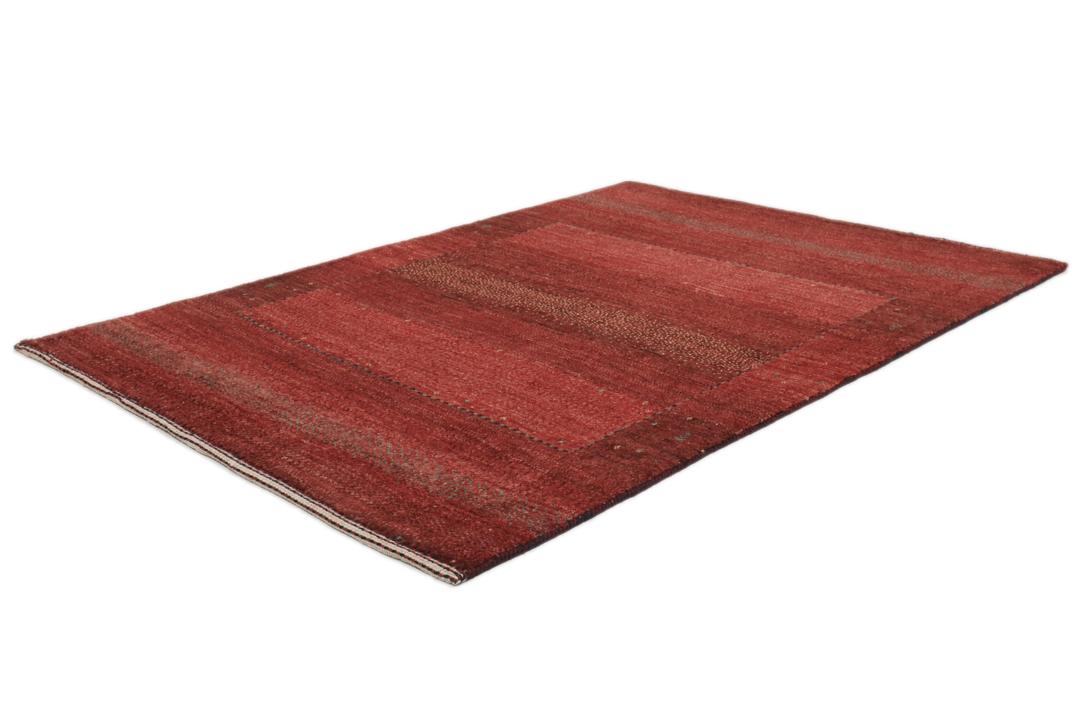
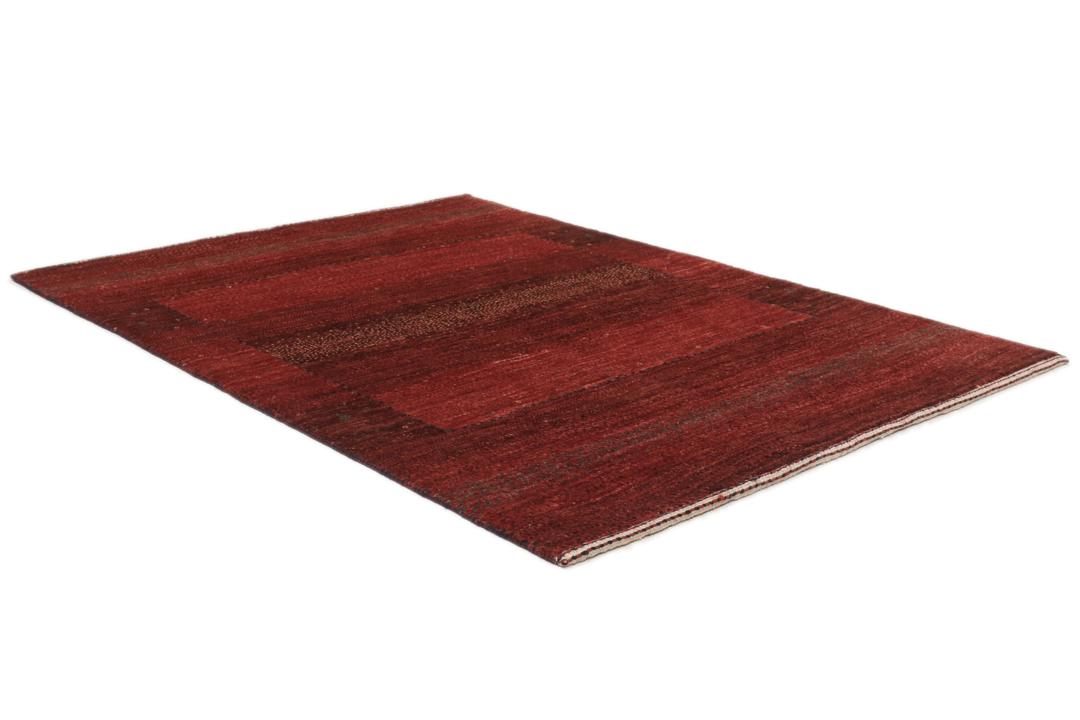
Loribaft rugs originate from the nomadic tribes of the Middle East, specifically within the regions where the Luri people traditionally weave. These rugs are celebrated for their thick, plush piles and their ability to reflect the rugged beauty of the landscapes from which they emerge. Over time, these designs have evolved, but they remain deeply connected to the cultural identity of their makers.
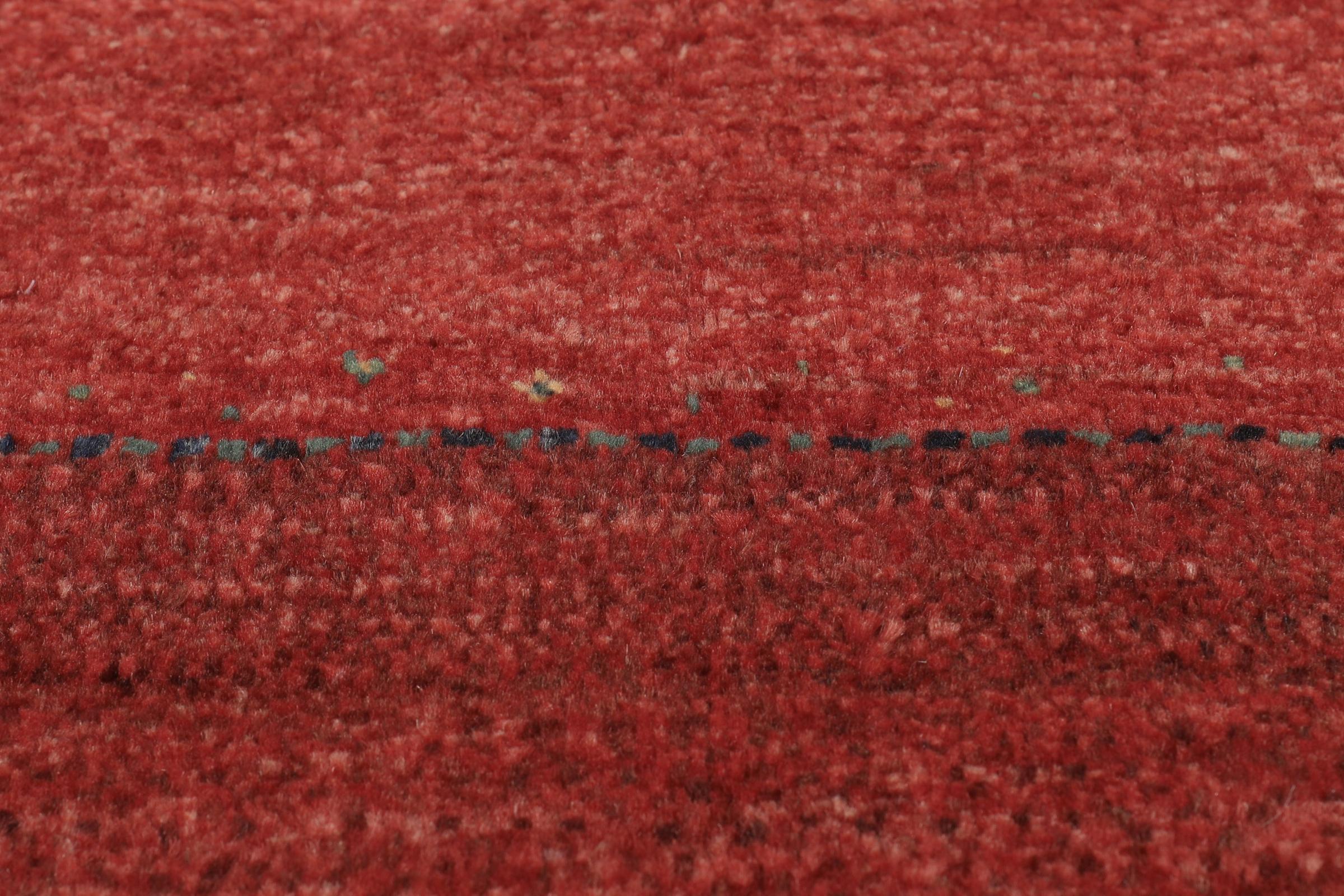
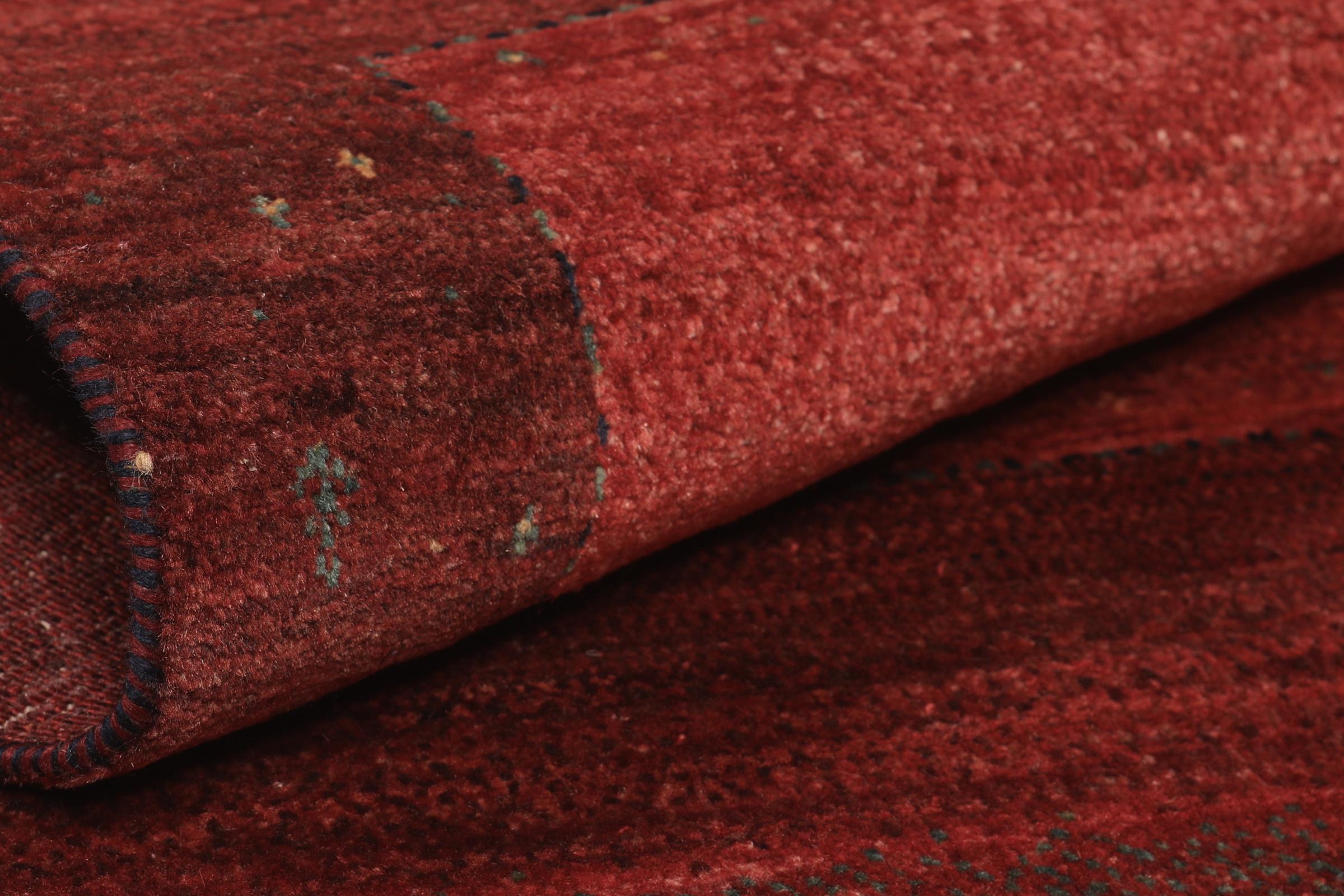
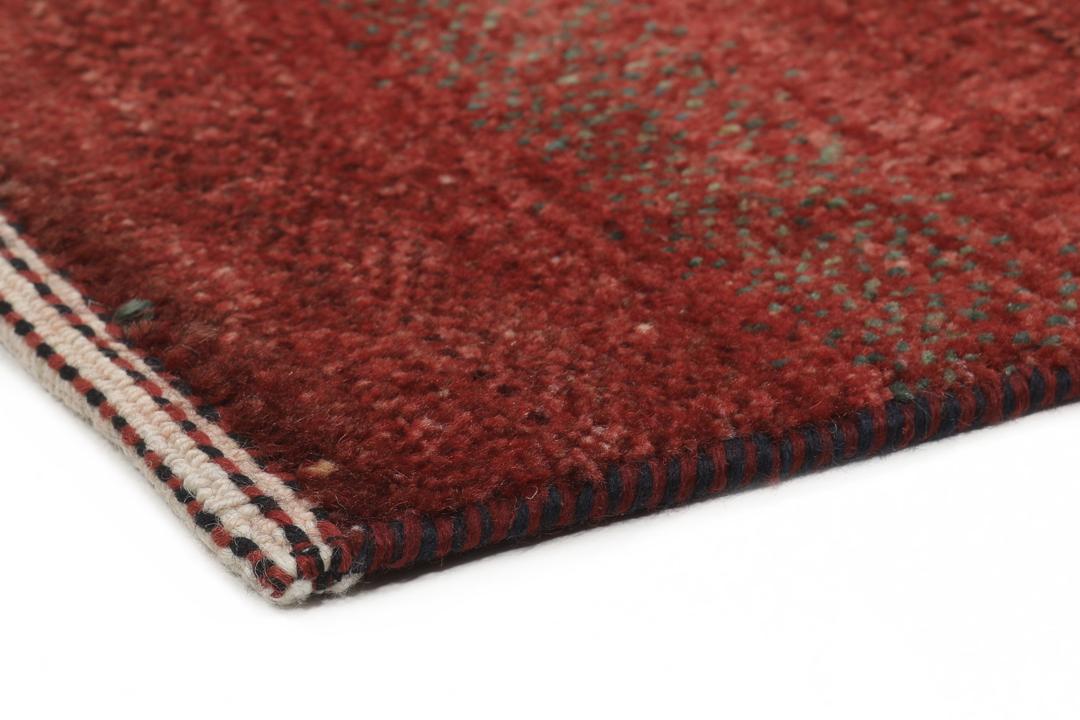
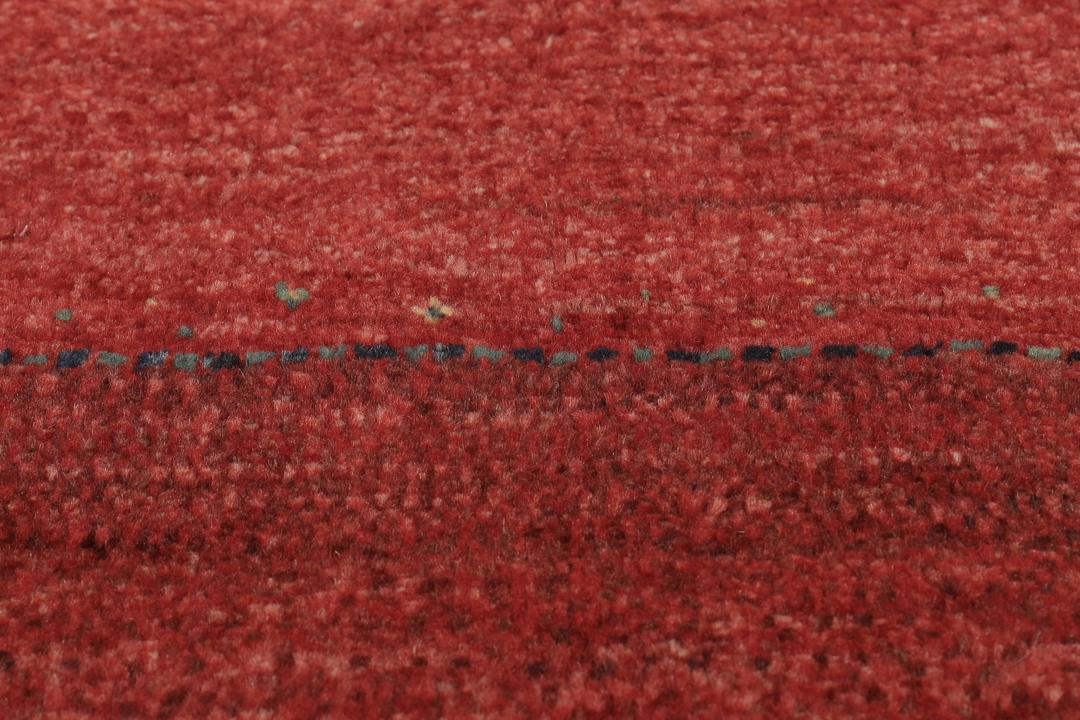
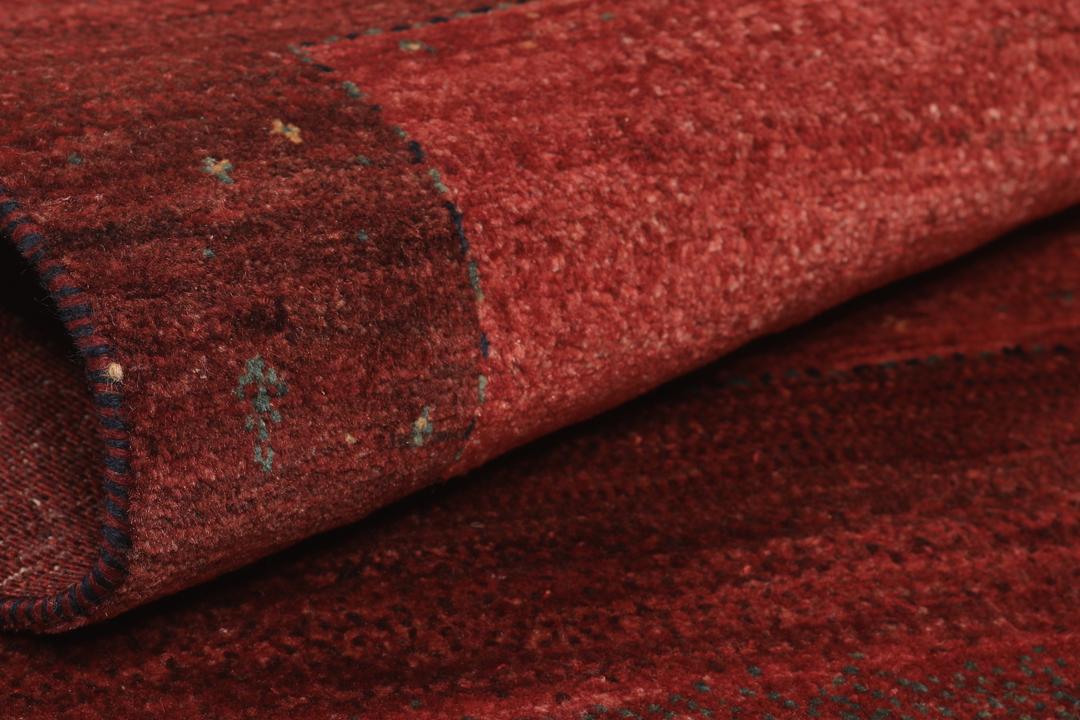
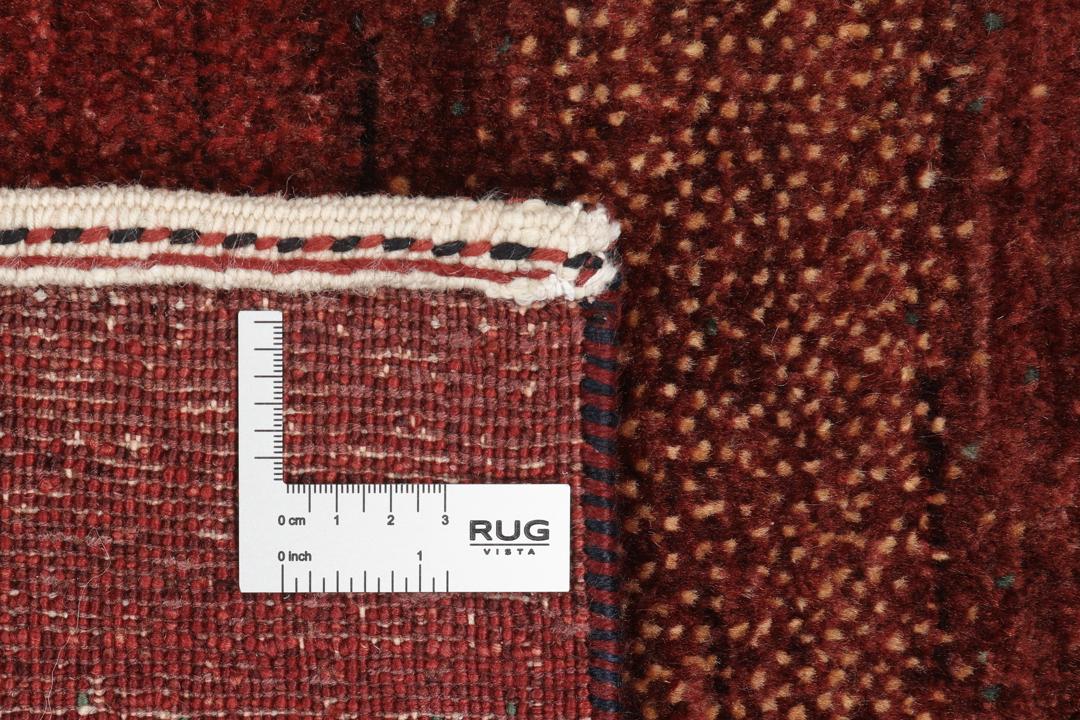
The term 'Fine' in this context refers to the elevated level of precision and density applied during the knotting process. This refinement allows for a smoother, more uniform surface and a more luxurious feel underfoot compared to more rustic, thick-piled tribal alternatives. It represents a balance between traditional nomadic aesthetics and a more refined, polished finish.
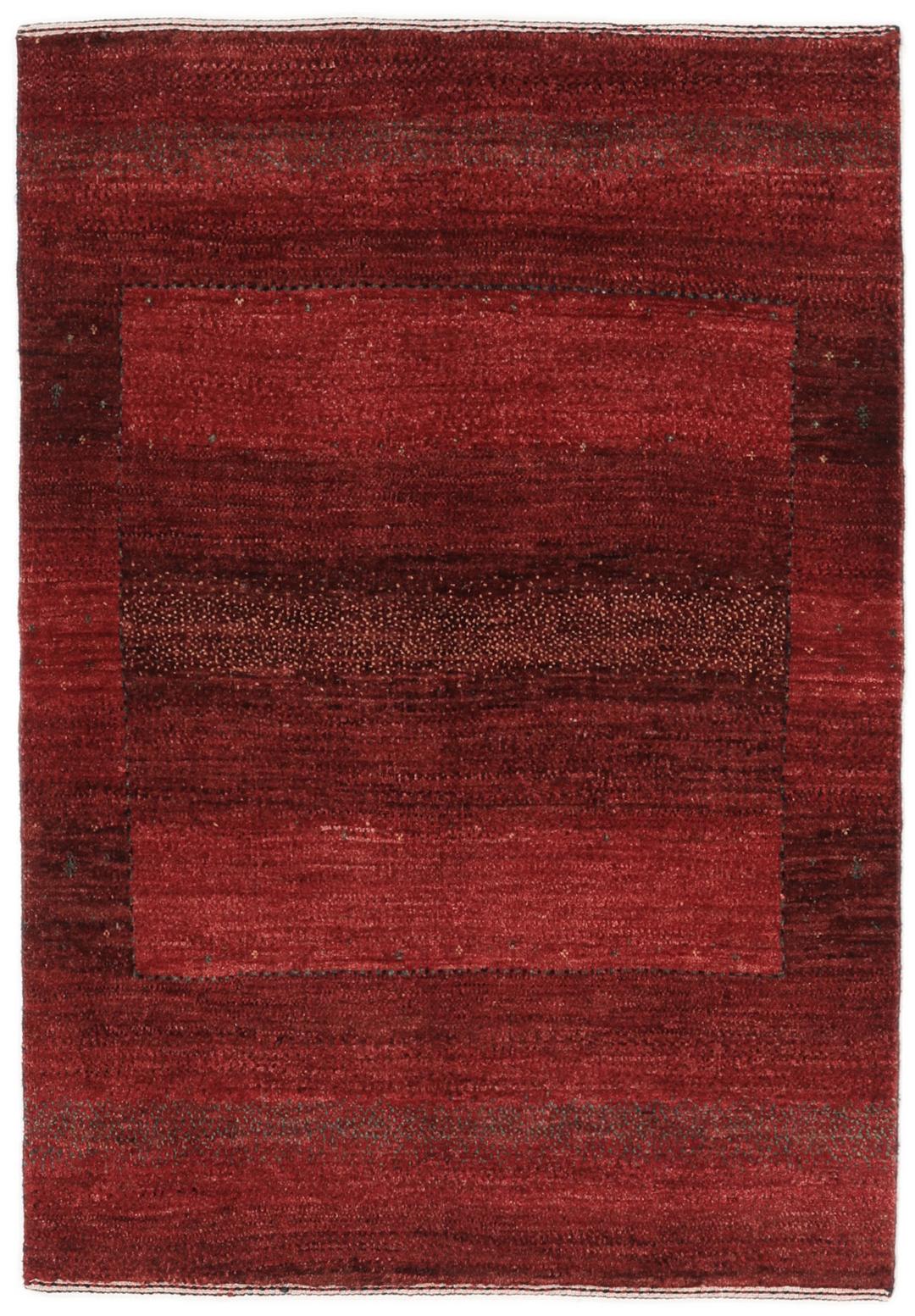
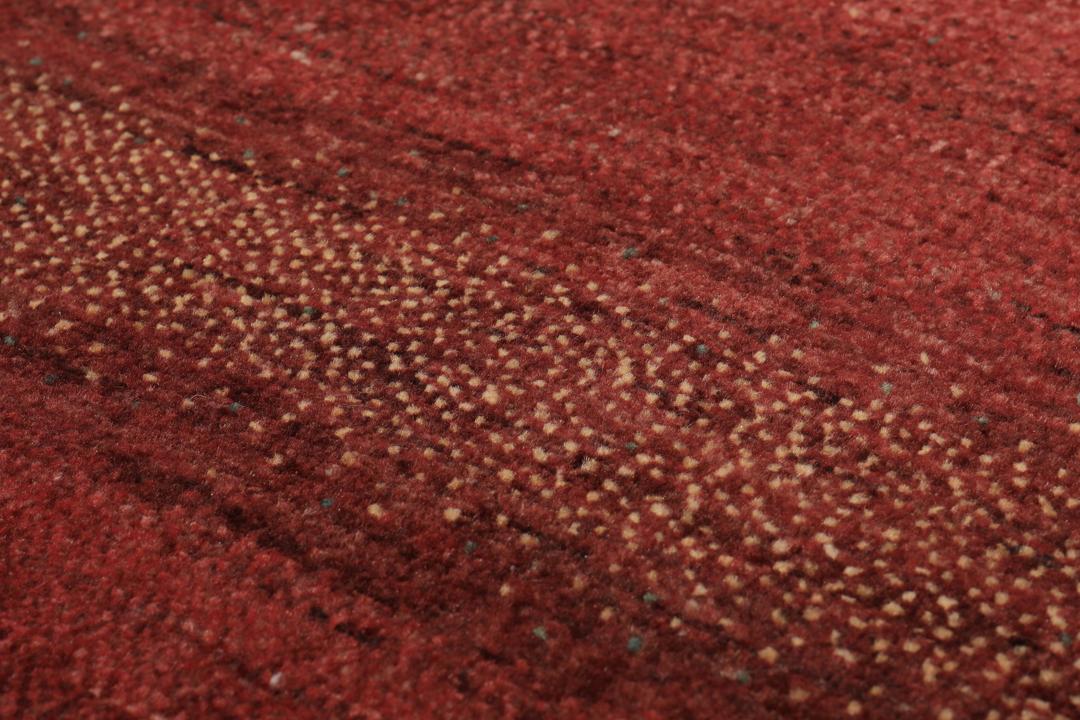
Visually, these rugs are often characterised by their deep, saturated colours and minimalist, open fields. While they often feature subtle, abstract geometric motifs, the focus is frequently on the depth and variation of the wool's colour, which is achieved through traditional dyeing techniques. This understated elegance makes them incredibly versatile for modern interiors.
Owning a Loribaft rug is an opportunity to preserve a piece of living history. These rugs are highly valued by collectors not only for their durability but for the genuine human expression woven into every thread. They represent a bridge between ancient tribal traditions and the contemporary home, offering a sense of depth and authenticity that is increasingly rare.