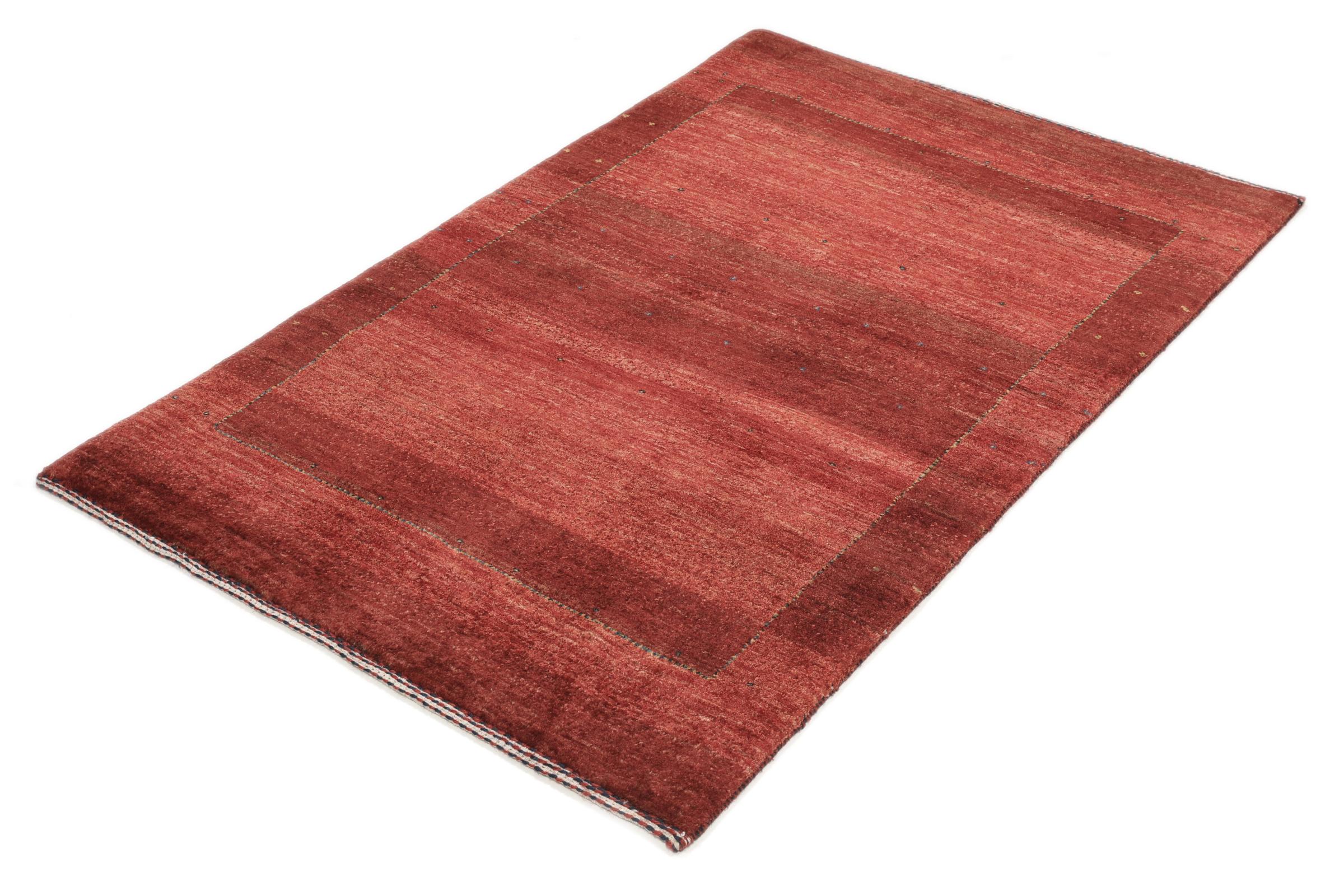
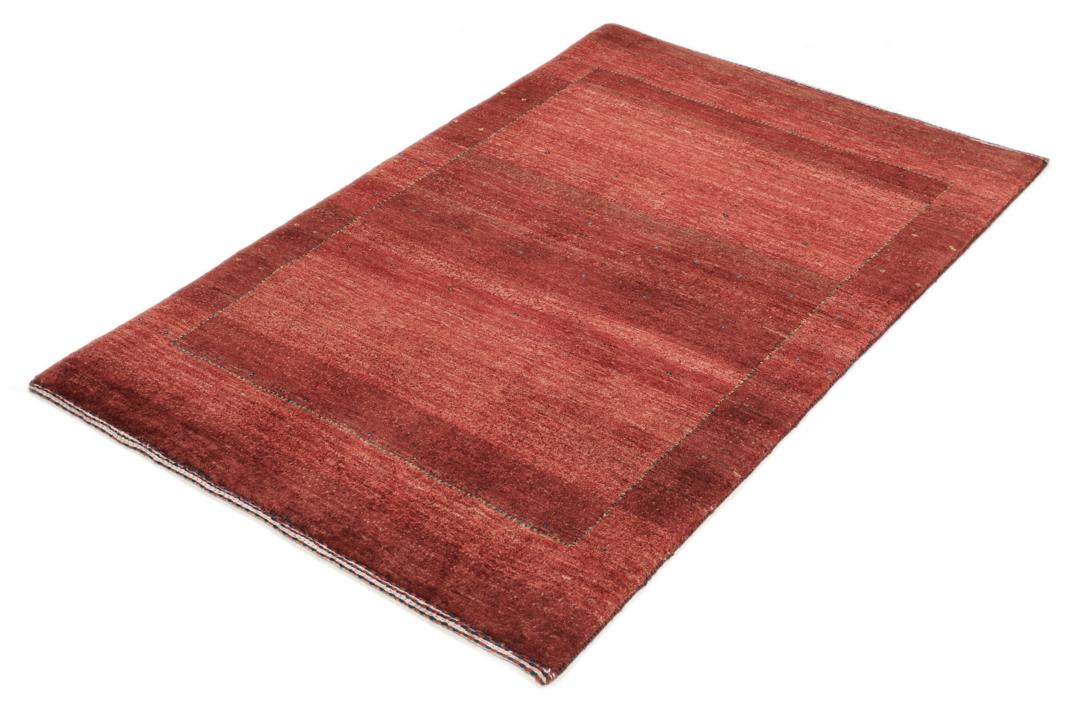
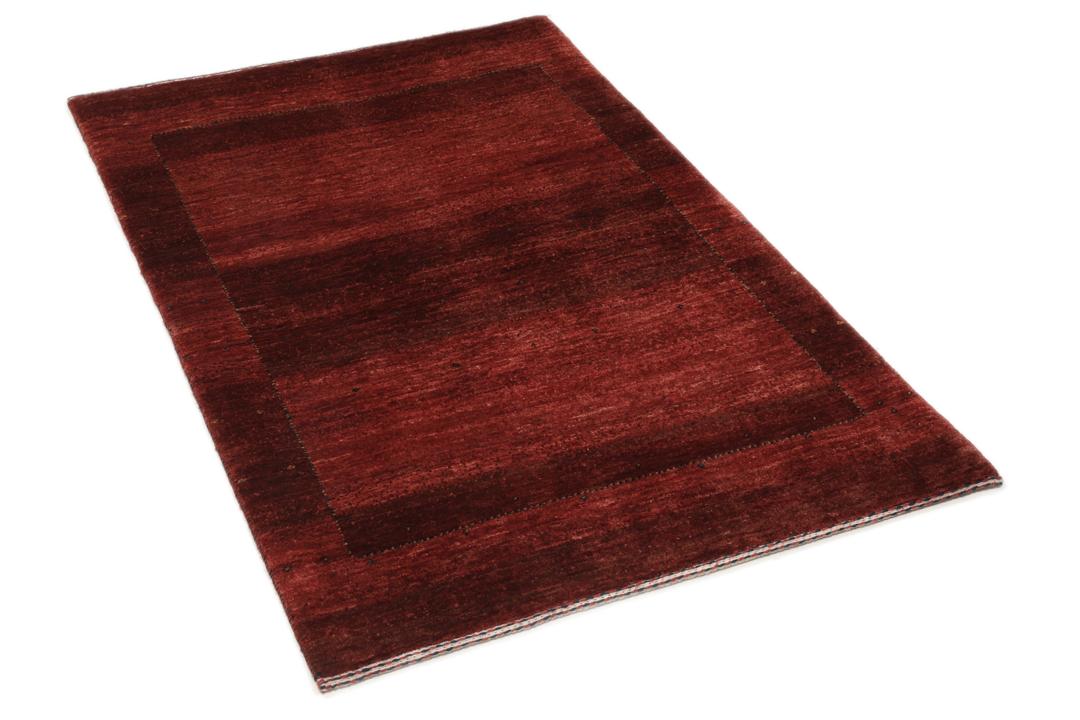
The Loribaft rug tradition originates from the nomadic tribes of the Middle East, specifically associated with the Luri people. Historically, these weavers created rugs for their own daily use, drawing inspiration from the natural landscape and their cultural heritage rather than following standardised, commercial patterns.
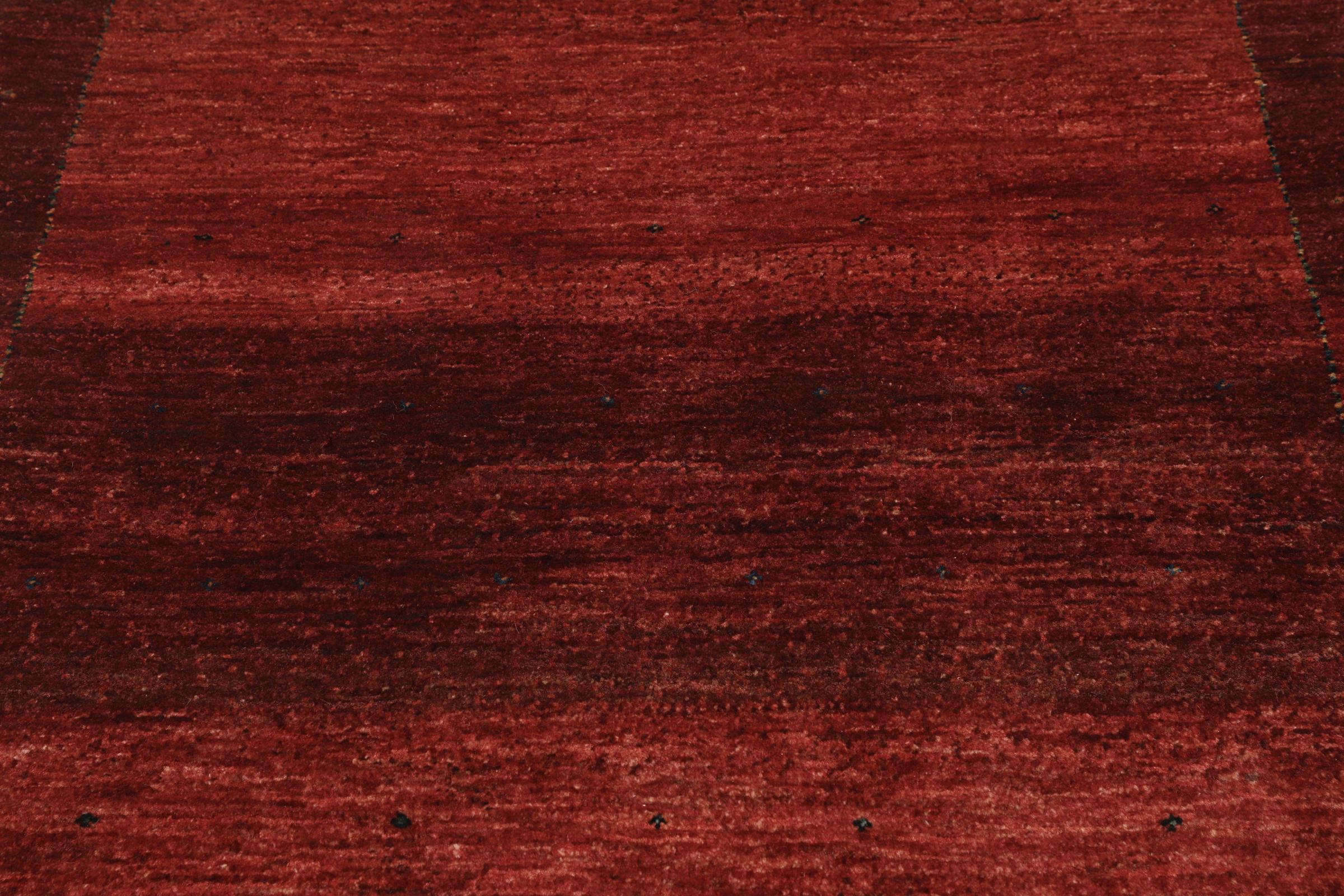
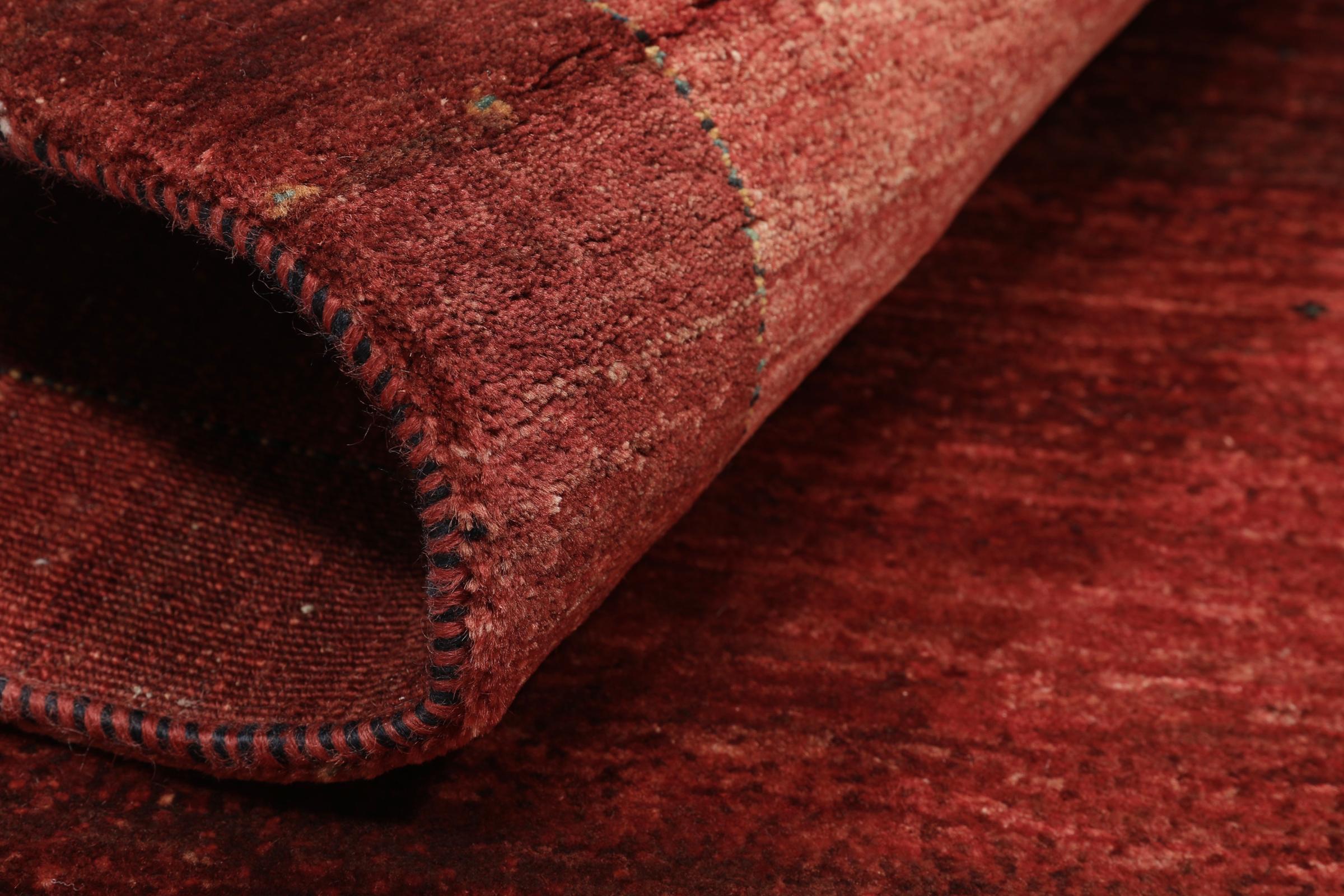
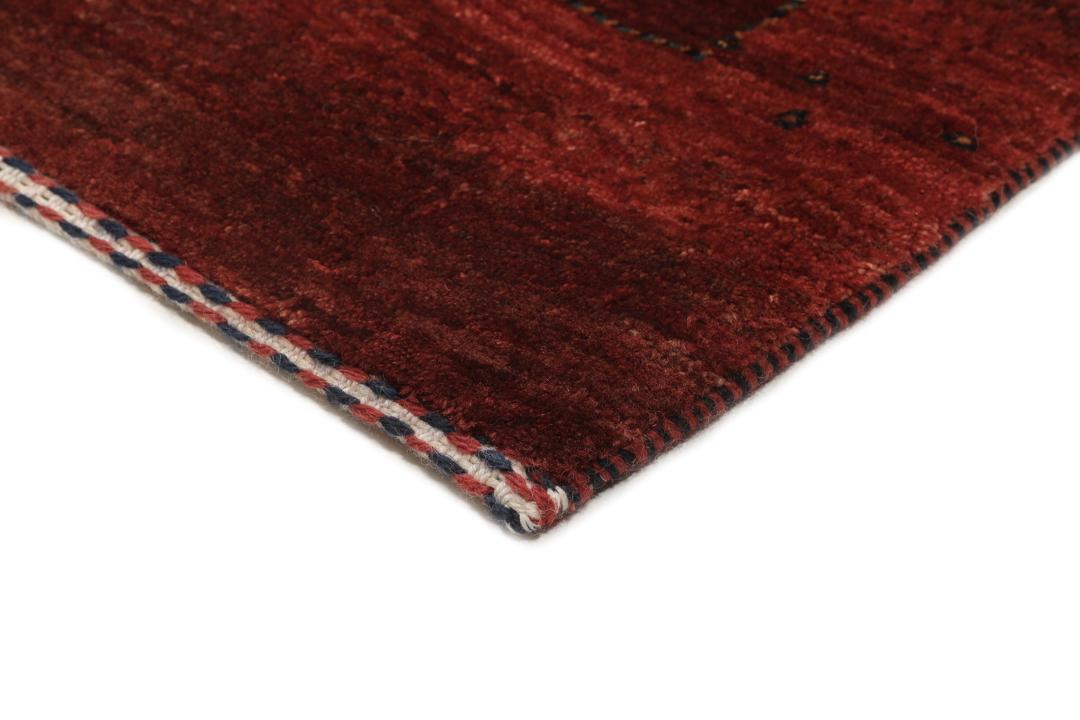
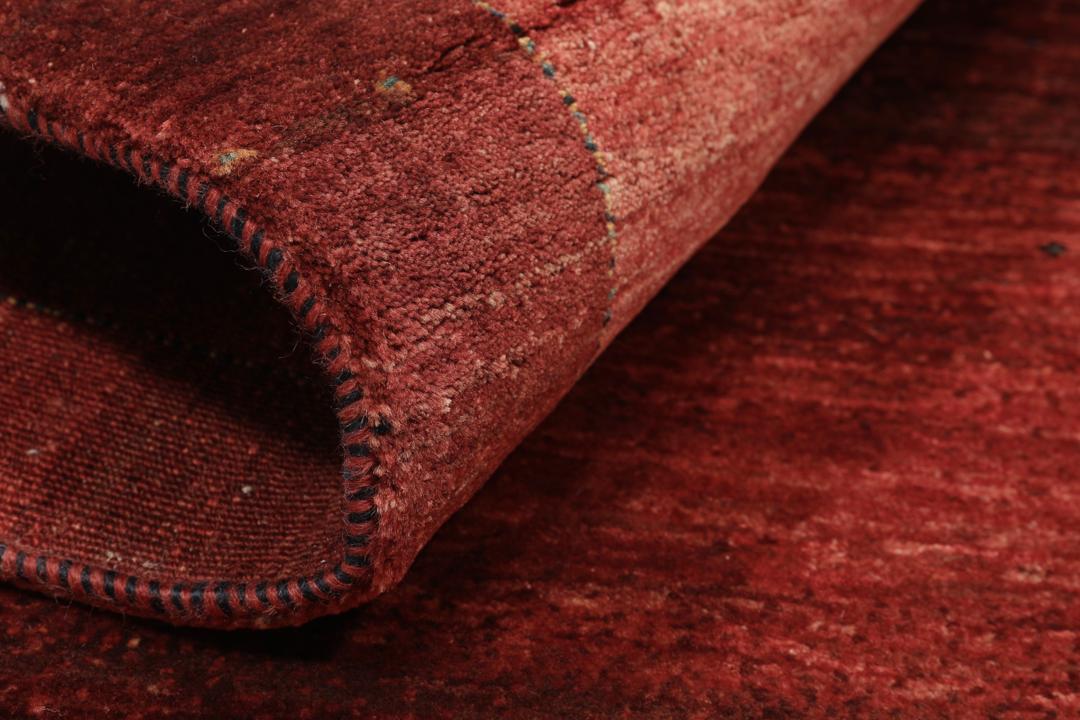
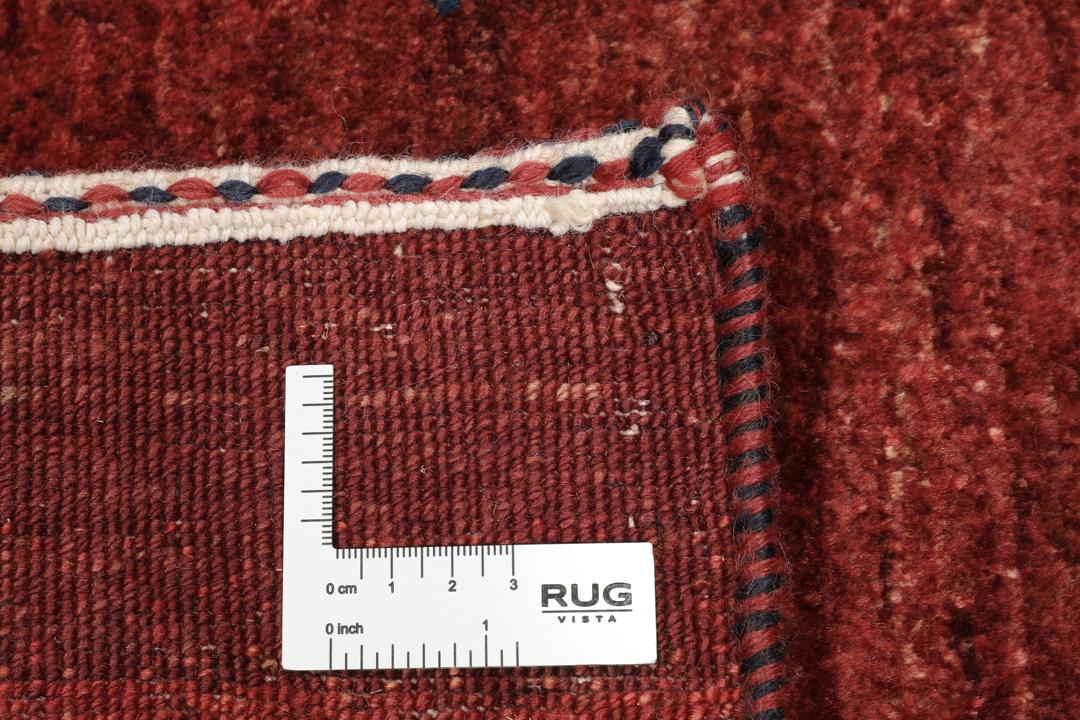
The term 'Loribaft' refers to this distinct style of weaving, which is known for its thicker, softer pile compared to many other regional types. This construction technique prioritises comfort and warmth, making these rugs ideal for the nomadic lifestyle where they served as essential insulation against the elements in tent dwellings.
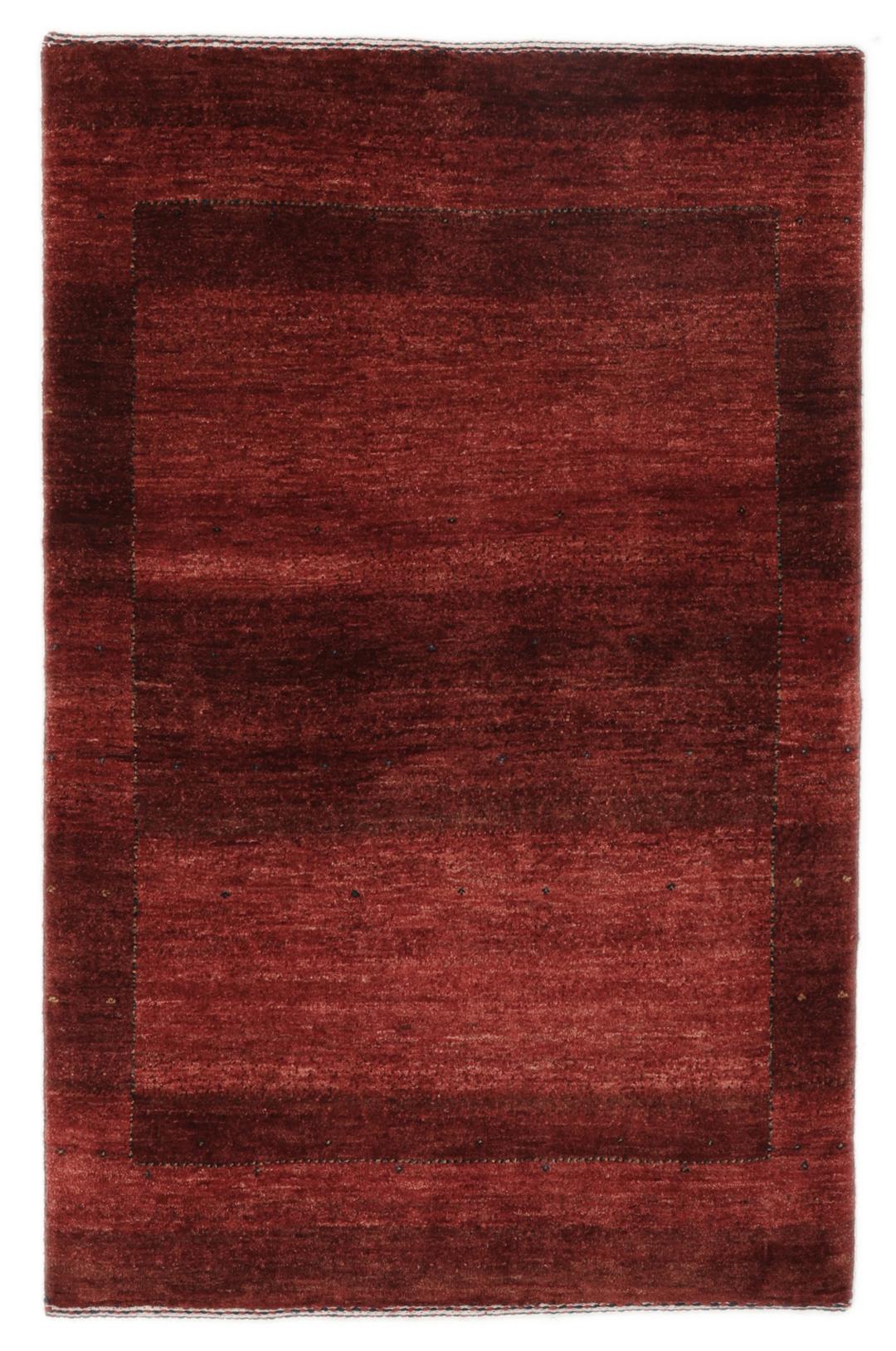
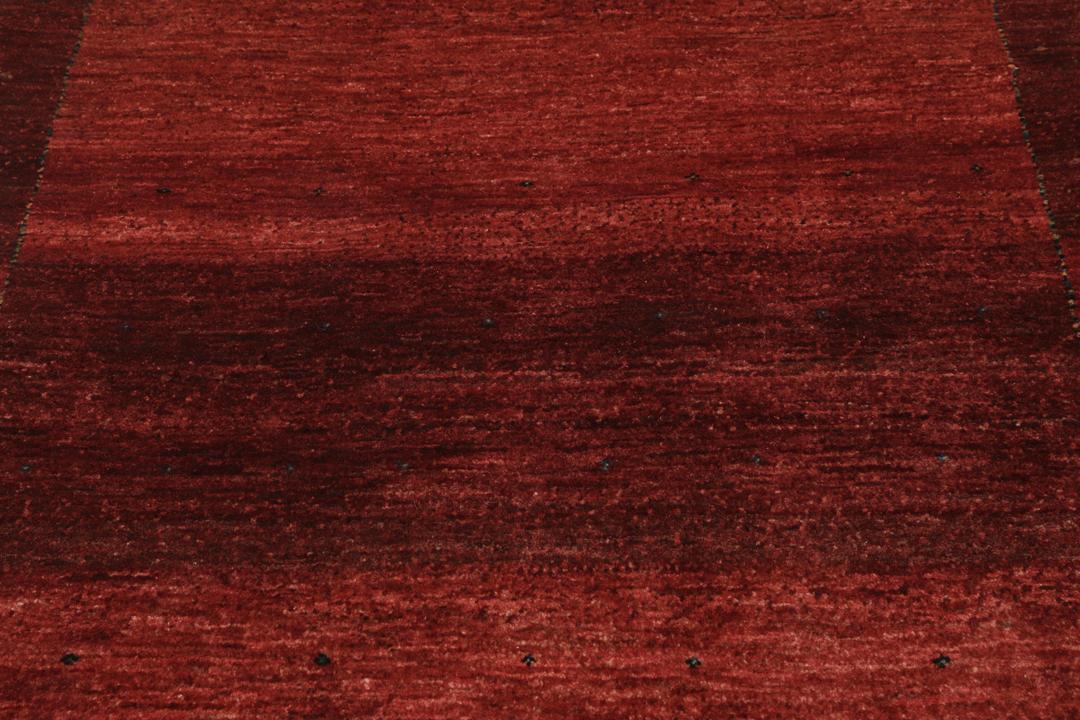
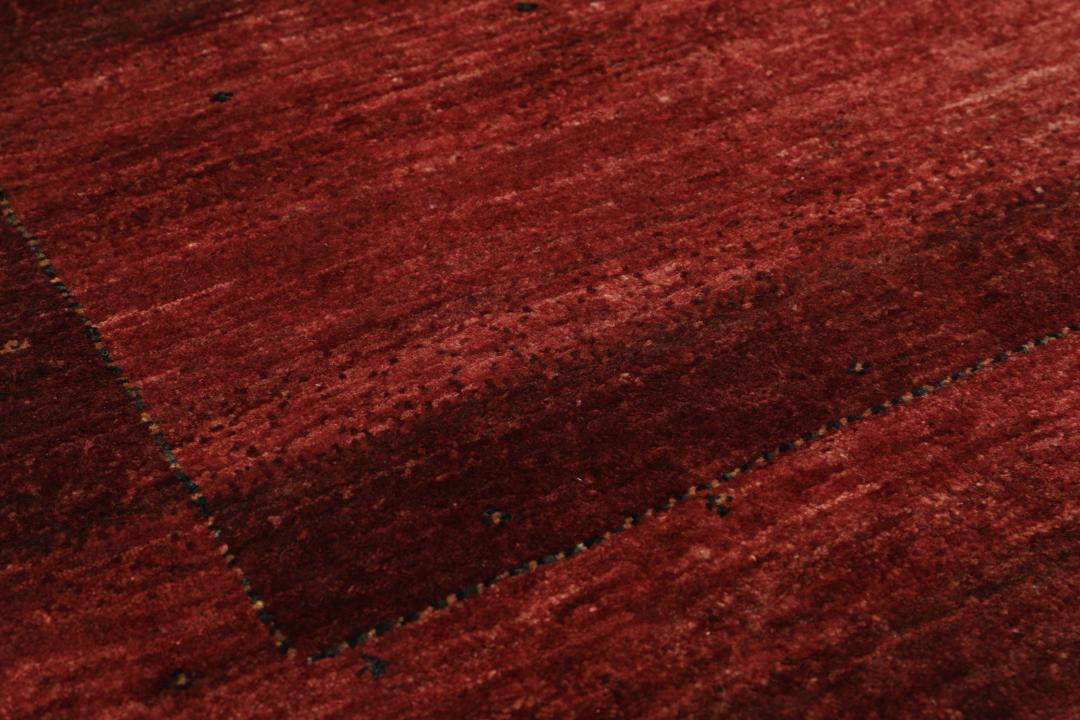
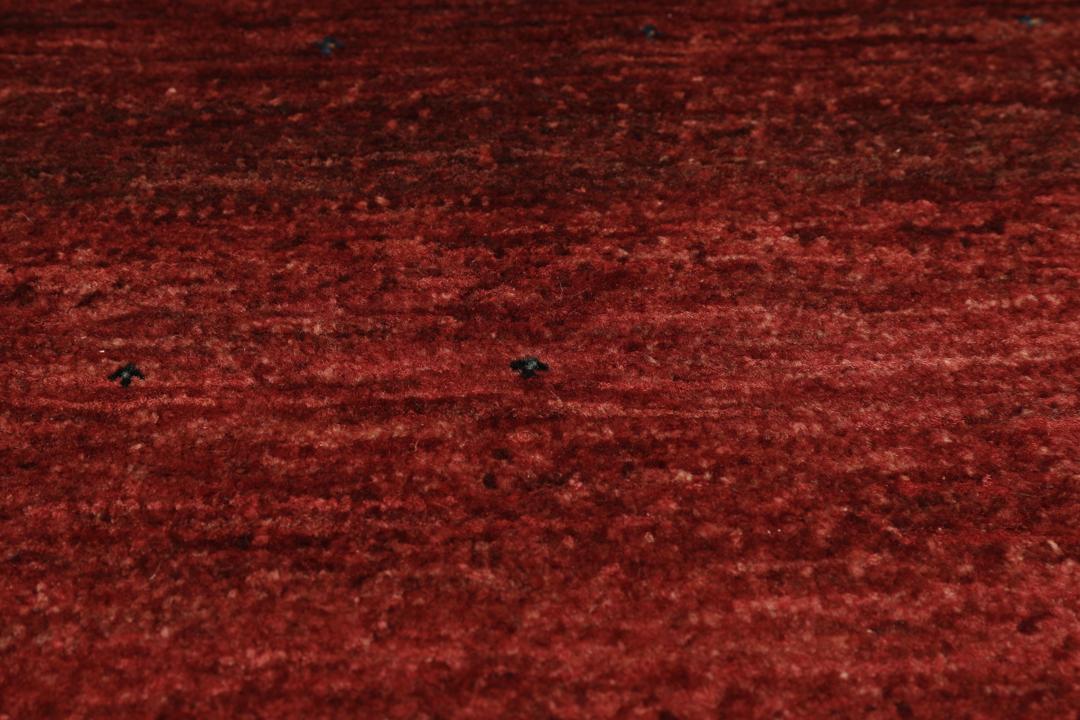
Visually, Loribaft rugs are celebrated for their artistic, often minimalist or abstract approach to design. They frequently feature deep, saturated colours derived from natural dyes, which develop a beautiful, muted patina over time. The focus is on the interplay of colour and texture rather than highly intricate, rigid motifs, giving each rug a soulful, organic appearance.
Owning a Loribaft rug is a way to connect with a storied tradition of craftsmanship that values human expression and natural materials. These rugs are highly sought after by collectors and homeowners alike for their authenticity, their ability to soften a room, and the fact that each piece serves as a permanent record of the artisan's vision and skill.