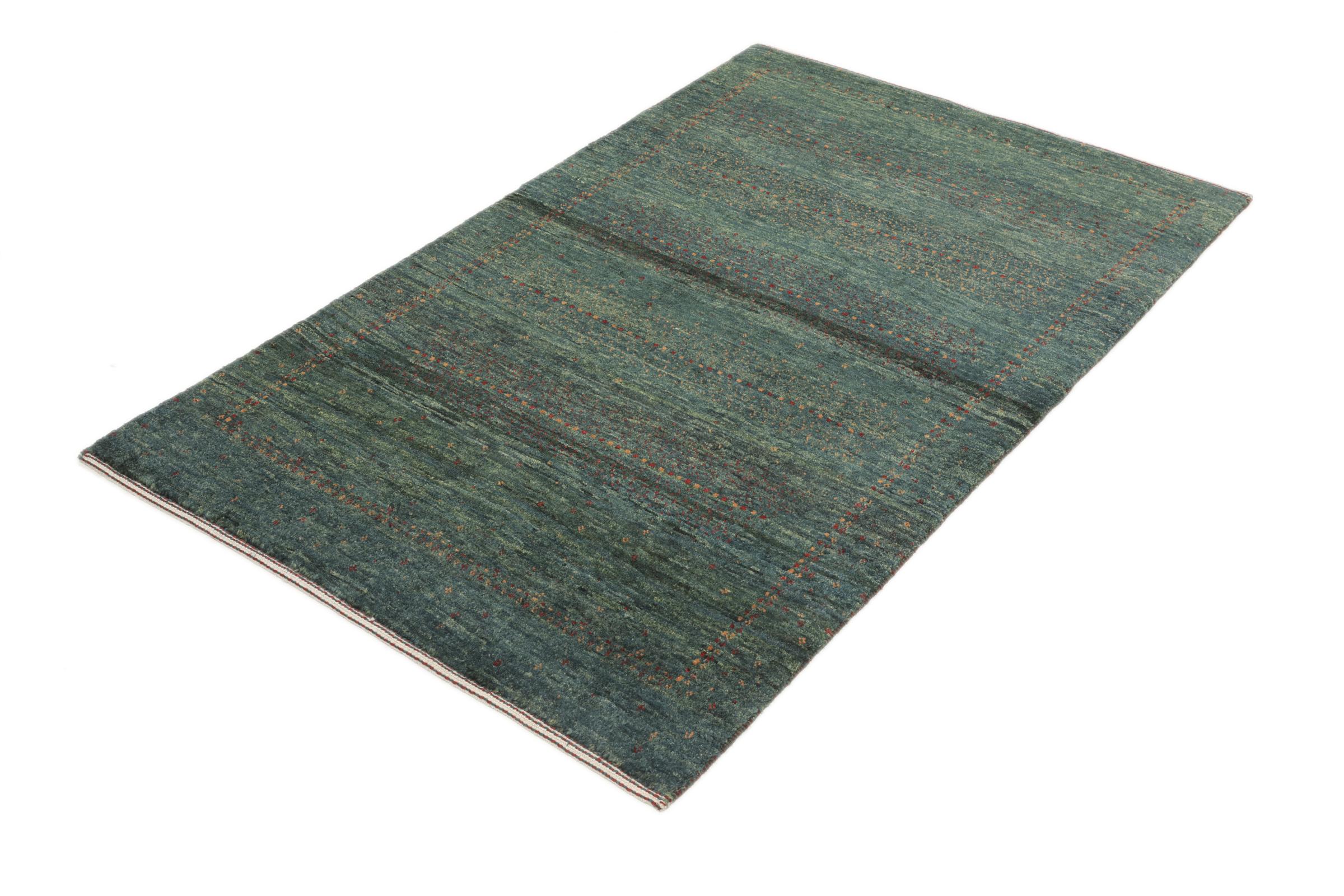
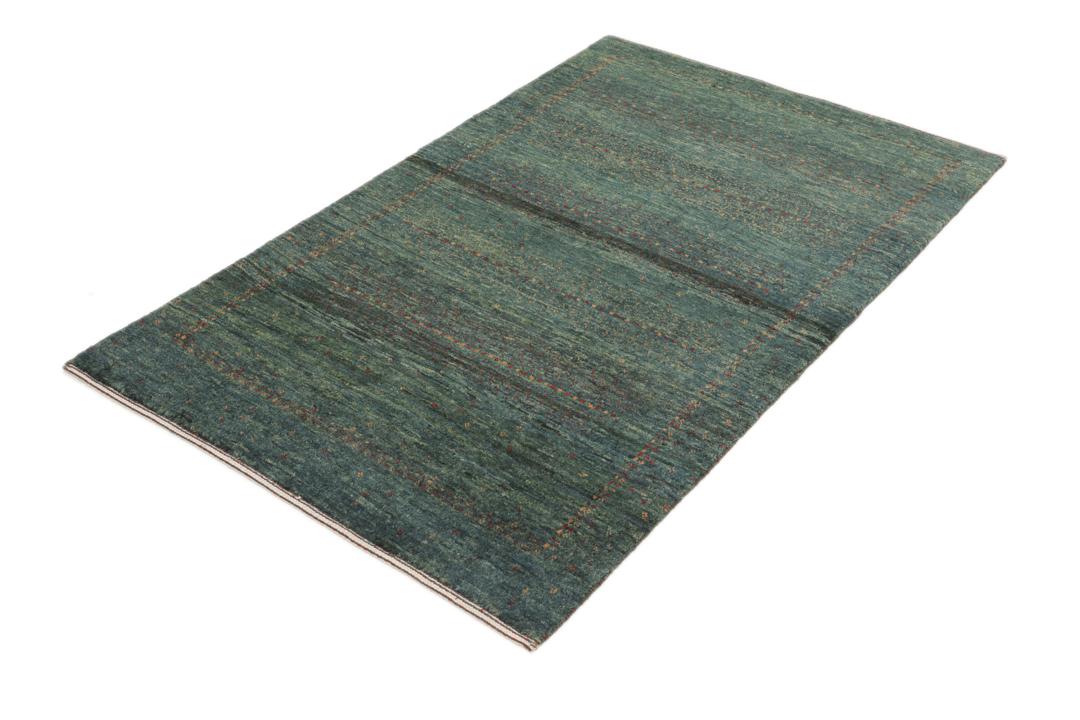
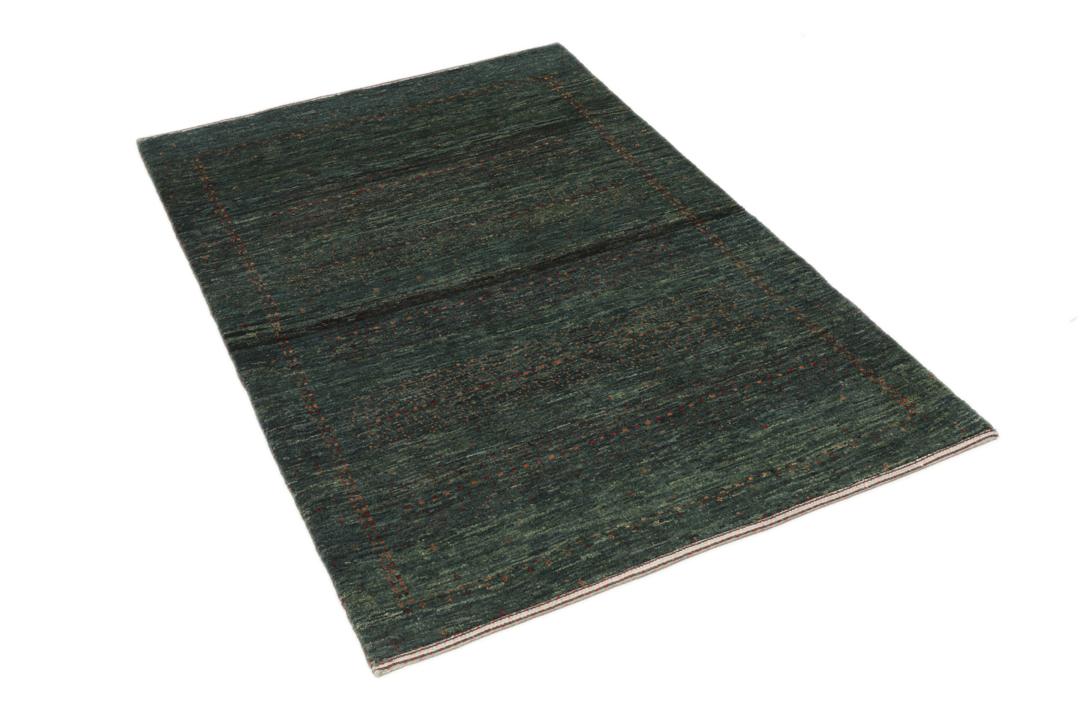
The Loribaft rug tradition finds its roots in the nomadic cultures of the Middle East, specifically among the Luri and Qashqai tribes. These rugs were originally crafted for personal use, designed to provide warmth and comfort within the harsh, varying climates of the mountainous regions. Over time, the style evolved into the sophisticated, highly sought-after aesthetic we see today.
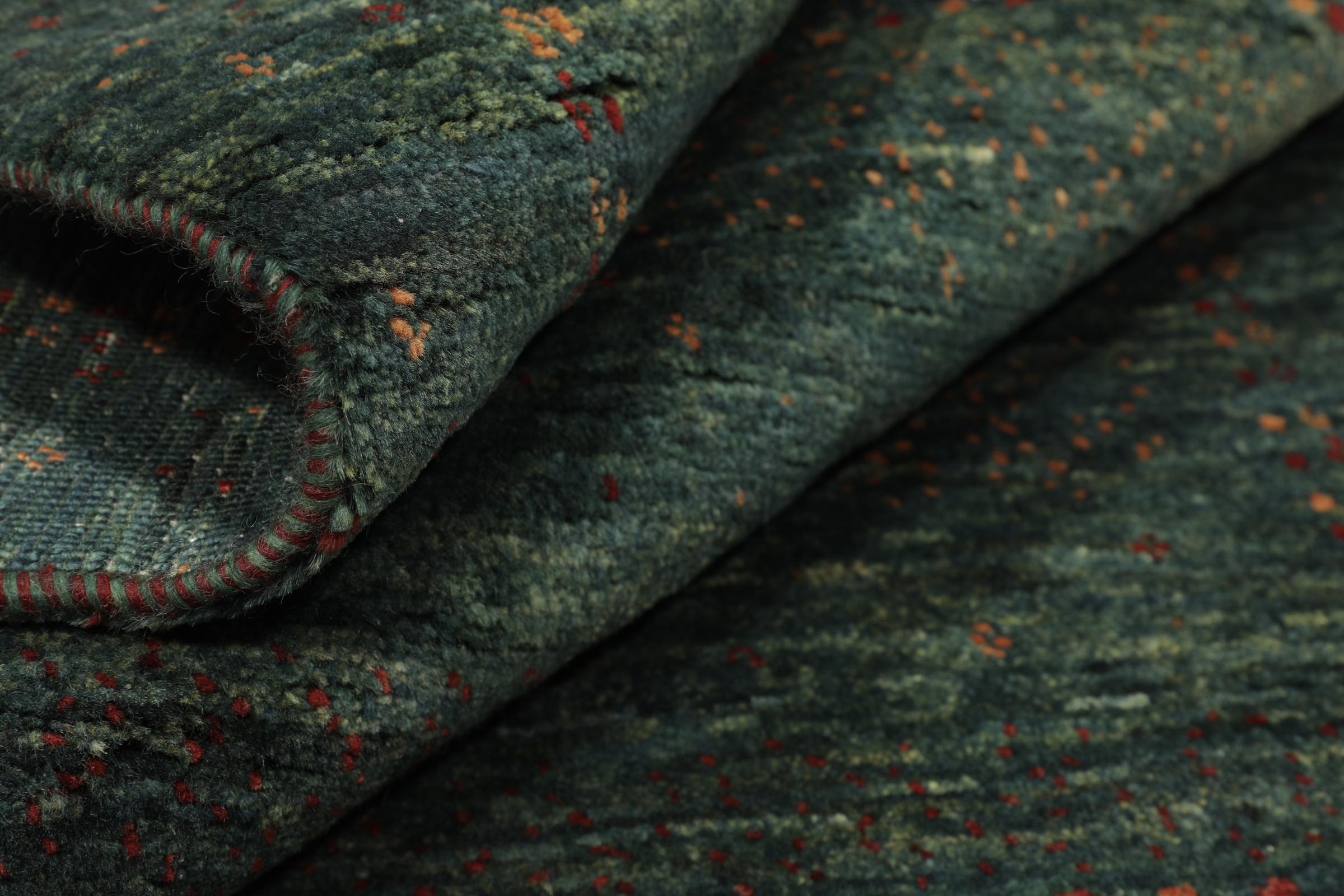
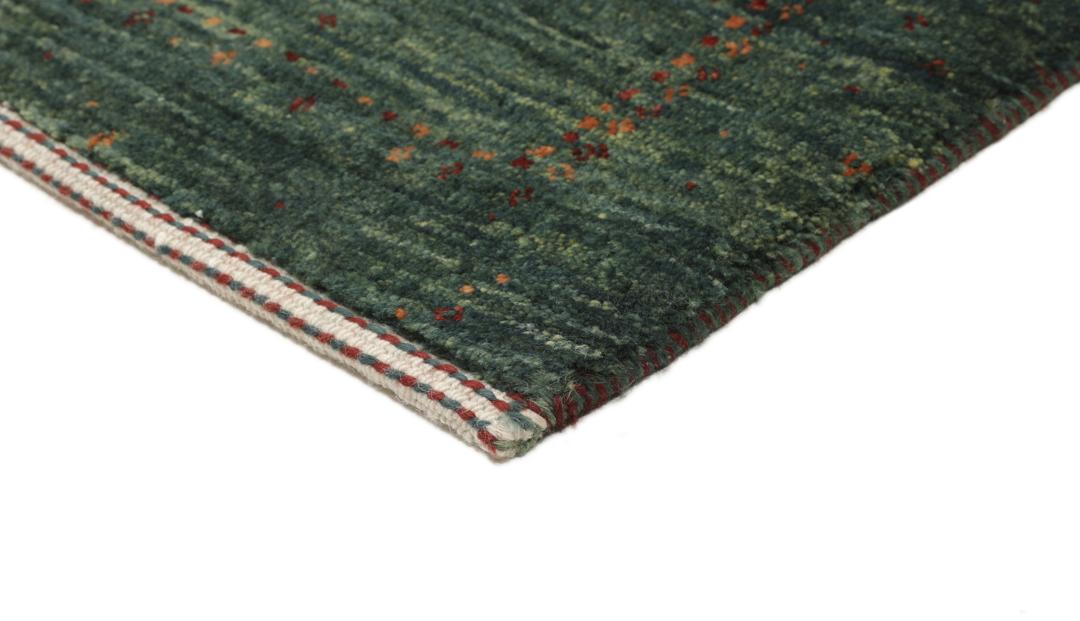
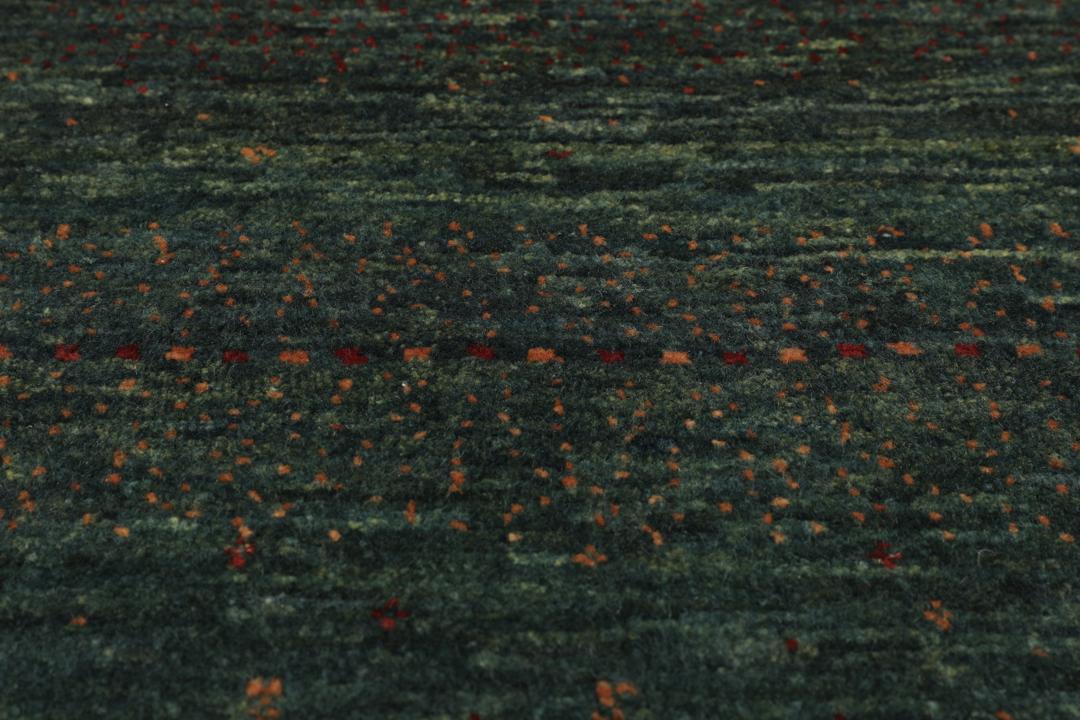
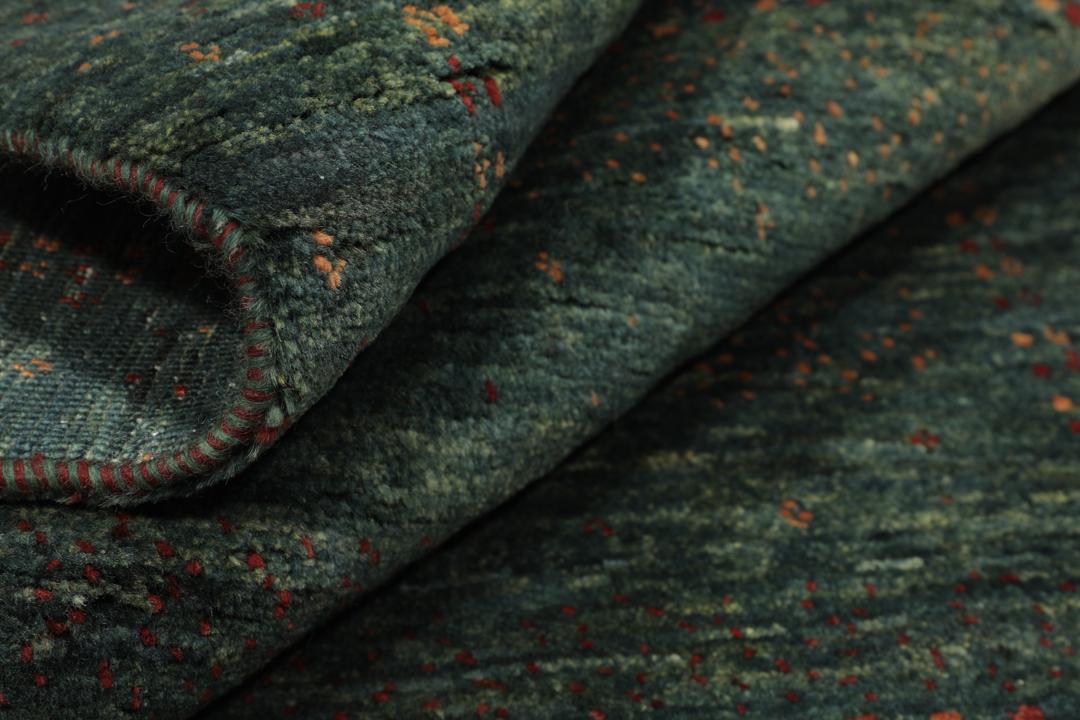
The term Loribaft refers to a specific style of weaving that prioritises a thicker, softer pile compared to traditional tribal carpets. This construction method involves using high-quality, long-staple wool that is spun into a robust, lustrous yarn. This result is a rug that feels exceptionally plush and substantial, offering a level of comfort that is synonymous with the finest examples of the craft.
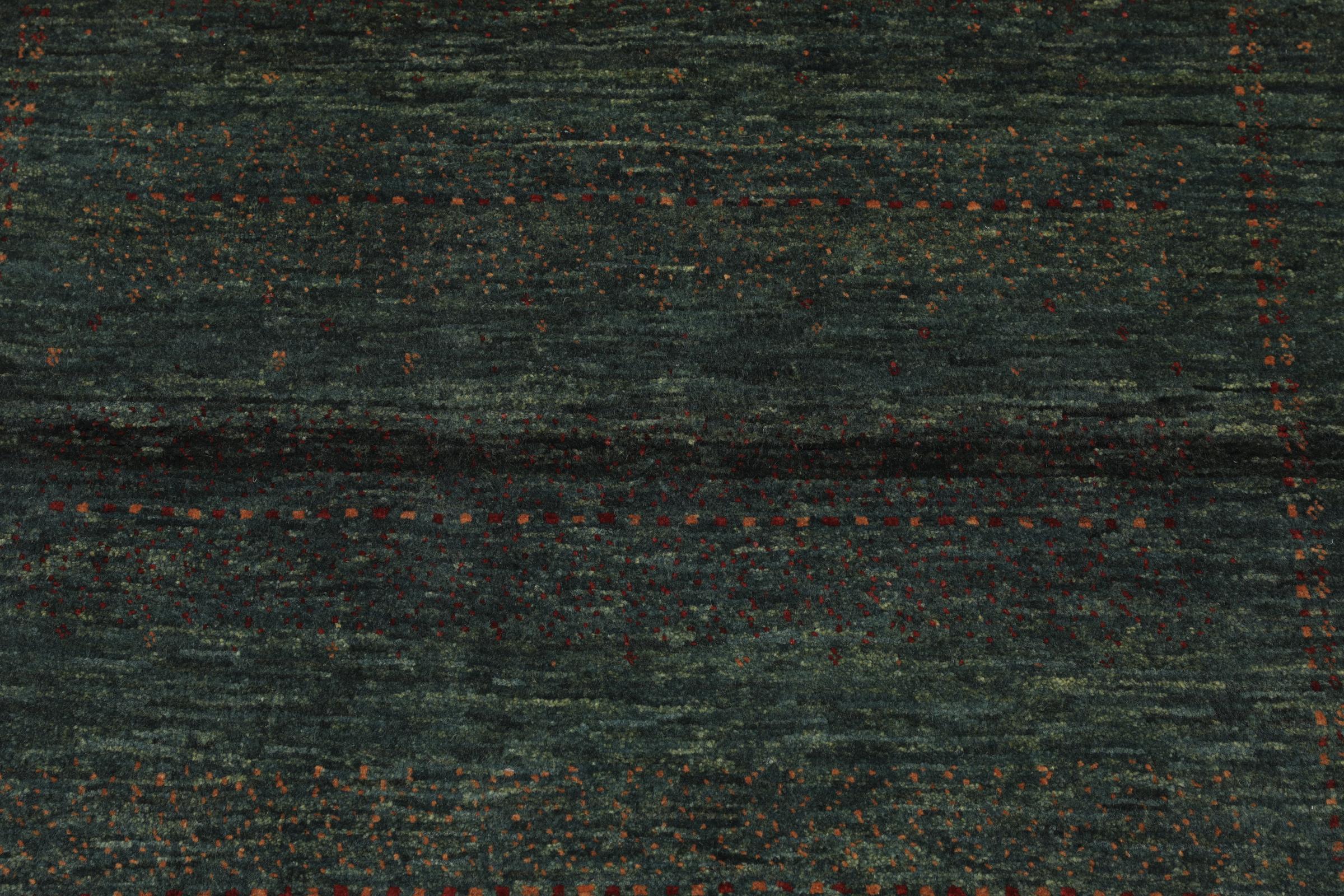
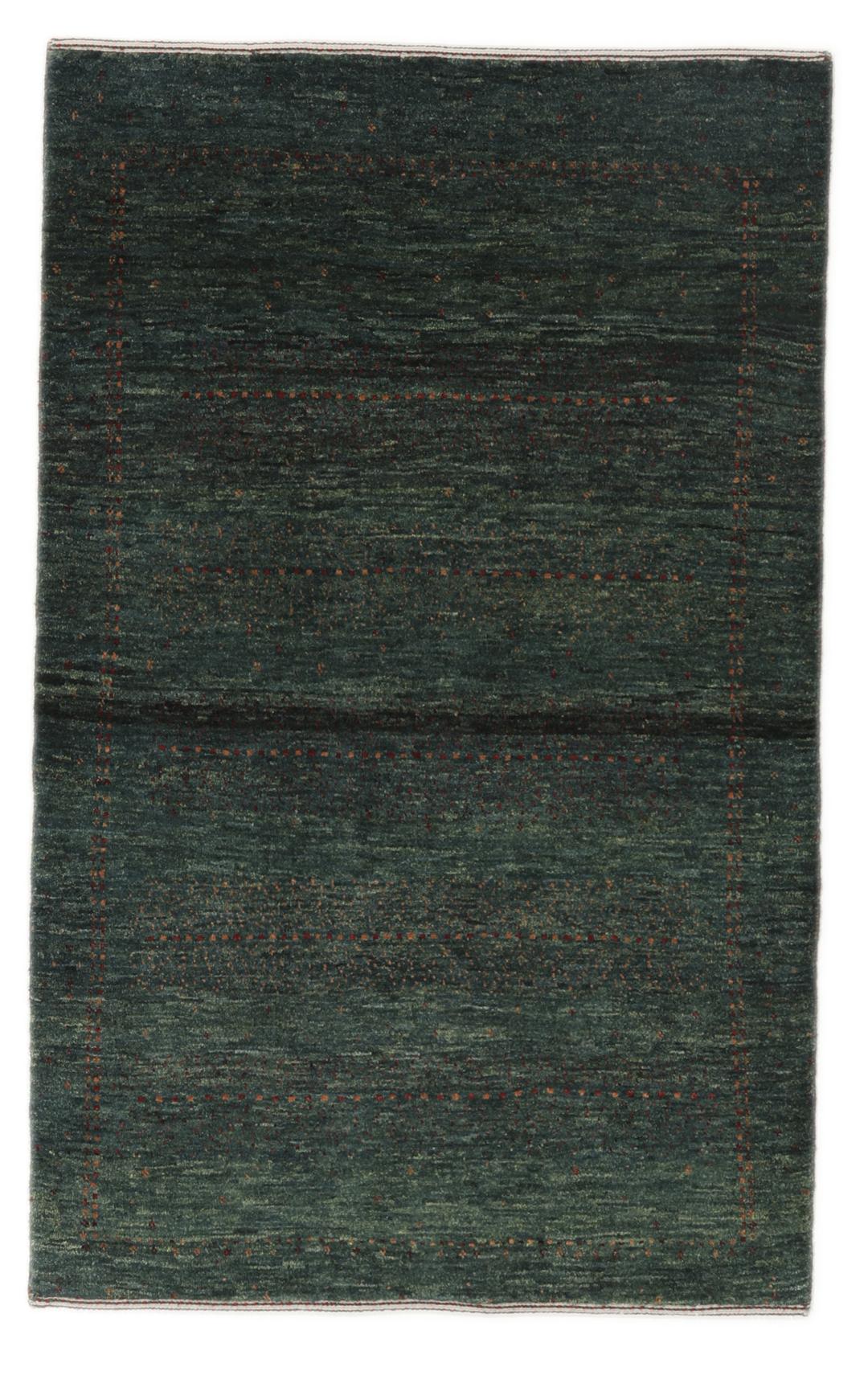
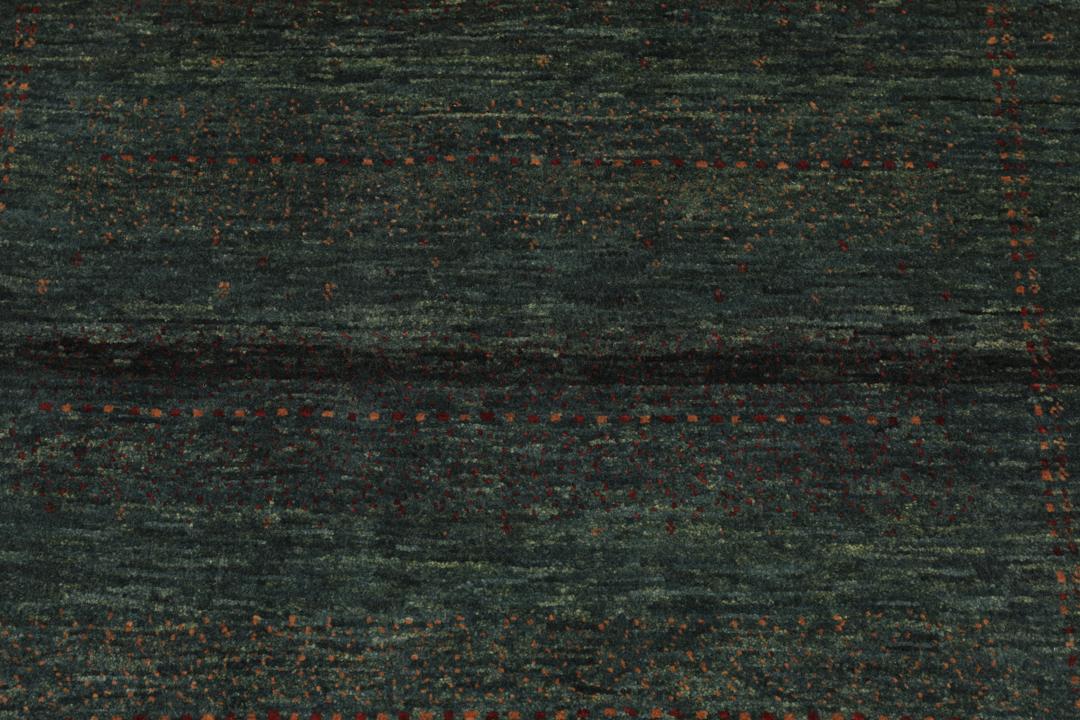
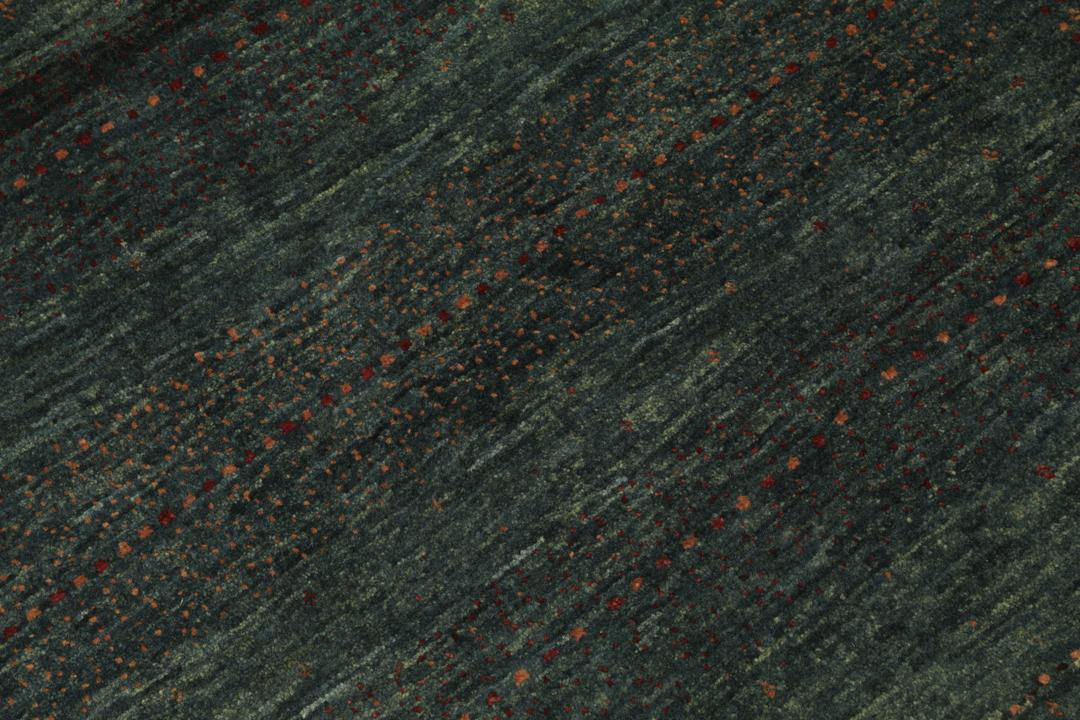
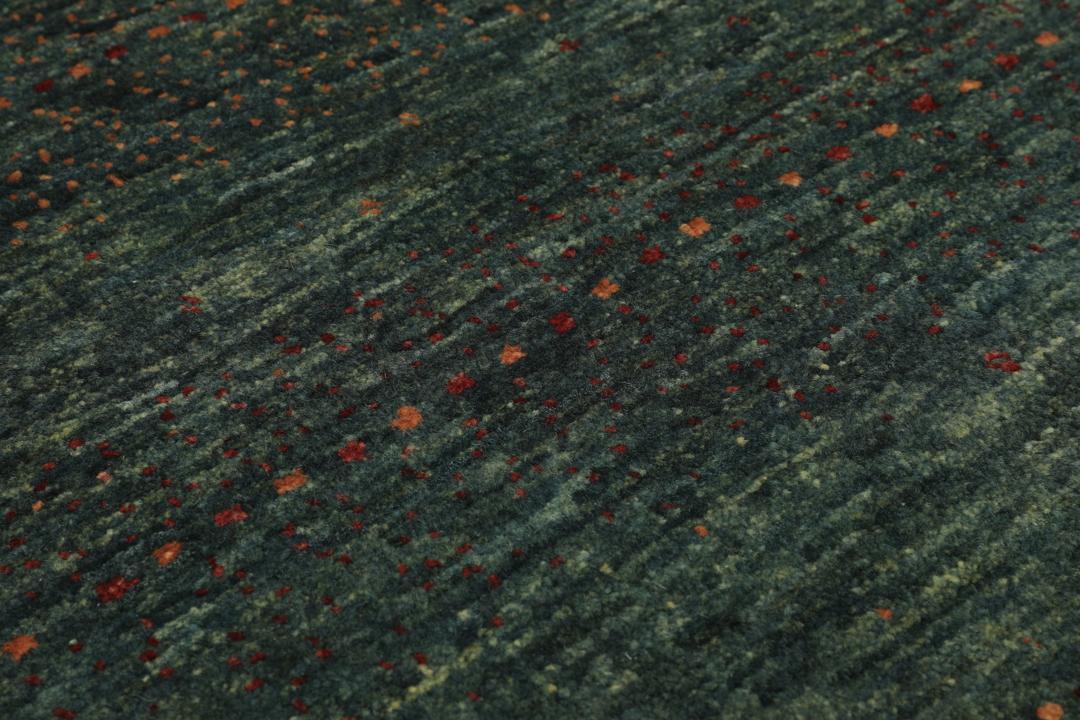
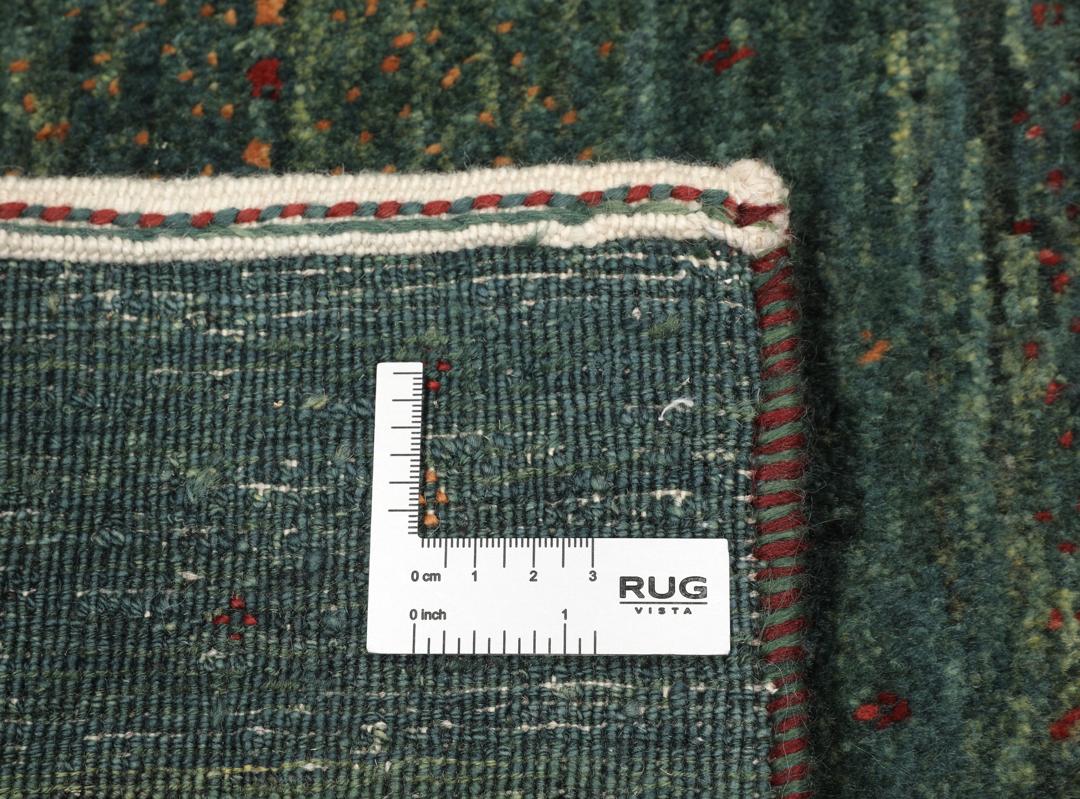
Visually, Loribaft rugs are celebrated for their ability to balance simplicity with depth. While they often feature minimalist or abstract designs, the true beauty lies in the abrash—the subtle, intentional variations in colour that occur when different batches of hand-dyed wool are used. This gives the surface a vibrant, organic quality that feels alive and ever-changing in different light.
Collectors value these rugs for their authenticity and the skill required to produce them. Owning a Loribaft means participating in a legacy of nomadic artistry that has been refined over centuries. It is a testament to the enduring appeal of handmade objects that carry the history, culture, and dedication of their makers into a modern home.